County · Transylvania
Hunedoara County
Seat: Deva
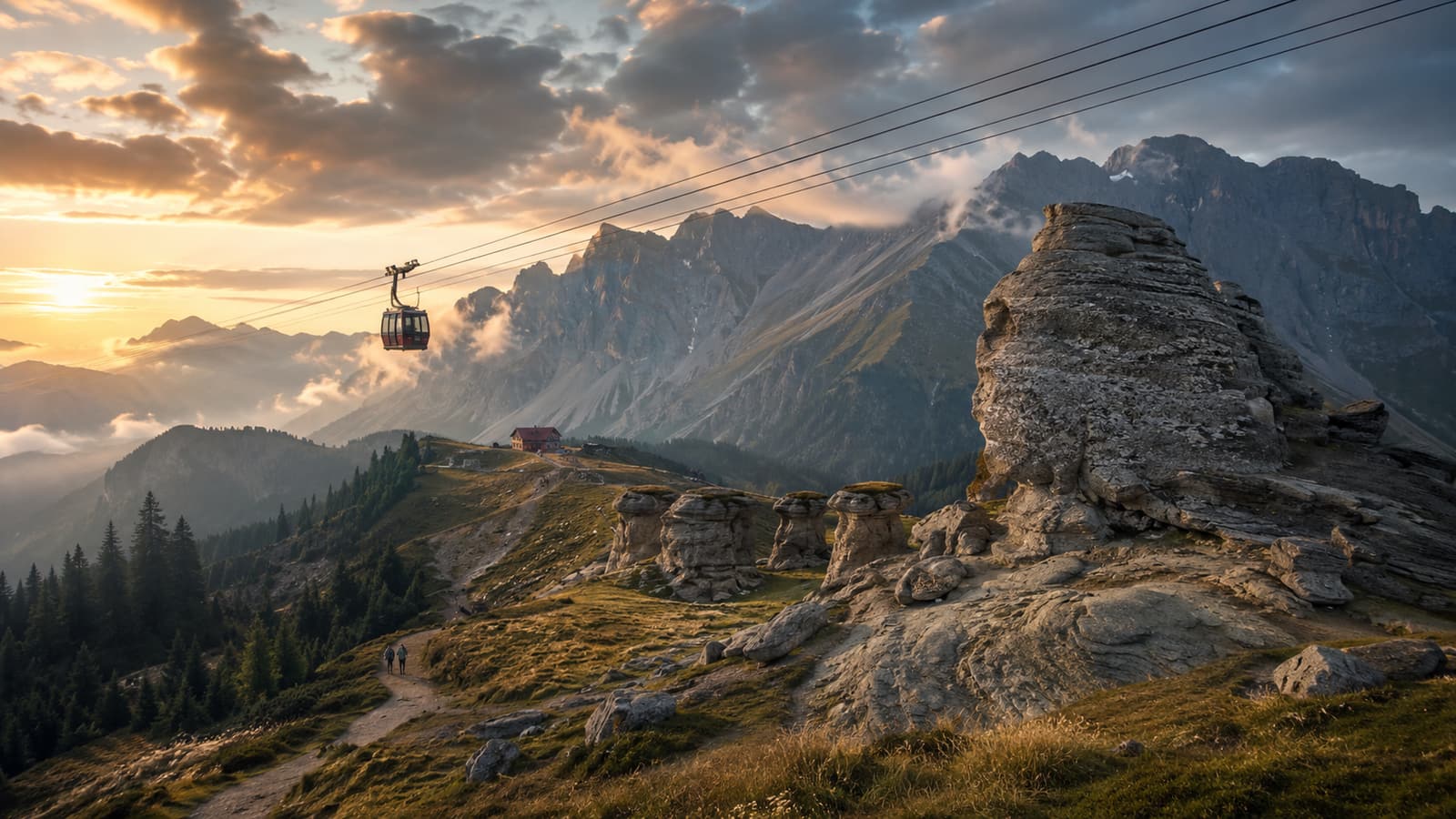
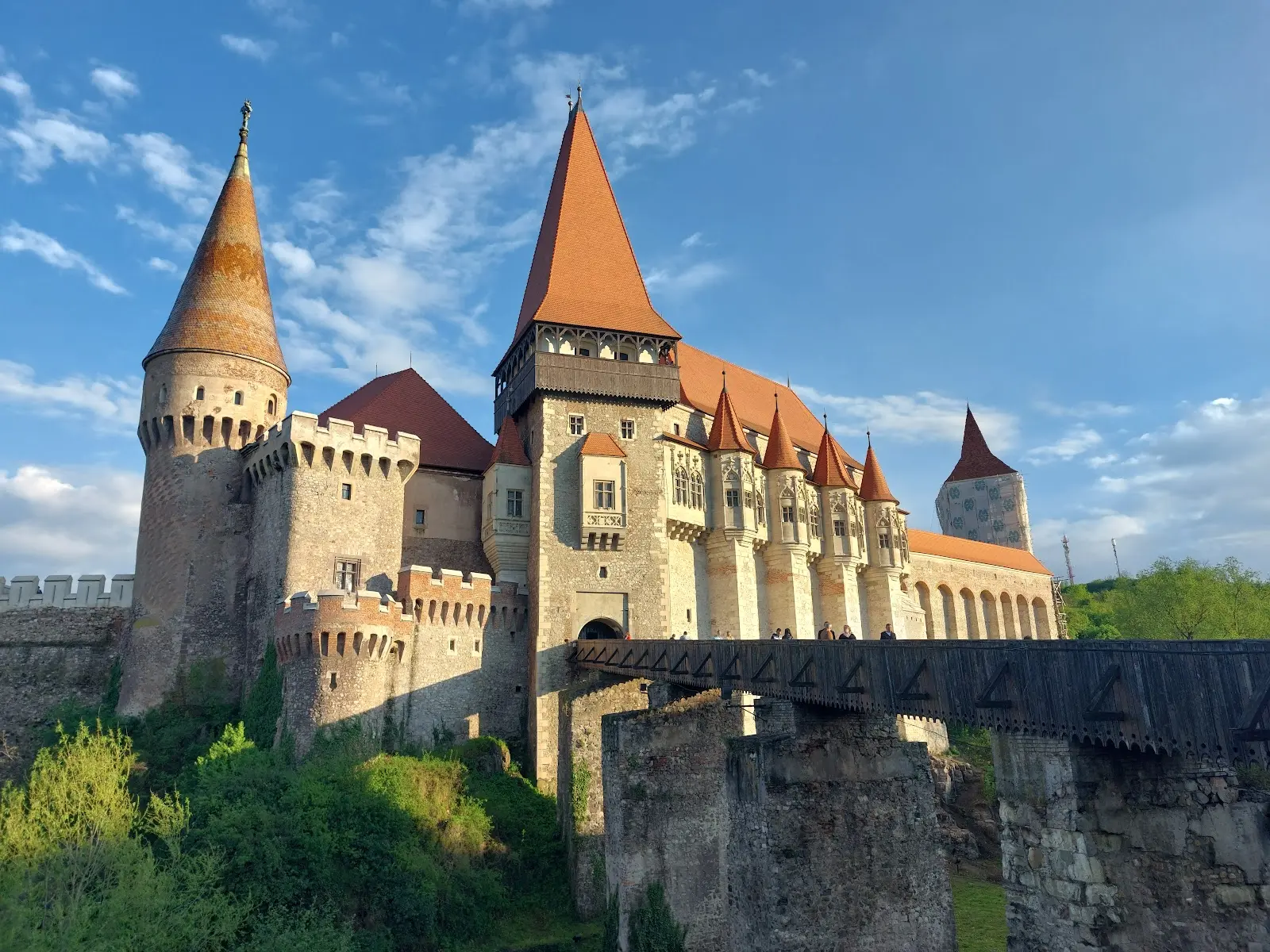
A mountain county in the heart of Transylvania, framed by the Southern Carpathians, the wild Retezat massif and the Mures and Jiu valleys. Hunedoara is where history stands in plain sight: Corvin Castle, one of Europe's finest Gothic castles, and Sarmizegetusa Regia, the Dacian capital and UNESCO site hidden in the hills.
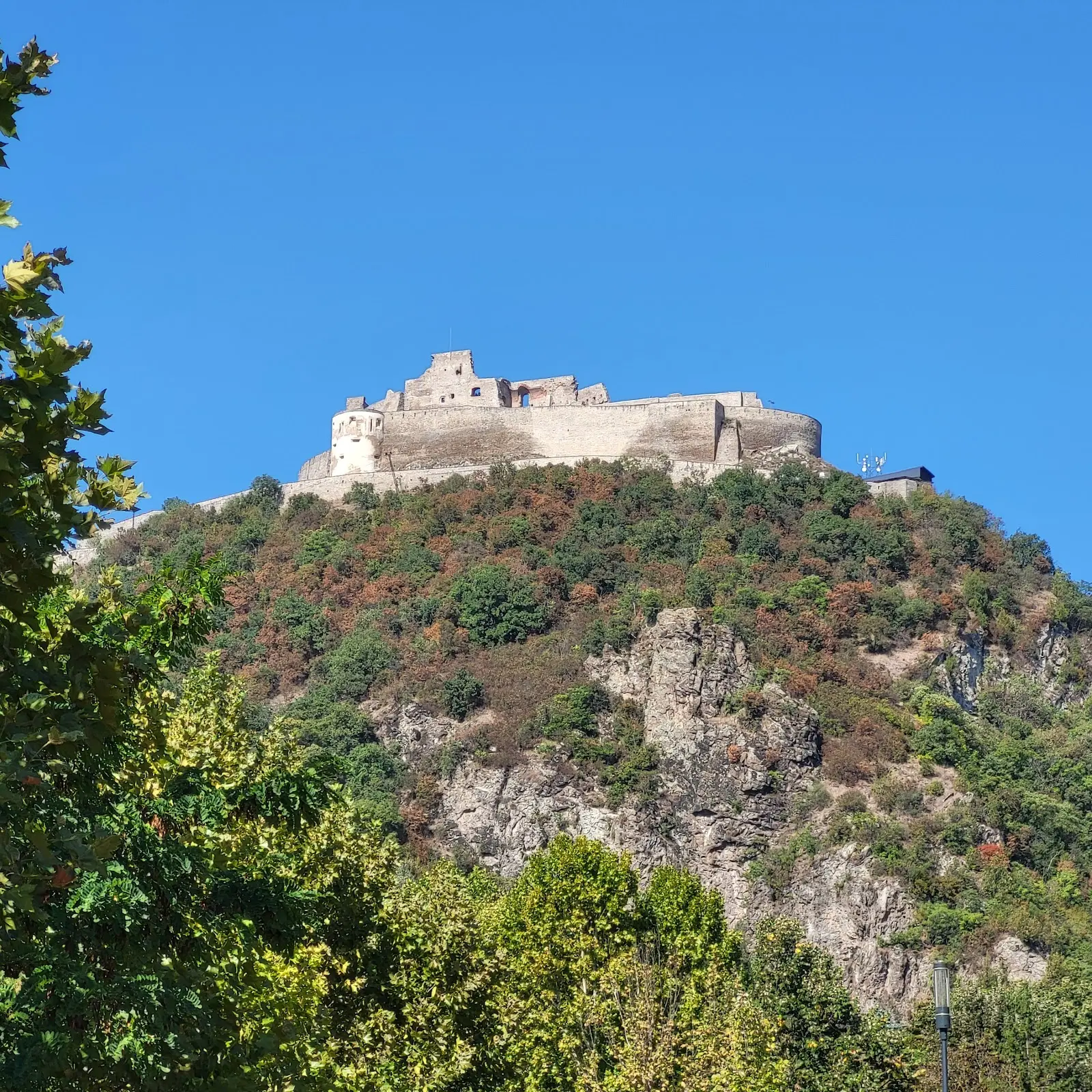
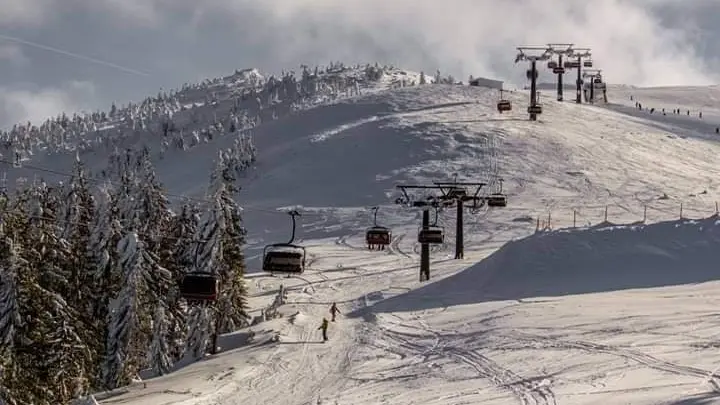
Retezat National Park, with its many glacial lakes, draws hikers from across the country, while Straja and the Jiu Valley call skiers in winter. The county seat, Deva, is watched over by a medieval citadel perched on a volcanic cone above the valley.
Cities & places in Hunedoara
Not to miss in Hunedoara
 Nature
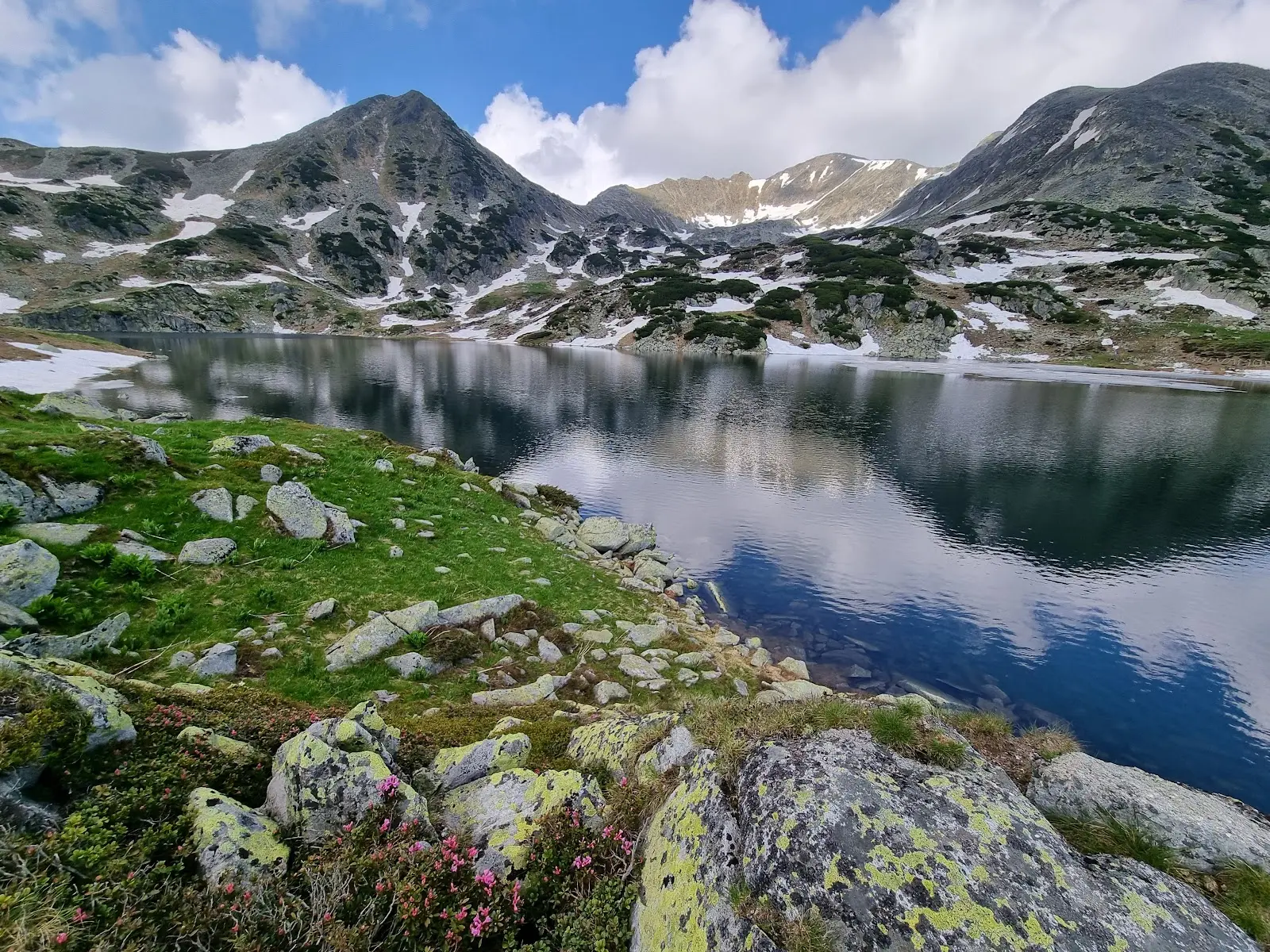
Lacul Bucura
Lake Bucura is the largest glacial lake in Romania, set at over 2000 metres altitude in the heart of the Retezat massif in Hunedoara county, one of the wildest and most beautiful corners of the Southern Carpathians. Formed after the retreat of former glaciers, the lake spreads within a broad cirque surrounded by lofty peaks and alpine meadows scattered with boulders, offering scenery of grand beauty. The clear water reflects the surrounding crests, and the area is considered one of the most spectacular in the entire Carpathian chain. The lake lies within the Retezat national park, an internationally recognised biosphere reserve that shelters numerous glacial lakes, chamois, marmots and a rich flora, including endemic species. The Bucura area is a central point for hiking and a popular camping spot for those exploring the massif, with many trails setting off here towards the surrounding peaks. Access demands effort and good fitness, but the alpine scenery fully rewards the long climb.
 Mountain
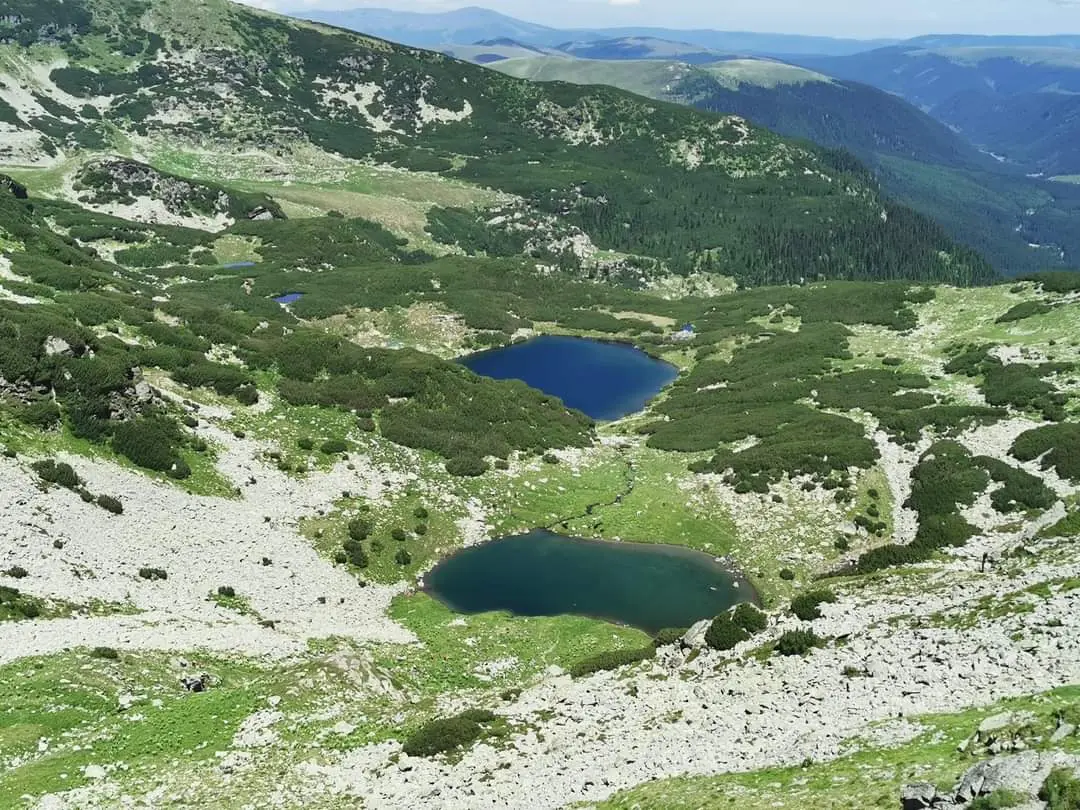
Masivul Parâng
The Parâng Massif ranks among the highest and most imposing ranges of the Southern Carpathians, rising between the Jiu Valley and the Olt Valley, north of Petroșani. Parângu Mare Peak exceeds 2,500 metres, making this one of the few massifs in Romania to reach such altitudes. The landscape is dominated by rocky ridges, glacial cirques carved during the ice ages and a genuine string of clear alpine lakes, among them Lake Roșiile and the Gâlcescu lakes, protected as a reserve. Walkers find here spectacular ridge routes, among the longest in the country, as well as skiing, the Parâng resort lying on the slope toward Petroșani. Alpine flora and fauna, with dwarf pine, edelweiss and chamois, add to the natural value of the place. Less crowded than the neighbouring Făgăraș or Retezat, Parâng rewards the experienced hiker with solitude, silence and wide views across the heart of the Carpathians.
 Nature
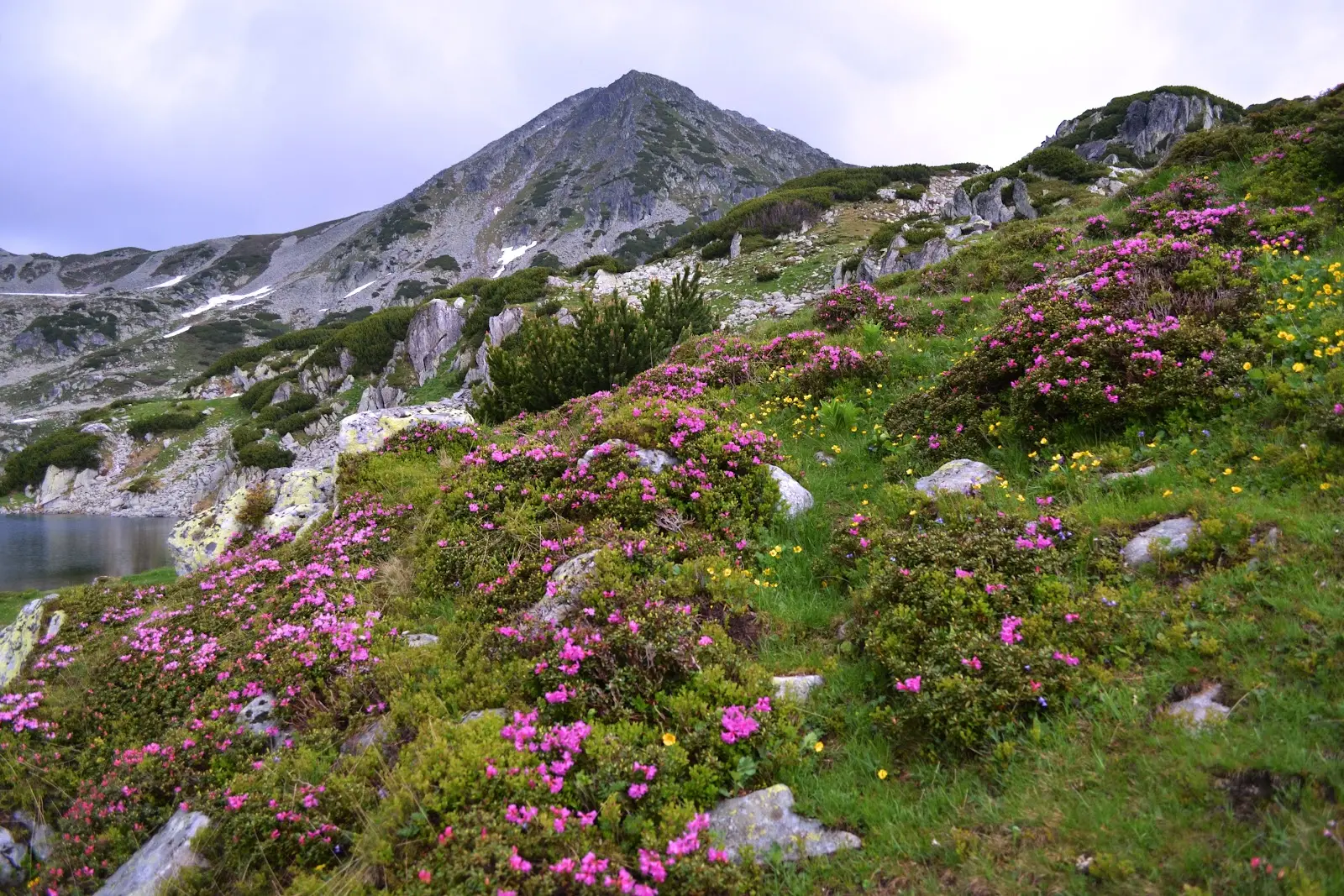
Parcul Național Retezat
Retezat National Park, the first national park in Romania and a UNESCO-recognised biosphere reserve, protects one of the wildest and most beautiful massifs in the Carpathians. Famous for its more than 80 glacial lakes, including Bucura, the largest glacial lake in the country, and Zănoaga, the deepest, the park offers spectacular alpine scenery of rocky ridges, glacial valleys and flowering meadows. It is home to chamois, marmots, bears and numerous rare plant species, some of them endemic, which makes Retezat a true treasure of biodiversity. A network of marked trails allows everything from easy walks to demanding mountain routes toward peaks over 2,500 metres. Refuges and chalets provide support points for explorers. Accessible from Petroșani and the Hațeg area, the park is an ideal destination for nature lovers, hikers and photographers seeking the authentic wilderness of the Romanian mountains. Visitors are asked to respect the rules of the protected area in order to preserve the fragile balance of this unique ecosystem.
 Monastery
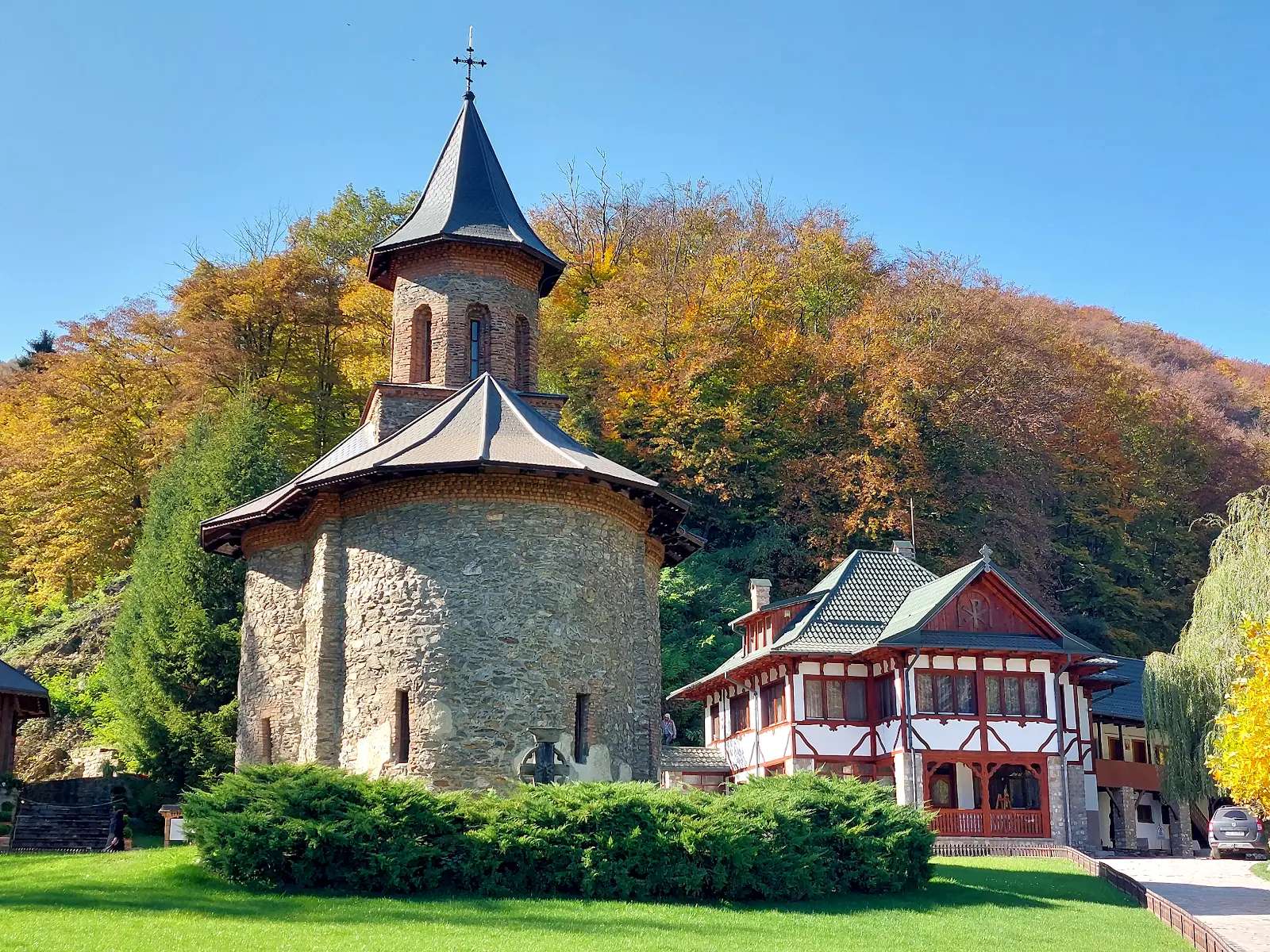
Prislop - Mănăstirea Prislop
Prislop Monastery, hidden in a wooded glade in the Hațeg Land of Hunedoara county, is one of the most visited pilgrimage sites in Transylvania. Founded in the 14th century and linked to the monk Nicodemus of Tismana, the settlement has a rich history, renewed over the centuries and connected to leading figures of Romanian Orthodoxy. Its contemporary fame owes much to Father Arsenie Boca, a renowned confessor whose grave in the monastery cemetery draws tens of thousands of the faithful each year. The natural setting, with forest, a spring and deep silence, reinforces the atmosphere of contemplation. Visitors find a modest church, monastic cells and a landscape that invites reflection. As an active place of worship, modest dress and respect for services are advised; check the liturgical and visiting schedule.
 Church
Biserica Densuș
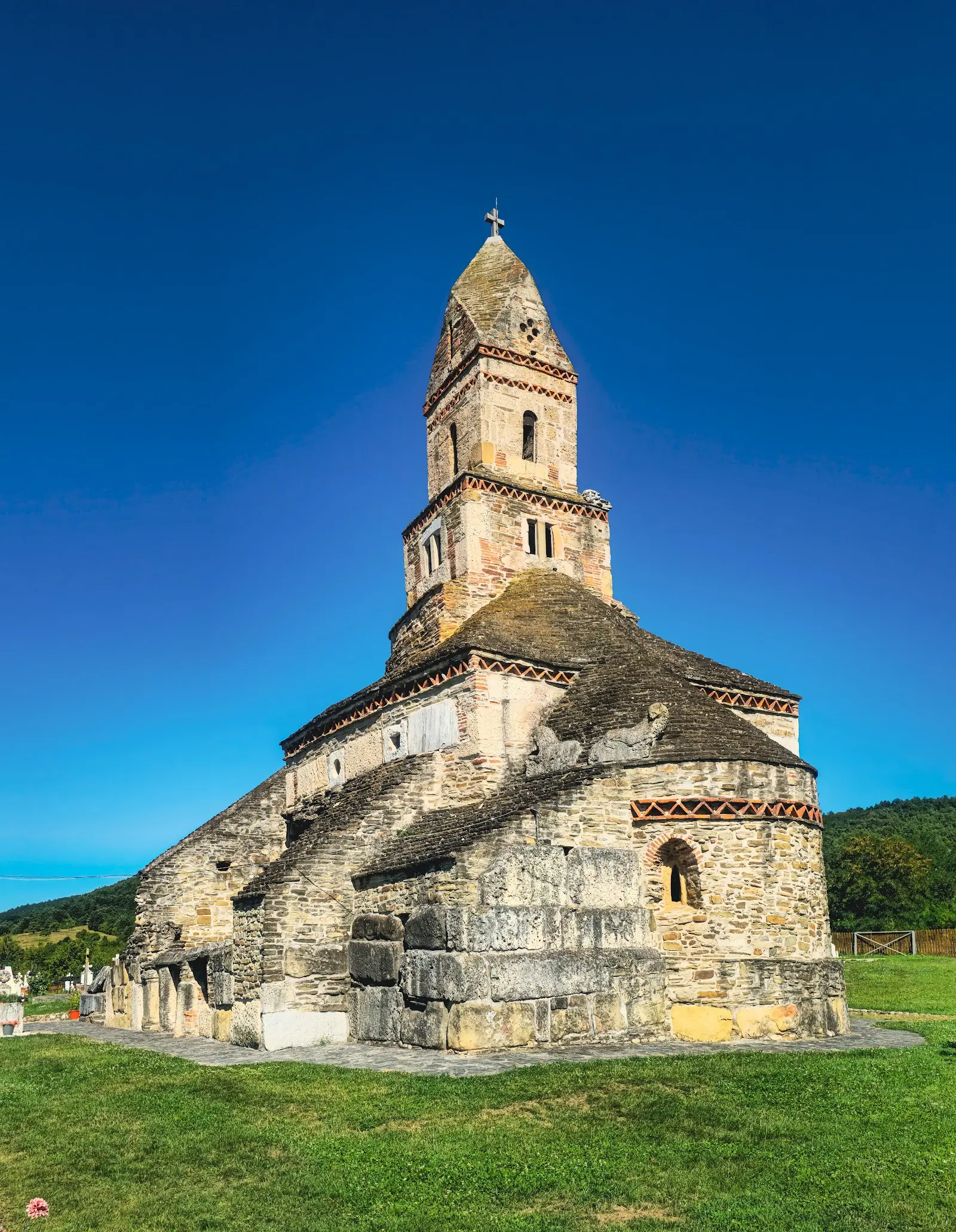
The church of Densuș in Hunedoara County is regarded as one of the oldest stone churches in Romania still in use, and its unusual appearance has fascinated visitors for centuries. Probably built in the thirteenth century on the site of older structures, it was raised largely from Roman stones brought from the nearby fortress of Ulpia Traiana Sarmizegetusa. In its walls one can recognise slabs with Latin inscriptions, shaped blocks, and reused column fragments, a true collage of ancient material. The very narrow interior shelters fresco fragments from the fifteenth century, painted by local masters. The massive silhouette, with a central tower resting on heavy pillars and a stone roof, gives it an archaic, almost unreal character. Visitors should look closely at the walls to find the Roman traces and respect the cramped space of a church that is still in liturgical use.
 Landmark
Sarmizegetusa Regia
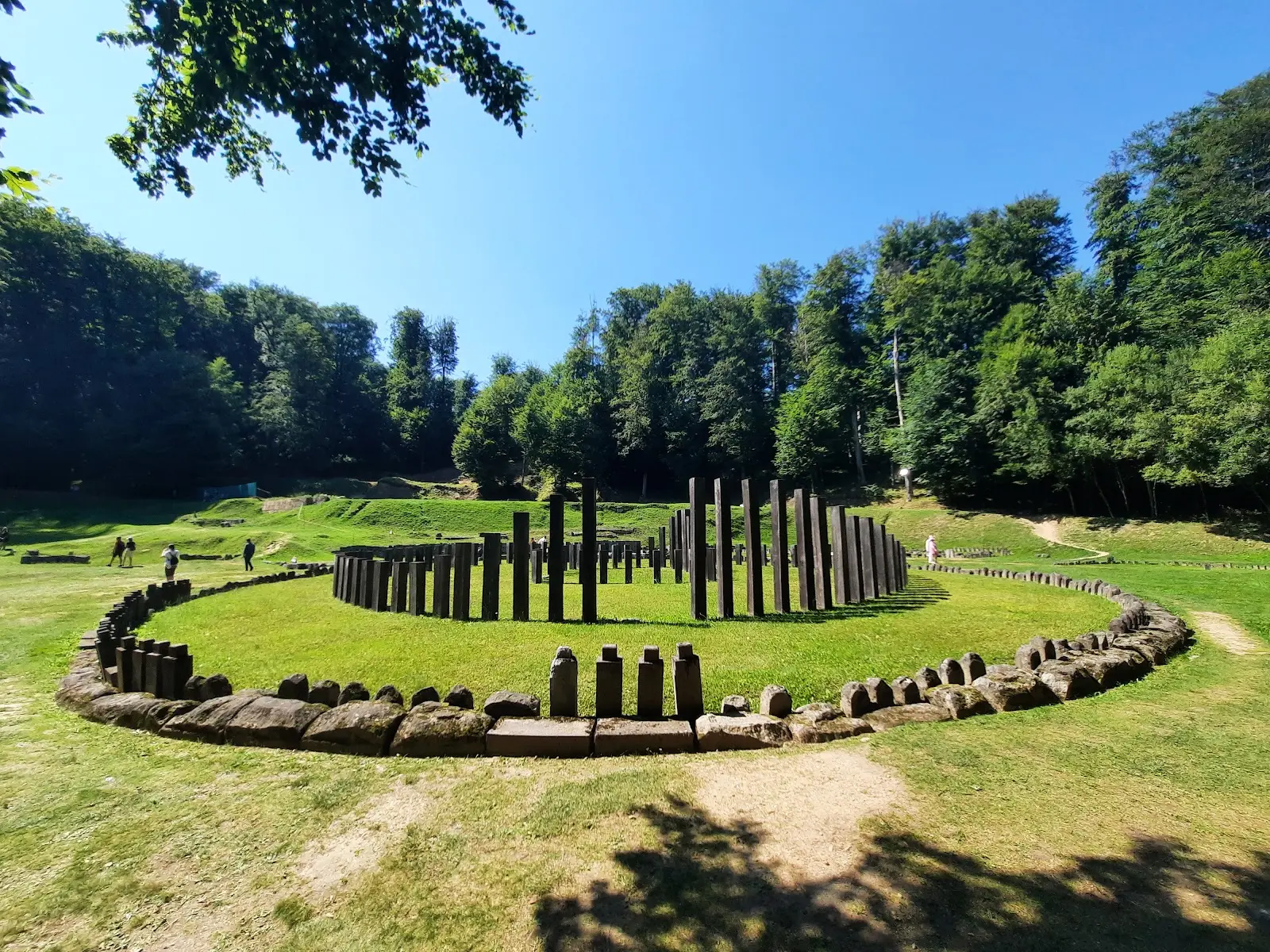
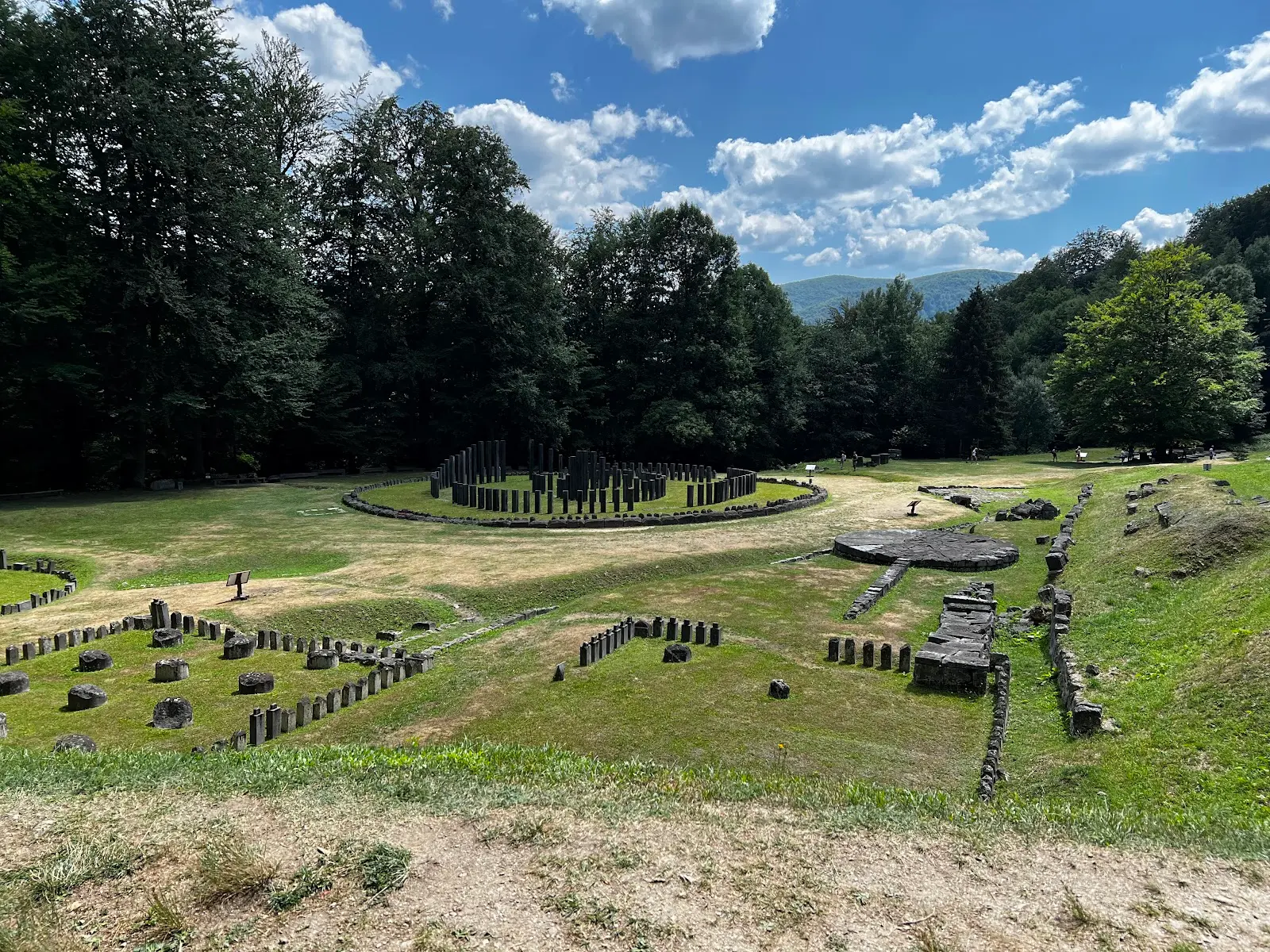
Sarmizegetusa Regia was the political, military and religious capital of the Dacian kingdom, set high in the Orastie Mountains in the Hunedoara area. Listed as UNESCO World Heritage together with the other Dacian fortresses, the settlement comprised a strongly defended stronghold, a civilian quarter and a remarkable sacred zone with circular and rectangular sanctuaries of stone and wood, including the famous andesite sun. This was the seat of King Decebalus before the Roman conquest of the year 106, following the wars waged by Emperor Trajan. Visitors can walk the ancient paved lanes, see the foundations of the sanctuaries and the walls built in the distinctive Dacian technique. The natural setting, with dense forests and deep silence, gives the place a special atmosphere. Access is by mountain road and then a footpath, and comfortable footwear is needed. It is a key site for the ancient history of Romania.
 Nature
Peștera Bolii
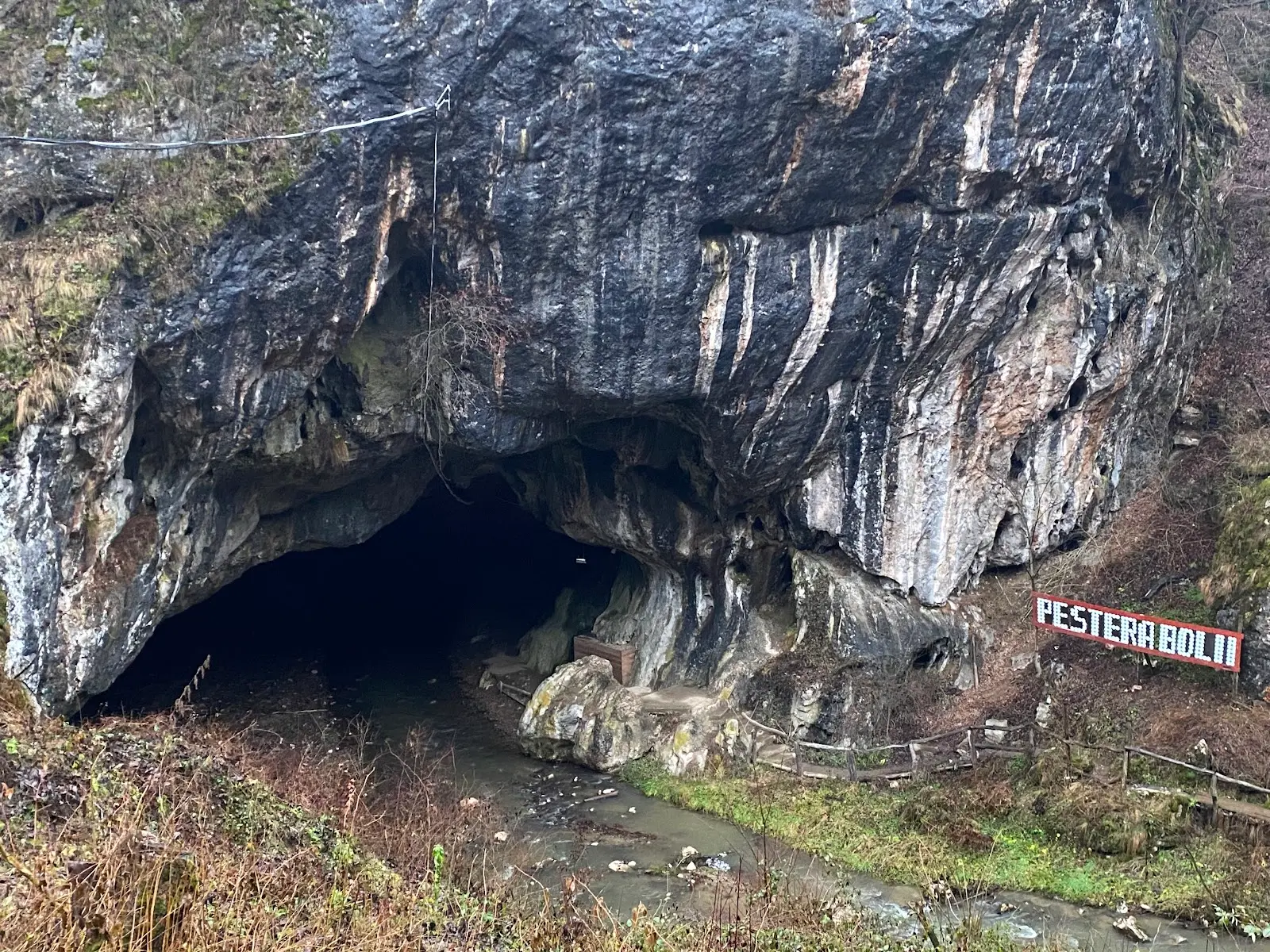
Bolii Cave is a spectacular cave located in Hunedoara county, near the town of Petrosani and the Hunedoara area, in a striking natural setting. The cave is crossed by a stream which over time has carved out ample galleries, forming a natural tunnel with impressive entrances and high limestone vaults. Visitors can walk through the cave along an arranged path, admiring the play of light at the open ends of the gallery, where the water flows gently among the rocks. The surrounding setting, with cliffs and vegetation, adds to the charm of the place. Bolii Cave sometimes hosts cultural events thanks to its remarkable acoustics and its special atmosphere. Being relatively easy to reach and located close to the main road, the cave makes a pleasant stop for those exploring the Jiu Valley and its surroundings, offering a cool excursion into the underground world of the Carpathians.
 Nature
Cascada Clocota
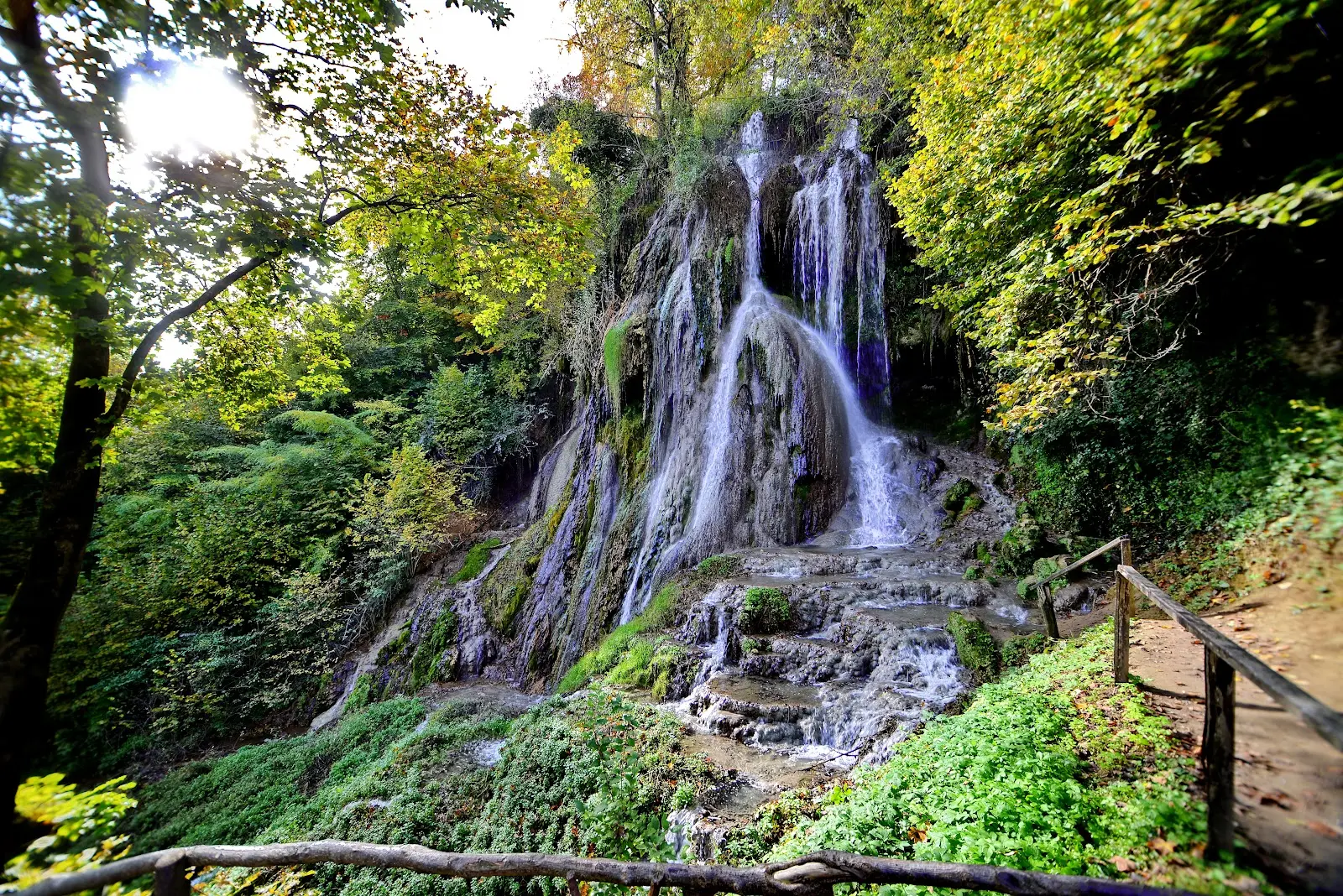
Clocota Waterfall is a natural cascade set in the spa resort of Geoagiu-Băi, near Deva in Hunedoara County, in an area known since Antiquity for its thermal springs, used by the Romans. What makes this place special is that the waterfall's water comes from a warm, mildly thermal spring, which means the water thread does not fully freeze even in winter, offering unusual views in the cold season, when steam rises above the fall. The water tumbles over a rock covered in moss and rich vegetation, in a quiet natural setting near the resort's walking trails. The name Clocota refers to the bubbling of the descending water. The waterfall is easy to reach, lying close to the leisure area and the thermal baths, which makes it a pleasant stop for visitors to the resort. The scenery, with the surrounding greenery and the murmur of the water, invites relaxation. Visitors are advised to be careful on the wet, stony paths near the waterfall, especially after rain.
 Park
ParkParcul Natural Grădiștea Muncelului-Cioclovina
Gradistea Muncelului-Cioclovina Natural Park, located in the Sureanu Mountains of Hunedoara County, is a highly valuable protected area that combines a spectacular karst landscape with an exceptional historical heritage. Here lie the Dacian fortresses of the Orastie Mountains, inscribed on the UNESCO World Heritage list, among them Sarmizegetusa Regia, the capital and religious centre of the Dacian kingdom, with its circular sanctuaries and impressive terraces hidden in the forest. The park also includes caves, gorges and a rich limestone relief, such as the Cioclovina area, known for paleontological and archaeological discoveries. The dense beech forests shelter a diverse fauna and create an atmosphere of mystery that suits the sacred places of the Dacians. Practical note: visiting the Dacian fortresses requires hiking footwear and time, as the sites are scattered; forest roads can be difficult, so check accessibility in advance.
 Church
Catedrala Sfântul Nicolae Deva
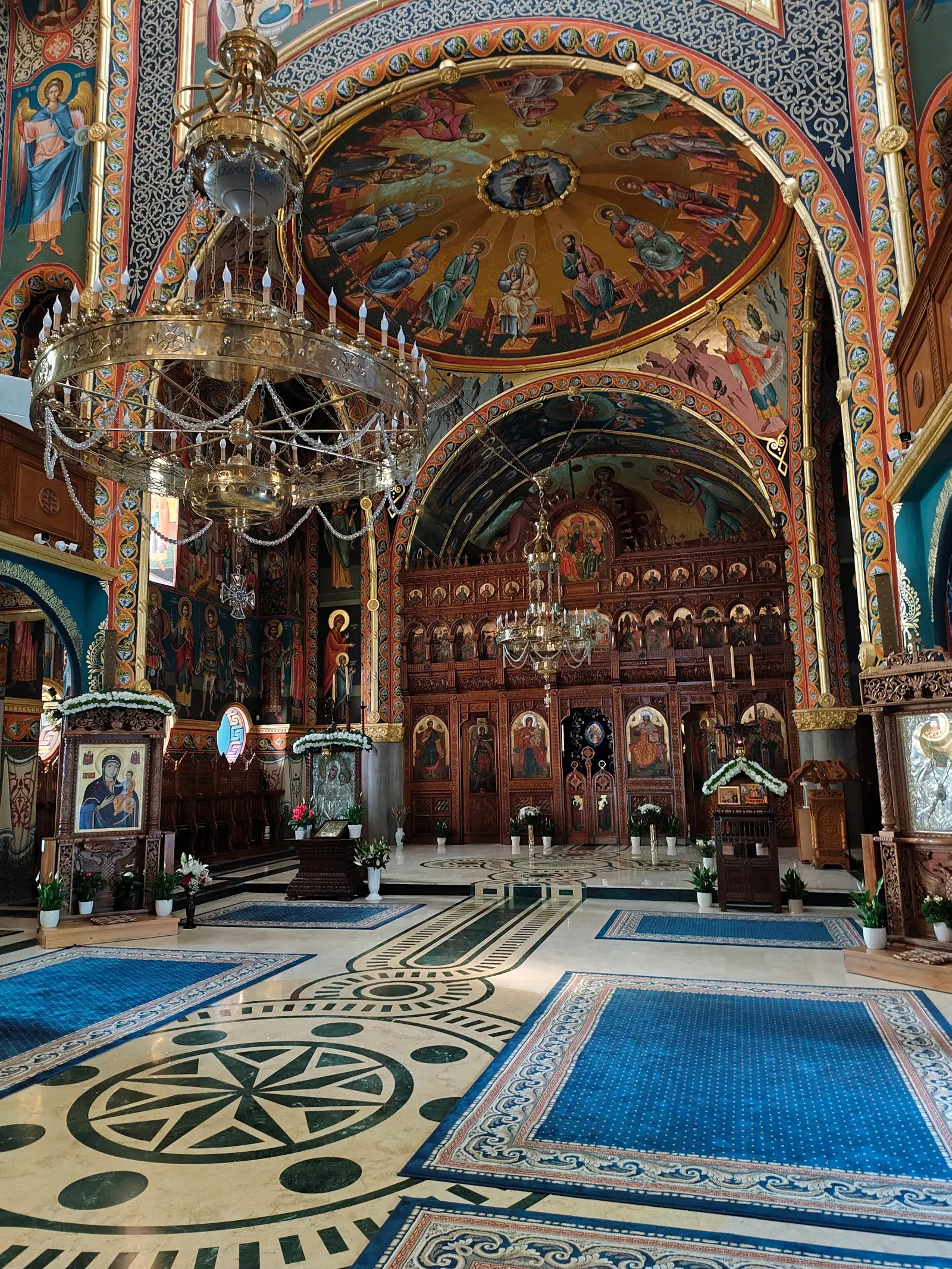
St Nicholas Cathedral in Deva is one of the representative churches of a town set at the foot of the fortress hill, where the ruins of the medieval citadel watch over the Mureș valley. This Orthodox church serves as an episcopal cathedral and is a spiritual landmark for the community in the seat of Hunedoara County. Its architecture blends the traditional lines of Romanian churches with the monumental ambition of the great cathedrals raised in the modern era, its towers rising above the rooftops of the centre. The interior holds mural painting in the characteristic technique, a wooden iconostasis and icons that illustrate the rich register of Orthodox iconography. Standing in the heart of Deva, the cathedral connects naturally to the rest of the urban heritage: the volcanic fortress hill, the Magna Curia Palace and the museum housed there. For travellers exploring the Land of the Pădureni and the nearby Dacian fortresses of the Orăștie Mountains, Deva is a natural stop, and the cathedral a place of quiet before the climb to the ruins.
 Landmark
Statuia lui Decebal Deva
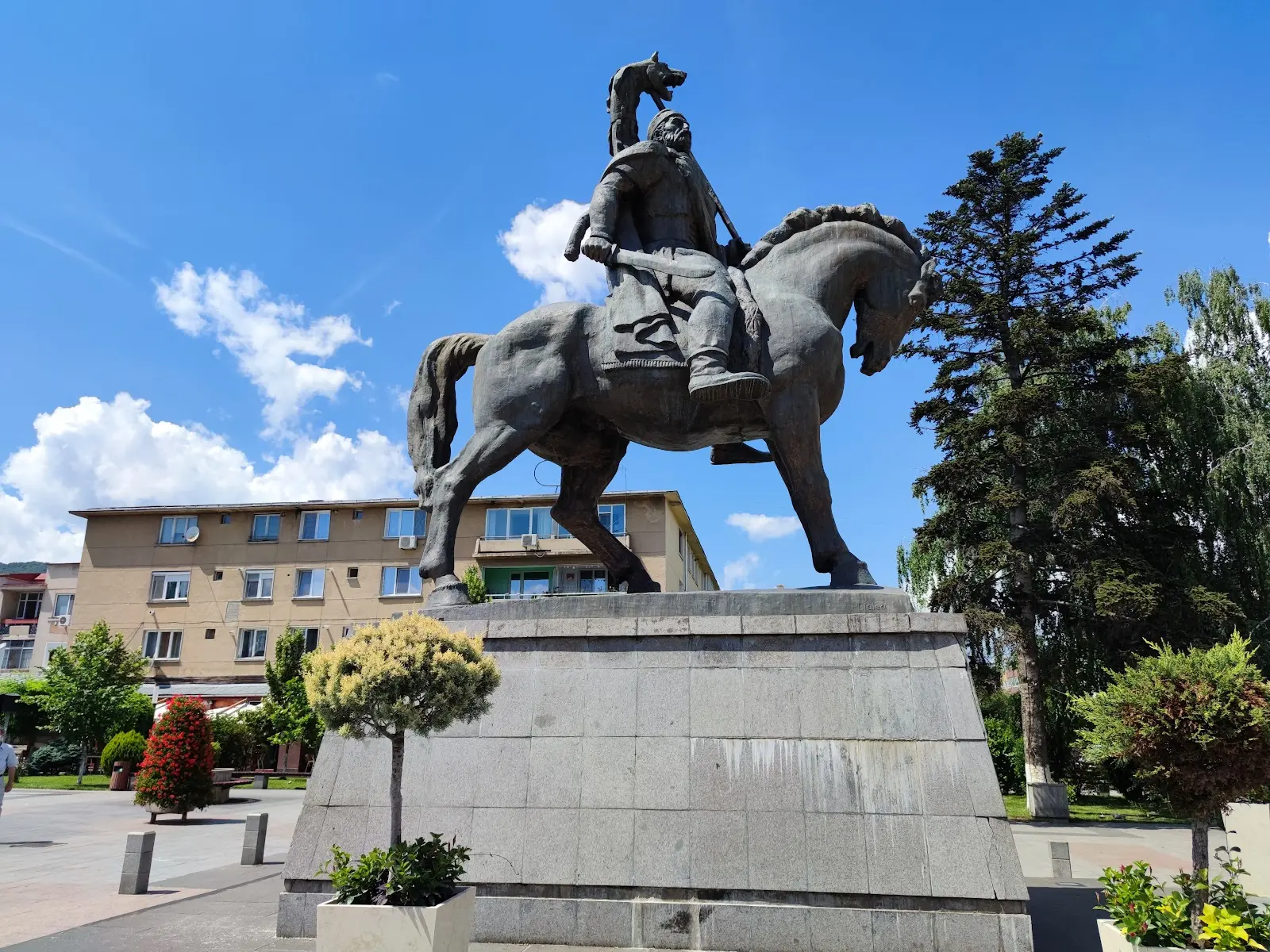
The statue of Decebalus in Deva depicts the last king of the Dacians, the one who led the struggle against the Roman Empire under Emperor Trajan at the start of the second century. Set in the town, it belongs to a series of monuments raised in Transylvania to mark the Dacian origin of the Romanian people and to keep alive the memory of ancient resistance. Decebalus is shown in a dignified pose, with royal insignia, evoking the figure of the ruler who chose death over captivity after the fall of the capital Sarmizegetusa. Hunedoara County, where Deva lies, is the very heart of the old Dacian kingdom, with many mountain fortresses, which gives the monument special meaning for the area. Above the town watch the ruins of the medieval fortress, reachable by cable car. Visitors can link the statue to a tour of the Dacian sites nearby. A short stop is enough to grasp its symbolism.
 Fortress
Cetatea Colț
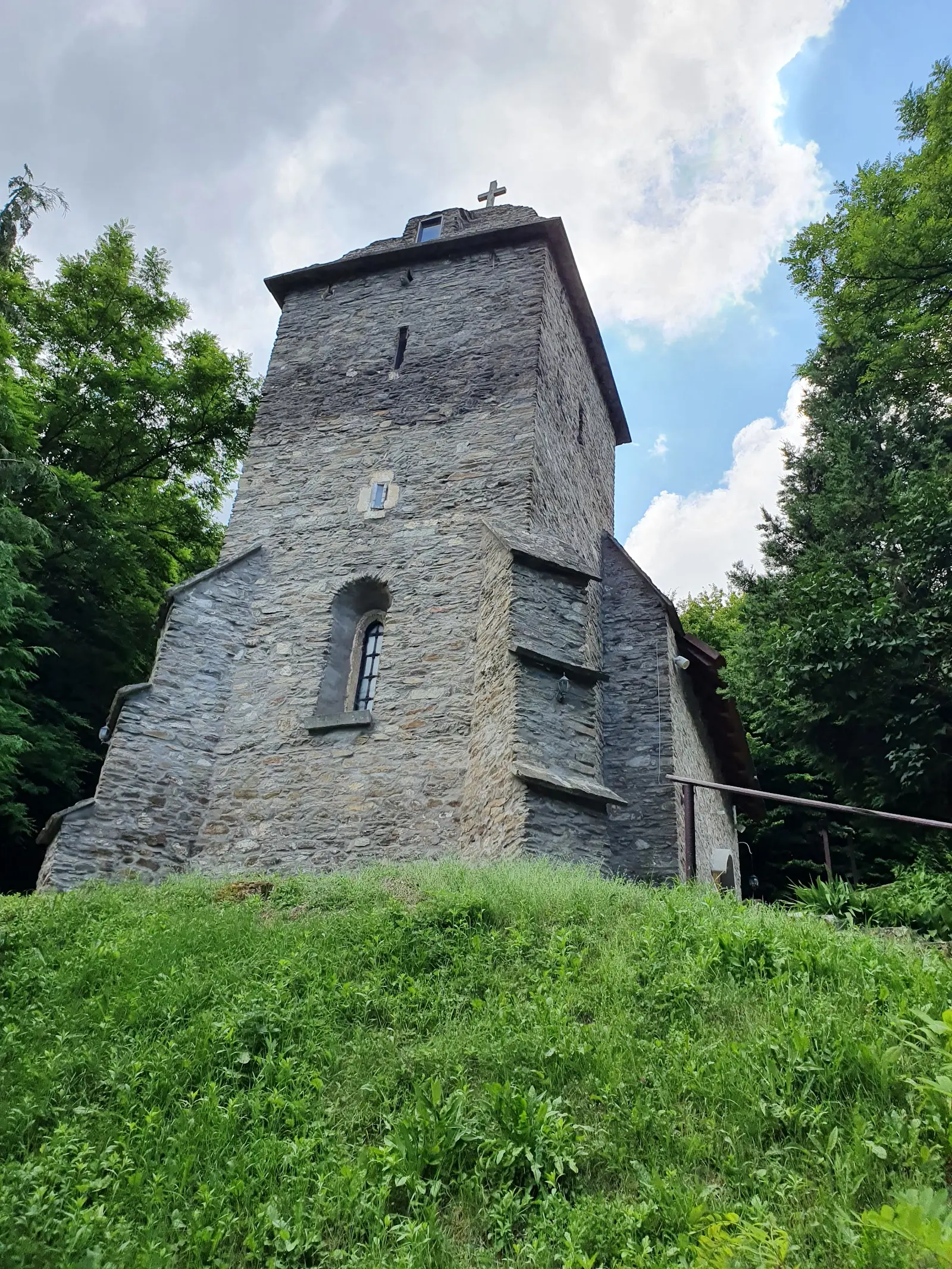
Colt Fortress rises on a rocky spur above the village of Suseni in the Hateg Land, not far from Deva, commanding the valley of the Big River in the heart of the Southern Carpathians. Built in the 14th century by the noble Candea family, later known under the Hungarianised name Kendeffy, it was one of the few stone strongholds held by a family of Romanian origin in medieval Transylvania. The massive keep and the surviving curtain walls cling dramatically to the limestone ridge as evocative ruins. Tradition holds that the fortress silhouette inspired Jules Verne for his novel The Carpathian Castle. The marked trail climbing from the church in the valley rewards walkers with sweeping views towards the Retezat and Tarcu mountains. The site has a solitary, atmospheric feel well suited to hiking and photography. Sturdy footwear is advisable, as the final approach crosses uneven stony ground.
Plan your trip
Stay, tour and get there
Stays nearby
Stays in Hunedoara
Experiences
Tours & activities
Guided tours, day trips and hand-picked experiences via GetYourGuide — free cancellation on most.
See all experiencesGetting to Romania
Flights, transfer & car
Fly into Romania
Compare fares to Bucharest Otopeni (OTP) and regional airports — Cluj, Sibiu, Iași, Timișoara.
Airport transfer
Private, fixed-price door-to-door transfer — driver waiting from the moment you land.
Rent a car — see the real Romania
A rental car is the key to Romania: the Transfăgărășan, the painted monasteries of Bucovina, mountain roads and the villages of Maramureș that no train reaches.
Find a carKeep exploring