
County · Transylvania
Brașov County
Seat: Brașov
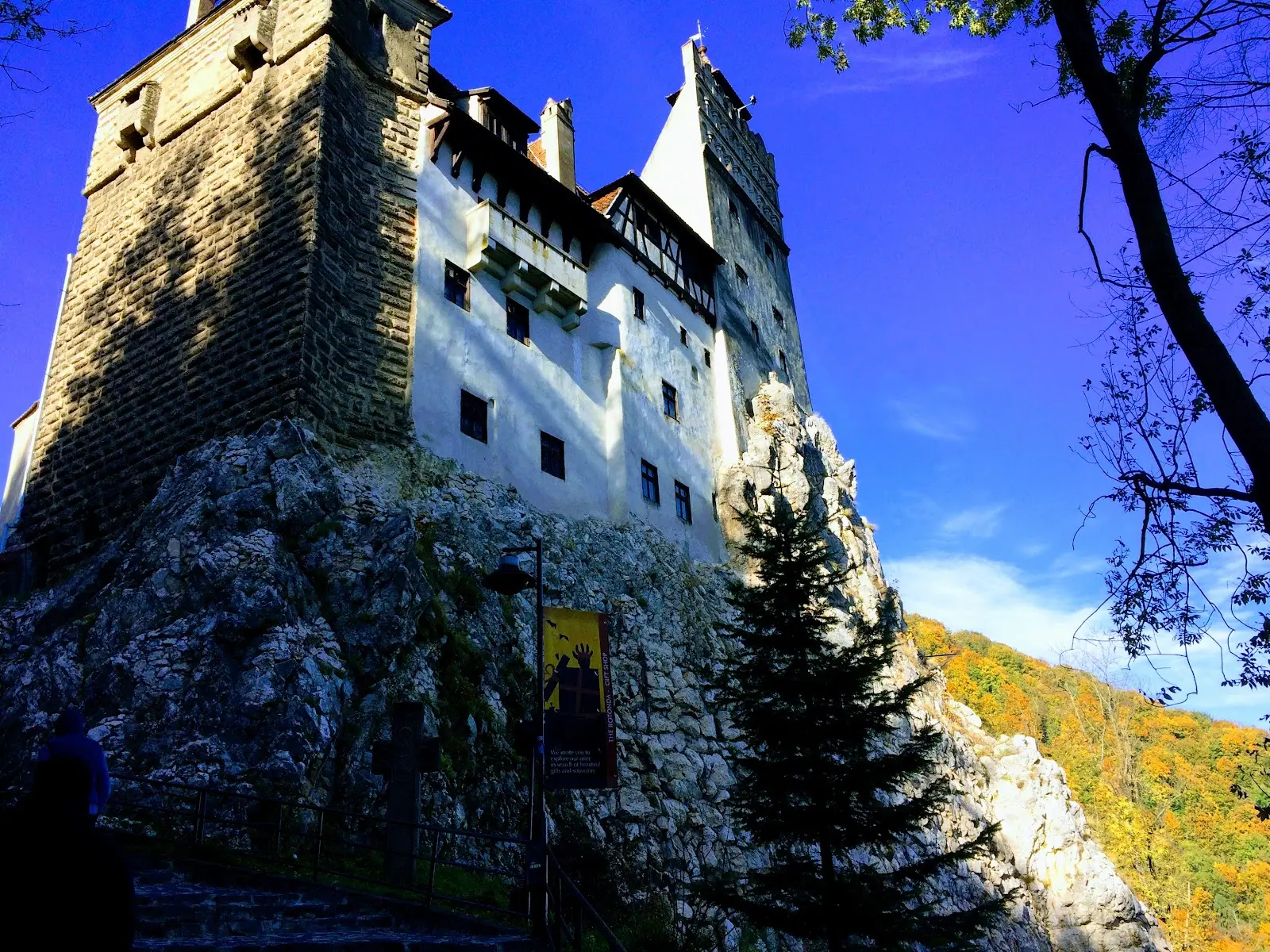
The heart of Transylvania, Brașov county blends dramatic Carpathian peaks with medieval towns and fortresses. Its seat, Brașov, charms with its old town, the Black Church and the Council Square. Nearby, Bran Castle, tied to the Dracula myth, and the ski slopes of Poiana Brașov draw visitors from around the world.
The Făgăraș and Piatra Craiului ranges offer memorable hikes, Saxon villages such as Viscri preserve an old-world charm, and the Libearty sanctuary near Zărnești shelters rescued bears. A fairy-tale land of stone walls and snowy ridges.
Cities & places in Brașov
Brașov
A medieval Saxon city at the foot of Tâmpa, gateway to Bran, Râșnov and the mountains.
Făgăraș
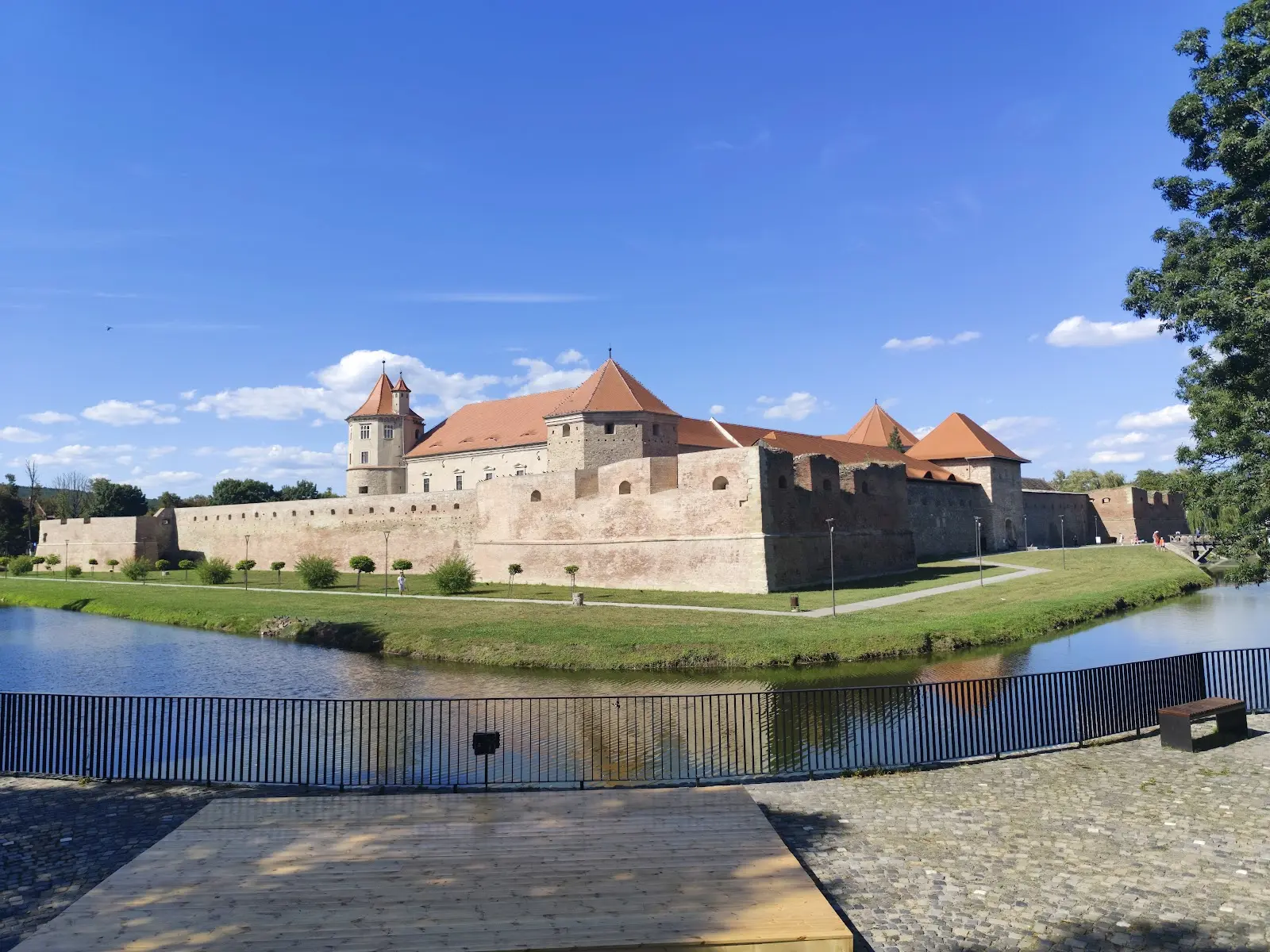
The moated citadel and the gateway to the Transfăgărășan.
Predeal
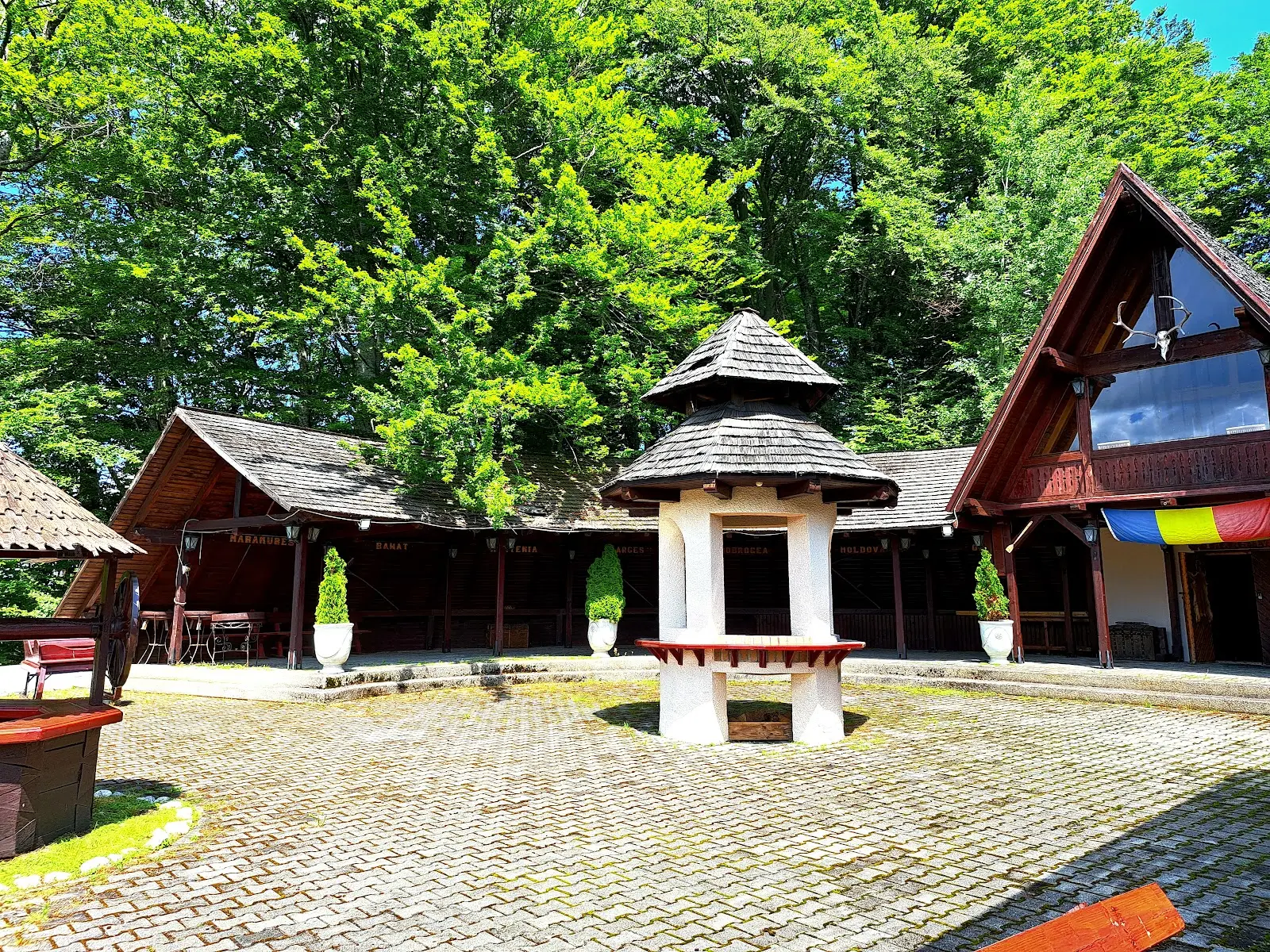
Romania's highest mountain resort.
Viscri
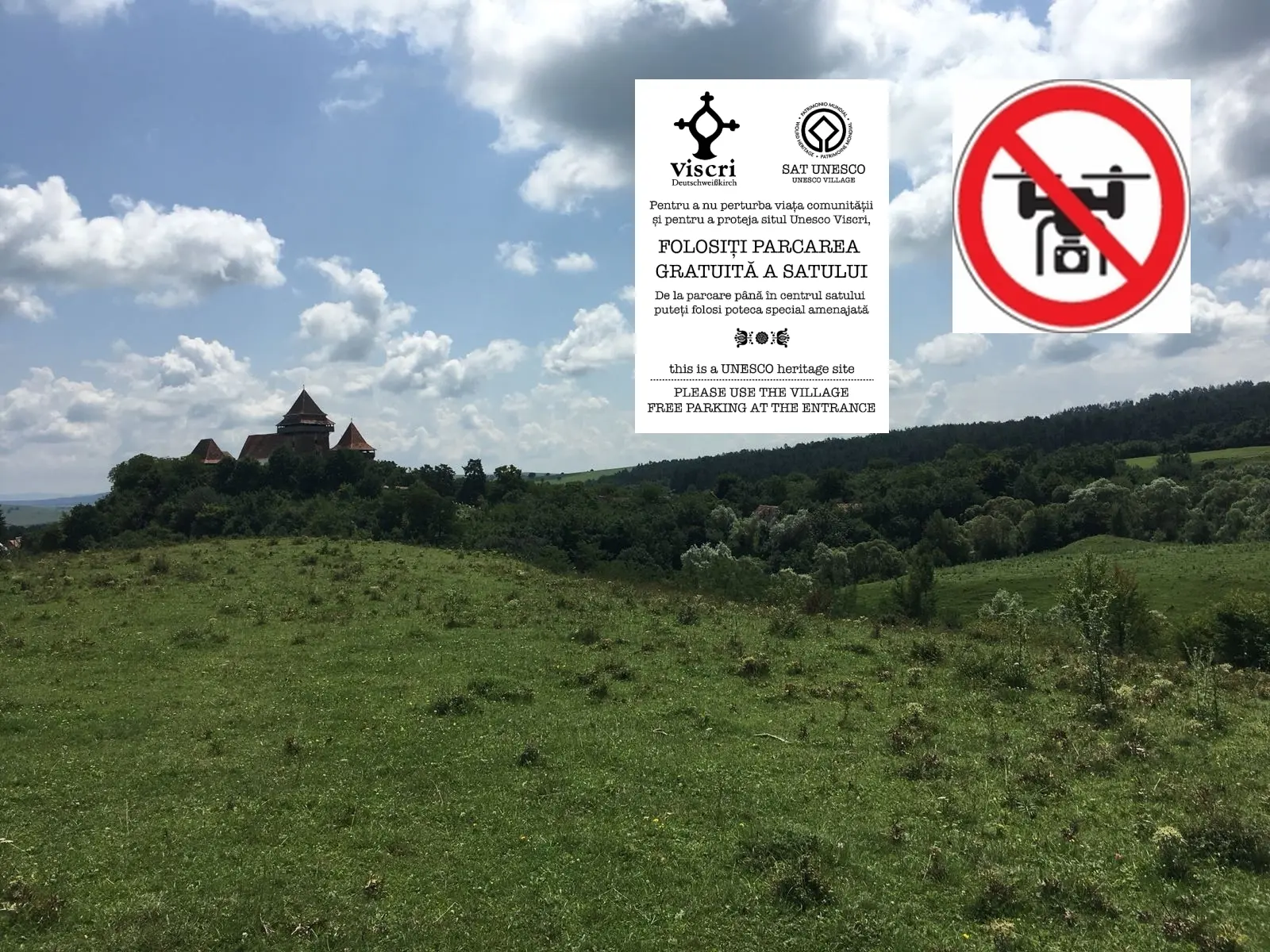
The Saxon village with a UNESCO fortified church.
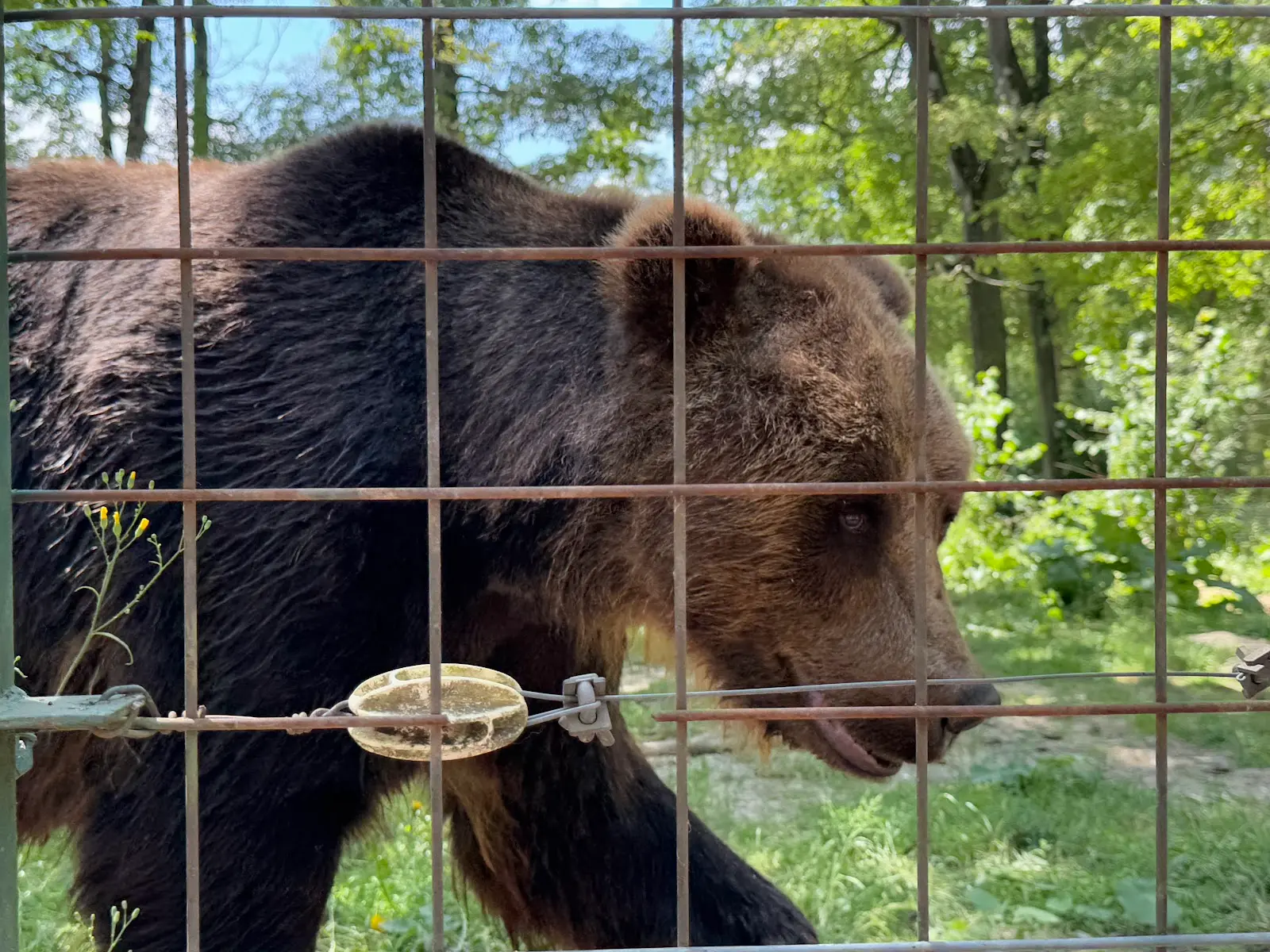
Zărnești
The Piatra Craiului range and the bear sanctuary.
Not to miss in Brașov
 Mountain
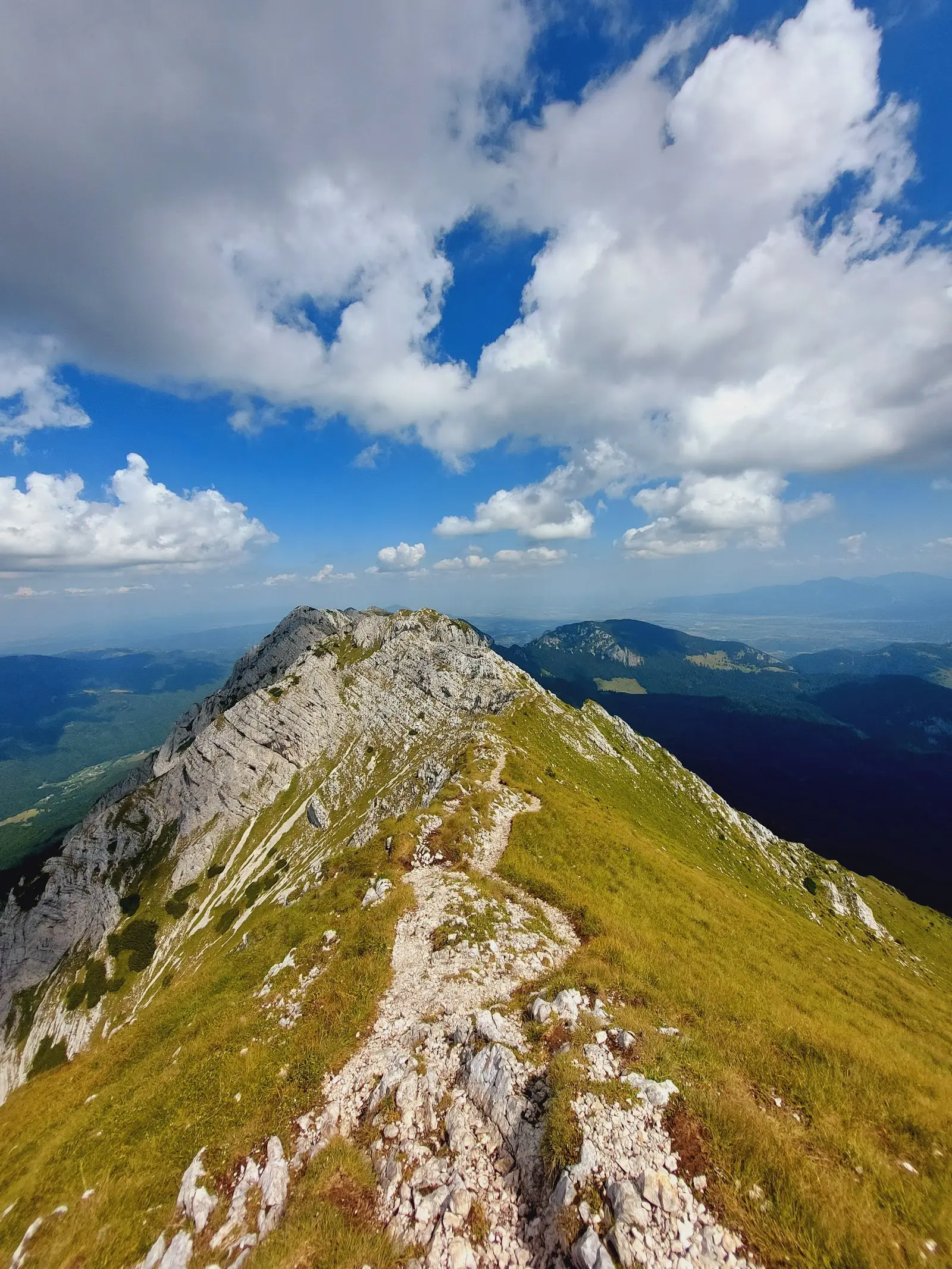
Vârful La Om (Piscul Baciului)
La Om Peak, also known as Piscul Baciului, is the highest point of the Piatra Craiului Massif, rising more than 2,230 metres above the limestone ridge that dominates the Zărnești area, in Brașov County. Piatra Craiului is renowned for its long, narrow ridge, one of the most spectacular in the Carpathians, a veritable limestone blade stretching over tens of kilometres. The climb to La Om Peak rewards the experienced hiker with views of overwhelming beauty over the Bucegi, Făgăraș and Bârsa Mountains, as well as over the surrounding forests and meadows. The mountain is part of the Piatra Craiului National Park, a protected area of great value, a habitat for rare species such as the Piatra Craiului pink, an endemic flower that grows nowhere else on earth. The ridge routes require experience and proper equipment, some sections secured with cables. For mountaineers, reaching this peak is one of the great achievements of hiking in the Romanian Carpathians.
 Nature
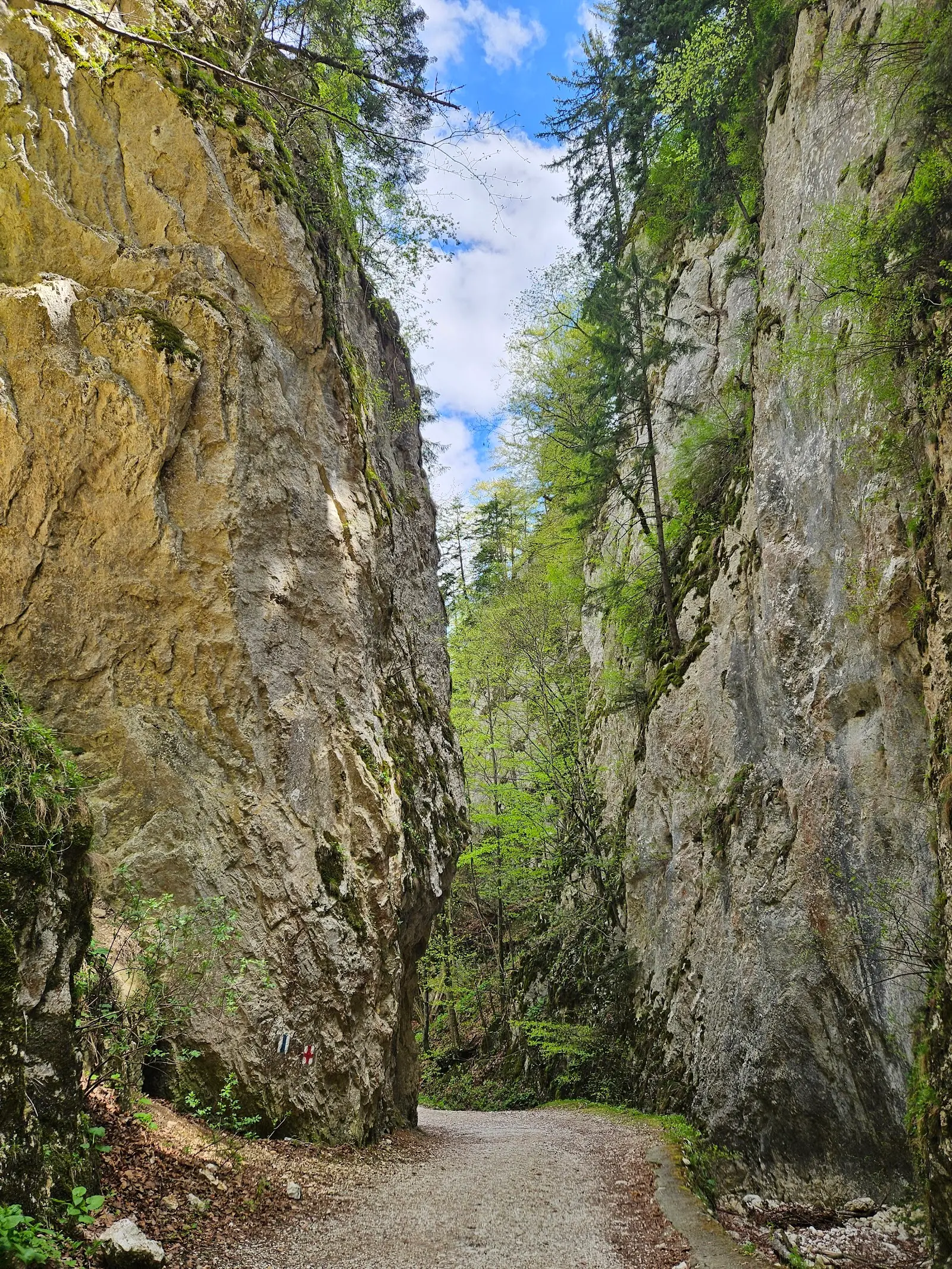
Prăpăstiile Zărneștilor (Cheile Zărneștilor)
 Mountain
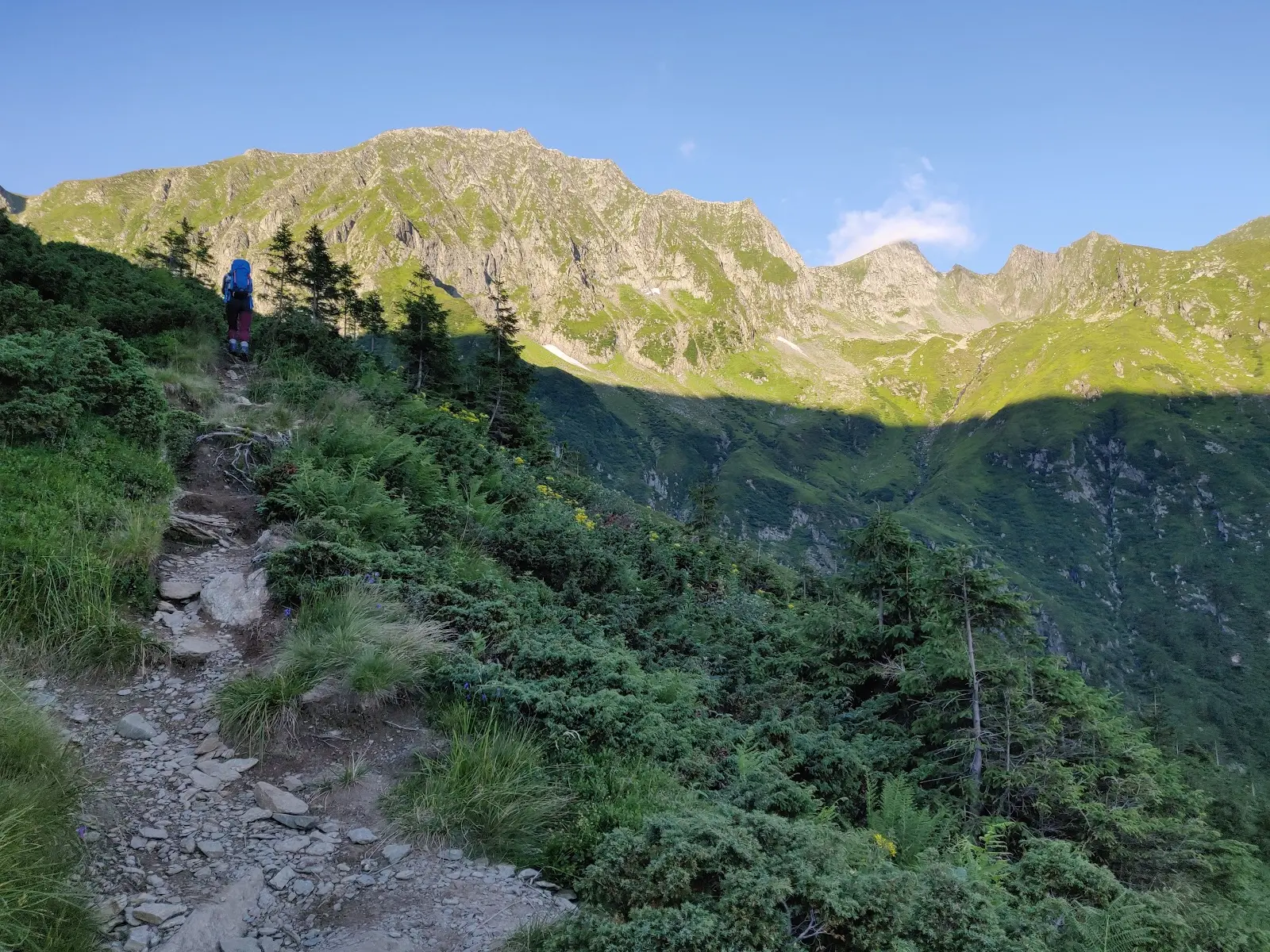
Vârful Moldoveanu
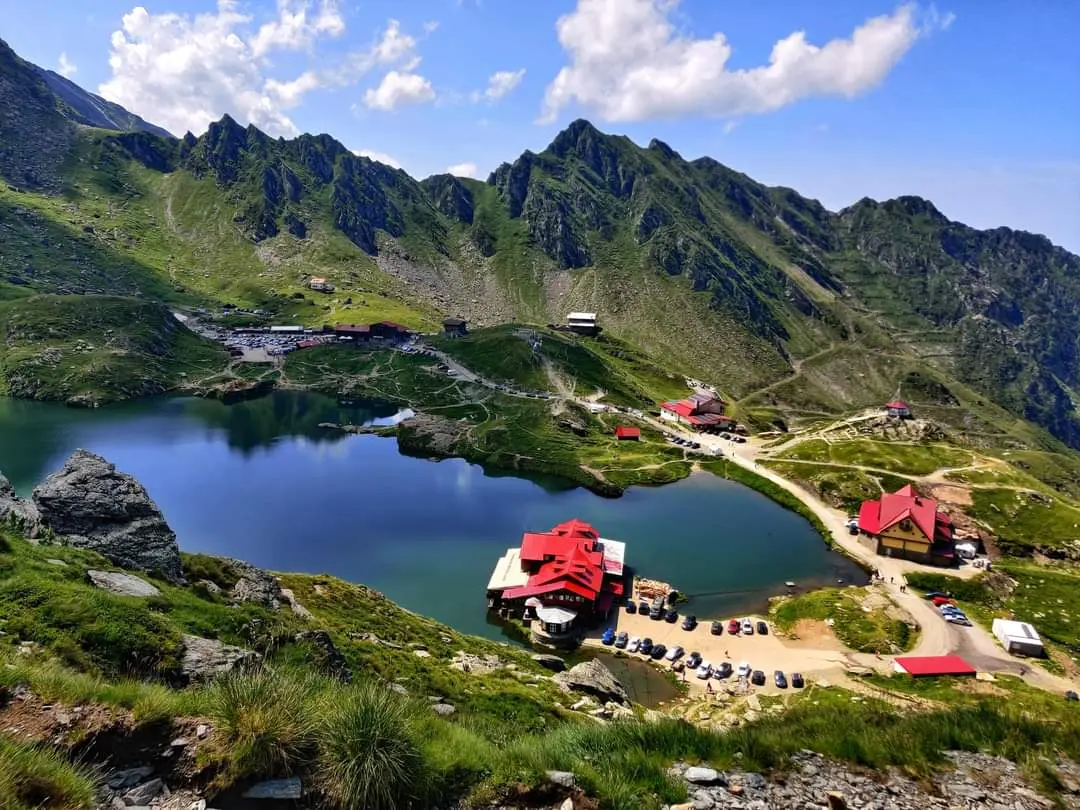
Moldoveanu Peak, at 2,544 metres, is the highest point in Romania, a narrow and precipitous summit in the central Făgăraș Mountains, in Argeș County. It belongs to the longest and wildest alpine ridge of the Southern Carpathians, a crest of granite and crystalline schist sculpted by Quaternary glaciers, with glacial cirques, sharp aretes and clear lakes at the foot of its walls. The climb is no trifle: the most common route starts from Valea Rea and passes the Moldoveanu refuge, demanding experience, proper gear and settled weather, for fog and storms roll in fast at altitude. From the top, on a clear day, the panorama opens over dozens of ridges, over neighbouring Negoiu and over the whole spine of the Făgăraș. Practical note: check the mountain forecast, start early and avoid the ridge in storms; the route is best walked in summer and early autumn.
 Mountain
Munții Făgăraș
The Făgăraș Mountains form the highest and most imposing ridge in the Southern Carpathians and in all of Romania, home to peaks exceeding 2,500 metres, among them Moldoveanu and Negoiu, the tallest in the country. This long alpine ridge, south of the town of Făgăraș in Transylvania, is famous for its spectacular scenery, with glacial valleys, high-altitude lakes, sharp aretes and wide pastures. The ridge trails offer demanding hikes rewarded with sweeping views, while glacial lakes such as Bâlea and Capra draw many visitors. The famous Transfăgărășan road, a high-altitude route with spectacular hairpin bends, crosses these mountains and is usually open only in the warm season. The area is also home to rich wildlife, including bears, chamois and birds of prey. Practical note: high-altitude hikes require proper equipment, physical fitness and attention to sudden weather changes, and crossing the ridge should be planned in advance with the forecast checked.
 Mountain
Vârful Ciucaș
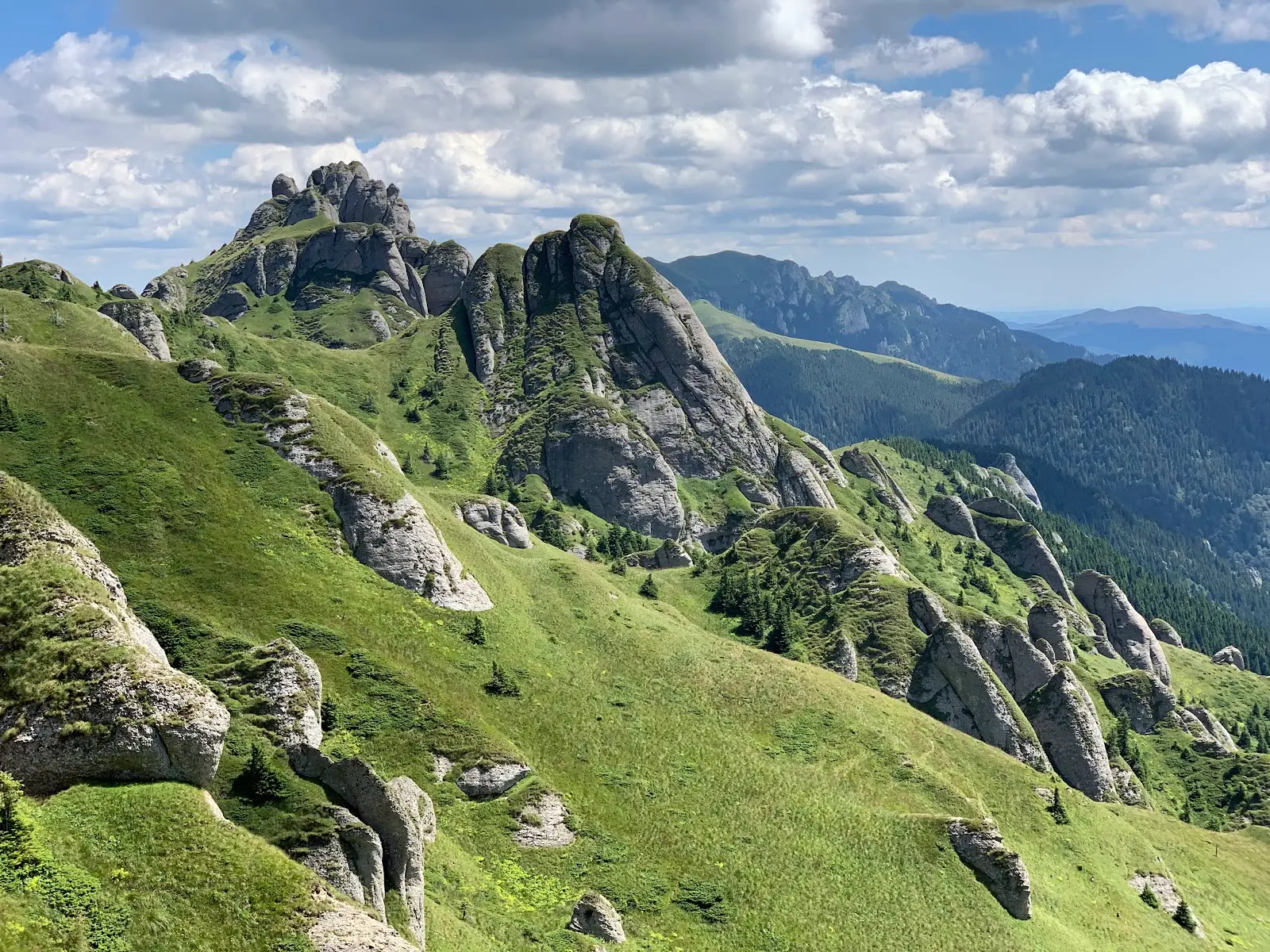
Ciucas Peak, the highest point of the massif of the same name in the Bend Carpathians, rises to over 1,900 metres and offers some of the most spectacular views in the border area between Transylvania and Wallachia. The Ciucas massif is famous for its conglomerate formations with strange shapes, carved by wind and weather, to which popular imagination has given suggestive names. The marked trails leading to the peak cross alpine meadows, dwarf-pine thickets and rocky ridges, and are accessible to hikers of average fitness. From the summit the panorama opens towards the surrounding mountain ranges and, on a clear day, into wide distances. The area is prized both in summer, for hiking, and for its winter landscapes. Proper mountain gear and checking the weather forecast are recommended, since conditions can change quickly at altitude.
 Mountain
Muntele Piatra Mare
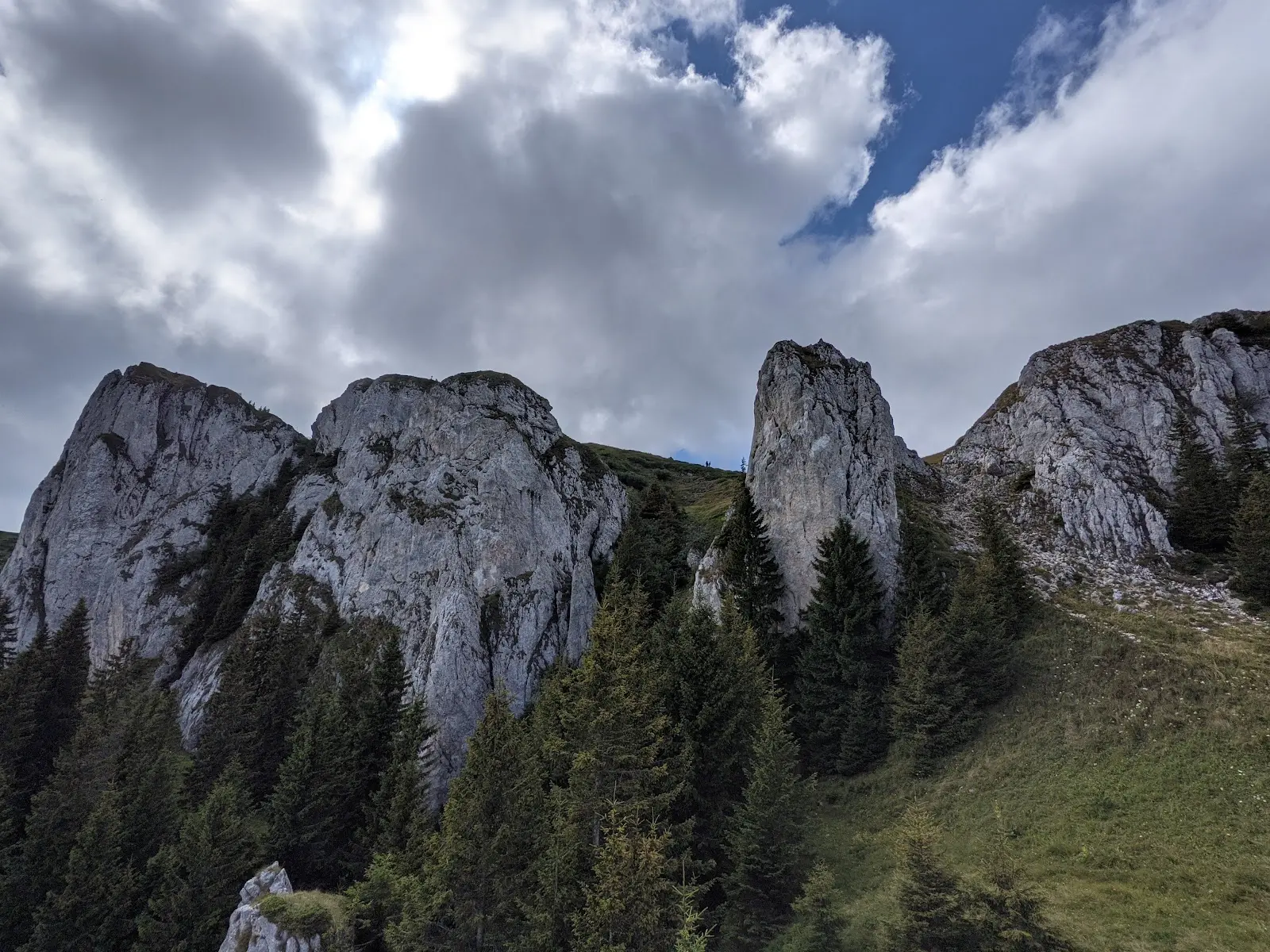
Piatra Mare Mountain is a limestone massif of the Curvature Carpathians, near the resort of Predeal and the town of Brașov, prized by hikers for its varied scenery and the spectacular trails that cross it. The main crest, which exceeds 1800 metres, offers broad views over the neighbouring massifs, among them Bucegi, Postăvaru and Ciucaș, as well as over the surrounding valleys and forests. The mountain is renowned for its remarkable natural features, among them the Seven Ladders Canyon, a narrow defile of successive waterfalls equipped with metal ladders for passage, and the Ice Cave, where ice persists even in the warm season. The forested slopes, steep cliffs and springs add to the diversity of the landscape, and the area shelters a rich flora and fauna typical of the mountain environment. The hiking trails set off from Predeal, Timișul de Sus and other nearby villages, demanding good fitness and proper equipment. Piatra Mare remains a favourite destination for day trips in the heart of the Carpathians.
 Viewpoint
Muntele Tâmpa
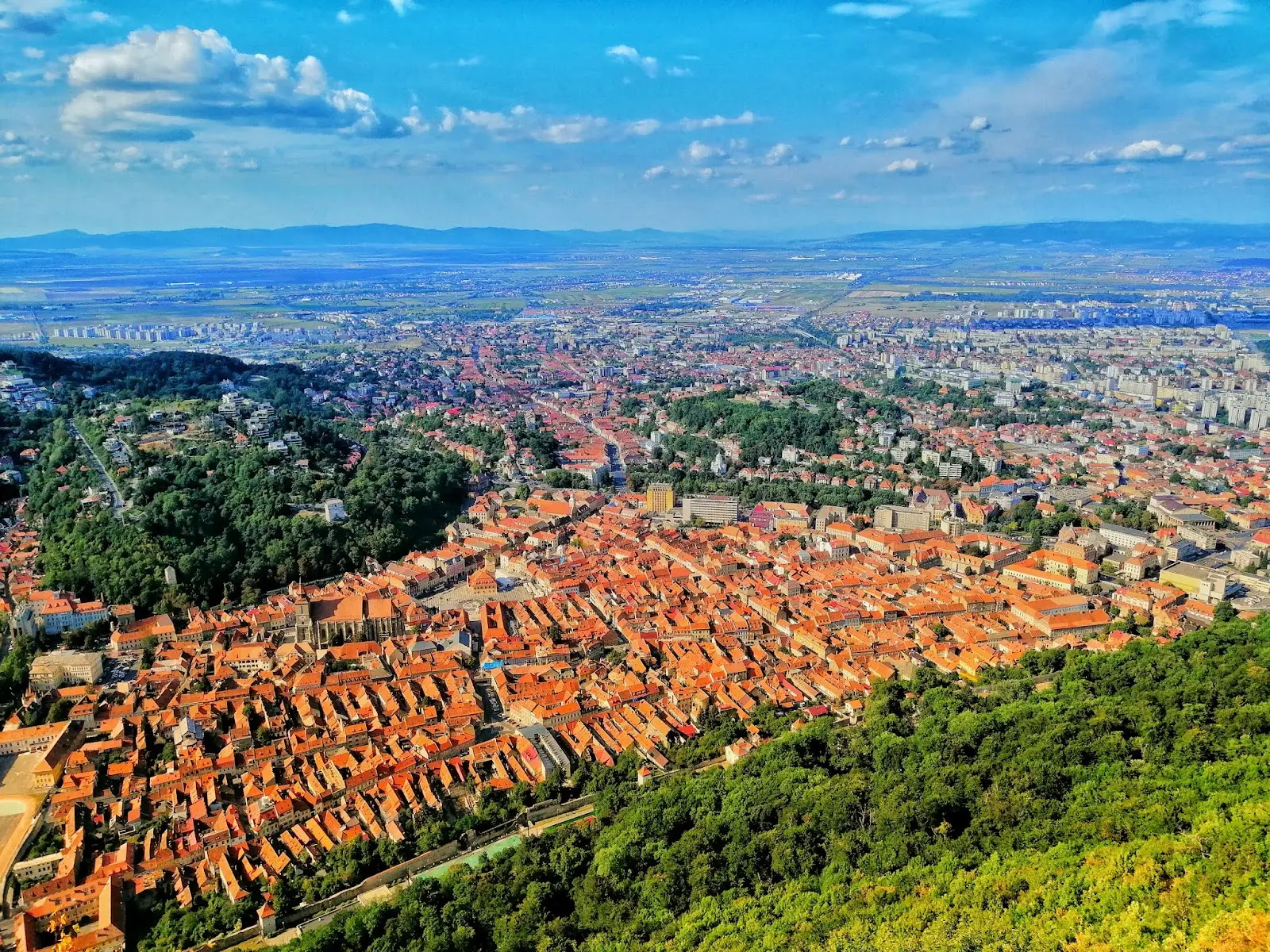
Mount Tâmpa rises right above the historic centre of Brașov and is the natural symbol of the city, with its dense forest and the huge sign bearing the name Brașov set on its slope, visible from afar. From the plateau at the top, more than nine hundred metres high, opens a spectacular panorama over the old town, with the central square, the Black Church, and the red roofs crowded at the foot of the mountain. Access can be made by cable car, which climbs quickly from the edge of the city, or on marked trails for those who prefer hiking through the forest. Where trees grow today there once stood a medieval fortress, and the hill played a role in defending the city. The area is a nature reserve protecting the local flora and fauna. Visitors can combine the climb with a walk and a stop at the viewpoint. Suitable footwear is recommended for those who choose the trails on foot.
 Monastery
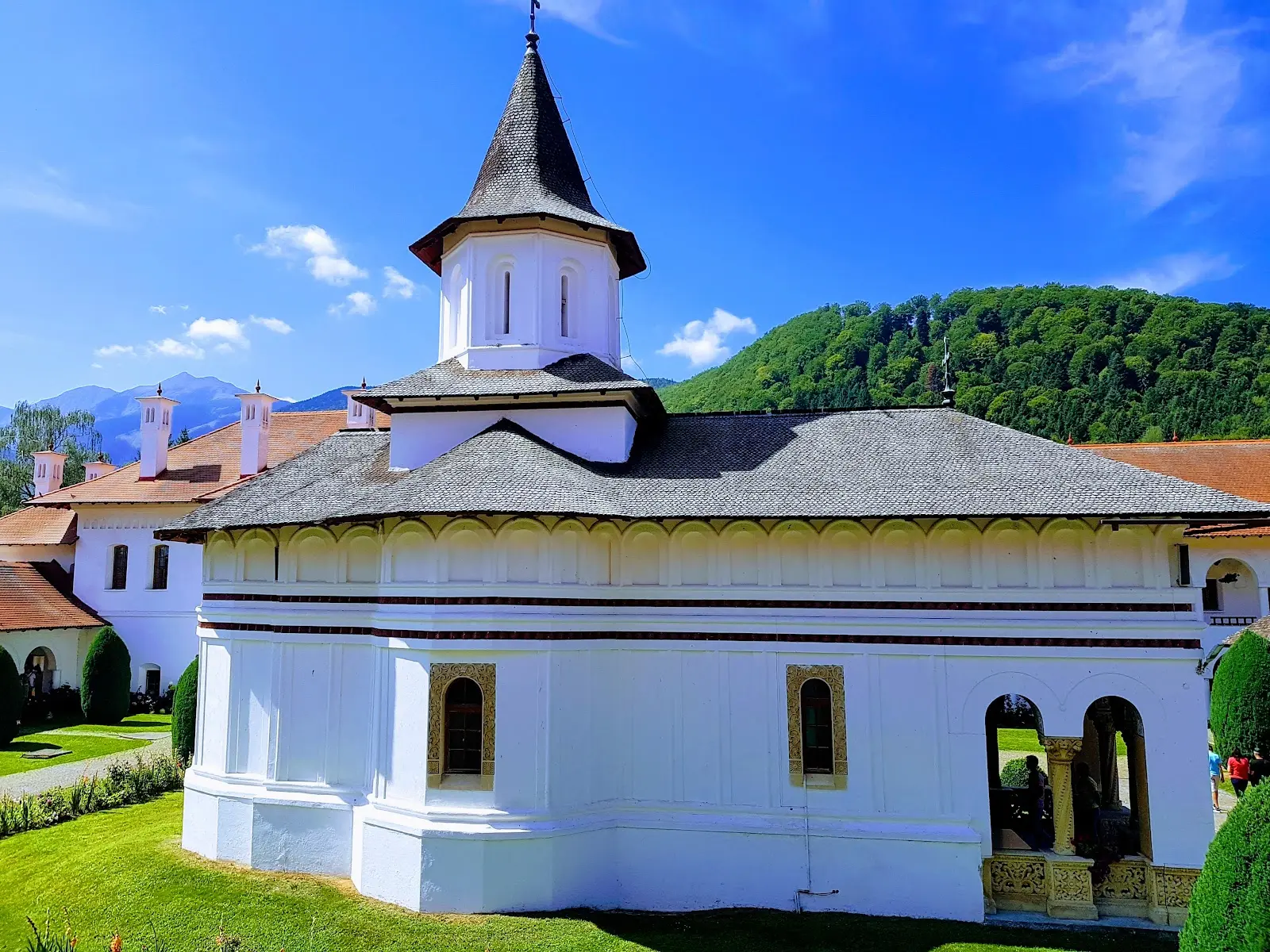
Mănăstirea Brâncoveanu (Sâmbăta de Sus)
Brâncoveanu Monastery at Sâmbăta de Sus, at the foot of the Făgăraș Mountains, is one of the most important and best-loved Orthodox sites in Transylvania. Founded in the early 18th century by prince Constantin Brâncoveanu, it was destroyed by the Austrians and rebuilt and extended in the 20th century by Metropolitan Nicolae Bălan, becoming a great spiritual and cultural centre. The Brâncovenesc-style complex, with fine stone frames and open porches, is mirrored in a lake, in a superb natural setting with the Făgăraș ridges as a backdrop. The monastery hosts an academy, a glass-icon painting workshop and a museum, and is renowned for its spring, considered healing. It is a natural stop for those setting out on the Transfăgărășan or exploring the Făgăraș country. Respect the dress code and the calm of the place, and check the service and museum hours.
 Nature
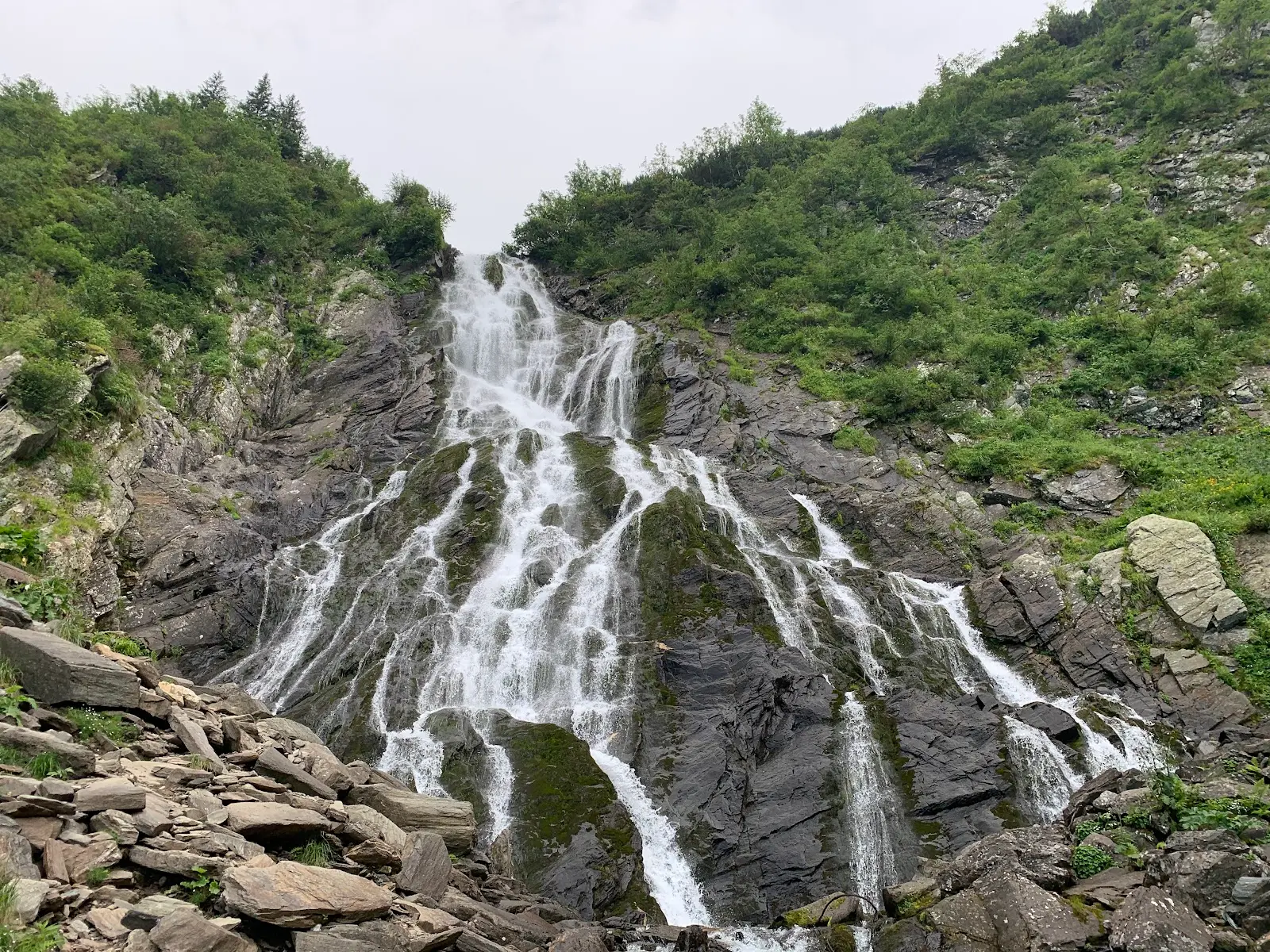
Cascada Bâlea
Bâlea Waterfall is one of the best-known cascades in the Făgăraș Mountains, set on the northern slope of the massif right beside the famous Transfăgărășan road, near Făgăraș. Its water comes from Lake Bâlea, a high-altitude glacial lake, and plunges among the rocks over a considerable drop, forming one of the most spectacular waterfalls in the Romanian Carpathians. The surrounding scenery is typically alpine and glacial, with steep walls, scree and mountain vegetation, offering striking views especially in spring and early summer, when the increased flow from melting snow gives the waterfall a special force. Nearby is a cable car linking the waterfall area to Lake Bâlea, above 2,000 metres. The place is a classic stopping point on the Transfăgărășan route, usually open only in the warm season, when the road is passable. Visitors are advised to wear suitable footwear and to be careful on the wet, stony paths around the waterfall.
 Church
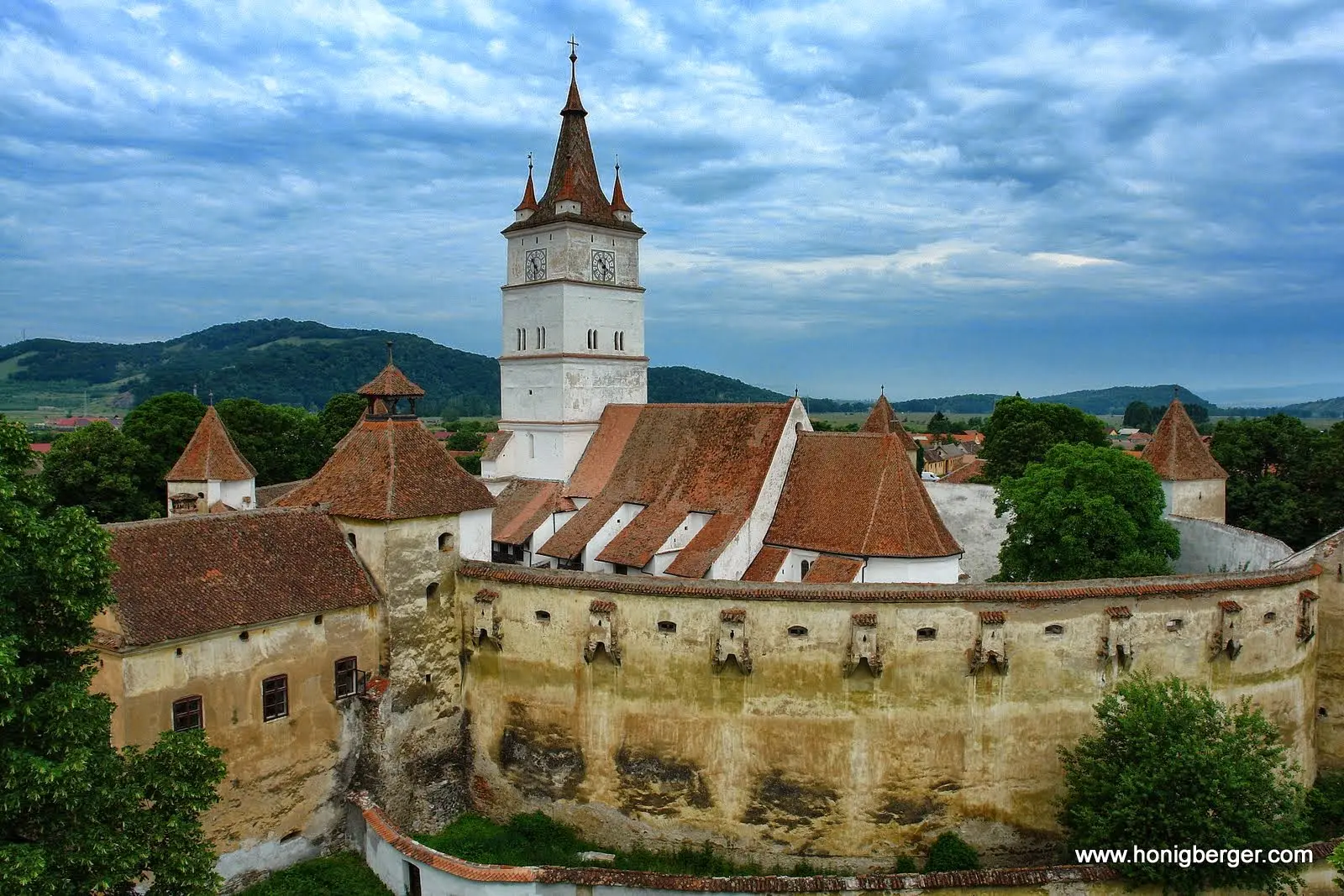
Biserica Fortificată Hărman
The Fortified Church of Harman, located near Brasov, is one of the best-preserved ensembles of its kind in the Barsa Land, a testimony to the defensive architecture of the Transylvanian Saxons in the Middle Ages. The Gothic church, built by the Saxon community, is surrounded by massive defensive walls fitted with towers and a wall walk, which turned the place of worship into a genuine peasant fortress where the inhabitants could take refuge during invasions. In the towers and chambers at the base of the walls, spaces still remain that recalled their role as storehouse and shelter, including the famous bacon hung in the communal larder. Inside a defensive tower, fragments of valuable medieval frescoes can still be seen. The ensemble belongs to the category of internationally recognised fortified churches of Transylvania. Practical note: the visit can easily be combined with the fortified church of nearby Prejmer, on the UNESCO list, in a tour of the Barsa Land.
 Monastery
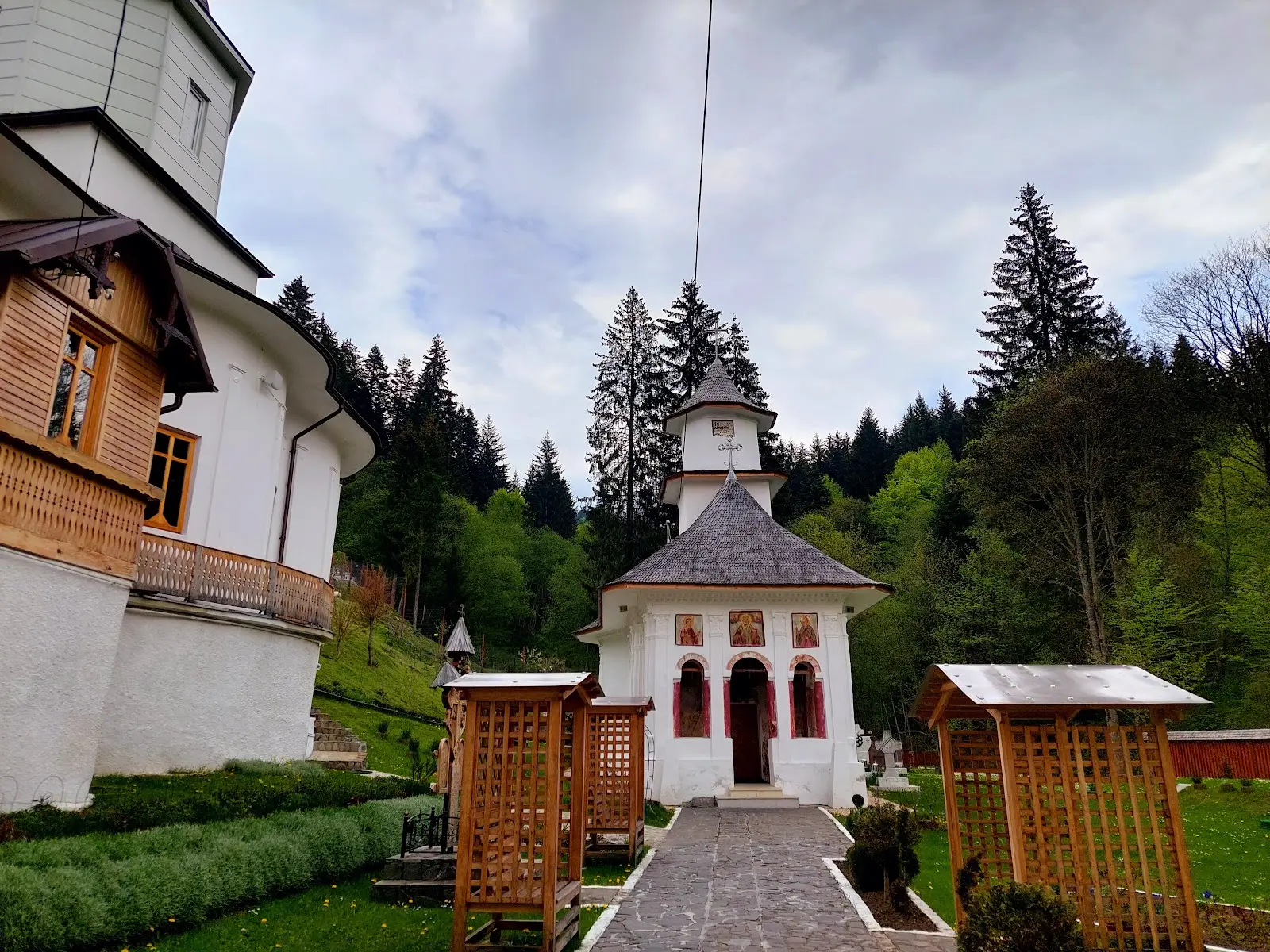
Mănăstirea Predeal (Schitul Predeal)
Predeal Monastery, also known as the Predeal Skete, is an Orthodox monastic settlement located in the mountain resort of Predeal, the highest-altitude town in Romania, in the pass between the Bucegi Mountains and the Baiu Mountains. Usually dedicated to St Paraskeva or other saints, the skete offers a place of prayer and reflection in an exceptional mountain setting, surrounded by coniferous forests and the ridges of the Carpathians. Its architecture belongs to the tradition of mountain places of worship, with wood and characteristic painting, blending austerity with the beauty of the landscape. Predeal, loved both in summer for its hikes and in winter for its ski slopes, gains through this settlement a spiritual dimension that complements its tourist offer. Visitors who stop here find quiet and a moment of contemplation away from the bustle of the resort. A short distance from the town centre and the Predeal railway station, the monastery is easily accessible and makes a natural stop for those discovering the Prahova Valley.
 Monastery
Mănăstirea Cârța
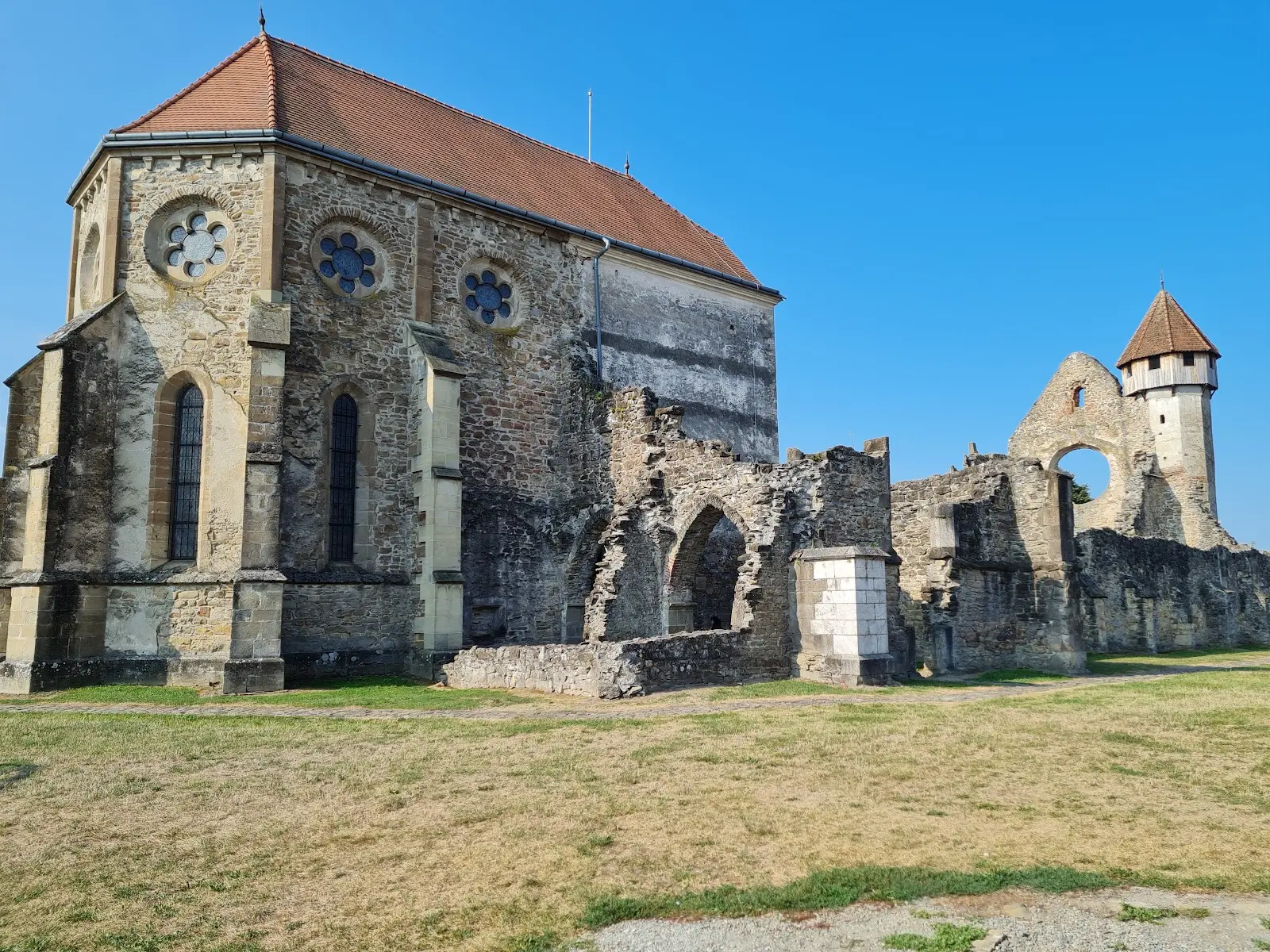
Cârța Monastery, near Făgăraș at the foot of the mountains that share its name, is one of the oldest Cistercian monasteries in the Romanian lands, founded in the 13th century by monks who came from the West. Today, impressive ruins survive from the old Gothic abbey, including the church choir, some arches and fragments of walls that evoke the refinement of Cistercian architecture, a style rarely found in this part of Europe. Beside the ruins stands an Evangelical church used by the local Saxon community. The quiet setting, with grass growing among the old stones and the Făgăraș mountains rising in the background, gives the place a melancholy and photogenic atmosphere. Cârța Monastery is of great value to those interested in medieval history, Gothic architecture and the encounter between Western civilisation and the Transylvanian world. Located near the road leading to the Transfăgărășan, it makes an ideal cultural stop on the way to the mountains.
Plan your trip
Stay, tour and get there
Stays nearby
Stays in Brașov
Experiences
Tours & activities
Guided tours, day trips and hand-picked experiences via GetYourGuide — free cancellation on most.
See all experiencesGetting to Romania
Flights, transfer & car
Fly into Romania
Compare fares to Bucharest Otopeni (OTP) and regional airports — Cluj, Sibiu, Iași, Timișoara.
Airport transfer
Private, fixed-price door-to-door transfer — driver waiting from the moment you land.
Rent a car — see the real Romania
A rental car is the key to Romania: the Transfăgărășan, the painted monasteries of Bucovina, mountain roads and the villages of Maramureș that no train reaches.
Find a carKeep exploring