
Complete guide to Zalău
A practical guide to Zalău, the county seat of Sălaj: how to get there, what to see at Porolissum — one of the largest Roman sites in Romania — plus the History and Art Museum, the Botanical Garden and the wooden churches nearby.
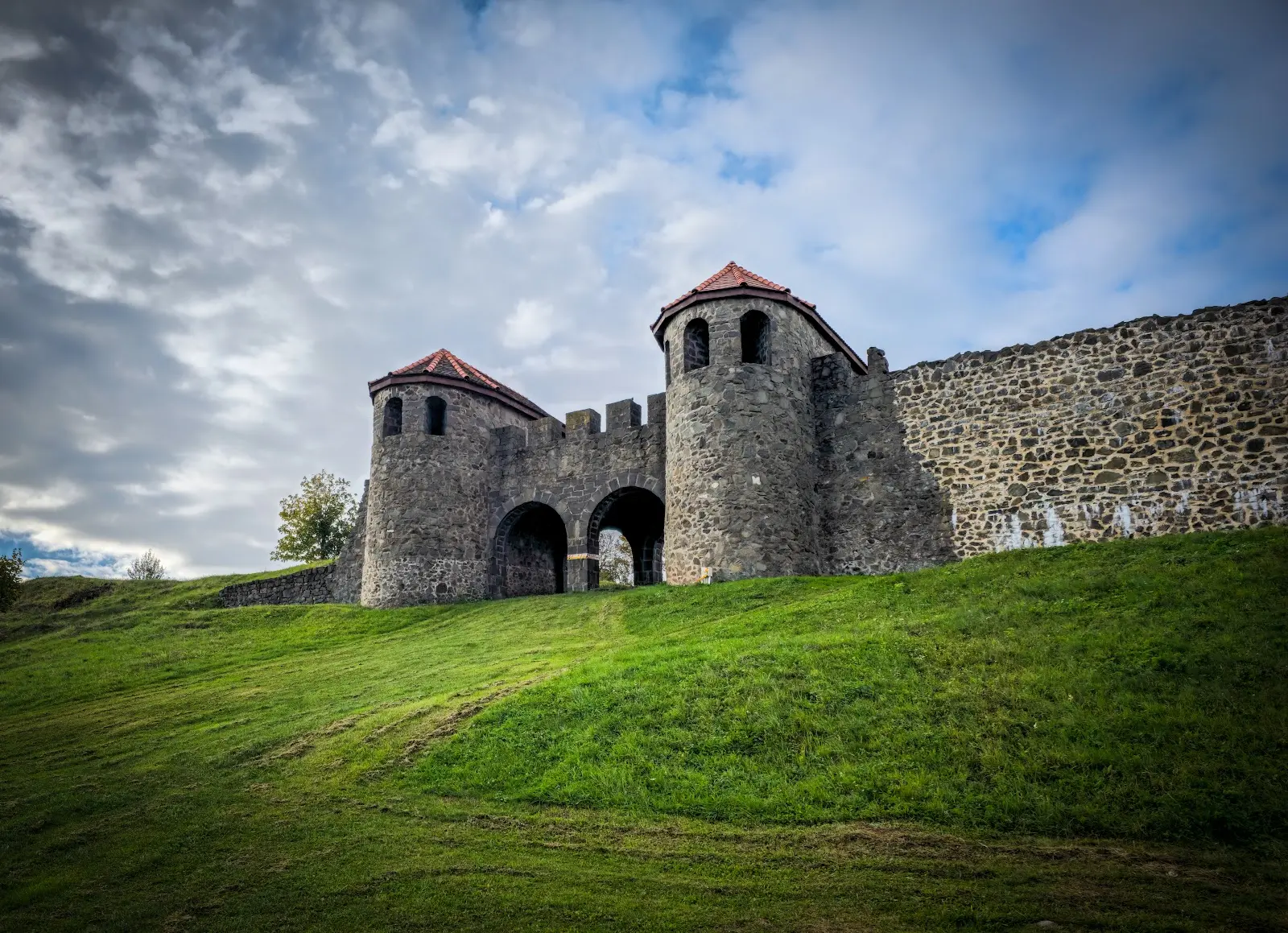
Zalău is not a city you make a journey for. What makes the journey worthwhile is what lies a few kilometres away: Porolissum, one of the largest and best-preserved Roman sites in Romania, the former edge of empire on the northern limes of Dacia. Zalău is the logical base you set out from, and this guide explains how to use the city intelligently.
Where Zalău is
Zalău is the county seat of Sălaj, in north-western Transylvania, in a landscape of hills and valleys between Cluj, Oradea and Baia Mare. It is a mid-sized city with a centre you can cross on foot, a few solid cultural institutions and, more importantly for a visitor, direct access to the most significant Roman site in northern Transylvania.
It is not a classic city-break destination. It is a well-placed starting point — and treated that way, it works very well.
How to get there
- From Cluj — the most natural option, roughly an hour's drive. If you are in the area anyway, combine the two: see our complete guide to Cluj-Napoca and add Zalău and Porolissum as a day trip.
- From Oradea or Baia Mare — reasonable drives through the hills of Sălaj.
- By car, essentially mandatory for Porolissum — the site lies outside the city and public transport does not solve the problem. If you arrive without a car, plan a local transfer.
Porolissum, the real reason for the trip
Porolissum is the region's leading sight and one of the largest and best-preserved Roman sites in Romania. This was the most important military and customs centre on the northern limes of Roman Dacia — precisely the line where the empire stopped and something else began.
What you see on the ground:
- The castrum — the military fort that controlled the area, with the Roman plan clearly legible.
- The reconstructed gate — the rebuilt monumental entrance, the site's most photographed image and the best reference for grasping the scale of the thing.
- The amphitheatre — proof that this was not merely a garrison but a settlement with civilian life.
- The landscape — the site sits on open hills with long views. That is no accident: the Romans chose the spot for what can be seen from it.
Practical advice, because it is needed:
- Allow two to three hours. The site is extensive and involves a lot of walking over open ground.
- Good shoes and water. There is no shade and no infrastructure nearby.
- Avoid the middle of a summer day and rainy days, when the ground turns unpleasant.
- Read up first, or visit the museum in Zalău before the site. Without context, the stones say far less.
The History and Art Museum in Zalău
The best preparation for Porolissum is in the city. The History and Art Museum holds pieces excavated at Porolissum and puts into order what the site itself shows only in fragments: inscriptions, pieces of equipment, objects of daily life from the imperial frontier, alongside the county's history and art collections.
If you only have one day, the ideal order is museum in the morning, site in the afternoon. The difference in understanding is considerable.
The Botanical Garden
For a change of pace, the Botanical Garden is the most pleasant green space in town: plant collections, paths and an hour of slow walking, exactly what you want after covering a Roman site on foot. It is not a reason to travel to Sălaj on its own, but it is a good reason not to rush back to the car.
The Sălaj countryside
The region's real value lies beyond the city limits. Sălaj county has remarkable wooden churches, scattered through its villages, part of the timber architecture heritage of north-western Romania — a discreet cultural landscape, very different from Saxon Transylvania and far less visited.
- Plan a half-day driving circuit through the villages.
- Check access in advance; many wooden churches are opened by someone from the village rather than on museum hours.
- Treat them as fragile monuments: no rush, no interference, no noise.
Where to stay and how to shape your day
Zalău has the accommodation of a county town: hotels and guesthouses designed first for business travellers and people passing through rather than for tourists. That is not a drawback if you calibrate your expectations — it is functional lodging in a compact city from which you get out onto the county roads quickly.
- Sleep in Zalău if you want two days in Sălaj: one for Porolissum and the museum, one for the villages.
- Sleep in Cluj if you are coming for a single day; the hour-long drive makes the trip perfectly feasible.
- Eat in the centre — that is where the city's restaurants and cafés are, a few steps apart.
The day that works best looks like this: the museum at opening time, the drive out to the site mid-morning, two to three hours at Porolissum, lunch in town, and the Botanical Garden at the end, so you do not finish the day in traffic.
When to go
- Spring and autumn — the best windows. The Sălaj hills look excellent and Porolissum is comfortable to walk.
- Summer — possible, but start the site early in the morning or late in the afternoon.
- Winter — the museum yes, the site less so: open ground, wind and no facilities at all.
Honest about Zalău
Zalău itself is a small city without much tourist density. It has no spectacular historic centre, no long list of attractions, no visible tourist life. If you expect a destination city, you will be disappointed.
The value is in Porolissum and the surroundings: a Roman site of the first rank, a museum that explains it, handsome hills and wooden churches almost nobody visits. Treated as a base for a day or two, Zalău does its job exactly as it should.
For the concrete route, sight by sight, read what to see in Zalău and Sălaj.
Plan your trip
Stays nearby
Stays in Romania
Experiences
Tours & activities
Guided tours, day trips and hand-picked experiences via GetYourGuide — free cancellation on most.
See all experiencesGetting to Romania
Flights, transfer & car
Fly into Romania
Compare fares to Bucharest Otopeni (OTP) and regional airports — Cluj, Sibiu, Iași, Timișoara.
Airport transfer
Private, fixed-price door-to-door transfer — driver waiting from the moment you land.
Rent a car — see the real Romania
A rental car is the key to Romania: the Transfăgărășan, the painted monasteries of Bucovina, mountain roads and the villages of Maramureș that no train reaches.
Find a car











