
Complete guide to Beiuș
A small Bihor town on the Crișul Negru at the foot of the Apuseni: the gateway from Oradea to the Beiuș Land, the Bears' Cave, Stâna de Vale and Padiș. An honest guide to a base town, not a destination.
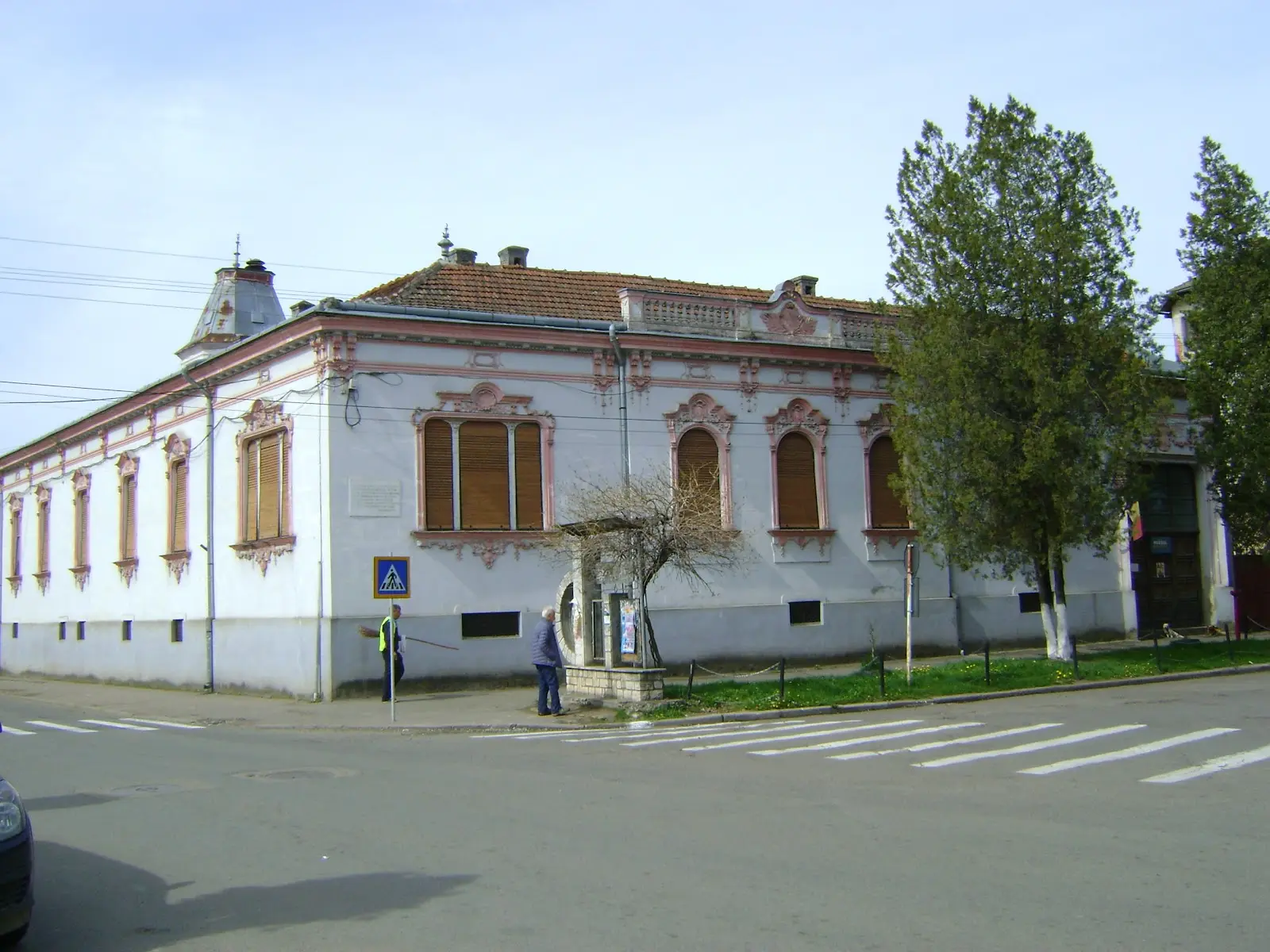
Beiuș is a small Bihor town that few people visit for its own sake — and that's fine. Its role is different: it is the gateway from Oradea into the Beiuș Land and the mountains behind it. If you drive into the Apuseni this way, you pass through Beiuș; the real question is whether you stop, and why.
What Beiuș is and why it matters
Beiuș is a small town in Bihor county, set on the Crișul Negru river at the foot of the Apuseni Mountains. Its history is tied to its role as the centre of the Beiuș Land (Țara Beiușului), the broad depression between the ranges through which the Crișul Negru descends towards Oradea — a place of markets, schools and administration for the villages around it.
For a visitor today its value is primarily logistical, and that is worth saying plainly: Beiuș is where you fill the tank, buy supplies, sleep cheaply and set off in the morning for the mountains. It has a pleasant centre, with 19th and 20th-century buildings and a quiet square, but it isn't a destination you drive two hours for.
What you see in town
If you have an hour or two, the list is short and honest:
- The Municipal Museum — local ethnography and history collections that explain life in the Beiuș Land well: trades, costumes, household objects.
- The old centre — a few streets of period facades, churches of several denominations, a square where the old market layout is still visible.
- The bank of the Crișul Negru — a short walk, good for a summer evening.
That's it. There is no castle, fortress or headline monument in town. The upside is that nothing eats your day for nothing.
The real reason: what lies an hour from Beiuș
From here on, things get spectacular. Beiuș is the road head for some of the best places in the Apuseni:
- The Bears' Cave, at Chișcău — one of Romania's most visited caves, known for its formations and for the cave-bear fossils found here. It is developed, accessible and very suitable with children.
- Stâna de Vale — a high-altitude mountain resort with fir-scented air, trails and plenty of snow in season.
- The Padiș plateau — karst country of gorges, caves, sinkholes and clearings, the heart of hiking in the Apuseni.
- The villages of the Beiuș Land — wooden churches, mills, traditional homesteads, along back roads that reward slow exploring.
For routes, walking times and conditions on the ground in Padiș and around Stâna de Vale, the detailed guides are at munte.online.
If you want the broader cultural context of the area — the Moți people, the crafts, the mountain villages — we cover it in our guide to the Apuseni and Țara Moților.
Getting there
Beiuș sits on the main road linking Oradea with Deva through the Crișul Negru depression. From Oradea it is a little over an hour by car, and the town also has a rail connection.
A car is effectively essential if you want the mountains: public transport towards Chișcău, Stâna de Vale and Padiș is rare or non-existent, and the last stretches of road into Padiș demand care and, on some variants, a vehicle with decent clearance.
When to go
The season completely changes what you can do from Beiuș:
- Summer and early autumn are best for Padiș: long days, passable forest roads, and karst routes that can be walked safely.
- In winter Padiș becomes a destination for those with gear and experience, while Stâna de Vale has deep snow and stays accessible.
- Spring holds the most surprises on mountain roads: snow lingering high up, high water in the gorges, mud on the forest tracks.
- The Bears' Cave works all year, being fully developed, and is the right answer to a day of bad weather.
One practical detail: buy your supplies in Beiuș. Up in the Padiș area shops are few and far apart, and phone coverage is patchy.
Planning the visit properly
The best strategy is to treat Beiuș as a base, not a destination:
- One night, if you are coming from far away and want to be at the Bears' Cave or up in Padiș early.
- Two or three nights, if you want to combine the cave, Stâna de Vale and a hiking day without moving your bags.
- Just a stop, if you are passing through: the museum, a coffee in the centre, supplies, onward.
Accommodation and food are simple and far cheaper than in the resorts; guesthouses in the villages along the mountain road are an equally good alternative, often with home cooking and hosts who know the state of the roads better than any app.
Honest conclusion
Beiuș isn't a town to put on a list of Romania's must-see sights. It is, however, one of the most useful small towns in Bihor: convenient, cheap and well placed, with the Bears' Cave, Stâna de Vale and Padiș all within easy reach. Judged that way, it does its job very well.
Plan your trip
Stays nearby
Stays in Romania
Experiences
Tours & activities
Guided tours, day trips and hand-picked experiences via GetYourGuide — free cancellation on most.
See all experiencesGetting to Romania
Flights, transfer & car
Fly into Romania
Compare fares to Bucharest Otopeni (OTP) and regional airports — Cluj, Sibiu, Iași, Timișoara.
Airport transfer
Private, fixed-price door-to-door transfer — driver waiting from the moment you land.
Rent a car — see the real Romania
A rental car is the key to Romania: the Transfăgărășan, the painted monasteries of Bucovina, mountain roads and the villages of Maramureș that no train reaches.
Find a car











