
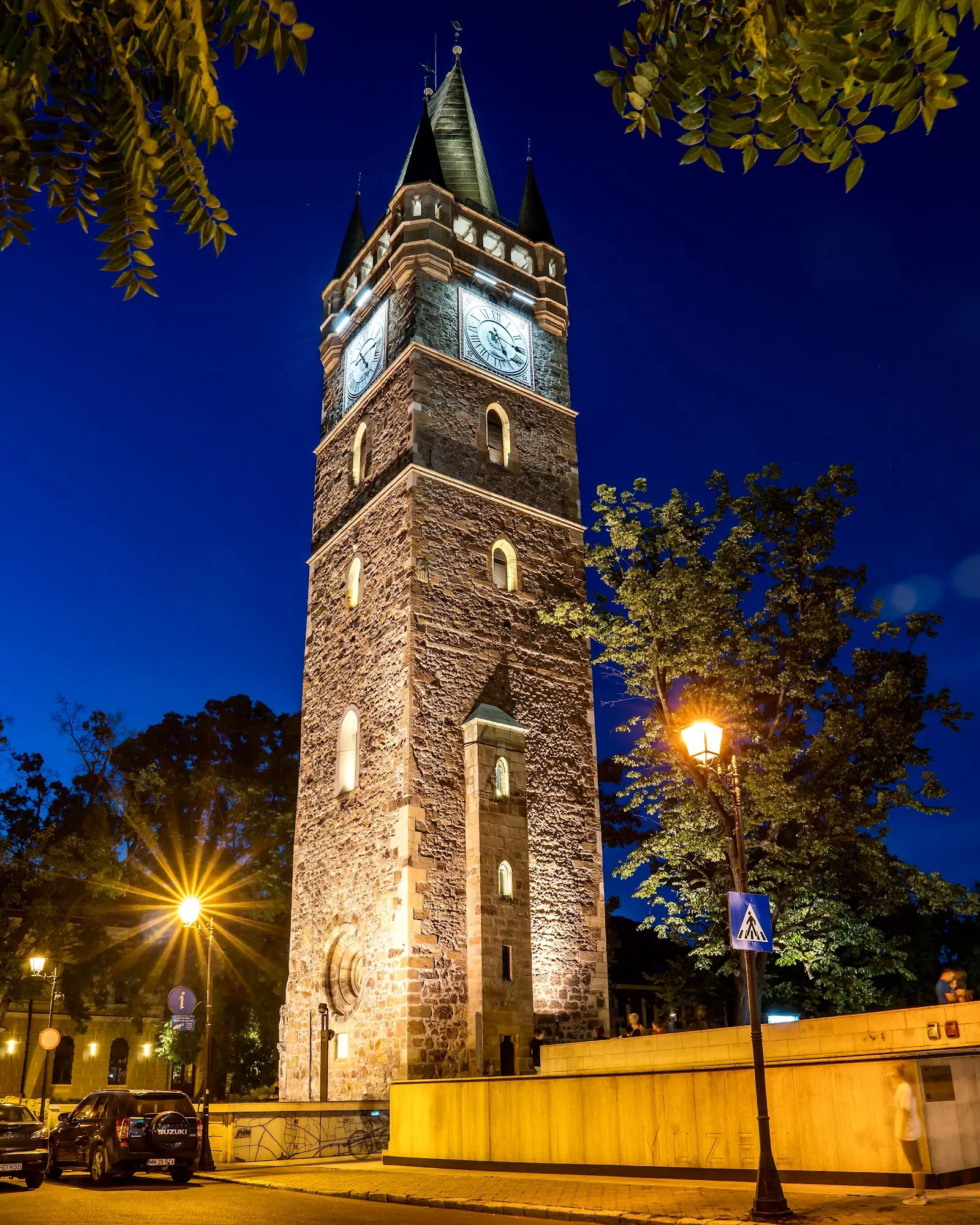
County · Maramureș
Maramureș County
Seat: Baia Mare
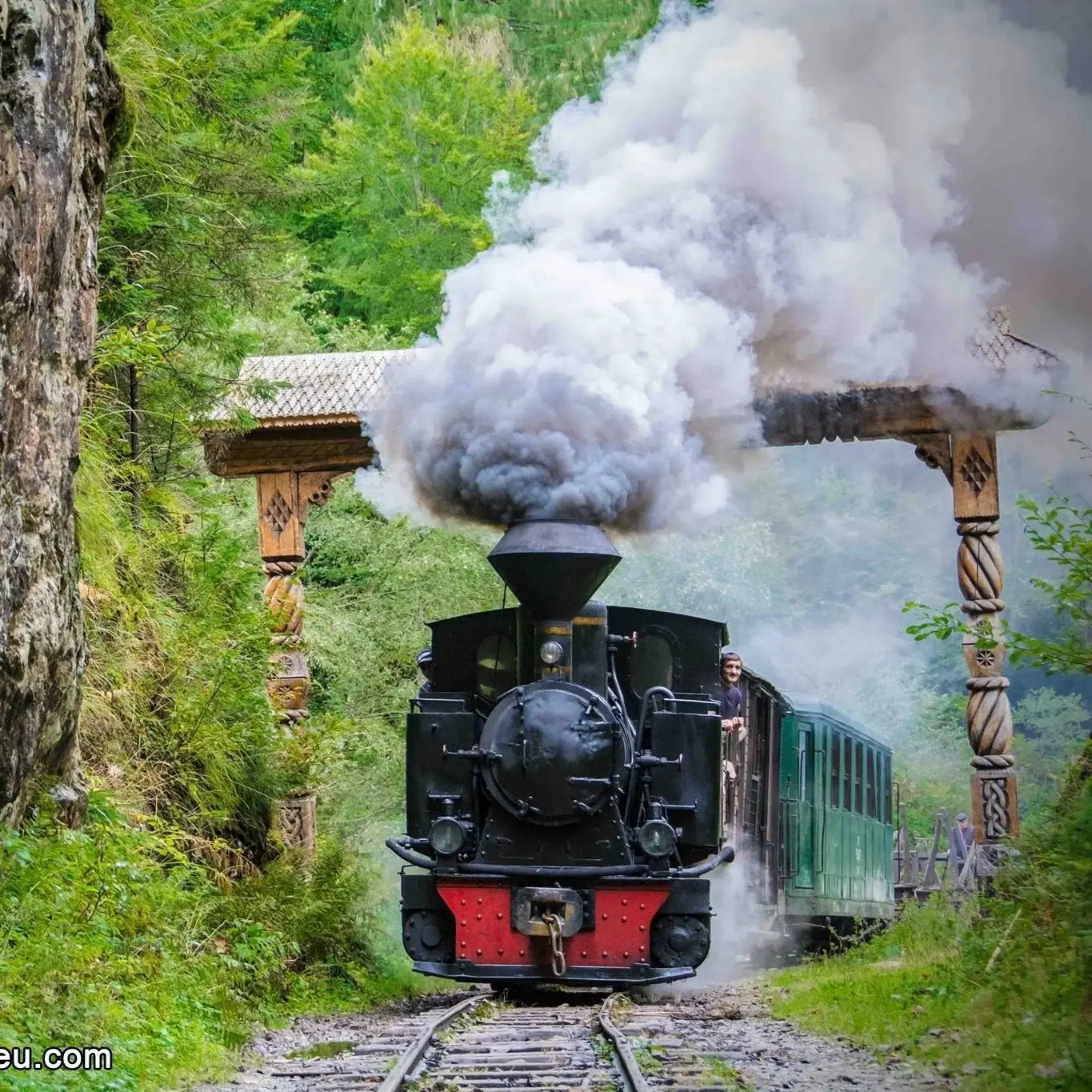
A county in the northern Carpathians, of forested valleys, wooden villages and an archaic Romania still alive. Maramures is the land of the UNESCO wooden churches, of carved gates and the Merry Cemetery of Sapanta, where colourful crosses tell the departed's stories with humour. The Mocanita steam train up the Vaser Valley from Viseu de Sus is a journey back in time.
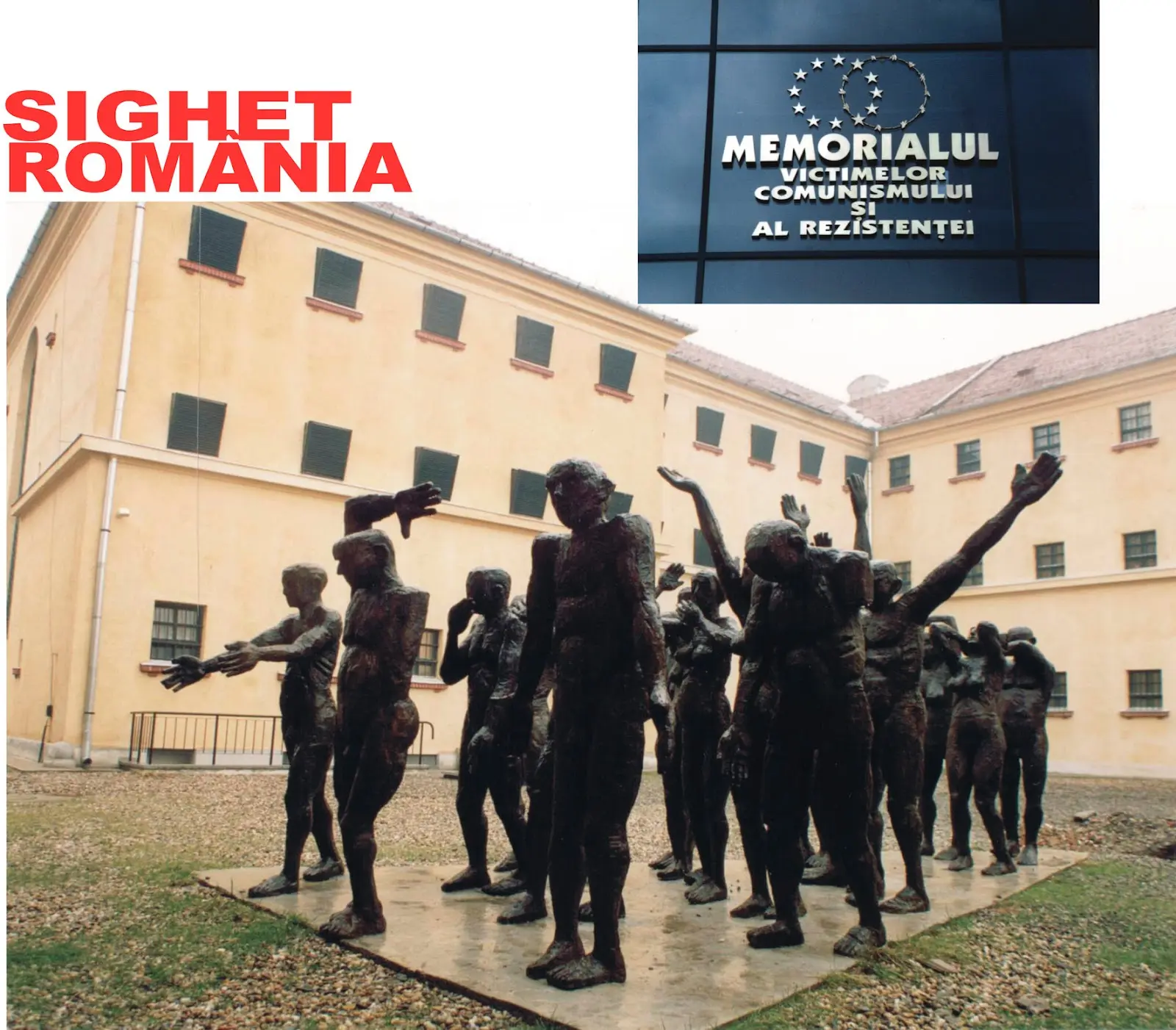
Sighetu Marmatiei preserves, through its Memorial, the memory of the communist prison. The county seat, Baia Mare, a mining town at the foot of the Gutai mountains, is the gateway to the region's authentic villages.
Cities & places in Maramureș
Not to miss in Maramureș
 Mountain
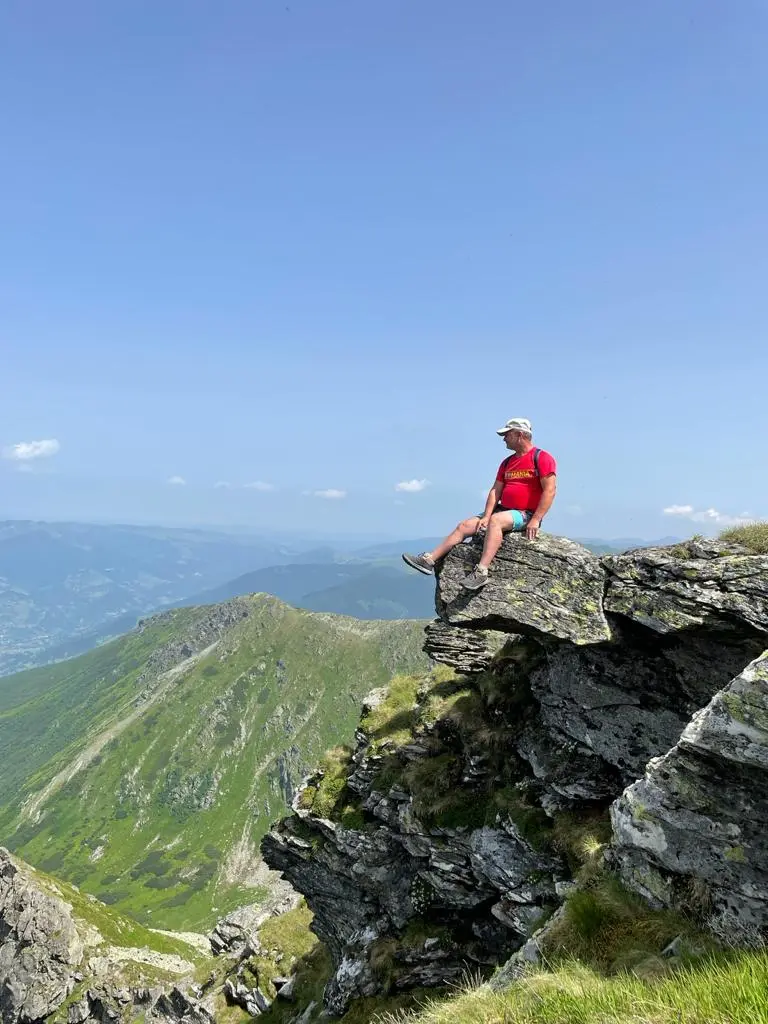
Munții Rodnei - Vârful Pietrosul
The Rodna Mountains, the highest massif of the Eastern Carpathians, are crowned by Pietrosul Peak, which rises above 2300 metres and forms the culminating point of the entire eastern chain. Above the town of Borșa in Maramureș, the alpine ridges of the massif offer some of the most impressive mountain scenery in the north of the country, with sharp crests, glacial cirques, high-altitude lakes and broad meadows scattered with rare flowers. The area lies within a national park and an internationally recognised biosphere reserve, protecting rich flora and fauna, including chamois and many endemic species. Beneath the peak lies the glacial lake Iezer, a mirror of clear water cradled in a cirque carved by former glaciers. The ascent routes set off from the Borșa area and demand good fitness, proper equipment and attention to the changeable mountain weather. The effort is rewarded with sweeping views over the Rodna crests and the neighbouring massifs.
 Mountain
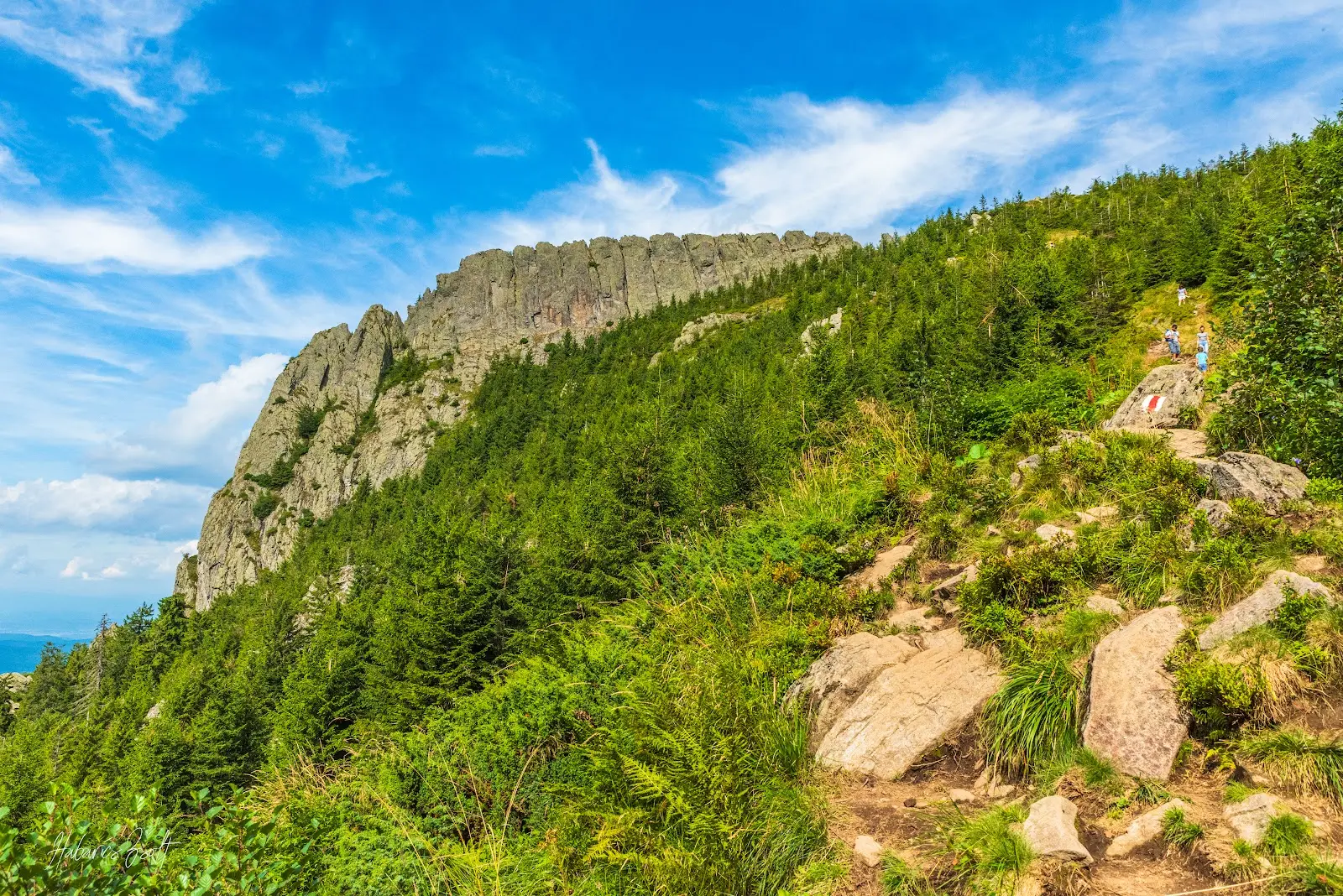
Creasta Cocoșului
Creasta Cocosului, the Rooster's Crest, is one of the most spectacular rock formations in the Gutai mountains, in the heart of Maramures, a jagged volcanic ridge rising above the surrounding forests and meadows. Its evocative name comes from the toothed profile of the rocks, which recalls the comb of a rooster. Formed of volcanic rock, the crest is the result of long geological activity and erosion, and is protected as a nature reserve for its scenic and scientific value. The marked trails leading to the ridge cross forests of beech and spruce, offering along the way views towards the basins and villages of Maramures. From the top the panorama opens towards the surrounding mountain ranges. The place is prized by hikers and photographers, especially at sunrise and sunset. Mountain gear and care on the rocky stretches are recommended.
 Mountain
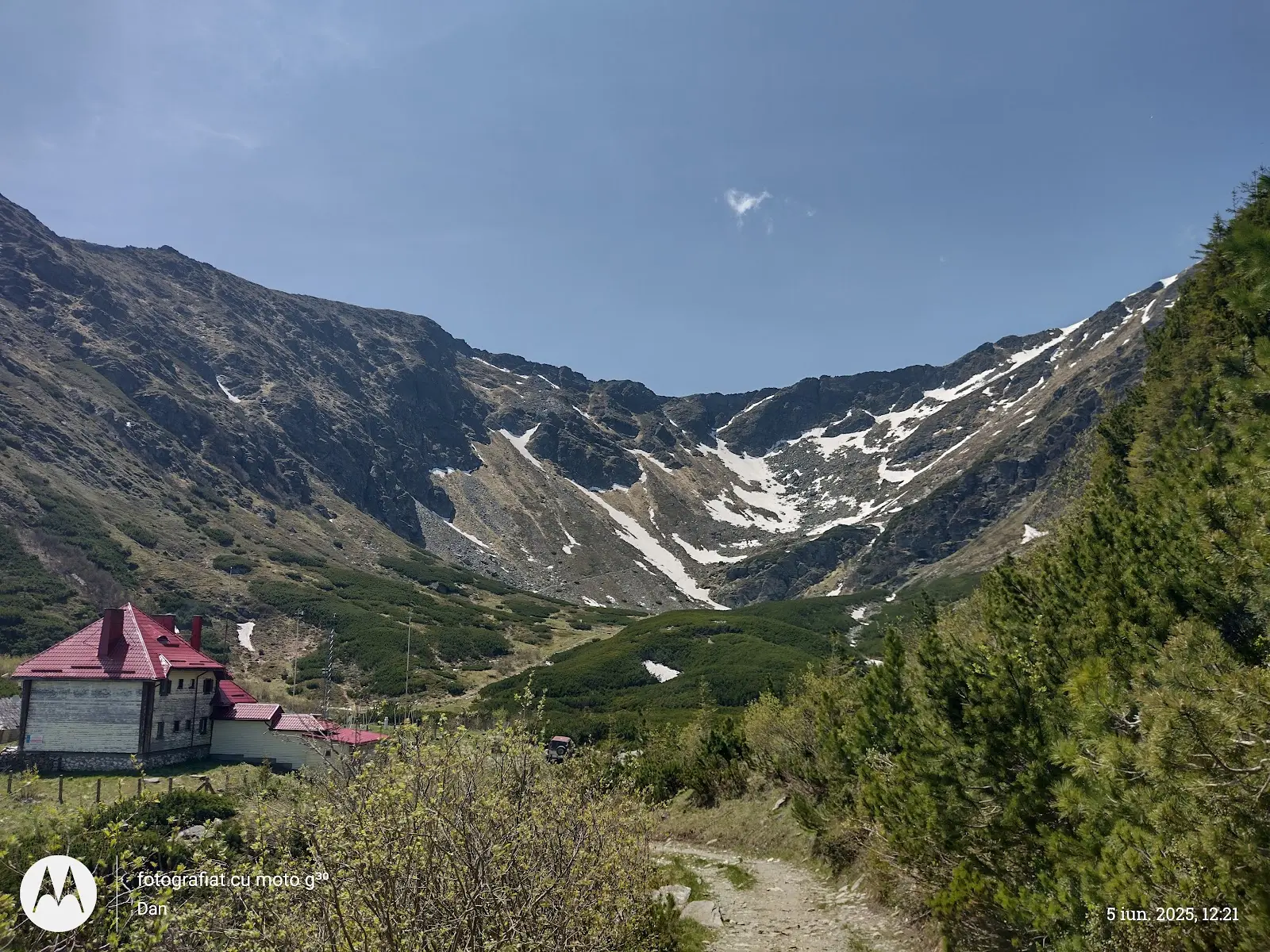
Vârful Pietrosul Rodnei
Pietrosul Rodnei Peak is the highest point of the Rodna Mountains and of the entire eastern branch of the Carpathians, rising above 2300 metres over the town of Borșa in Maramureș. Its alpine summit dominates a landscape of singular beauty, with rocky crests, glacial cirques carved by former glaciers and broad meadows scattered with rare flowers typical of the alpine zone. Beneath the peak lies the glacial lake Iezer, a mirror of clear water framed by steep walls, one of the emblematic landmarks of the massif. The area is protected by a national park and an internationally recognised biosphere reserve, sheltering chamois, marmots and many endemic plant species. The ascent to the peak begins in the Borșa area and demands good fitness, proper equipment and caution towards sudden weather changes. From the ridge open sweeping views over the Eastern Carpathians and the distant villages. The effort of the climb is fully rewarded by the grand panoramas and the sense of mountain solitude.
 Monastery
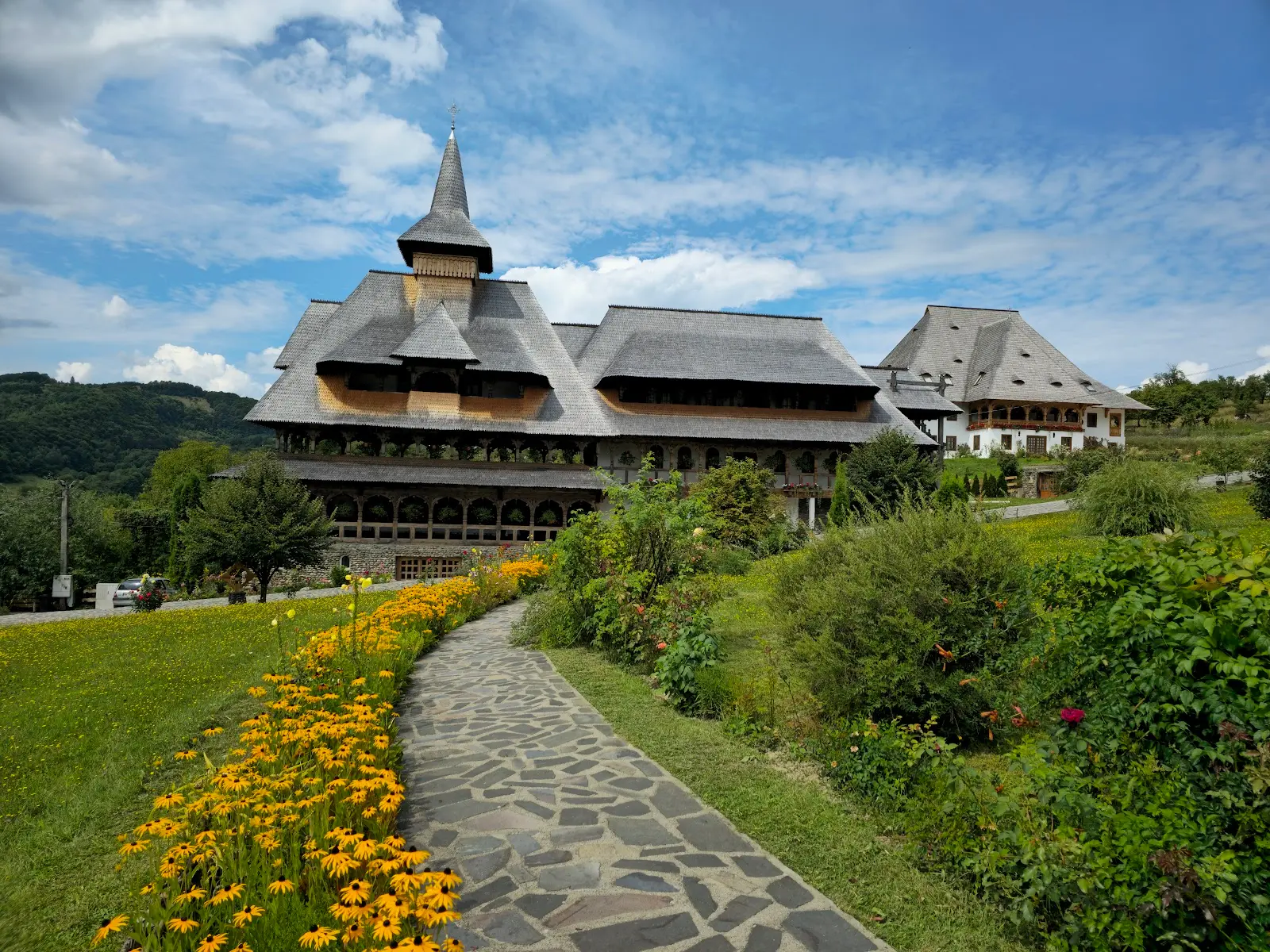
Mănăstirea Bârsana
Bârsana Monastery in Maramureș is the most spectacular expression of wooden architecture in northern Romania, an ensemble of churches, cells and carved gates that seems a gateway to heaven. Although the present monastic community was re-established in the 1990s, the tradition of the place reaches much further back, and the new buildings were raised by local craftsmen in the authentic Maramureș style, with slender, soaring spires, cascading shingle roofs and lacework in wood. The main church, one of the tallest wooden structures in Europe, rises skyward above a well-tended flower garden. The whole complex, set on a hill, breathes calm and craftsmanship. It is an essential stop on the trail of Maramureș wooden churches, some inscribed on the UNESCO heritage list. Modest dress is advised; check the visiting schedule.
 Museum
Muzeul de Artă Baia Mare (Colonia Pictorilor)
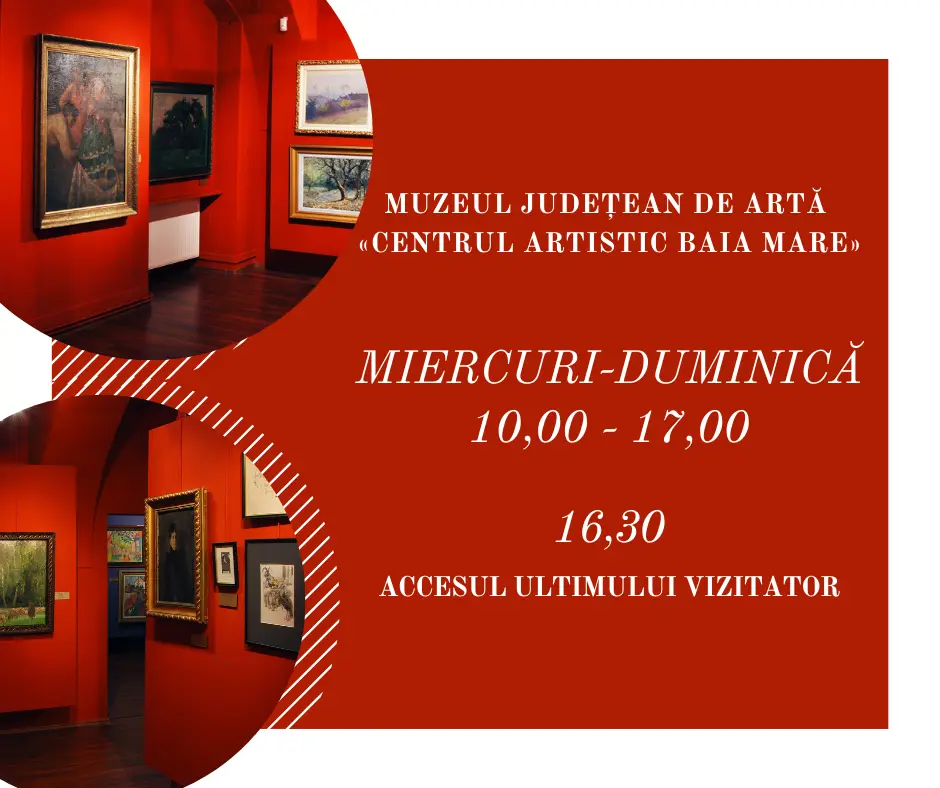
The Art Museum in Baia Mare is closely linked to the renowned Painters' Colony, a school and artistic centre founded at the end of the 19th century that attracted numerous painters and played an essential role in the development of modern art in this part of Europe. Located in Maramureș, the museum preserves and displays works by the artists who were active here, illustrating the evolution of styles and movements over the decades. The Baia Mare colony was valued for its landscapes and for the special light of the place, which inspired generations of creators coming from different countries. The museum's collection includes painting, graphics and sculpture, offering a comprehensive picture of this artistic phenomenon. Today, the legacy of the colony remains a source of pride for the city and a landmark in the history of Romanian art. Practical note: the museum visit offers a good introduction to the history of the artistic colony, and the rooms are best explored at an unhurried pace to follow the thread of Baia Mare painting.
 Monastery
Mănăstirea Peri Săpânța
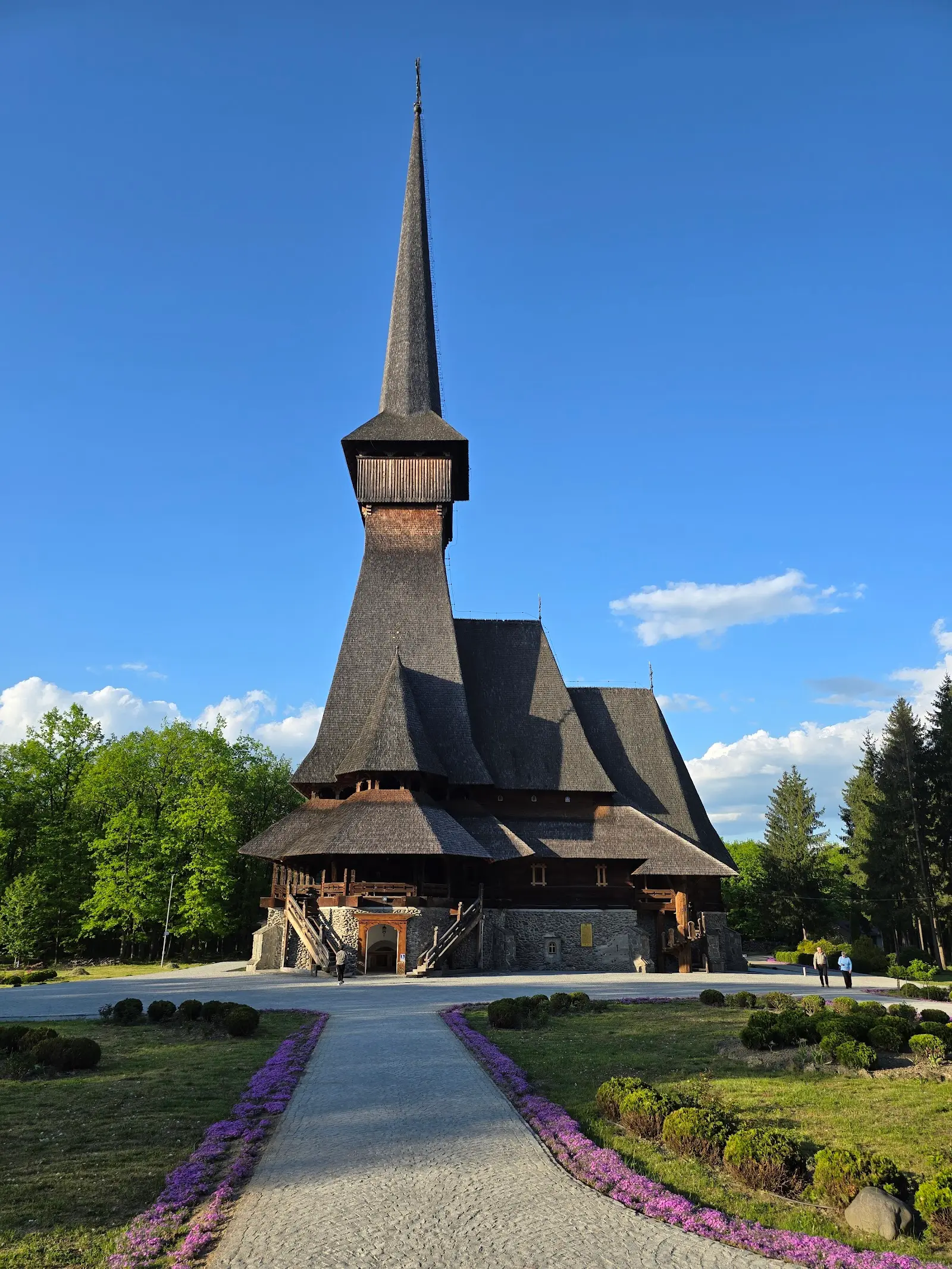
Peri Săpânța Monastery is known for its wooden church, considered one of the tallest wooden churches in the world, a remarkable spiritual and architectural landmark set near the village of Săpânța in northern Maramureș, close to the border with Ukraine. Raised at the beginning of the twenty-first century, the church continues the centuries-old tradition of the Maramureș wooden churches, with its extremely tall, sharp spire, which reaches over seventy metres and dominates the whole valley. The settlement evokes the old Peri Monastery, an important medieval monastic and cultural centre of northern Maramureș, today on Ukrainian territory, where some of the oldest religious texts in the Slavonic language of the region are said to have been printed. The modern construction blends the mastery of traditional carpentry with the ambition of an impressive silhouette. Set not far from the famous Merry Cemetery of Săpânța, the monastery forms part of a tourist and spiritual circuit of the area. Visitors are asked to respect the sacred character of the place, proper dress and the quiet of a monastic settlement.
 Monastery
Mănăstirea Rohia
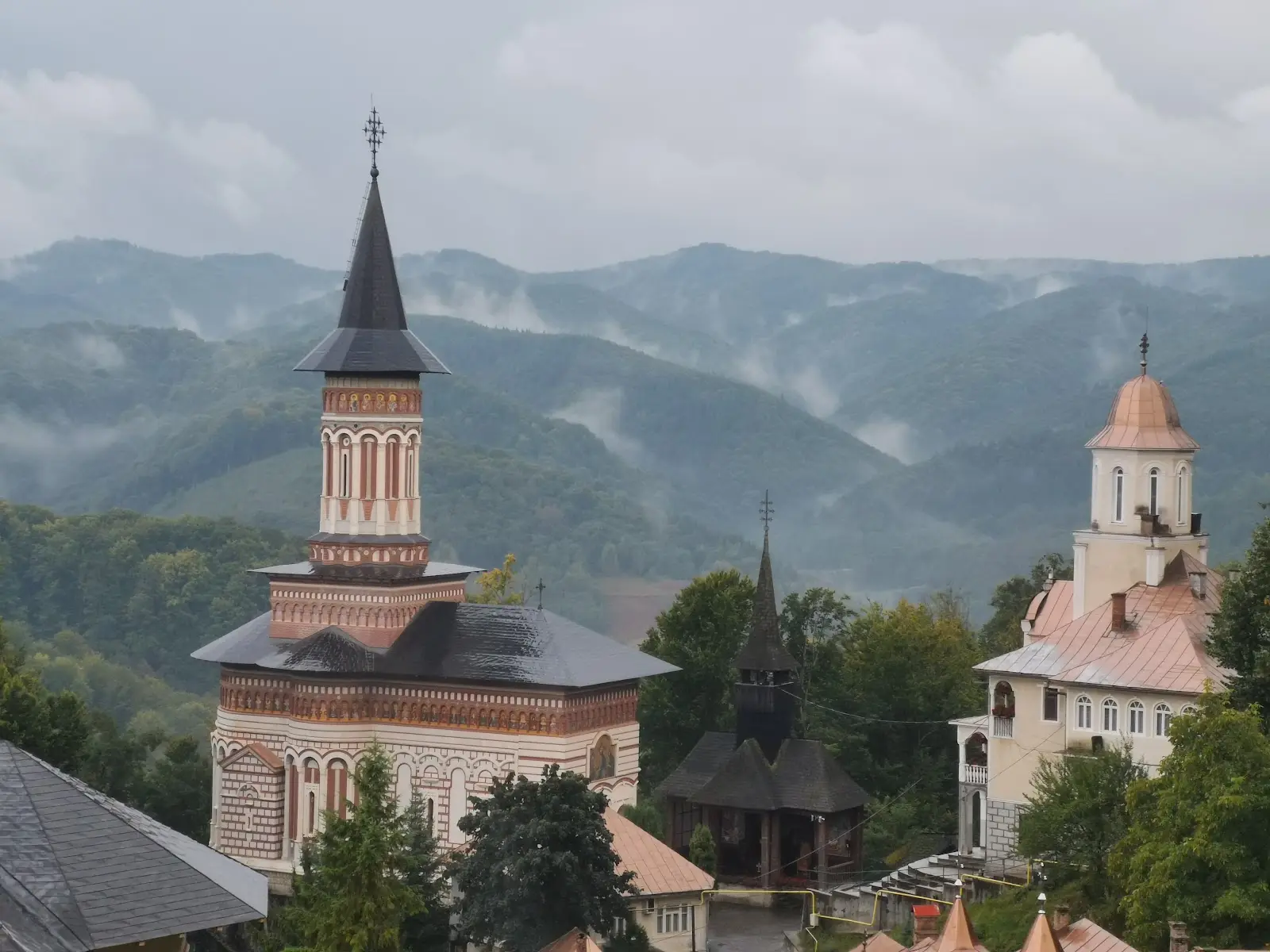
Rohia Monastery lies in Maramures county, near the town of Baia Mare, in a striking natural setting on a wooded hill in the Lapus Land area. The settlement, dedicated to Saint Parascheva, was founded in the early twentieth century and became known above all through its connection with the writer and theologian Nicolae Steinhardt, author of the Diary of Happiness, who lived here as a monk and librarian in the last part of his life. The monastery holds a valuable library, with numerous rare books, and preserves the cell in which Steinhardt lived, which has become a place of literary and spiritual pilgrimage. The quiet setting, the surrounding forest and the view over the hills of Maramures give the place an atmosphere of deep contemplation. Rohia is a sought-after destination for pilgrims, but also for lovers of culture who wish to discover the memory of an important Romanian thinker.
 Mountain
Parcul Național Munții Rodnei
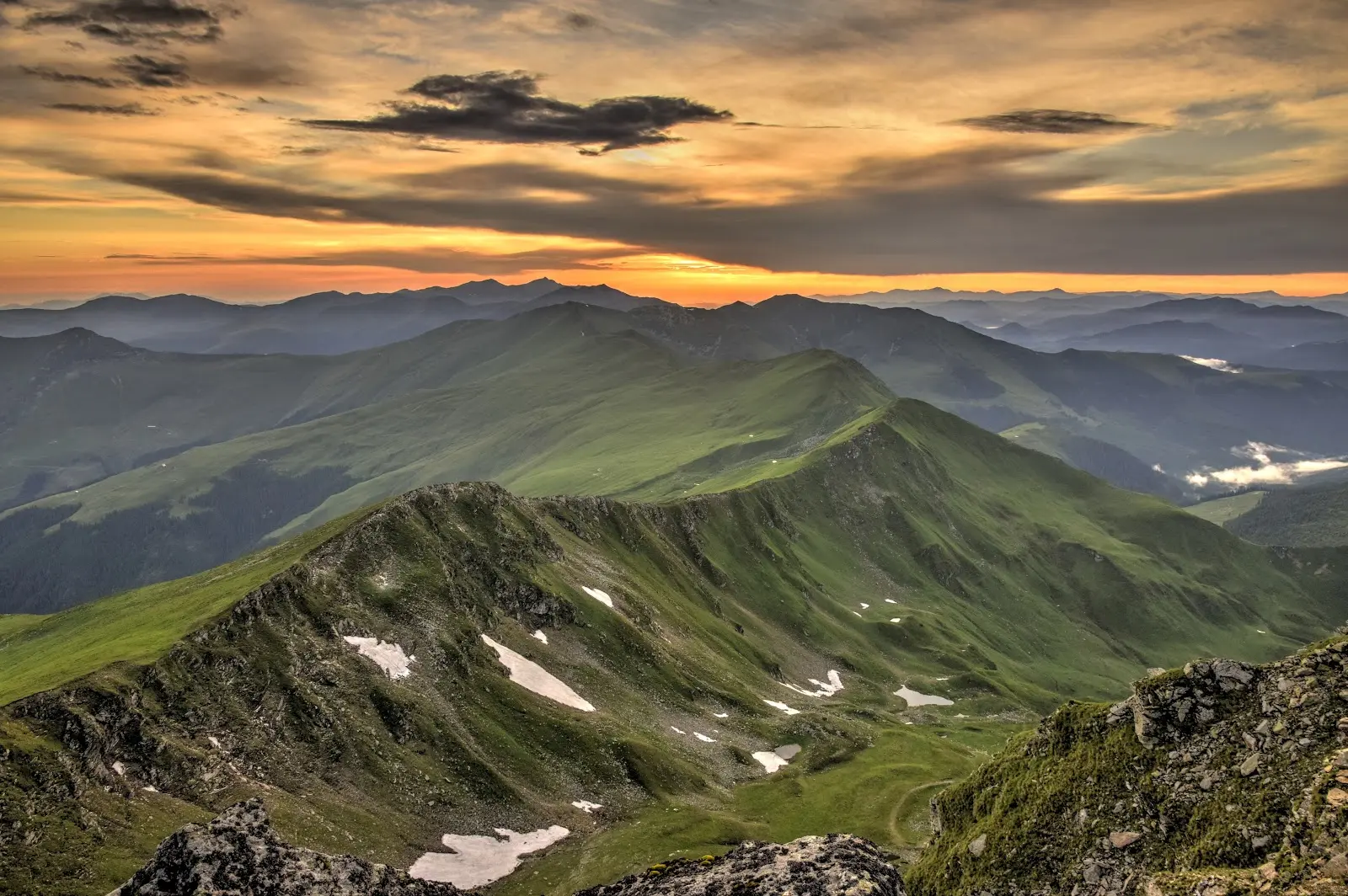
Rodnei Mountains National Park protects the highest and most massive range in the crystalline group of the Eastern Carpathians, an area of remarkable wildness and beauty, also recognised as a biosphere reserve. Here rise proud peaks such as Pietrosul Rodnei, the highest in the entire Eastern Carpathians, beneath which lie glacial lakes of crystal clarity, deep cirques and spectacular ridges shaped by ancient glaciers. The alpine landscape, with broad meadows, dwarf pine and rocky slopes, shelters a rich flora, including rare and endemic species, as well as chamois and marmots. From the resort of Borsa numerous trails set out towards the ridges. The setting is ideal for mountain hiking and for observing wild nature. Practical note: the alpine routes are demanding and exposed to sudden weather changes, so proper gear, a map and an early start are essential; in winter the area is suited to winter sports.
 Nature
Cascada Cailor Borșa
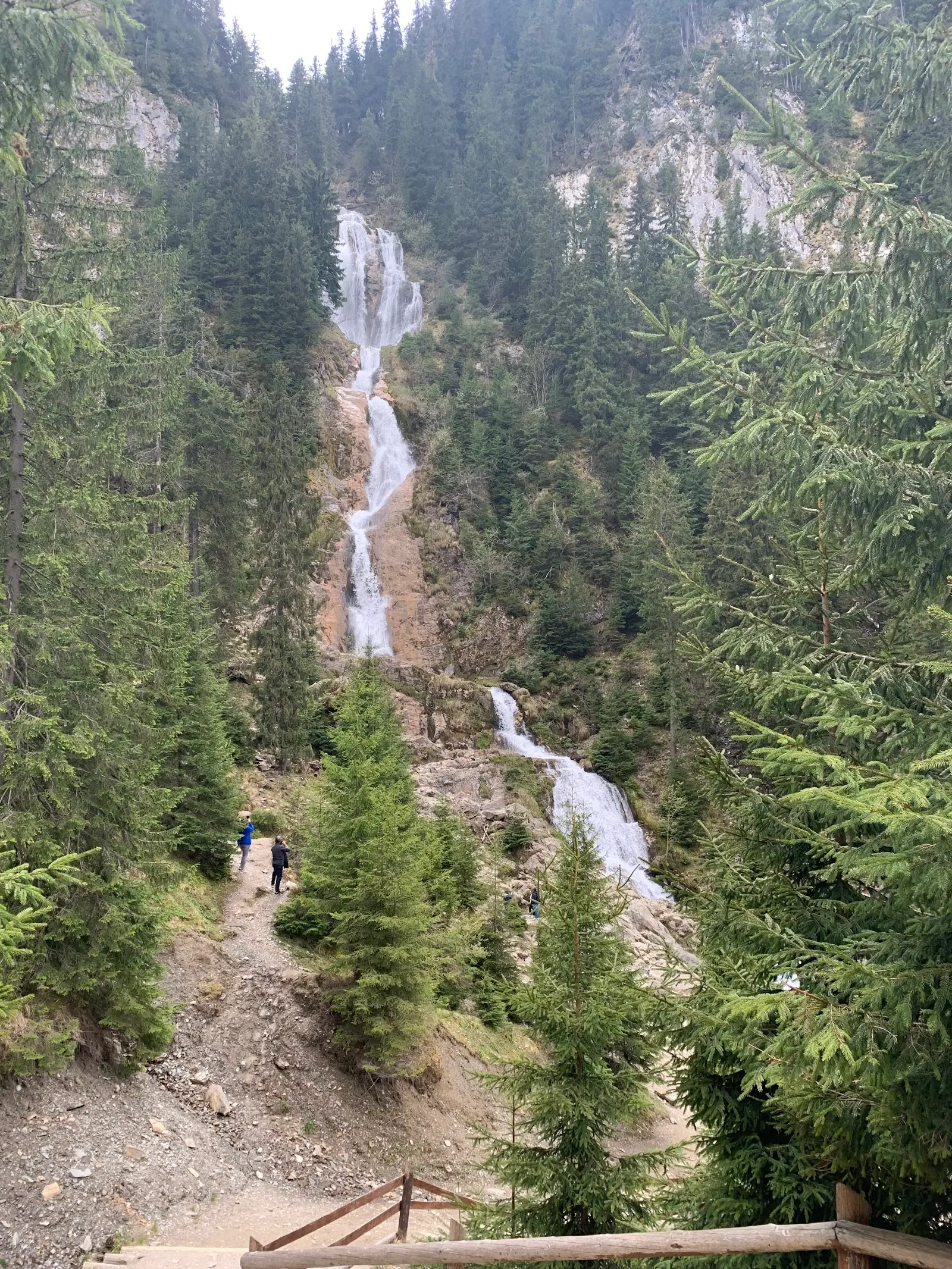
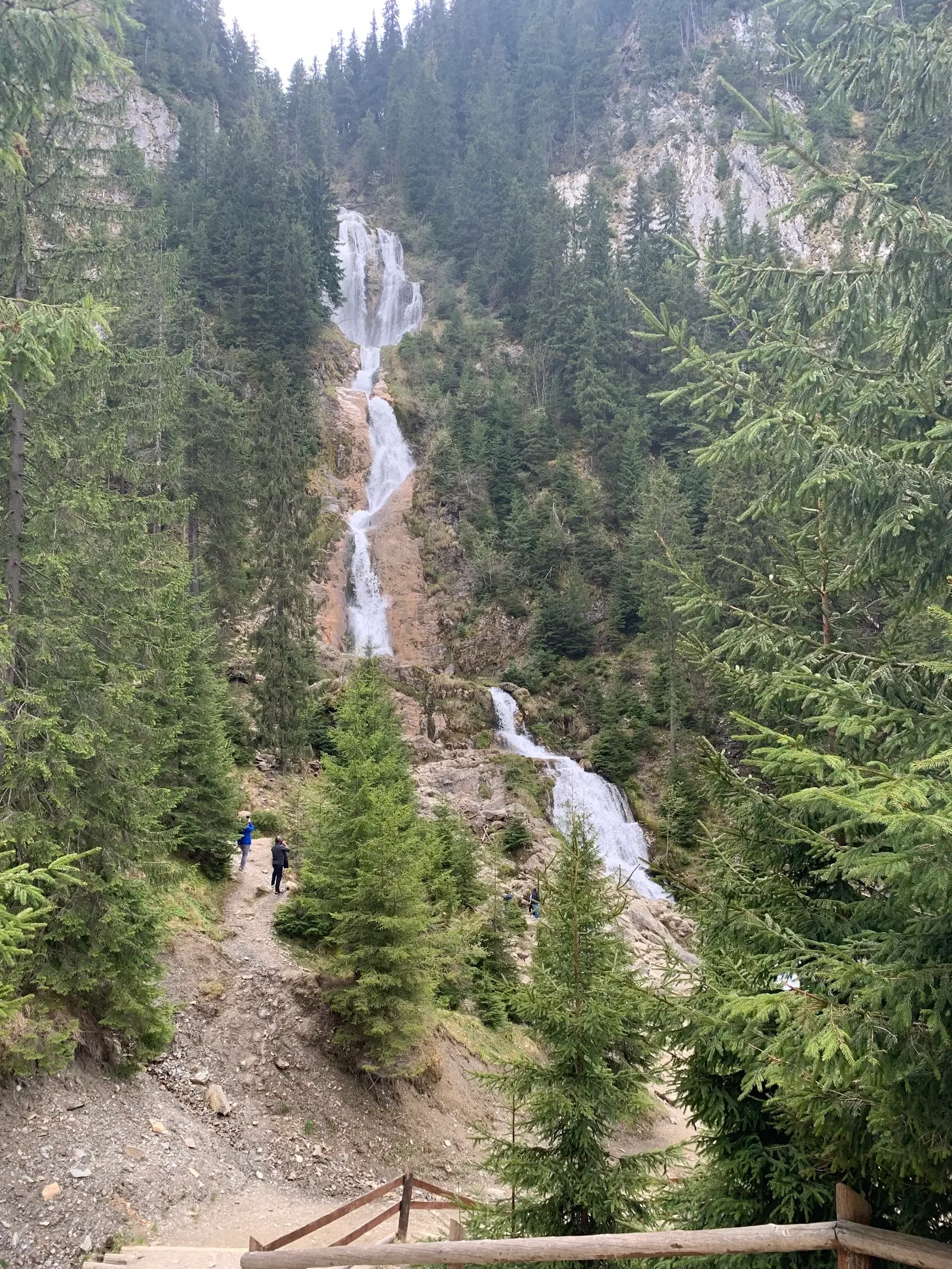
The Horses' Waterfall is the largest cascade in the Rodna Mountains and one of the most impressive in all of Romania, set above the resort of Borșa in Maramureș. Its water rises from a small glacial lake and a mountain cirque, tumbling in stages over a drop of more than 80 metres through a wild alpine landscape framed by meadows and forest. The legendary name recalls a local tale about wild horses that are said to have fallen from the cliffs. The waterfall lies within Rodna Mountains National Park, a protected area with remarkable biodiversity. Access is either on foot, along a climb that starts near the Borșa ski slope, or by chairlift to a point close by, followed by a short walk to the viewing platform. The sight of the water thread rolling down the wet rock is spectacular in any season. Visitors are advised to wear suitable footwear and to check whether the chairlift is operating.
 Nature
Lacul Iezer Rodnei
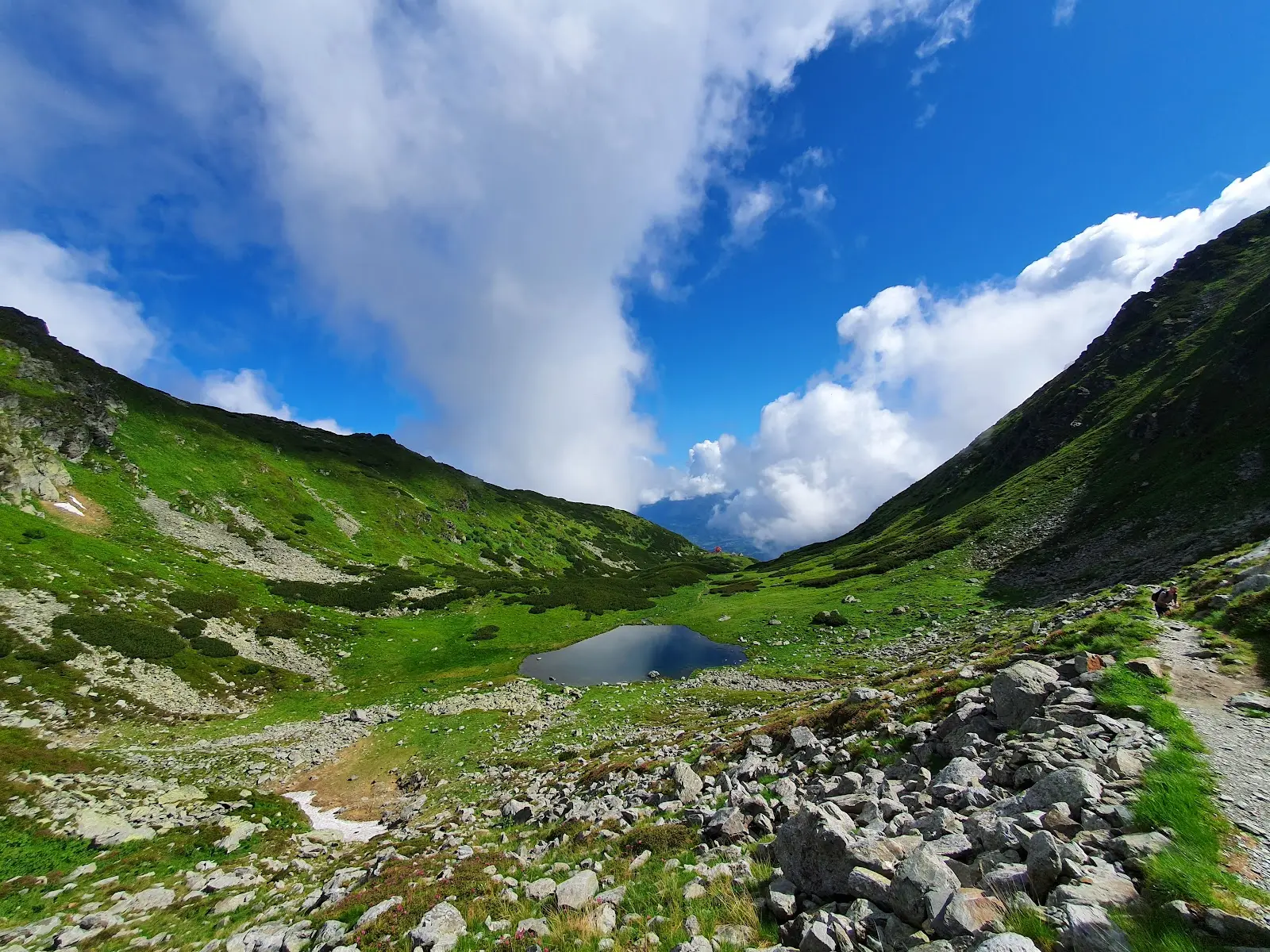
Lake Iezer is the largest glacial lake in the Rodna Mountains, set at high altitude beneath the main ridge of the massif, near Borșa, in Maramureș. Formed after the retreat of the glaciers of the last ice age, the lake lies in a spectacular glacial cirque, surrounded by steep walls and alpine meadows rich in rare flora, protected within the national park that covers the area. The Rodna Mountains are renowned for their wild landscapes, for peaks exceeding 2,000 metres and for the diversity of wildlife, including chamois and marmots. The clear waters of the lake reflect the sky and the surrounding crests, offering an unforgettable picture to the hikers who reach it. Access is by marked trails that require sustained effort but are fully rewarded. Practical note: the hike to the lake requires mountain equipment, good physical condition and water reserves, and the weather at altitude can be capricious, so checking the forecast is essential before setting out.
 Museum
Muzeul Județean de Mineralogie Baia Mare
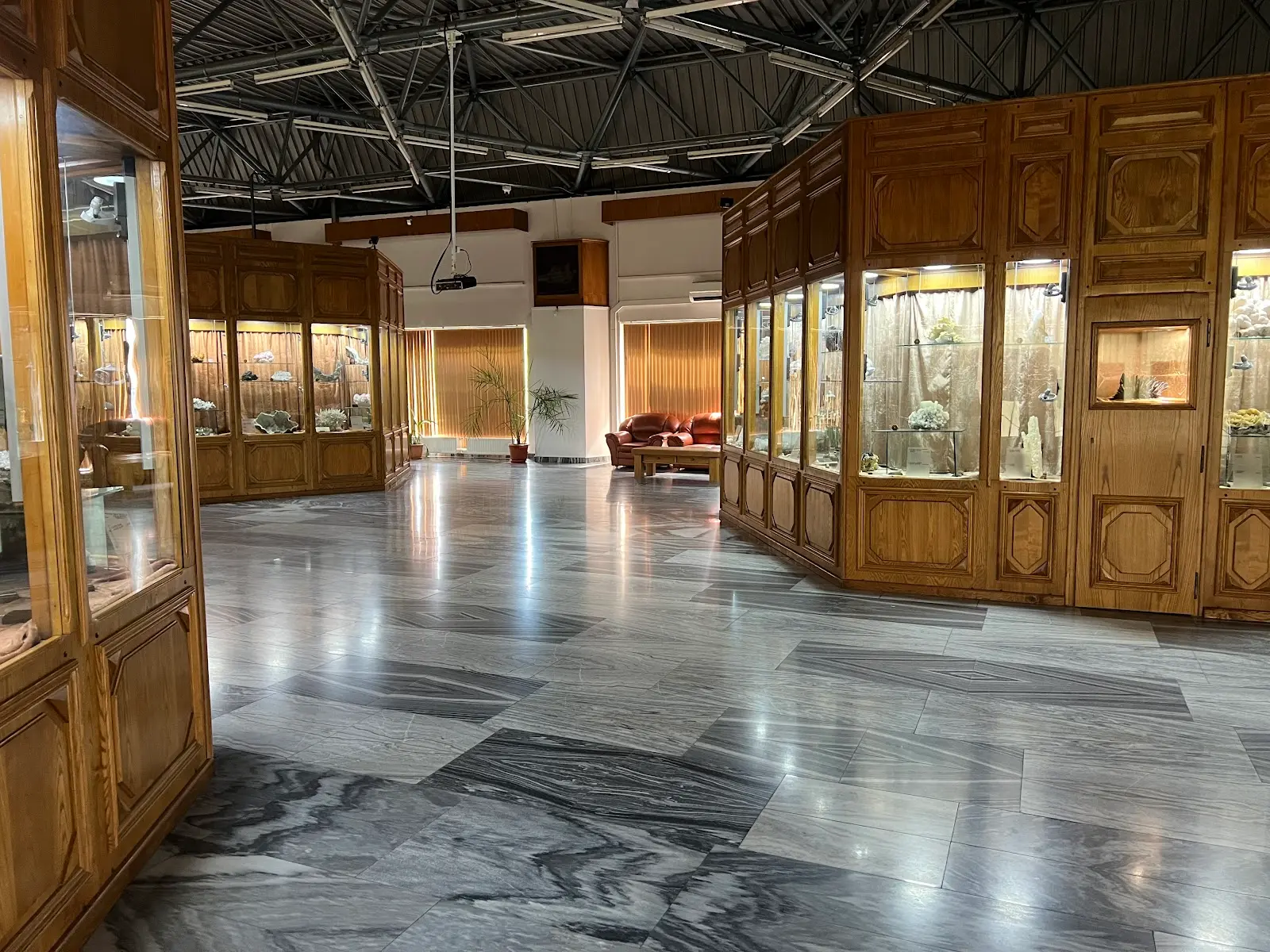
The County Museum of Mineralogy in Baia Mare holds one of the most valuable mineral collections in Europe, gathered in the heart of a region with a long mining tradition. The Maramureș area has been worked for gold, silver, lead, and other metals since ancient times, and the wealth of its underground is reflected in the museum's cases. The pride of the collection is the so-called mine flowers, spectacular crystal clusters formed in cavities deep within the galleries, unique in size and beauty. The collection includes thousands of samples of sulphides, quartz, calcite, and other species, many coming from mines in the region that are now closed. The exhibition also explains the history of local mining, with tools, maps, and accounts of the hard work underground. For lovers of earth sciences and for families, the museum offers an accessible journey into the world of crystals. Allow enough time to admire the detail of each display case.
 Monastery
Mănăstirea Moisei
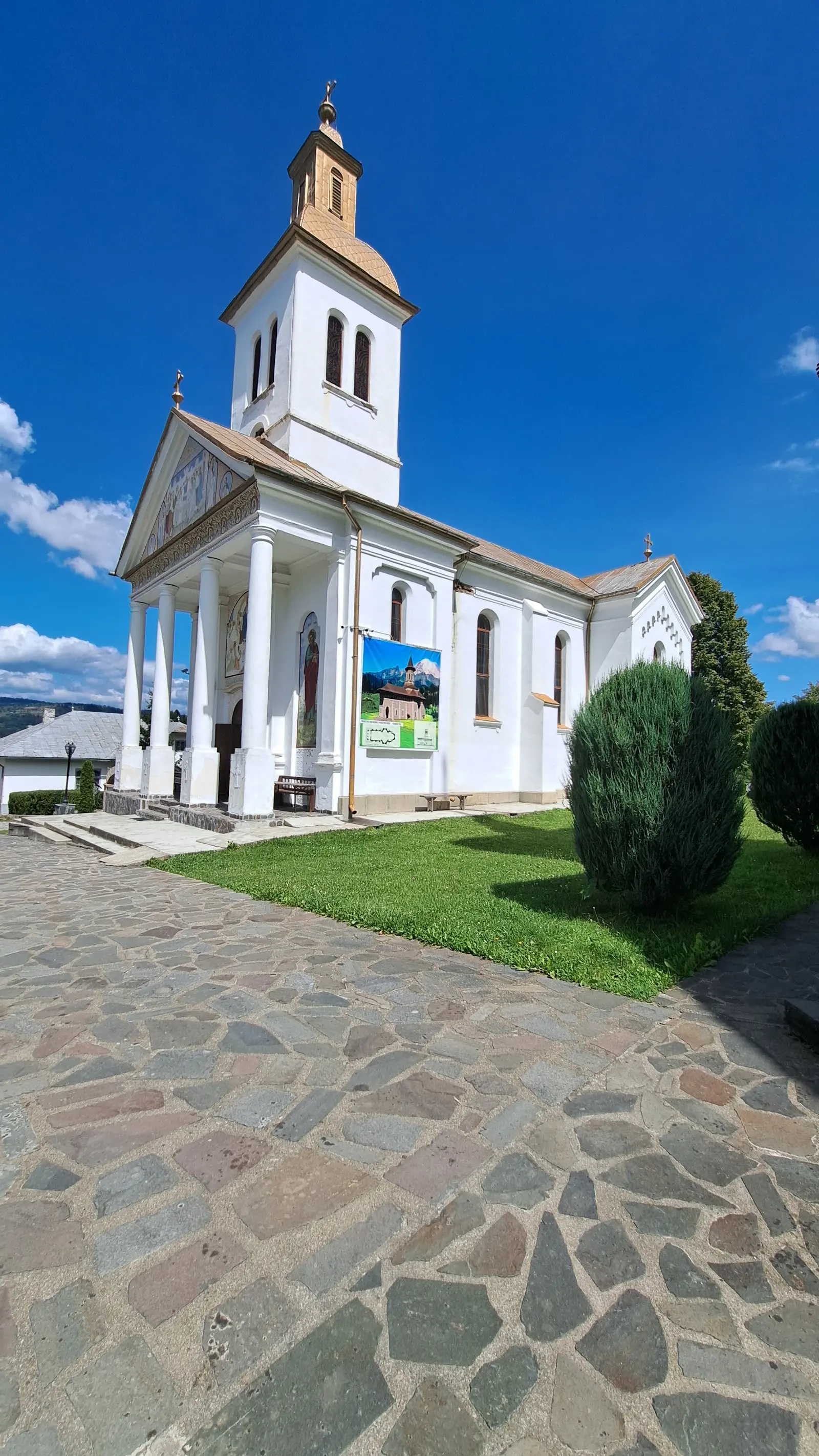
Moisei Monastery lies in northern Maramureș, near the town of Borșa, at the foot of the Rodna Mountains, in a natural setting of great beauty. It is one of the oldest monastic settlements in the area, with origins reaching back to the seventeenth century, when it was founded by local nobles. The wooden church in the Maramureș style, with its tall spire and characteristic roof, is an example of the traditional architecture of the region. The place is closely tied to the faith of the local community and hosts an important annual pilgrimage. Nearby stands the Moisei Monument, raised in memory of the peasants killed here during the Second World War, a work of the sculptor Vida Gheza. Thus the area combines the dramatic history of the place with religious tradition. Visitors can link a stop at the monastery with a visit to the memorial monument. It is best to respect the sacred character of the church and the meaning of the monument.
Plan your trip
Stay, tour and get there
Stays nearby
Stays in Maramureș
Experiences
Tours & activities
Guided tours, day trips and hand-picked experiences via GetYourGuide — free cancellation on most.
See all experiencesGetting to Romania
Flights, transfer & car
Fly into Romania
Compare fares to Bucharest Otopeni (OTP) and regional airports — Cluj, Sibiu, Iași, Timișoara.
Airport transfer
Private, fixed-price door-to-door transfer — driver waiting from the moment you land.
Rent a car — see the real Romania
A rental car is the key to Romania: the Transfăgărășan, the painted monasteries of Bucovina, mountain roads and the villages of Maramureș that no train reaches.
Find a carKeep exploring