
County · Crișana
Bihor County
Seat: Oradea
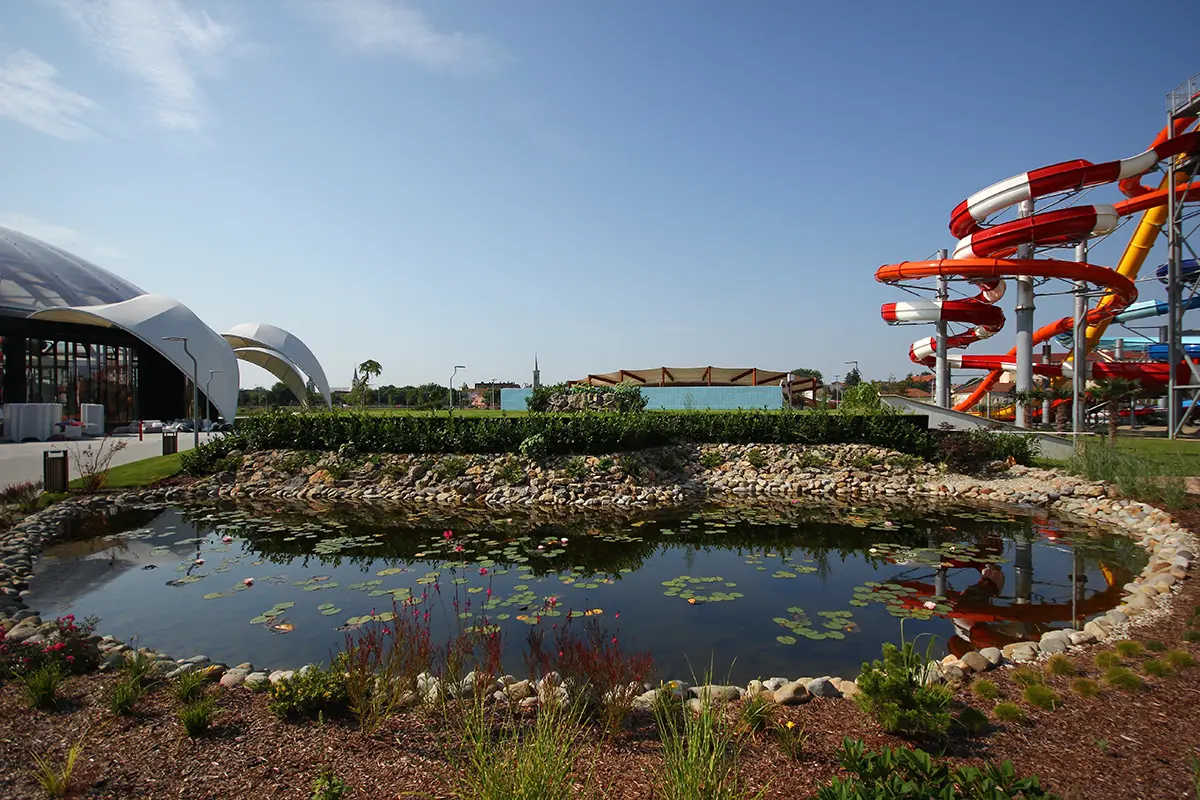
On Romania's western frontier, Bihor county descends from the Apuseni Mountains toward the plain opening onto Hungary. Its seat, Oradea, is the country's Art Nouveau queen: a jewel of a city with restored Secession facades, candy-coloured palaces and a reborn medieval fortress. Just a few kilometres away, Băile Felix offers thermal waters that flow year-round, among Romania's most famous.
High in the mountains lie subterranean wonders such as the Bears' Cave, and the wild Padiș plateau, a hikers' paradise. A land of urban elegance and warm waters.
Cities & places in Bihor
Oradea
Romania's Art Nouveau jewel, brilliantly restored.
Beiuș
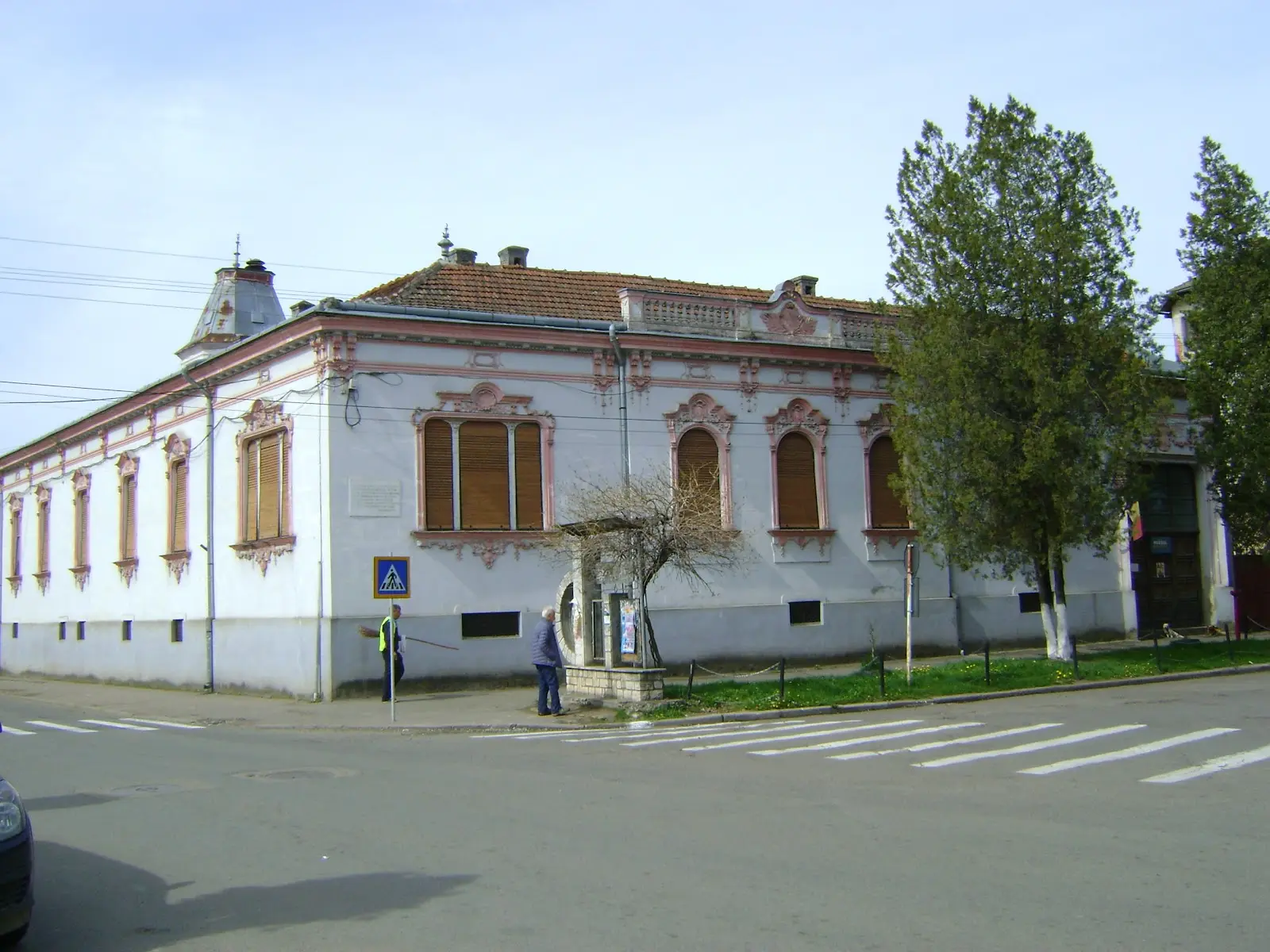
A small Bihor town, gateway to the Apuseni, the Meziad Cave and Băile Felix.
Salonta
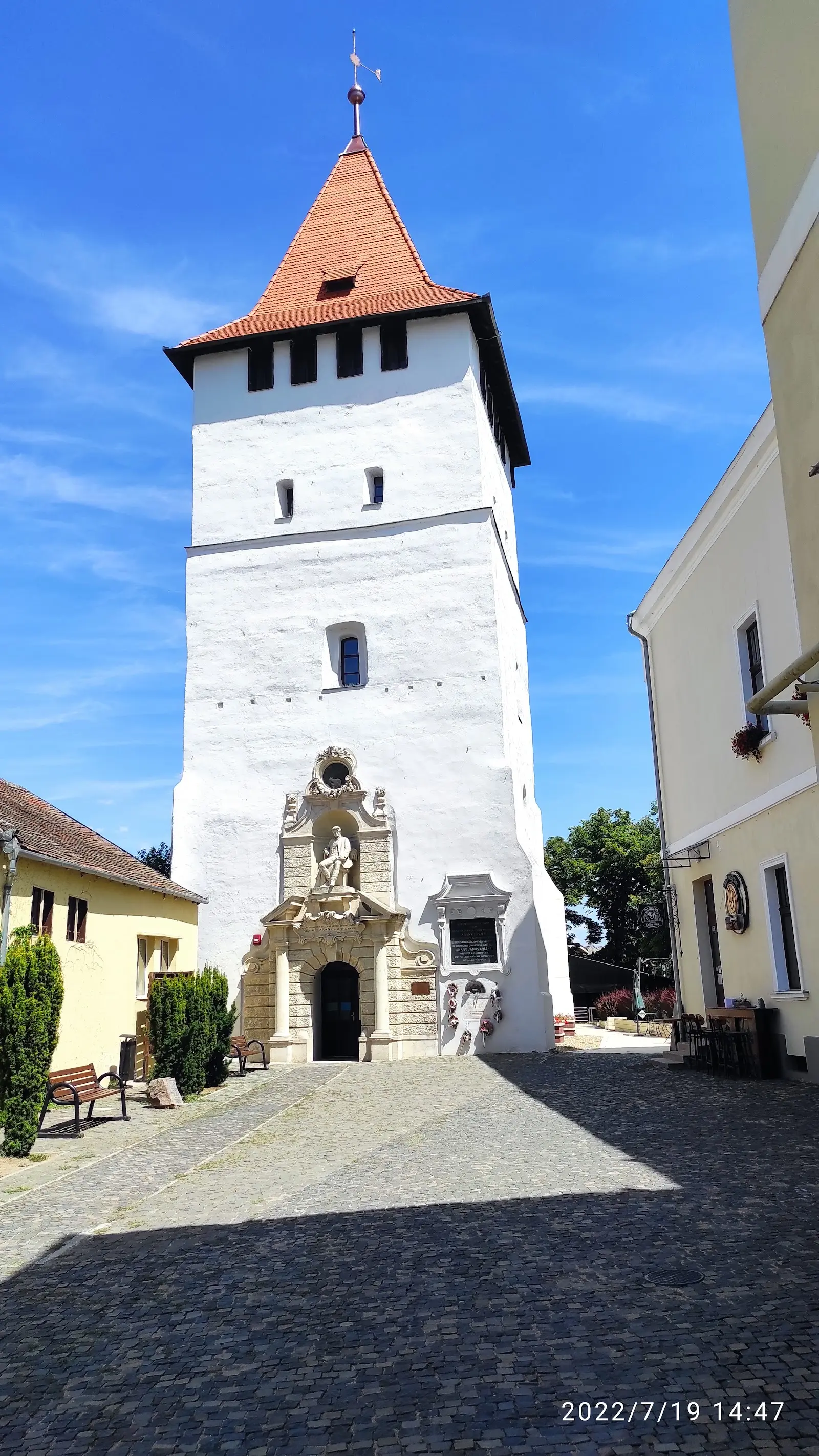
A Bihor plains town, with the Cionka Tower and the memory of the poet Arany János.
Ștei
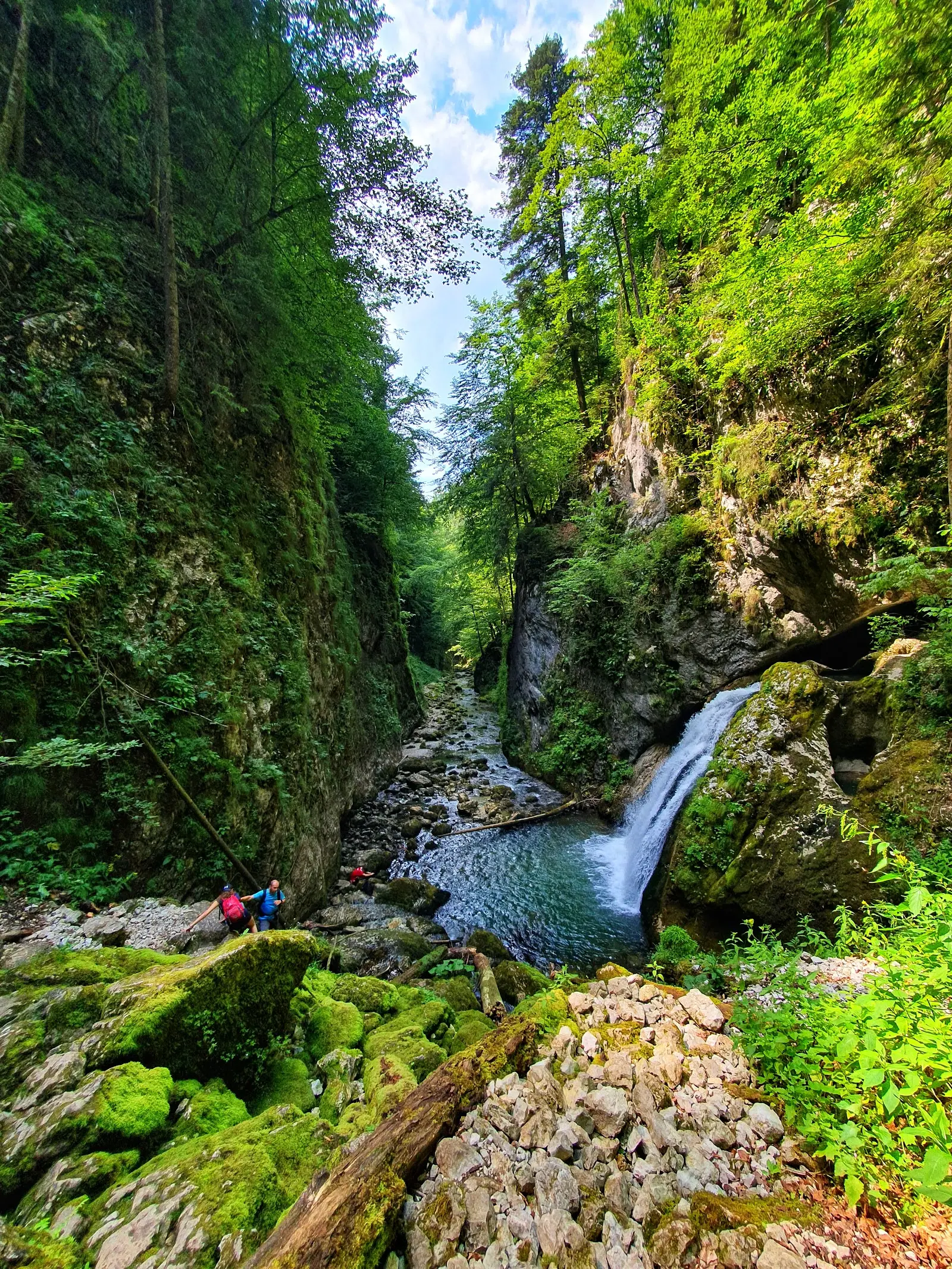
A base town for the Apuseni, near the Bears' Cave and the Bihor gorges.
Not to miss in Bihor
 Nature
Cetățile Rădesei (Padiș)
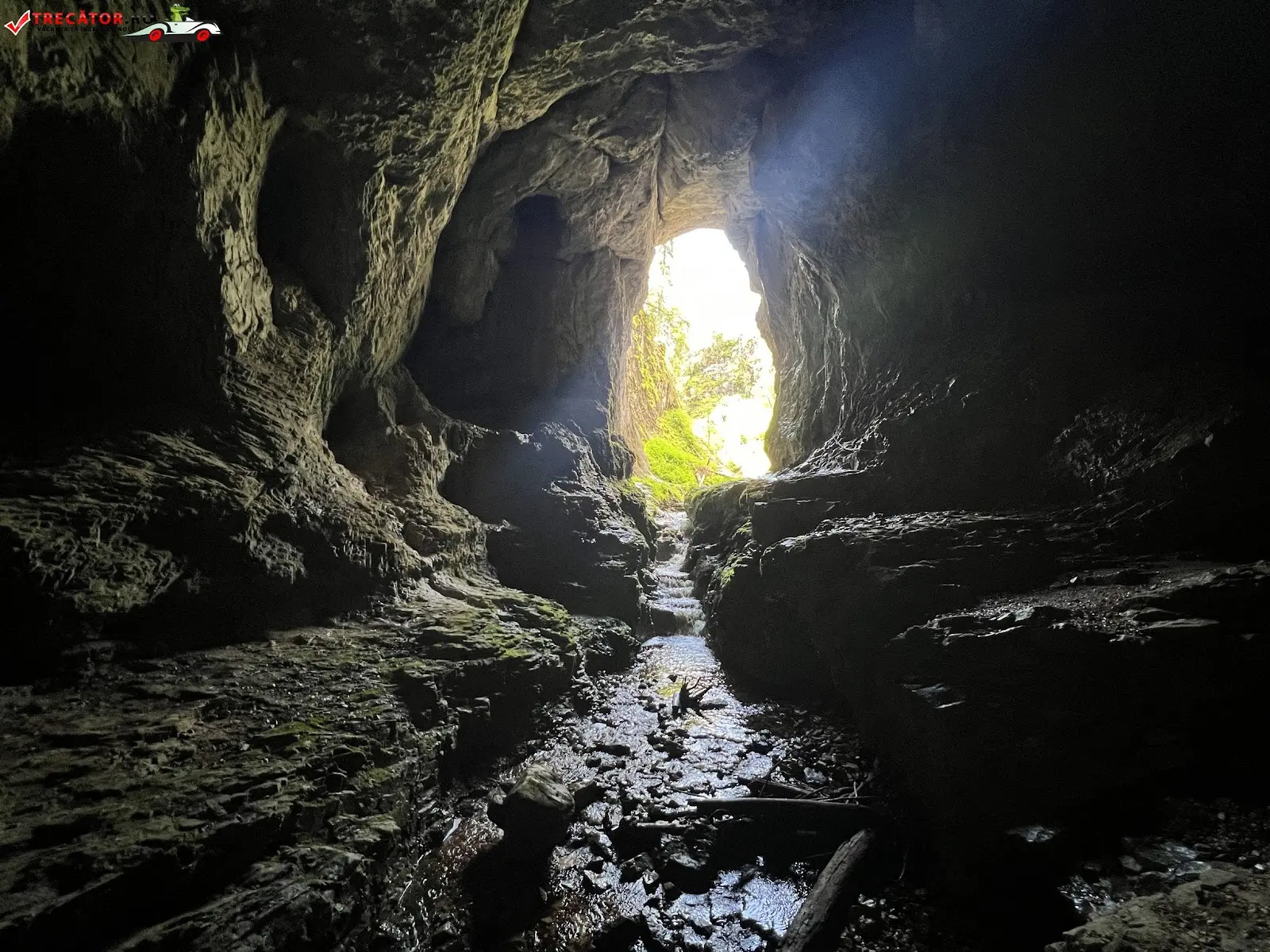
Cetățile Rădesei, the Rădeasa Citadels, form a spectacular karst ensemble in the Apuseni Mountains, in the Padiș area east of Oradea, in Crișana. The name evokes the look of the place, where the tall limestone walls and the water-carved galleries recall the walls of a natural fortress. The central feature is a tunnel cave through which a stream flows, its ceiling pierced by several shafts that let in daylight, creating shifting shadows and beams of great beauty. The visiting route passes through this gallery and continues along a narrow canyon bordered by steep cliffs and rich vegetation. The Padiș area is a true karst plateau, dotted with caves, sinkholes, springs and gorges, a paradise for hikers and lovers of wild nature. Practical note: crossing through the cave involves wading through water and over slippery stones, so footwear that can get wet, extra caution and, ideally, the company of someone familiar with the Padiș trails are needed.
NatureCheile Galbenei
 Church
Catedrala Romano-Catolică Oradea
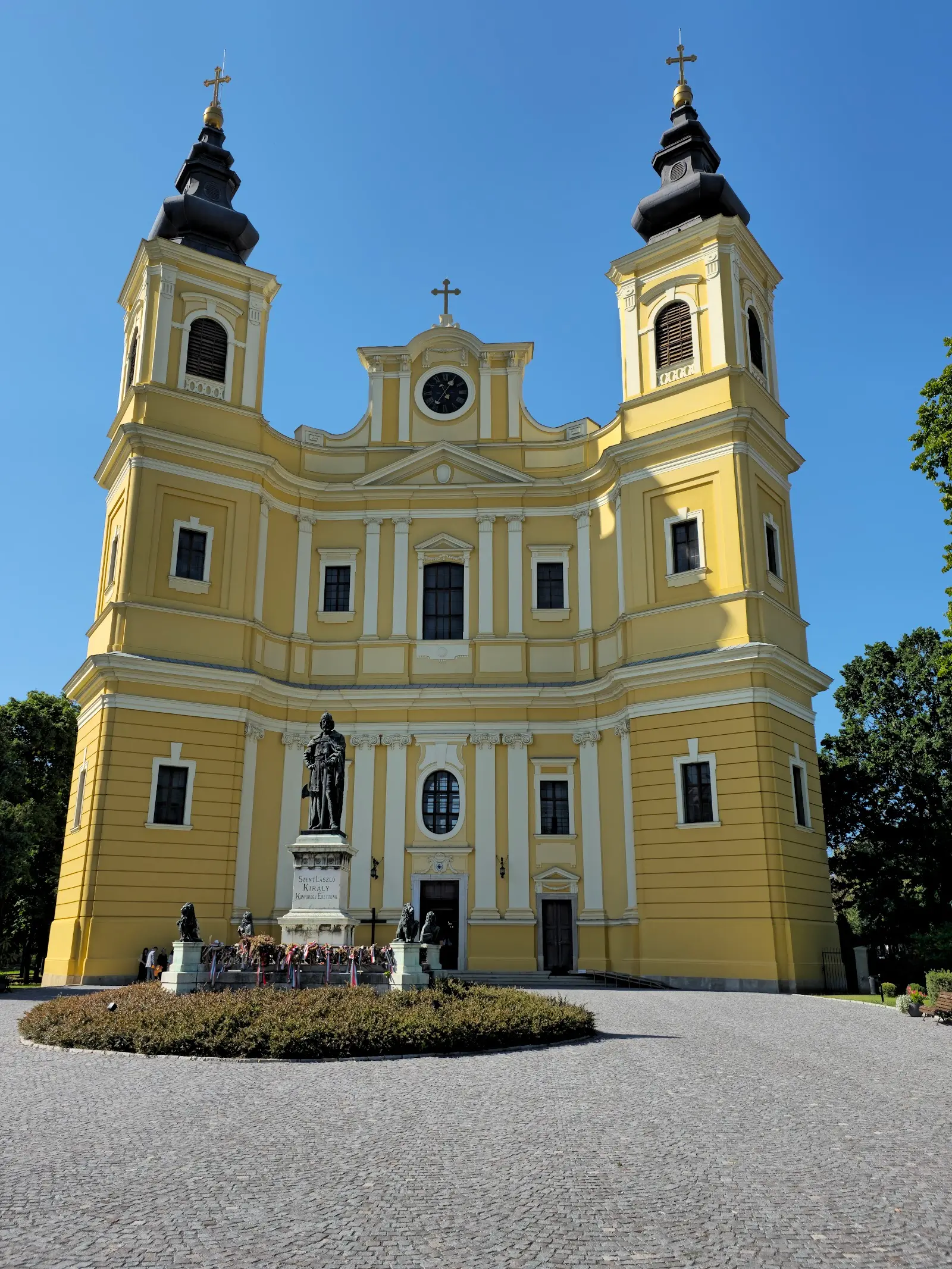
The Roman Catholic Cathedral in Oradea, also known as the Basilica of Saint Mary, is the largest Baroque cathedral in Romania and a landmark of religious architecture in Crișana. Built in the 18th century, it forms part of the impressive ensemble of the Baroque Palace and the Episcopal Complex, which together make up a monumental group of rare stylistic unity. The elegant facade with its two towers and the luminous interior, decorated with stucco, marble and paintings, convey the grandeur of the Baroque era. The cathedral houses a large historic organ, considered one of the most valuable in the country, which sounds at concerts and services. Visitors admire the side altars, the painted vaults and the solemn atmosphere of the sacred space. Located in the episcopal district of the city, the cathedral is easy to visit together with the Baroque Palace, which today houses a museum. It is an essential destination for anyone wishing to discover the architectural and spiritual heritage of Oradea.
 Landmark
Palatul Episcopal Greco-Catolic
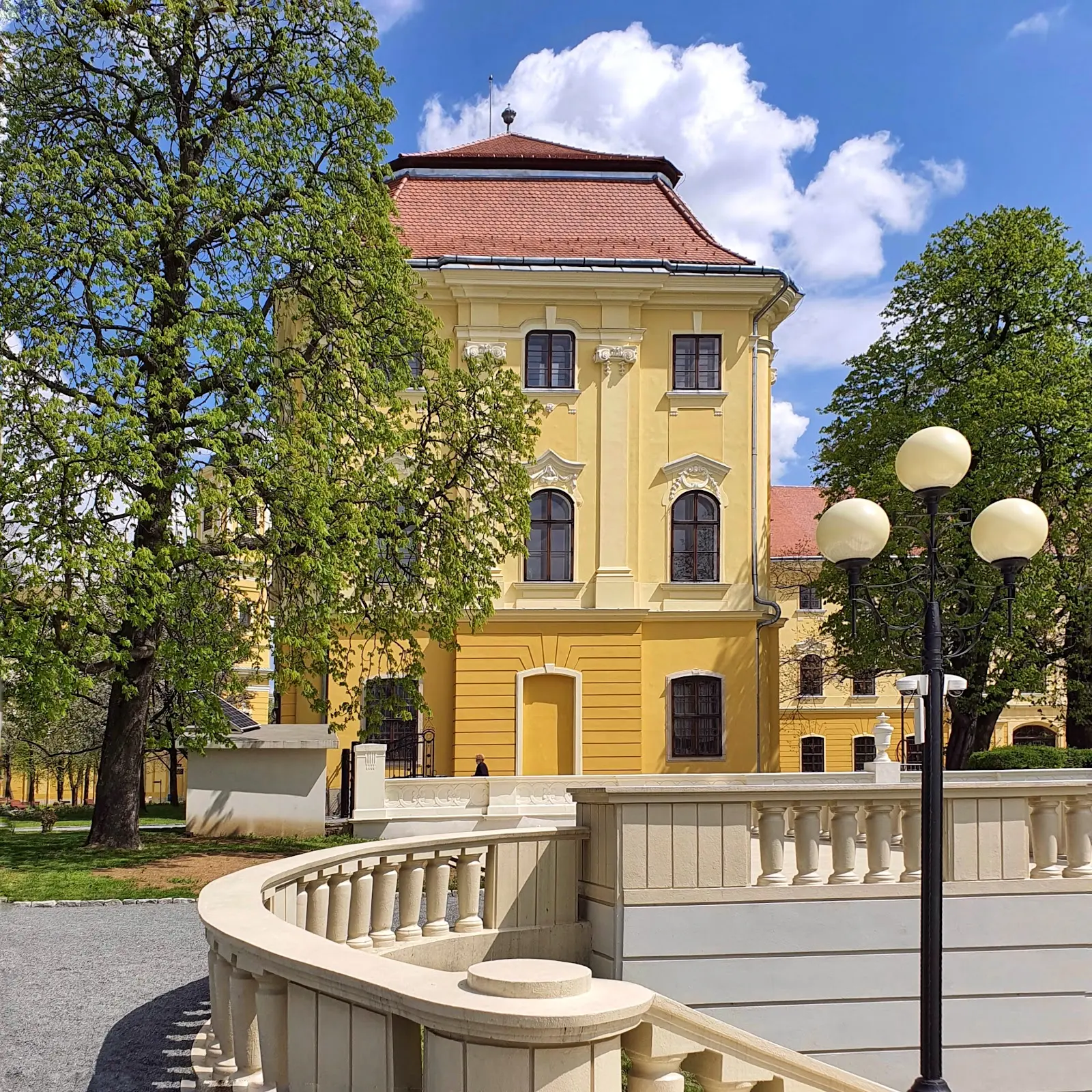
The Greek-Catholic Episcopal Palace in Oradea is a monumental 18th-century building, erected in the baroque style to serve as the residence of the Greek-Catholic bishopric of this city in Crișana. The elegant façade, with baroque decorations, tall windows and an imposing portal, reflects the refinement of ecclesiastical architecture of the period. The palace stands out for its harmonious proportions and the richness of its carved details, being a valuable example of the religious and cultural heritage of the city. Over time, the building housed the administrative offices of the bishopric as well as spaces of historical and artistic value. Oradea is famous for its rich architectural heritage, and this palace is among the landmarks that complete the ensemble of historic buildings, alongside those in the Art Nouveau style. Practical note: the palace is admired mainly from the outside during a walk through the historic centre, and the possibilities of visiting the interiors depend on the schedule of the ecclesiastical institution that currently uses it.
MuseumCasa Memorială Arany János
 Viewpoint
Turnul Primăriei Oradea
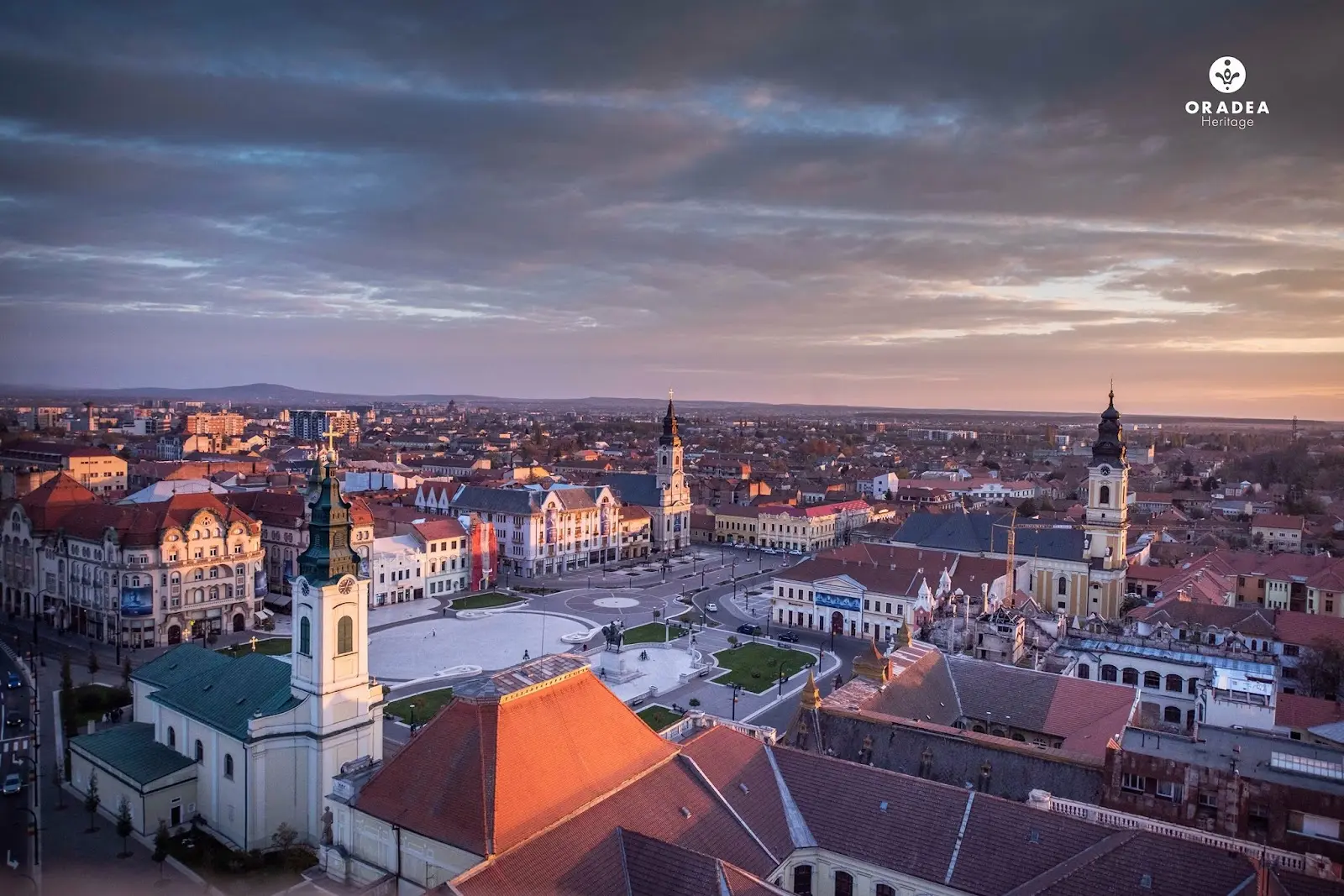
The Oradea Town Hall Tower rises above the imposing seat of the city administration, built at the start of the twentieth century in an eclectic style on the bank of the Crișul Repede River. The tower, almost fifty metres tall, was designed with inspiration from European models and offers from its height one of the finest panoramas over the historic centre of Oradea, a city famous for the wealth of its Secession-style buildings. The clock in the tower marks the hours, and at certain moments of the day a musical fragment sounds from here, a tradition beloved by locals. Climbing the more than two hundred steps to the viewing balcony is rewarded with a view over the squares, churches, and colourful roofs of the city. Visitors keen on architecture will appreciate the perspective from above over the urban ensemble. It is advisable to check locally the opening schedule of the tower.
 Nature
Peștera Meziad
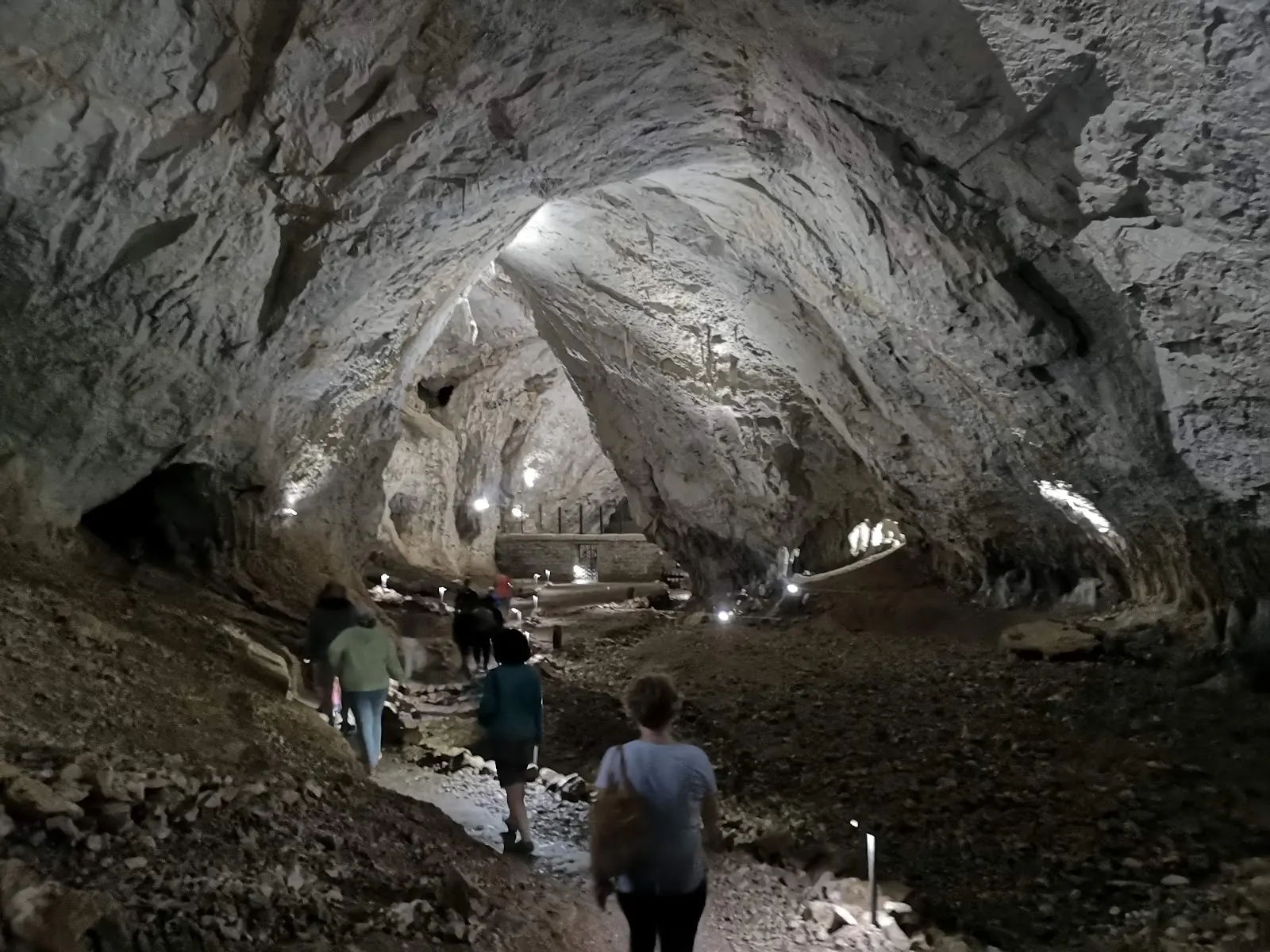
Meziad Cave, in the Pădurea Craiului Mountains of Bihor County, is one of the oldest caves developed for tourism in Romania, open to visitors since the end of the nineteenth century. With galleries on several levels and a total length of a few kilometres, it impresses with the size of its chambers and the wealth of its limestone formations. Inside one can admire stalactites, stalagmites, columns, and stone cascades shaped by water over hundreds of thousands of years. The wide, arch-shaped entrance is itself spectacular. The cave also shelters bat colonies, which is why access to certain sectors is limited to protect the wildlife. A prepared trail allows the tourist section to be walked safely, with a guide. Visitors should wear warm clothing, since the temperature inside the cave is constantly low. It is advisable to check the schedule of guided visits before arriving.
 Landmark
Palatul Moskovits Miksa Oradea
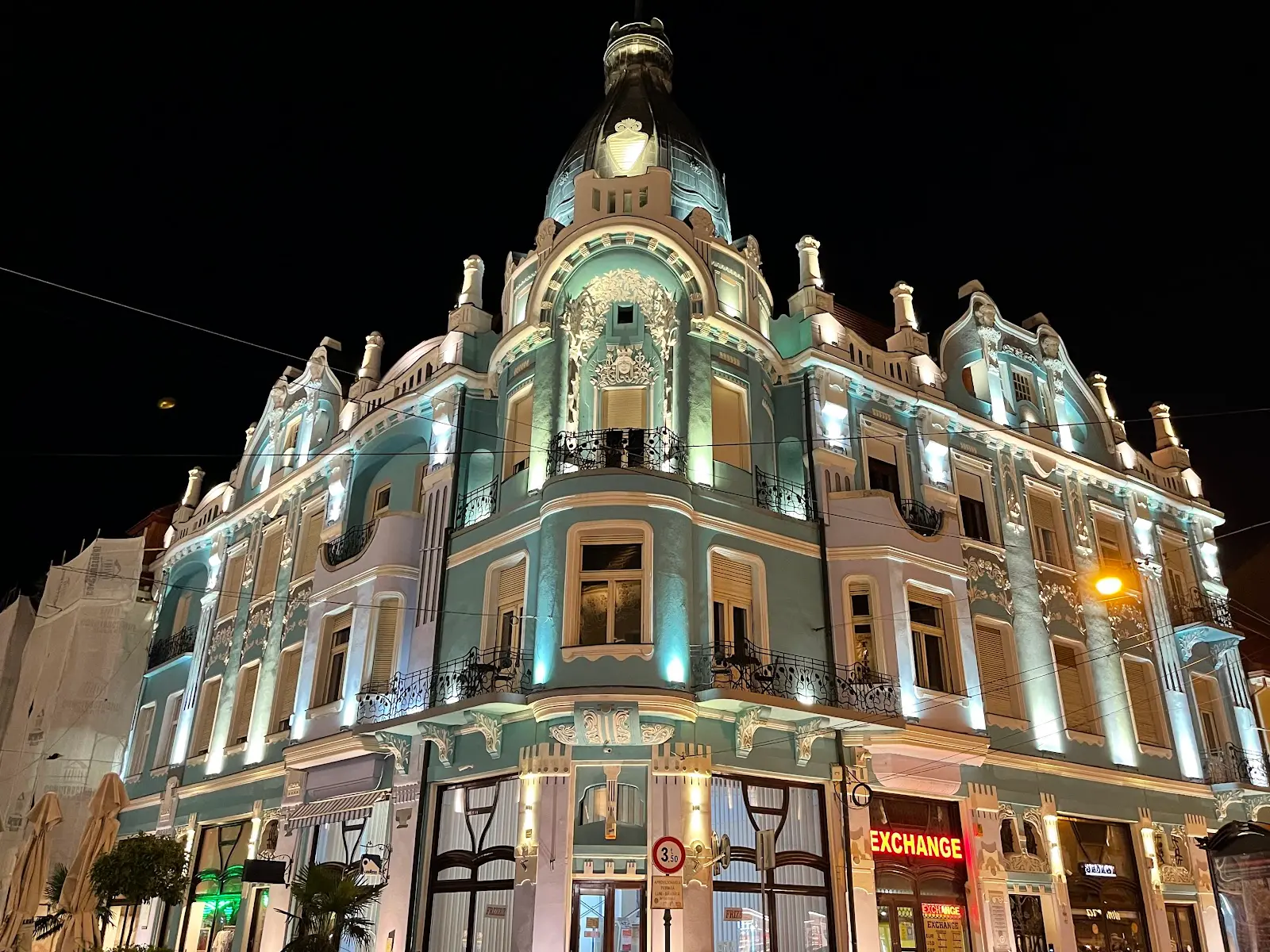
The Moskovits Miksa Palace is one of the most spectacular Art Nouveau (Secession) buildings in the historic centre of Oradea, built in the early twentieth century for the Moskovits family of industrialists. Its facade impresses with sinuous floral ornaments, elegant balconies and sculptural decoration featuring figures and plant motifs typical of the 1900 style that turned Oradea into a genuine capital of Hungarian Secession architecture. Walking along the street where it stands, you notice the curving lines, generous windows and attention to detail that define the architecture of the prosperous bourgeoisie of that era. The palace is part of an urban ensemble restored in recent years, including squares, passages and other emblematic palaces. It is an excellent spot for photography and for understanding the richness of the city's architectural heritage. Practical note: it is best admired on a walking tour through the pedestrian centre, combined with a visit to the other nearby Art Nouveau buildings.
 Museum
Muzeul Țării Crișurilor Oradea
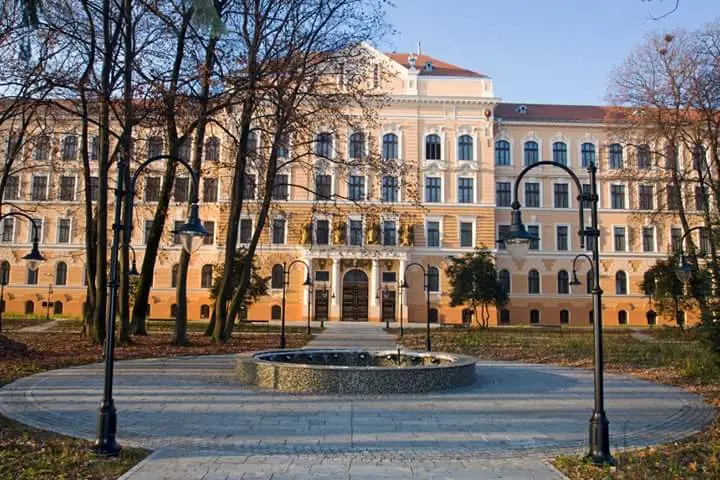
The Museum of the Cris Land in Oradea is the most important museum institution in the city, a testimony to the rich historical and natural heritage of the Cris rivers area. The museum brings together vast collections of history, archaeology, art and natural sciences, illustrating the past of this region from the earliest habitation to the modern era. The institution has in recent years been moved into the imposing ensemble of the Baroque Palace, a monumental eighteenth-century building next to Oradea Fortress, considered one of the most valuable Baroque edifices in Romania, with numerous rooms and sumptuous architecture. The art collections include Romanian and European painting, while the natural sciences section highlights the fauna and flora of the region. The setting of the palace adds solemnity to the visit. Practical note: allow enough time to go through the various sections and also admire the palace architecture; it combines well with a visit to Oradea Fortress.
 Landmark
Turnul Cionka Salonta
 Nature
Peștera Urșilor Chișcău
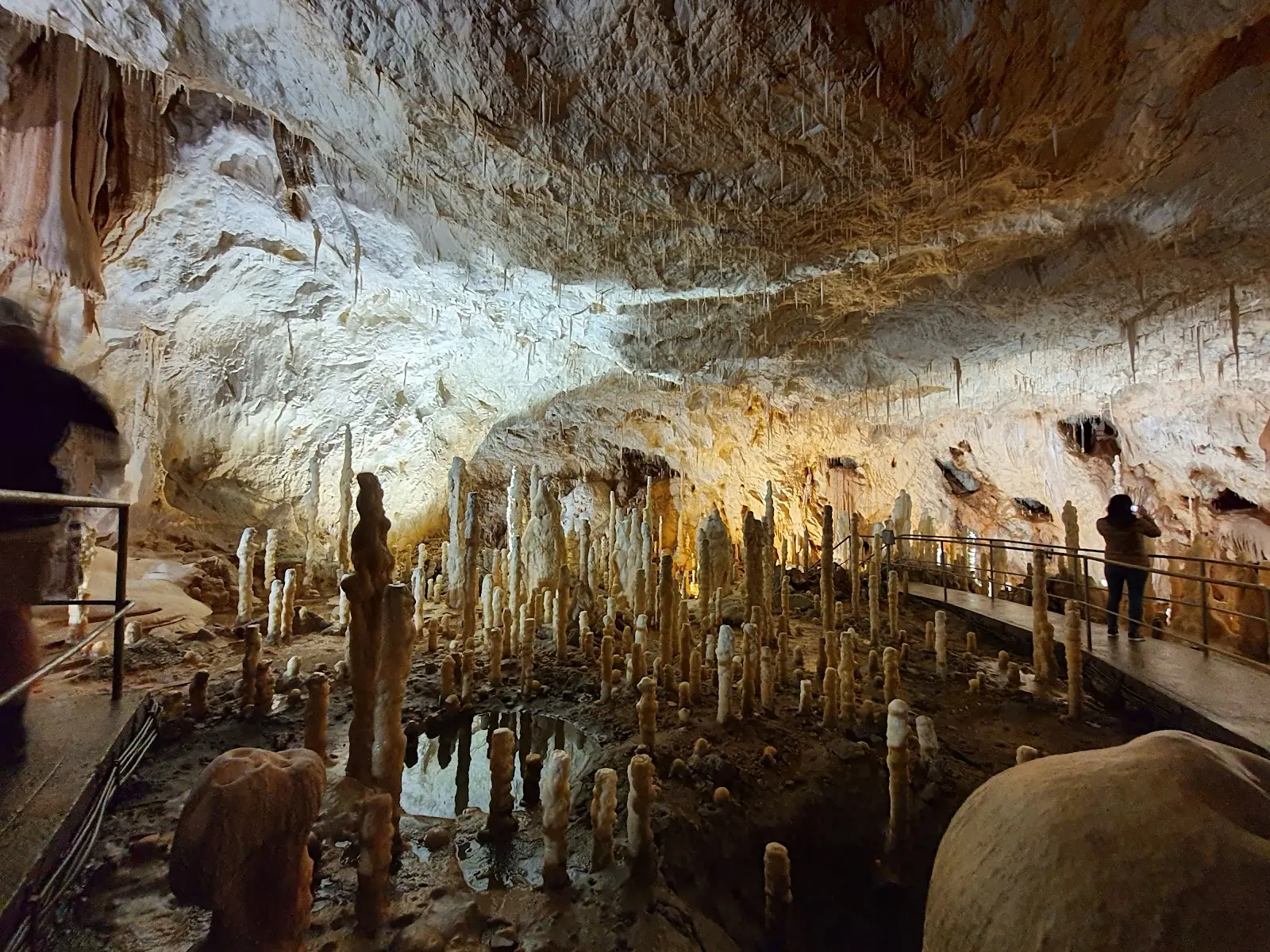
The Bears' Cave in the village of Chișcău, in the Apuseni Mountains, is one of Romania's most beautiful and most visited caves, discovered in 1975 by miners and opened to the public for its wealth of formations and its palaeontological importance. The name comes from the many cave-bear skeletons — a species extinct tens of thousands of years ago — found in its galleries, among them the famous ‘praying bear'. The arranged route passes through spectacular chambers, with stalactites, stalagmites and fine columns in which guides have recognised suggestive shapes with picturesque names. Discreet lighting brings out the white and the colours of the limestone. The cave is a classic stop for those exploring the Apuseni and combines well with the highland villages, gorges and waterfalls of the area. Dress warmly — the temperature is around 10 degrees all year — and check the guided-tour schedule, which runs at fixed times.
 Church
Biserica cu Lună
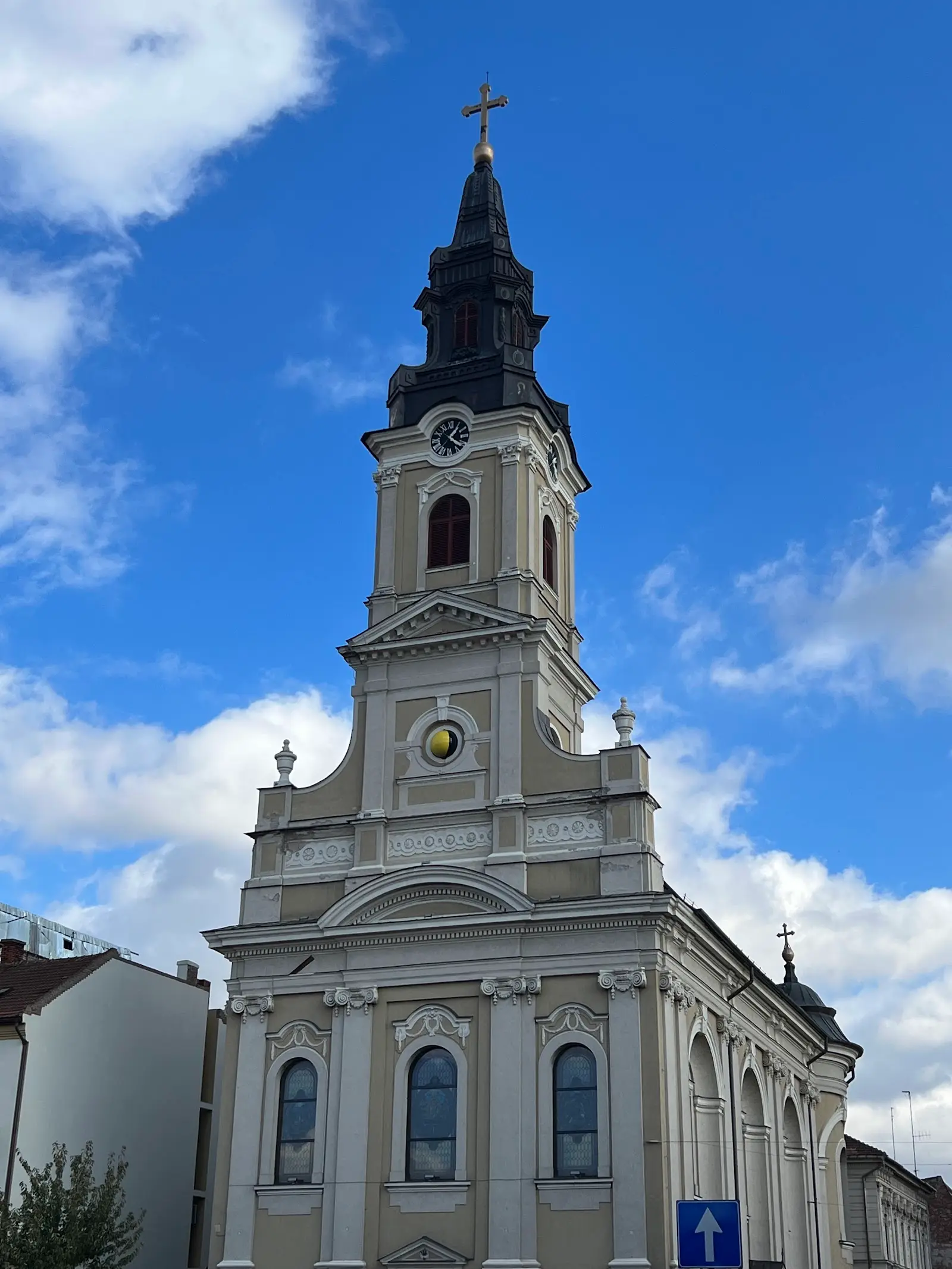
The Moon Church in Oradea, built between 1784 and 1790, is the city's Orthodox cathedral and houses a mechanism unique in the world: a rotating globe, half gilded and half black, mounted in the bell tower, which turns slowly to show the phases of the moon, from full to new. This ingenious astronomical clock, the work of a local craftsman, has run for over two centuries and gave the church its popular name. The large edifice blends Baroque and Classicist elements and dominates, through its tower, the square of Oradea's historic centre, a city famed for its Art Nouveau architecture. Inside, the iconostasis and the painting complete the solemn atmosphere of the church, one of the most important Orthodox monuments in the Crișana region. Practical note: watch the tower at different hours to observe the rotation of the lunar globe, and take advantage of its closeness to Oradea Fortress and the Secession-style buildings of the centre.
Plan your trip
Stay, tour and get there
Stays nearby
Stays in Bihor
Experiences
Tours & activities
Guided tours, day trips and hand-picked experiences via GetYourGuide — free cancellation on most.
See all experiencesGetting to Romania
Flights, transfer & car
Fly into Romania
Compare fares to Bucharest Otopeni (OTP) and regional airports — Cluj, Sibiu, Iași, Timișoara.
Airport transfer
Private, fixed-price door-to-door transfer — driver waiting from the moment you land.
Rent a car — see the real Romania
A rental car is the key to Romania: the Transfăgărășan, the painted monasteries of Bucovina, mountain roads and the villages of Maramureș that no train reaches.
Find a carKeep exploring