Traditions and Festivals: Romania's Authentic Calendar
Mărțișor, Whitsun, Sânziene, carols — from the red-and-white thread of spring to winter masks, a guide to the moments when tradition is lived, not just told.
Romanian festivals follow an old calendar, in which the Christian rhythm intertwines with pre-Christian customs tied to the seasons, the fields and the ancestors. For a visitor, catching such a festival means seeing tradition alive, not reconstructed. Here are the major markers, in the order of the year.
1 March — Mărțișor
At the start of spring, Romanians give a mărțișor: a small object tied to a woven red-and-white thread. The colours symbolise winter retreating and summer arriving, life and purity. It is pinned to the chest, often until the end of the month, then hung on a flowering tree. The custom is so widespread that it has been recognised as UNESCO intangible cultural heritage, together with other countries in the region.
Lent and Easter
The most important feast of the Orthodox year, Easter, is celebrated by its own calendar, often on a different date than the Catholic one. The traditional table includes cozonac (sweet bread), pască (Easter cake) and red eggs, and the midnight Resurrection service gathers the community with lit candles. It is a deeply family moment.
Whitsun (Rusalii)
Fifty days after Easter, Rusalii marks Pentecost. In some regions the ritual dance of the Călușari survives — a spectacular men's dance believed in folk tradition to heal and drive away spirits, recognised by UNESCO. It is thought that during this period the spirits of water and forest, the "iele" or "rusalii", are active.
24 June — Sânziene
On the night of Sânziene (Drăgaica), close to the summer solstice, the yellow flowers of the same name are gathered. Girls weave crowns, and tradition holds that this night has special powers linked to love, fertility and harvest. It is the Romanian equivalent of Europe's midsummer festivals.
Autumn — fairs and harvests
Autumn brings the fairs and harvest festivals, moments when villages gather the fruits of the field. In many areas there are animal and craft fairs, with music and food.
Winter — carols and masks
The period between Christmas and Epiphany is the richest in customs.
- Carols (colinde): groups of children and young people go house to house singing wishes of health and plenty. The repertoire of Romanian carols is vast and ancient.
- New Year masks and plays: in Moldavia and Bucovina, processions with the goat, the bear and spectacular masks cross the villages, in a ritual of driving away evil and renewing the year.
- Plugușorul and sorcova: New Year wishes, spoken with agrarian symbols.
How to catch tradition alive
- Check the dates: Easter and Whitsun are movable feasts; they change from year to year.
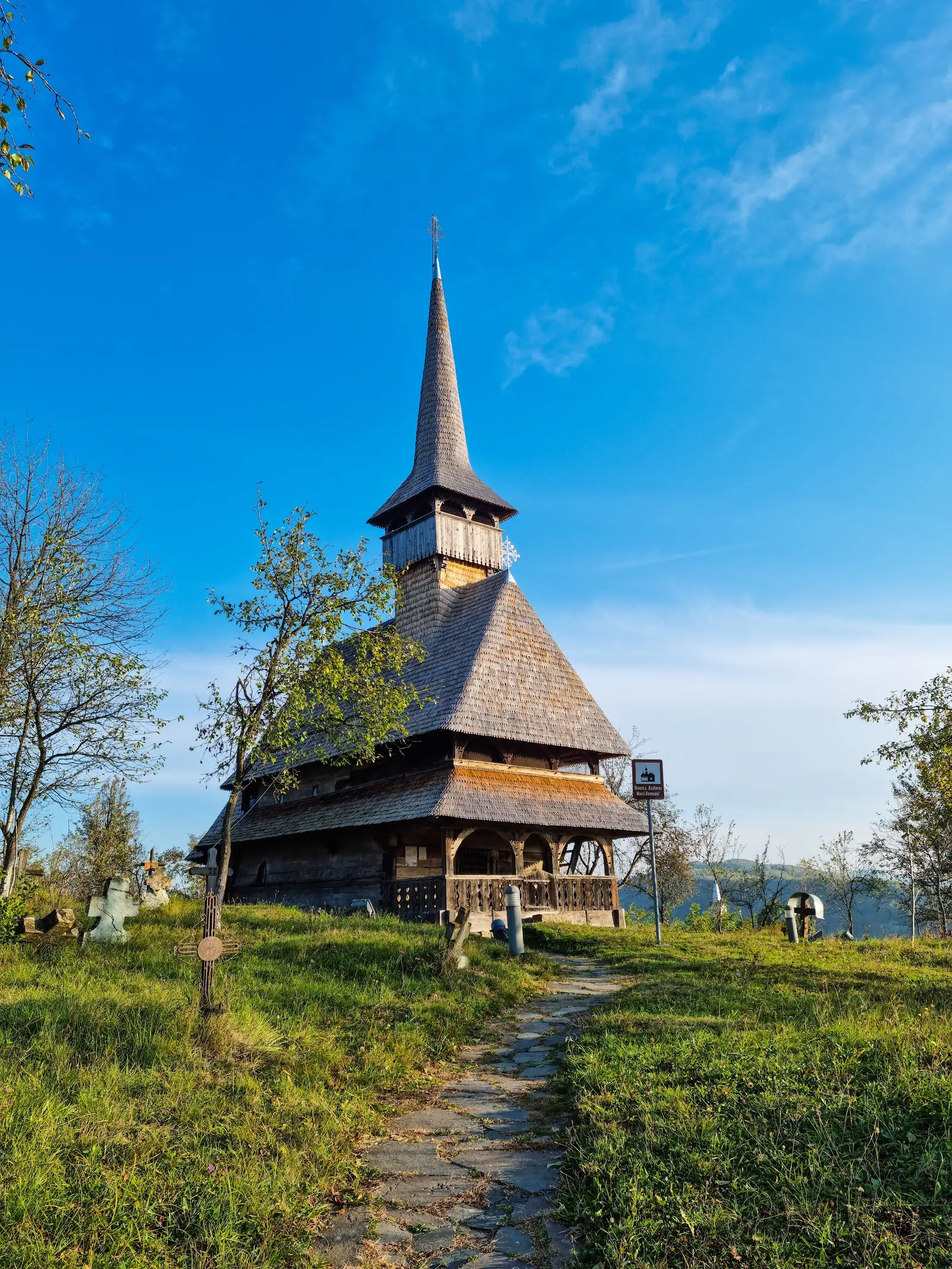
- Go to the villages: customs are best preserved in the countryside, in Maramureș, Bucovina and the Saxon areas.
- Respect the context: many of these moments are religious or communal — take part discreetly.
- Village museums (such as the one in Bucharest) often hold demonstrations and fairs tied to the festivals.
Travelling by this calendar means seeing Romania not as a backdrop, but as a culture still living its own rituals.
Plan your trip
Stays nearby
Stays in Romania
Experiences
Tours & activities
Guided tours, day trips and hand-picked experiences via GetYourGuide — free cancellation on most.
See all experiencesGetting to Romania
Flights, transfer & car
Fly into Romania
Compare fares to Bucharest Otopeni (OTP) and regional airports — Cluj, Sibiu, Iași, Timișoara.
Airport transfer
Private, fixed-price door-to-door transfer — driver waiting from the moment you land.
Rent a car — see the real Romania
A rental car is the key to Romania: the Transfăgărășan, the painted monasteries of Bucovina, mountain roads and the villages of Maramureș that no train reaches.
Find a car