The Dracula Myth and the Truth: Vlad the Impaler vs Stoker's Count
Separating Bram Stoker's fictional character from Vlad III the Impaler, the real ruler — and where you can actually engage with the history.
Few myths have been more profitable for tourism than "Dracula". But behind the vampire count lie two distinct realities, often confused: a British Gothic novel and a real Romanian ruler. They are worth separating.
Count Dracula — fiction
Dracula is a literary character created by the Irish writer Bram Stoker in his 1897 novel. Stoker never visited Transylvania; he built his atmosphere from books and maps, choosing the region for its reputation as a remote, mysterious land. His count is pure fiction — an aristocratic vampire with no documented direct link to any real person, beyond the borrowed name.
Vlad III the Impaler — history
Vlad III, ruler of Wallachia in the 15th century, is remembered as Țepeș (the Impaler, for his punishment of impalement) and, in some sources, Dracula (from his father's nickname, Vlad Dracul, a member of the Order of the Dragon). He was a harsh ruler in a brutal age, known for his resistance to the Ottoman Empire. His bloody reputation was amplified by German pamphlets of the time.
Importantly: Vlad the Impaler was not a vampire and has no connection to supernatural myths. Stoker merely borrowed a resonant name.
Bran's thin link
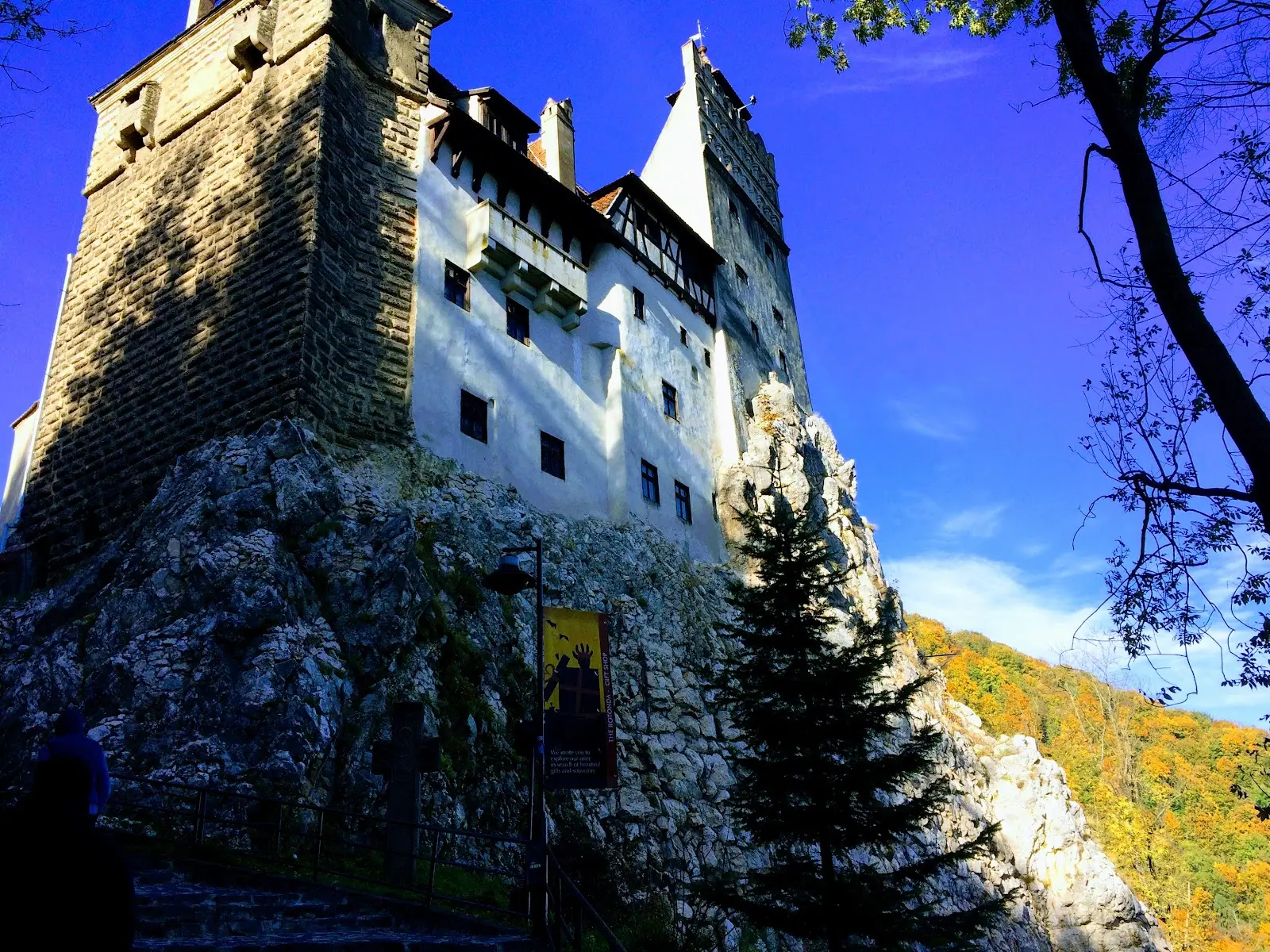
Bran Castle is marketed as "Dracula's Castle", but the link is tenuous. There is no solid evidence that Vlad the Impaler ever lived there; the association is largely commercial, helped by the castle's resemblance to the novel's vague description. Bran remains a beautiful and genuine monument — but not "Dracula's Castle" in any historical sense.
Where to meet the real history
- Poenari Citadel — the true fortress of Vlad the Impaler, on a ridge near the Transfăgărășan.
- Sighișoara — the town where Vlad is said to have been born; the supposed birth house can be visited.
- The Princely Court in Târgoviște — the royal residence of Wallachia in his time.
- Snagov — the monastery where tradition places his grave (a point disputed by historians).
How to approach the subject
Enjoy the myth as a good story, but seek out the real history too. Vlad the Impaler is a far more complex and interesting figure than the vampire cliché — a controversial ruler on the border between cruelty and the defence of his country. And Transylvania deserves to be visited for its own sake, not just for a count invented in London.
Plan your trip
Stays nearby
Stays in Romania
Experiences
Tours & activities
Guided tours, day trips and hand-picked experiences via GetYourGuide — free cancellation on most.
See all experiencesGetting to Romania
Flights, transfer & car
Fly into Romania
Compare fares to Bucharest Otopeni (OTP) and regional airports — Cluj, Sibiu, Iași, Timișoara.
Airport transfer
Private, fixed-price door-to-door transfer — driver waiting from the moment you land.
Rent a car — see the real Romania
A rental car is the key to Romania: the Transfăgărășan, the painted monasteries of Bucovina, mountain roads and the villages of Maramureș that no train reaches.
Find a car