Is Romania Safe for Tourists?
The short answer is yes. Romania is a welcoming, easygoing EU country where the real risks are small and manageable, not dramatic. Here is an honest guide to cities, transport, money, the mountains and emergencies.
If you are wondering whether Romania is safe to visit, you can relax: it is. This is a welcoming European Union country, calmer than many people expect, and violent crime against tourists is rare. As almost everywhere, ordinary city common sense handles nearly everything.
The short answer
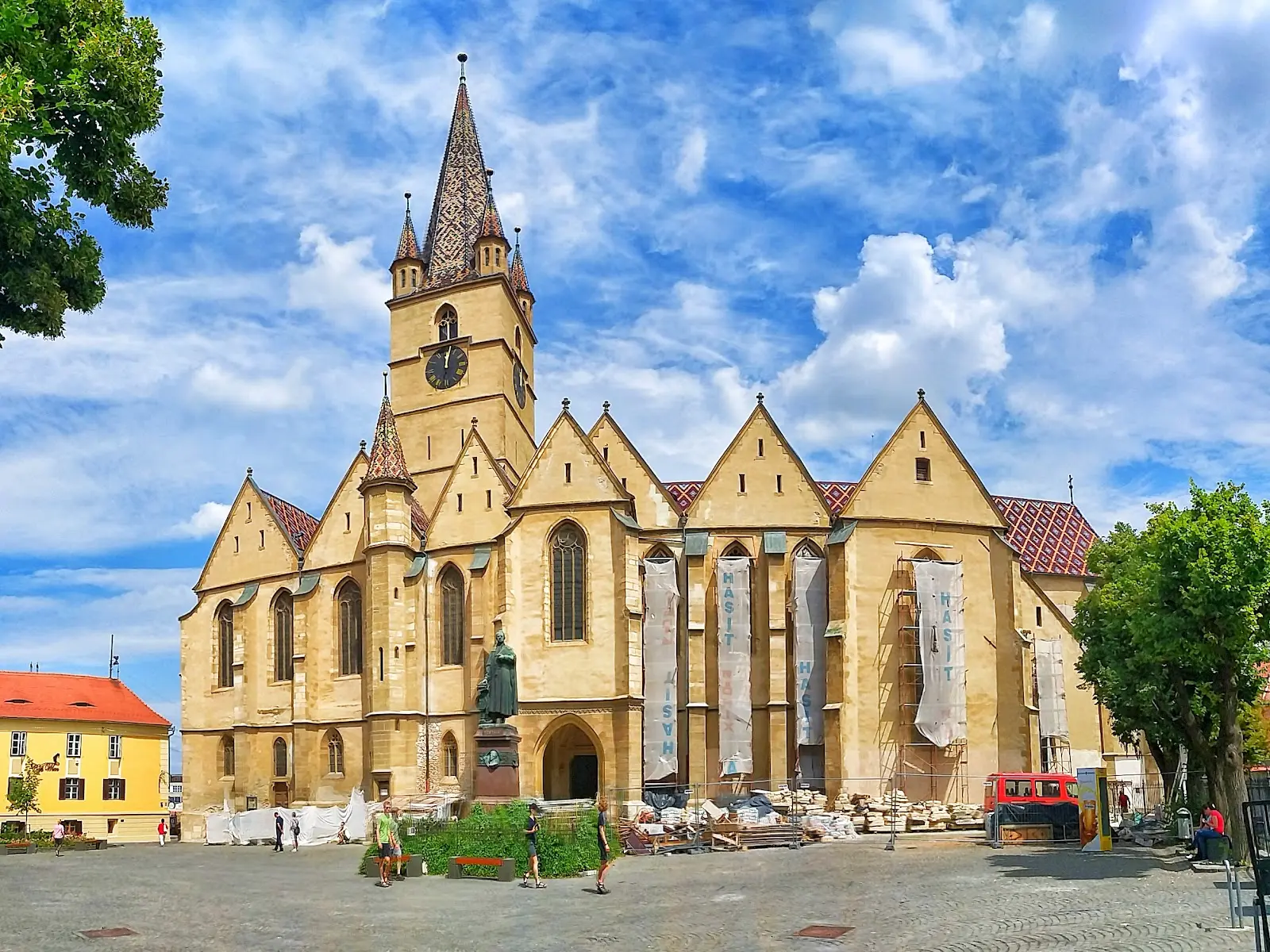
Romania is a safe destination. Every year millions of visitors explore Bucharest, Brașov, Sibiu, Cluj and the villages of Maramureș without any trouble. People are warm, curious and often go out of their way to help, even when their English is limited.
The real risks are petty, not dramatic:
- Pickpocketing in crowded places (public transport, markets, busy events).
- The occasional taxi overcharge.
- The small scams you would meet in any tourist city in Europe.
None of this should put you off. A few simple habits keep you comfortable and safe.
Cities and transport
Romanian cities are pleasant and safe to walk, including in the evening in central, busy areas. Apply the same awareness you would in any European capital: mind your bag in crowded stations and markets, do not leave your phone sitting on the café table, and stay alert on public transport at rush hour.
For taxis, the easiest solution is a ride-hailing app (Bolt and Uber both work in the larger cities): the price is shown in advance and the trip is logged. If you flag a street taxi instead:
- Choose companies with a visible name and the fare printed on the window (check the price per kilometre).
- Make sure the meter is running.
- Avoid unmarked cars that approach you at the airport or train station.
Trains and coaches are safe and a lovely way to see the country; on long overnight routes, keep your valuables close and do not leave luggage unattended. In the big cities, the metro and trams are safe and cheap — always validate your ticket, as inspectors do check.
As anywhere, be polite but firm with anyone who approaches you persistently on the street with "offers" or organised begging. A clear "no, thank you" and walking on defuses almost any situation.
Money and scams
The currency is the leu (RON), and cards are accepted almost everywhere, even for small amounts, so you never need to carry much cash. A few common-sense rules:
- Withdraw cash only from bank-operated ATMs, ideally indoors or in well-lit spots.
- Decline the ATM's offer to "convert" the amount (Dynamic Currency Conversion) — choose to be charged in lei, the rate is better.
- Never change money on the street or with people who approach you; use licensed exchange offices or a bank.
- In a taxi, if you are not using the app, agree the fare before you get in.
Cover the keypad when you enter your PIN and check your statements now and then, exactly as you would at home.
Nature and the outdoors
The real "wild" risk in Romania is not people but bears. The Carpathians hold one of Europe's largest brown bear populations, and bears sometimes appear near roads or on the edge of mountain towns.
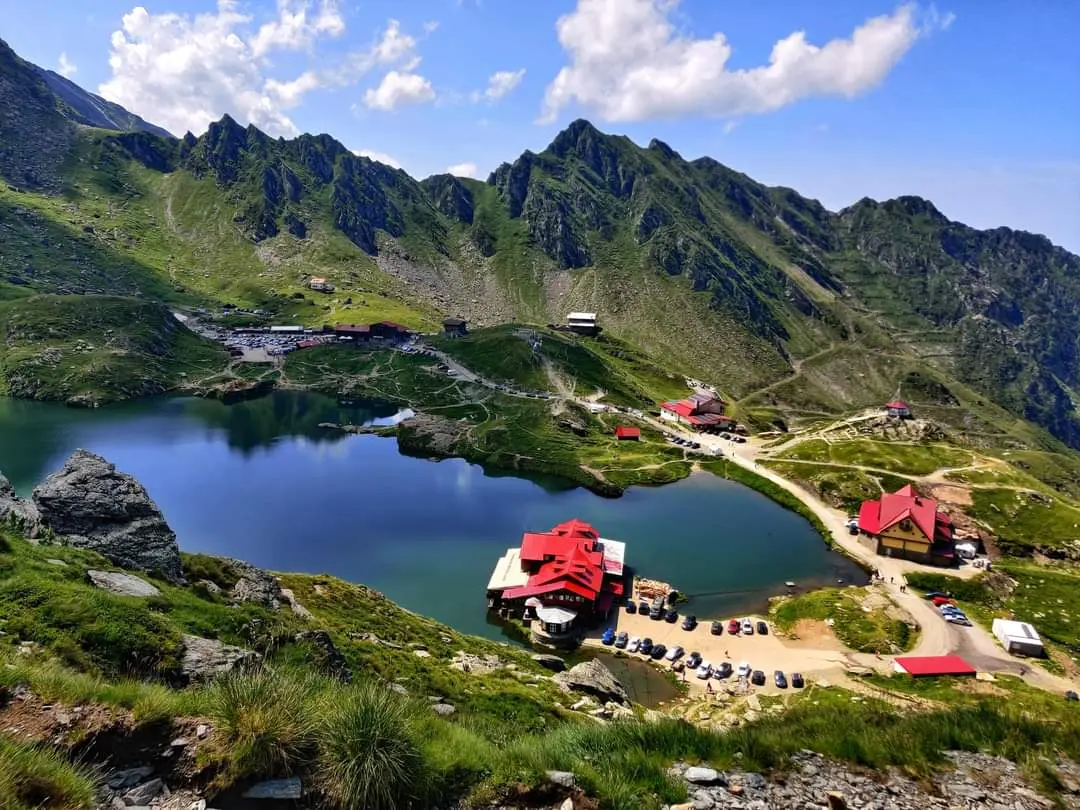
The golden rule: never feed or approach a bear, however calm it looks. Do not stop your car to photograph roadside bears (this is a known problem on the Transfăgărășan). On the trails:
- Make noise from time to time so you do not surprise an animal.
- Do not leave food out in tents or backpacks.
- Keep dogs on a leash.
Mountain weather changes fast: go properly equipped, check the forecast, stay on marked trails, and tell someone where you are going. The mountain emergency number is also 112, and the Salvamont rescue service responds to calls.
Solo travellers, women, LGBTQ+ and families
Romania is generally very comfortable for every kind of visitor.
- Solo female travellers usually feel safe; apply the usual precautions after dark and in isolated areas.
- Families with children find people patient and welcoming; Romanians adore kids.
- LGBTQ+ visitors travel without problems, especially in the larger cities. Society is somewhat more conservative than Western Europe, so public displays of affection may draw looks in rural areas, but open hostility is uncommon.
Health and emergencies
The single emergency number is 112, and English is spoken. It is free to call for police, ambulance or fire.
A few useful things to know:
- EU citizens should carry the European Health Insurance Card (EHIC/GHIC); every visitor should have travel insurance.
- Pharmacies are everywhere (look for the sign "farmacie"), and many in the cities keep long or 24-hour hours.
- Tap water is safe to drink in the cities.
With these few habits, Romania will stay in your memory for its landscapes, food and hospitality, not for any worries.
Plan your trip
Stays nearby
Stays in Romania
Experiences
Tours & activities
Guided tours, day trips and hand-picked experiences via GetYourGuide — free cancellation on most.
See all experiencesGetting to Romania
Flights, transfer & car
Fly into Romania
Compare fares to Bucharest Otopeni (OTP) and regional airports — Cluj, Sibiu, Iași, Timișoara.
Airport transfer
Private, fixed-price door-to-door transfer — driver waiting from the moment you land.
Rent a car — see the real Romania
A rental car is the key to Romania: the Transfăgărășan, the painted monasteries of Bucovina, mountain roads and the villages of Maramureș that no train reaches.
Find a car