How Much Does a Trip to Romania Cost? A Budget Guide
Romania remains one of the best-value destinations in the European Union. Here is how to plan your budget category by category, from beds and meals to transport and sights, with clear tiers for every travel style.
Romania is the kind of destination where your money stretches much further than you expect. You can sleep comfortably, eat well, and explore mountains and medieval towns for a fraction of what the same trip costs in Western Europe. This guide walks you through what to budget for, broken down by category and by tier, so you can build a realistic plan before you go.
The big picture
Romania is consistently one of the most affordable countries in the European Union. A foreign visitor notices it right away: the same comfort costs a fraction of Western European prices, especially on food and transport.
- The currency is the leu (RON). No, Romania has not adopted the euro yet, though many hotels quote prices in euros too.
- Cards are accepted almost everywhere, even at small stalls and in taxis. Contactless is the norm in cities.
- Cash is really only needed for rural markets, some local buses, and tipping.
What you spend depends heavily on your style. A budget-conscious backpacker and a traveler who wants boutique stays and long dinners will end up with very different bills, but both extremes stay gentle compared with the European average.
Accommodation
This is where the value shows most clearly. The range is wide, and the gap between tiers is large.
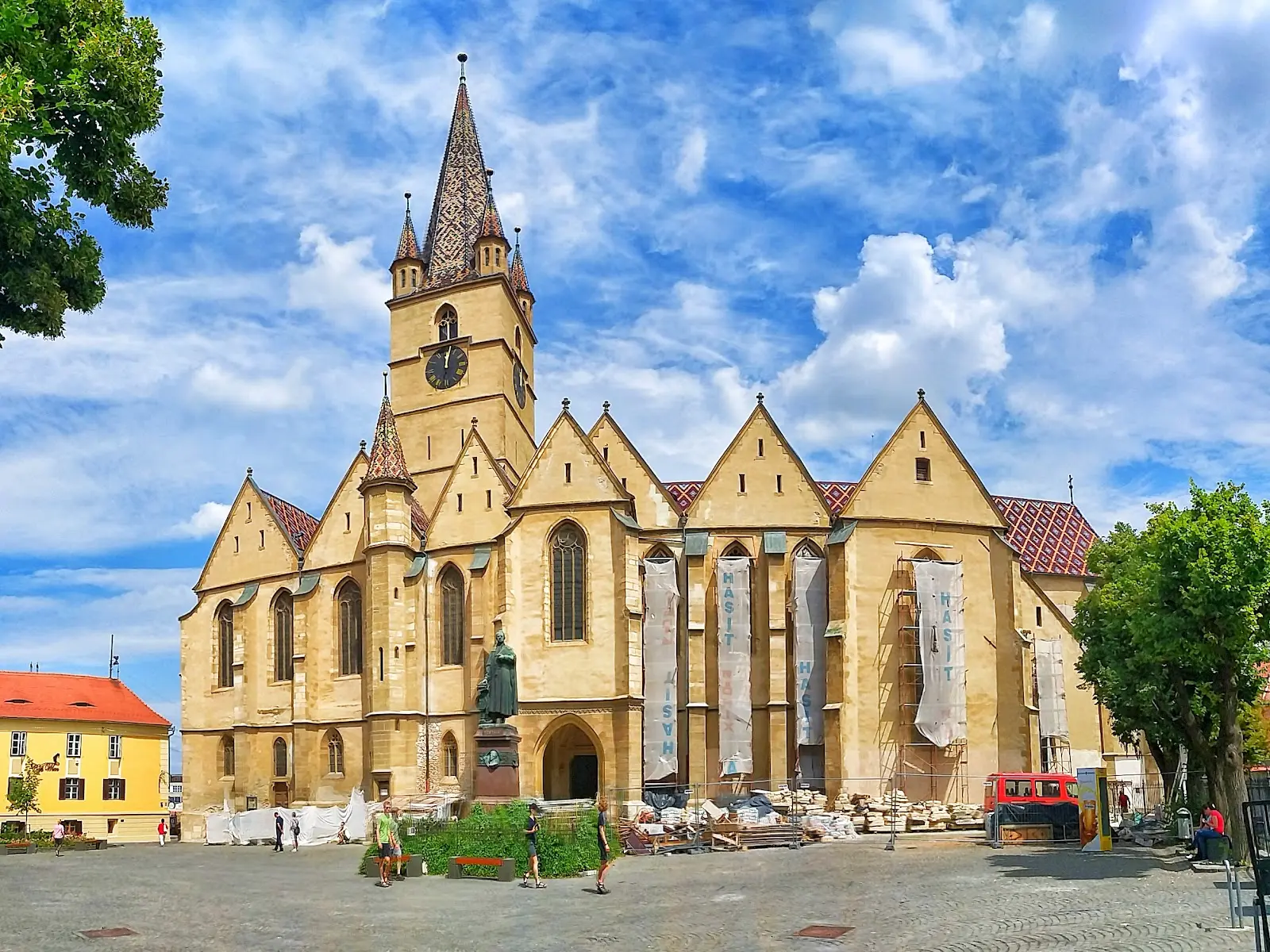
- Budget: hostels, family guesthouses, and private rooms. Excellent in cities like Brasov, Sibiu, and Cluj-Napoca, often with breakfast included.
- Mid-range: three- and four-star hotels and well-rated guesthouses. Solid, clean, central comfort at a price that would barely cover a hostel bed in the West.
- Comfortable: boutique hotels, restored manor houses in Transylvania, and upscale properties in Bucharest. Still affordable against their Western equivalents.
Outside high season and in smaller towns, prices drop noticeably. Weekends in mountain resorts and festival periods are the pricey exceptions.
Food and drink
Food may be the happiest surprise of all. The quality-to-price ratio is remarkable at every level.
- Markets and local eateries: seasonal vegetables, cheeses, and homemade products at low prices. A full meal in a canteen or local bistro costs a fraction of what you would pay back home.
- Classic restaurants: generous menus of Romanian cooking, big portions, modest prices.
- Fine dining: even top Bucharest restaurants stay affordable by Western standards, with tasting menus priced at levels that would look like a bargain in Paris or London.
A specialty coffee, a local beer, or a glass of wine costs noticeably less than in Western capitals. Romanian wines in particular deliver outstanding value.
Getting around
Moving around the country is cheap if you use the public network, and a rental car is usually the biggest variable in your budget.
- Trains and buses: the rail network reaches most cities at very low fares; faster trains cost a little more but stay inexpensive. Minibuses link smaller towns.
- City transport: trams, buses, and the Bucharest metro are among the cheapest in the EU. Taxis and ride-hailing apps are affordable too.
- Car hire: the best choice for mountains and remote villages. The rental itself is reasonable, and fuel sits around the regional average, cheaper than in Western Europe.
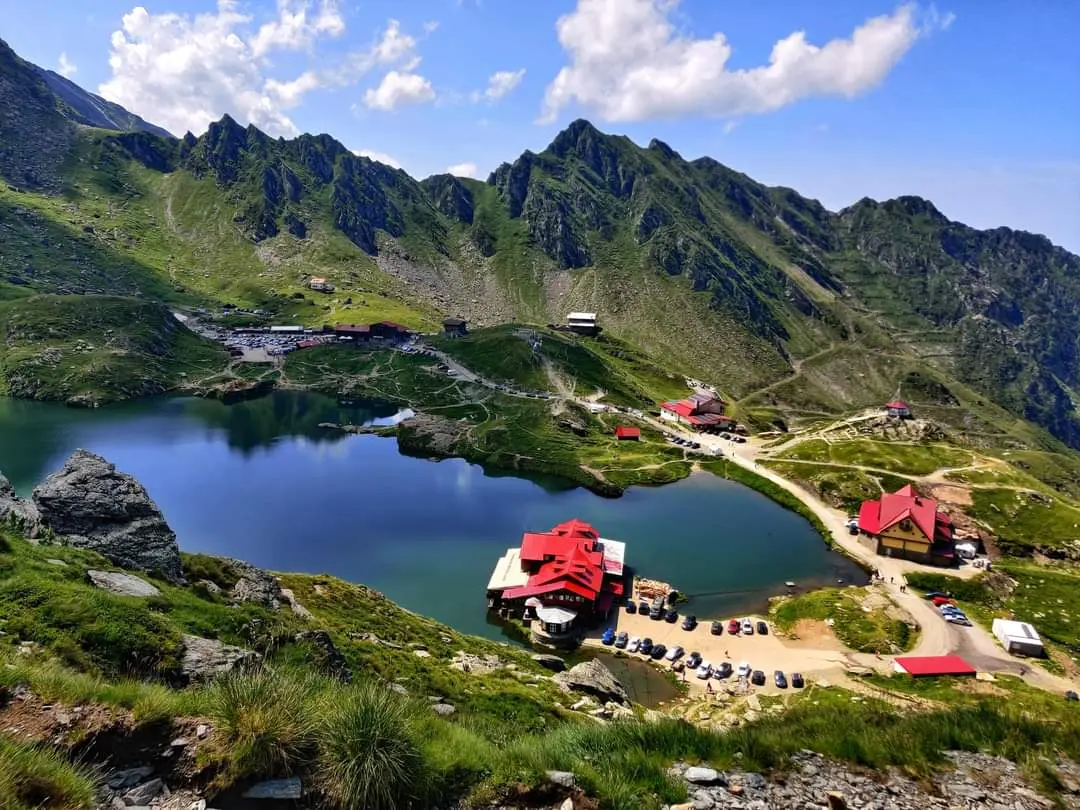
If you want the Transfagarasan road, the painted monasteries of Bucovina, or the villages of Maramures, a car opens up the country. For hops between big cities, the train is often enough and pleasantly relaxed.
Attractions
Many of Romania's most memorable experiences are free or nearly free.
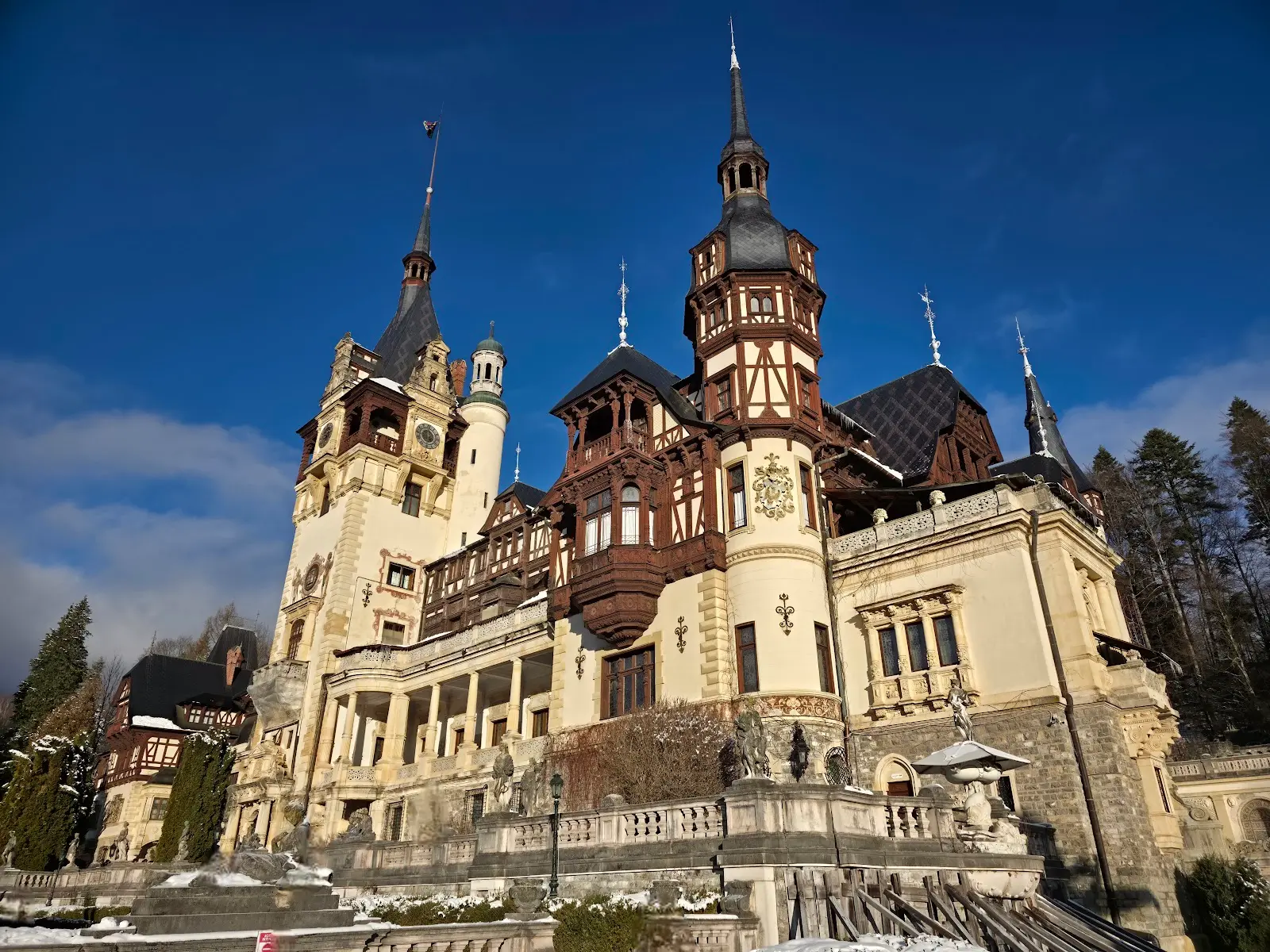
- Modest entry fees: castles like Bran and Peles, museums, and citadels charge low ticket prices compared with comparable Western sights.
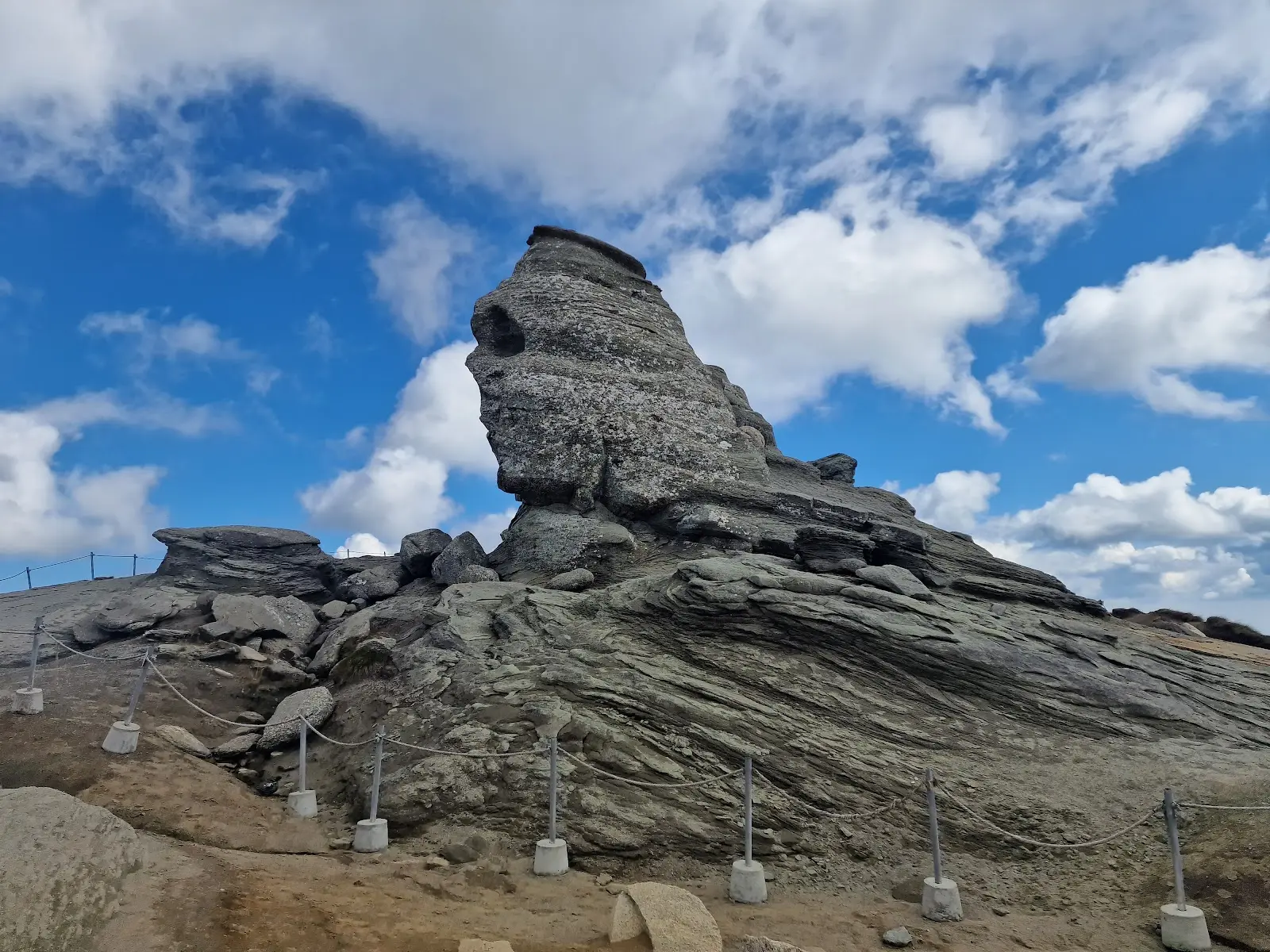
- Nature is free: hikes in the Carpathians, gorges, glacial lakes, and medieval old towns cost nothing.
- Optional extras: guided tours, wine tastings, and private experiences add up, but they stay optional.
A good plan mixes a few paid tickets with plenty of time spent outdoors, where Romania shines without charging you for it.
A sample day, by tier
Think of your budget in tiers rather than fixed numbers. Here is what a typical day looks like at each level.
- Budget: a hostel bed or private room, meals at canteens and markets, getting around on public transport, one or two ticketed sights. Relaxed but full of content.
- Mid-range: a three- or four-star hotel, a local lunch and a restaurant dinner, a mix of train and taxi, several paid attractions plus a guided tour.
- Comfortable: a boutique hotel or manor house, meals at top restaurants, a rental car for full freedom, private experiences and tastings.
Even the comfortable tier stays modest against an equivalent holiday in Western Europe. Moving from budget to comfortable changes your experience a great deal without doubling your bill beyond what you would pay anywhere else.
Money tips
A few simple rules make your stay smoother.
- Card or cash: pay by card where you can, but always carry some cash for markets, villages, and tips.
- Tipping: in restaurants and bars, around ten percent is appreciated and customary; rounding up is welcome for taxis and cafes.
- ATMs: use machines from major banks and always choose to be charged in lei rather than your home currency, to avoid a poor conversion rate.
- Currency exchange: exchange offices in city centers offer fair rates; avoid the ones at the airport.
With a little care, Romania gives you a rich holiday at a cost few countries in the EU can still match.
Plan your trip
Stays nearby
Stays in Romania
Experiences
Tours & activities
Guided tours, day trips and hand-picked experiences via GetYourGuide — free cancellation on most.
See all experiencesGetting to Romania
Flights, transfer & car
Fly into Romania
Compare fares to Bucharest Otopeni (OTP) and regional airports — Cluj, Sibiu, Iași, Timișoara.
Airport transfer
Private, fixed-price door-to-door transfer — driver waiting from the moment you land.
Rent a car — see the real Romania
A rental car is the key to Romania: the Transfăgărășan, the painted monasteries of Bucovina, mountain roads and the villages of Maramureș that no train reaches.
Find a car