Renting a Car in Romania: Everything You Need to Know
The complete guide to renting and driving a hire car in Romania: where to book, what documents you need, how to read the real cost, and how to plan the great mountain drives.
Romania is a country made for driving. The best scenery isn't in the cities — it's on the roads between them: mountain switchbacks, villages with wooden churches, and medieval citadels tucked into the hills. A hire car opens up all of it in a way the train or coach simply can't.
Why rent a car
Public transport covers Romania's big cities well, but it gets slow and infrequent the moment you head into the countryside or the mountains. Many of the most rewarding sights — the painted monasteries of Bucovina, the villages of Maramureș, the Saxon citadels of Transylvania — are hard to reach without your own wheels.
With a car you have total freedom: leave when you want, stop at every viewpoint, and reach places no coach ever goes. For a foreign visitor who wants to see Romania beyond Bucharest, self-drive is the best choice by far.
Where and how to book
You can pick up a car from several points:
- Airports — Bucharest (Otopeni), Cluj-Napoca, Timișoara, Sibiu, Iași and Bacău all have rental desks right in the terminal.
- City offices — handy if you arrive by train or have already spent a few days in the centre.
Book ahead — in summer (June–September), and especially at weekends, fleets sell out fast and prices climb. Reserving online a few weeks in advance secures both the car you want and a better rate.
Documents you need:
- A valid driving licence — an EU/EEA licence is accepted directly. For non-European licences, ask the rental firm whether you need an International Driving Permit (IDP), which you carry alongside your home licence.
- A passport or ID card.
- A credit card in the main driver's name — required for the security deposit (the hold). Debit cards are often refused.
- Minimum age is usually 21, and drivers under 25 may pay a "young driver" surcharge.
Understanding the cost
The headline rate is only the start. The real price is made up of several parts:
- Base rate — the daily cost of the car itself.
- Insurance (CDW) — collision damage waiver reduces your liability, but usually keeps an excess (deductible). For full peace of mind you can pay for zero-excess cover.
- The deposit — a sum held on your credit card at pickup and released at return, provided the car is fine.
- One-way fee — if you return the car in a different city from where you collected it, expect an extra charge.
- Extras — GPS, child seats, additional drivers, or that young-driver surcharge.
Manual or automatic? In Romania, manuals are more common and cheaper. Automatics exist but are fewer and pricier — if you want one, book early and specify it clearly.
Driving in Romania
- The rovinietă (vignette) is mandatory on all national roads and motorways. Almost every rental firm already includes it in the price — confirm this at pickup so you don't risk a fine.
- Drive defensively. Traffic can be unpredictable: risky overtaking, horse carts on rural roads, pedestrians at the roadside. Keep your distance and don't rush.
- Roads are improving, but the motorway network is still limited. Many routes are single-carriageway, so allow more travel time than the map distance suggests.
- Mountain passes are seasonal. The Transfăgărășan and Transalpina usually open only in summer and close with the first snow — check the road status before you set off.
- Fuel stations are frequent on main routes but sparse in remote mountain areas — fill up before you climb.
- Parking in cities is paid in the centres; look for meters, payment apps, or covered car parks.
The great drives to plan for
These are the routes that make a hire car worth every leu:
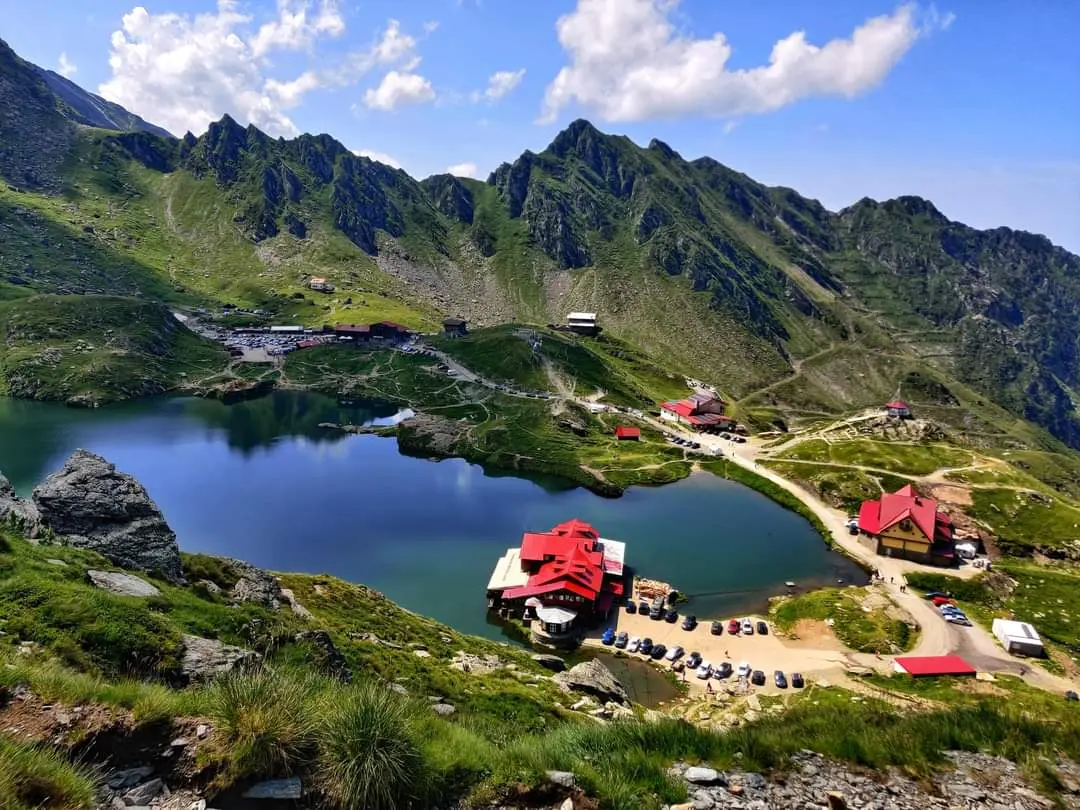
- Transfăgărășan — perhaps Romania's most spectacular road, climbing through the Făgăraș Mountains to Lake Bâlea. Open in summer only.
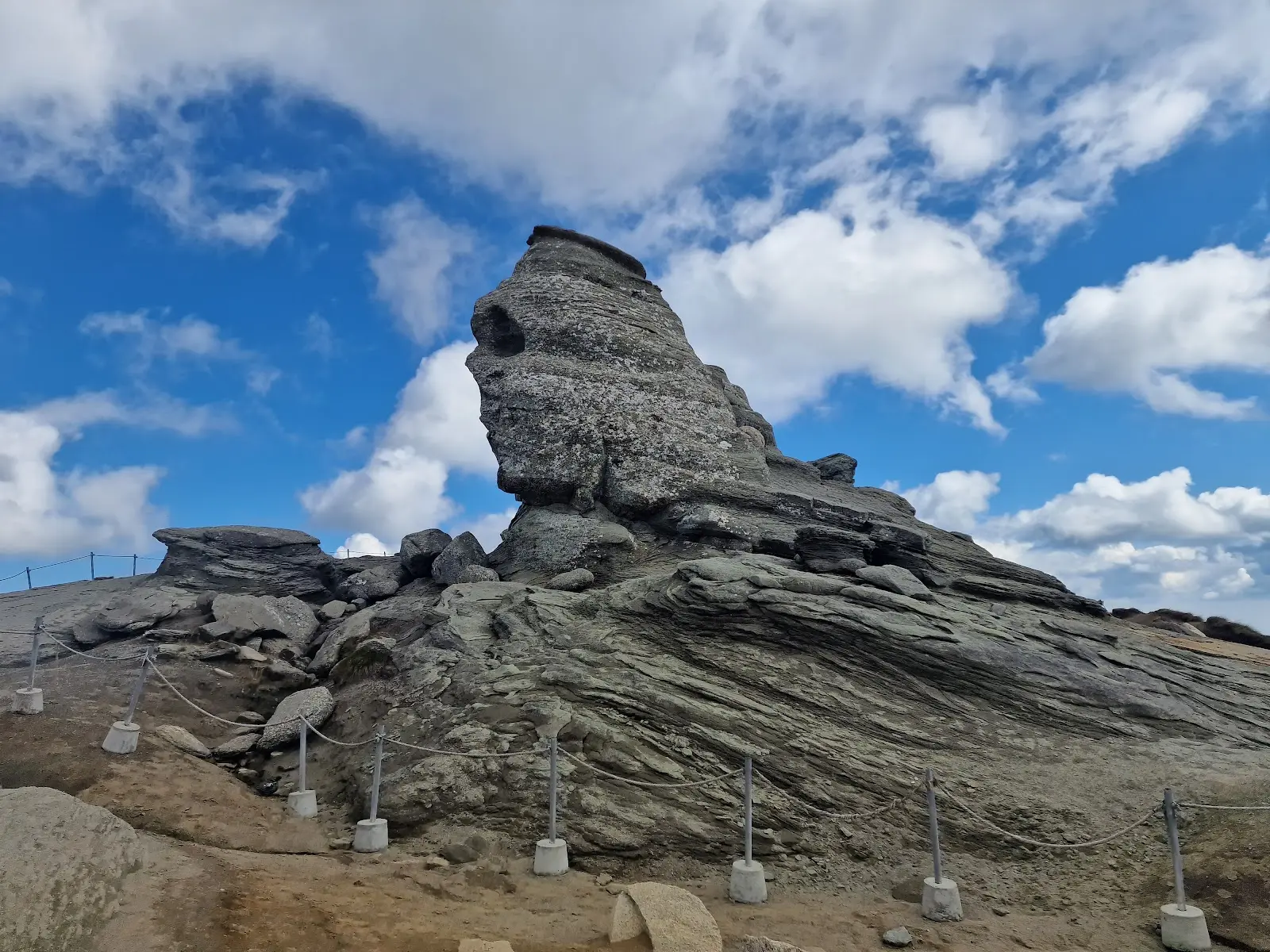
- Transalpina — the country's highest road, crossing the Parâng Mountains: quieter and just as dramatic.
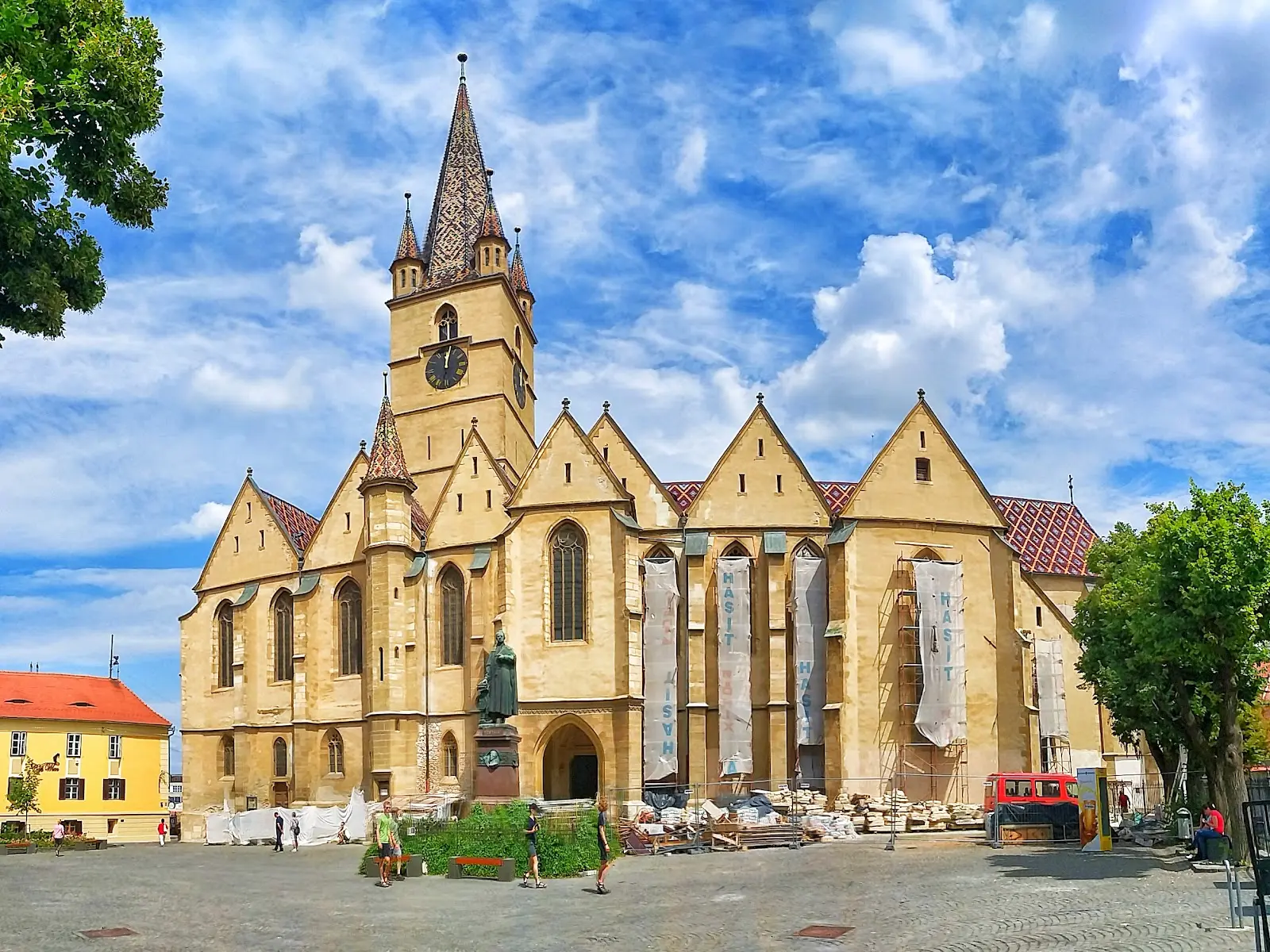
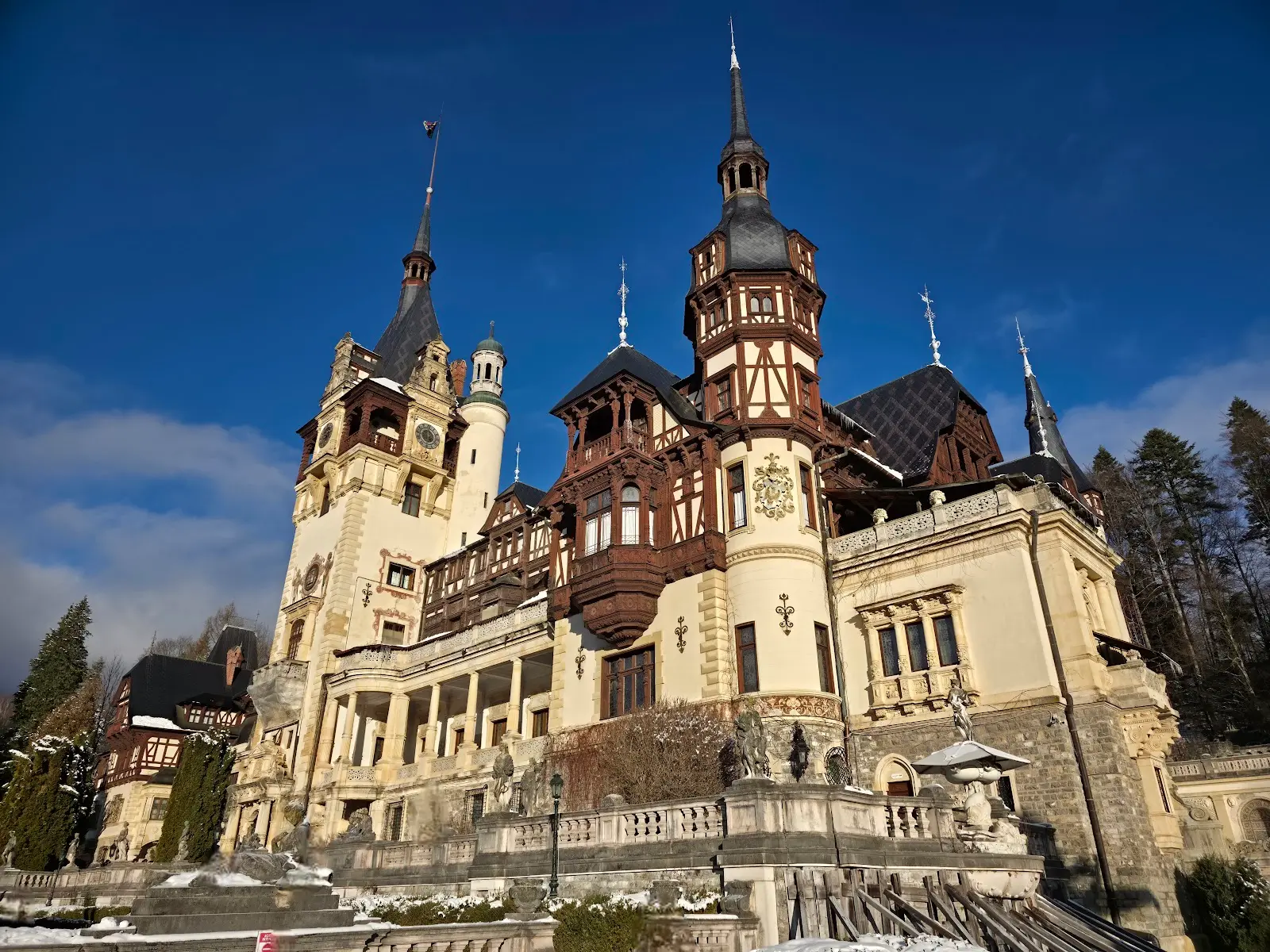
- The Transylvania castle loop — a circuit between Sibiu, Sighișoara, Brașov and Bran, through Saxon villages and medieval castles.
- Maramureș — the villages of carved wooden gates and UNESCO-listed churches, all but impossible to reach without a car.
Practical tips
- A "full-to-full" fuel policy is the fairest: you get the car with a full tank and return it the same way. Avoid "full-to-empty" options, where you pay over the odds.
- Photograph the car at pickup — from every angle, including existing scratches and the fuel level. It's your best protection against disputes at return.
- Keep the emergency number 112 to hand — it works nationwide for police, ambulance and fire.
- Store the car's documents and the firm's roadside-assistance number in the glovebox.
With a car at your disposal, Romania opens up completely — from the switchbacks of the Făgăraș to the quiet villages of Maramureș. Plan your route, book early, and enjoy the drive.
Plan your trip
Stays nearby
Stays in Romania
Getting to Romania
Flights, transfer & car
Fly into Romania
Compare fares to Bucharest Otopeni (OTP) and regional airports — Cluj, Sibiu, Iași, Timișoara.
Airport transfer
Private, fixed-price door-to-door transfer — driver waiting from the moment you land.
Rent a car — see the real Romania
A rental car is the key to Romania: the Transfăgărășan, the painted monasteries of Bucovina, mountain roads and the villages of Maramureș that no train reaches.
Find a car