
County · Oltenia
Gorj County
Seat: Târgu Jiu
Gorj county rises from the sub-Carpathian depression toward the crests of the Parang and Valcan ranges, a land of gorges, wooded hills and villages of fortified stone manors. At Targu Jiu stands Constantin Brancusi's open-air sculptural ensemble — the Endless Column, the Gate of the Kiss and the Table of Silence — a tribute to the fallen of the First World War and one of modern art's landmark works. The county is also known for the Oltenia kule, the Jiu Gorge, the Ranca ski resort, and the Transalpina, Romania's highest road, winding over the mountains toward Sibiu.
Cities & places in Gorj
Not to miss in Gorj
 Landmark
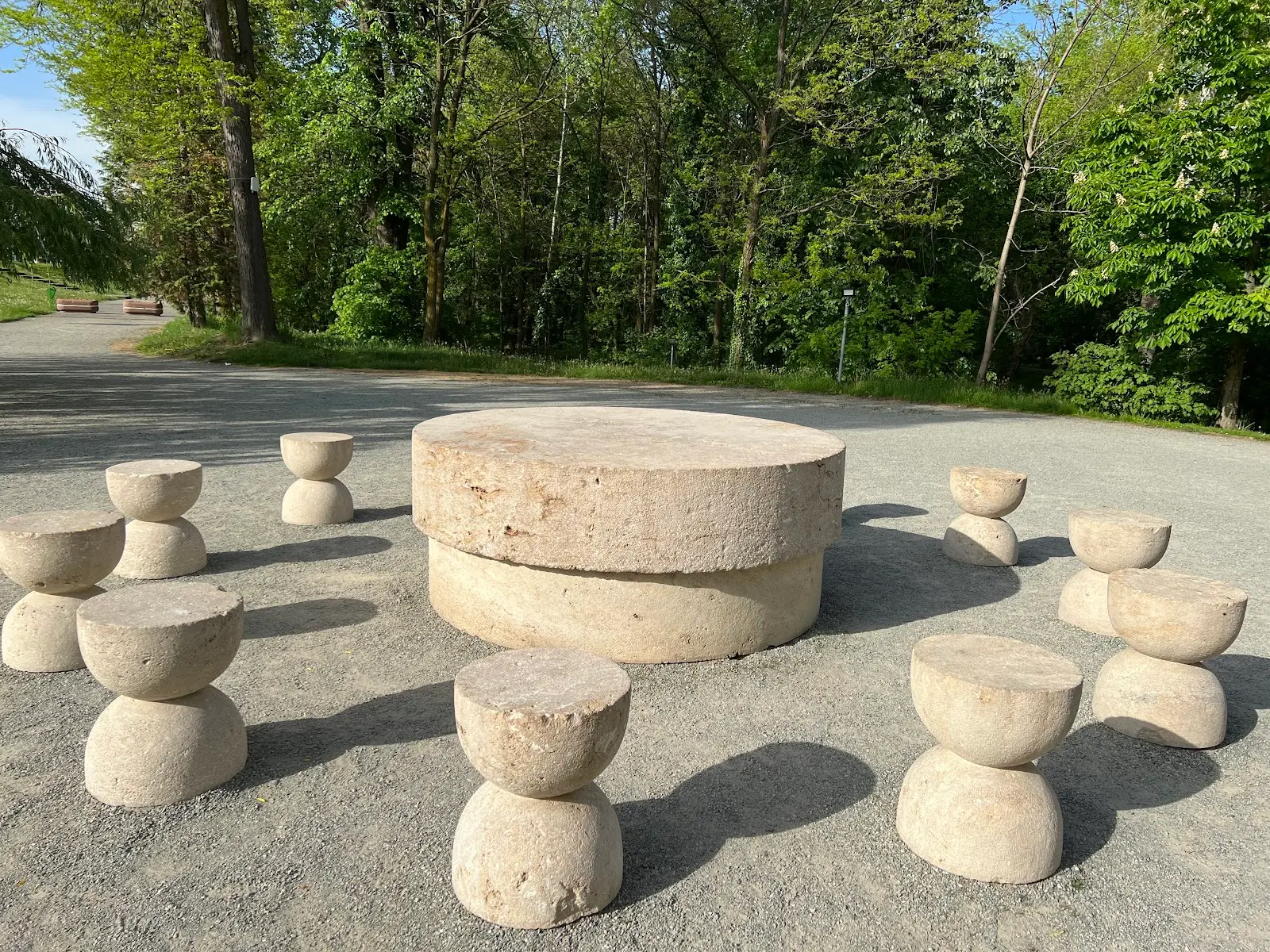
Masa Tăcerii
The Table of Silence is one of the best-known works of the sculptor Constantin Brâncuși and part of the monumental ensemble at Târgu Jiu, raised in memory of the heroes who fell in the First World War defending the town. Made of stone, the round table is surrounded by twelve hourglass-shaped seats and marks the start of the so-called Avenue of Heroes, which links the Table of Silence to the Gate of the Kiss and the Endless Column. The simple form and pure geometry of the work express the idea of contemplation and silent communion before the great passing, in the modernist style that made Brâncuși famous around the world. The ensemble at Târgu Jiu is regarded as a masterpiece of twentieth-century art. Visitors can walk the entire Avenue of Heroes to understand the connection between the three monuments. It is best to respect the commemorative meaning of the place during the stroll.
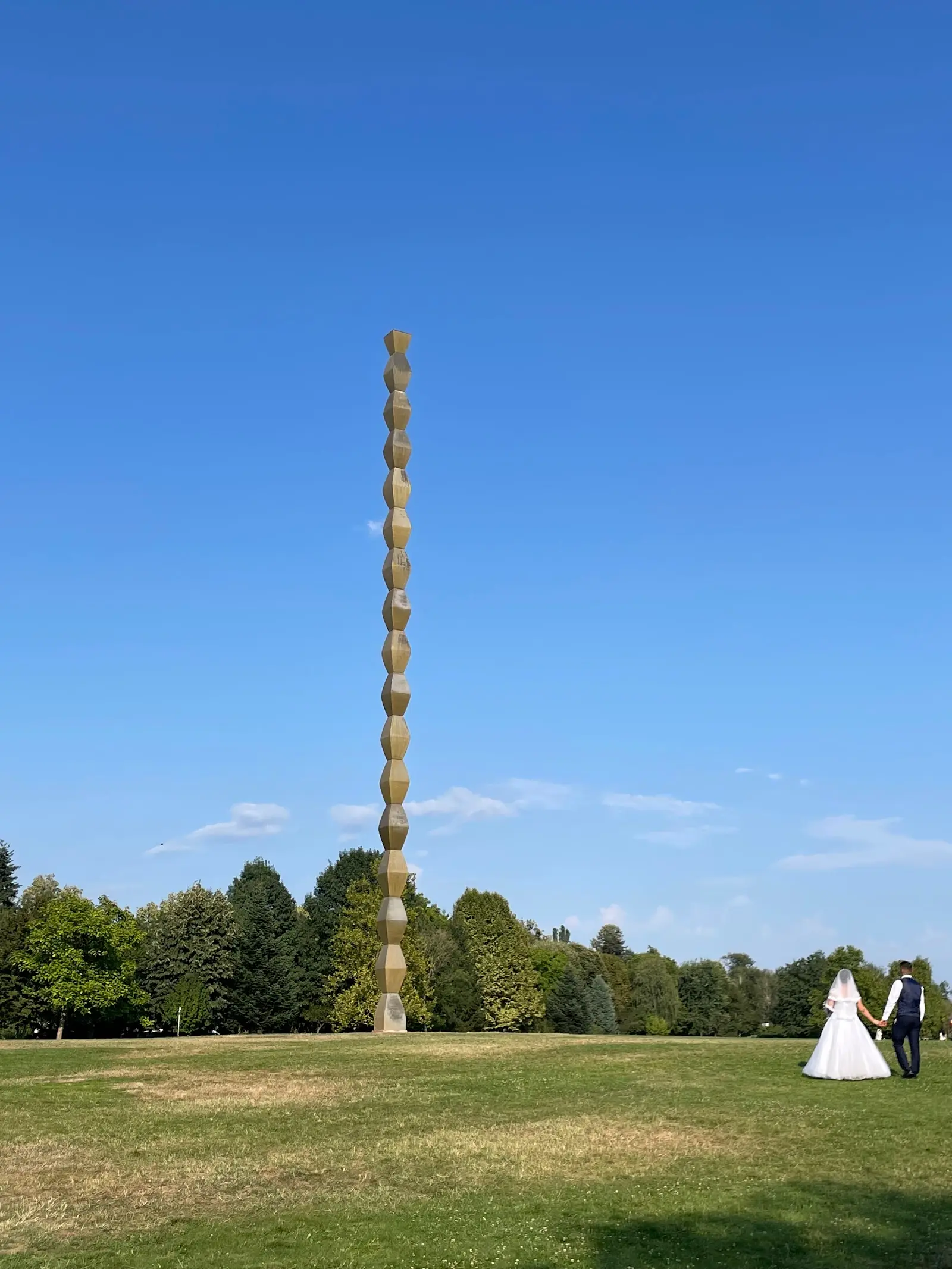
LandmarkColoana Infinitului
The Endless Column is Constantin Brâncuși's masterpiece and the centrepiece of the monumental ensemble at Târgu Jiu, raised in 1938 in memory of the heroes of the First World War. Nearly 30 metres tall, the column is made of stacked cast-iron rhomboidal modules that seem to repeat endlessly towards the sky, evoking the idea of infinity and boundless sacrifice. Together with the Gate of the Kiss and the Table of Silence, on the same axis crossing the city, the column forms one of the world's most important ensembles of modern art, proposed for UNESCO listing. The simplicity of its form and the rigour of its execution made it a symbol of Romanian art and a landmark of 20th-century sculpture. It is a place of pilgrimage for art lovers from around the world. The visit is free, in the open air, and possible any time; it looks best in the warm light of morning or evening.
 Landmark
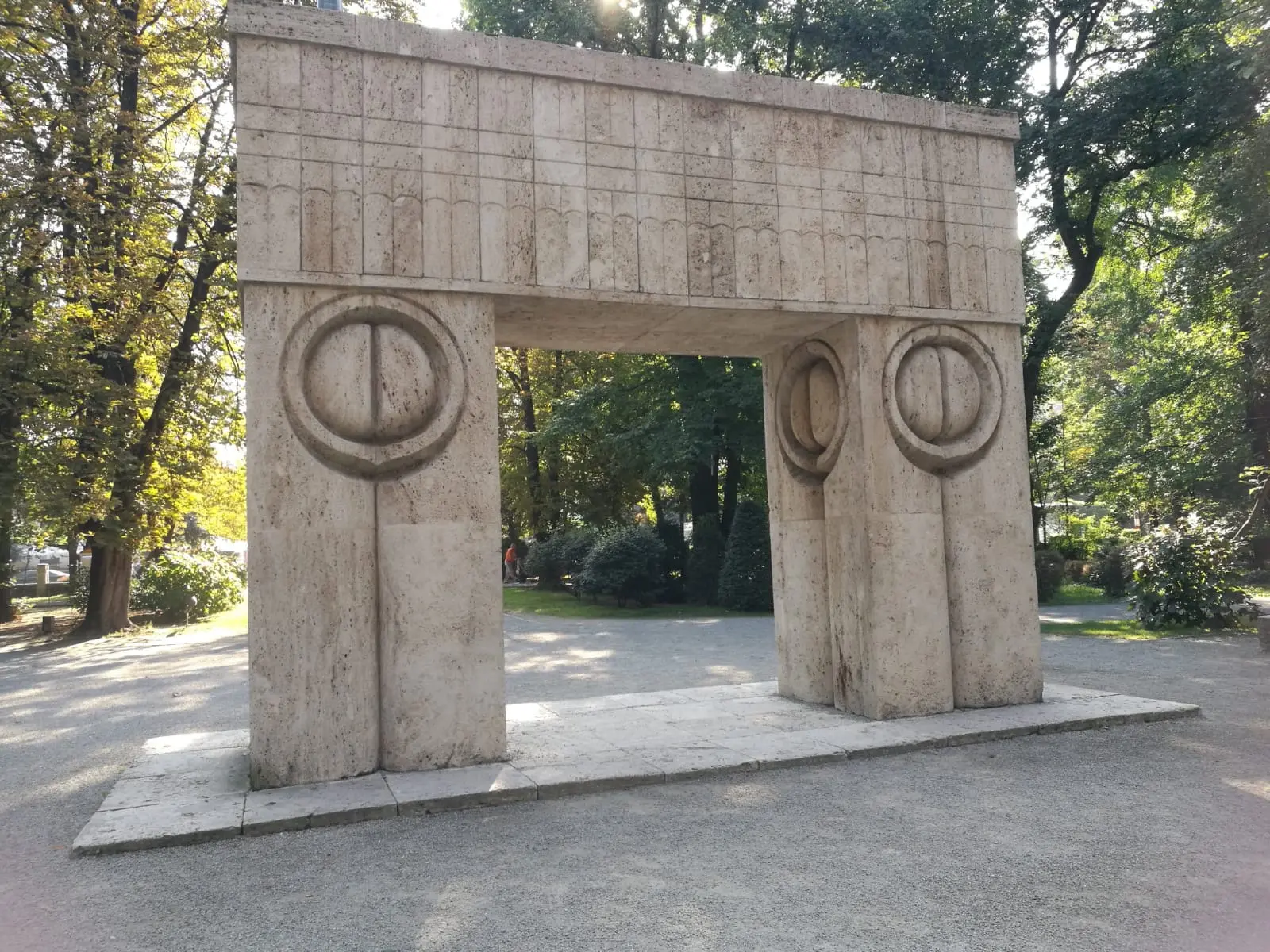
Poarta Sărutului
The Gate of the Kiss is one of the three pieces of the Brâncuși ensemble at Târgu Jiu and perhaps the most charged with symbolism. Carved from Banpotoc stone, the massive gate marks the entrance to the Public Garden and is covered with the repeated motif of two joined half-circles, an extreme stylisation of the embrace and the kiss, a recurring theme in Constantin Brâncuși's work. Through it runs the monumental axis linking the Table of Silence to the Endless Column, conceived by the artist as a path of sacrifice and communion, in memory of the heroes of the First World War. Its geometric simplicity and power of suggestion make the gate a lesson in modern art, admired by visitors from around the world. It stands right in the centre, in a pleasant park for strolling, and can be visited freely at any time. Take time to walk the whole axis on foot, to grasp the idea of the ensemble as Brâncuși conceived it.
 Monastery
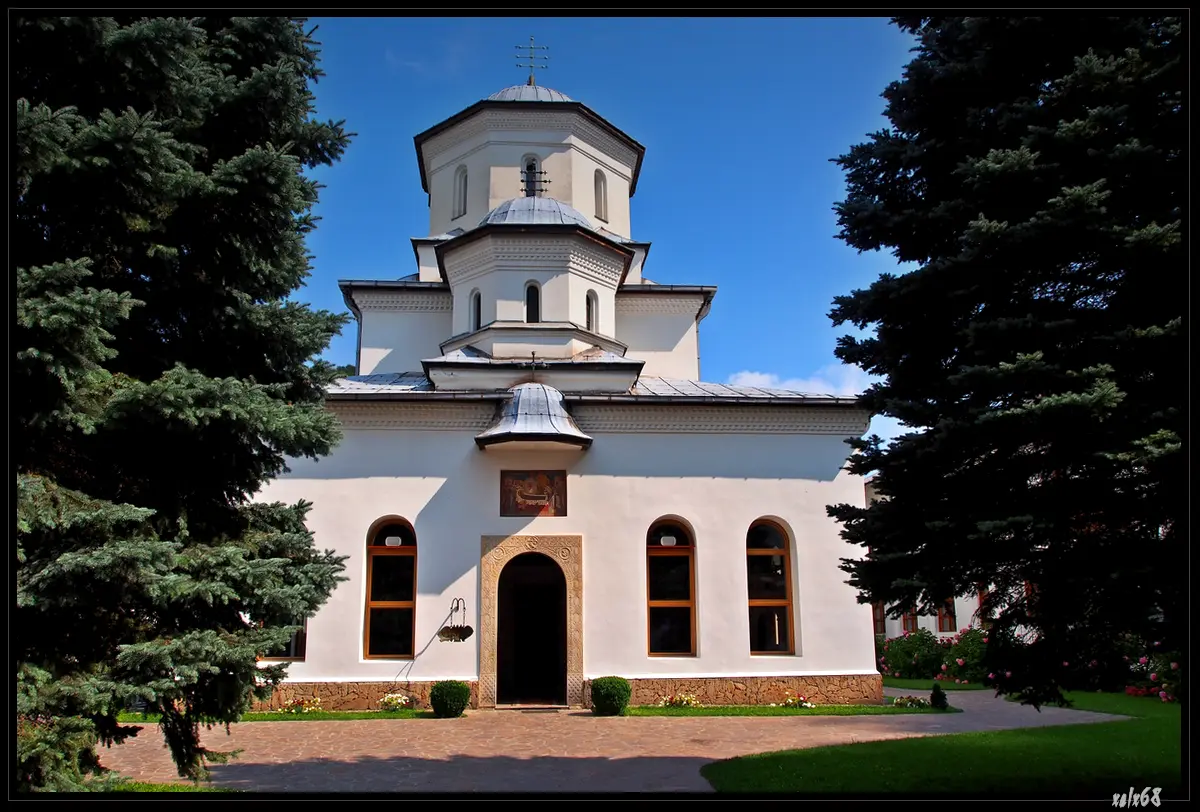
Mănăstirea Tismana
Tismana Monastery is the oldest monastery in Wallachia, set in Gorj county, near Targu Jiu, in a spectacular natural setting in the Valcan Mountains. Founded in the fourteenth century by Saint Nicodim of Tismana, the founder of organised monasticism in Oltenia, the monastery rises on a high rock, at the foot of which a mountain stream and a waterfall flow. The picturesque position, between forest and cliffs, gives it a special atmosphere of contemplation and beauty. The church preserves old paintings and precious liturgical objects, and over the centuries the monastery was an important cultural and defensive centre. In times of hardship, valuables and treasures of the country were sheltered here. Today, the community of nuns keeps the living tradition of the place alive. Tismana is a destination of pilgrimage and a wonderful natural corner of sub-Carpathian Oltenia, worth the journey for its history and scenery.
 Nature
Cheile Sohodolului
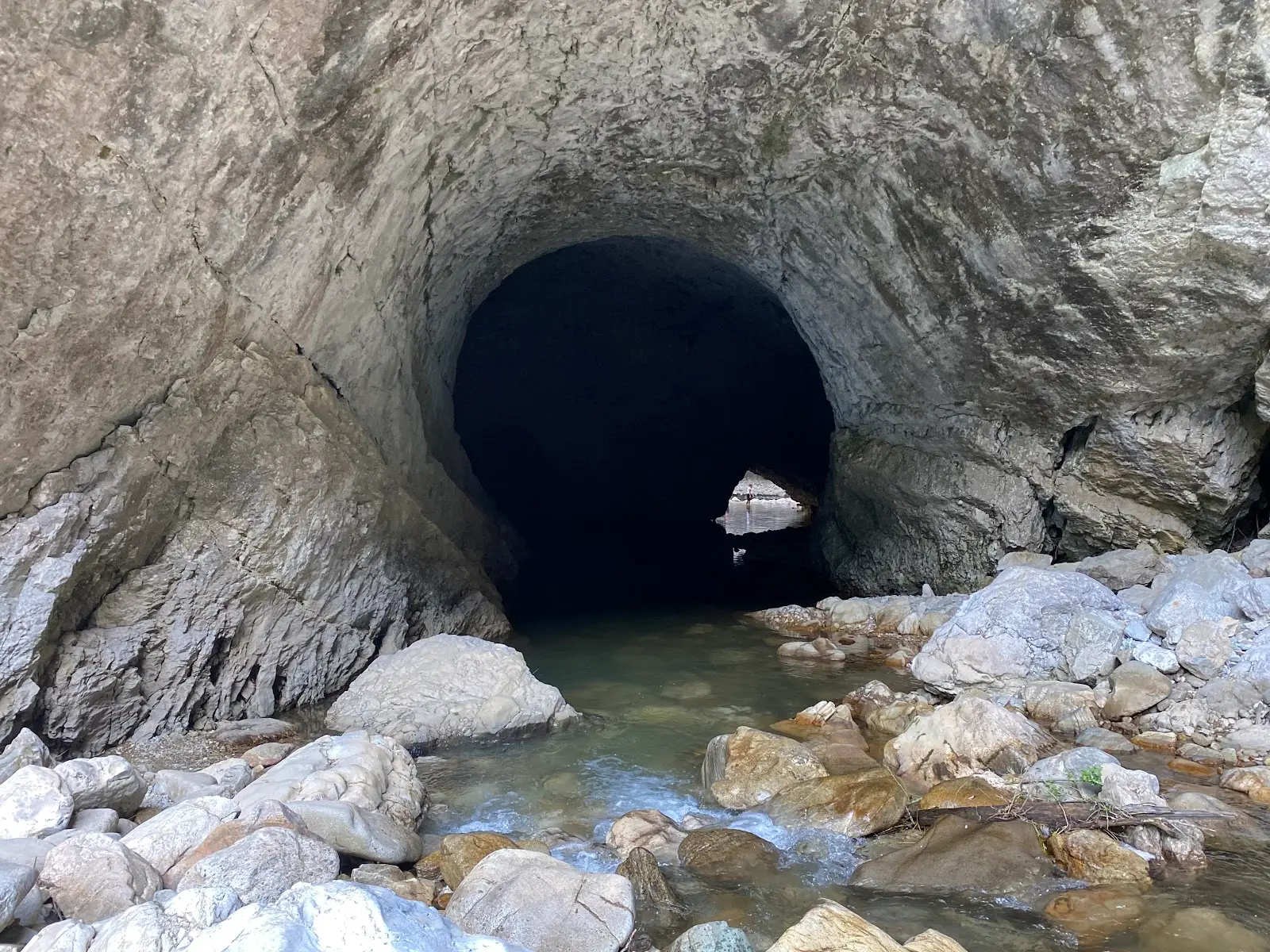
The Sohodol Gorge is a wild, narrow valley carved by the Sohodol river into the Vâlcan massif, southwest of Târgu Jiu in Gorj county. Limestone walls rise steeply on either side of the water, reaching impressive heights in places and squeezing the route into a spectacular defile, considered among the longest gorges in the country. The scenery alternates between rocky portals, screes, karst springs and forested stretches with rich vegetation, home to flora and fauna typical of the limestone environment. Caves, potholes and water-sculpted erosion forms appear along the valley. The area is prized for hiking, climbing on the equipped routes and cycling, while the quiet and coolness of the valley offer a pleasant refuge on hot summer days. Access is from the nearby villages, and the road crossing the gorge allows visitors to take in the scenery. Suitable footwear is advised, along with respect for the rules of the protected natural area.
 Church
Biserica Sfinții Apostoli Petru și Pavel Târgu Jiu
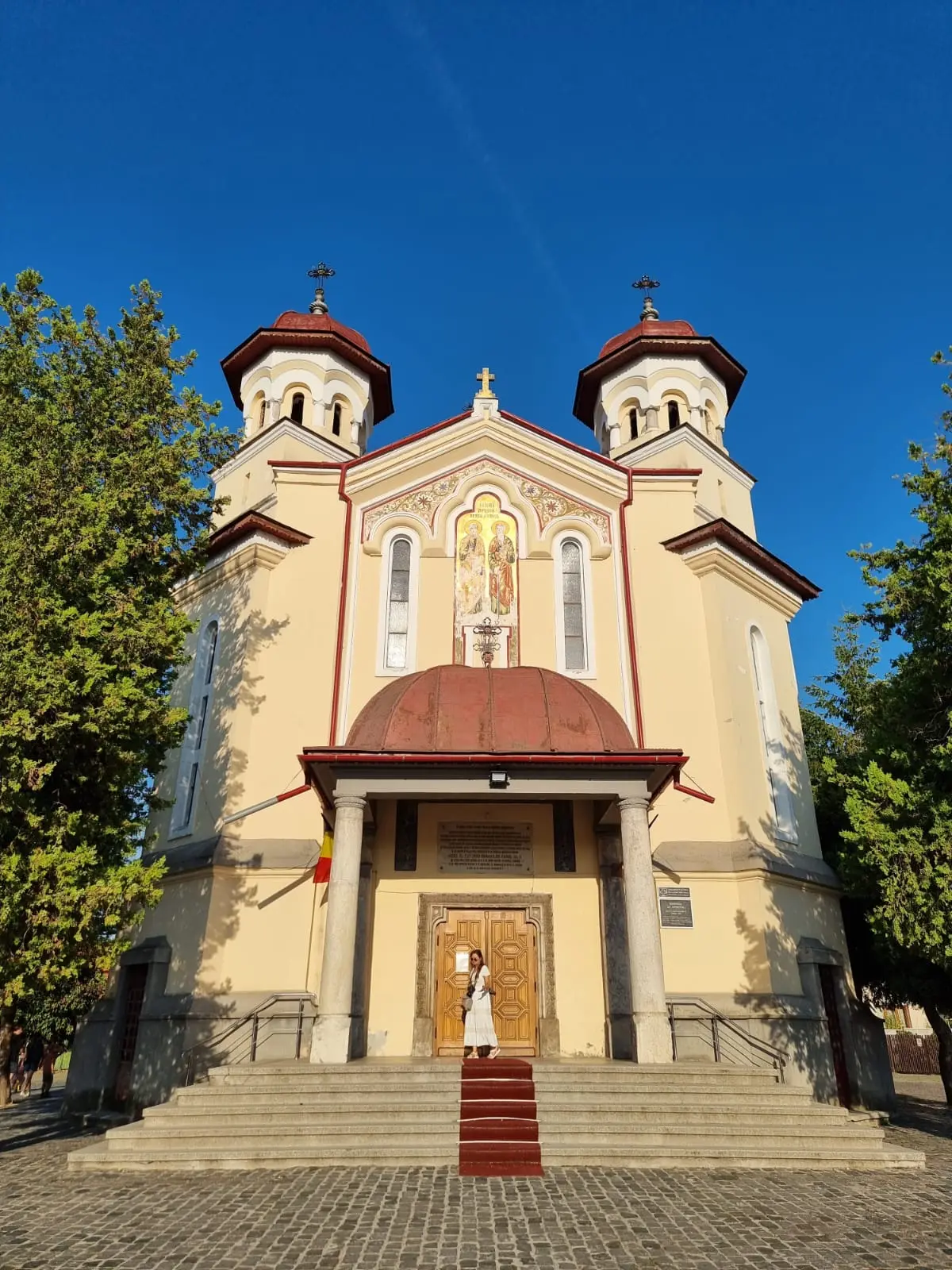
The Church of the Holy Apostles Peter and Paul in Targu Jiu is an important Orthodox place of worship in the city, of particular spiritual and historical value, tied to the past of the seat of Gorj County. The building reflects the tradition of Romanian church architecture, with a cross plan, domes and an interior decorated with mural painting and a carefully crafted iconostasis. The church is among the religious landmarks of Targu Jiu, a city known above all for the monumental ensemble created by the sculptor Constantin Brancusi, one of the most important artists of the modern world. Set in the central area, the church can easily be included in a tour of the city, alongside the Endless Column, the Table of Silence and the Gate of the Kiss, the Brancusi works that made Targu Jiu famous. The solemn atmosphere of the interior and its link with local history recommend it as a spiritual and cultural destination. Appropriate dress and the quiet befitting a place of worship are expected, especially during services.
 Church
Catedrala Sfinții Voievozi Târgu Jiu
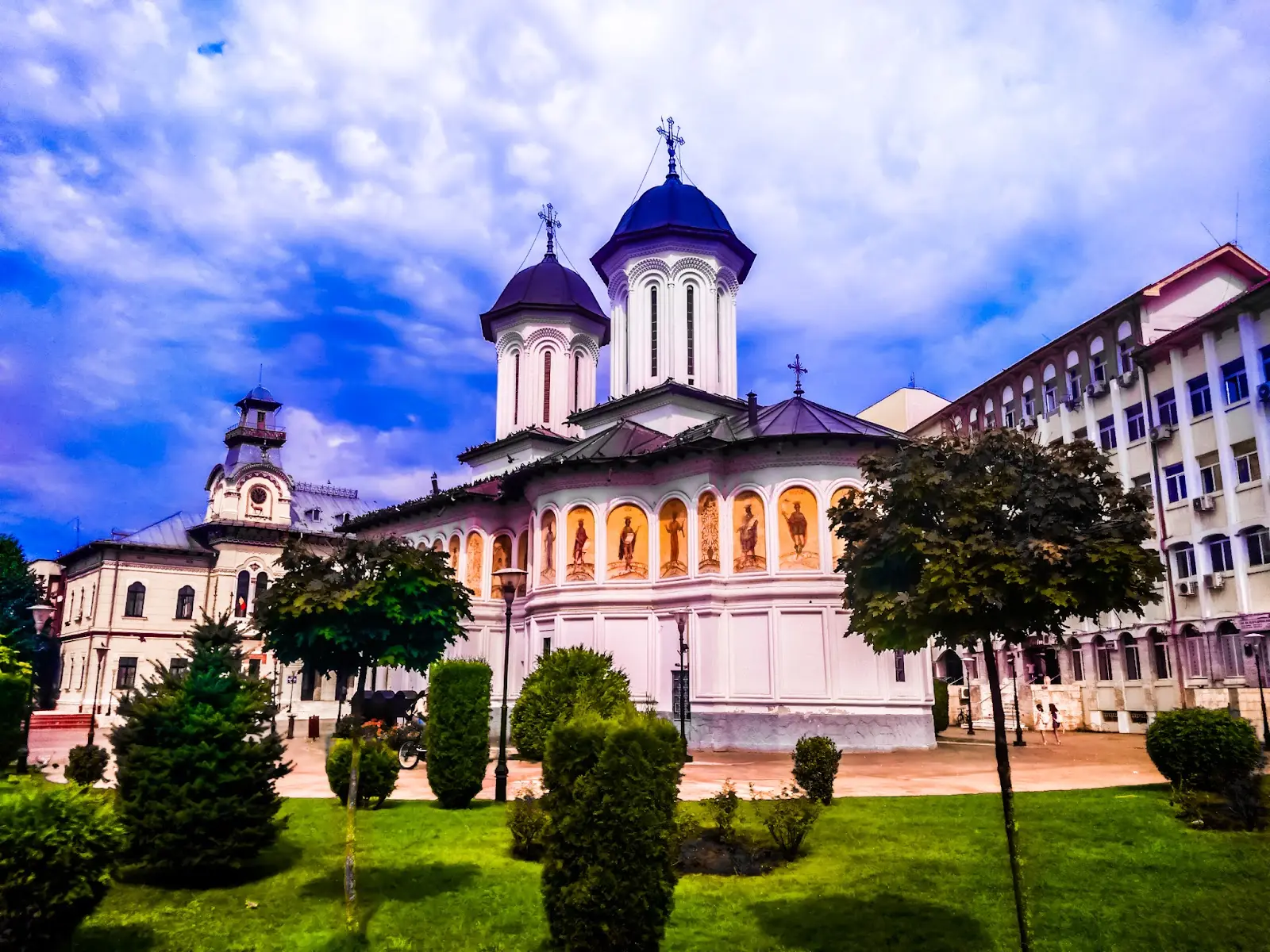
The Holy Archangels Cathedral in Târgu Jiu is one of the most important churches of the town in the heart of sub-mountain Oltenia, a town forever linked to the name of the sculptor Constantin Brâncuși. This Orthodox church is a spiritual landmark for the community and belongs to the tradition of Romanian church architecture, its towers rising above the urban centre and its interior adorned with mural painting, an iconostasis and icons. Târgu Jiu is renowned the world over for the „Path of Heroes" Monumental Ensemble, created by Brâncuși in memory of the heroes of the First World War, which comprises the Endless Column, the Gate of the Kiss and the Table of Silence, landmark works of universal modern art. In this exceptional cultural context, the cathedral offers a spiritual dimension and a link to the tradition of local faith. For visitors discovering Brâncuși's town and the beauties of Gorj, with its monasteries and sub-Carpathian landscapes, the Holy Archangels Cathedral is a natural stop and a symbol of Orthodox continuity in this region.
 Museum
Casa Memorială Constantin Brâncuși Hobița
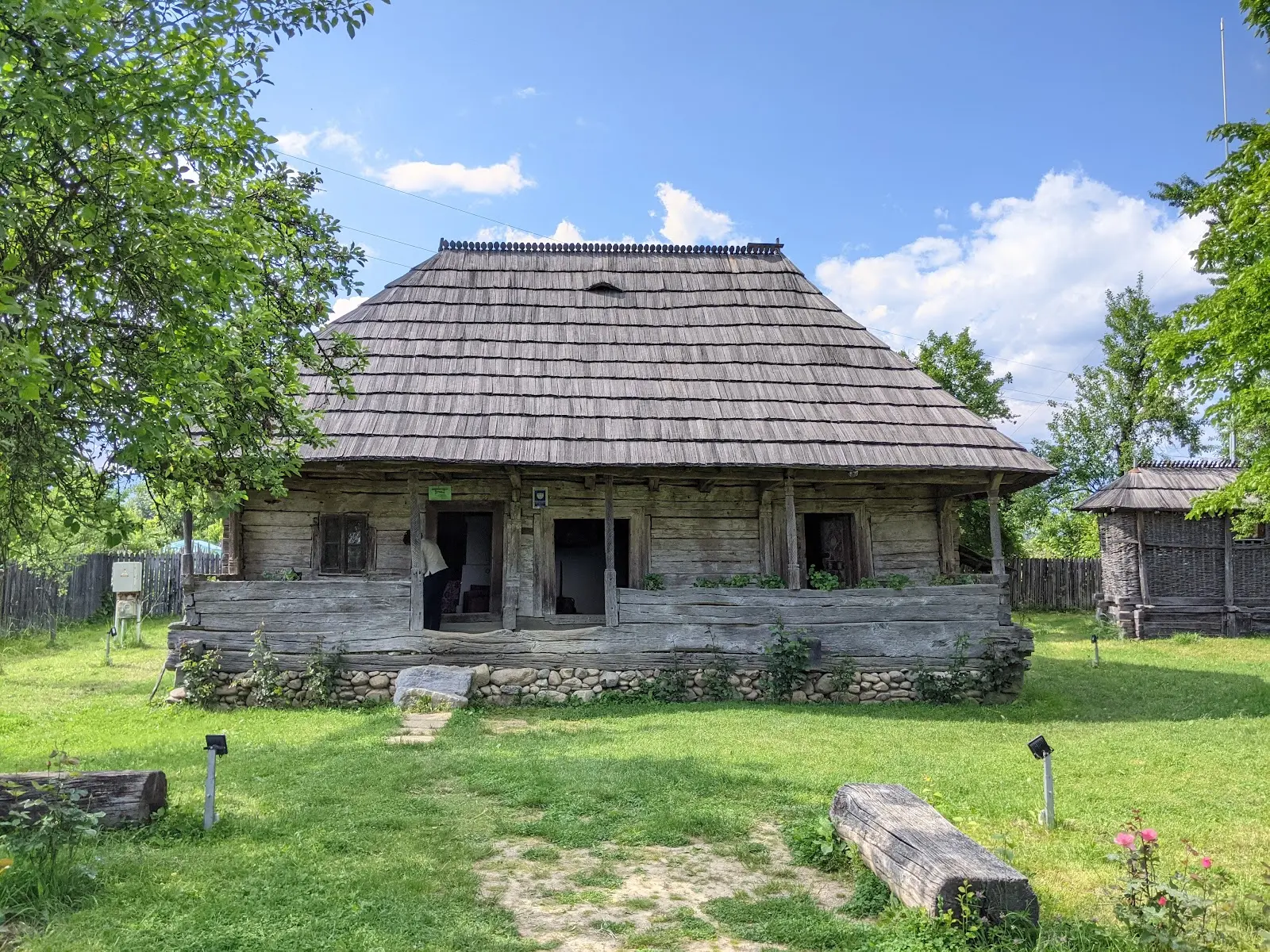
In the village of Hobița, Peștișani commune in Gorj County, stands the memorial house dedicated to Constantin Brâncuși, the greatest Romanian sculptor and one of the fathers of modern sculpture. Here, in 1876, was born the artist who would revolutionise the art of the 20th century in Paris, and the residence recreates the atmosphere of an Oltenian peasant homestead, with the traditional timber house, the porch on carved posts, the wooden gates and the household objects of the period. The woodcraft, the archaic forms and the folk motifs the young Brâncuși saw in childhood recur, stylised, in his mature works, from the Endless Column to the Gate of the Kiss, raised later at Târgu Jiu. A visit to Hobița thus becomes a key to reading his entire oeuvre, a return to the peasant roots of a universal art. Practical note: include Hobița on a route together with the Monumental Ensemble in Târgu Jiu to grasp the artist's journey.
 Museum
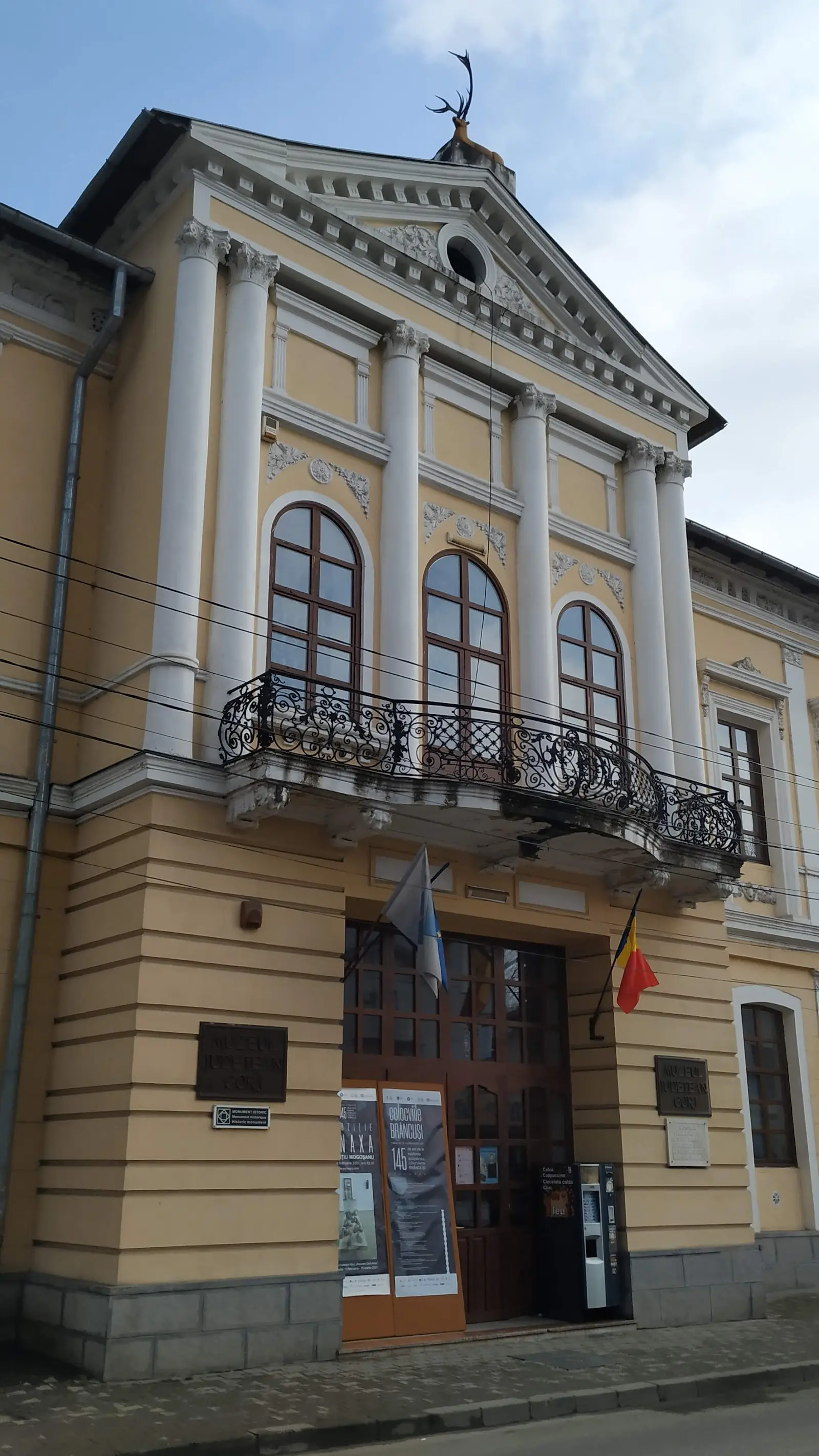
Muzeul Județean Gorj Alexandru Ștefulescu
The Gorj County Museum Alexandru Ștefulescu in Târgu Jiu bears the name of the historian and researcher who laid the foundations of its collections at the end of the 19th century. The institution brings together sections of history, archaeology, ethnography and natural sciences, offering a comprehensive picture of the past and traditional life of the Gorj region, a land of hills and mountains in Oltenia. The archaeological collections illustrate settlement from prehistory and the Roman era, when the area lay on the edge of Roman Dacia, while the ethnography section presents folk costumes, tools, pottery and objects linked to traditional occupations such as shepherding and pottery making. The museum also highlights the town's close connection with the work of the sculptor Constantin Brâncuși, whose famous monuments stand nearby. Practical note: the visit combines naturally with a tour of the Brâncuși sculptural ensemble in Târgu Jiu, and going through the thematic sections offers useful context for understanding the region.
Plan your trip
Stay, tour and get there
Stays nearby
Stays in Gorj
Experiences
Tours & activities
Guided tours, day trips and hand-picked experiences via GetYourGuide — free cancellation on most.
See all experiencesGetting to Romania
Flights, transfer & car
Fly into Romania
Compare fares to Bucharest Otopeni (OTP) and regional airports — Cluj, Sibiu, Iași, Timișoara.
Airport transfer
Private, fixed-price door-to-door transfer — driver waiting from the moment you land.
Rent a car — see the real Romania
A rental car is the key to Romania: the Transfăgărășan, the painted monasteries of Bucovina, mountain roads and the villages of Maramureș that no train reaches.
Find a carKeep exploring