
County · Wallachia
Argeș County
Seat: Pitești
Descending from the Făgăraș peaks toward the Danube plain, Argeș county gathers mountain, history and adrenaline in a single frame. Here winds the Transfăgărășan, one of the world's most spectacular roads, climbing past the Vidraru dam and lake to the alpine sky. At Curtea de Argeș stands the royal necropolis monastery, a masterpiece in stone, while above the valley loom the ruins of Poenari fortress, Vlad the Impaler's true eagle's nest.
Pitești, the county seat, is the modern gateway to this land of Romania's first princely capitals. Mountain, legend and a road like poetry.
Cities & places in Argeș
Not to miss in Argeș
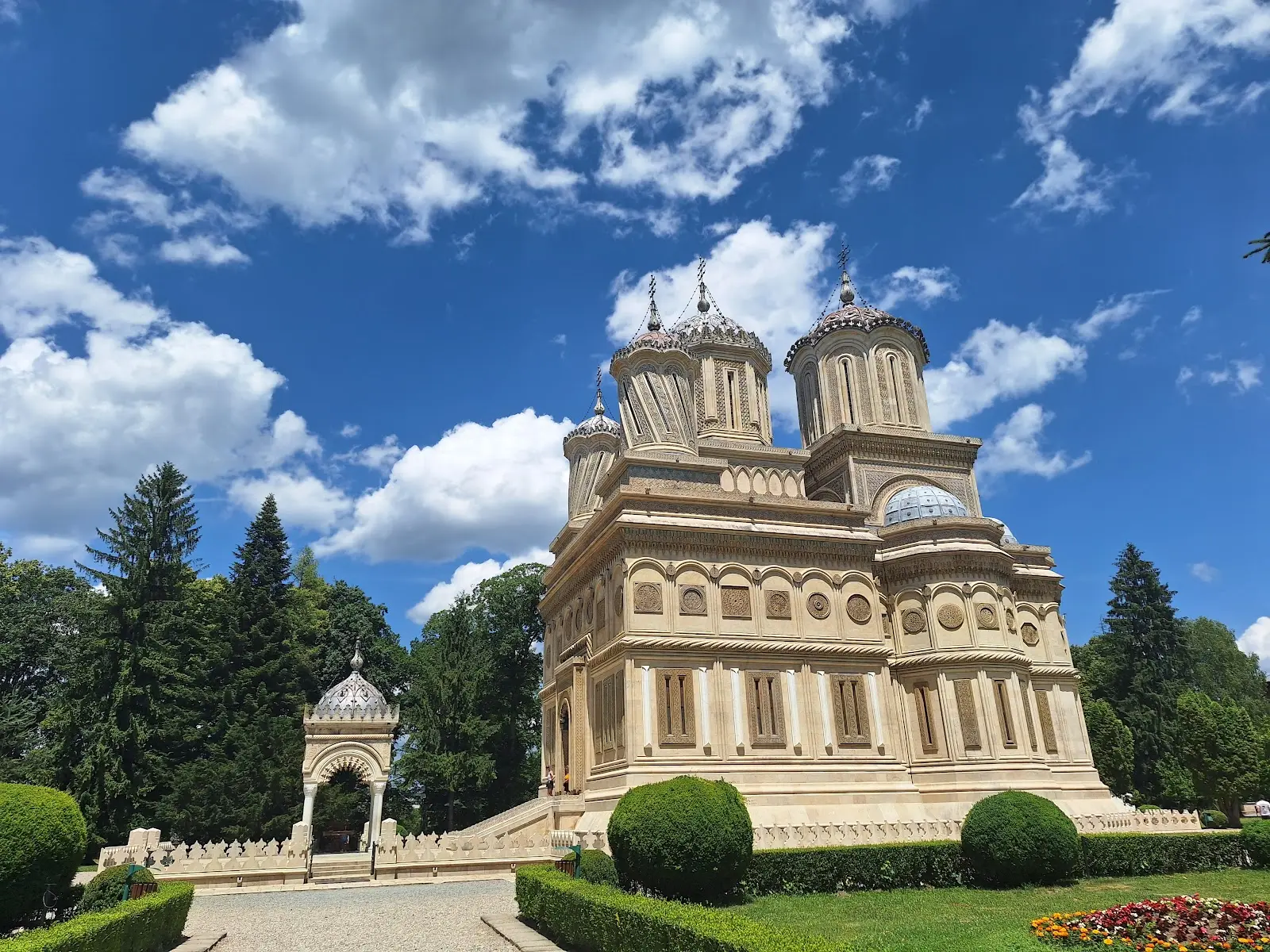
MonasteryMănăstirea Curtea de Argeș
Curtea de Argeș Monastery is one of the most beautiful and legend-laden churches in Romania, a masterpiece of early 16th-century architecture built by the ruler Neagoe Basarab. Its finely carved stone façades, spires twisted like little spirals and rich ornamentation make it unique, a dialogue between Byzantine tradition and Oriental influences. To its name is bound the ballad of Master Manole, the legend of the mason who is said to have sacrificed his wife within the walls so that the church would endure. The church holds the tombs of the kings of Romania — the royal necropolis — giving it a double significance, spiritual and national. The tended gardens and the nearby Manole's Well complete the visit. It is a place of pilgrimage and a first-rank monument; modest dress is advised, and check the visiting schedule.
 Nature
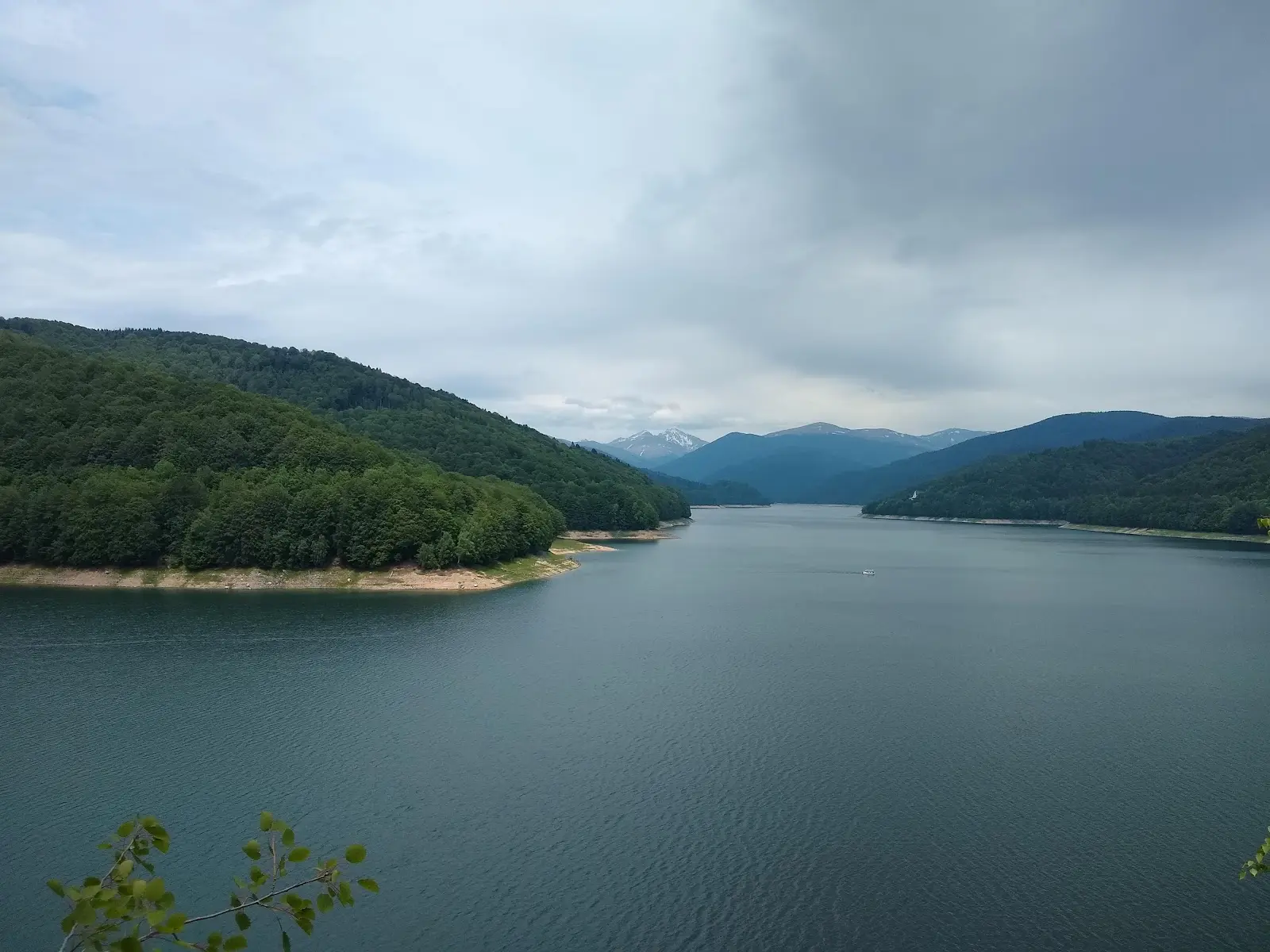
Lacul Vidraru
Lake Vidraru is an impressive reservoir located in the Fagaras Mountains, on the Arges River, formed after the construction in the 1960s of the Vidraru Dam, a remarkable engineering work of the era, with a very tall concrete arch anchored between the mountain slopes. The lake, its greenish-blue waters stretching between forested ridges, offers a spectacular landscape, especially seen from the crest of the dam or from the hairpins of the Transfagarasan, the famous high-altitude road that passes beside it. Above the dam watches the monumental statue known as Electricity, a symbol of hydropower. The area is an attraction for tourists, who can go boating, admire the views or continue towards the heights of the Fagaras. The setting blends wild nature with large-scale engineering. Practical note: the best time to visit is summer, when the Transfagarasan is open; check the road status, as the high pass closes in winter.
 Monastery
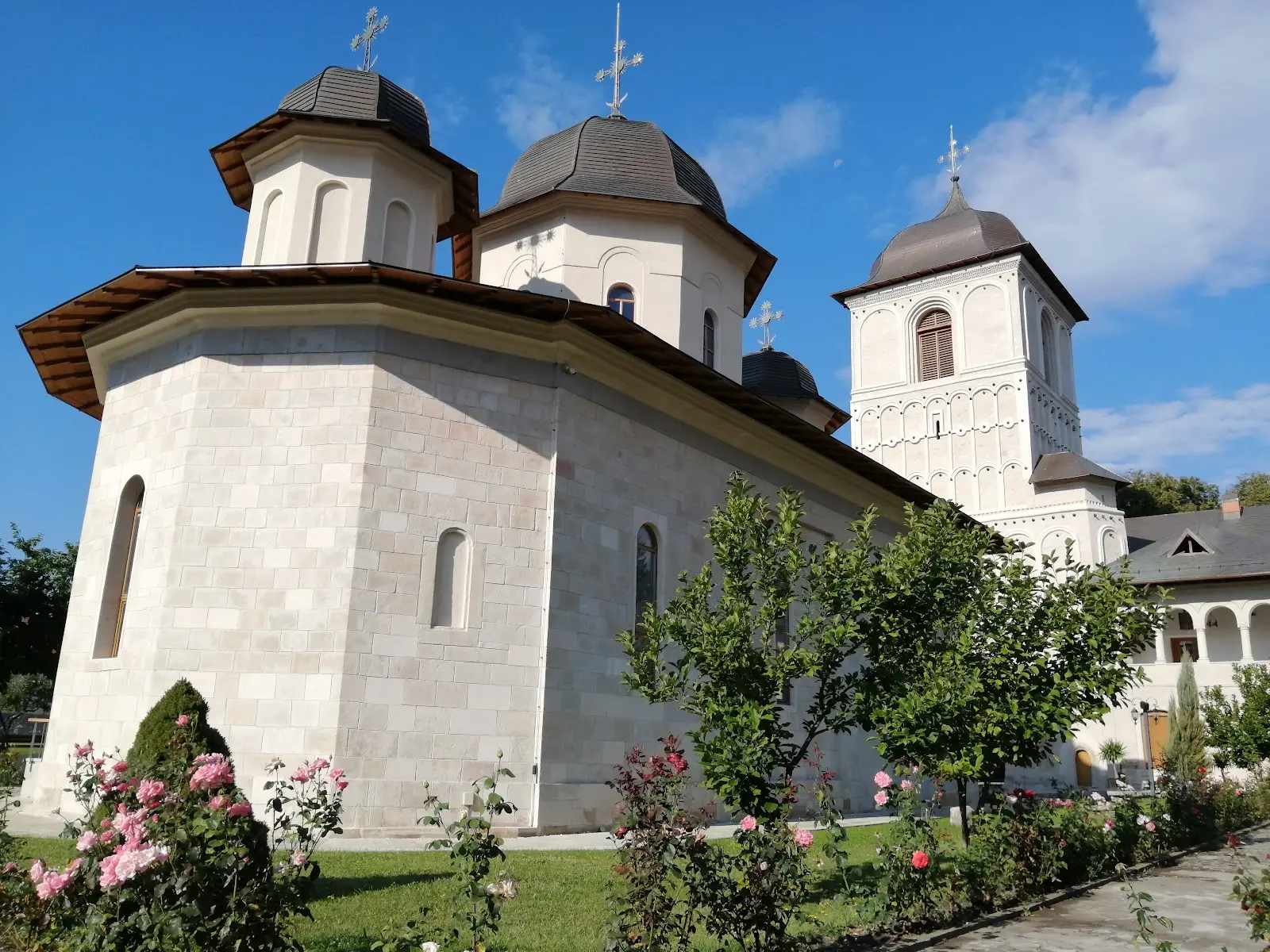
Mănăstirea Negru Vodă
Negru Vodă Monastery in Câmpulung Muscel is one of the oldest foundations in Wallachia, tied to the name of the legendary voivode Negru Vodă and to the very beginnings of the medieval Wallachian state. The present ensemble, with its massive stone church rebuilt after earthquakes in the 17th and 18th centuries, preserves old tombstones and inscriptions that testify to the antiquity of the site. Tradition holds that the tomb of Nicolae Alexandru Basarab lies here, which makes the monastery a key reference point for the history of the Basarab dynasty. Visitors find a quiet monastic complex with enclosure walls, cells and a bell tower, set within Câmpulung itself, the first capital of Wallachia. The atmosphere is one of reflection, while the wealth of historical detail makes it rewarding for those drawn to Romania's medieval past. It is easily reached on foot from the town centre and makes a valuable cultural and spiritual stop on the way toward the Argeș mountains.
 Church
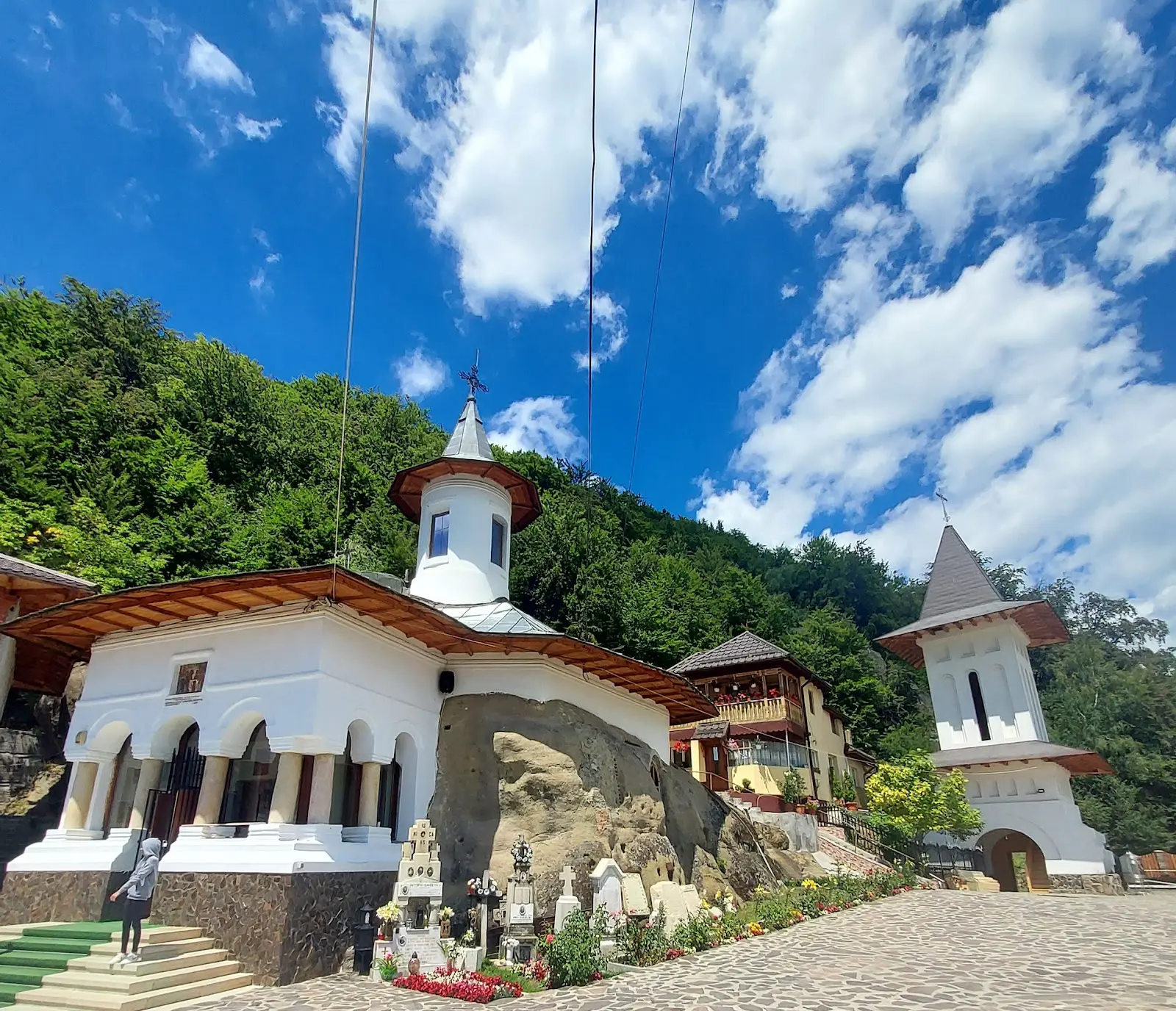
Mănăstirea Nămăești
Namaesti Monastery, located near Campulung Muscel, is an entirely special place because its church is carved directly into the rock, a rare feature in the Romanian monastic landscape. Set on a ridge, the monastery is of great age, tradition linking it to very distant times, and the rock-cut space of the church creates a distinctive atmosphere of contemplation, with stone walls that convey a feeling of intimacy and mystery. Here is kept a miracle-working icon greatly venerated by pilgrims, which makes this place an important pilgrimage destination in the Muscel area. From the monastery courtyard open beautiful views over the sub-Carpathian hills covered with forests and hayfields. The monastic community of nuns maintains the atmosphere of quiet and prayer. Practical note: the access road climbs among the hills, and the visit can be combined with exploring the historic area of Campulung; decent attire is recommended.
 Museum
Muzeul Municipal Câmpulung
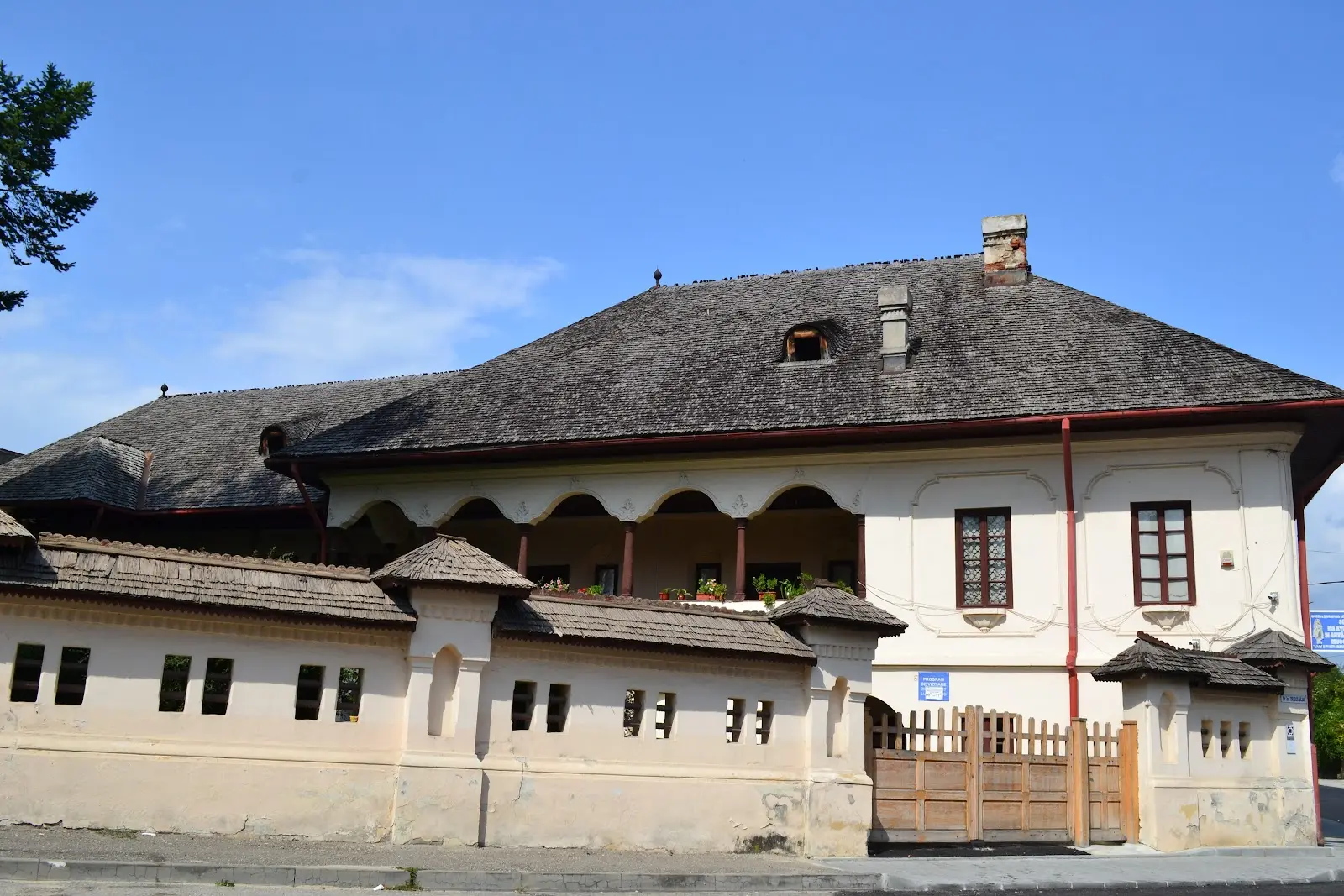
The Municipal Museum of Câmpulung Muscel presents the history of one of the oldest urban settlements in Wallachia, a town that was, according to tradition, the first capital of the medieval Wallachian state. The museum's collections span archaeology, history, ethnography and art, offering visitors a comprehensive picture of the rich past of the Muscel region, set at the foot of the Southern Carpathians in Argeș county. Among the exhibits are archaeological finds from the surroundings, objects linked to medieval life and princely traditions, ethnographic pieces, folk costumes and works of art that illustrate the creativity of the local communities. The museum also evokes the town's connections with the founding of Wallachia and with the voivodal figures who shaped its history. Câmpulung Muscel preserves numerous historic monuments, among them the Negru Vodă monastery, which makes a visit to the museum a good starting point for discovering the local heritage. The institution is an important cultural landmark of this region with deep historical roots.
 Landmark
Mausoleul Mateiaș
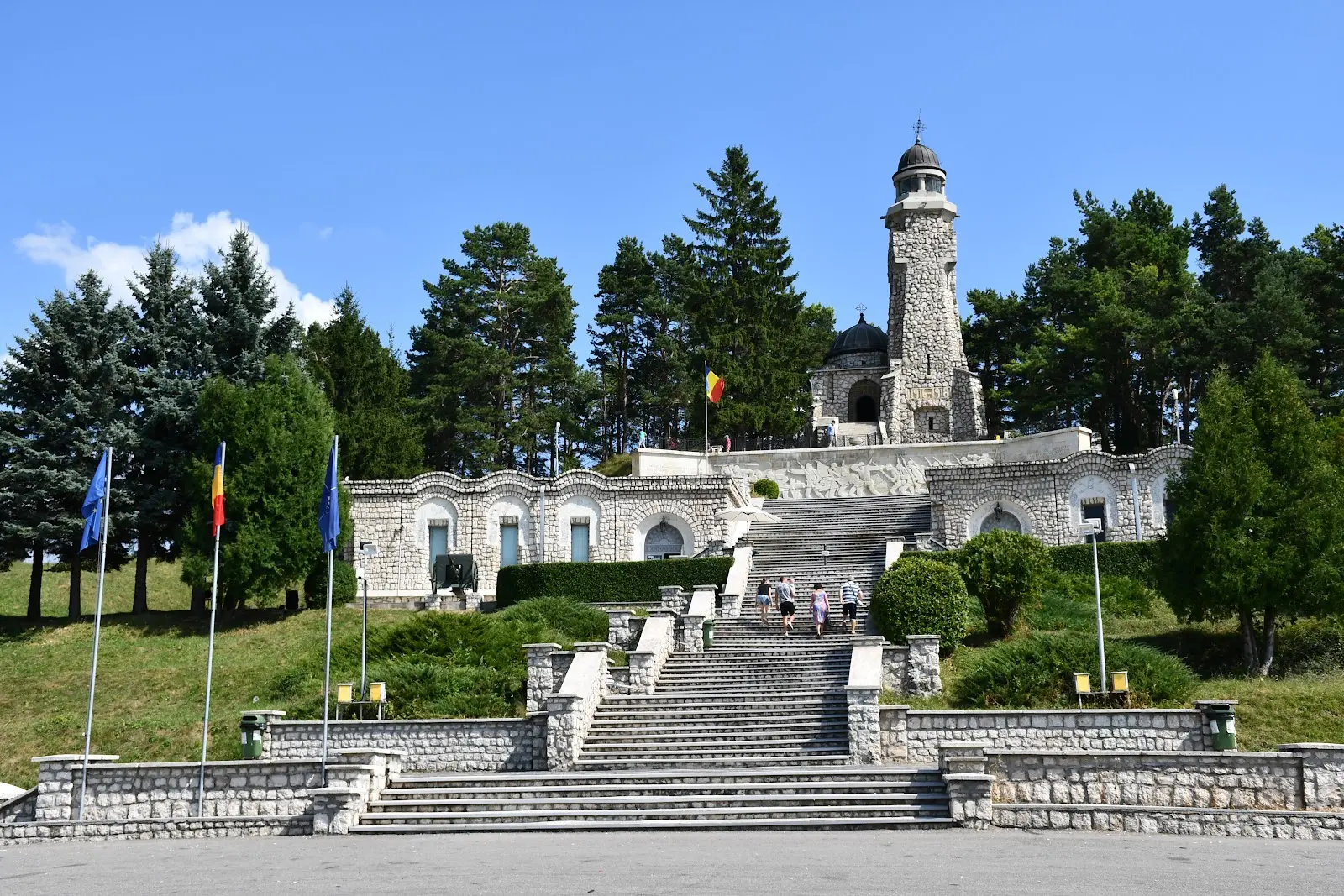
The Mateiaș Mausoleum is an imposing memorial raised on the hill of the same name near Câmpulung Muscel, honouring the memory of the Romanian soldiers who fell in the battles of the Muscel region during the First World War. The structure, completed between the wars and later modernised, takes the form of a massive stone fortress with a commanding cross and a crypt sheltering the remains of thousands of heroes. Its dominant position, on a plateau overlooking the Târgului River valley and the road toward Bran and Rucăr, gives it both symbolic value and wide panoramas over the sub-Carpathian hills. The interior holds commemorative plaques, a hall of honour and testimonies of the battles of 1916 and 1917, when Romanian troops fiercely defended the Carpathian passes. The monument is a place of remembrance and pilgrimage, especially on national holidays. Visitors are asked to keep a respectful attitude, fitting for a memorial dedicated to the fallen.
 Church
Biserica Domnească Sfântul Nicolae
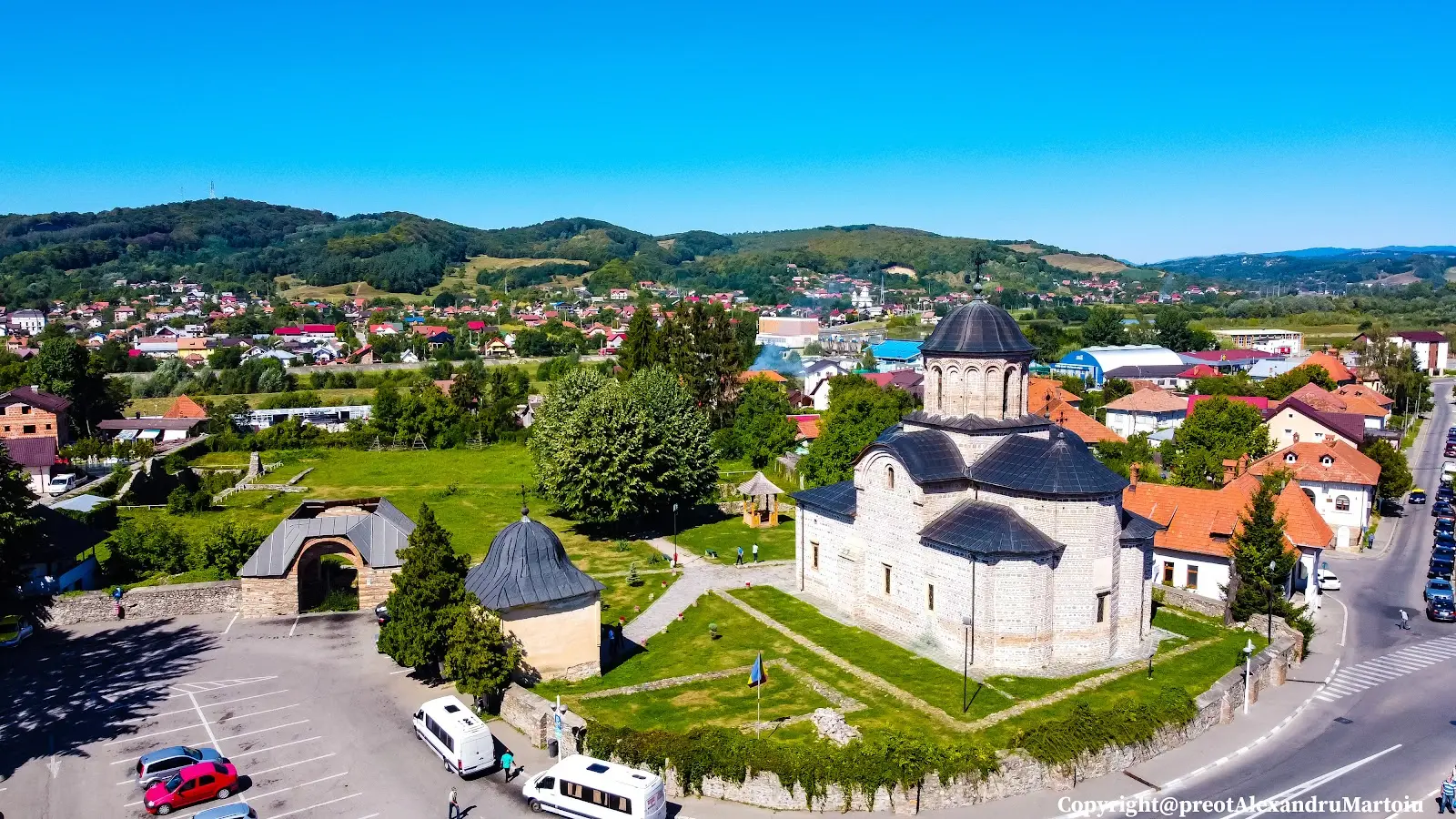
The Princely Church of Saint Nicholas in Curtea de Arges is one of the most valuable monuments of medieval Romanian architecture, raised in the 14th century in the time of the rulers Basarab I and Nicholas Alexander as the church of the voivodal court of Wallachia. Built on an inscribed Greek-cross plan, with walls of brick and stone laid in alternating courses, it preserves an ensemble of exceptional frescoes, among the oldest and best preserved in the Romanian lands. Several rulers and members of the princely family were buried here, making the church an important medieval pantheon. The plain exterior contrasts with the richness of the interior painting, which reflects Byzantine influence. The monument stands in the centre of the old capital town of Curtea de Arges, near other remains of the princely court. It is an essential site for understanding the beginnings of the medieval Wallachian state.
 Church
Necropola Regală de la Curtea de Argeș
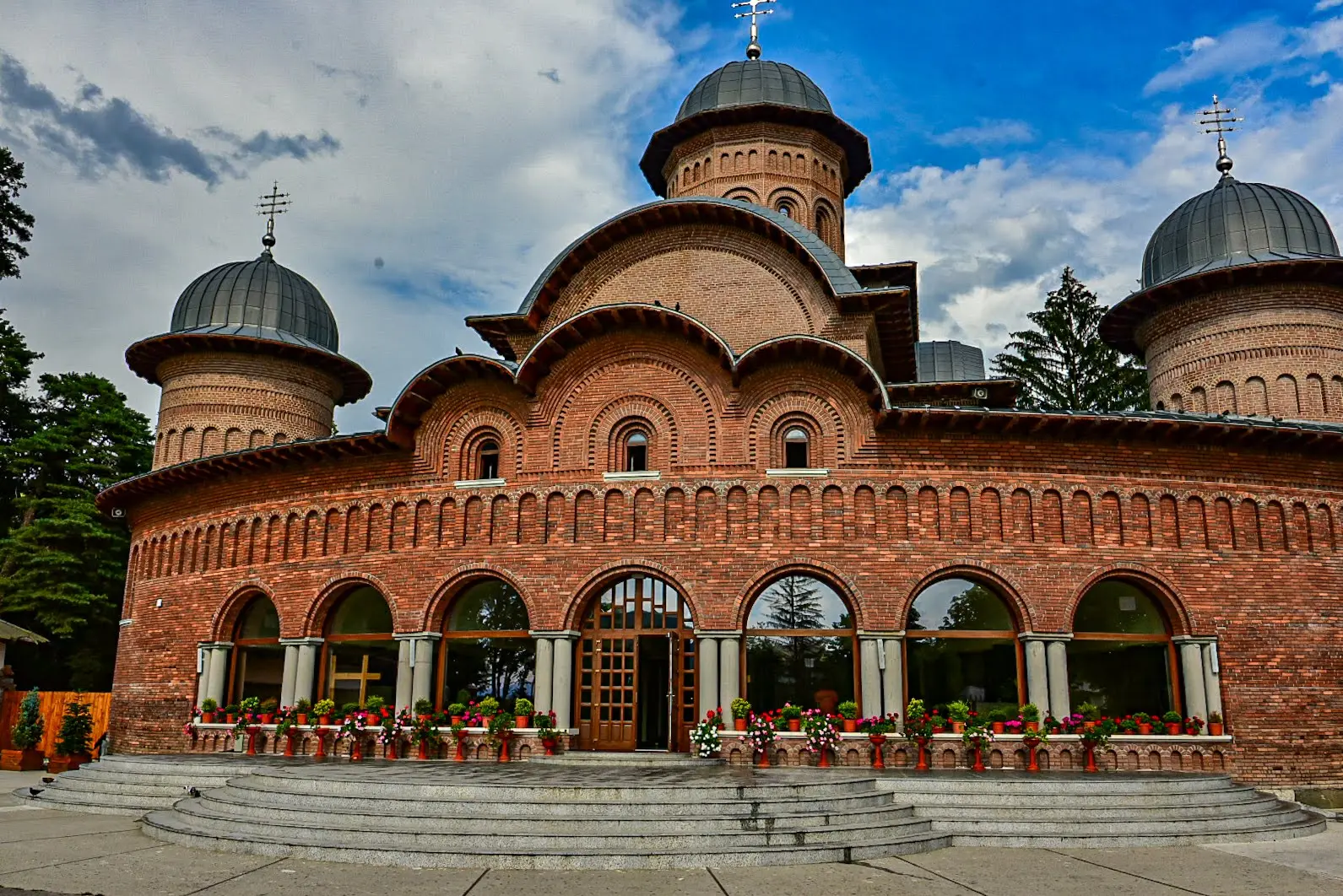
The Royal Necropolis of Curtea de Argeș lies within the grounds of the famous Curtea de Argeș Monastery, one of the most valuable monuments of Romanian religious architecture, founded in the sixteenth century by the ruler Neagoe Basarab. The monastery church, with its richly decorated facades and characteristic twisted spires, is tied to the celebrated legend of the master builder Manole, who is said to have built it at the price of a sacrifice. The necropolis shelters the tombs of several members of the Romanian royal family, among them King Carol I and Queen Elisabeth, as well as other sovereigns and members of the dynasty, which gives the place a profound national significance. The interior preserves funerary stones and decoration that evoke the solemnity of this royal pantheon. Set in a peaceful landscape, the monastery and its necropolis are a place of pilgrimage and an essential landmark of Romanian historical and spiritual heritage. A visit reveals the link between the monarchy and one of the country's most representative churches, in an ensemble of remarkable beauty.
 Museum
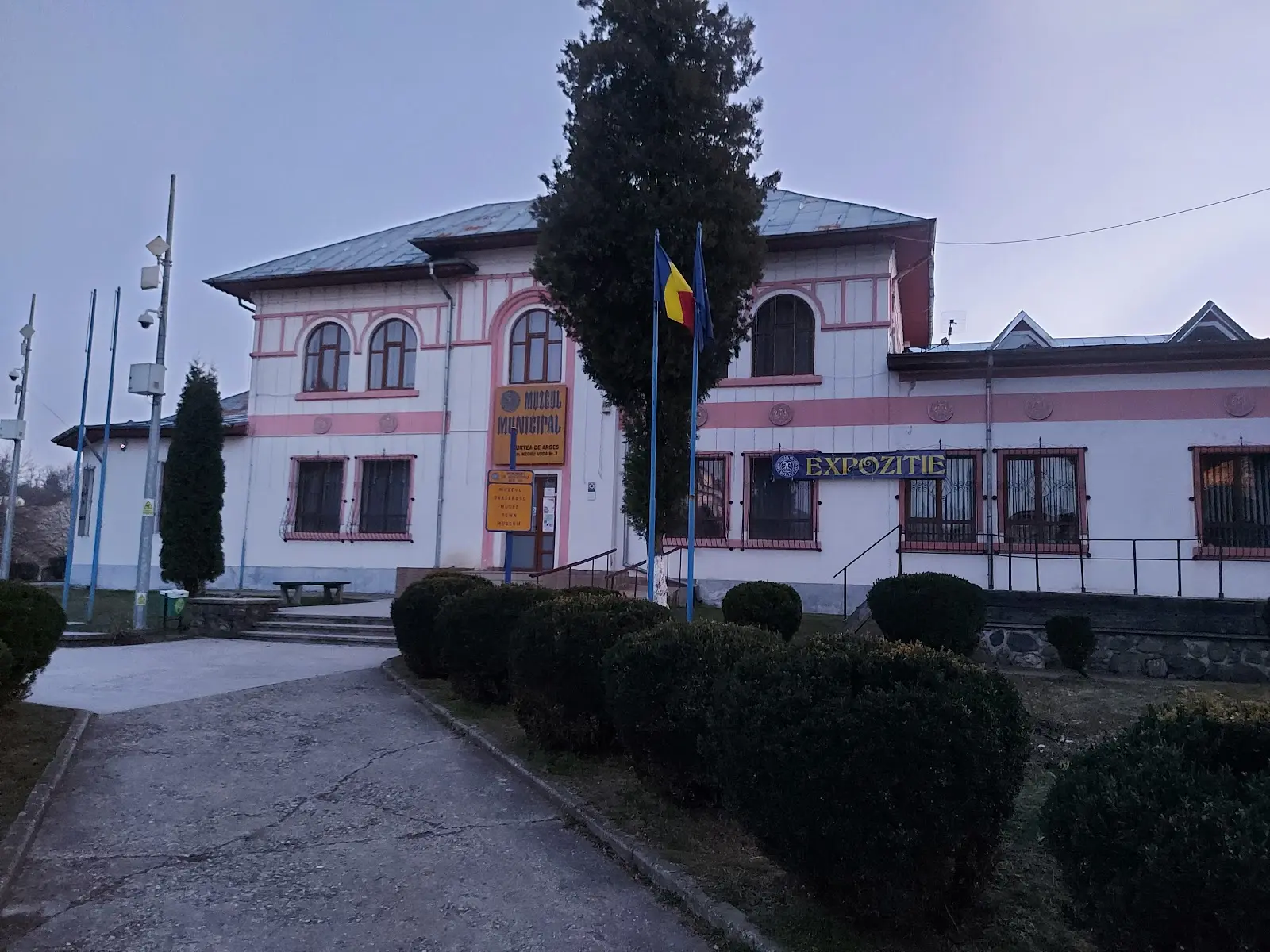
Muzeul Municipal Curtea de Argeș
The Municipal Museum of Curtea de Argeș presents the history of one of the oldest and most important medieval settlements in Wallachia, a town that was one of the first capitals of the Wallachian state and a centre of great political and religious importance. The museum's collections span archaeology, history, ethnography and art, offering visitors a comprehensive picture of the rich past of the area, set in the Argeș valley at the foot of the Southern Carpathians. Among the exhibits are archaeological remains, objects linked to medieval life and the princely court, ethnographic pieces and testimonies of local culture. The museum evokes the town's role in the founding and consolidation of Wallachia, as well as its connections with the emblematic monuments nearby, among them the Princely Church and the famous Curtea de Argeș Monastery. A visit to the museum is a good starting point for discovering the town's rich historical heritage, one of the most important medieval centres of Romania, with numerous landmark monuments.
 Castle
Cetatea Poenari
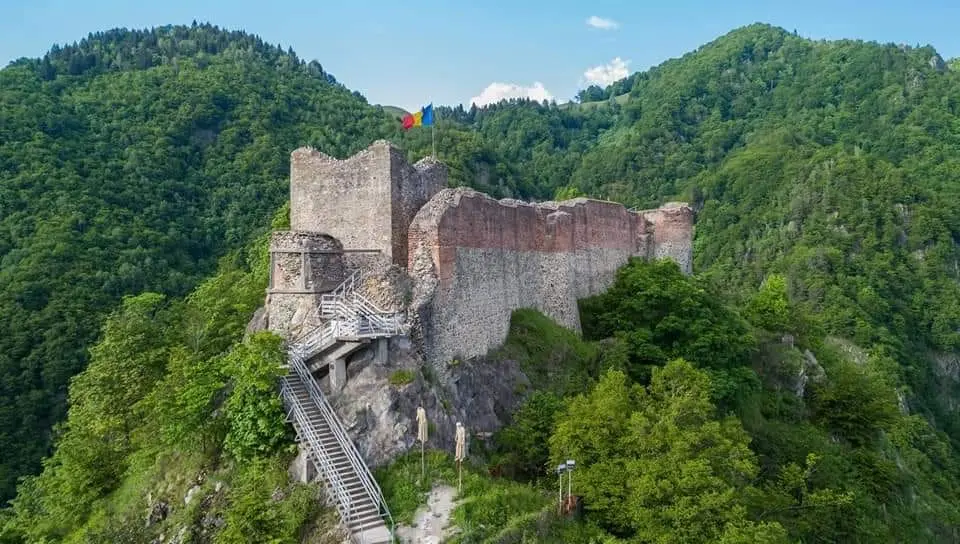
Poenari Fortress rises on a rocky crest of the Fagaras Mountains, above the Arges Valley near Curtea de Arges, and is regarded as one of the true strongholds of Vlad the Impaler. Originally raised in the thirteenth century and reinforced by the Wallachian ruler in the fifteenth century with the labour of prisoners, the fortress served for defence and refuge, in a strategic and hard-to-reach position. Today the fortress preserves walls, towers and fragments of walls that evoke medieval times. Access is by climbing more than fifteen hundred steps through a dense forest, an effort rewarded by the spectacular view over the mountains and the nearby Vidraru Lake. Poenari Fortress is closely tied to the legends of Dracula and draws many visitors eager to discover the authentic history behind these stories, within an impressive mountain setting that makes the climb worthwhile.
 Landmark
Fântâna lui Manole
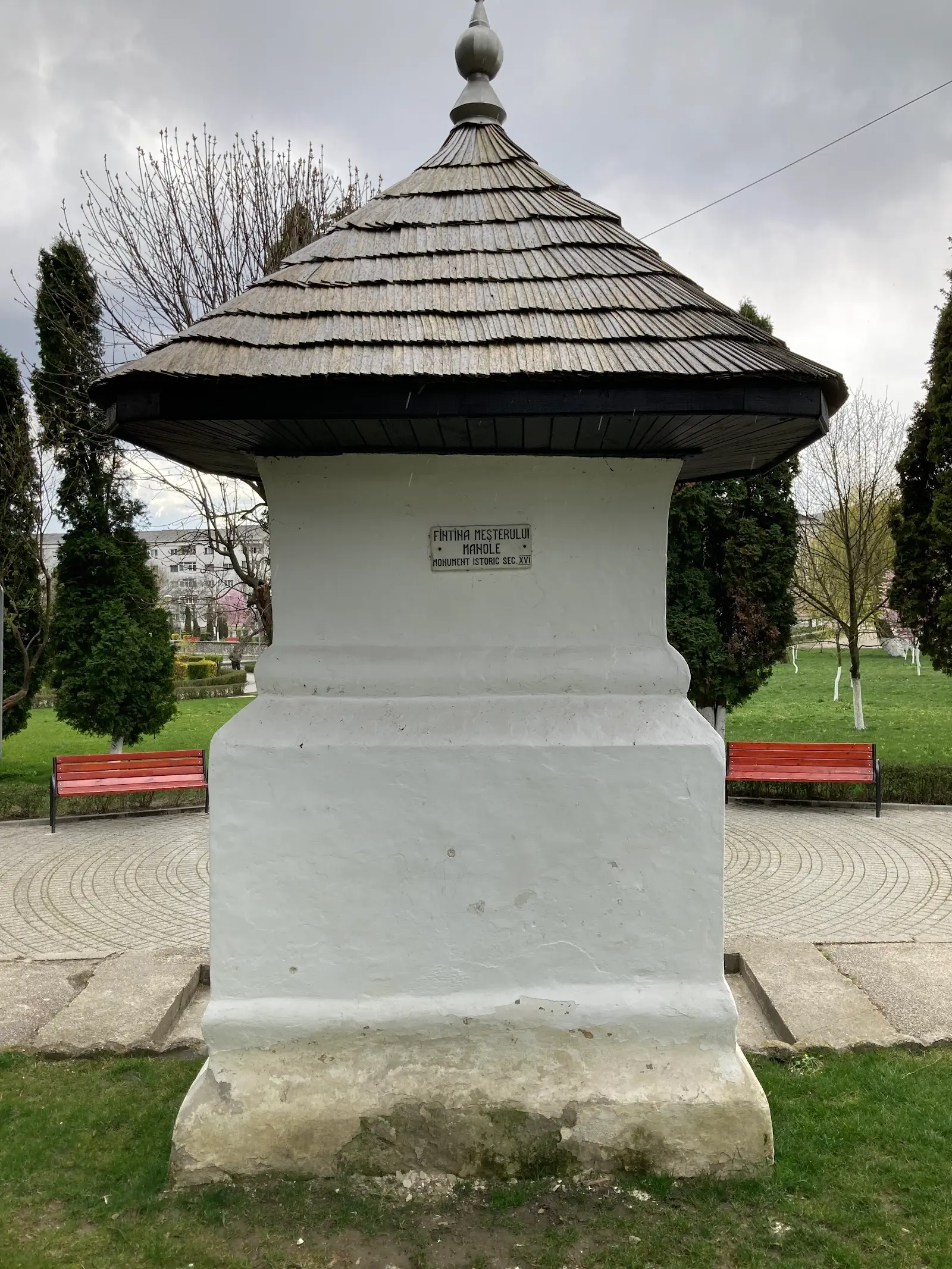
The Fountain of Manole in Câmpulung Muscel is a place tied to one of the best-known legends of Romanian folk culture, that of the master builder Manole, who built the monastery of Curtea de Argeș. According to the legend, so that the walls of the church would no longer collapse, the master is said to have built his wife into the foundation, and then, left without a way to come down from the roof after finishing the work, he tried to fly with improvised wings and fell, and from the spot where he touched the ground a fountain is said to have sprung. Folk tradition tied this spring to the memory of the tragic builder, making it a place of rest and reflection. The legend reflects the theme of creative sacrifice, present in many cultures. Set in the sub-Carpathian area of Muscel, the fountain connects to the rich tradition of the place. Visitors can find here a living page of Romanian folklore. It is worth combining the stop with discovering the town's other sights.
Plan your trip
Stay, tour and get there
Stays nearby
Stays in Argeș
Experiences
Tours & activities
Guided tours, day trips and hand-picked experiences via GetYourGuide — free cancellation on most.
See all experiencesGetting to Romania
Flights, transfer & car
Fly into Romania
Compare fares to Bucharest Otopeni (OTP) and regional airports — Cluj, Sibiu, Iași, Timișoara.
Airport transfer
Private, fixed-price door-to-door transfer — driver waiting from the moment you land.
Rent a car — see the real Romania
A rental car is the key to Romania: the Transfăgărășan, the painted monasteries of Bucovina, mountain roads and the villages of Maramureș that no train reaches.
Find a carKeep exploring