România Mea

Muzeul Municipal Curtea de Argeș
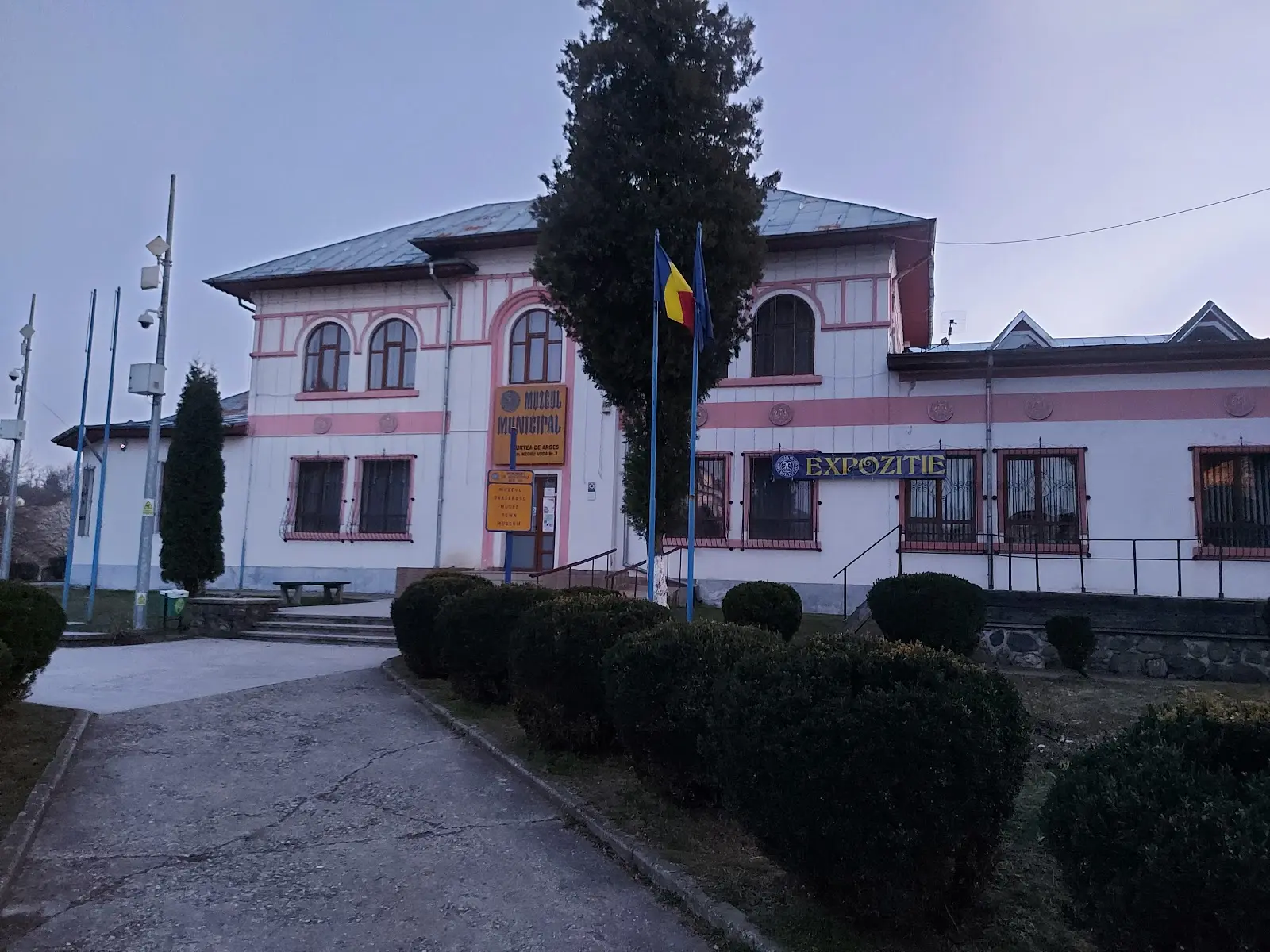
4.5(165 reviews)Strada Negru Vodă 2, 115300 Curtea de Argeș, România
Muzeul Municipal Curtea de Argeș
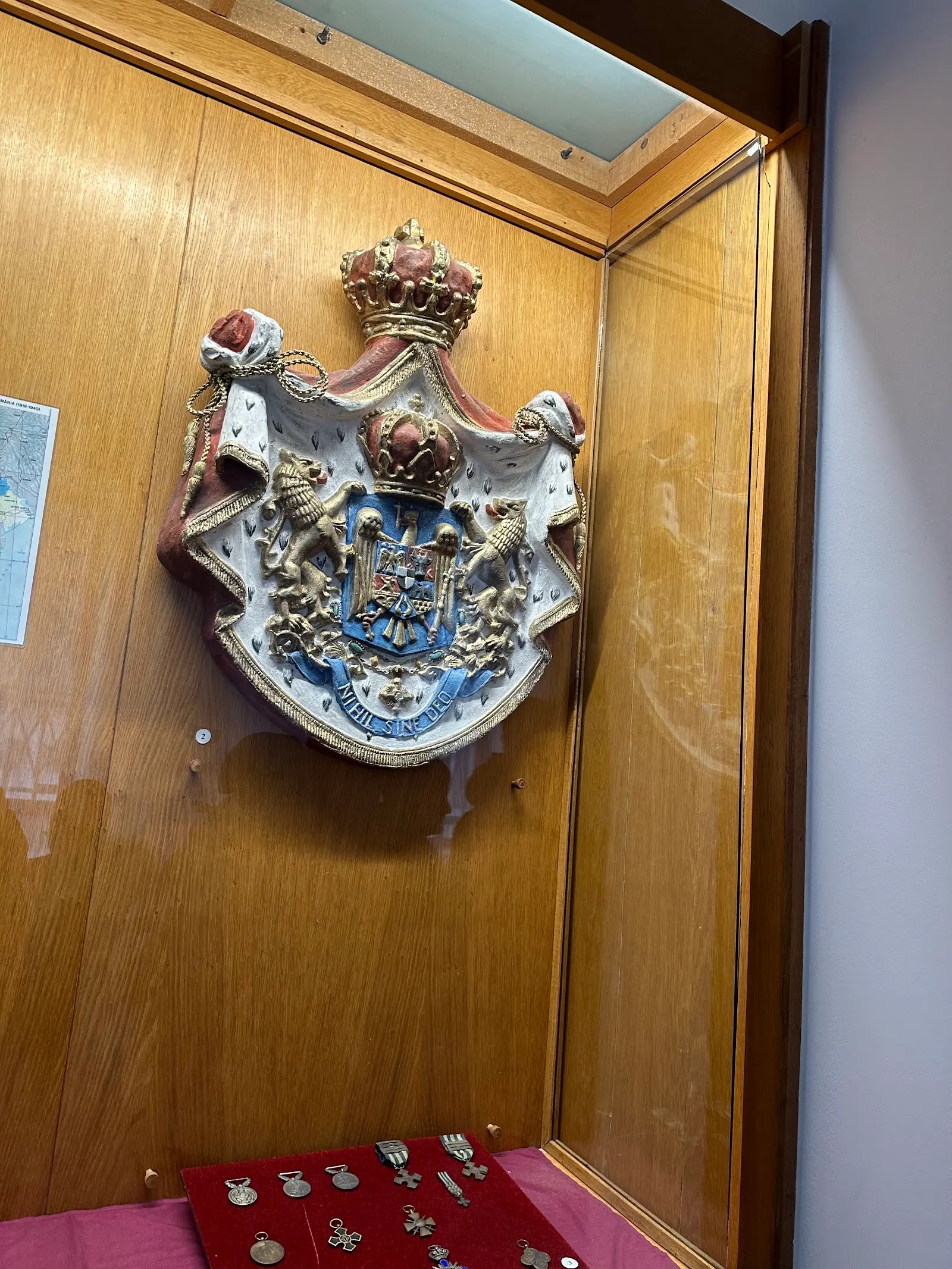
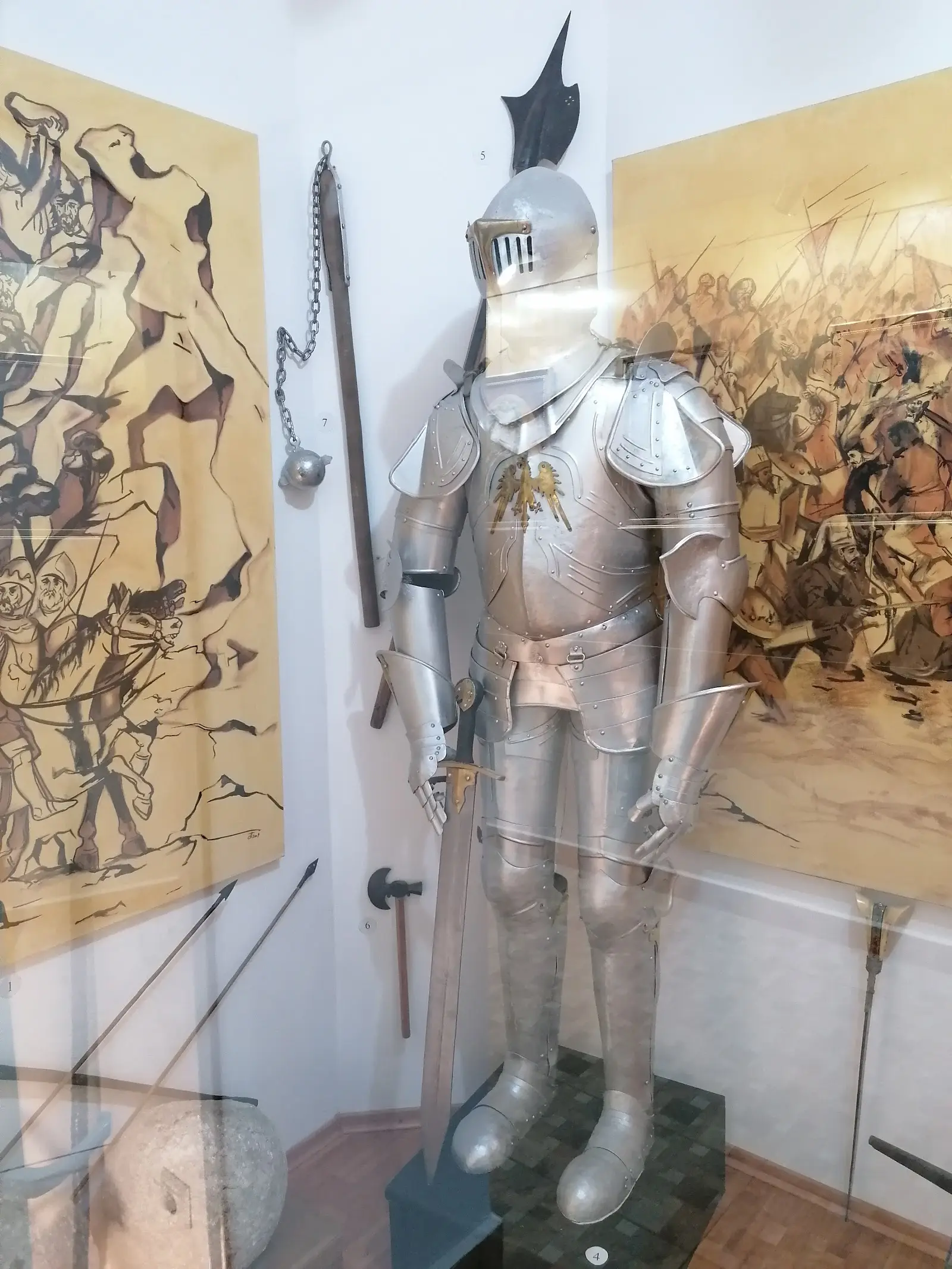
The Municipal Museum of Curtea de Argeș presents the history of one of the oldest and most important medieval settlements in Wallachia, a town that was one of the first capitals of the Wallachian state and a centre of great political and religious importance. The museum's collections span archaeology, history, ethnography and art, offering visitors a comprehensive picture of the rich past of the area, set in the Argeș valley at the foot of the Southern Carpathians. Among the exhibits are archaeological remains, objects linked to medieval life and the princely court, ethnographic pieces and testimonies of local culture.

The museum evokes the town's role in the founding and consolidation of Wallachia, as well as its connections with the emblematic monuments nearby, among them the Princely Church and the famous Curtea de Argeș Monastery. A visit to the museum is a good starting point for discovering the town's rich historical heritage, one of the most important medieval centres of Romania, with numerous landmark monuments.
Frequently asked questions

Where is Muzeul Municipal Curtea de Argeș?+

Muzeul Municipal Curtea de Argeș is located at Strada Negru Vodă 2, 115300 Curtea de Argeș, România, in Curtea de Argeș.

Is Muzeul Municipal Curtea de Argeș worth visiting?+

Yes — it holds a 4.5/5 rating from 165 visitor reviews.

Do I need to book tickets for Muzeul Municipal Curtea de Argeș?+

Popular sights can sell out — booking ahead online saves queuing.

What else is near Muzeul Municipal Curtea de Argeș?+

Nearby you'll find Mănăstirea Curtea de Argeș, Lacul Vidraru, Biserica Domnească Sfântul Nicolae.

Keep exploring

More of Curtea de Argeș

Explore Curtea de Argeș

See in Curtea de Argeș

See all
Mănăstirea Curtea de ArgeșMonastery

Mănăstirea Curtea de Argeș

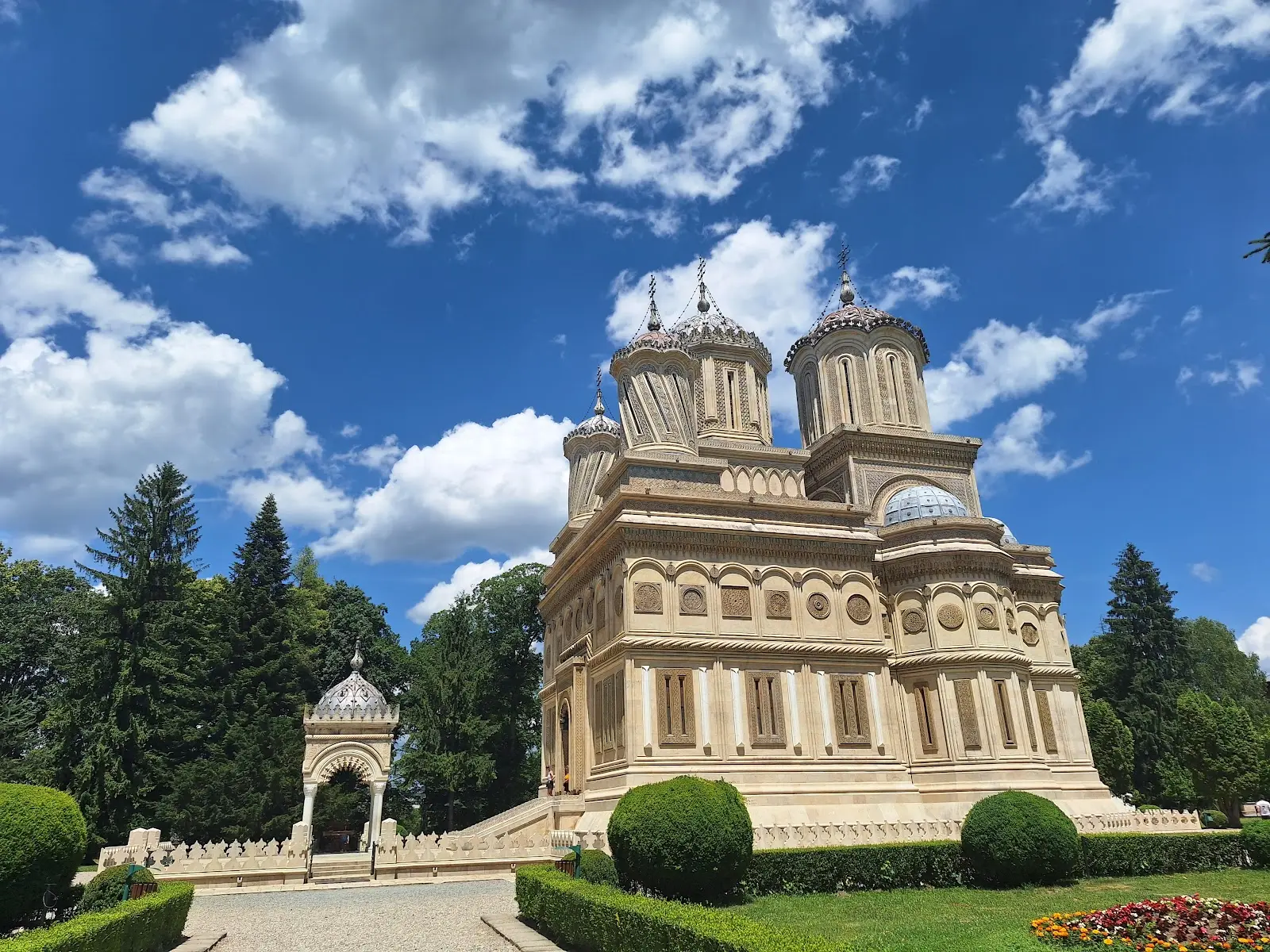
Curtea de Argeș Monastery is one of the most beautiful and legend-laden churches in Romania, a masterpiece of early 16th-century architecture built by the ruler Neagoe Basarab. Its finely carved stone façades, spires twisted like little spirals and rich ornamentation make it unique, a dialogue between Byzantine tradition and Oriental influences. To its name is bound the ballad of Master Manole, the legend of the mason who is said to have sacrificed his wife within the walls so that the church would endure. The church holds the tombs of the kings of Romania — the royal necropolis — giving it a double significance, spiritual and national. The tended gardens and the nearby Manole's Well complete the visit. It is a place of pilgrimage and a first-rank monument; modest dress is advised, and check the visiting schedule.

4.7(21,206 reviews)
Lacul VidraruNature

Lacul Vidraru

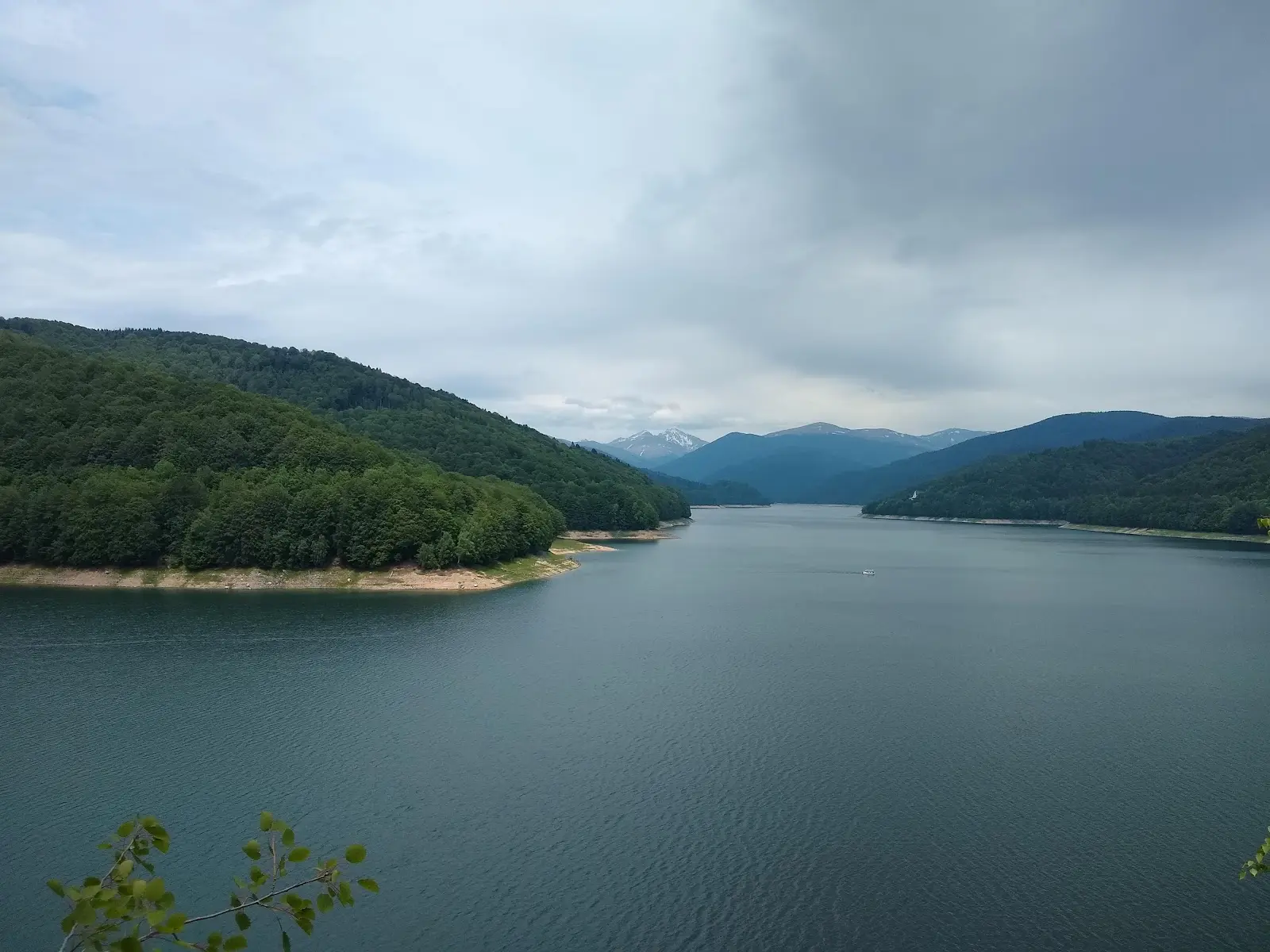
Lake Vidraru is an impressive reservoir located in the Fagaras Mountains, on the Arges River, formed after the construction in the 1960s of the Vidraru Dam, a remarkable engineering work of the era, with a very tall concrete arch anchored between the mountain slopes. The lake, its greenish-blue waters stretching between forested ridges, offers a spectacular landscape, especially seen from the crest of the dam or from the hairpins of the Transfagarasan, the famous high-altitude road that passes beside it. Above the dam watches the monumental statue known as Electricity, a symbol of hydropower. The area is an attraction for tourists, who can go boating, admire the views or continue towards the heights of the Fagaras. The setting blends wild nature with large-scale engineering. Practical note: the best time to visit is summer, when the Transfagarasan is open; check the road status, as the high pass closes in winter.

4.7(2,597 reviews)
Biserica Domnească Sfântul NicolaeChurch

Biserica Domnească Sfântul Nicolae

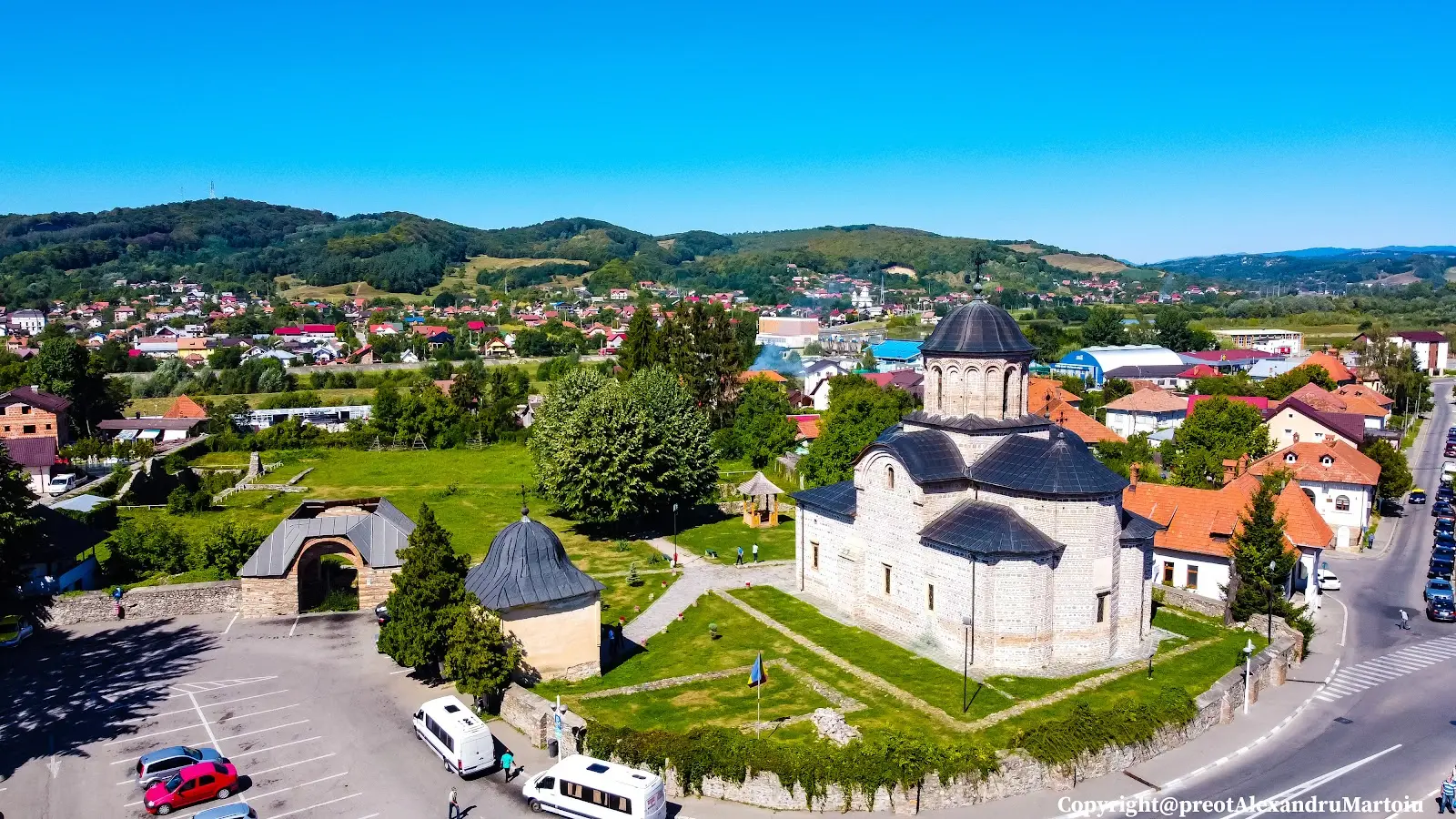
The Princely Church of Saint Nicholas in Curtea de Arges is one of the most valuable monuments of medieval Romanian architecture, raised in the 14th century in the time of the rulers Basarab I and Nicholas Alexander as the church of the voivodal court of Wallachia. Built on an inscribed Greek-cross plan, with walls of brick and stone laid in alternating courses, it preserves an ensemble of exceptional frescoes, among the oldest and best preserved in the Romanian lands. Several rulers and members of the princely family were buried here, making the church an important medieval pantheon. The plain exterior contrasts with the richness of the interior painting, which reflects Byzantine influence. The monument stands in the centre of the old capital town of Curtea de Arges, near other remains of the princely court. It is an essential site for understanding the beginnings of the medieval Wallachian state.

4.6(579 reviews)

Eat in Curtea de Argeș

See all

Stay in Curtea de Argeș

See all

Plan your Romania

From the Carpathians to the Black Sea — let's plan the trip together.

Ask us anything or get a tailored itinerary — from the best time to go to the road that ties it all together.

Our network

More of Romania, in depth

Dedicated portals for the places that deserve a site of their own.