România Mea

Mănăstirea Negru Vodă
4.7(1,601 reviews)Strada Negru Vodă 64, 115100 Câmpulung, România
Mănăstirea Negru Vodă
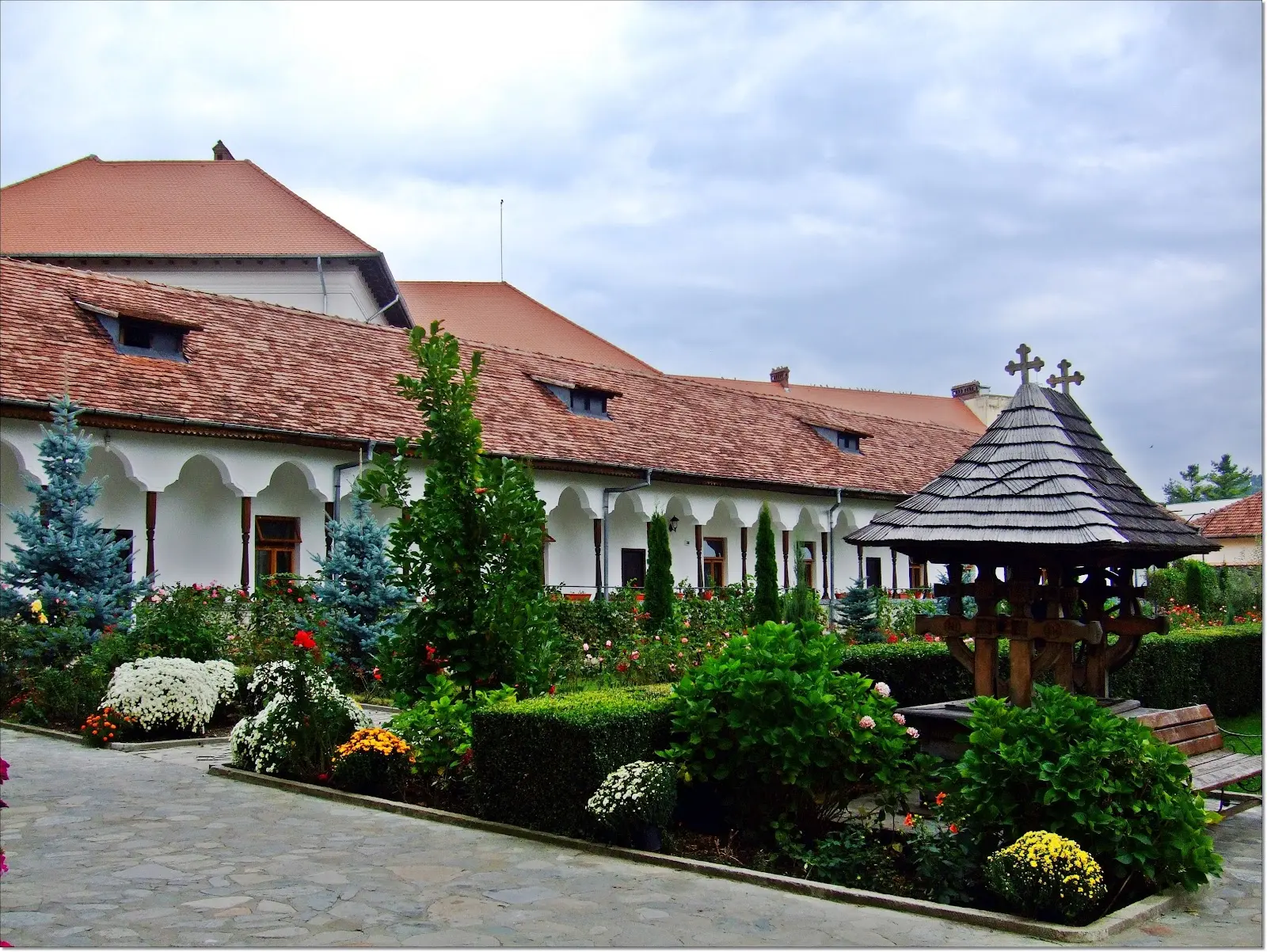
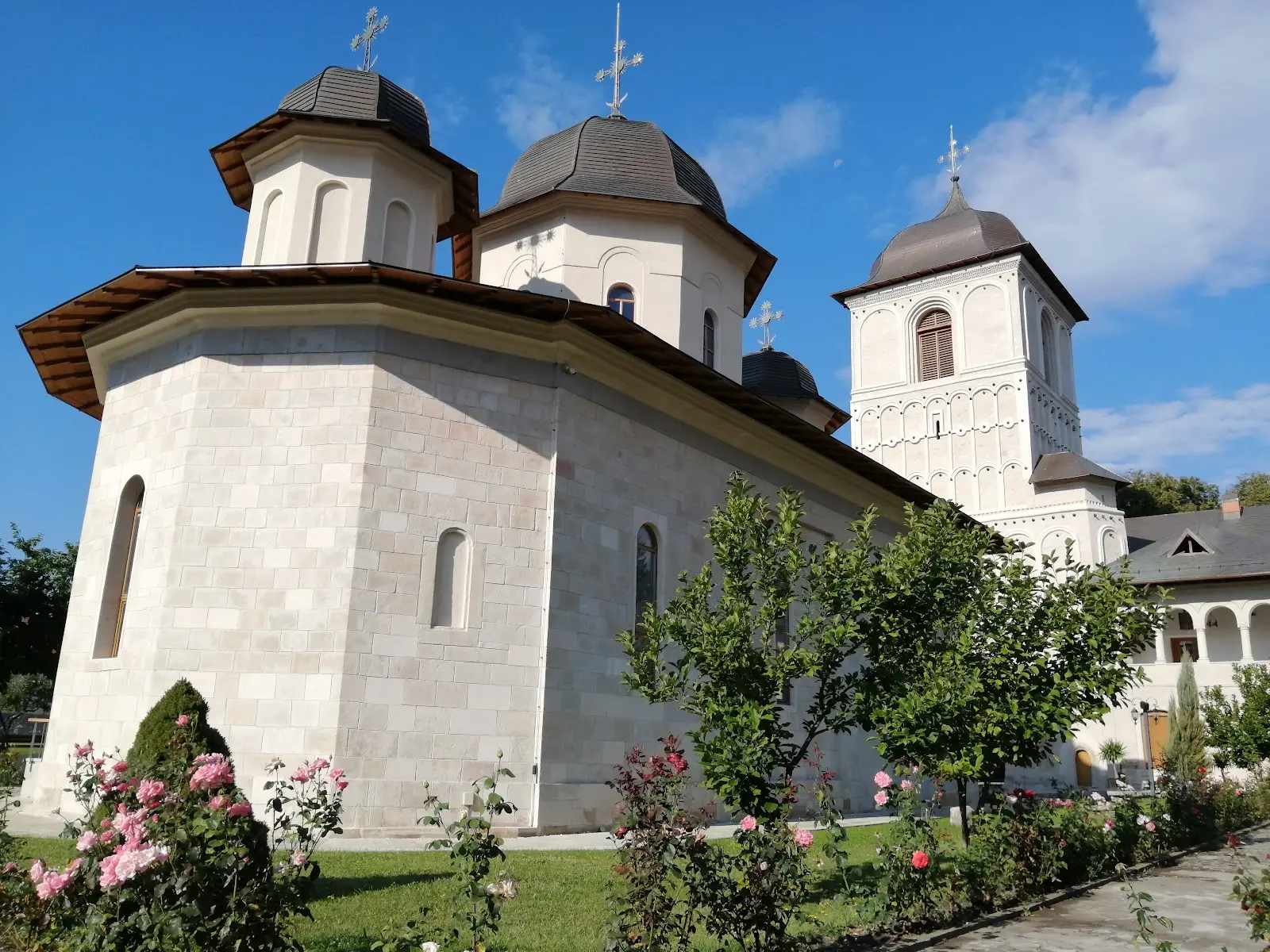
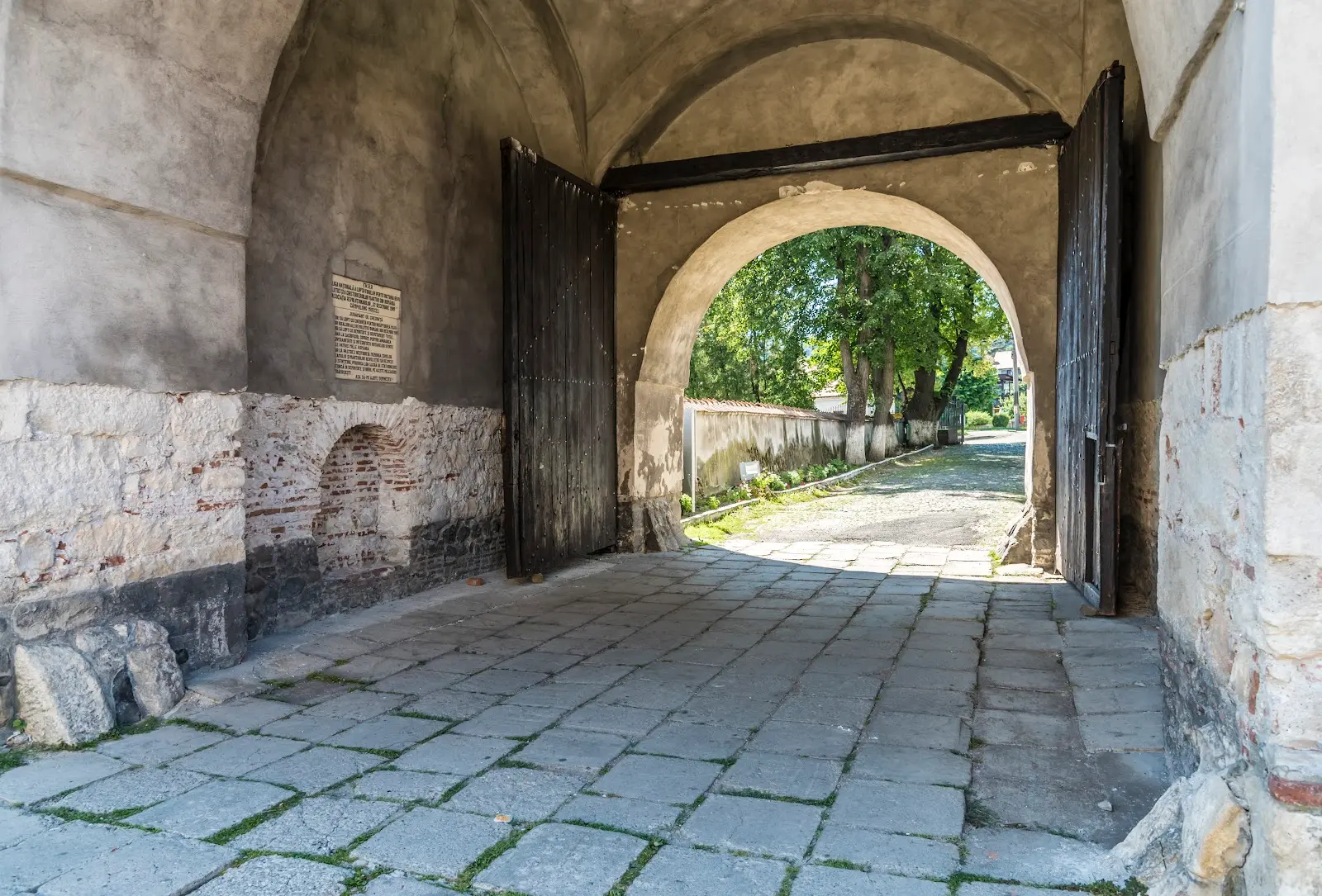
Negru Vodă Monastery in Câmpulung Muscel is one of the oldest foundations in Wallachia, tied to the name of the legendary voivode Negru Vodă and to the very beginnings of the medieval Wallachian state. The present ensemble, with its massive stone church rebuilt after earthquakes in the 17th and 18th centuries, preserves old tombstones and inscriptions that testify to the antiquity of the site. Tradition holds that the tomb of Nicolae Alexandru Basarab lies here, which makes the monastery a key reference point for the history of the Basarab dynasty.

Visitors find a quiet monastic complex with enclosure walls, cells and a bell tower, set within Câmpulung itself, the first capital of Wallachia. The atmosphere is one of reflection, while the wealth of historical detail makes it rewarding for those drawn to Romania's medieval past. It is easily reached on foot from the town centre and makes a valuable cultural and spiritual stop on the way toward the Argeș mountains.
Frequently asked questions

Where is Mănăstirea Negru Vodă?+

Mănăstirea Negru Vodă is located at Strada Negru Vodă 64, 115100 Câmpulung, România, in Câmpulung Muscel.

Is Mănăstirea Negru Vodă worth visiting?+

Yes — it holds a 4.7/5 rating from 1,601 visitor reviews.

Do I need to book tickets for Mănăstirea Negru Vodă?+

Popular sights can sell out — booking ahead online saves queuing.

What else is near Mănăstirea Negru Vodă?+

Nearby you'll find Mănăstirea Nămăești, Muzeul Municipal Câmpulung, Mausoleul Mateiaș.

Keep exploring

More of Câmpulung Muscel

Explore Câmpulung Muscel

See in Câmpulung Muscel

See all
Mănăstirea NămăeștiChurch

Mănăstirea Nămăești

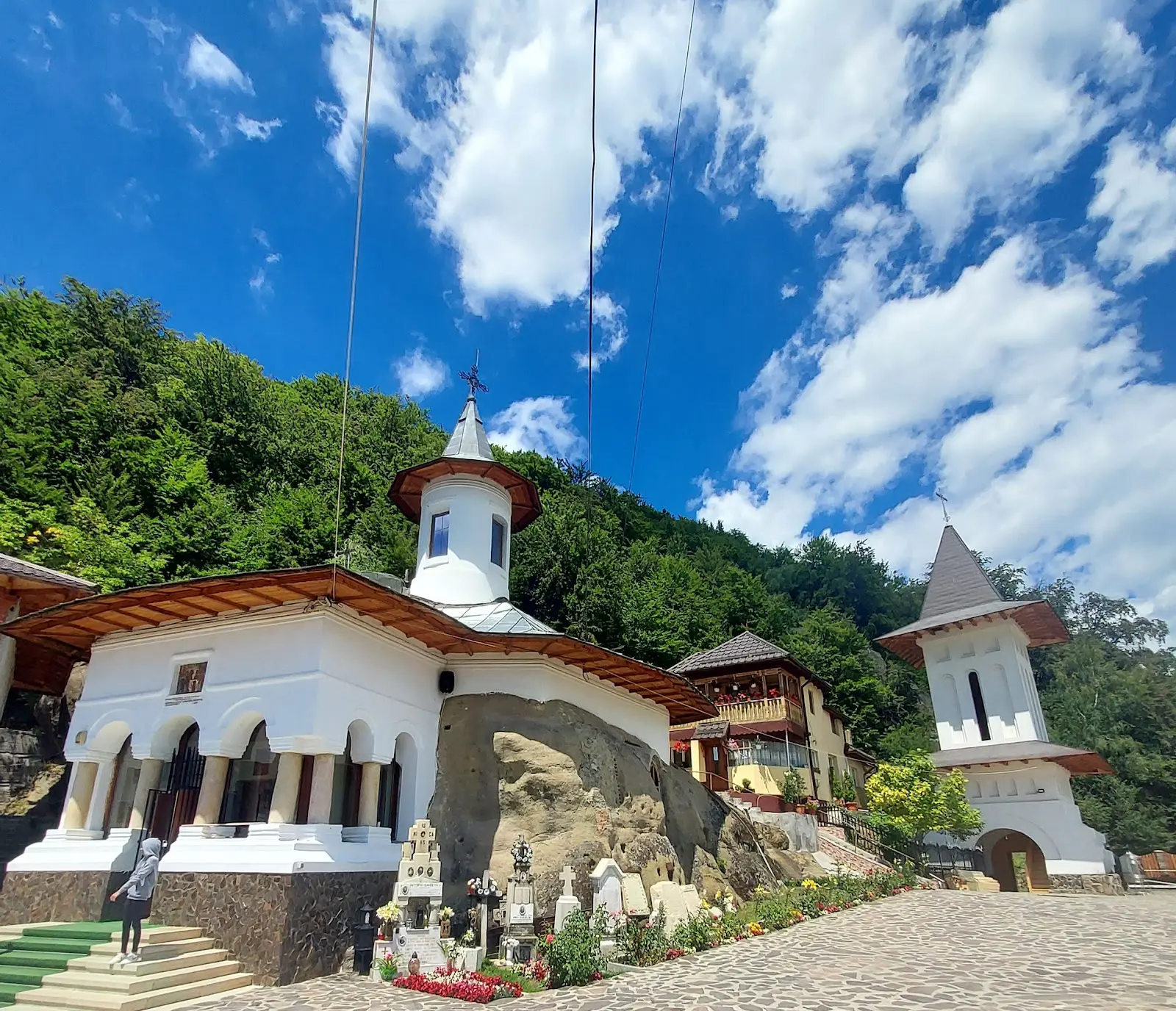
Namaesti Monastery, located near Campulung Muscel, is an entirely special place because its church is carved directly into the rock, a rare feature in the Romanian monastic landscape. Set on a ridge, the monastery is of great age, tradition linking it to very distant times, and the rock-cut space of the church creates a distinctive atmosphere of contemplation, with stone walls that convey a feeling of intimacy and mystery. Here is kept a miracle-working icon greatly venerated by pilgrims, which makes this place an important pilgrimage destination in the Muscel area. From the monastery courtyard open beautiful views over the sub-Carpathian hills covered with forests and hayfields. The monastic community of nuns maintains the atmosphere of quiet and prayer. Practical note: the access road climbs among the hills, and the visit can be combined with exploring the historic area of Campulung; decent attire is recommended.

4.7(2,955 reviews)
Muzeul Municipal CâmpulungMuseum

Muzeul Municipal Câmpulung

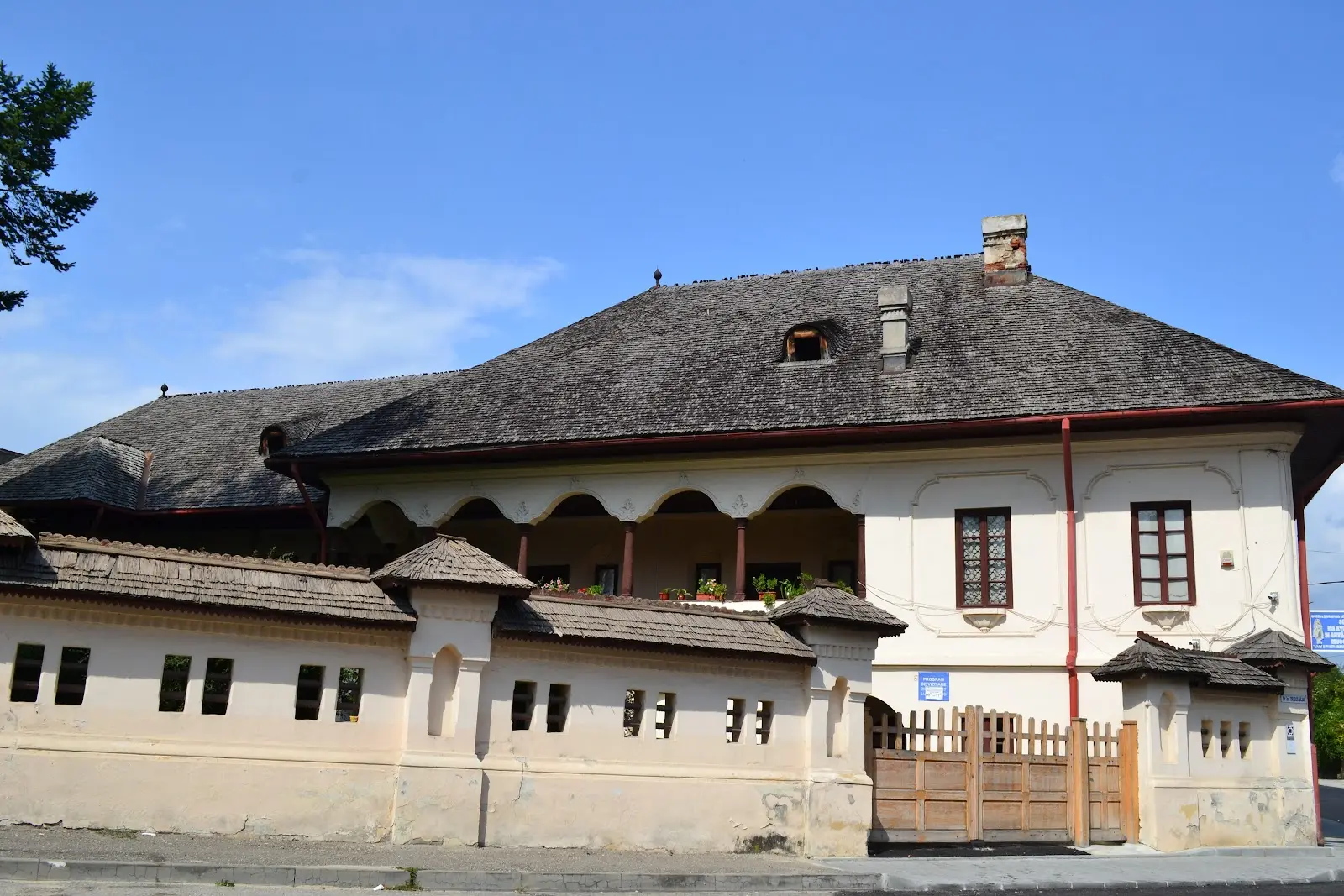
The Municipal Museum of Câmpulung Muscel presents the history of one of the oldest urban settlements in Wallachia, a town that was, according to tradition, the first capital of the medieval Wallachian state. The museum's collections span archaeology, history, ethnography and art, offering visitors a comprehensive picture of the rich past of the Muscel region, set at the foot of the Southern Carpathians in Argeș county. Among the exhibits are archaeological finds from the surroundings, objects linked to medieval life and princely traditions, ethnographic pieces, folk costumes and works of art that illustrate the creativity of the local communities. The museum also evokes the town's connections with the founding of Wallachia and with the voivodal figures who shaped its history. Câmpulung Muscel preserves numerous historic monuments, among them the Negru Vodă monastery, which makes a visit to the museum a good starting point for discovering the local heritage. The institution is an important cultural landmark of this region with deep historical roots.

4.7(195 reviews)
Mausoleul MateiașLandmark

Mausoleul Mateiaș

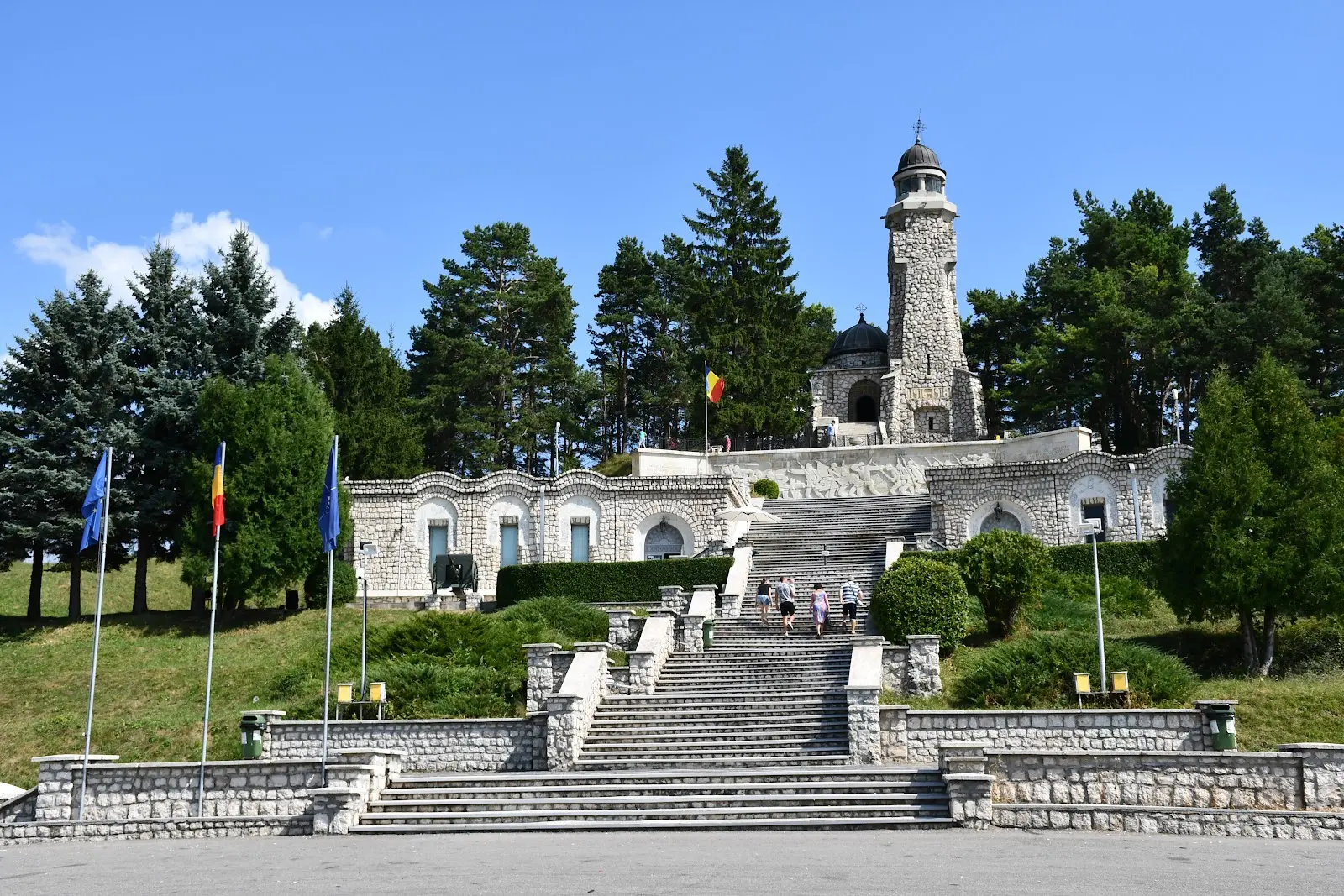
The Mateiaș Mausoleum is an imposing memorial raised on the hill of the same name near Câmpulung Muscel, honouring the memory of the Romanian soldiers who fell in the battles of the Muscel region during the First World War. The structure, completed between the wars and later modernised, takes the form of a massive stone fortress with a commanding cross and a crypt sheltering the remains of thousands of heroes. Its dominant position, on a plateau overlooking the Târgului River valley and the road toward Bran and Rucăr, gives it both symbolic value and wide panoramas over the sub-Carpathian hills. The interior holds commemorative plaques, a hall of honour and testimonies of the battles of 1916 and 1917, when Romanian troops fiercely defended the Carpathian passes. The monument is a place of remembrance and pilgrimage, especially on national holidays. Visitors are asked to keep a respectful attitude, fitting for a memorial dedicated to the fallen.

4.6(7,472 reviews)

Eat in Câmpulung Muscel

See all

Plan your Romania

From the Carpathians to the Black Sea — let's plan the trip together.

Ask us anything or get a tailored itinerary — from the best time to go to the road that ties it all together.

Our network

More of Romania, in depth

Dedicated portals for the places that deserve a site of their own.