Dobruja
Tulcea
The gateway to the Danube Delta, a UNESCO biosphere reserve.
Tulcea is the gateway to the Danube Delta, one of the largest and best-preserved deltas in Europe, a biosphere reserve inscribed on the UNESCO list. Set where the Danube splits into its final branches before flowing into the Black Sea, this town in northern Dobrogea is the logical base for any exploration of this unique watery land.
The town itself, spread along the Danube bank over several hills, has a pleasant waterfront from which boats set out into the delta. Worth visiting are the Danube Delta Museum and aquarium, which introduce the region's natural riches, and the Independence Monument on Colnic Hill, with views over the river.
The real attraction, however, is the Danube Delta: a labyrinth of channels, lakes and reed beds that shelters hundreds of bird species — among them pelicans, egrets and cormorants — isolated fishing villages such as Mila 23, Crișan or Sfântu Gheorghe, and landscapes of perfect stillness. Boat trips depart from Tulcea and can last from a few hours to several days. Delta cuisine centres on fish — saramură, storceag, fisherman's soup — a true delicacy.
Tulcea is reached by car or coach from Constanța and Bucharest, while the delta itself is accessible only by water. Spring through autumn is the best time, with spring ideal for birdwatching. Tulcea is worth visiting as the departure point for one of the most spectacular natural areas in Europe.
Where to stay
All stays →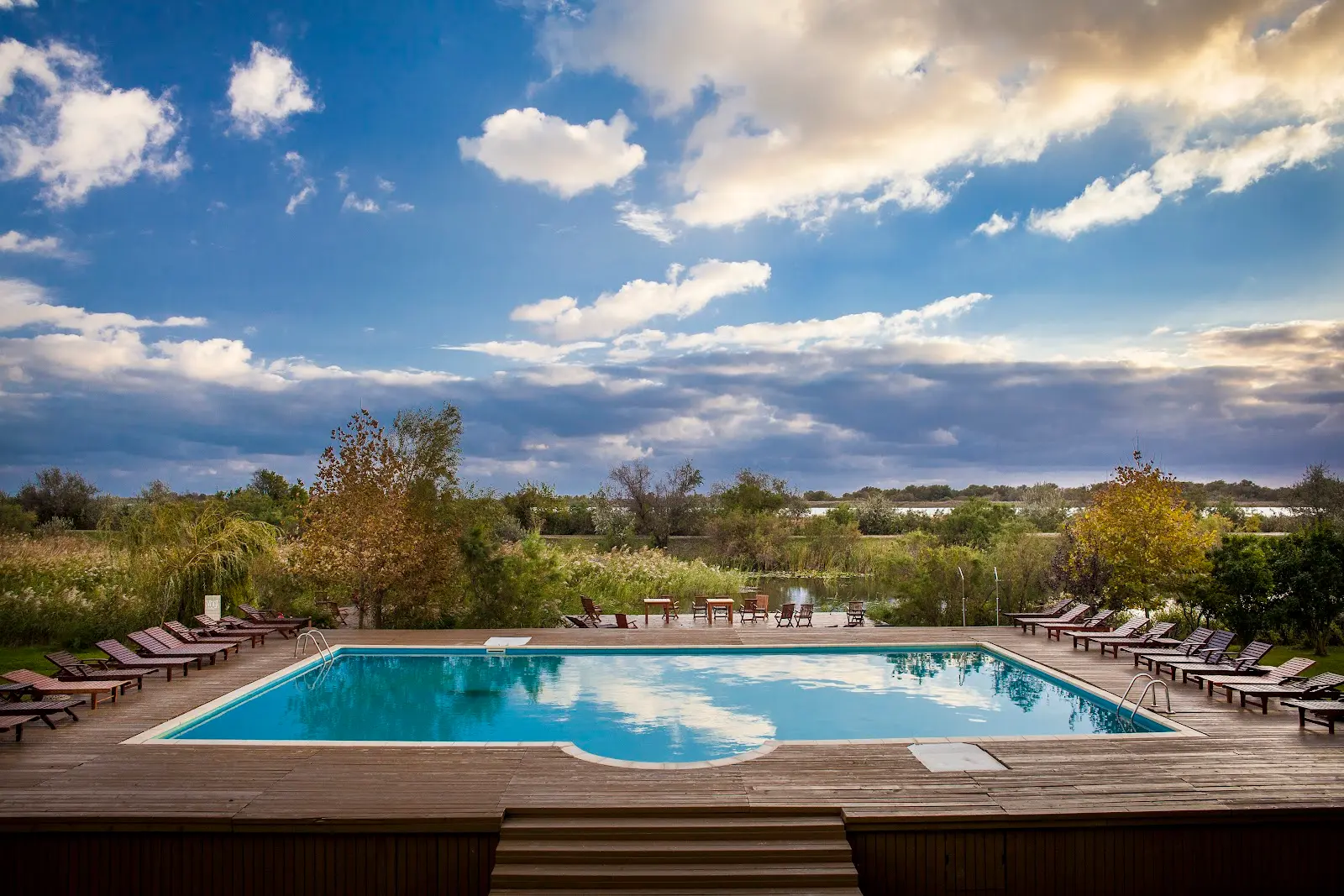 Resort
Green Village Resort Sfântu Gheorghe
Simple rooms and suites in a relaxed riverside resort with an outdoor pool, a spa and two restaurants.
 Resort
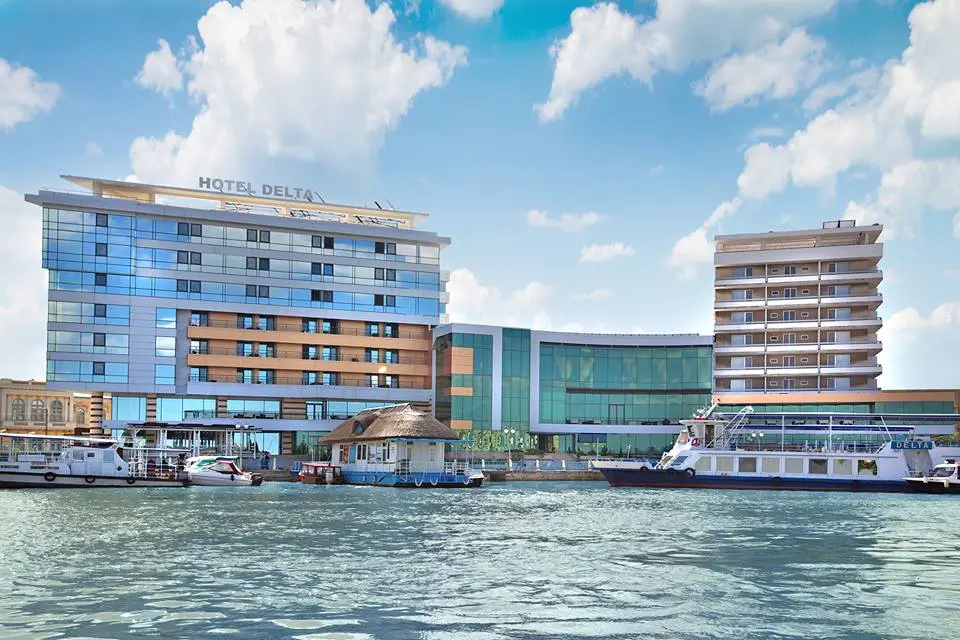
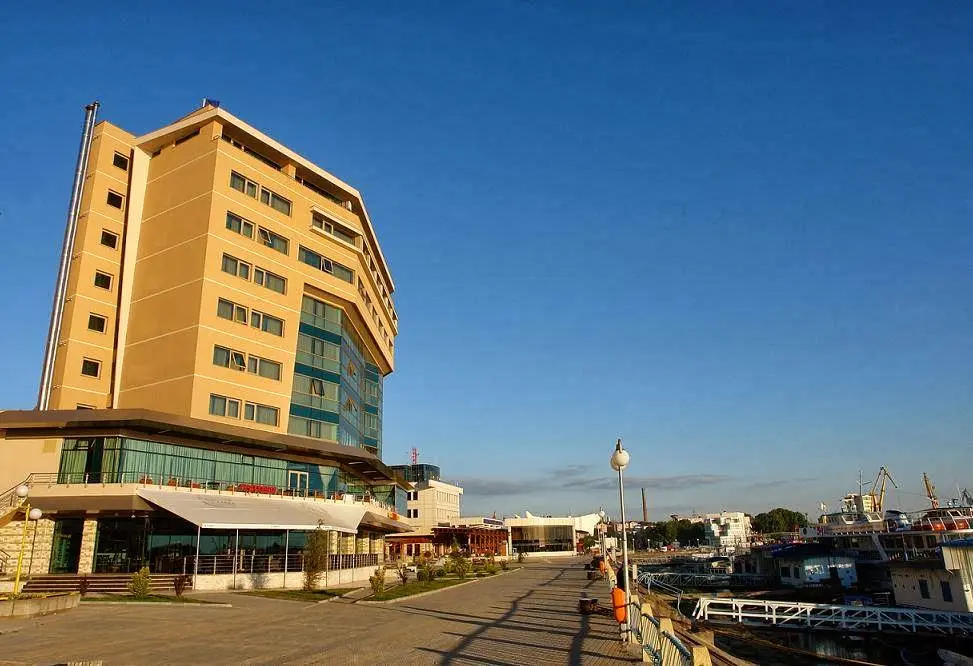
Delta Hotel Tulcea
Classic rooms and suites in a refined hotel with a spacious eatery, a bar and a chic spa centre.
 Boutique
Hotel Esplanada Tulcea
Relaxed accommodation offering welcoming rooms and suites, a restaurant with a terrace and river views.
Where to eat
All restaurants →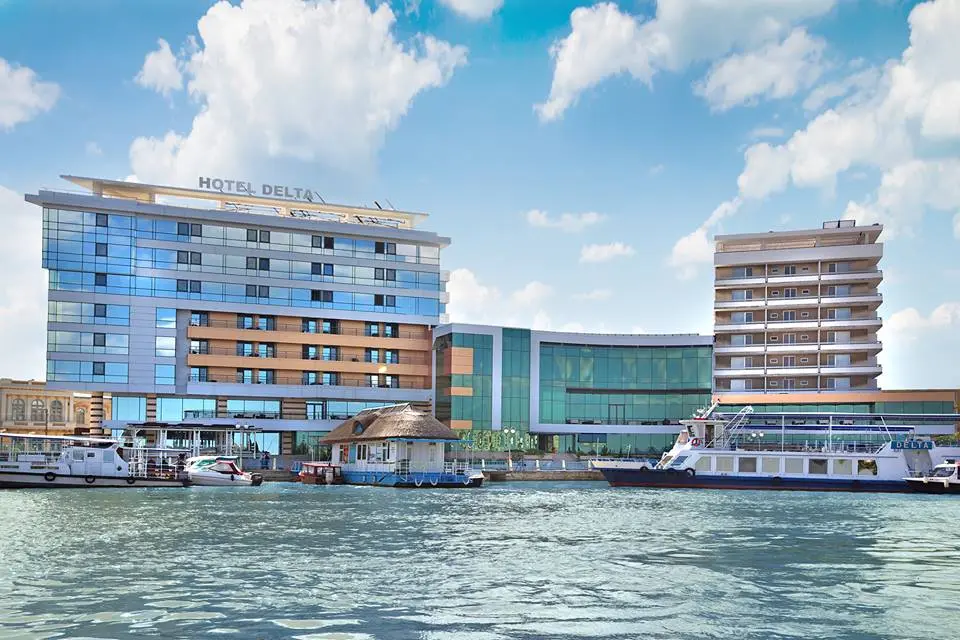
What to see
See all →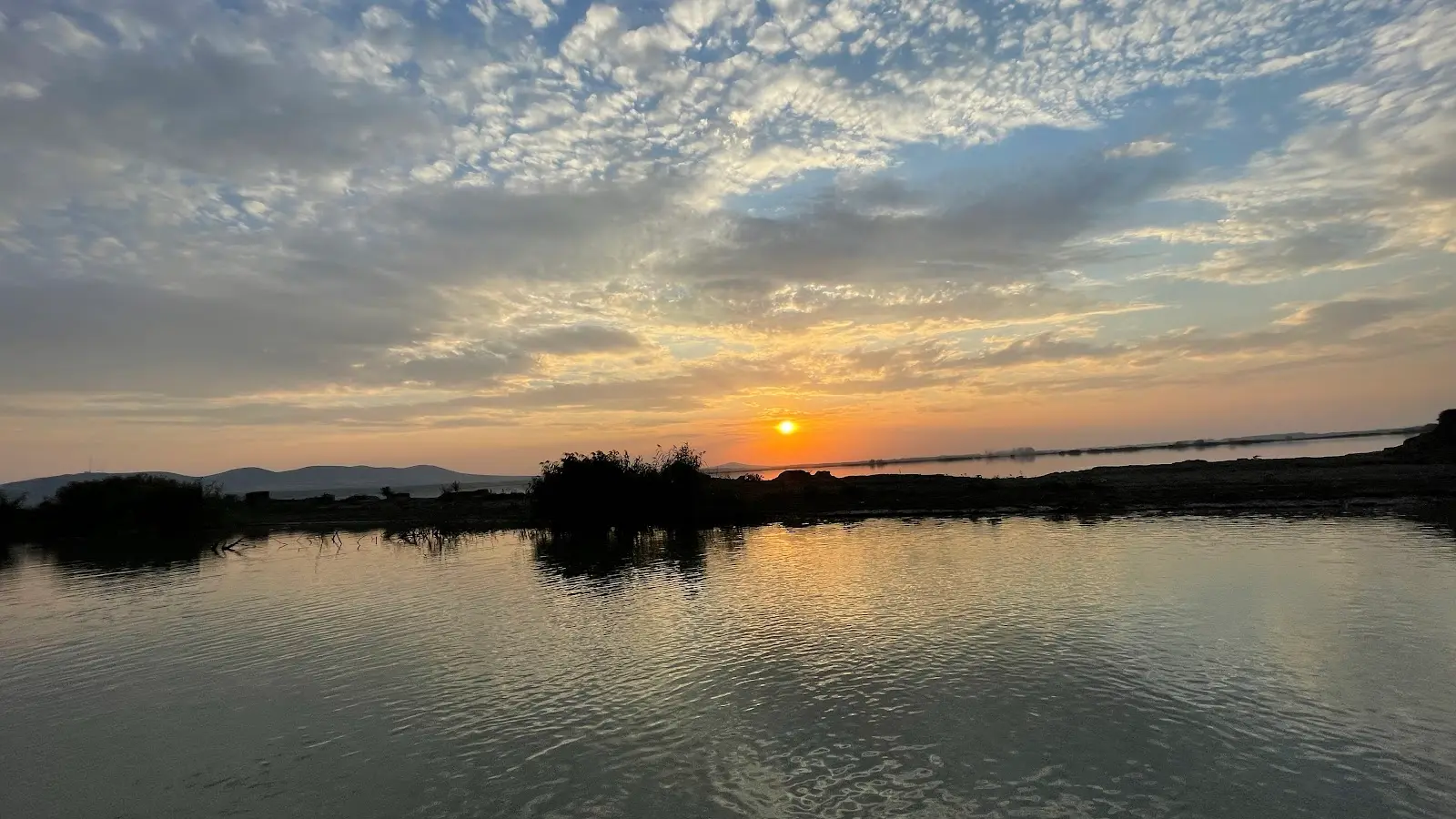 Delta
DeltaDelta Dunării
The Danube Delta is the largest and best-preserved delta in Europe, formed where the river Danube flows into the Black Sea near Tulcea, in Dobrogea. This labyrinth of branches, channels, lakes, reed beds and willow forests shelters an exceptional biodiversity, which is why it is included in the UNESCO World Heritage and declared a biosphere reserve. The delta is especially famous for its birdlife, with hundreds of bird species, among them the pelicans, which have their most important colony in Europe here, alongside cormorants, egrets, swans and numerous migratory birds. The landscape changes with the season and the water level, offering a unique natural spectacle. The locals, often of Lipovan origin, live from fishing and preserve distinctive traditions. Practical note: the best way to explore is by boat with a local guide, and sun protection, water and binoculars are useful for observing the birds in peace.
 Monastery
Mănăstirea Celic Dere
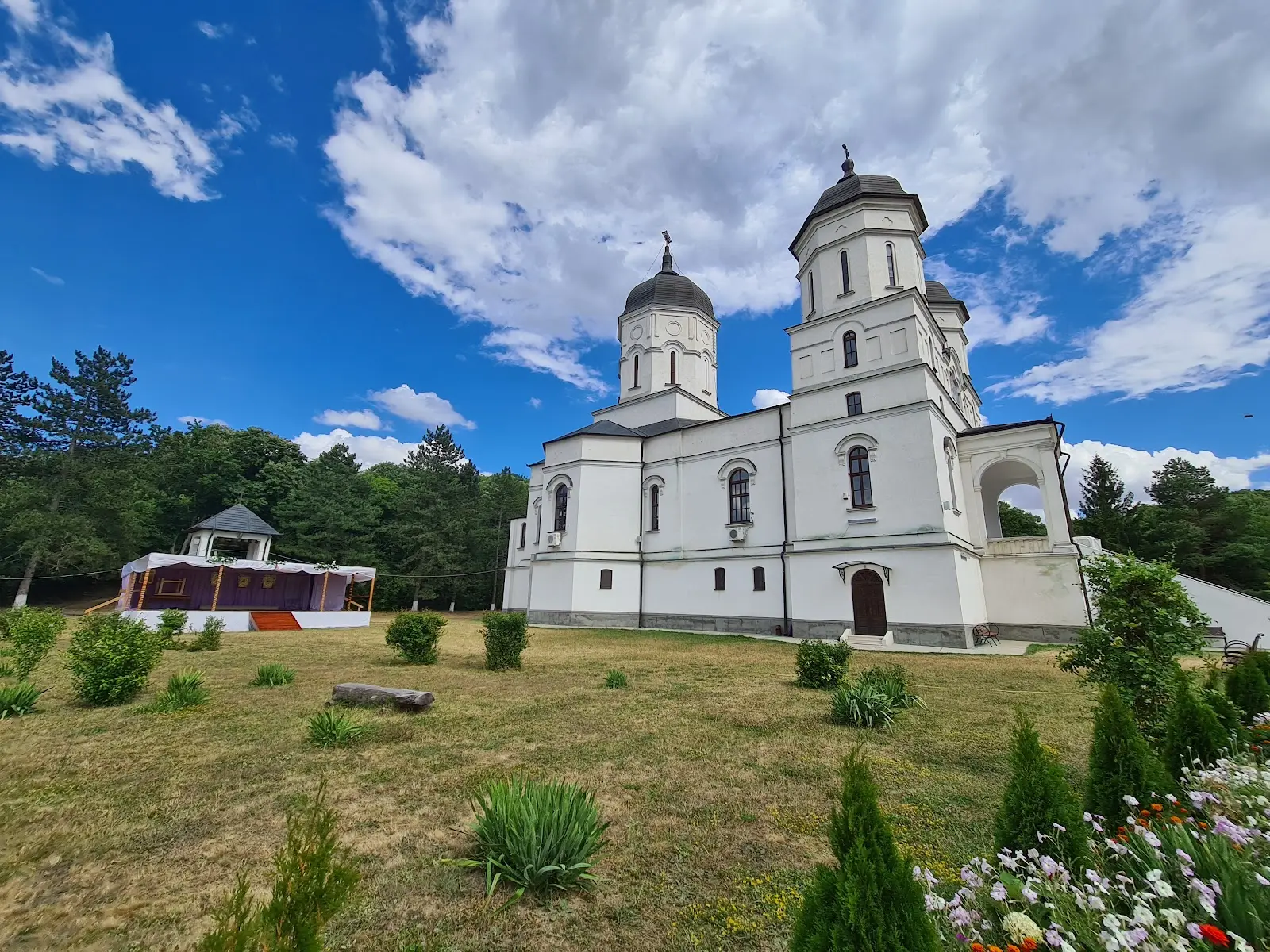
Celic Dere Monastery lies in northern Dobruja, on the road between Tulcea and Isaccea, in a landscape of wooded hills that contrasts with the dry steppe around it. The name comes from a Turkish phrase referring to a nearby stream, a reminder of Ottoman rule over the region. The settlement was founded in the second half of the nineteenth century by monks who came from Romanian-inhabited areas south of the Danube, and it quickly became an important centre of faith for the local community. The complex includes a large painted church, cells arranged around the enclosure, and a museum of religious art with old icons, ancient books, and embroidery made by the nuns. The place is known for its calm atmosphere and for a communal style of monastic life, where the nuns tend the household and the vineyard. Visitors can combine a spiritual stop with a walk through the surrounding hills.
 Nature
Murighiol
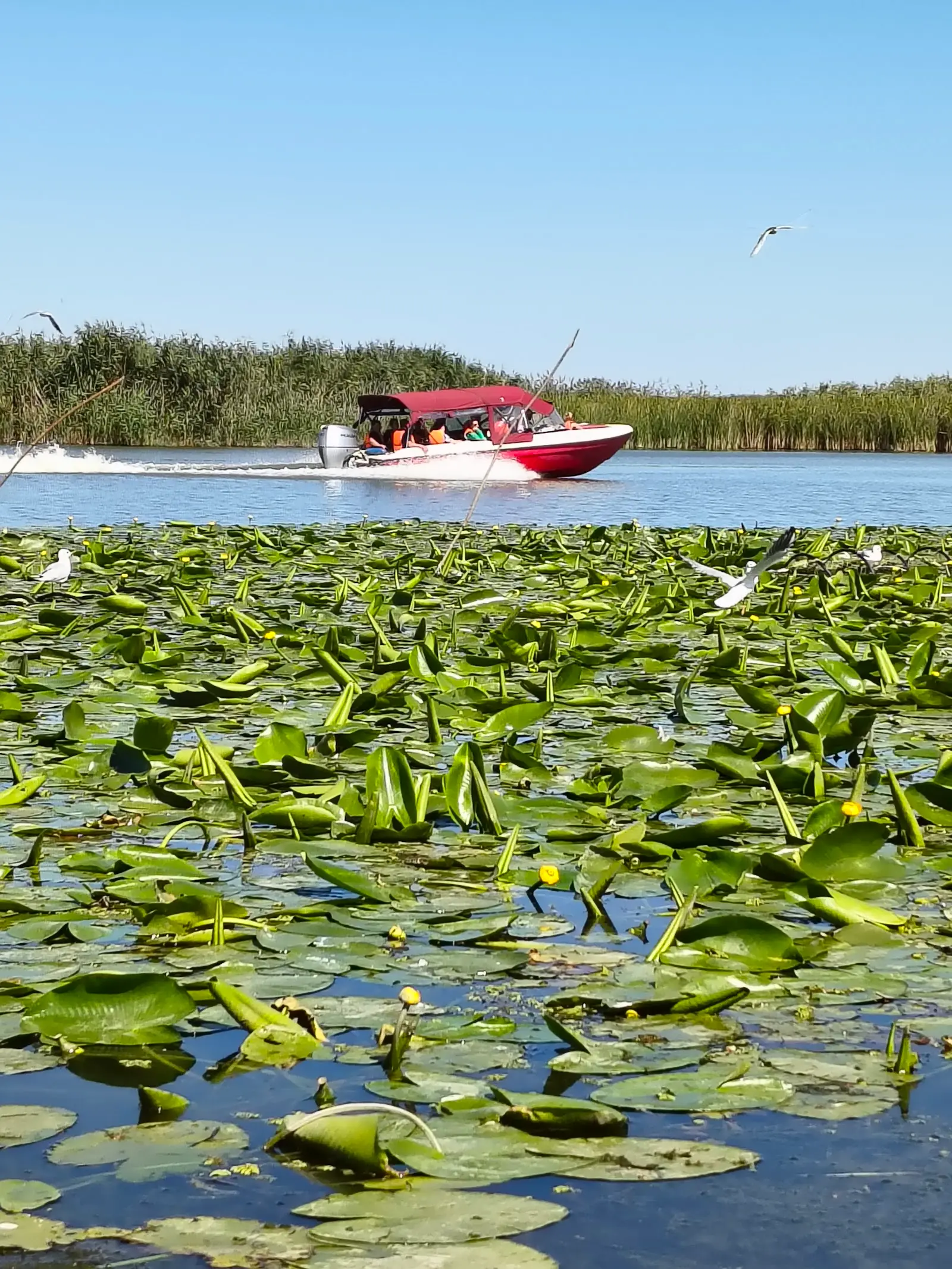
Murighiol is a village on the edge of the Danube Delta in Tulcea county, considered one of the main gateways into this unique wetland, inscribed on the UNESCO World Heritage list and declared a biosphere reserve. The village lies where dry land meets the labyrinth of channels, lakes and reed beds of the delta, serving as a departure point for boat trips into the heart of the marshes. Nearby stretches a shallow salt lake favoured by wetland birds and by birdwatching enthusiasts. The area hosts a rich diversity of birds, among them pelicans, egrets, cormorants and many migratory species, making Murighiol a sought-after destination for lovers of nature and photography. The ancient remains of a Roman-Byzantine fortress, known as Halmyris, lie close by and add a historical dimension to a visit. Murighiol combines the tranquillity of the delta landscape with the hospitality typical of the region's fishing villages.
 Mountain
Munții Măcin
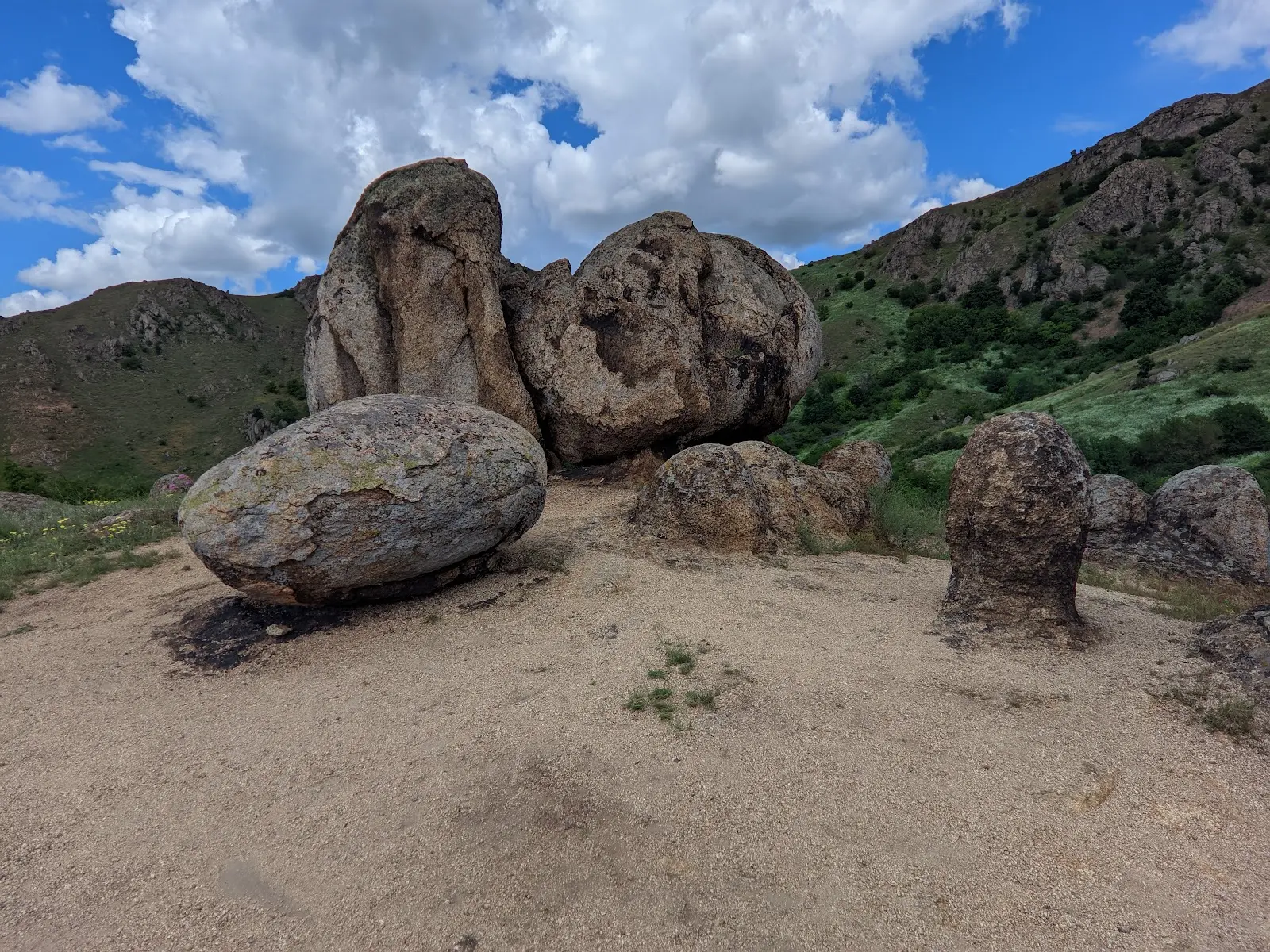
The Măcin Mountains, in the north of Dobrogea near Tulcea, are considered among the oldest mountains in Romania and even in Europe, the worn remnants of a Hercynian chain shaped by erosion over hundreds of millions of years. Although their altitudes are modest, rarely exceeding a few hundred metres, their scenery is surprisingly spectacular, with rocky granite crests, bare summits and slopes strewn with rounded boulders that take on unusual shapes. The area is protected by a national park that shelters remarkable biodiversity at the meeting of Mediterranean, Balkan and steppe climatic influences, with many rare plant species and birds of prey soaring above the ridges. The highest peak offers broad views over the Dobrogean plains and, on clear days, as far as the Danube. The hiking trails are accessible but exposed to sun and wind, so ample water and sun protection are advised. Măcin is a distinctive destination, contrasting sharply with the usual image of the coast.
 Delta
DeltaCanalul Sulina
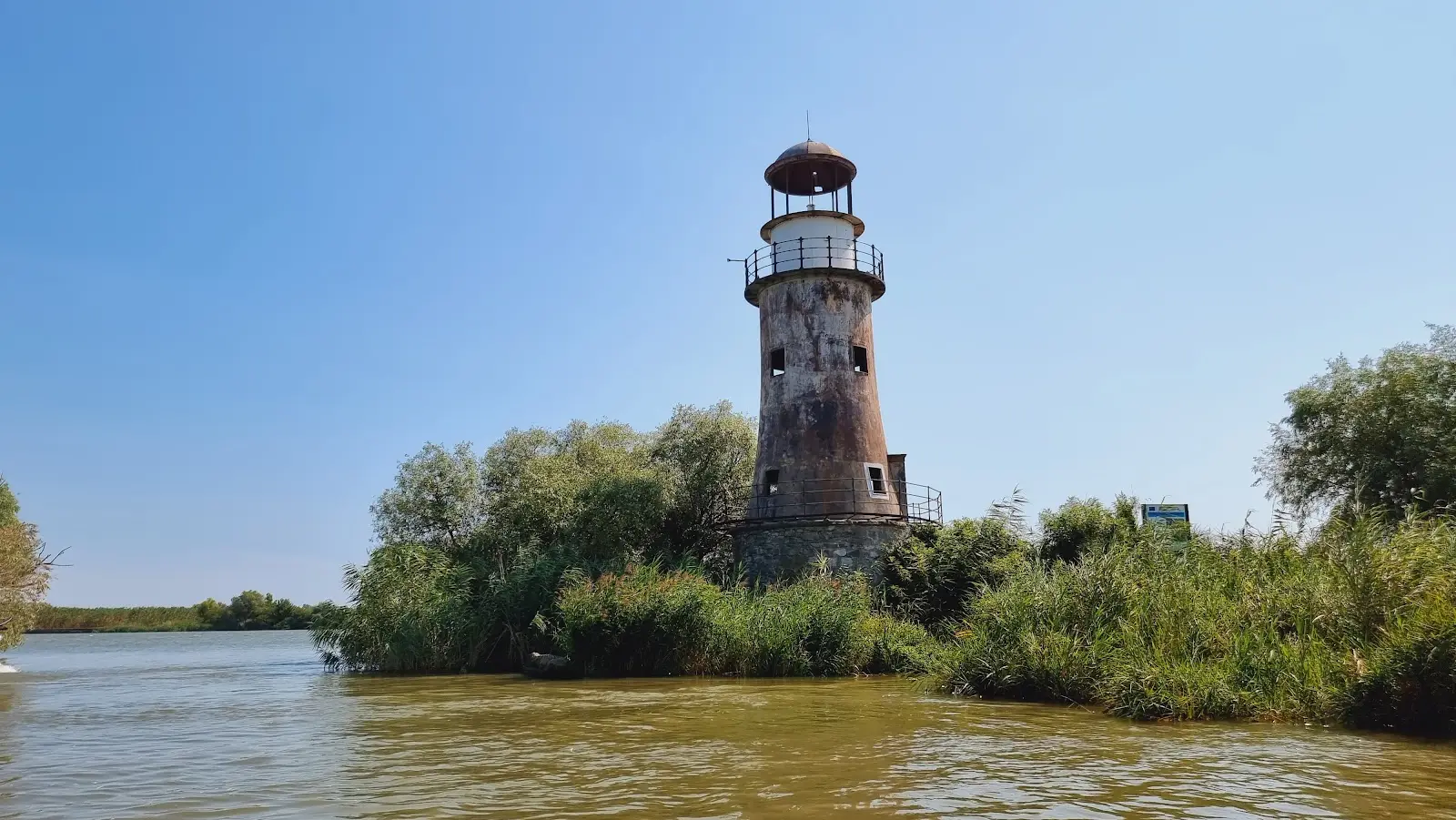
The Sulina Canal is the most important navigable arm of the Danube Delta, a straightened waterway linking the town of Tulcea to the port of Sulina, the easternmost point of Romania, where the Danube flows into the Black Sea. Engineered in the second half of the nineteenth century by the European Commission of the Danube to ease maritime navigation, the canal turned the region into a commercial gateway between central Europe and the sea. Today, the boat journey along the canal is one of the most popular experiences in the delta, offering views over the banks with reed beds, willows and fishing villages, as well as the rich birdlife that populates the area. At its end lies Sulina, once a cosmopolitan town, with a multi-ethnic cemetery and a historic lighthouse that recall its international past. The canal is part of the biosphere reserve and the UNESCO World Heritage site. The journey by water towards the mouth of the Danube remains an authentic way to discover the delta's unique landscape.
MuseumMuzeul Deltei Dunării
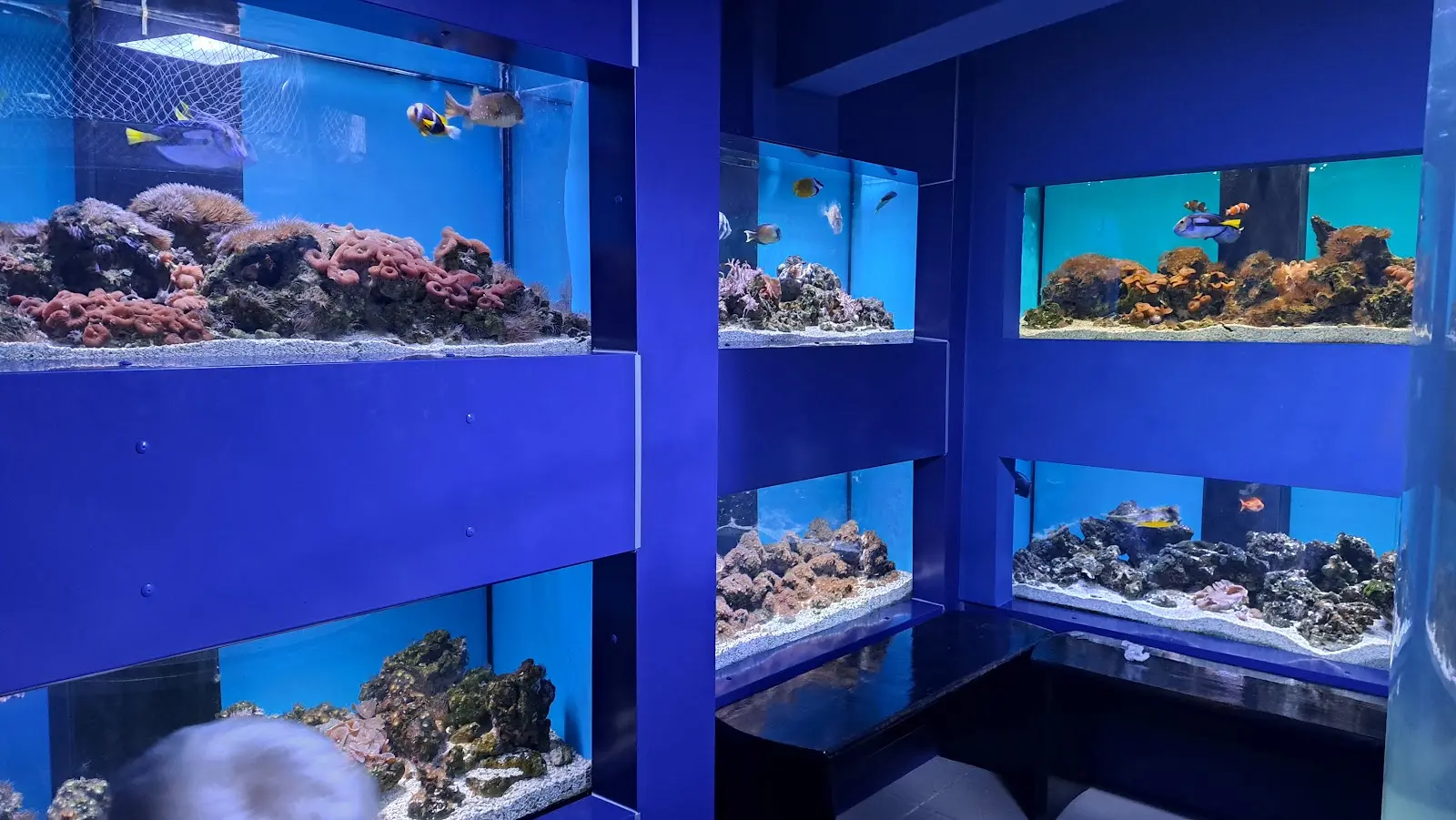
The Danube Delta Museum in Tulcea, also known as the Danube Delta Ecotourism Museum Centre, is the most important starting point for understanding one of the most valuable wetlands in Europe. Set in the gateway town of the Delta, the museum presents the exceptional richness of this ecosystem through modern exhibitions, dioramas and impressive aquariums that reproduce the habitats of the river, the lakes and the Black Sea. Visitors can admire many fish species, from sturgeons to carp and catfish, as well as reconstructions of marsh life, reed vegetation and the abundant bird fauna, among which the pelicans, the symbol of the Delta. The museum explains the formation of the Delta through the alluvial deposits of the Danube where it meets the sea, and its importance as an internationally protected biosphere reserve. The collections add information about the traditional life of fishermen and local communities. The visit is an ideal prelude to a boat trip through the Delta's channels. Visitors are advised to check the schedule, which may vary by season.
 Monastery
Mănăstirea Cocoș
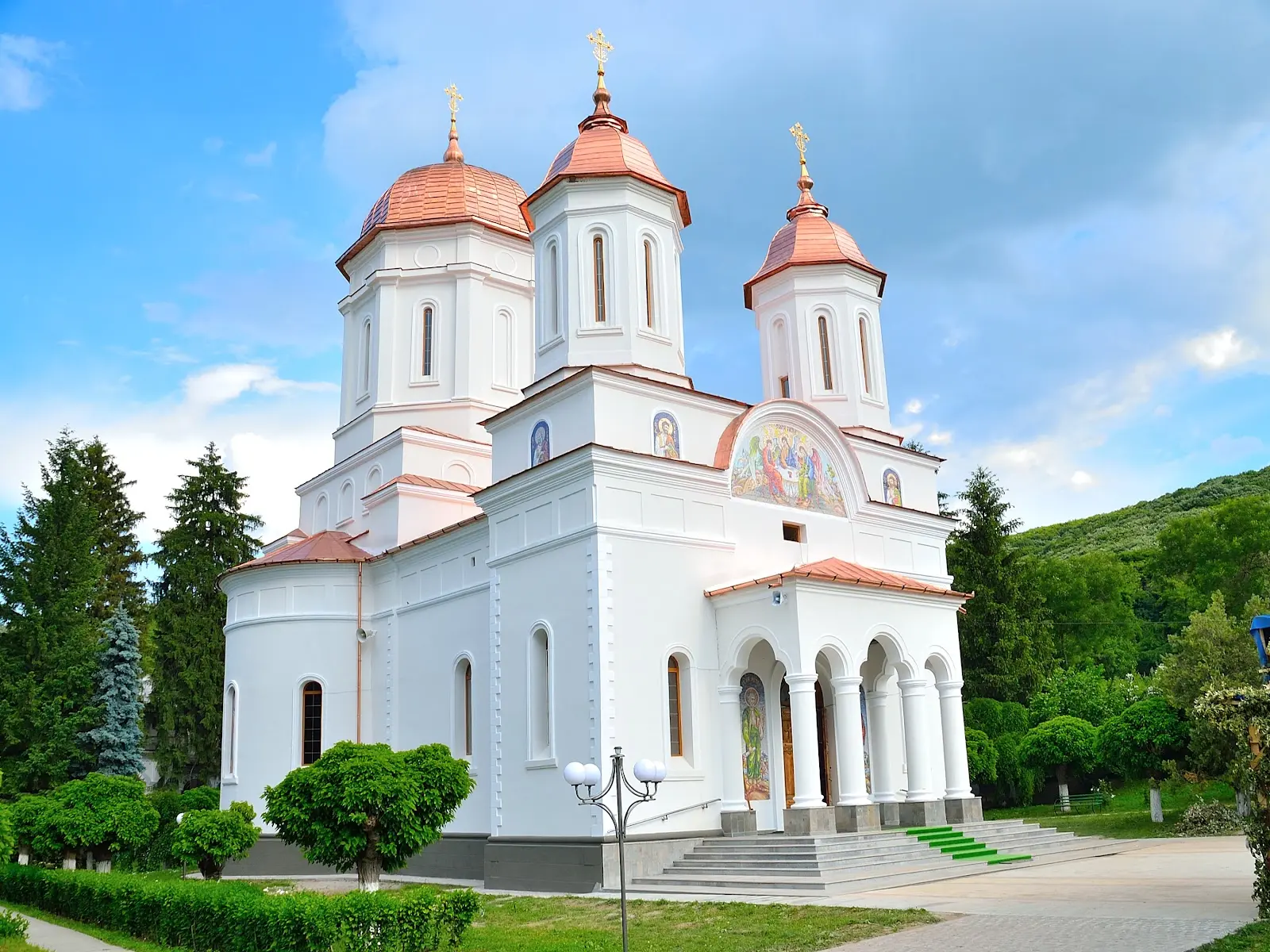
Cocoș Monastery lies in northern Dobruja, near Niculițel, in an area of wooded hills in the Măcin Mountains, the oldest mountain formations in Romania. It was founded in the middle of the nineteenth century by monks who came from Mount Athos and the Balkans, and the legendary name is said to derive from the crow of a wild rooster heard by the founders. The present complex, rebuilt at the start of the twentieth century, includes an imposing church with tall spires, cells, and a museum of religious art. Here are kept relics of early Christian martyrs discovered nearby at Niculițel, witnesses to the antiquity of Christianity in this part of the country. The place is valued for its quiet and for the remarkable natural setting of the Măcin range. Visitors can combine the pilgrimage with hikes in the nearby reserves. It is advisable to respect the silence and the monastic rules during the visit.
 Nature
Lacul Roșu Delta
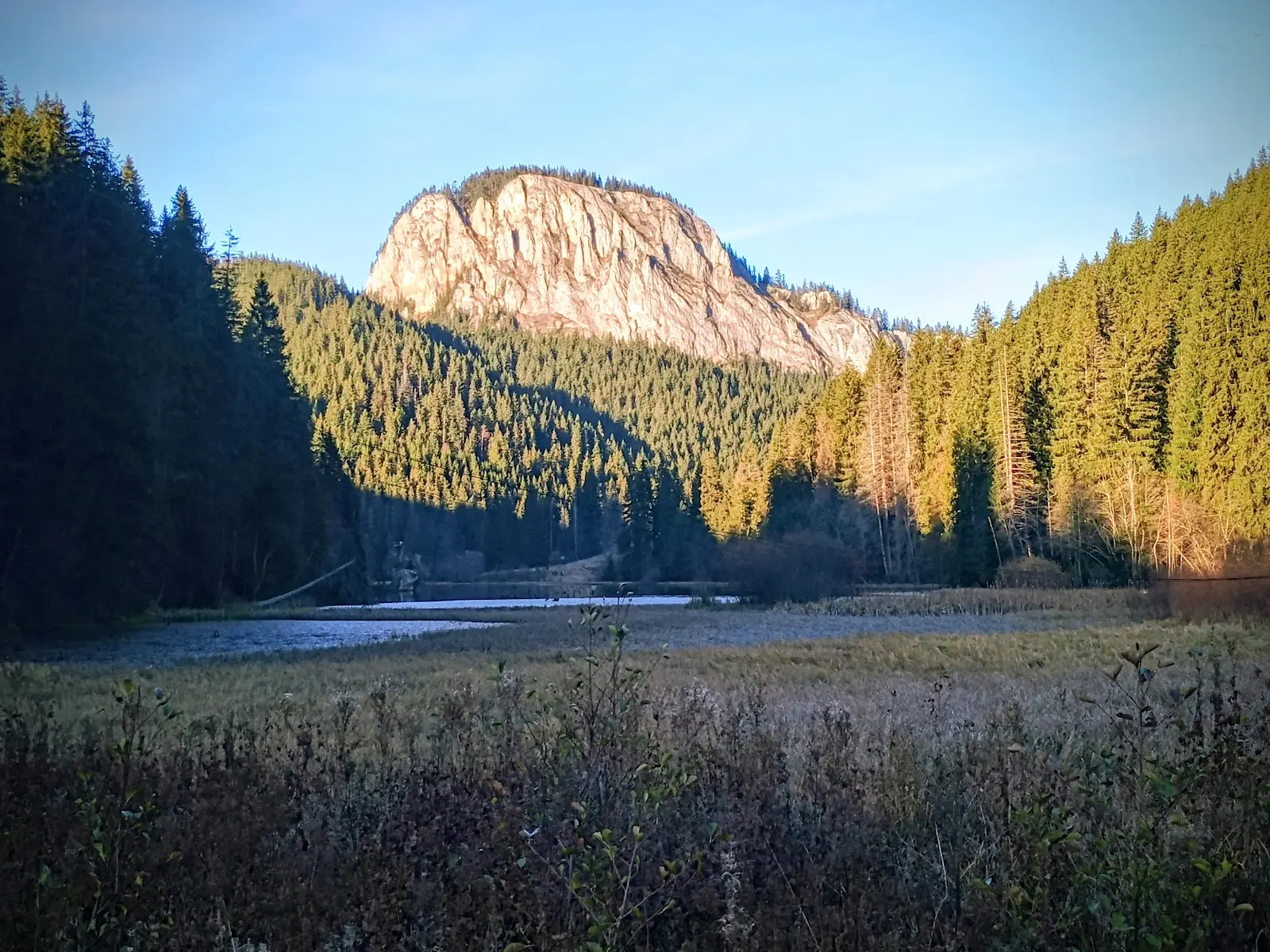
Lacul Roșu, the Red Lake, is one of the best-known lakes in the heart of the Danube Delta, a body of water set in the lagoon complex of the Delta's eastern part, near the routes starting from Tulcea and the settlements along the river branches. Its unusual name comes from the reddish tones the water can take on at certain times of day, under the play of light and aquatic vegetation. The lake is surrounded by expanses of reed, floating reed islands and channels, offering one of the richest bird habitats in Europe, a true paradise for wildlife watchers. Here one can see colonies of pelicans, cormorants, egrets, swans and many other species, especially in spring and summer. Access is only by boat, through the Delta's network of channels, which turns the visit into an experience of exploring the wild. The lake is part of the Danube Delta Biosphere Reserve, an internationally protected area. Visitors are advised to respect the reserve's rules and not to disturb the fragile wildlife and vegetation.
 Nature
Pădurea Letea
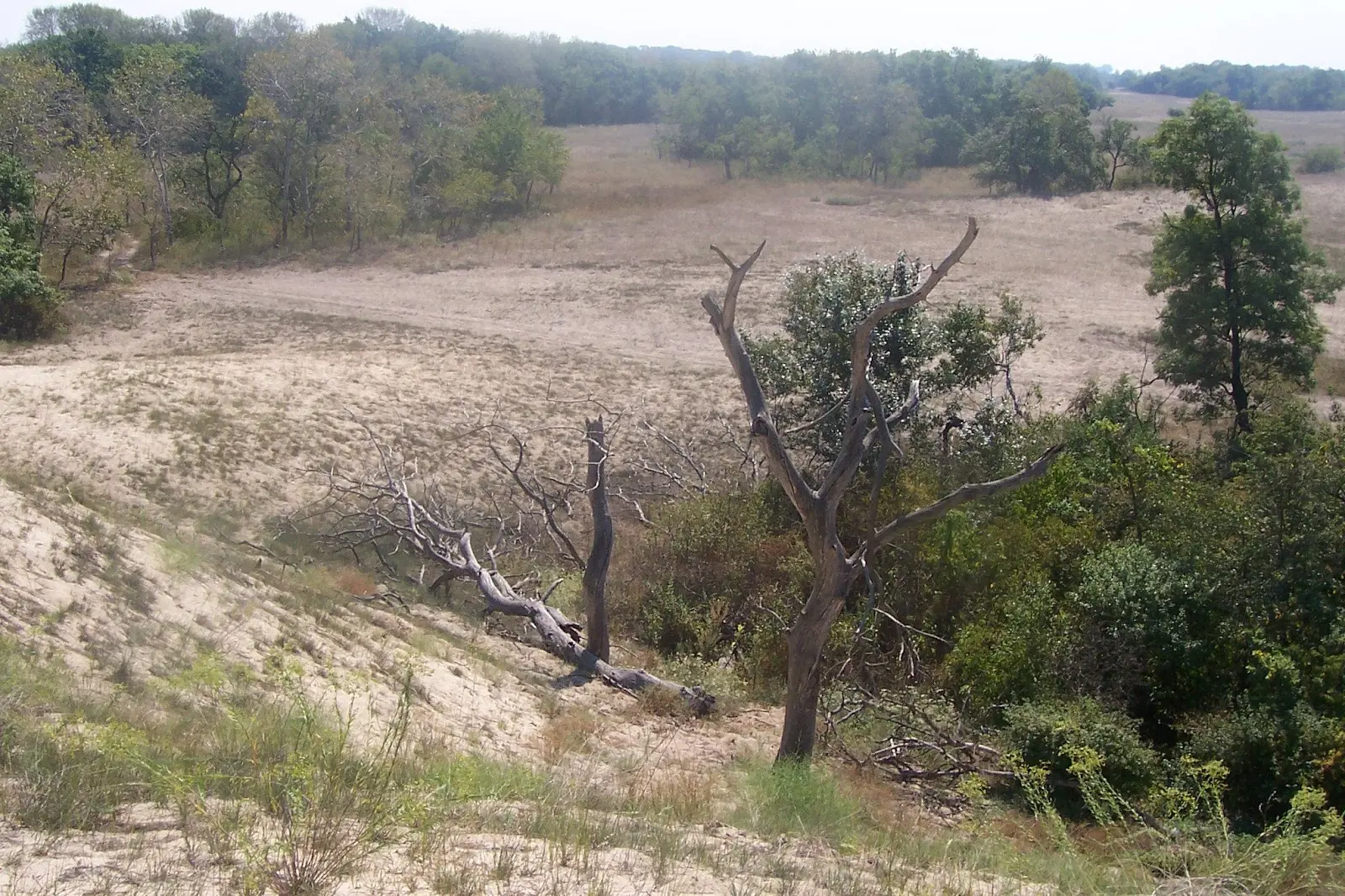
Letea Forest, in the heart of the Danube Delta in Tulcea county, is one of the oldest and most unusual protected areas in Romania, considered the northernmost subtropical forest in Europe. It grows on strips of sand called levees, between the channels and lakes of the delta, where old oaks and other tree species are entwined with lianas that give them an almost tropical, jungle-like appearance. The reserve, part of the UNESCO World Heritage site and biosphere reserve, shelters exceptional biodiversity, with many species of birds, reptiles and insects, as well as the famous wild horses that roam freely among the dunes and clumps of woodland. The landscape blends sand dunes with wetlands and patches of lush vegetation, offering a setting rarely found in this part of the continent. Access is by boat and then on foot or by local means, and visiting requires strict observance of environmental protection rules. Letea remains a land of singular, wild beauty.
Frequently asked questions
What is Tulcea known for?+
Tulcea is best known for sights such as Delta Dunării, Mănăstirea Celic Dere, Murighiol.
How many days do you need in Tulcea?+
One to two days is enough to see the highlights of Tulcea; stay longer to use it as a base for day trips.
Where should I stay in Tulcea?+
See our selected stays above, or check live rates and availability on the accommodation map.

From our network
Delta Dunării
The portal devoted entirely to the Danube Delta — channels, fishing villages, birdlife, lodging and boat tours, in the finest detail.