România Mea

Muzeul Deltei Dunării
4.7(5,991 reviews)Strada 14 Noiembrie 1, 820009 Tulcea, România
Muzeul Deltei Dunării
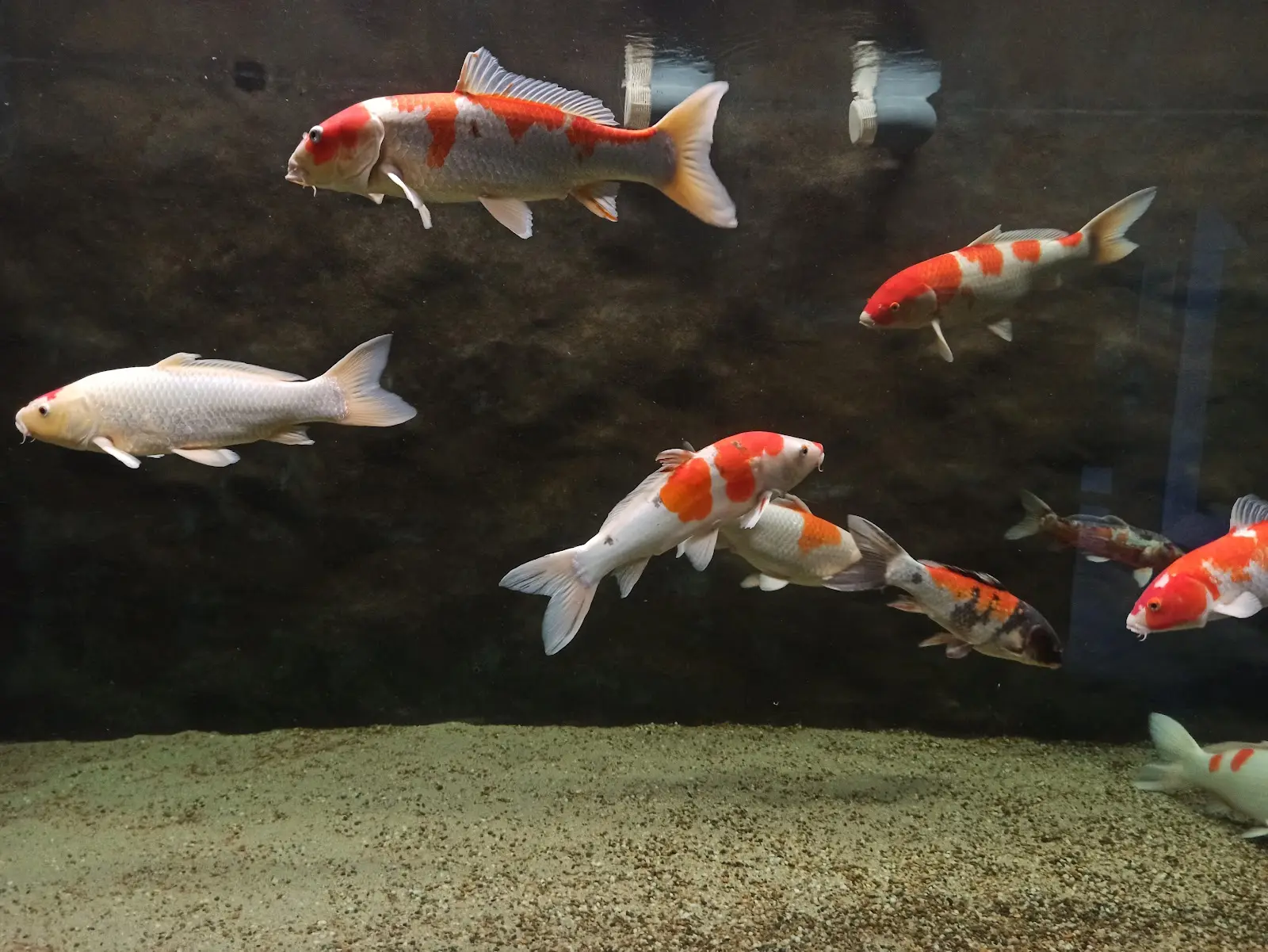
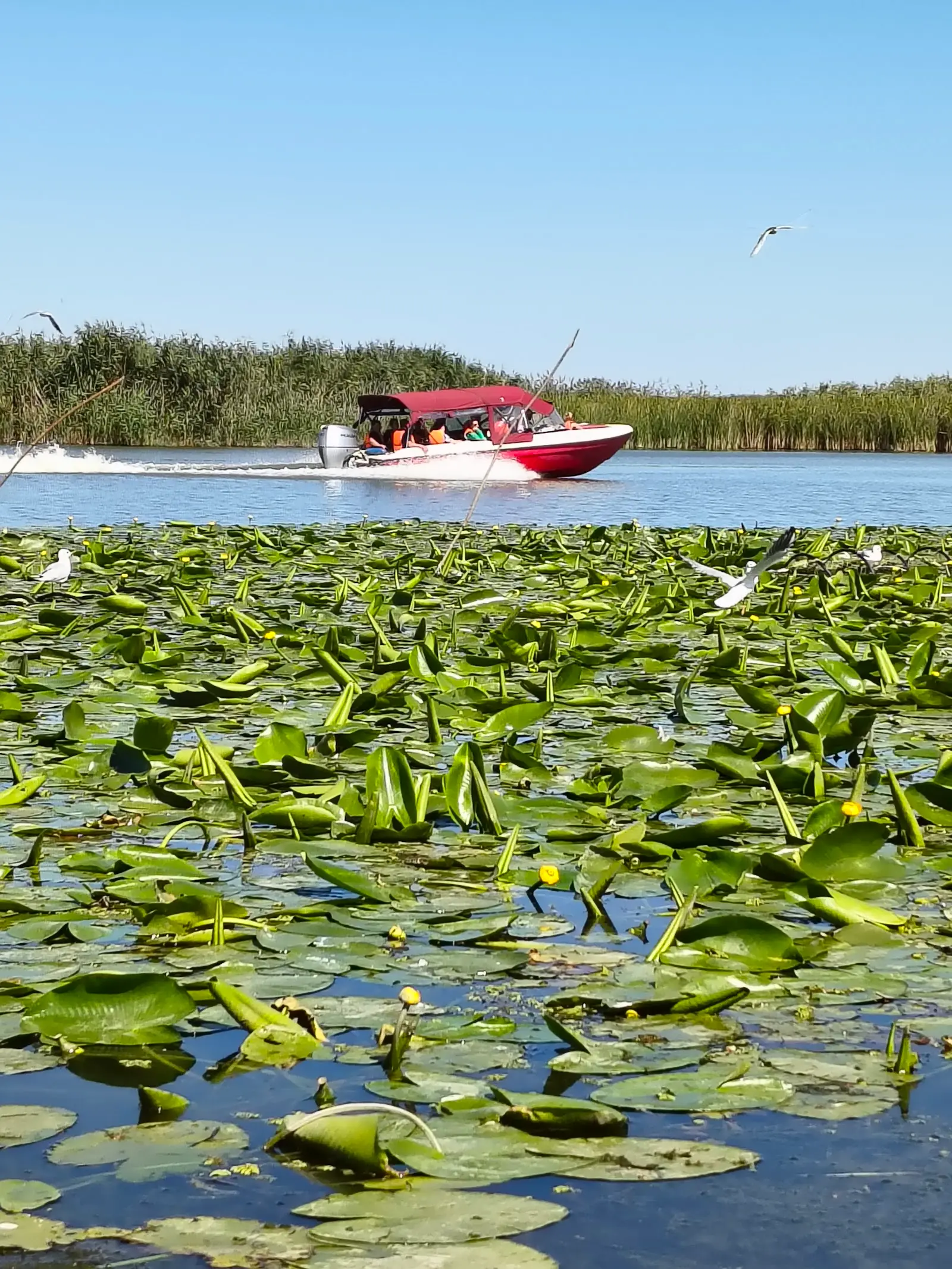
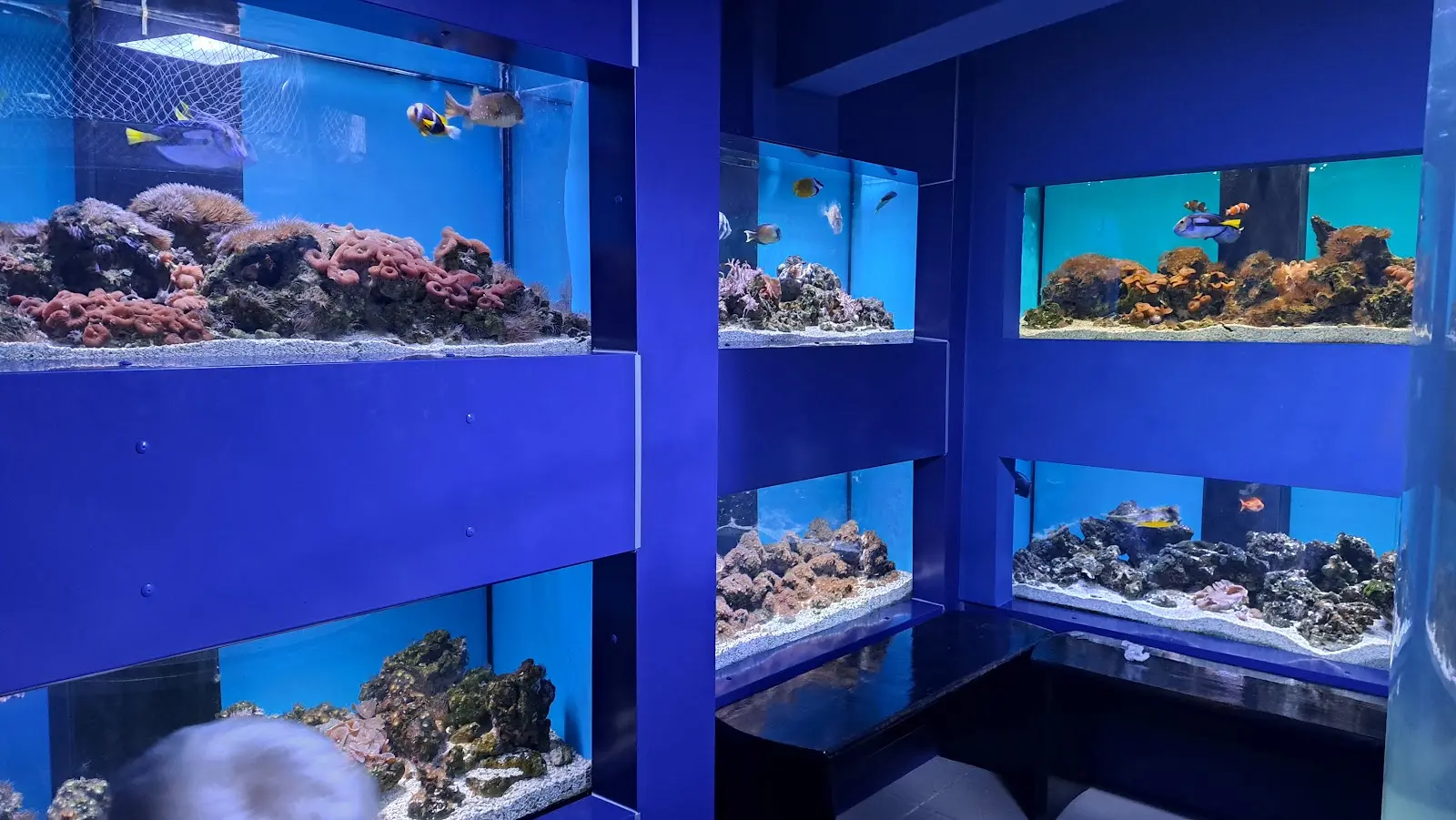
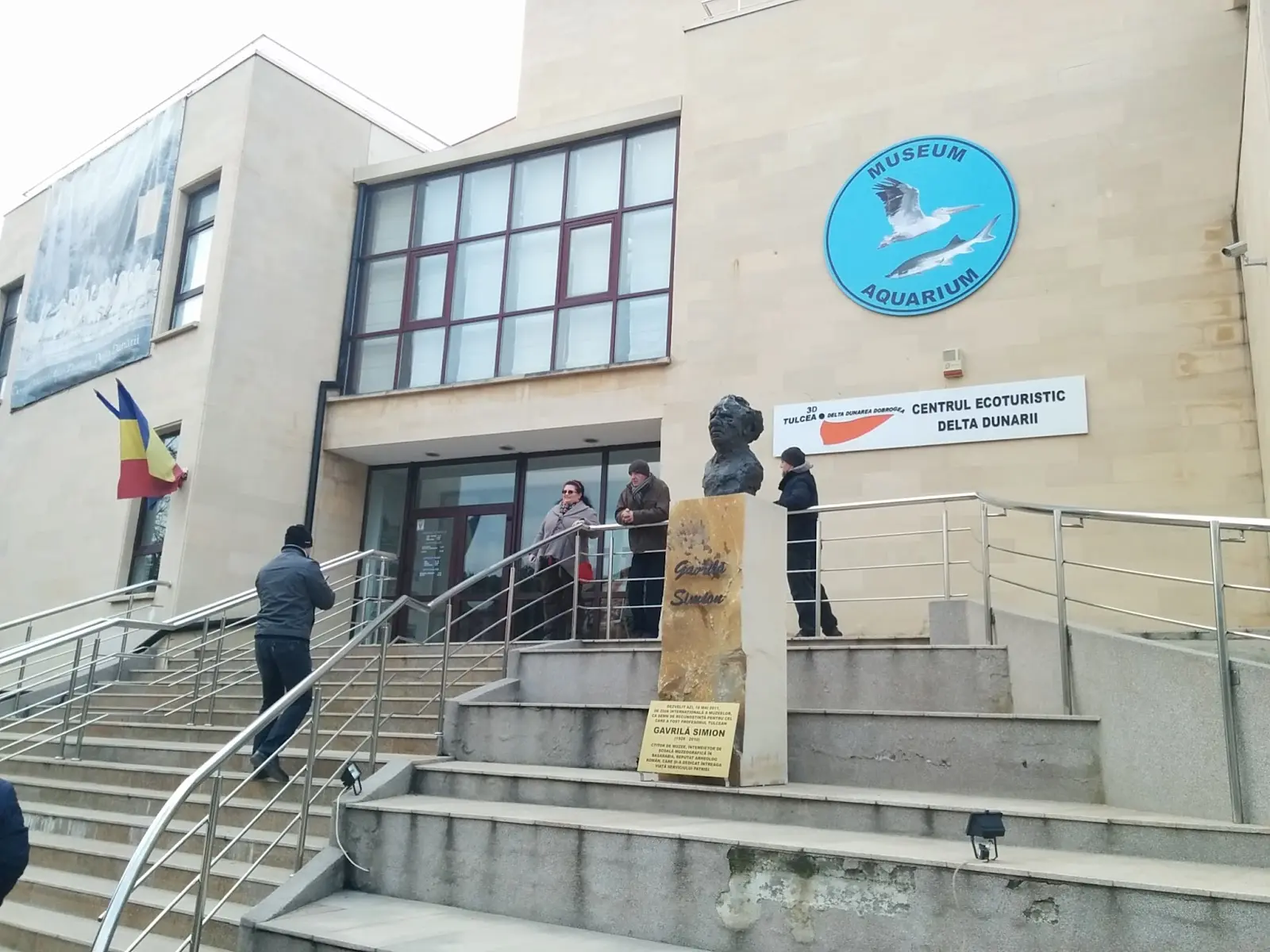
The Danube Delta Museum in Tulcea, also known as the Danube Delta Ecotourism Museum Centre, is the most important starting point for understanding one of the most valuable wetlands in Europe. Set in the gateway town of the Delta, the museum presents the exceptional richness of this ecosystem through modern exhibitions, dioramas and impressive aquariums that reproduce the habitats of the river, the lakes and the Black Sea. Visitors can admire many fish species, from sturgeons to carp and catfish, as well as reconstructions of marsh life, reed vegetation and the abundant bird fauna, among which the pelicans, the symbol of the Delta. The museum explains the formation of the Delta through the alluvial deposits of the Danube where it meets the sea, and its importance as an internationally protected biosphere reserve.

The collections add information about the traditional life of fishermen and local communities. The visit is an ideal prelude to a boat trip through the Delta's channels. Visitors are advised to check the schedule, which may vary by season.
Frequently asked questions

Where is Muzeul Deltei Dunării?+

Muzeul Deltei Dunării is located at Strada 14 Noiembrie 1, 820009 Tulcea, România, in Tulcea.

Is Muzeul Deltei Dunării worth visiting?+

Yes — it holds a 4.7/5 rating from 5,991 visitor reviews.

Do I need to book tickets for Muzeul Deltei Dunării?+

Popular sights can sell out — booking ahead online saves queuing.

What else is near Muzeul Deltei Dunării?+

Nearby you'll find Delta Dunării, Mănăstirea Celic Dere, Murighiol.

Keep exploring

More of Tulcea

Explore Tulcea

See in Tulcea

See all
Delta DunăriiDelta

Delta Dunării

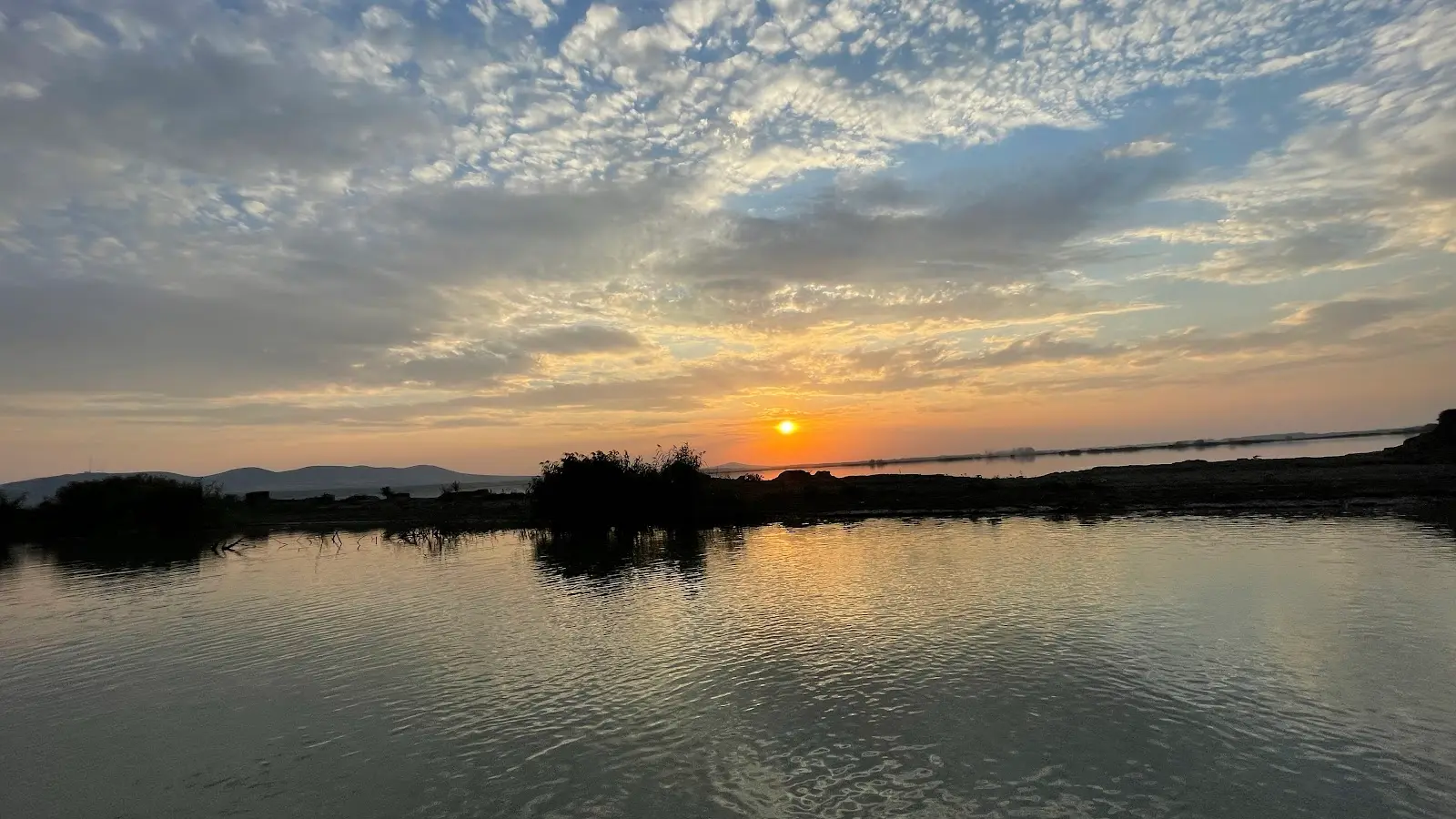
The Danube Delta is the largest and best-preserved delta in Europe, formed where the river Danube flows into the Black Sea near Tulcea, in Dobrogea. This labyrinth of branches, channels, lakes, reed beds and willow forests shelters an exceptional biodiversity, which is why it is included in the UNESCO World Heritage and declared a biosphere reserve. The delta is especially famous for its birdlife, with hundreds of bird species, among them the pelicans, which have their most important colony in Europe here, alongside cormorants, egrets, swans and numerous migratory birds. The landscape changes with the season and the water level, offering a unique natural spectacle. The locals, often of Lipovan origin, live from fishing and preserve distinctive traditions. Practical note: the best way to explore is by boat with a local guide, and sun protection, water and binoculars are useful for observing the birds in peace.

4.9(346 reviews)
Mănăstirea Celic DereMonastery

Mănăstirea Celic Dere

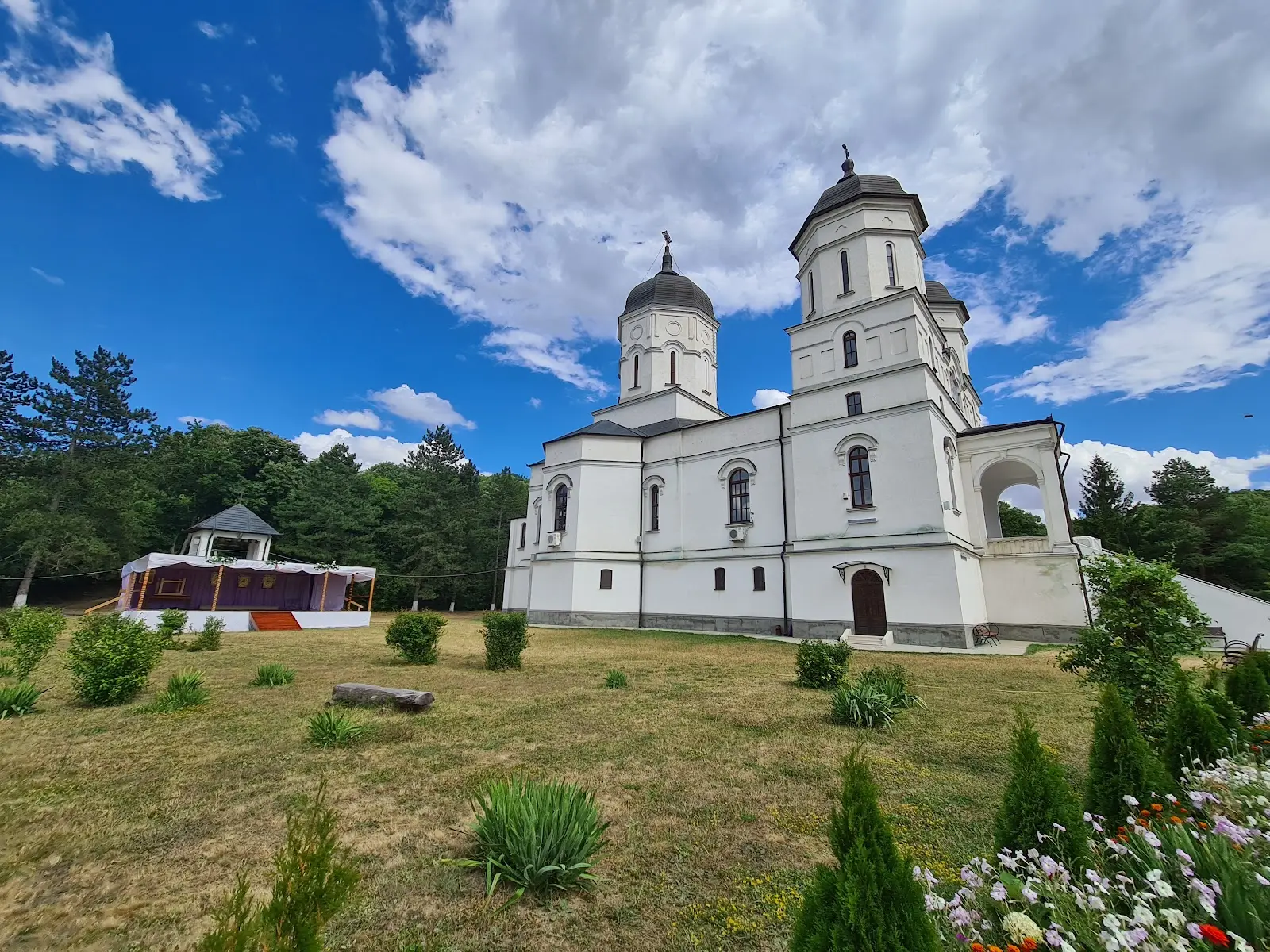
Celic Dere Monastery lies in northern Dobruja, on the road between Tulcea and Isaccea, in a landscape of wooded hills that contrasts with the dry steppe around it. The name comes from a Turkish phrase referring to a nearby stream, a reminder of Ottoman rule over the region. The settlement was founded in the second half of the nineteenth century by monks who came from Romanian-inhabited areas south of the Danube, and it quickly became an important centre of faith for the local community. The complex includes a large painted church, cells arranged around the enclosure, and a museum of religious art with old icons, ancient books, and embroidery made by the nuns. The place is known for its calm atmosphere and for a communal style of monastic life, where the nuns tend the household and the vineyard. Visitors can combine a spiritual stop with a walk through the surrounding hills.

4.8(2,316 reviews)
MurighiolNature

Murighiol

Murighiol is a village on the edge of the Danube Delta in Tulcea county, considered one of the main gateways into this unique wetland, inscribed on the UNESCO World Heritage list and declared a biosphere reserve. The village lies where dry land meets the labyrinth of channels, lakes and reed beds of the delta, serving as a departure point for boat trips into the heart of the marshes. Nearby stretches a shallow salt lake favoured by wetland birds and by birdwatching enthusiasts. The area hosts a rich diversity of birds, among them pelicans, egrets, cormorants and many migratory species, making Murighiol a sought-after destination for lovers of nature and photography. The ancient remains of a Roman-Byzantine fortress, known as Halmyris, lie close by and add a historical dimension to a visit. Murighiol combines the tranquillity of the delta landscape with the hospitality typical of the region's fishing villages.

4.8(252 reviews)

Eat in Tulcea

See all

Stay in Tulcea

See all

Plan your Romania

From the Carpathians to the Black Sea — let's plan the trip together.

Ask us anything or get a tailored itinerary — from the best time to go to the road that ties it all together.

Our network

More of Romania, in depth

Dedicated portals for the places that deserve a site of their own.