
Banat
Reșița
Mountains, locomotives and the Nera gorges.
Reșița is the capital of Caraș-Severin County, in mountainous Banat, a town with a deeply industrial identity, set in the valley of the Bârzava River among wooded hills. It is one of the oldest metallurgical centres in Europe, with an ironworking tradition dating back to the 18th century, when the region's first rails, bridges and locomotives were cast here.
The industrial heritage is visible everywhere: the Steam Locomotive Museum, an open-air museum with an impressive collection of locomotives built in Reșița itself, is the town's emblematic attraction. In the centre, statues and symbols linked to the iron tradition recall the metallurgical past. But Reșița is not only industry: its surroundings open onto some of the finest landscapes of mountainous Banat.
Nearby lie the Semenic-Cheile Carașului National Park, the lakes at Văliug and Trei Ape, and the karst area of the Nera-Beușnița Gorges, with its famous waterfall and the spectacular Ochiul Beiului, a lake of intense blue. The town's atmosphere is authentic and nostalgic, while the surrounding nature offers hiking, winter sports at Semenic and cave exploration.
Banat gastronomy blends German, Serbian and Romanian influences, with hearty dishes and local wines. Practically, Reșița is reachable by car from Timișoara or Caransebeș. It is worth visiting for its unique industrial heritage and as a gateway to the wild nature of mountainous Banat.
Where to stay
All stays →
Where to eat
All restaurants →
What to see
See all →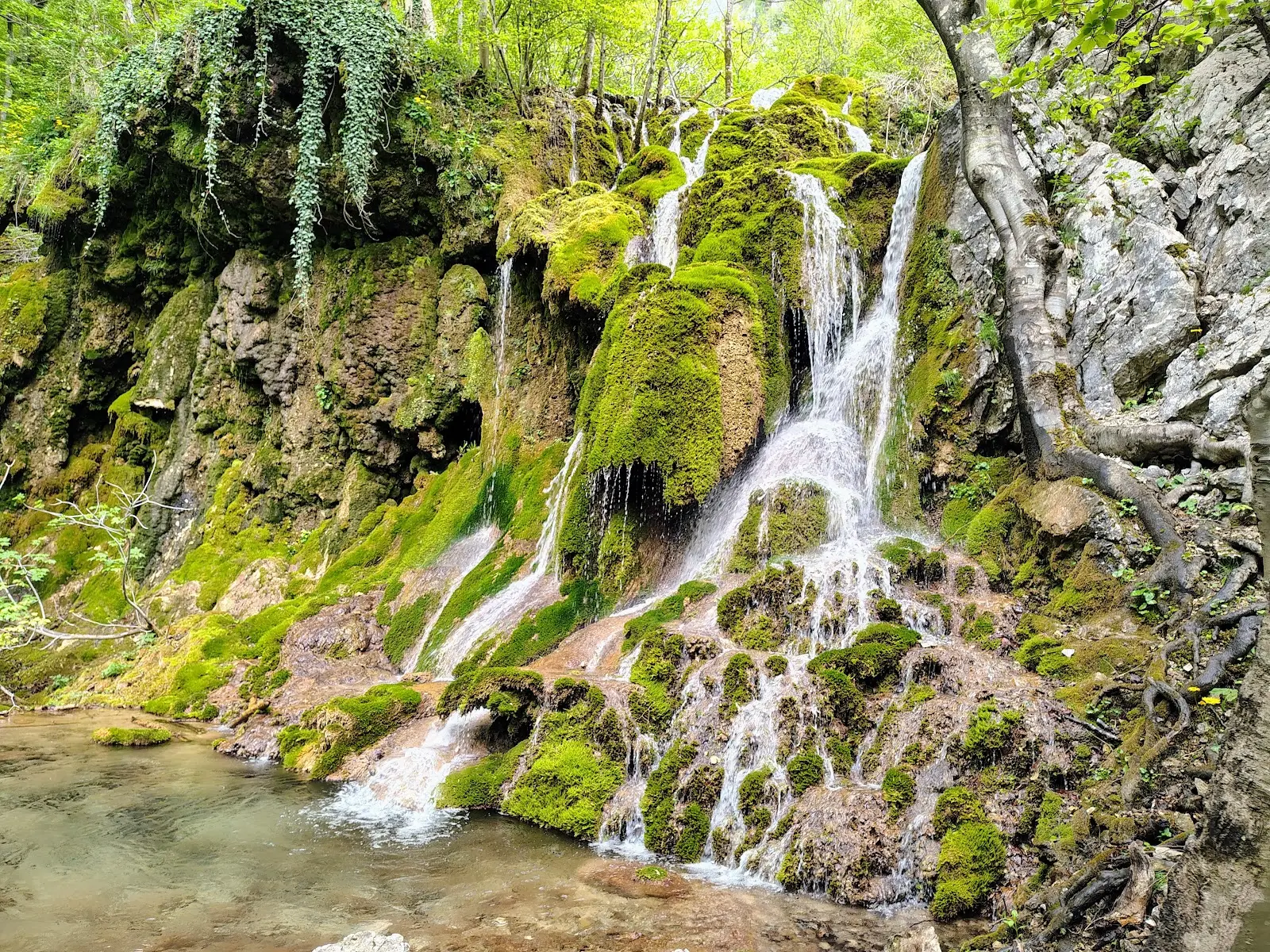 Nature
Ochiul Beiului (Cascada Beușnița)
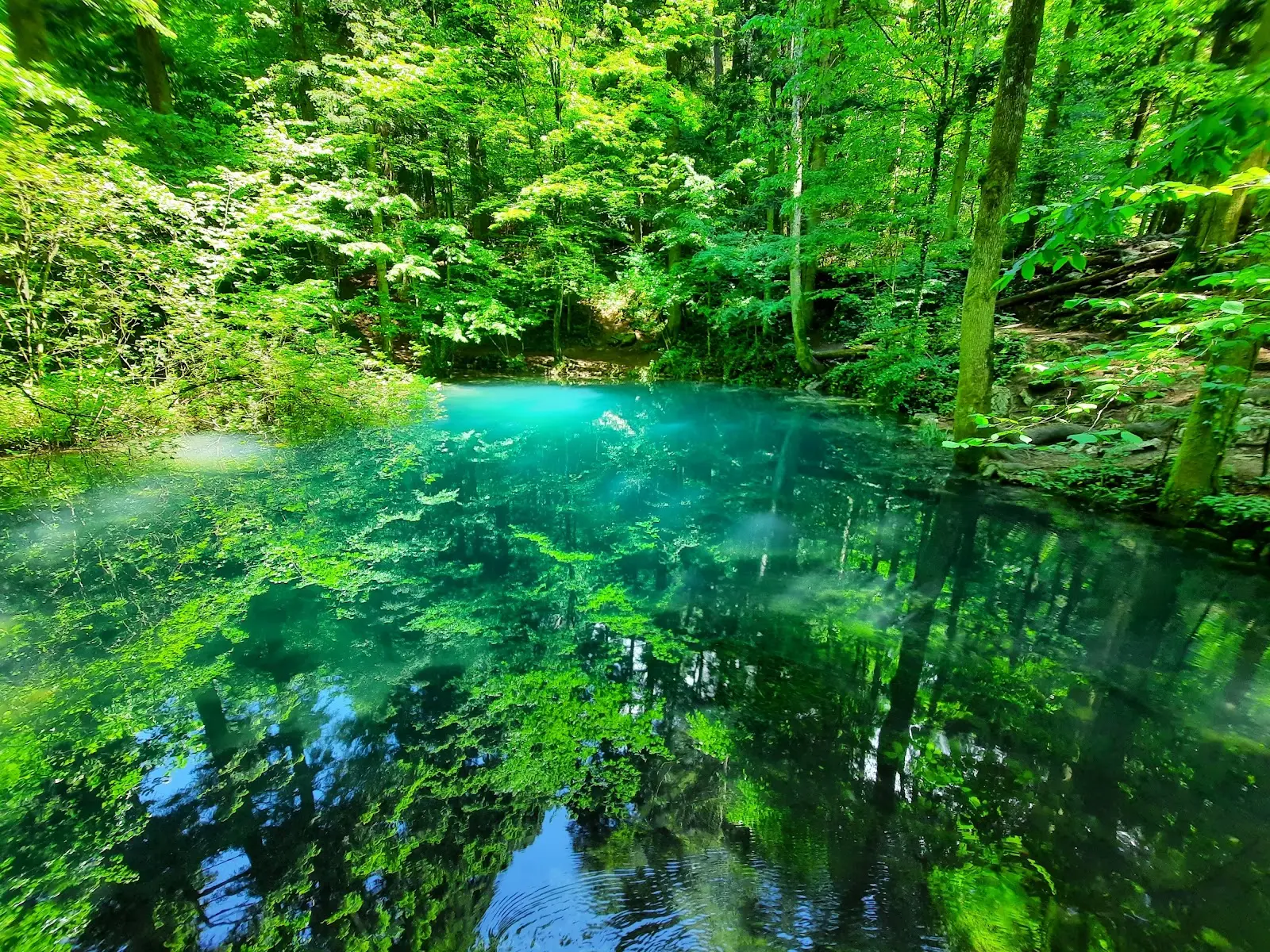
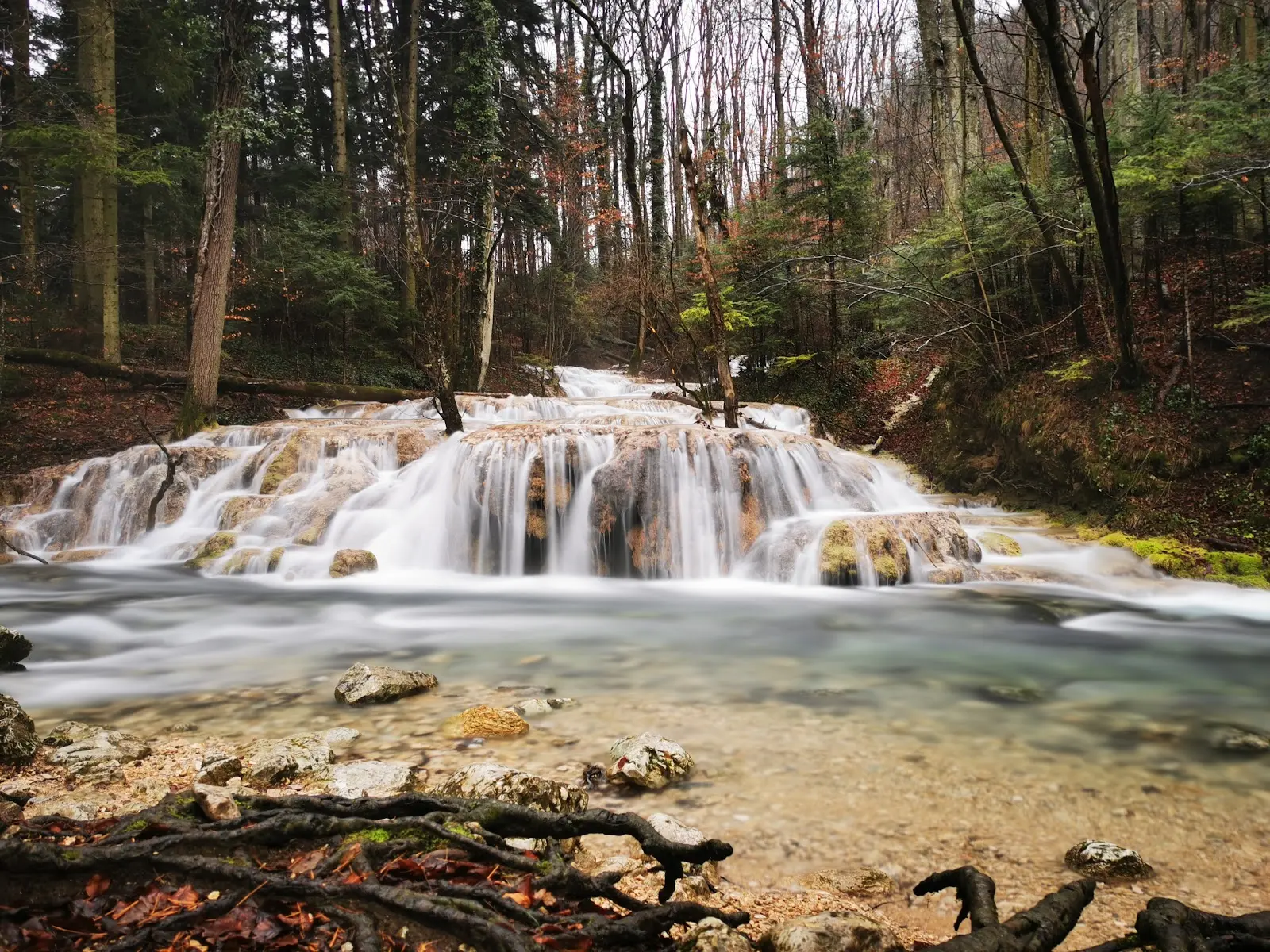
Ochiul Beiului and Beușnița Waterfall rank among the most spectacular natural wonders of the Banat, located in the Nera Gorges-Beușnița National Park near Reșița. Ochiul Beiului is a small karstic lake of astonishing clarity, with intensely turquoise-green waters that never freeze completely and that are fed by underground springs. A short distance away lies Beușnița Waterfall, where water tumbles over moss-covered travertine ledges, creating a cascade of rare beauty often compared to exotic landscapes. The trail linking the two attractions crosses a lush forest with rich vegetation and crystal-clear springs, and is one of the most beloved in Romania. The area is part of a protected zone with remarkable biodiversity, home to rare Mediterranean plant species. Accessible on marked paths, this region is a dream destination for nature lovers, hikers and photographers seeking authentic scenery and tranquillity far from the crowds.
 Nature
Lacul Ochiul Beiului
Ochiul Beiului is a small lake of exceptional beauty, set in the Cheile Nerei-Beusnita National Park in the south-west of the Banat. Its clear waters, of an astonishing turquoise-green, keep their colour and transparency thanks to the karst springs that feed it, and the lake never freezes completely, even in winter. Surrounded by forest and rock, Ochiul Beiului is considered one of the most beautiful natural sights of the area, a true jewel hidden in the heart of the park. Nearby lie the Beusnita waterfall and other natural attractions that round out the hiking route. The place draws many nature lovers and photographers, eager to capture the shades of the water. Access is along marked paths through the national park; visitors are asked to respect the rules of the protected area and not to disturb the fragile ecosystem of the lake.
 Nature
Cheile Nerei-Beușnița
Cheile Nerei-Beusnita National Park is one of the wildest and most spectacular protected areas in the Banat, sheltering impressive limestone gorges, waterfalls and lakes of rare beauty. The symbol of the area is Ochiul Beiului, a small lake of astonishing blue-green fed by underground springs, which never freezes completely, located near the Beusnita waterfall, where water cascades over ledges covered in green moss forming natural steps of remarkable beauty. The Nera Gorges, the longest in Romania, wind between limestone walls clad in ancient forests, offering hiking routes that pass through tunnels and paths carved into the rock above the river. The biodiversity of the area is remarkable, with rare Mediterranean species. Practical note: for long routes, proper footwear and an early start are needed; some paths can be slippery, so caution is essential.
 Museum
Muzeul Locomotivelor cu Abur Reșița
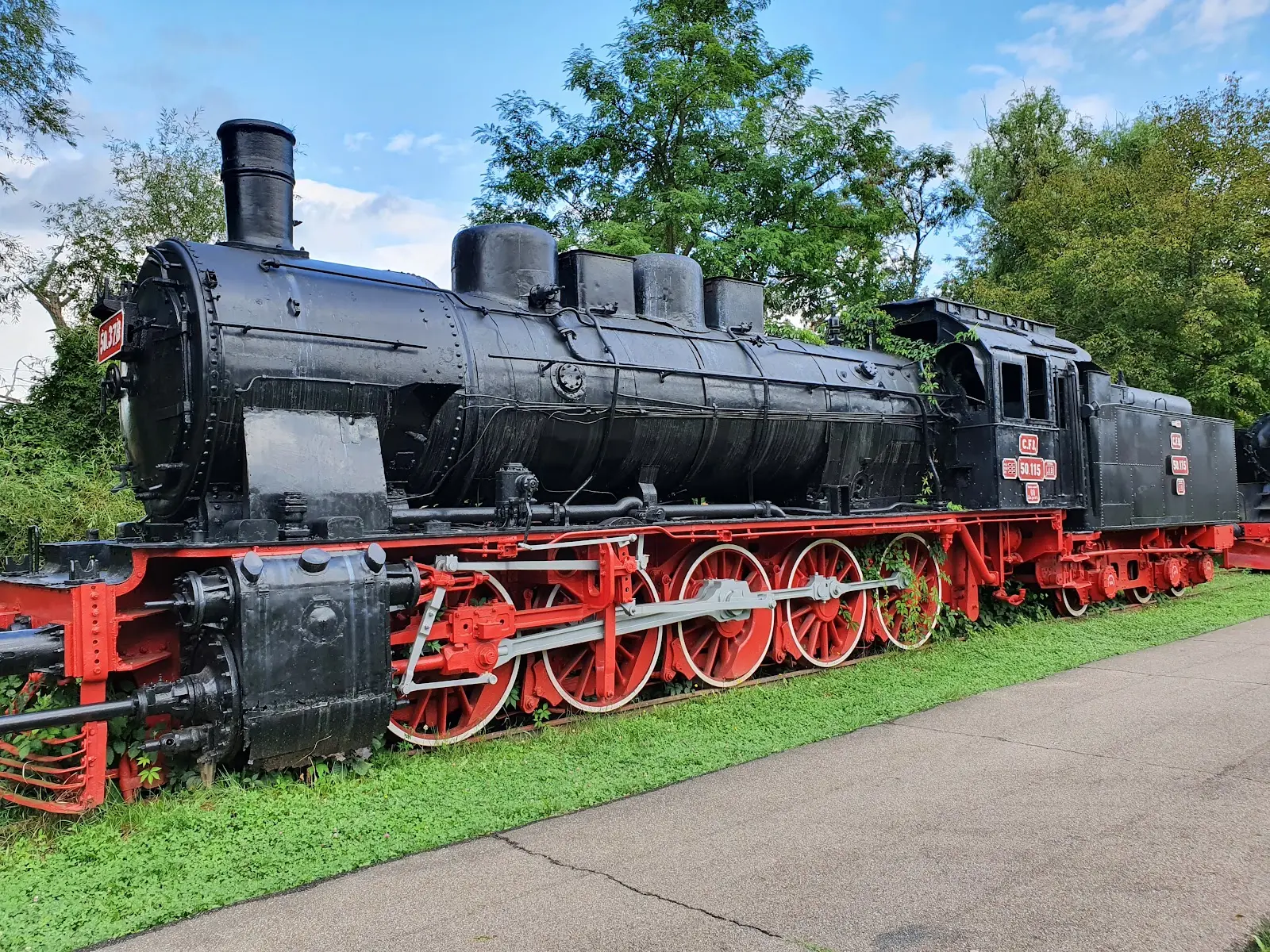
The Steam Locomotive Museum in Resita is an open-air exhibition celebrating the industrial tradition of the city, one of the oldest metallurgical and machine-building centres in Europe. Resita produced steam locomotives for more than a century, and the museum brings together an impressive collection of such locomotives built right here, lined up on rails like an open-air gallery of the evolution of railway technology. Visitors can observe up close the massive black machines, with their huge wheels, connecting rods and boilers that once carried people and goods across the country's railways. Each example tells a story about the engineering and craftsmanship of Resita's workers, in a city proud of its industrial heritage. The museum is a tribute to those who forged iron and steel. Practical note: the exhibition is outdoors, so it is best visited in good weather; it is a fitting objective for lovers of technical history and for families.
NatureCascada Bigăr
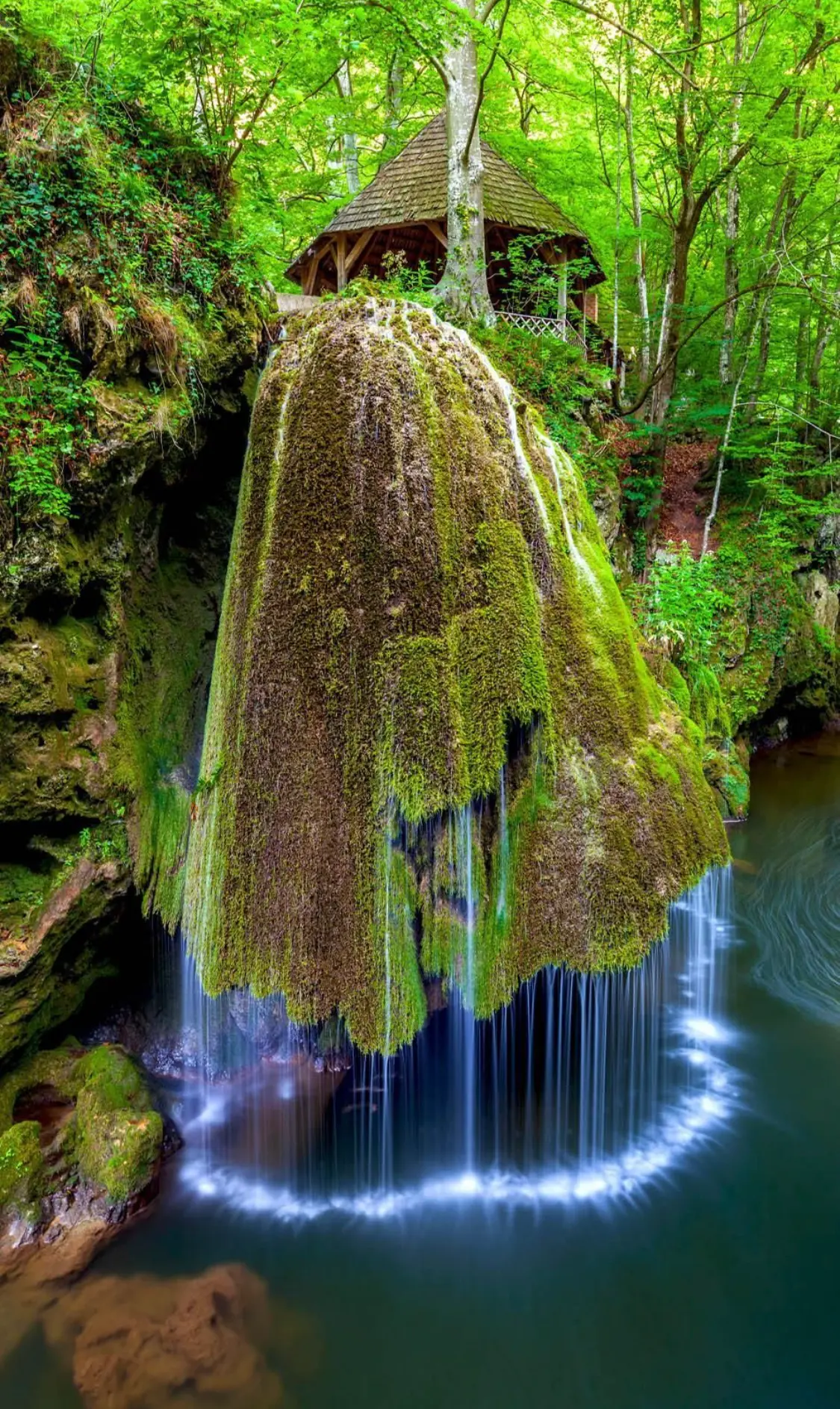
Bigăr Waterfall is one of the most photographed cascades in Romania, set in the Nera Gorges within the Anina Mountains, on the border between Banat and Oltenia, right near the 45th parallel. What makes it unique is not its height but its unusual form: the water of a karst spring spreads into a curtain of fine threads over a dome covered in green moss, creating the effect of a luminous veil sliding gently toward the Miniș river. The surrounding scenery, with dense forest, rocks and clear water, completes the special atmosphere of the place. The waterfall lies within Nera Gorges–Beușnița National Park, a protected area of remarkable karst landscapes, gorges, caves and intensely blue lakes. Access is from the road linking Bozovici to Anina, with a short descent to the viewpoint. The moss formation is fragile, and over time the waterfall's appearance has changed, which is why visitors are asked to respect nature protection rules and not disturb the vegetation.
 Nature
Peștera Comarnic
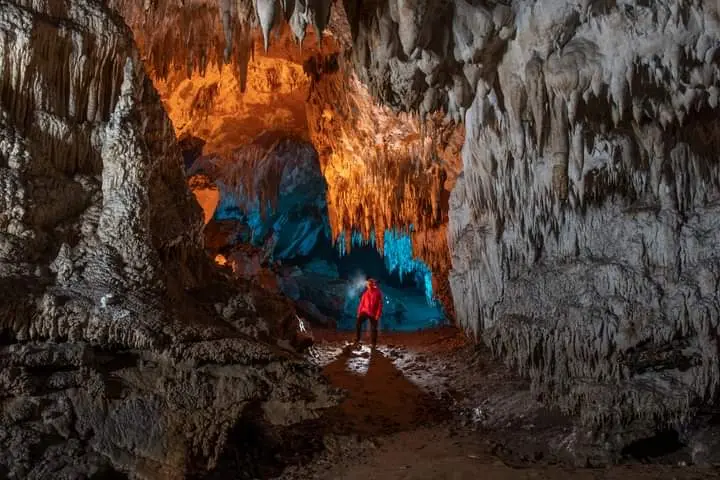
Comarnic Cave, in the Anina Mountains of Banat near Reșița, is one of the longest and most spectacular caves in this part of the country, with galleries stretching over several kilometres. Formed across millennia by water acting on the limestone rock, the cave impresses through the richness and variety of its speleothems, stalactites, stalagmites, columns, calcite draperies and petrified cascades in unusual shapes. An underground stream runs through part of the passages, adding to the cool, damp atmosphere typical of the subterranean environment. The cave also shelters cave-dwelling fauna adapted to the darkness, as well as colonies of bats that hibernate through the cold season. Set within a protected karst area of forested valleys and limestone gorges, Comarnic is a destination prized by caving enthusiasts and hikers alike. Access is by mountain paths, and visiting the developed galleries calls for suitable footwear and warm clothing.
 Nature
Lacul Gozna Văliug
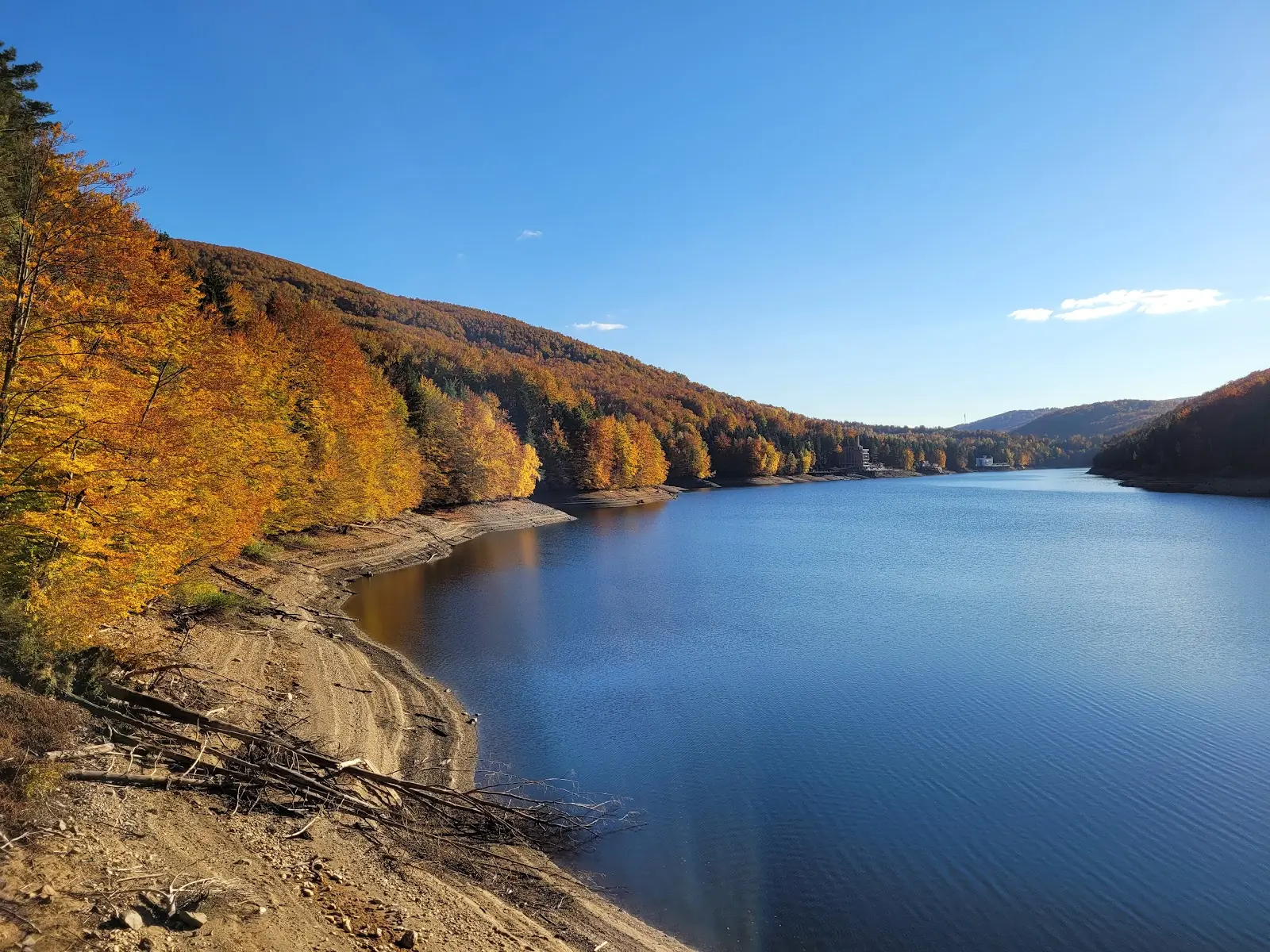
Gozna Lake, also known as Văliug Lake after the nearby village, is a reservoir on the course of the Bârzava River, in the Semenic Mountains of Caraș-Severin County. The dam was built to generate electricity and to supply water to the Reșița area, but the resulting landscape, with its waters spreading at the foot of forested slopes, has turned the place into a much-loved leisure destination. The lake's shores host guesthouses, holiday homes and recreation bases, and in summer the water draws lovers of boating, fishing and water sports. In winter, the proximity of the Semenic resort, one of the oldest in the area, brings skiing enthusiasts. Surrounded by the forests of the mountainous Banat and the cool air of altitude, Gozna Lake offers a relaxing setting in every season. For the people of Reșița and its surroundings, as well as for visitors discovering the lesser-known beauties of Romania, the lake remains a cherished destination.
 Nature
Lacul Buhui
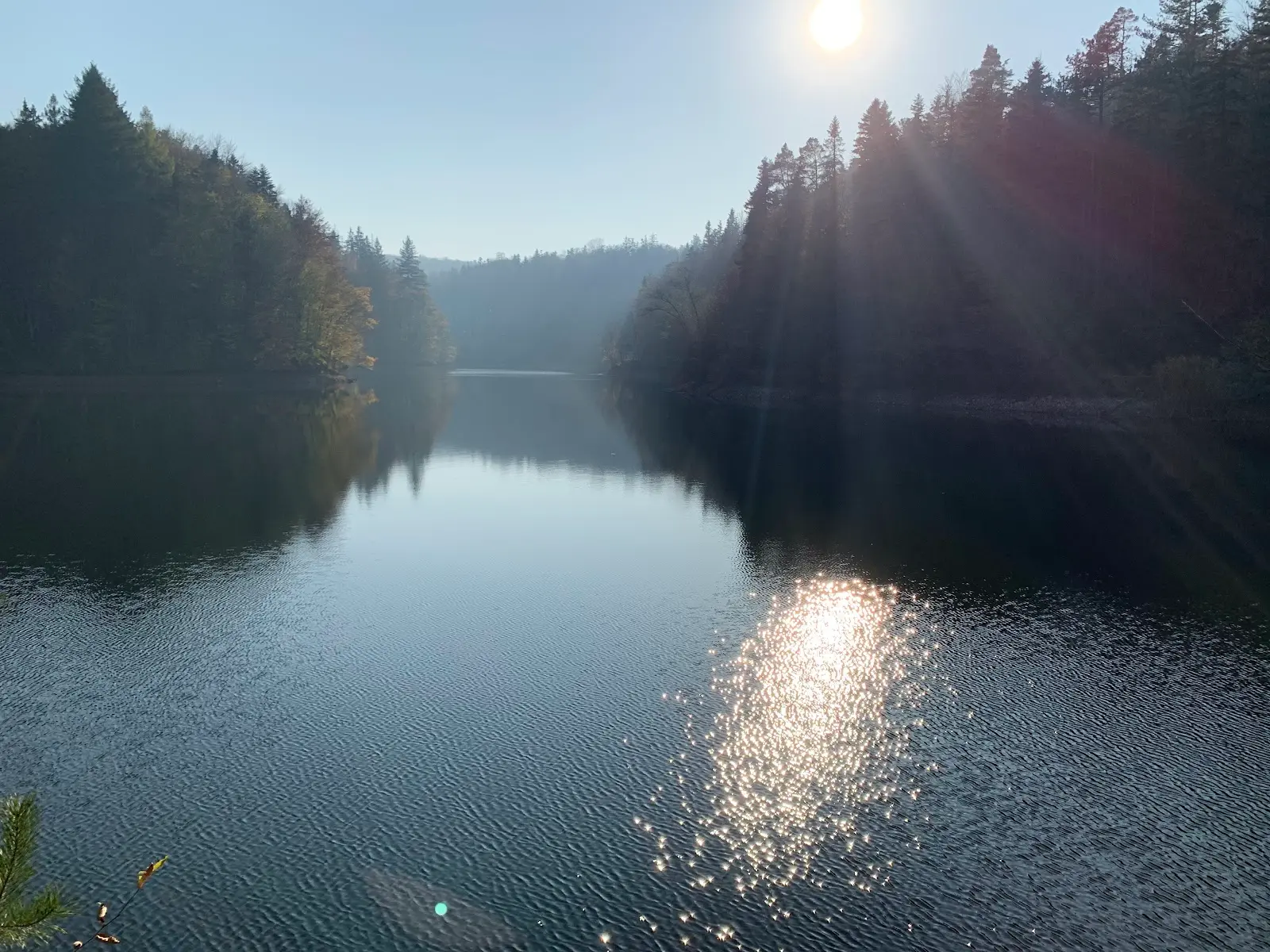
Buhui Lake is a reservoir set in the heart of the Anina Mountains, in Caraș-Severin County, in one of the most spectacular karst areas of the mountainous Banat. A dam built to supply water to the Anina-Reșița area, the lake has blended harmoniously into the landscape of forest and rock, offering a setting of particular charm. The area around the lake is renowned for its karst phenomena, among them caves and watercourses that vanish and reappear in the limestone relief. The Buhui stream, which feeds the lake, flows partly underground through caves before emerging into the light. The surroundings are part of the Semenic-Caraș Gorges National Park, a protected area of great value for its biodiversity and landscapes. Reached by a route that includes an old forestry railway, Buhui Lake is a destination prized by hikers and nature lovers seeking the quiet of the Banat forests, far from the crowded tourist circuits of the country.
 Museum
Muzeul Banatului Montan Reșița
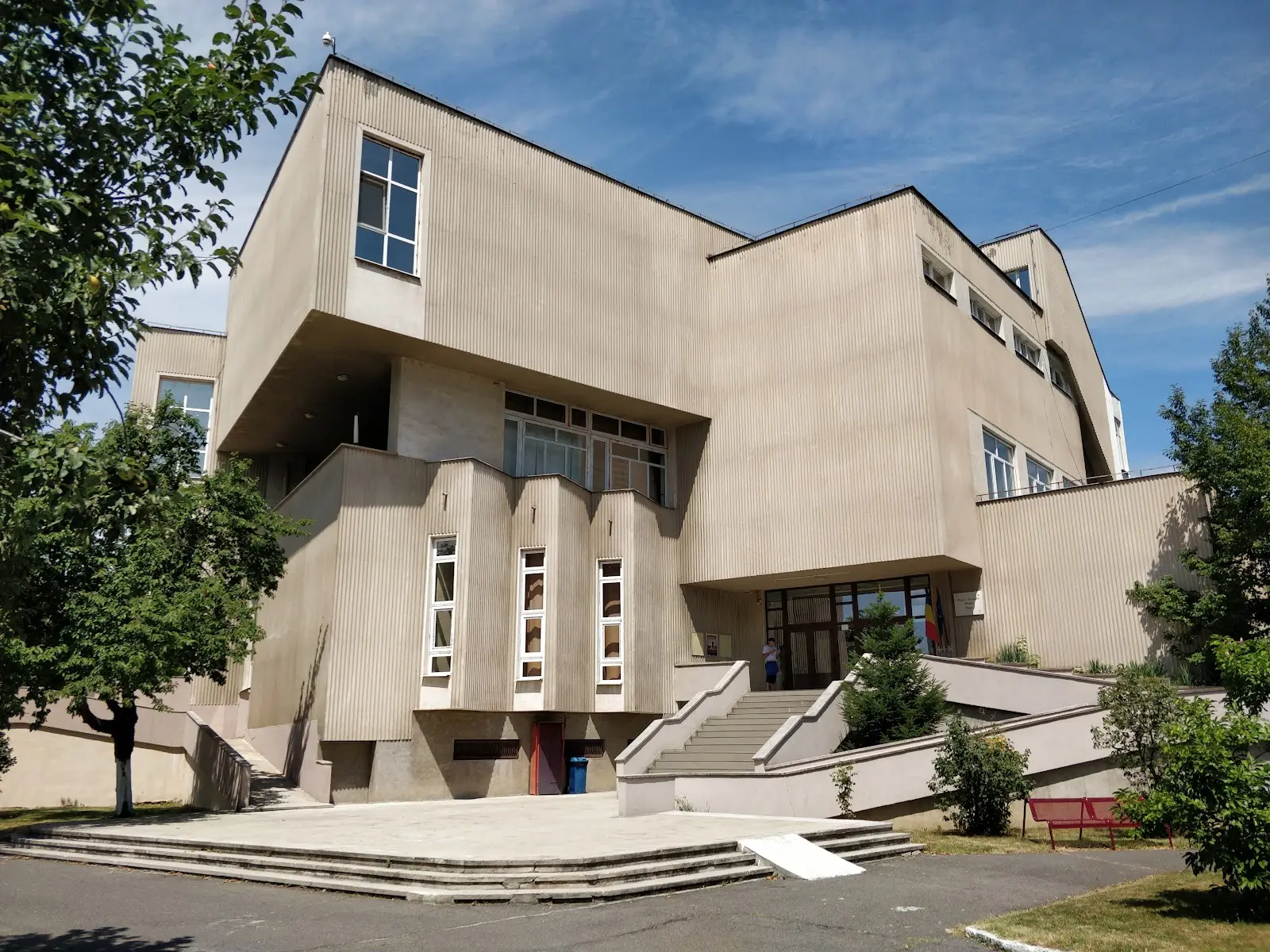
The Museum of the Mountain Banat in Reșița preserves and showcases the rich history of this mountainous area of the Banat region, renowned for its industrial tradition and its ethnic and cultural diversity. The museum's collections include sections of history, archaeology, ethnography and natural sciences, offering a comprehensive picture of settlement in the mountains of Banat, from prehistoric remains to the modern era. Reșița is known as one of the oldest metallurgical centres in Europe, and its industrial heritage holds an important place, illustrated through machines, tools and documents related to the iron and steel works that shaped the city's development. The ethnography section presents the costumes, customs and crafts of the varied communities that live together in the area. Practical note: the museum visit combines with exploring the city's industrial heritage, including the historic locomotives displayed in the open air, and going through the thematic sections offers useful context for understanding the mountainous Banat.
Frequently asked questions
What is Reșița known for?+
Reșița is best known for sights such as Ochiul Beiului (Cascada Beușnița), Lacul Ochiul Beiului, Cheile Nerei-Beușnița.
How many days do you need in Reșița?+
One to two days is enough to see the highlights of Reșița; stay longer to use it as a base for day trips.
Where should I stay in Reșița?+
See our selected stays above, or check live rates and availability on the accommodation map.