Moldavia
Piatra Neamț
The 'Pearl of Moldavia', between mountains and lakes.
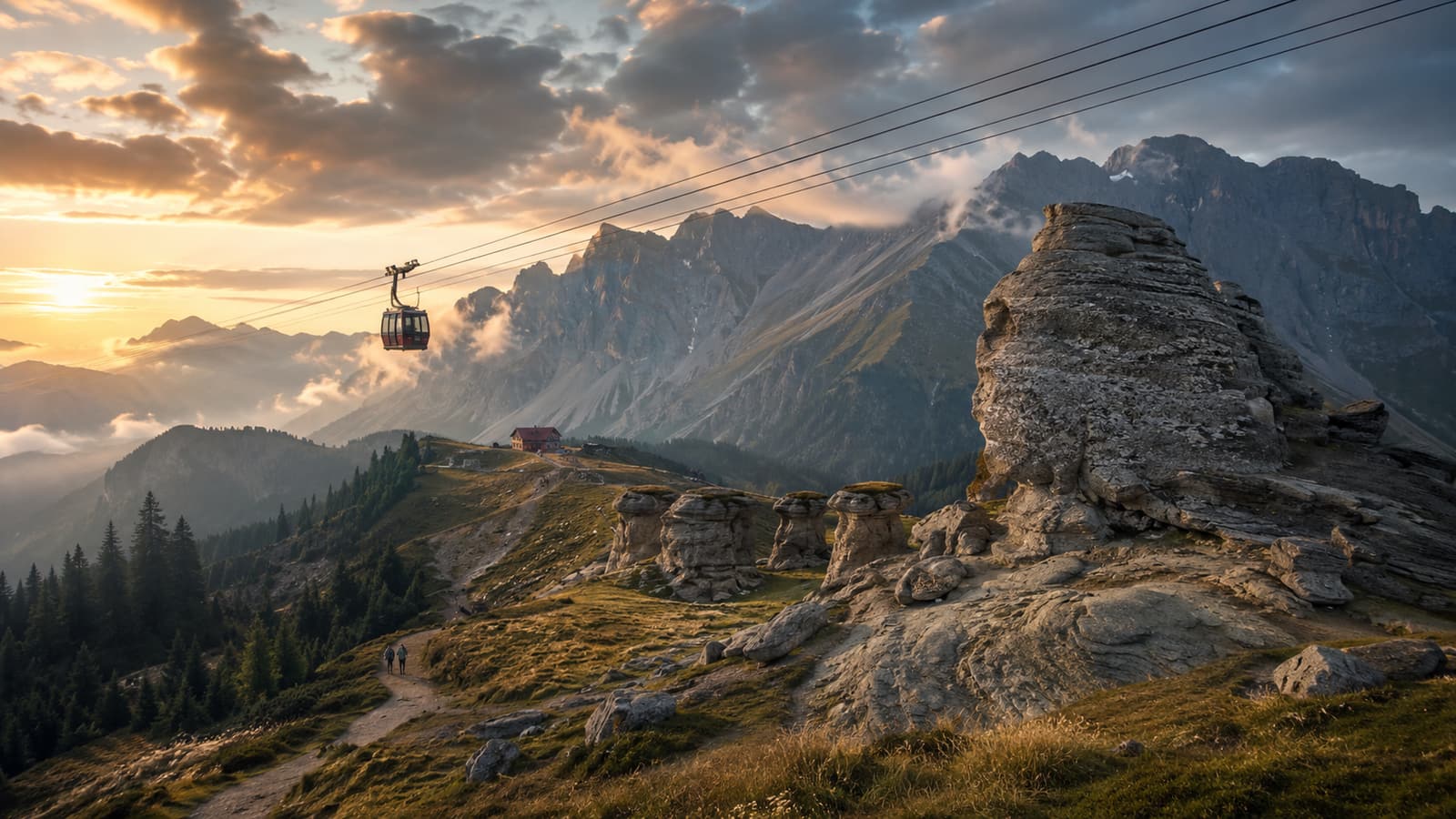
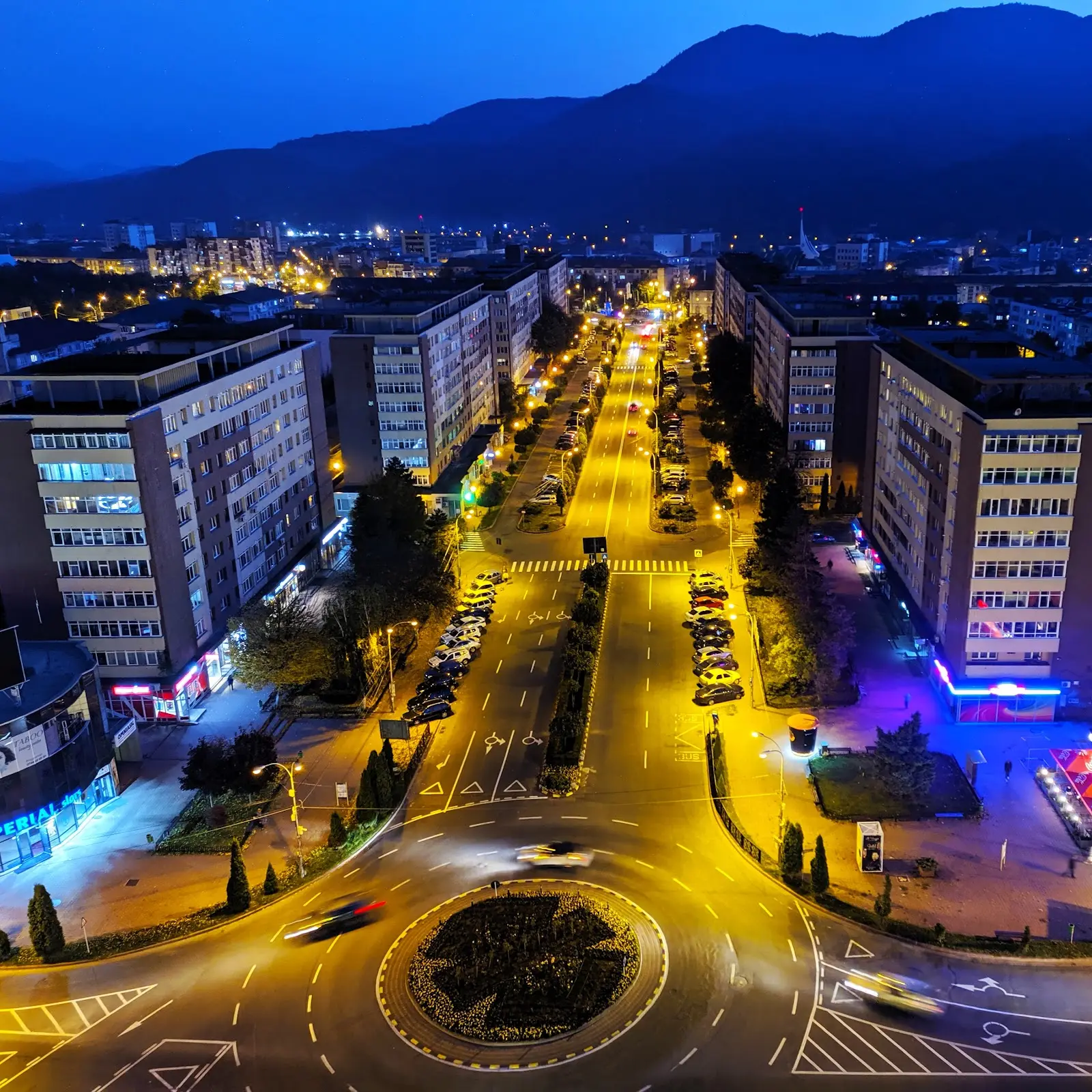
Piatra Neamț is a town in Moldavia, spread across a basin among wooded hills on the banks of the Bistrița River, at the foot of the Cozla, Pietricica and Cernegura massifs. Known as the "Pearl of Moldavia," it blends a well-kept historic centre with generous mountain scenery and a network of gondola lifts that rise straight from the centre up Mount Cozla. Its medieval core, the Princely Court, holds the Church of St John the Prince and the Tower of Stephen the Great, both raised at the end of the fifteenth century by the great Moldavian voivode, testimony to an age when the region's political heart beat here.
Museums of art and history, along with a remarkable museum of Eneolithic art devoted to the Cucuteni culture, round out the cultural offering. Nearby, the Izvorul Muntelui (Bicaz) reservoir and the spectacular gorges that share the name draw day-trippers. The mood is that of a prosperous, settled provincial town, with promenades along the Bistrița and lively cafés.
Moldavian cooking stands out for its Rădăuți-style soups, sarmale, savoury pies and stews, paired with wines from the region's vineyards. Piatra Neamț is reached by national roads from Bacău and Târgu Neamț and serves as a gateway to the Neamț monasteries and to Ceahlău. It is worth visiting for its rare mix of medieval history and mountain nature.
Where to stay
All stays → Boutique
Hotel Central Plaza Piatra Neamț
A tower hotel offering luxurious rooms and suites, plus three restaurants and conference spaces.
 Boutique
Grand Hotel Ceahlău Piatra Neamț
Unpretentious rooms in a relaxed hotel with three restaurants, two bars and a nightclub.
Where to eat
All restaurants →
What to see
See all →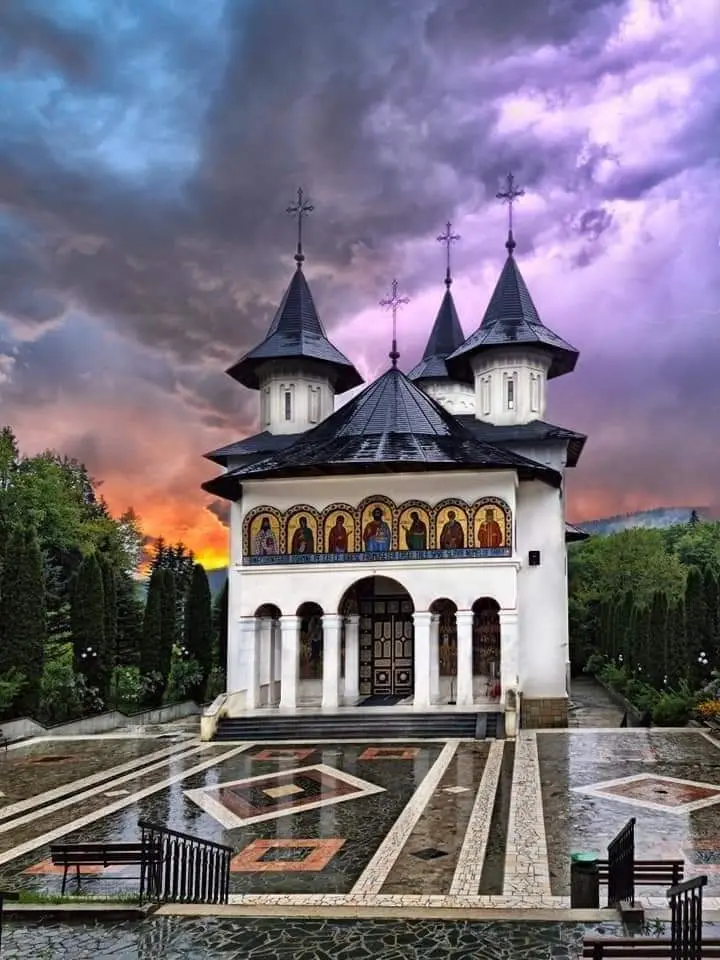 Monastery
Mănăstirea Sihăstria
Sihăstria Monastery is one of the best-known and most beloved monasteries in Moldavia, set in a secluded, peaceful clearing in the wooded massif of the mountains near the town of Piatra Neamț, in the famous land of the Neamț monasteries. The settlement, with origins reaching back to the seventeenth century, developed over time into an important centre of spiritual and monastic life, becoming renowned above all for the great spiritual fathers who lived here, among them father Cleopa Ilie and father Paisie Olaru, key figures of twentieth-century Romanian Orthodoxy, to whose graves many pilgrims come. The main church and the cells blend harmoniously into the natural setting, among conifer forests, in an atmosphere of deep peace and contemplation. The monastery preserves worship objects and a valuable library. Its proximity to other settlements, such as Sihla and Secu, places it on a spiritual circuit. Visitors are asked to respect the quiet, the proper dress and the rules of an active monastic settlement.
 Monastery
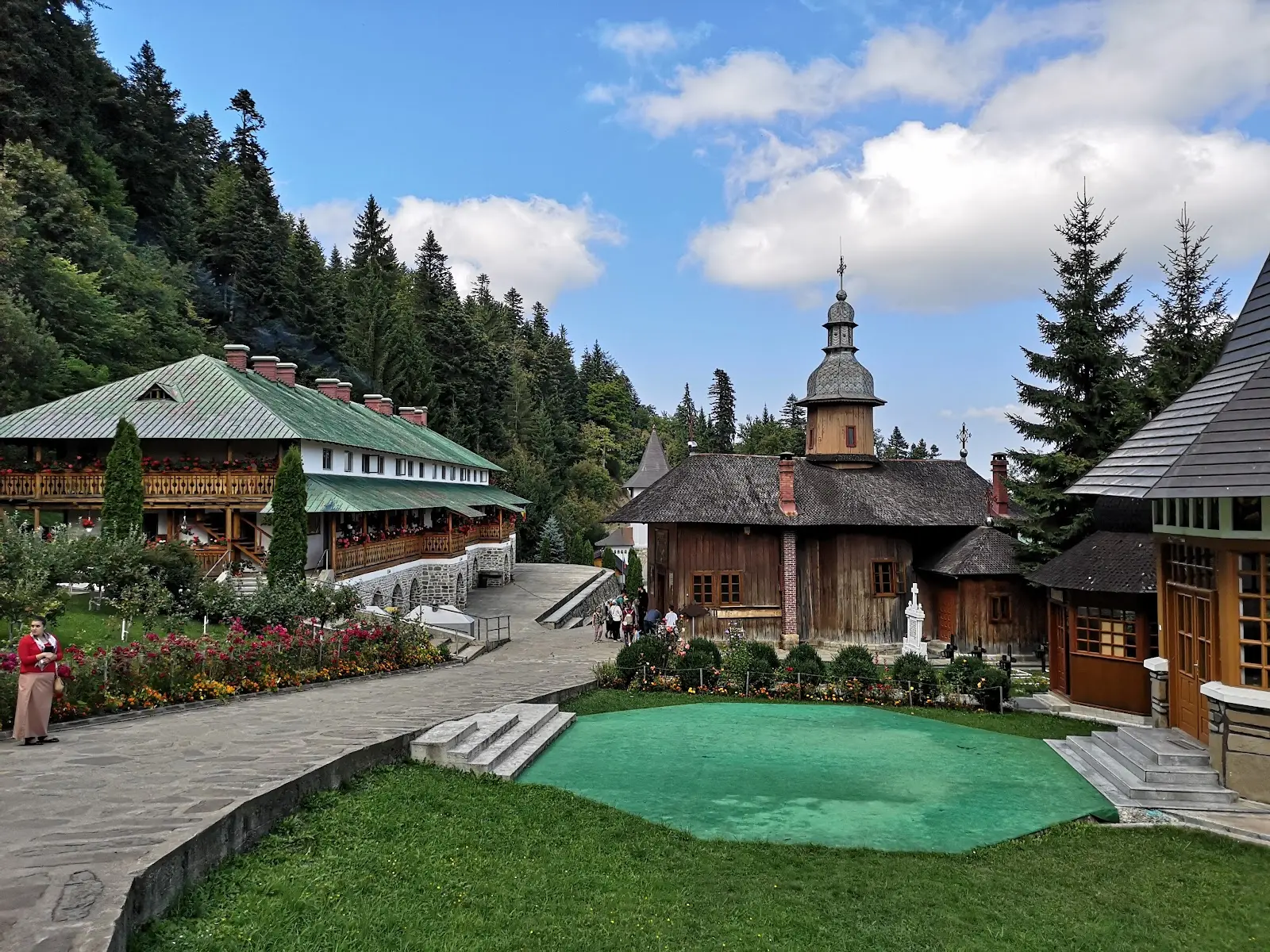
Mănăstirea Sihla
Sihla Monastery, hidden deep in the Stânișoara mountains of Neamț county, is one of the most secluded and spiritually charged retreats in Moldavia. It is closely linked to Saint Theodora of Sihla, who lived in ascetic seclusion in the nearby cave that has since become a place of pilgrimage. The complex includes a small wooden church and a stone one, perched among rocks and coniferous forests in a landscape of wild beauty. The road to the monastery passes through forest and spectacular rock formations, and the stillness of the place, broken only by the rustling of the woods, deepens the sense of contemplation. The cave of Saint Theodora, reached by a marked path, is a special destination for pilgrims. Sihla lies near Sihăstria Monastery and the Ceahlău massif and is often included in a spiritual itinerary through the Neamț region. It is a destination for those seeking peace, untouched nature and a profound sense of spirituality.
 Mountain
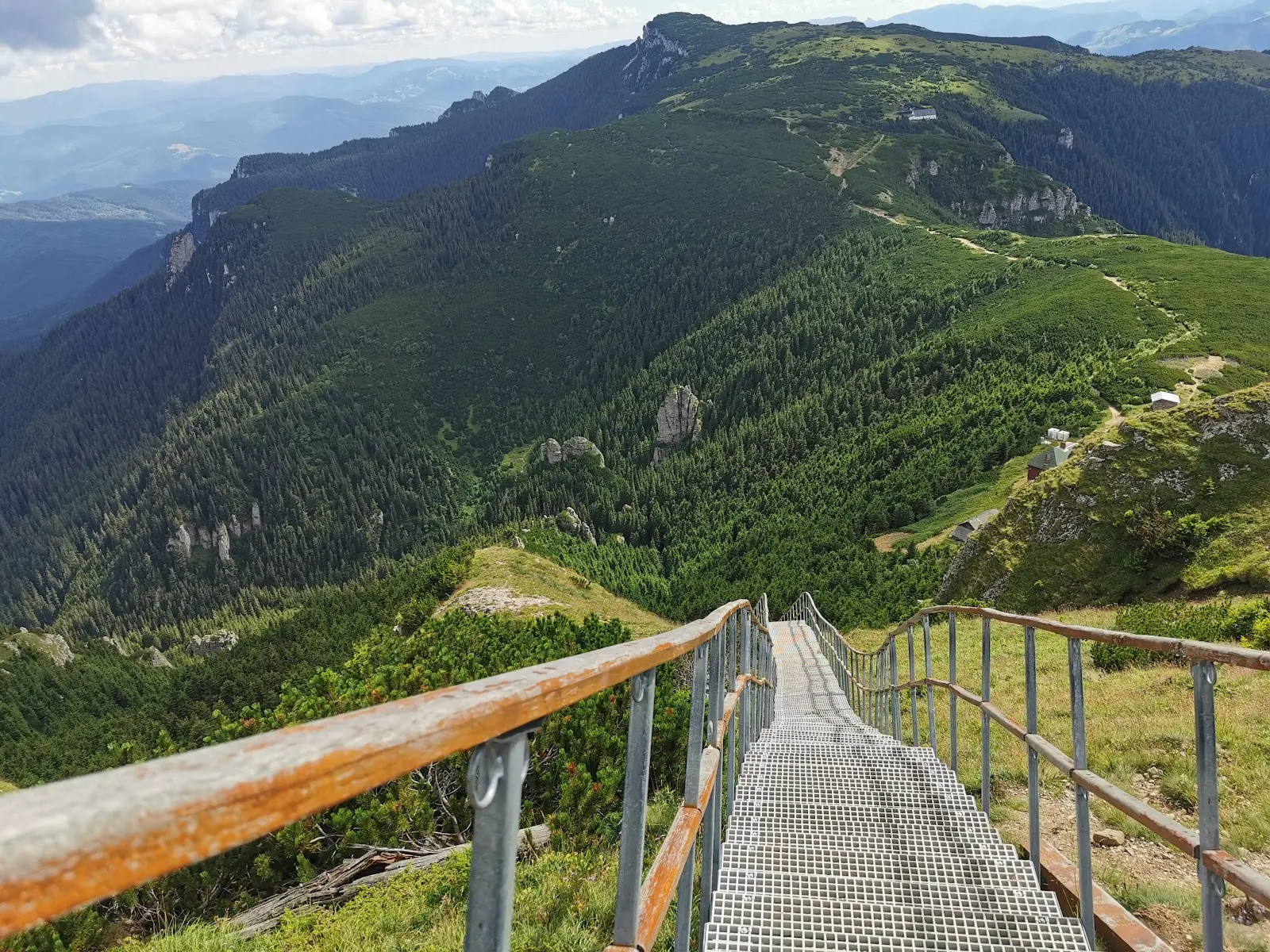
Munții Ceahlău - Vârful Toaca
Toaca Peak, at 1,904 metres, is one of the highest and most spectacular points of the Ceahlău Massif, the sacred mountain of Moldavia, in Neamț County. With its pyramidal silhouette, remarkable among the other summits, Toaca rises above the Ceahlău plateau and offers, on clear days, one of the vastest panoramas in the Eastern Carpathians, taking in the Izvorul Muntelui reservoir, the neighbouring ridges and, in the distance, the Moldavian plain. The ascent is made on a long metal staircase, fitted to the final steep section, which eases the climb to the crest. On the summit stands an old weather station, and nearby, on the plateau, rise a hermitage and a commemorative cross. The Ceahlău, a protected area, is bound to old Dacian legends and to the tradition of pilgrimages. Practical note: set out very early, dress for changeable weather and avoid the ridge in a storm, for fog can suddenly wrap the mountain at altitude.
 Mountain
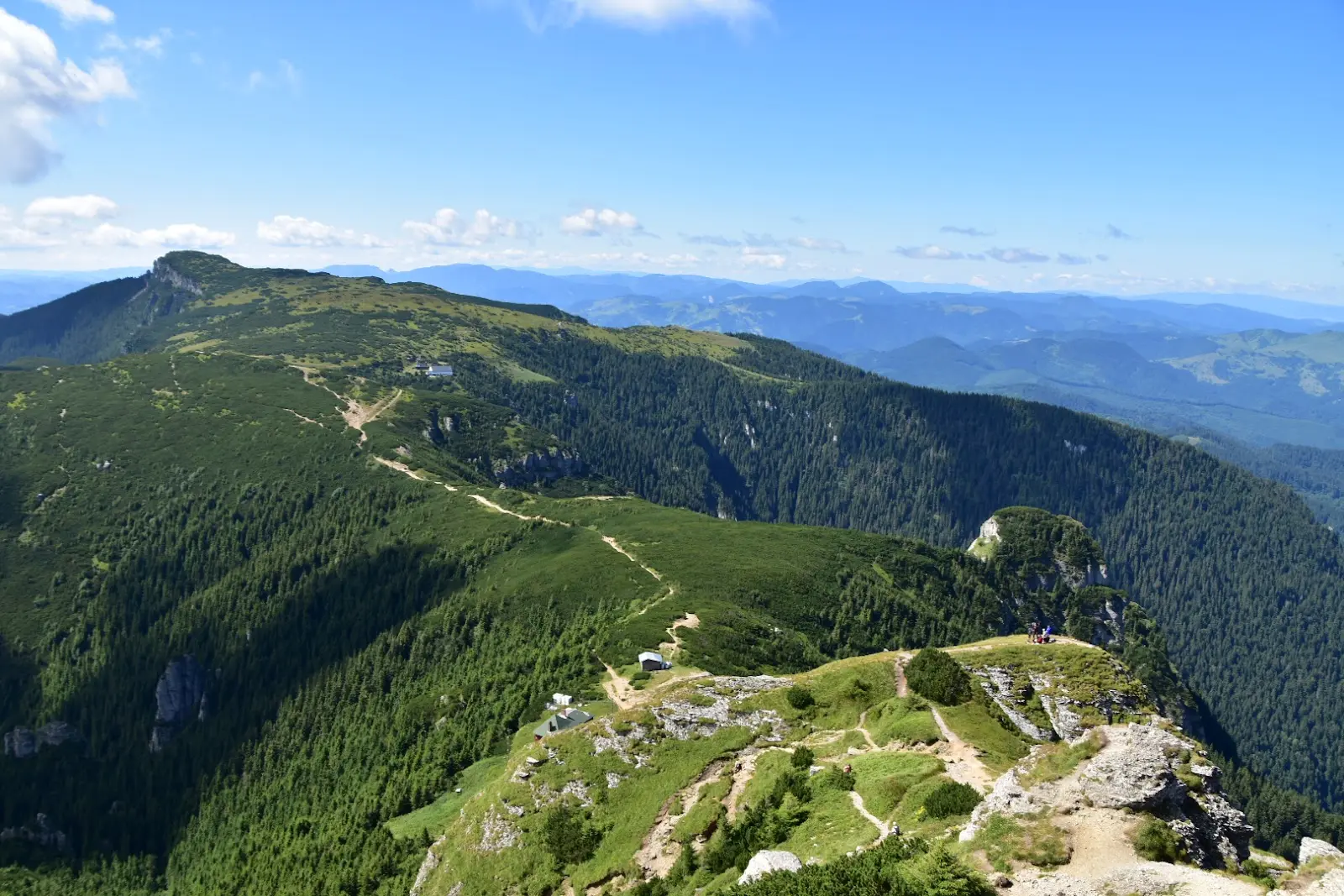
Masivul Ceahlău
The Ceahlău Massif is one of Romania's most famous mountains, rising proudly above Lake Izvorul Muntelui and its surroundings in Neamț County, in Moldavia. Regarded as a holy mountain in folk tradition, Ceahlău has inspired numerous legends and was long a place of pilgrimage. Its spectacular rock formations, with crags bearing names such as Panaghia and Toaca, stand out impressively against the sky, and from its peaks wide views open toward the surrounding mountains and valleys. A special phenomenon, known as the pyramidal shadow of Ceahlău, can be seen in certain light conditions. The mountain is part of a national park that protects its rich flora and fauna, including rare species. Marked trails start from several directions and lead to the upper plateau, where a chalet stands. Practical note: the climb requires good physical condition and mountain equipment, and the weather at altitude can change quickly, so checking the forecast is essential.
 Nature
Cheile Bicazului (Gâtul Iadului)
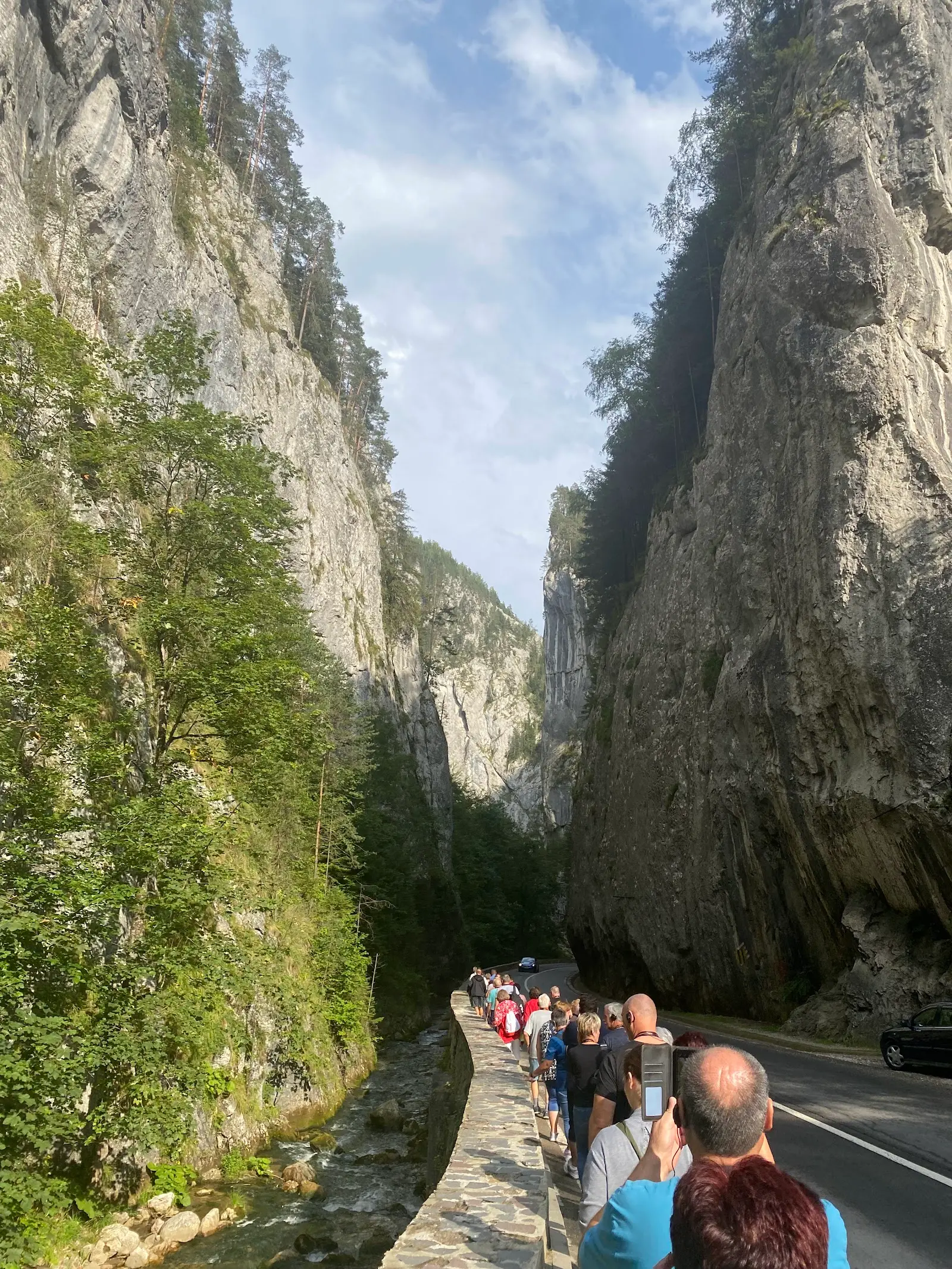
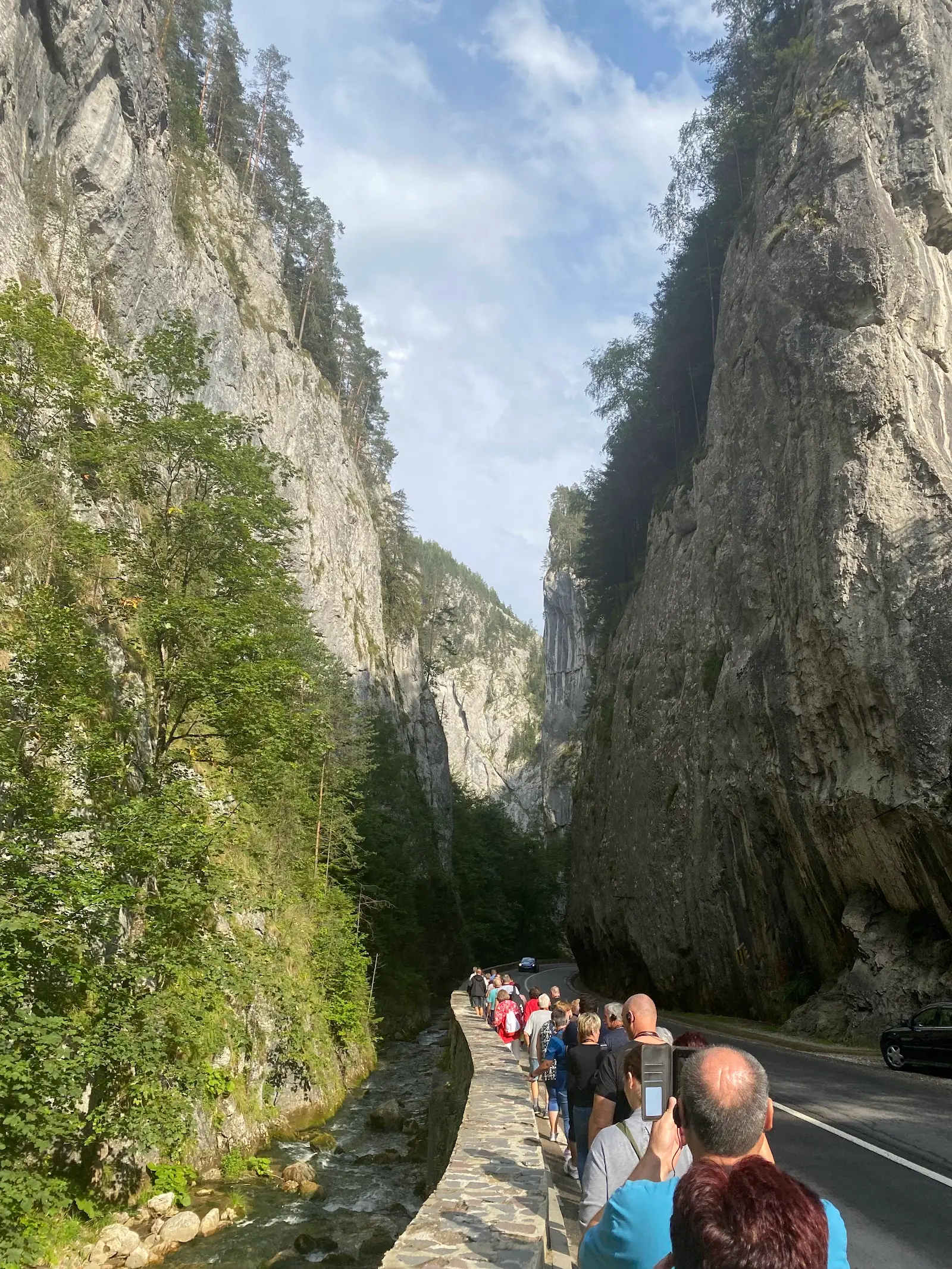
The Bicaz Gorge is one of Romania's most spectacular canyons, carved by the Bicaz river through the limestone of the Hășmaș massif, on the border between Neamț and Harghita. The road winds at the foot of sheer walls hundreds of metres high, so close in the stretch known as the ‘Hell's Throat' that the sky appears only as a narrow ribbon between the cliffs. The route links Transylvania and Moldavia and passes the Red Lake, formed in 1837 by a landslide, with fir trunks still visible beneath the surface. The gorge lies within the Bicaz–Hășmaș National Park and is a paradise for climbers, hikers and photographers, with craft stalls at the base of the walls. It can be driven, but it is worth stopping to walk and feel the true scale of the place. Check road conditions in winter, when it may close due to ice and rockfall.
 Monastery
Mănăstirea Agapia
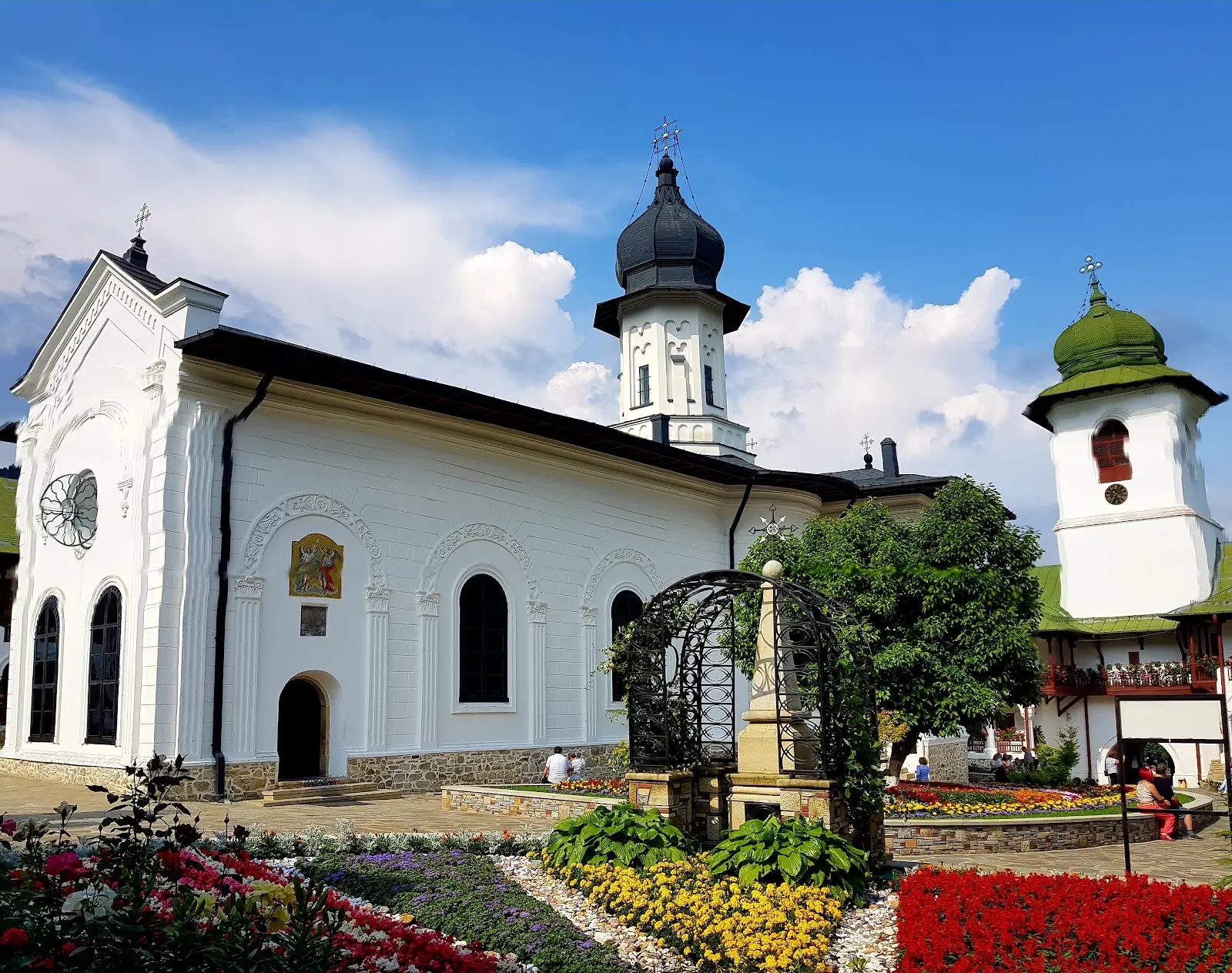
Agapia Monastery, hidden in a forested valley of the Neamț Mountains, is one of the largest and most beautiful convents in Romania, a true monastic village where many nuns live in white houses scattered across the hillside. The main church, built in the 17th century, is renowned for the interior painting created in his youth by the great painter Nicolae Grigorescu, a landmark work of Romanian art. Within the precinct is a museum of icons, embroideries, manuscripts and old art objects, while the atmosphere of calm and the well-kept gardens make Agapia a place of reflection loved by pilgrims and visitors. Its setting amid the forests also offers superb natural surroundings, ideal for walks. The monastery combines naturally with Văratec, Secu, Sihăstria and Neamț Monastery nearby, forming a true pole of Moldavian monasticism. Respect the dress code and the calm of the place, and check the museum and service hours.
 Monastery
Mănăstirea Văratec
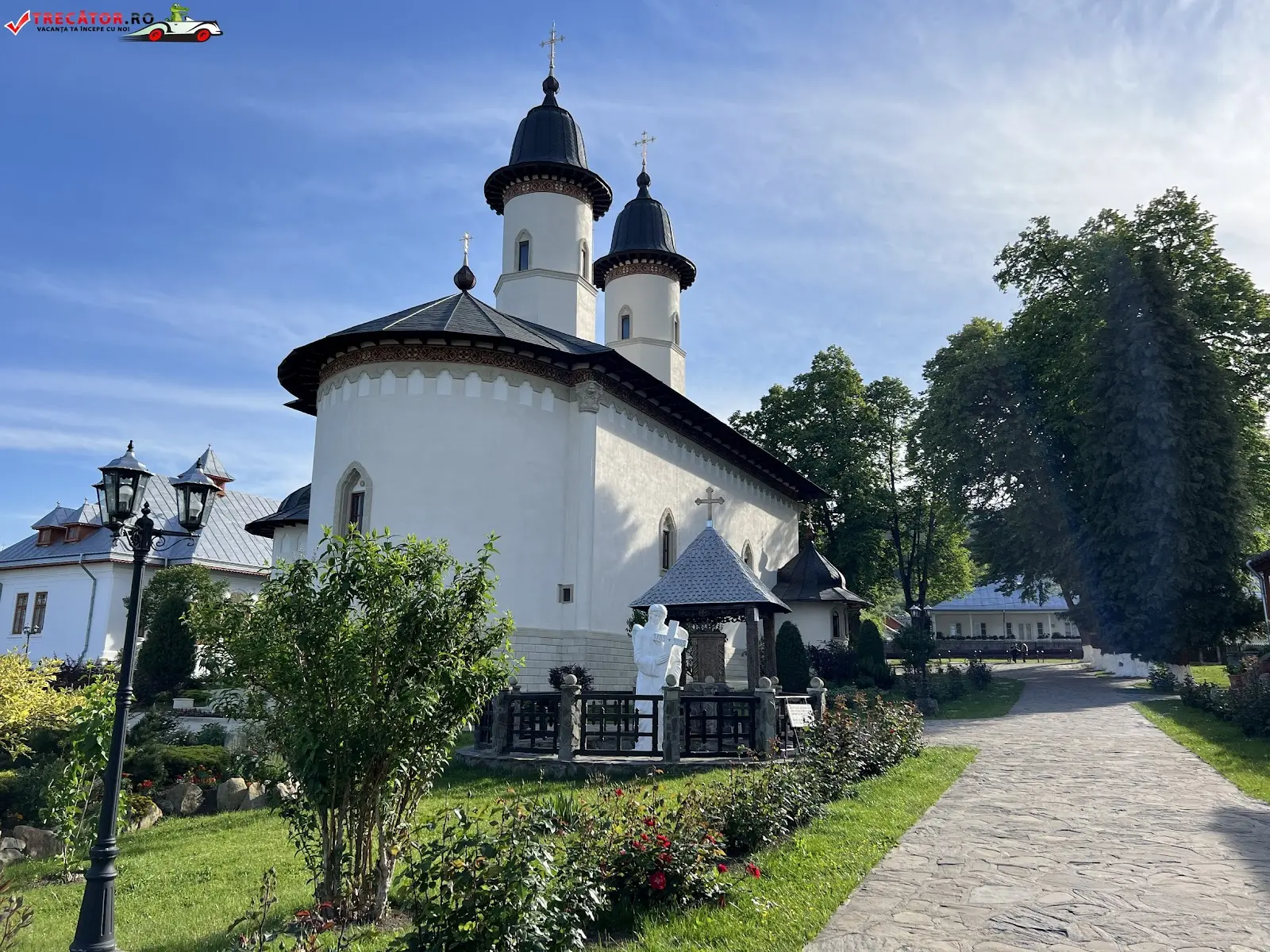
Văratec Monastery is the largest convent for nuns in Romania, set in a peaceful clearing at the foot of wooded hills near the town of Piatra Neamț, in the land of the Neamț monasteries. Founded at the end of the eighteenth century by mother Olimpiada together with the spiritual father Paisie of Neamț, the settlement grew over time into a true monastic hearth, with churches, cells scattered like a village, and renowned workshops of weaving and embroidery. The main church holds old icons and heritage objects, and in the monastery cemetery lies the grave of the poet Veronica Micle, linked to the figure of the great poet Mihai Eminescu. The atmosphere of peace, the traditional Moldavian architecture and the natural setting make Văratec a place of pilgrimage and contemplation, as well as a cultural destination. The monastery museum preserves collections of old church art. Set near other famous monasteries such as Agapia, Văratec fits into a spiritual circuit. Visitors are asked to respect the proper dress and the quiet of the place.
 Nature
Cascada Duruitoarea
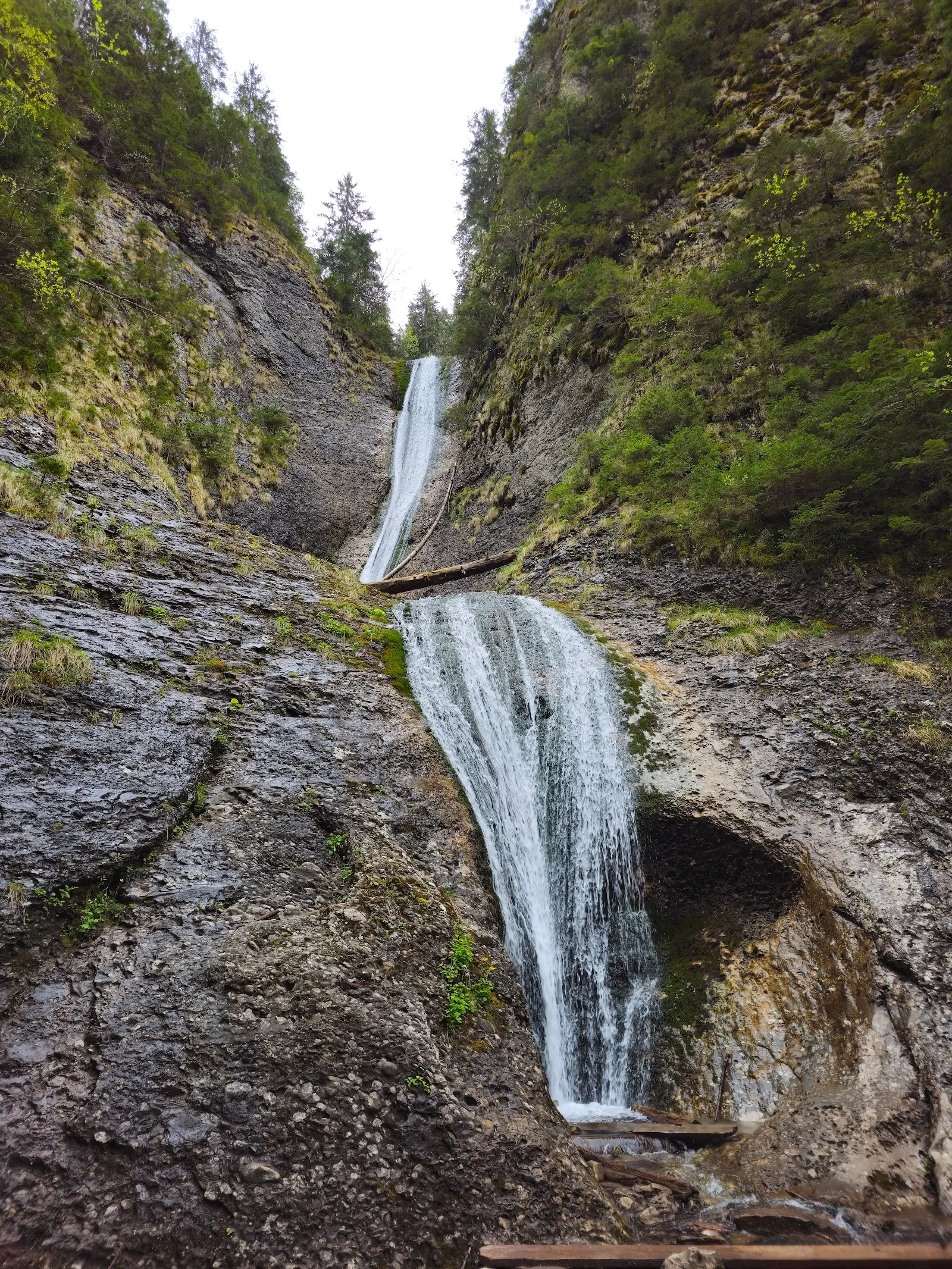
Duruitoarea Waterfall is one of the most spectacular cascades in the Ceahlău massif and an emblematic destination for hikers in the Neamț region. The water plunges from a height of around 25 metres in two steps over conglomerate rocks, and the powerful roar of the torrent, which gave the fall its name, can be heard from a distance. The waterfall is fed by the Rupturi stream and lies along one of the marked trails climbing toward the Ceahlău plateau, in a setting of dense forest and mountain silence. The hike up requires some fitness, but the reward is worth it: a wild landscape, clean air and the cool spray of water on summer days. The area is part of Ceahlău National Park, a protected zone rich in the flora and fauna typical of the Carpathians. It is an ideal destination for lovers of nature and hiking who wish to discover the special beauty of the sacred mountain of the Moldavians.
 Nature
Cheile Sugăului
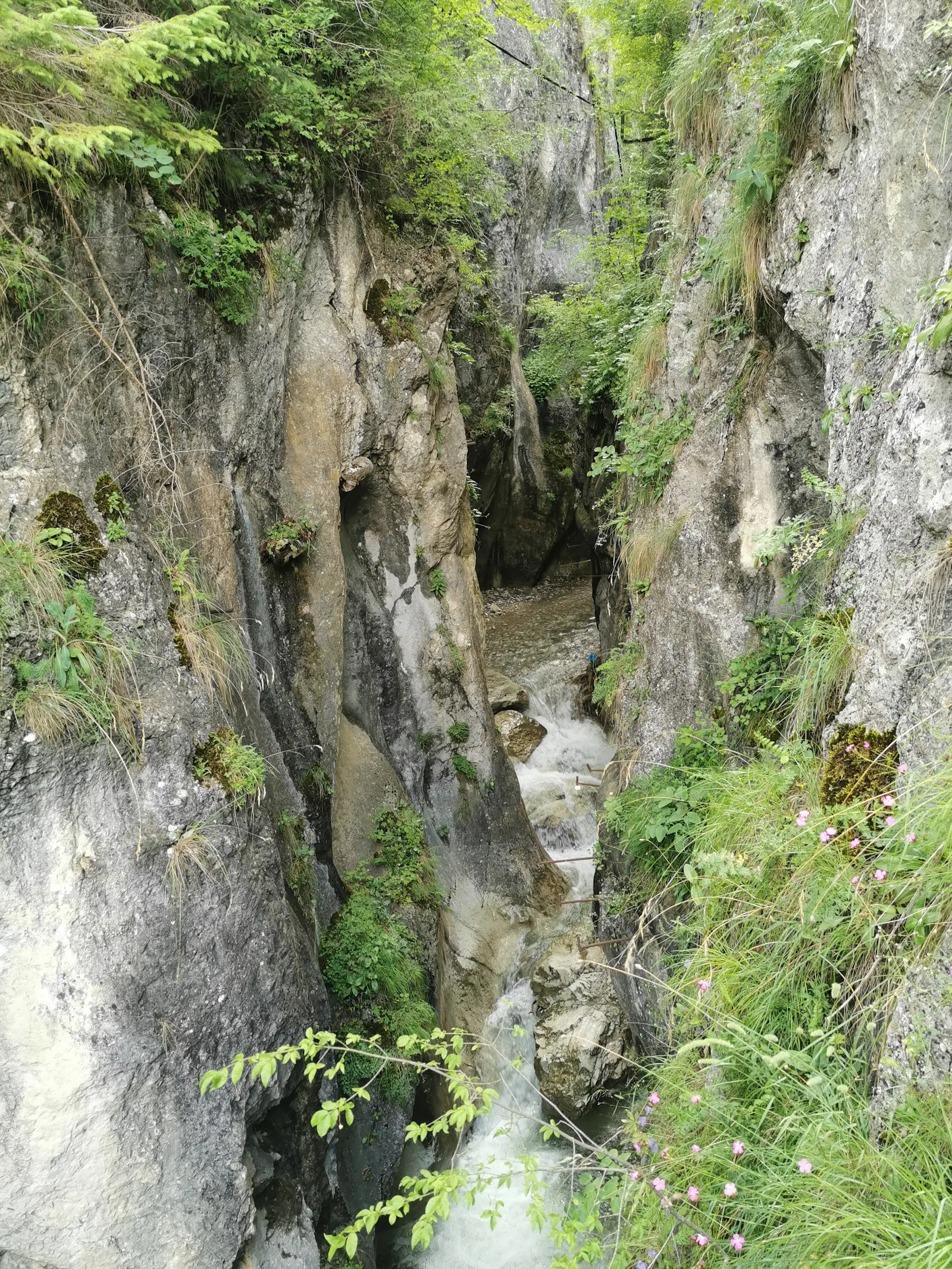
The Sugau Gorges are a spectacular defile near the town of Piatra Neamt, in the Hasmas mountains, where the Sugau stream has carved its way between high walls of limestone. The nature reserve that protects the gorges shelters a diverse flora and fauna, including rare plant species adapted to the rocky environment. The arranged tourist trail follows the course of the water, with walkways, stairs and bridges that allow the more difficult stretches to be crossed, offering views of the rock formations and small waterfalls. The area is prized for the wildness and beauty of its landscape and is a favourite attraction for hikers and nature lovers. The gorges belong to a mountain area rich in caves and exploration routes. Proper footwear, care on the wet stretches and respect for the rules of the nature reserve are recommended during the visit.
Frequently asked questions
What is Piatra Neamț known for?+
Piatra Neamț is best known for sights such as Mănăstirea Sihăstria, Mănăstirea Sihla, Munții Ceahlău - Vârful Toaca.
How many days do you need in Piatra Neamț?+
One to two days is enough to see the highlights of Piatra Neamț; stay longer to use it as a base for day trips.
Where should I stay in Piatra Neamț?+
See our selected stays above, or check live rates and availability on the accommodation map.