
Moldavia
Iași
Moldavia's cultural capital — palaces, churches and vineyards.
Iași is the great cultural and historic capital of Moldavia, former capital of the Principality of Moldavia and, briefly during the First World War, of all Romania. Set on seven hills in the east of the country, the city is dubbed Romania's "cultural capital" and is home to the country's oldest university.
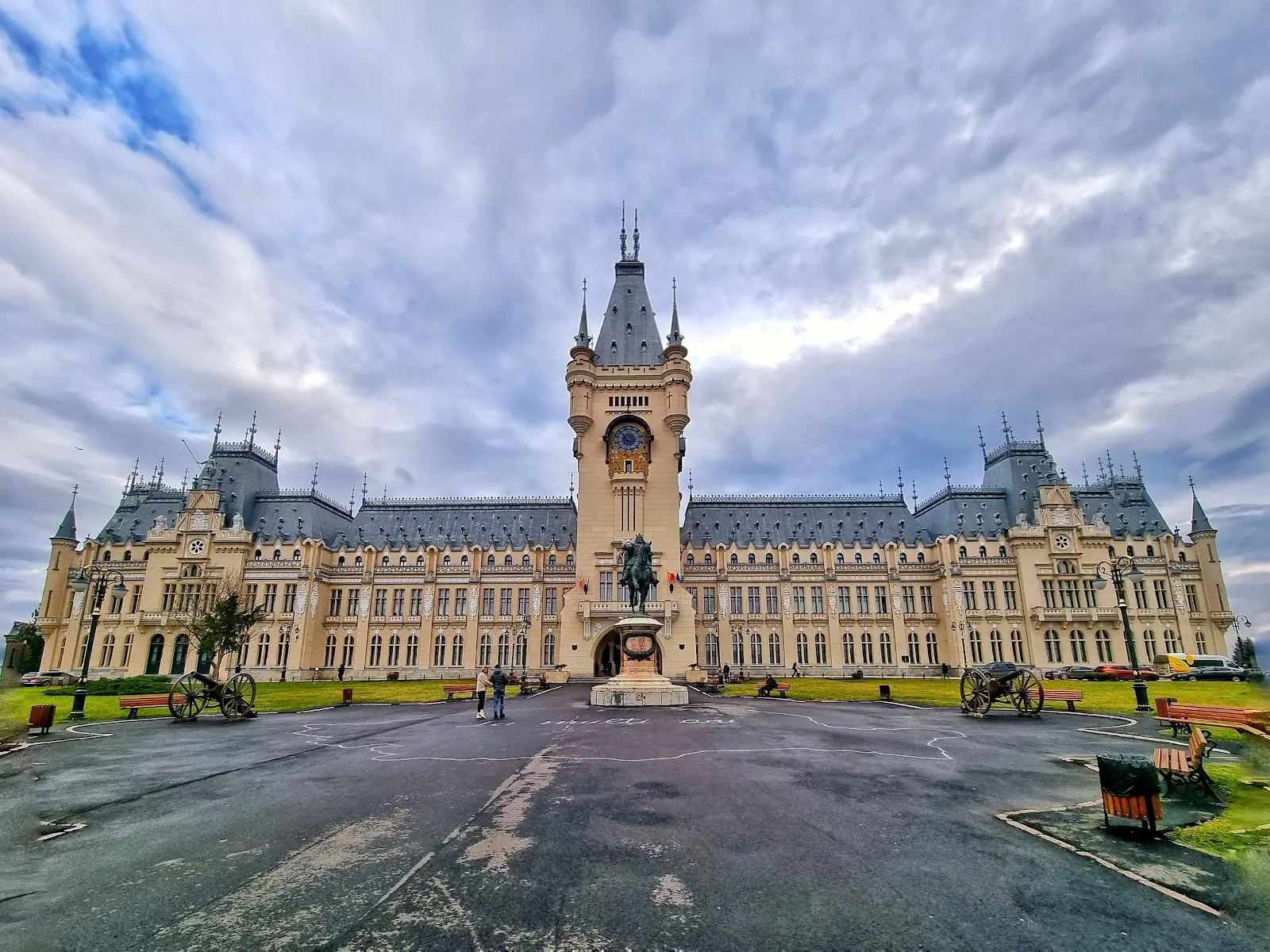
Its best-loved landmark is the Palace of Culture, a monumental Neo-Gothic building with a clock tower, raised on the site of the old princely court and today housing several museums. In the centre stands the Metropolitan Cathedral, the largest Orthodox church in Romania, where the relics of Saint Parascheva draw an immense pilgrimage each year. Nearby stand the Three Hierarchs Church, its façade entirely covered in stone carving, and the Golia Monastery. Iași is also the city of great writers — Eminescu's linden tree in Copou Park and Creangă's Cottage recall its literary heritage.
As a major university town, Iași has a vibrant youthful and cultural life, with theatres, festivals and a growing café scene. Moldavian cuisine is generous and flavourful, and the area is renowned for wines, with the Cotnari vineyard nearby.
The city has an international airport and good rail and road links. Spring through autumn is the best time, and the Saint Parascheva celebration (October) is a special moment. Iași is worth visiting for its spiritual richness, cultural heritage and academic atmosphere.
Where to stay
All stays →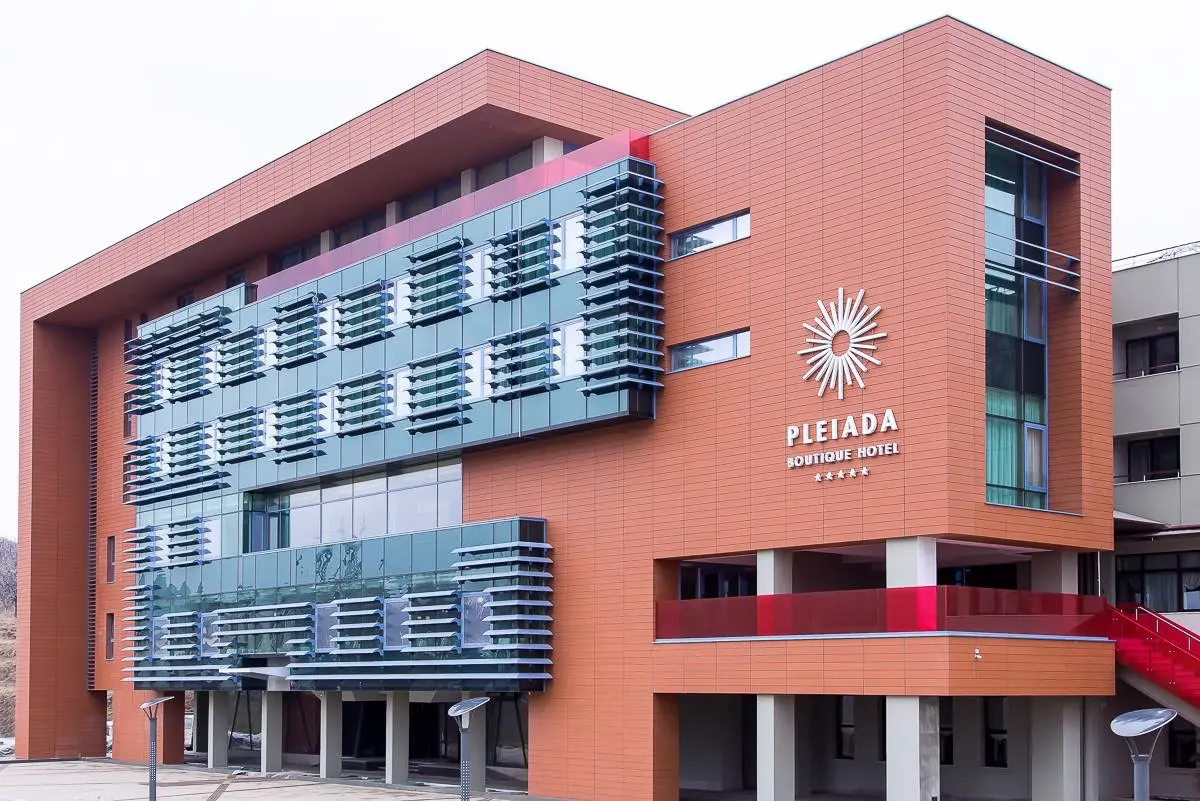 Boutique
Pleiada Boutique Hotel Iași
An elegant hotel with individually decorated rooms, plus two restaurants and a spa with an indoor pool.
 Luxury
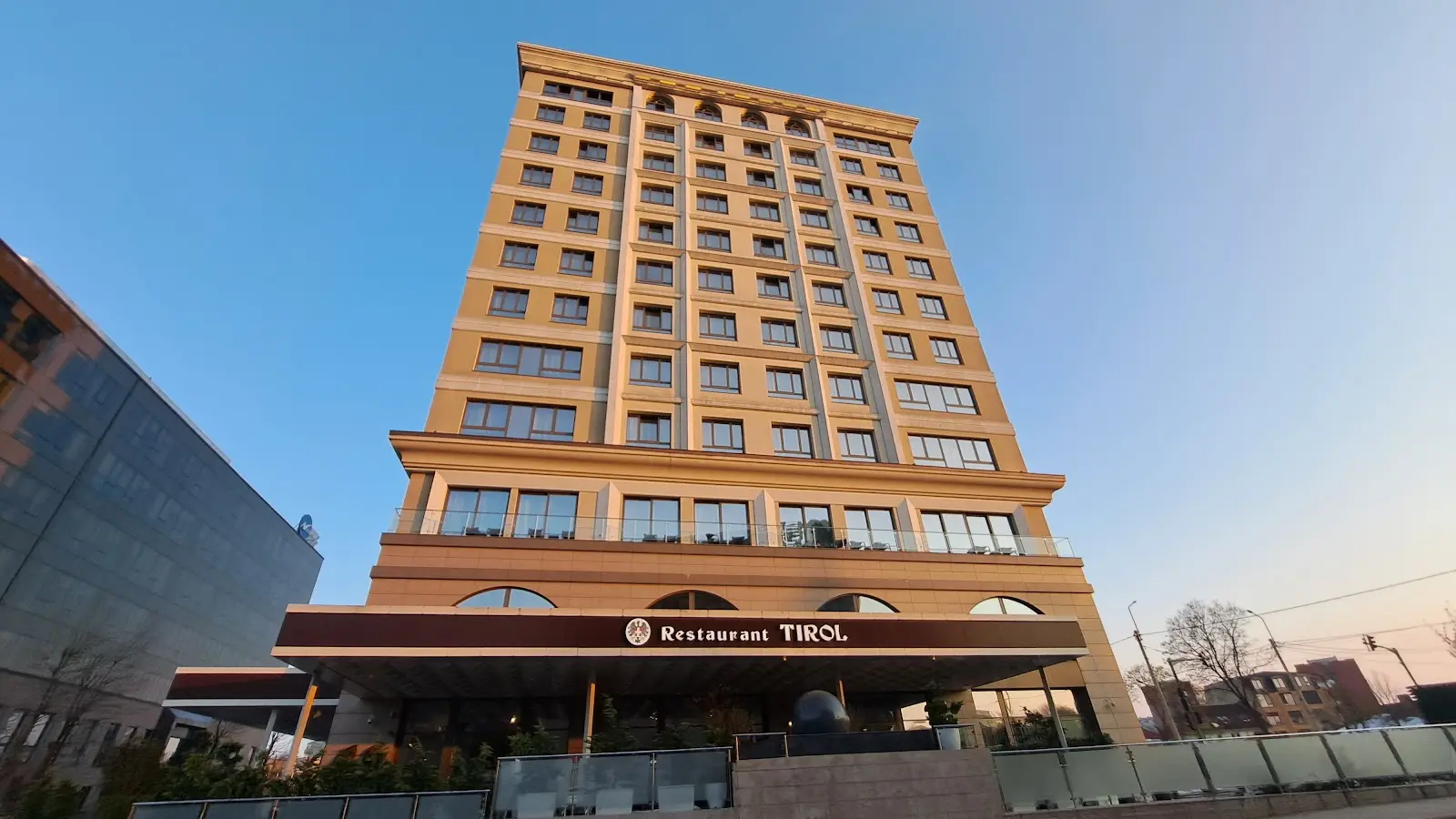
International Hotel Iași
A refined hotel with a cocktail lounge, an indoor pool and saunas, plus a fitness room and three restaurants.
 Boutique
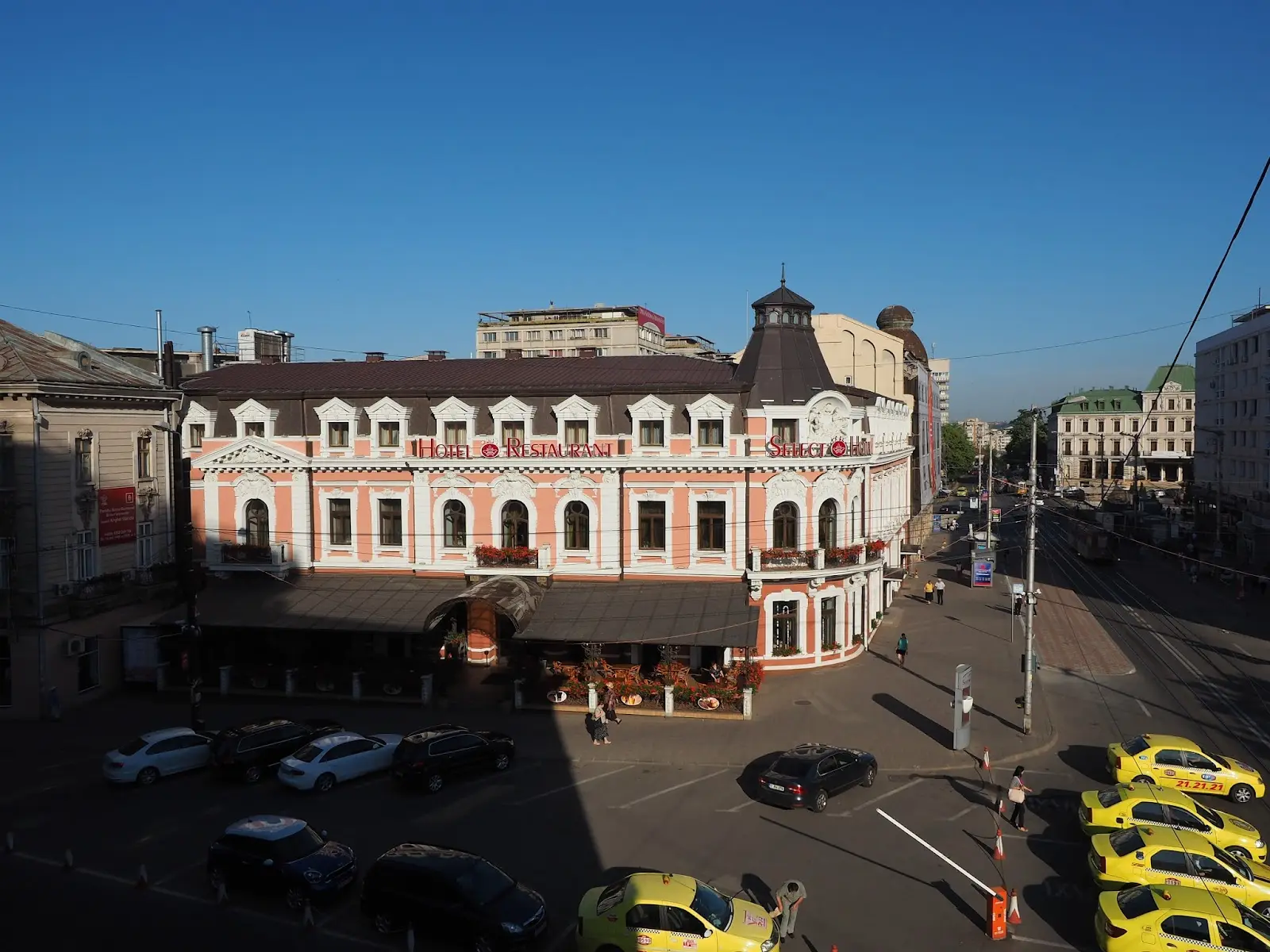
Hotel Select Iași
A simple hotel with a restaurant and a sidewalk terrace, plus a bar and breakfast.
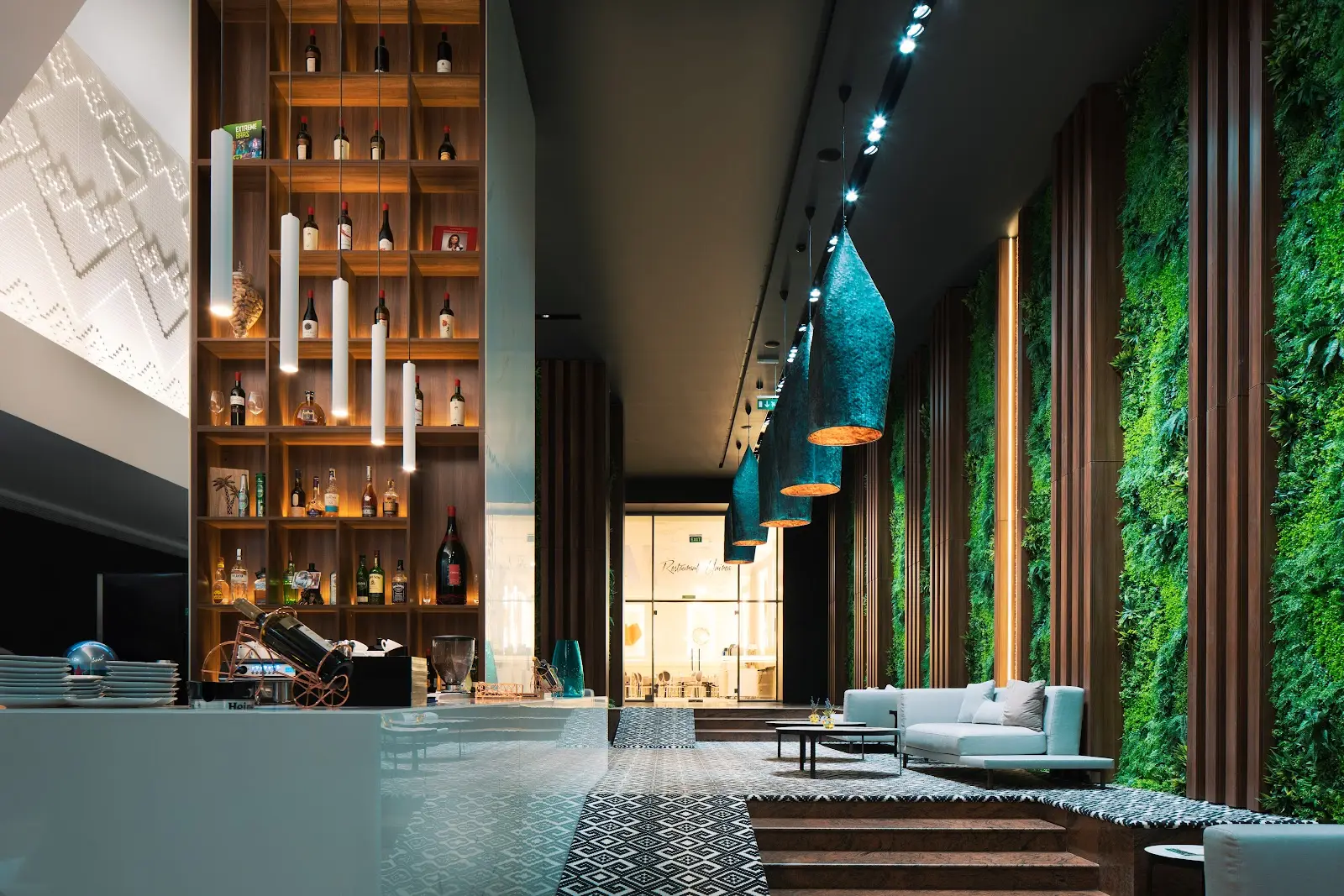 Luxury
Hotel Unirea Iași
Simple rooms in an informal hotel with two restaurants and city views, plus a spa with a pool.
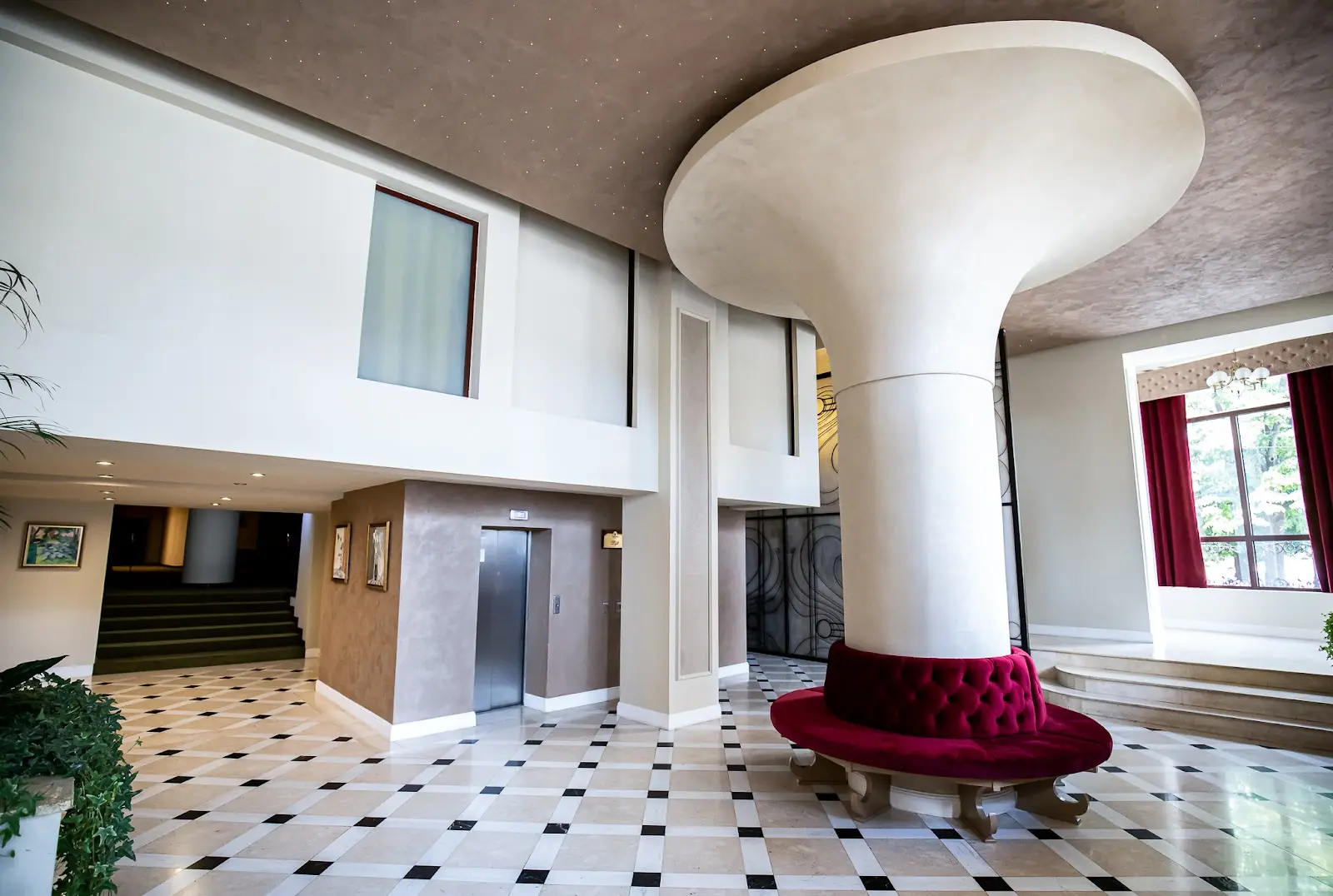 Boutique
Hotel Traian Iași
Elegant, period accommodation with refined rooms and suites, plus a luxurious restaurant/bar.
Where to eat
All restaurants →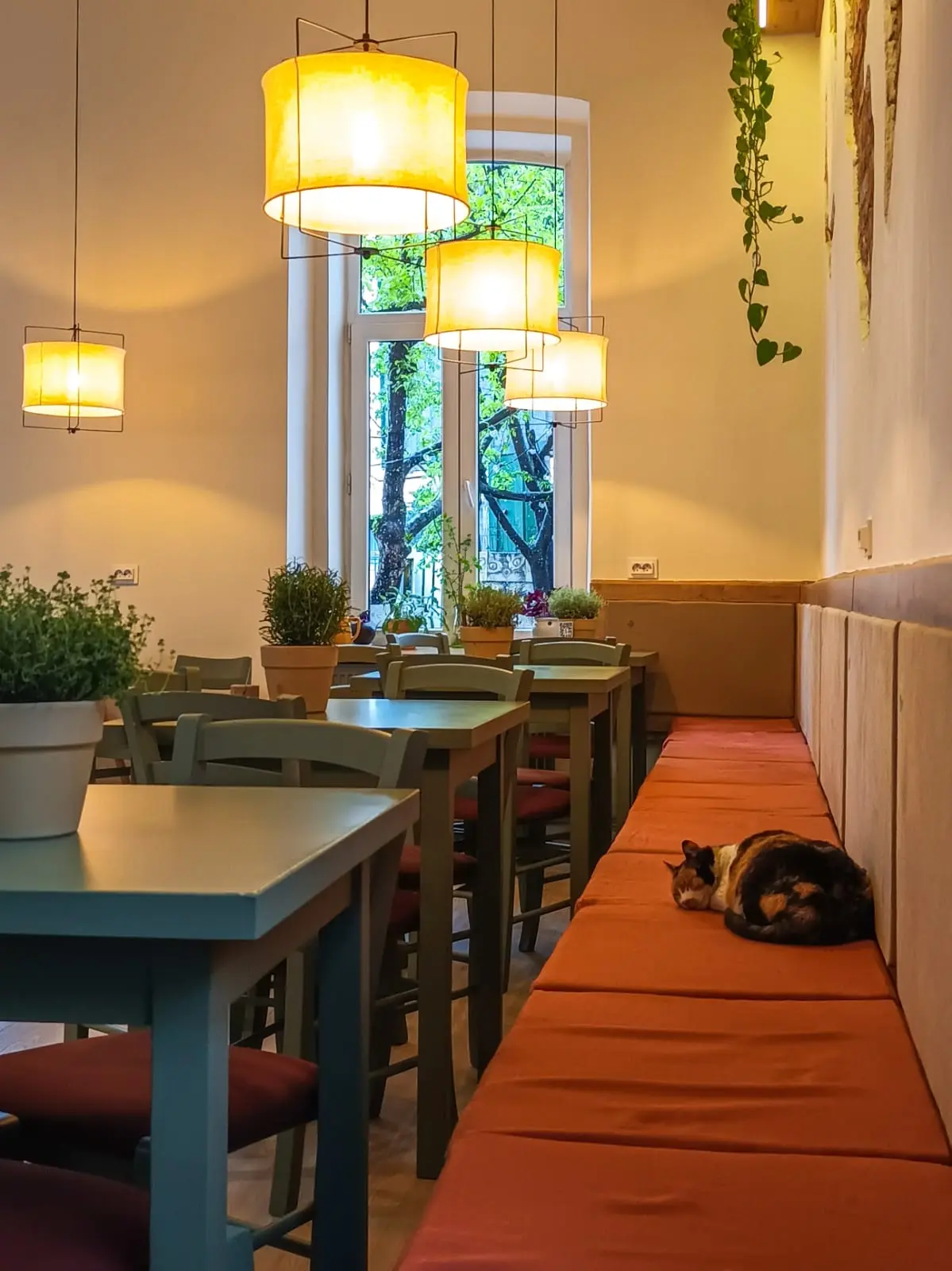 Bistro
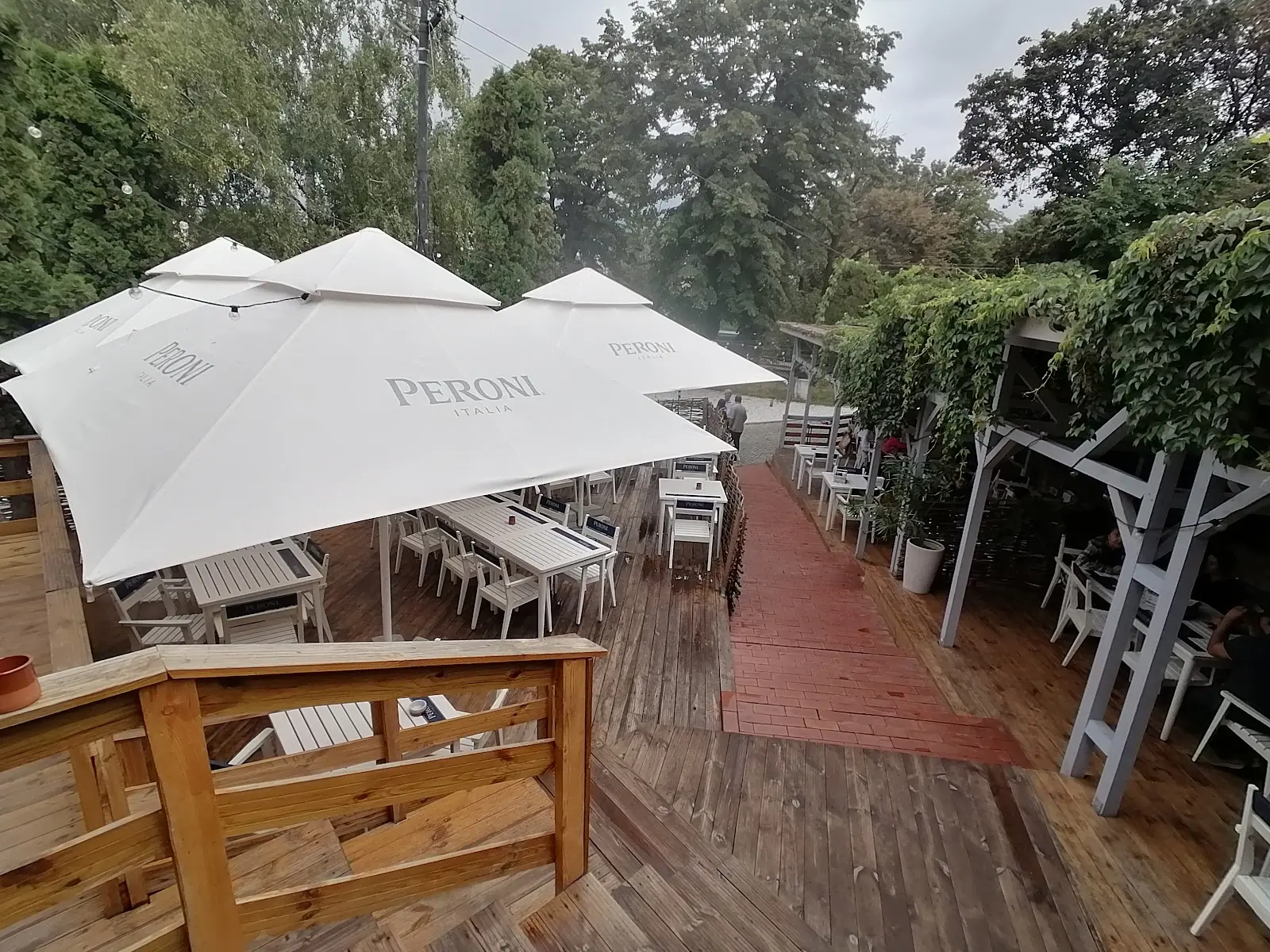
Cuib Iași
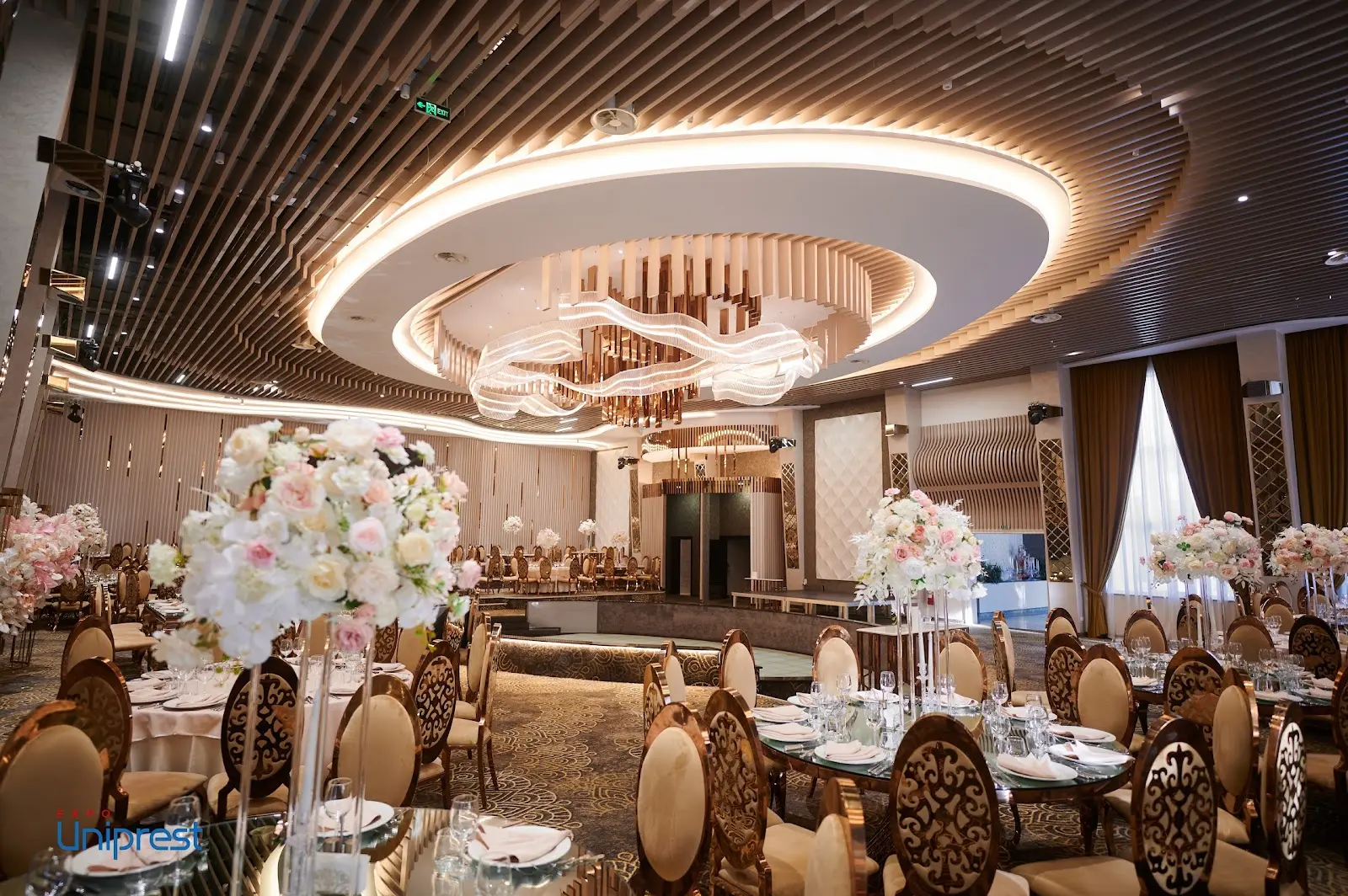 Traditional
La Castel Iași
A quiet hotel in a castle-style building offering welcoming rooms, a restaurant and a bar with a lounge.
 Bistro
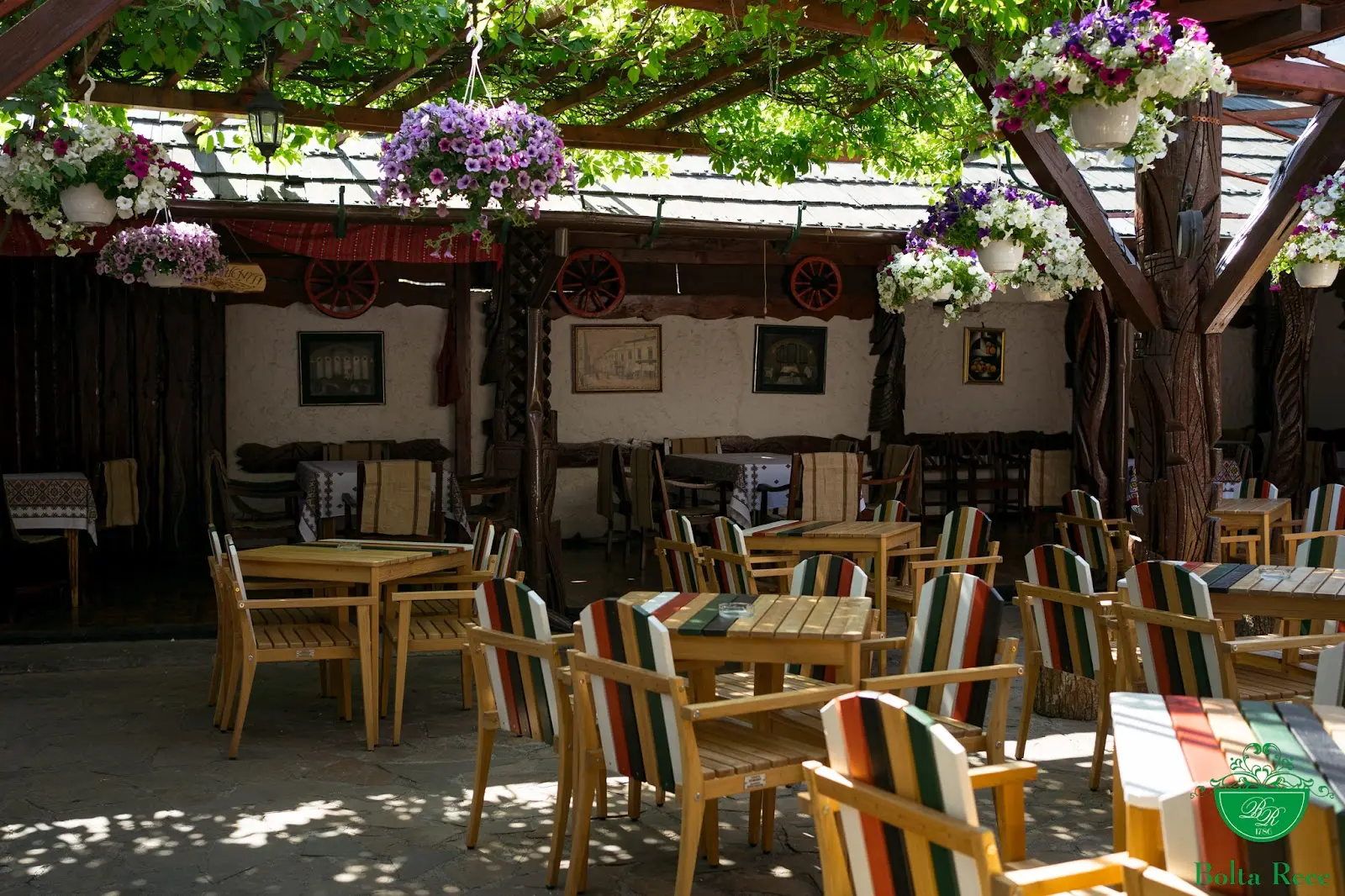
Restaurant Casa Pogor Iași
 Traditional
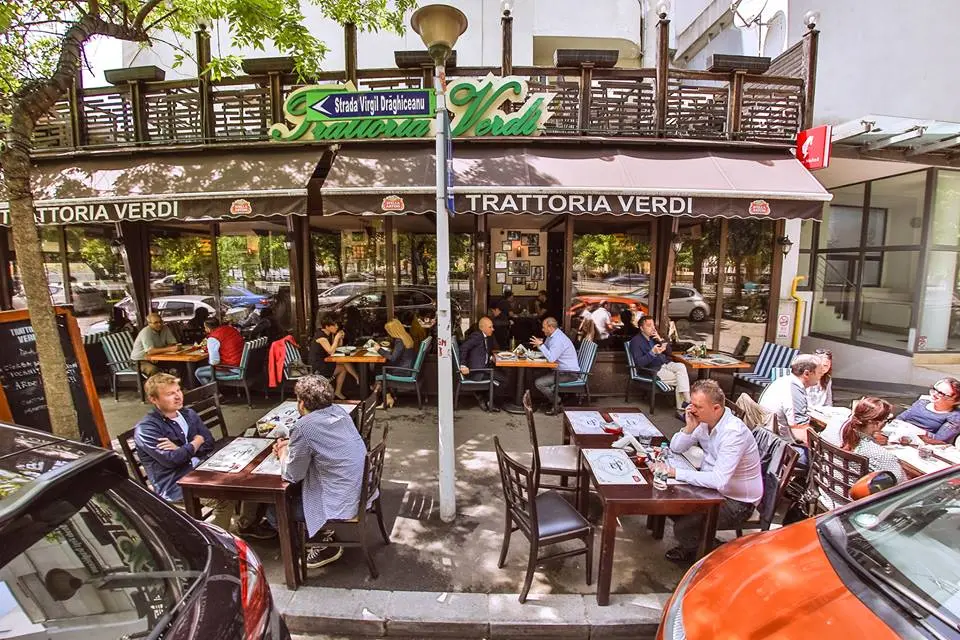
Casa Bolta Rece
 Bistro
Trattoria Verde Iași
What to see
See all →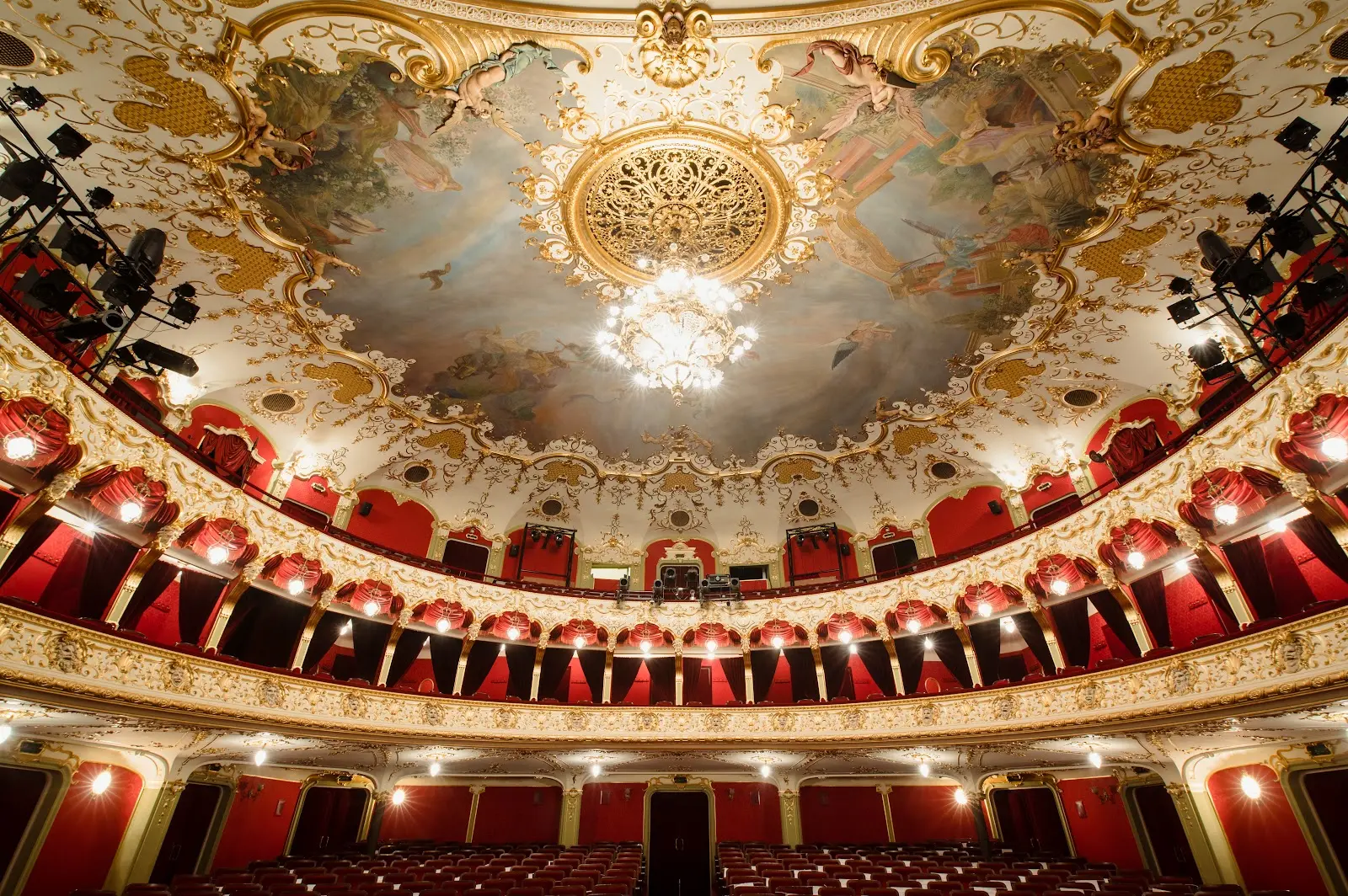 Landmark
Teatrul Național Vasile Alecsandri
The Vasile Alecsandri National Theatre in Iași is the oldest national theatre in Romania and one of the most beautiful performance buildings in the country. The present edifice, inaugurated at the end of the nineteenth century, was designed by the renowned Viennese architects Fellner and Helmer, authors of many monumental theatres across Central Europe, and impresses with a richly decorated eclectic facade and an interior of special elegance, its auditorium adorned with paintings, gilded stucco, a famous painted ceiling and an imposing Venetian crystal chandelier. The theatre bears the name of the great writer and poet Vasile Alecsandri, an essential figure of Romanian culture and of the Iași theatrical movement. The building also houses the Romanian National Opera, making it a key cultural centre of Moldavia. Set in a central square with a fountain in front, the theatre is an important urban landmark. Visitors can admire the architecture from outside, and for the interior it is best to attend a performance or a guided tour, depending on the schedule.
MuseumPalatul Culturii
The Palace of Culture in Iași is the emblem of the city, a monumental Neo-Gothic palace built in the early 20th century on the site of the former princely court of Moldavia. Its silhouette of towers, arcades and lacework façades dominates the city centre, and the clock tower, whose carillon plays a melody every hour, is a symbol of Iași. Inside, the palace houses a remarkable museum complex: museums of history, art, ethnography and science and technology, with valuable collections and halls of singular splendour, among them the famous Hall of the Voivodes. The interior decorations, mosaics, stained glass and staircases impress at every step. It is the unmissable attraction of Moldavia's cultural capital, ideal for a full day of exploring. Set beside a park with views over the city, it can also be admired from outside. Check the schedule of the interior museums, which may have distinct hours.
 Church
Catedrala Mitropolitană Iași
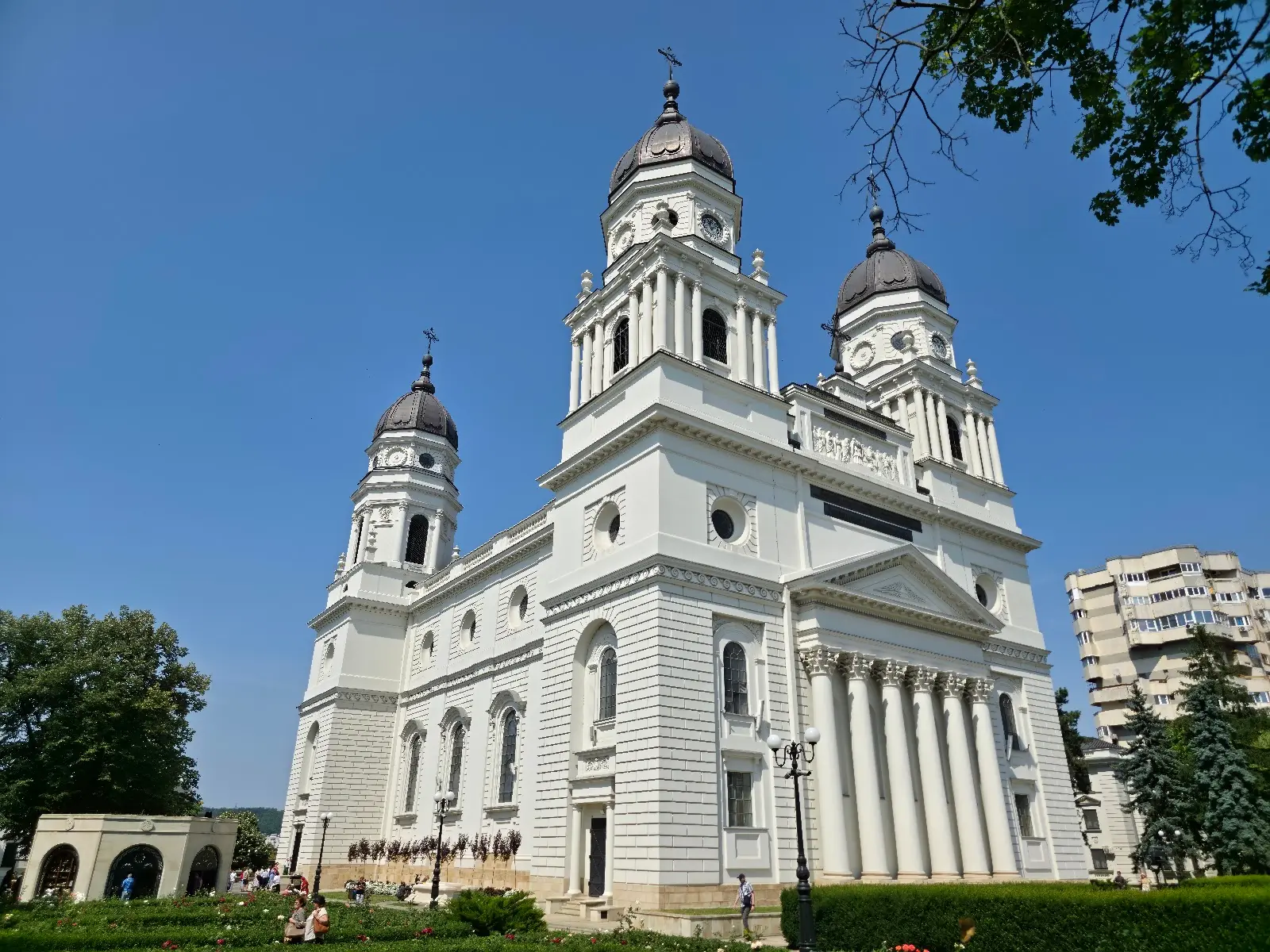
The Metropolitan Cathedral of Iași, the largest historic Orthodox church in Romania, is the spiritual heart of Moldavia and a monumental landmark of the city. Built in the second half of the 19th century in the neoclassical style with Renaissance influences, the cathedral impresses with its dimensions, its four massive spires and elegant façades. The interior, bright and spacious, is adorned with murals by the renowned painter Gheorghe Tattarescu. Here rest the relics of Saint Parascheva, protector of Moldavia, on whose feast in October hundreds of thousands of pilgrims come in procession to Iași, in one of the largest religious events in Romania. Around the cathedral stretches a pleasant park. It is a place of faith but also a monument to visit. Modest dress is advised; check the schedule of services and pilgrimages.
 Park
ParkTeiul lui Eminescu (Parcul Copou)
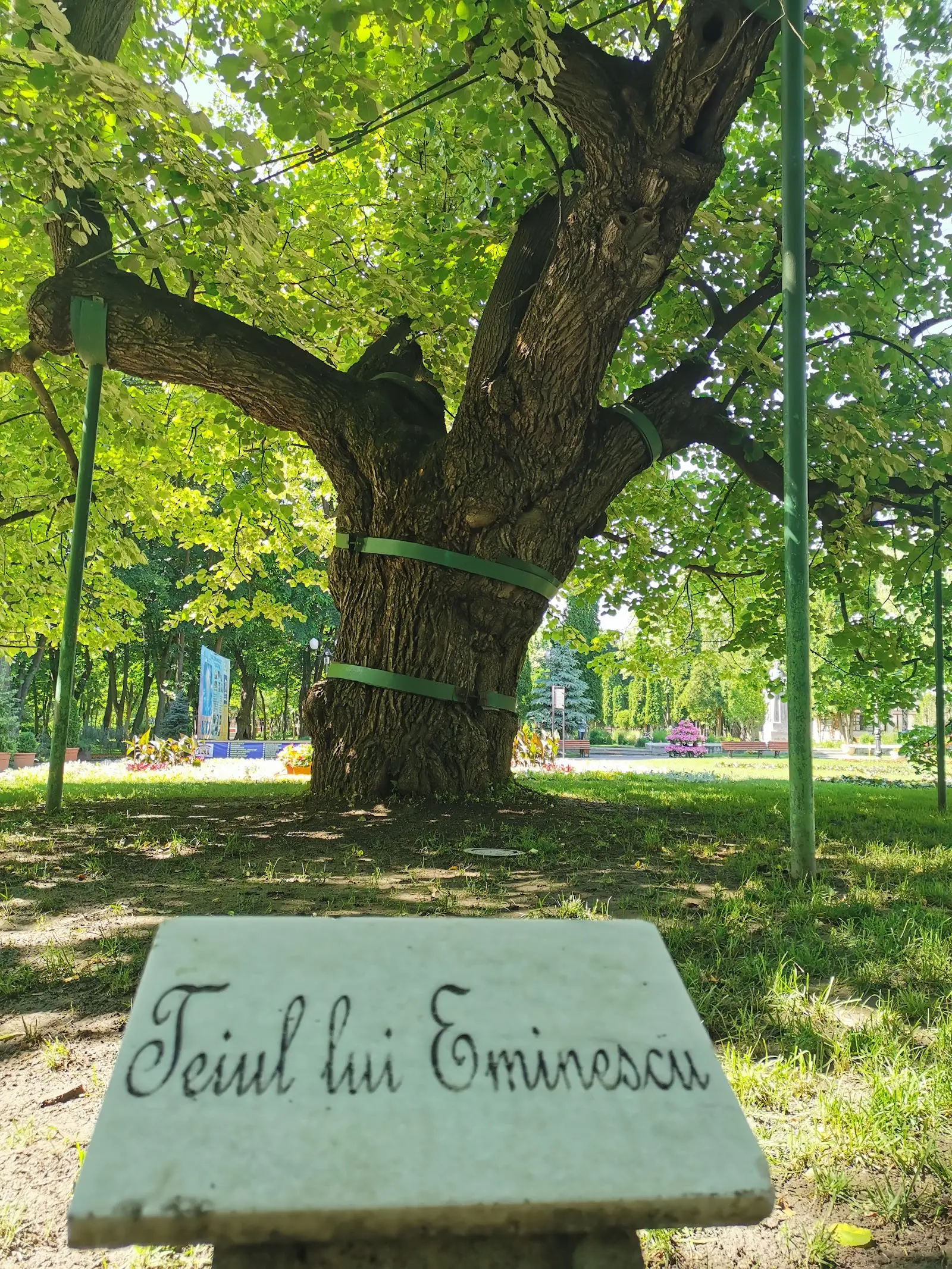
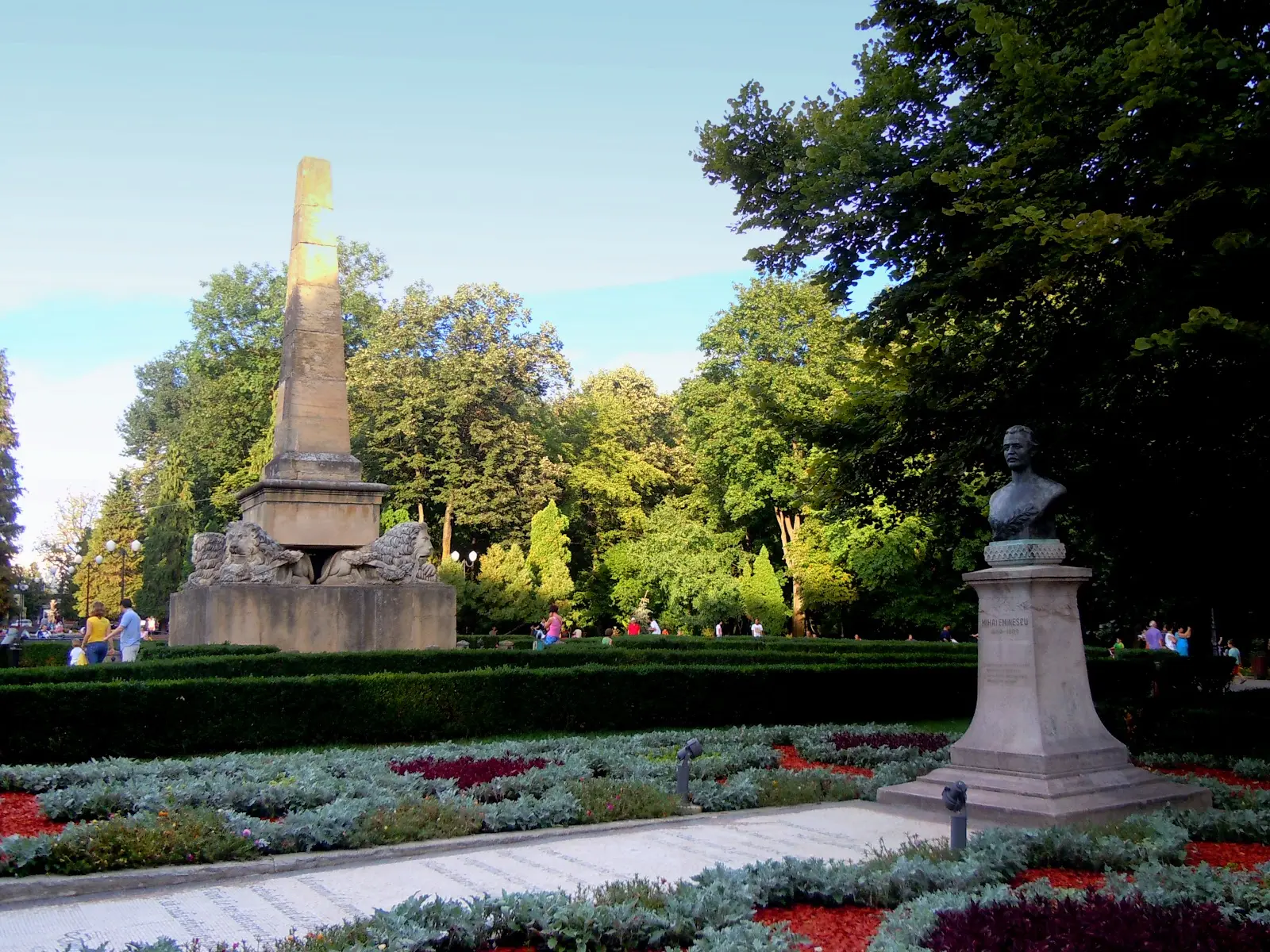
Eminescu Linden in Copou Park is perhaps the most famous tree in Romania, an old lime tree more than three centuries old under which, tradition says, the national poet Mihai Eminescu would sit to write and reflect during his years in Iași. Set in the city oldest public park, laid out in the early 19th century, the linden has become a symbol of Romanian culture and a place of pilgrimage for poetry lovers, especially on the poet day. Nearby stand the Obelisk of Lions, the first public monument in Moldavia, and busts of great writers. Copou Park, with its shaded paths and romantic atmosphere, is the locals favourite place to stroll and a fitting setting for a cultural pause. The visit combines naturally with the Botanical Garden and the nearby palaces. It is a symbolic place, open any time, at its finest in spring and autumn when the park changes colour.
 Monastery
Mănăstirea Trei Ierarhi
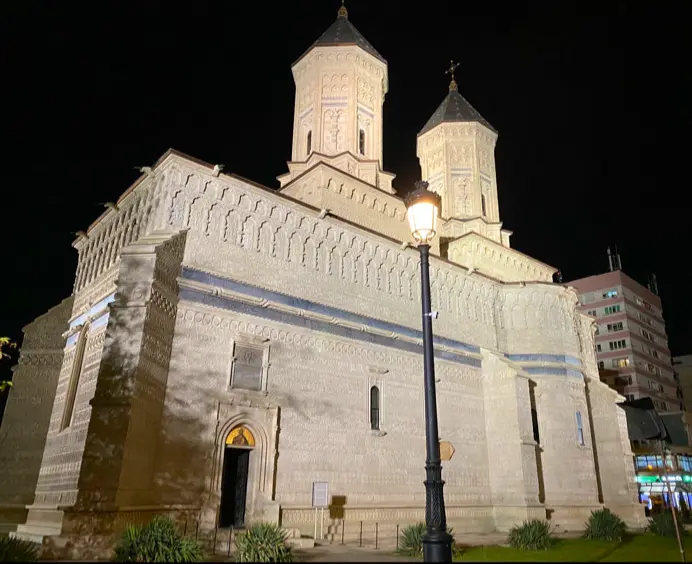
The Three Hierarchs Monastery in Iasi is one of the most valuable masterpieces of Romanian medieval architecture, founded in the seventeenth century by the ruler Vasile Lupu. The church is famous for its facades entirely covered in stone carvings of extraordinary refinement, a lacework of geometric and floral motifs that has no equal in the Romanian lands. In its time, some of the ornaments are said to have been gilded, adding to the brilliance of the church. Here lie the tombs of the founding ruler, and here too are kept the relics of Saint Parascheva, protector of Moldavia. The monastery housed the first printing press in Moldavia and a renowned school. Set in the centre of Iasi, near the Palace of Culture, the Three Hierarchs is an essential stop for visitors to the city, who can admire one of the most refined achievements of medieval art in Moldavia, restored in the early twentieth century.
 Museum
Muzeul Literaturii Române Iași (Casa Pogor)
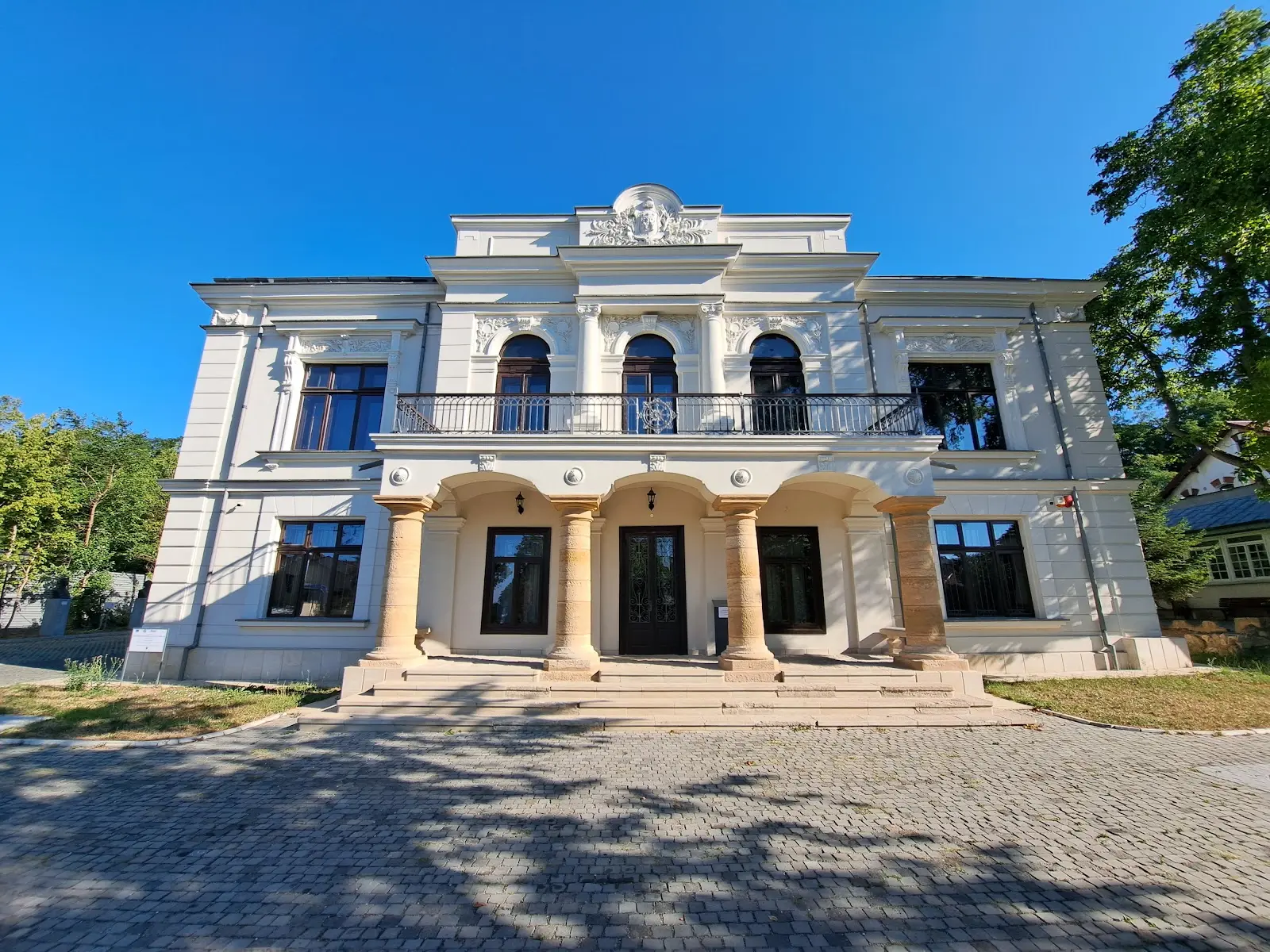
The Museum of Romanian Literature in Iași is centred on Pogor House, a 19th-century boyar residence that holds a lasting place in Romanian cultural history. This is where the Junimea literary society, founded in 1863, gathered, and in the salons of the house many foundational pages of the national literature were first read and debated. Figures such as Titu Maiorescu, the organising spirit of Junimea, passed through these rooms alongside writers and scholars who shaped an entire generation. Today the museum recreates the atmosphere of the era through period furniture, manuscripts, rare editions, photographs and personal belongings, offering visitors an insight into the intellectual life of cultured Iași. The house sits in a quiet garden, and its restored interiors preserve the elegance of the salons where language, poetry and criticism were discussed. Practical note: the visit pairs well with a literary walk through the city that includes other memorial houses, and the rooms reward an unhurried pace to read the explanatory panels.
 Winery
Casa de Vinuri Cotnari
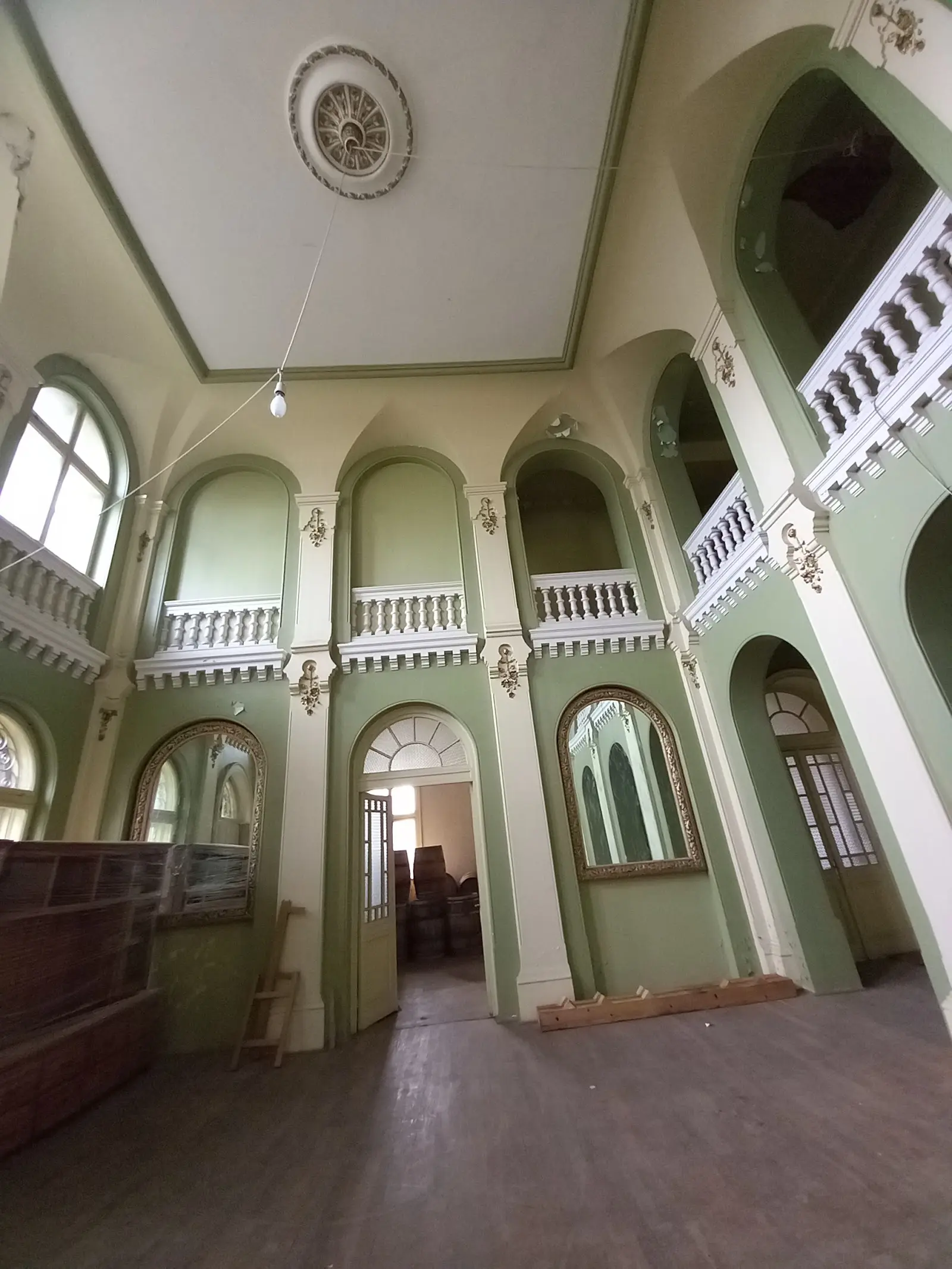
Casa de Vinuri Cotnari is the modern, premium face of the famous Moldavian region — a winery that reinterpreted Cotnari's centuries-old heritage with state-of-the-art technology and an ambition for quality. Here the native grapes that made the region's name — **Grasă de Cotnari**, **Frâncușă**, **Tămâioasă Românească** and **Fetească Albă** — take on a fresh, refined expression, in select ranges such as Colocviu and Domenii. The golden sweet wines, compared to the world's great dessert wines, stand alongside vibrant dry whites. North-west of Iași, the winery welcomes visitors for tastings and tours among the vines, blending Cotnari's princely history with a contemporary style. A landmark stop for discovering Moldavia's golden wine.
 Park
ParkGrădina Botanică Anastasie Fătu Iași
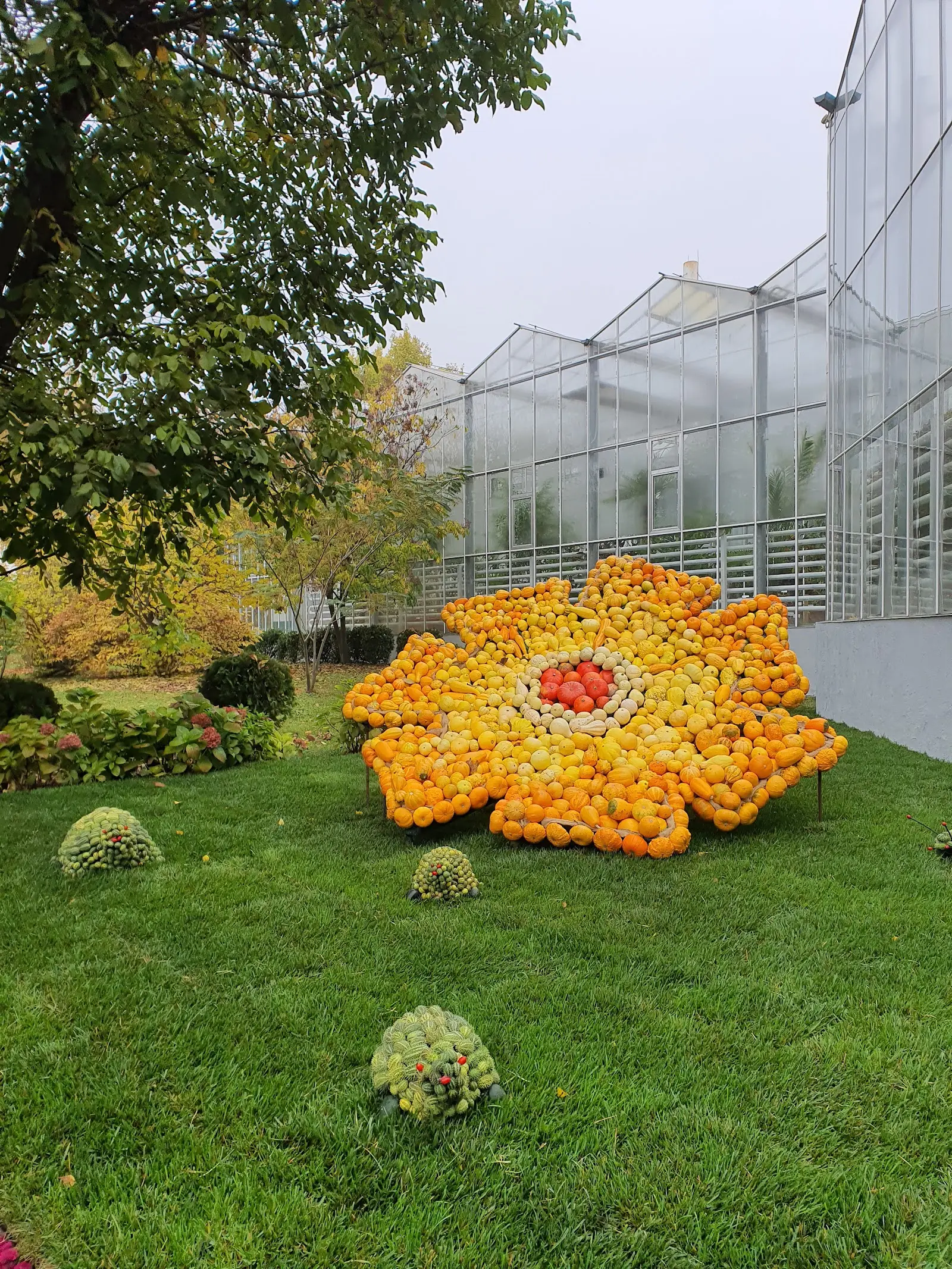
The ‘Anastasie Fătu' Botanical Garden in Iași is the oldest botanical garden in Romania, founded in 1856 by the physician and naturalist whose name it bears. Spread across more than 100 hectares in the Copou district, it is also the country's largest, organised into themed sections: systematics, dendrology, ornamental plants, an impressive rosarium and greenhouse complexes with tropical and subtropical species. Run by the Alexandru Ioan Cuza University, it has an important scientific and educational role, but for visitors it is above all a place to walk and breathe, with shaded paths, lakes and viewpoints over the city. In spring the roses and magnolias draw thousands; in autumn the colours make it a photographers' favourite. It is a good stop for families and anyone wanting a green break in the heart of Moldavia. Check the greenhouse hours, which may differ from the park's.
 Park
ParkParcul Copou
Copou Park is the oldest purpose-built public park in Romania, opened in the early 19th century on the hill of the same name in Iași, in an area once reserved for the promenades of the Moldavian nobility. It is home to the famous Eminescu Linden and the Obelisk of Lions, the first public monument in Moldavia, dedicated to reforming laws and rulers. With wide paths, old trees, statues and busts of great writers, the park breathes a romantic, cultural air that has tied it forever to Romanian literature. Once a fashionable promenade, it remains today an oasis of calm in the heart of the university city, loved by students and families. It combines naturally with the nearby Botanical Garden and the palaces of the Copou area. It is a fitting stop for a cultural stroll, at its finest in spring, when the trees blossom, and in autumn, in warm colours.
Frequently asked questions
What is Iași known for?+
Iași is best known for sights such as Teatrul Național Vasile Alecsandri, Palatul Culturii, Catedrala Mitropolitană Iași.
How many days do you need in Iași?+
One to two days is enough to see the highlights of Iași; stay longer to use it as a base for day trips.
Where should I stay in Iași?+
See our selected stays above, or check live rates and availability on the accommodation map.