
Wallachia
Câmpina
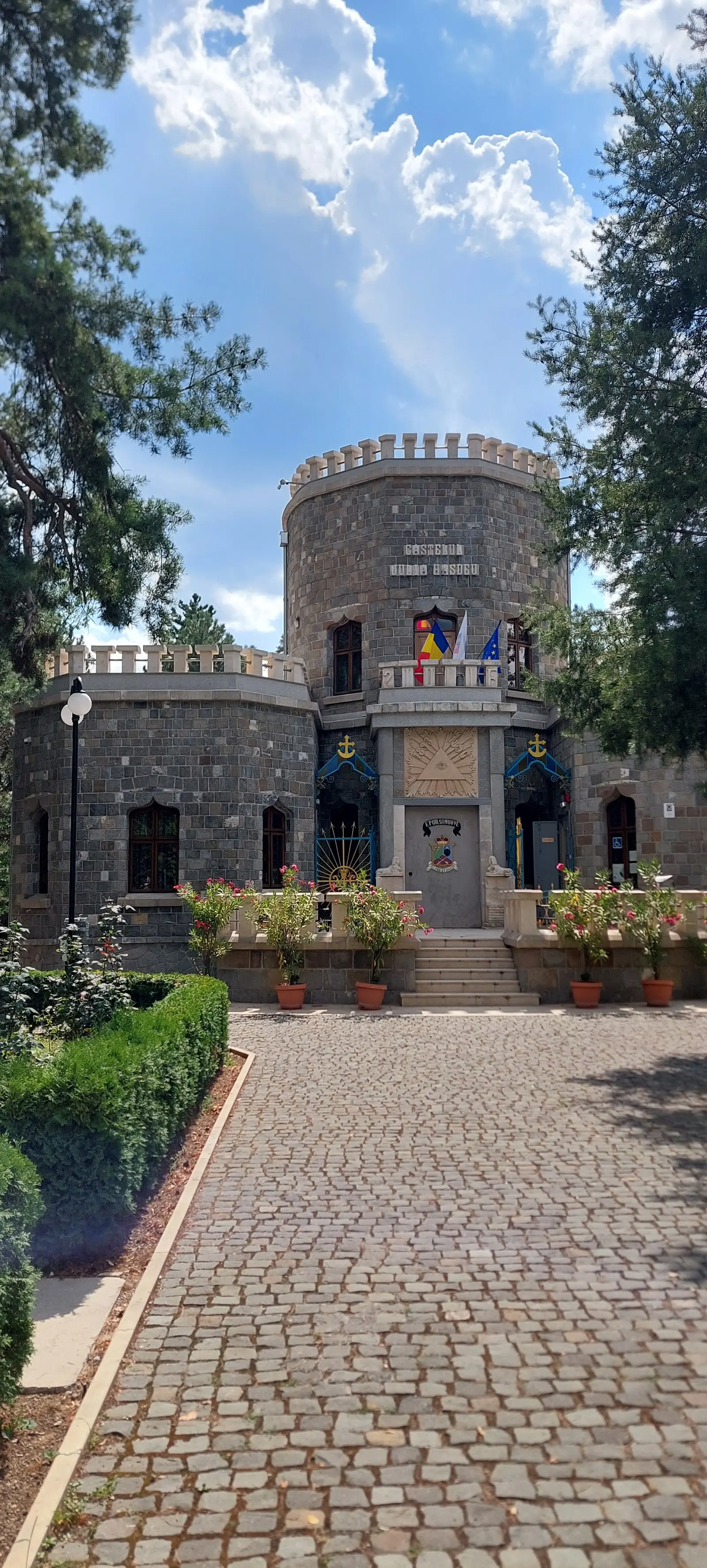
The Iulia Hasdeu Castle and the Grigorescu museum.
Câmpina is a town in Prahova County, set in the Prahova Valley between the Wallachian plain and the first foothills of the Carpathians, halfway between Ploiești and Sinaia. With a history tied to oil extraction — it was one of Romania's earliest petroleum centres — the town today has the air of a hill resort, with elegant villas and a pleasant climate.
Its principal cultural attraction is the Iulia Hasdeu Castle, an unusual building raised by the scholar Bogdan Petriceicu Hasdeu in memory of his daughter Iulia, who died young. The castle, full of esoteric and spiritualist symbolism, is one of the most extraordinary monuments in Romania. Equally important is the "Nicolae Grigorescu" Memorial Museum, arranged in the house of the great Romanian painter, the father of modern Romanian painting, who spent his final years in Câmpina.
The town's atmosphere is tranquil, with parks, terraces and period houses. Its position at the gateway to the Prahova Valley makes it a waypoint towards the mountain resorts, but also a destination in itself for a cultural weekend. Prahova gastronomy offers traditional Wallachian dishes, mici, sarmale and wines from the nearby vineyards.
Practically, Câmpina is easily reached by train and car on the DN1 or the mountain motorway, less than an hour from Ploiești. It is worth visiting for the Hasdeu Castle, the legacy of Grigorescu, and its strategic position at the entrance to the Prahova Valley.
What to see
See all →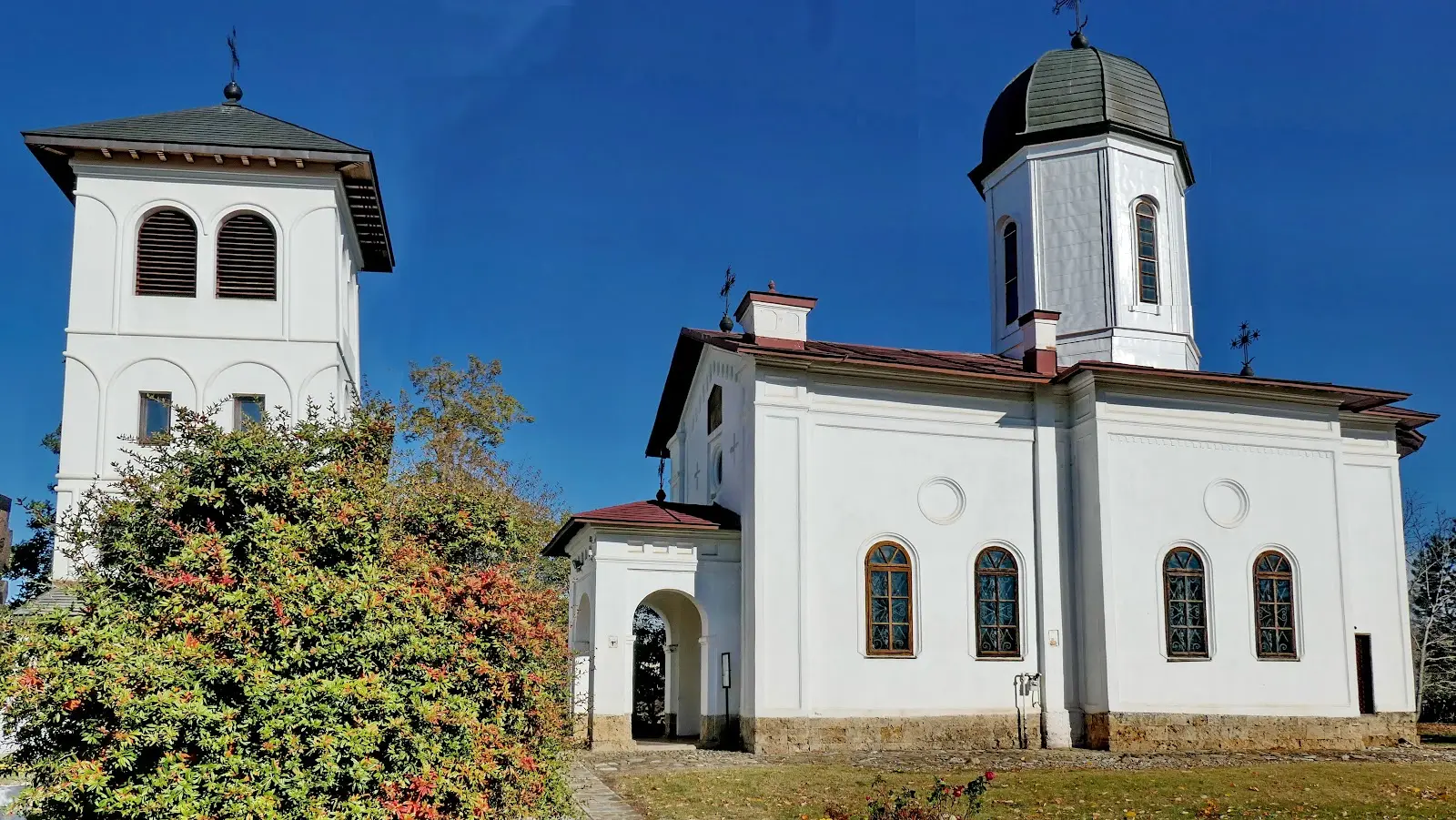 Church
Biserica Sfântul Nicolae Câmpina
St Nicholas Church in Câmpina is one of the representative places of worship of this Prahova town set along the Prahova Valley, at the foot of the sub-Carpathian hills. Câmpina, known above all for its oil-producing past and for its links to figures such as the painter Nicolae Grigorescu and the scholar Bogdan Petriceicu Hasdeu, finds in this Orthodox church a spiritual landmark for the local community. The building preserves the tradition of Wallachian church architecture, with towers rising above the houses of the centre and an interior adorned with mural painting, an iconostasis and icons. Câmpina lies on the road between Bucharest and the mountain resorts of the Prahova Valley, making it a natural stop for travellers. Nearby stand the Iulia Hasdeu Castle, raised by the scholar in memory of his daughter, and the Nicolae Grigorescu Museum, arranged in the painter's former home. The church thus rounds out the picture of a town with a cultural heritage richer than its size would suggest.
 Museum
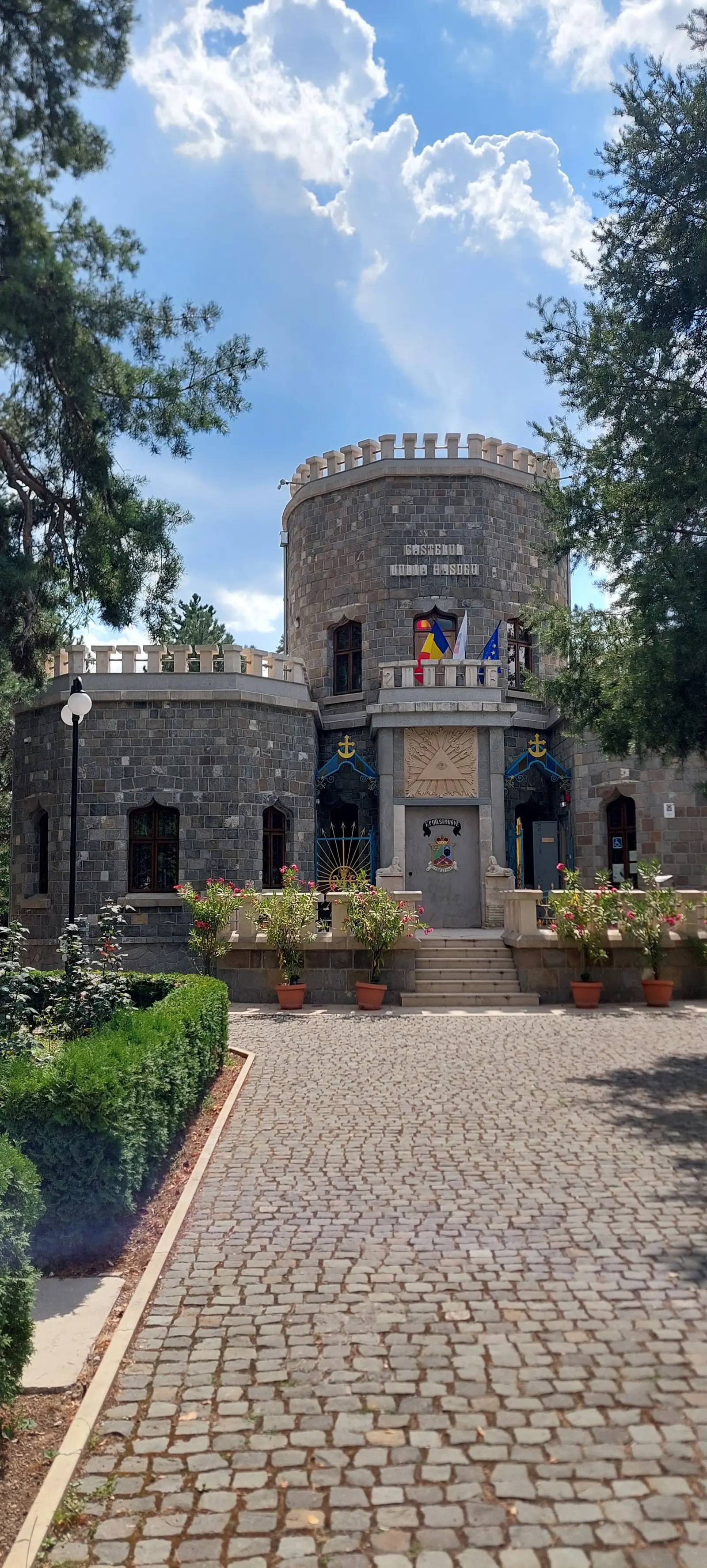
Muzeul Memorial Bogdan Petriceicu Hasdeu
The Bogdan Petriceicu Hasdeu Memorial Museum in Campina, also known as the Iulia Hasdeu Castle, is a truly unusual building erected at the end of the nineteenth century by the great scholar and writer B.P. Hasdeu in memory of his daughter Iulia, a child prodigy who died very young. The castle is loaded with esoteric and Masonic symbols that Hasdeu integrated into the architecture: figures, inscriptions and forms with spiritual meanings, reflecting his interest in spiritism, through which he hoped to communicate with the spirit of his lost daughter. The interior preserves personal objects, period furniture and documents illustrating the life and work of this encyclopedic scholar, one of the most erudite Romanian thinkers. The distinctive atmosphere, poised between science and mystery, makes the visit a memorable experience. Practical note: the monument is visited with a guide who explains the meaning of the symbols; it is easily reached from the centre of Campina.
 Museum
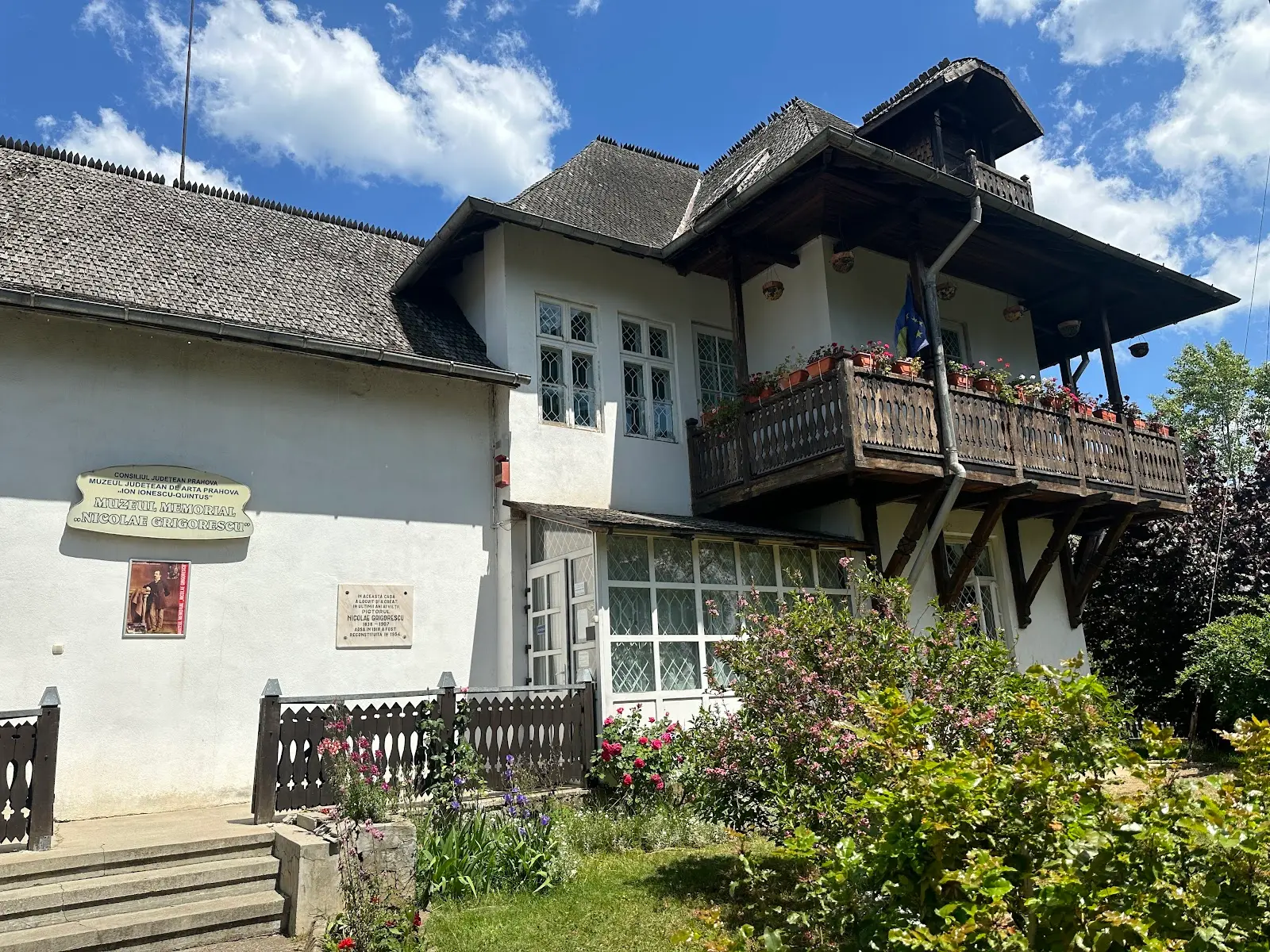
Muzeul Nicolae Grigorescu
The Nicolae Grigorescu Memorial Museum in Câmpina, Prahova County, is the house where the great Romanian painter spent the last years of his life and where he died, in 1907. Nicolae Grigorescu, the founder of modern Romanian painting and the first of our great painters, built himself here, in a quiet quarter of the town, a residence-studio where he worked without pause. The house, turned into a museum, keeps the intimate atmosphere of the artist's home, with the furniture, the personal objects and, above all, original works that illustrate his world: peasant women with pitchers, ox carts, sunlit landscapes, portraits and scenes from the War of Independence, which he took part in as a front-line painter. Though part of the heritage has suffered over time, the museum remains an essential place for understanding the work of Romania's best-loved painter. Practical note: check the visiting hours and combine the stop with the other cultural sights of Câmpina.
 Park
ParkParcul Central Câmpina
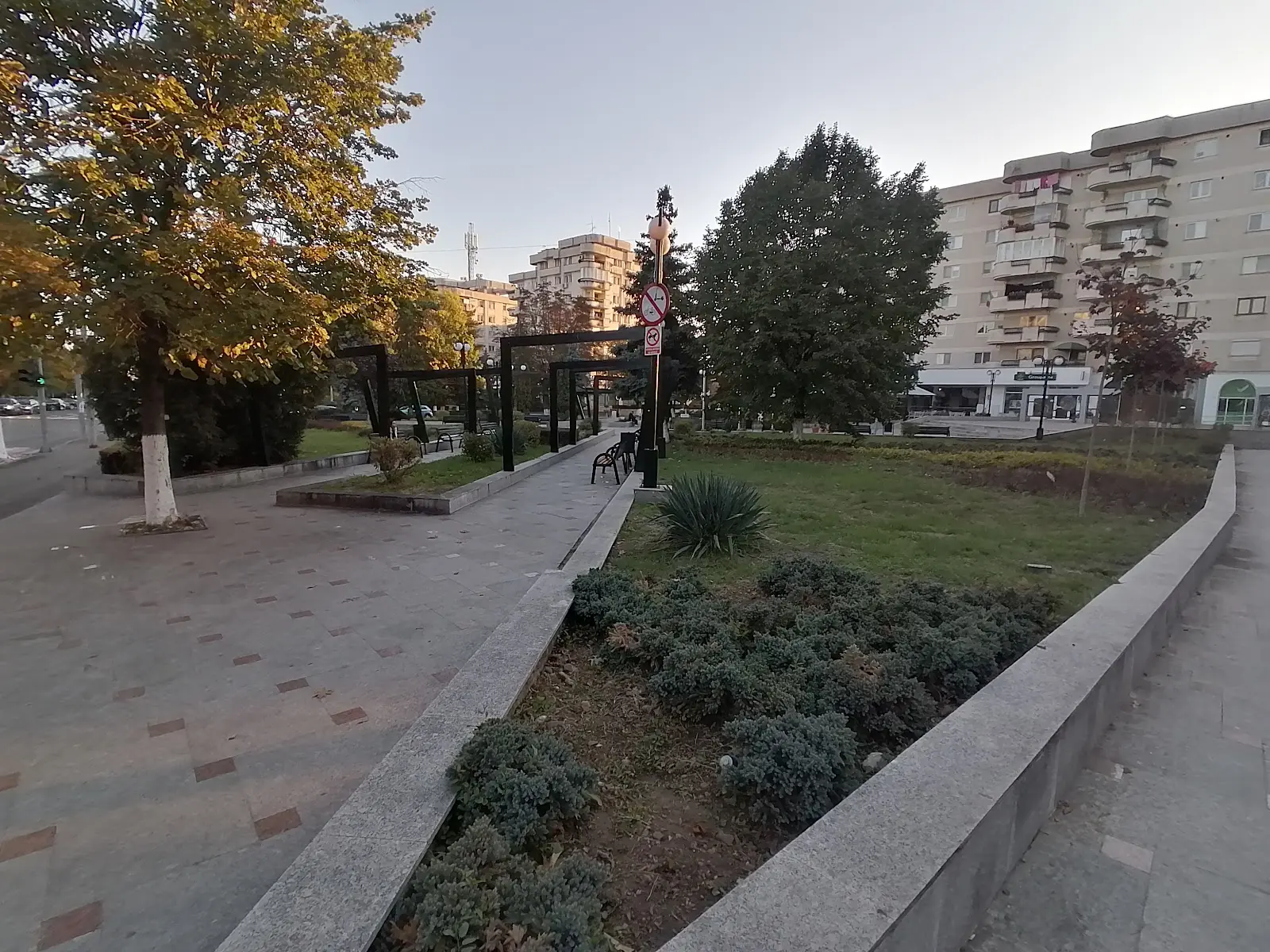
The Central Park of Câmpina is the main green space of this town in Prahova county, a place for strolling and recreation valued by locals and visitors alike. Laid out with shaded avenues, flower beds, mature trees and benches, the park is a quiet refuge in the heart of a town with an industrial and oil tradition but also a rich cultural heritage. Nearby stand landmarks linked to figures who shaped the local history, among them the painter Nicolae Grigorescu, whose memorial and house draw art lovers, and the castle associated with the Hasdeu family, a building with a singular story tied to spiritism. The park offers a pleasant setting for walks in any season, with lush vegetation in summer and a calm atmosphere the rest of the year. It is a natural starting point for discovering the town centre and its cultural sights, combining urban nature with local history in an ensemble accessible to all.
 Nature
Lacul Peștera Câmpina
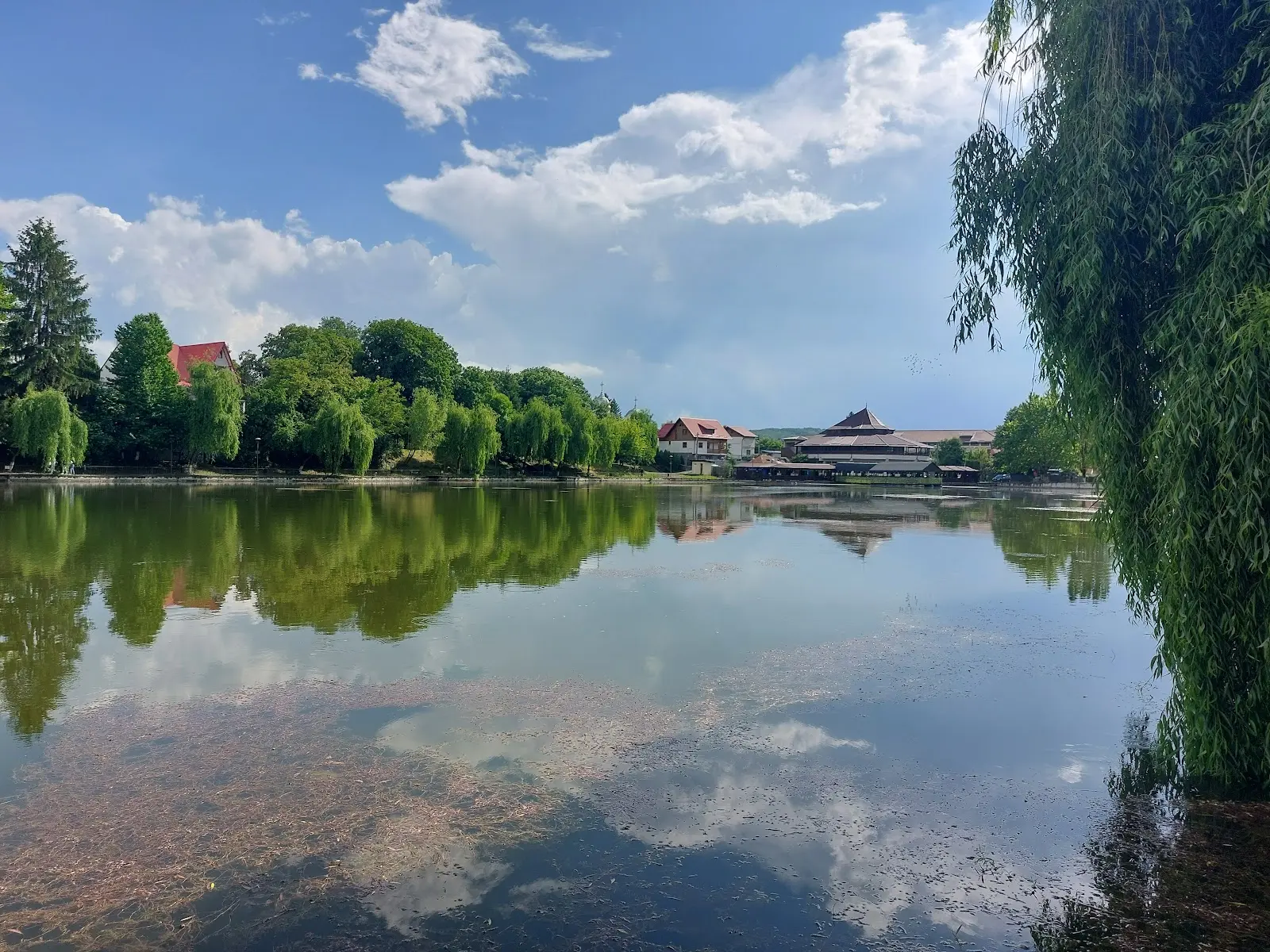
Lake Peștera, near the town of Câmpina in Prahova County, is a small, picturesque lake formed in an area of Subcarpathian hills, a recreation spot sought out by locals and by visitors looking for quiet on the edge of town. Ringed by vegetation and gentle slopes, the lake offers a restful setting for walks, fishing and picnics, a pleasant stop in a region rich in natural beauty and cultural landmarks. Câmpina, the nearby town, is known for the castle-mausoleum of Bogdan Petriceicu Hasdeu, raised by the scholar in memory of his daughter, and for the house where the painter Nicolae Grigorescu lived. The Prahova Subcarpathian area, with its hills, forests and springs, blends gentle nature with a rich cultural heritage. Practical note: combine a visit to the lake with the discovery of the Iulia Hasdeu Castle and the Nicolae Grigorescu Museum in Câmpina, all lying a short distance from one another.
Frequently asked questions
What is Câmpina known for?+
Câmpina is best known for sights such as Biserica Sfântul Nicolae Câmpina, Muzeul Memorial Bogdan Petriceicu Hasdeu, Muzeul Nicolae Grigorescu.
How many days do you need in Câmpina?+
One to two days is enough to see the highlights of Câmpina; stay longer to use it as a base for day trips.