
Wallachia
Buzău
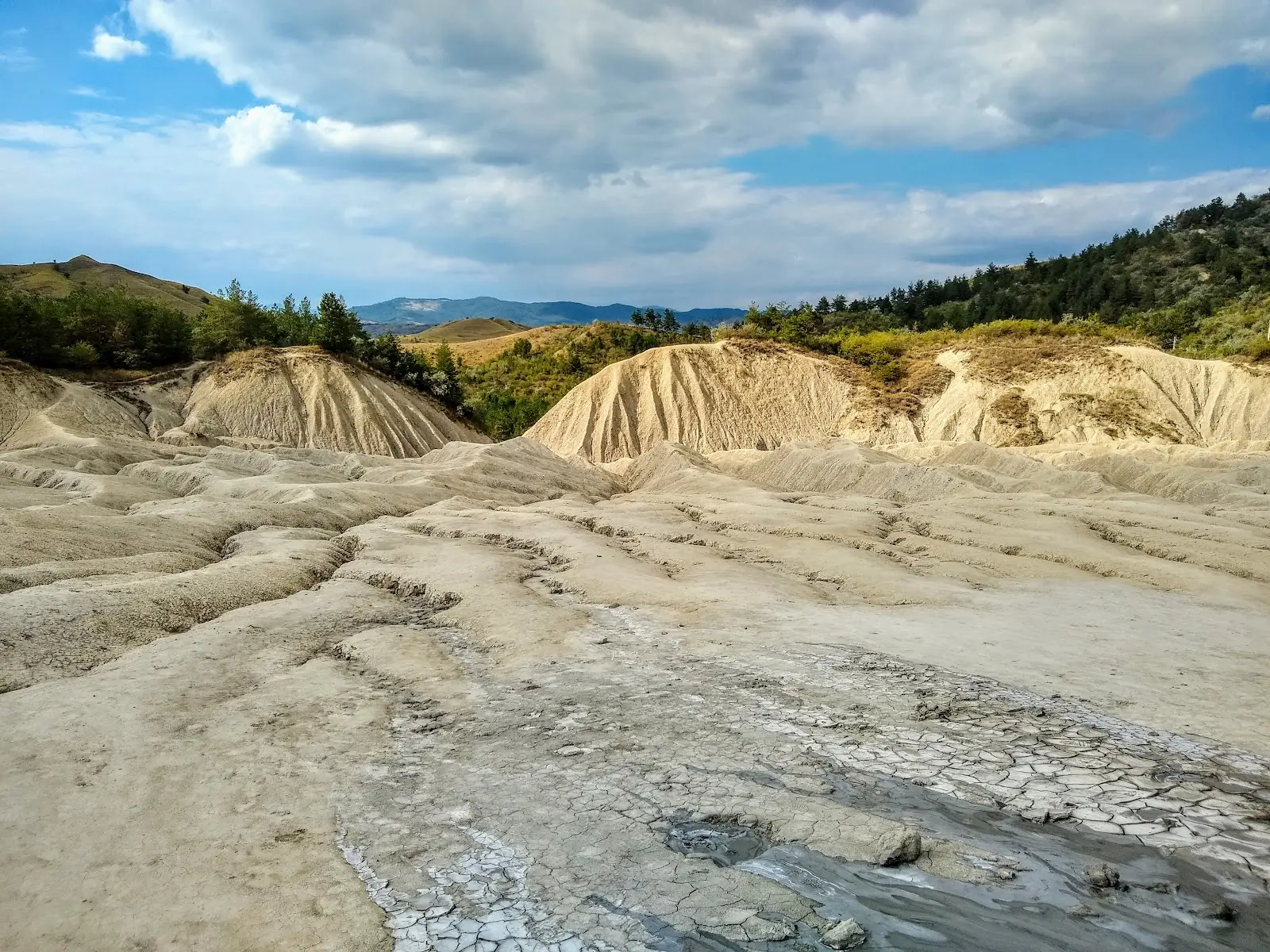
The gateway to the Buzău Land — the mud volcanoes.
Buzău is the capital of the county of the same name, a Muntenian town set where the Romanian Plain meets the sub-Carpathian hills, on the banks of the Buzău River. The town has a well-kept historic centre, dominated by the Communal Palace, a monumental early-twentieth-century building, and by an Orthodox episcopal complex several centuries old. Buzău is best known, however, for its spectacular surroundings, now gathered into the UNESCO Buzău Land Geopark: the Mud Volcanoes at Pâclele, where gas from deep underground pushes cold mud to the surface to form lunar cones; the Living Fire (Focul Viu), where natural gas burns continuously at the surface; and the Salt Mountains at Meledic, with caves carved into salt.
Here too are the rock churches of Aluniș and Nucu, hewn into the cliffs, witnesses to an ancient spirituality. The town's atmosphere is calm and prosperously provincial, a base for exploring these unique geological landscapes. Muntenian cooking offers sour soups, stews, sausages and meat dishes, alongside wines from the surrounding vineyards.
Buzău sits at the crossroads of roads and railways from Bucharest, Brașov and Moldavia. It is worth visiting for access to the striking geopark, for its rock-cut heritage and for its role as a gateway to the sub-Carpathians of the bend.
Where to stay
All stays →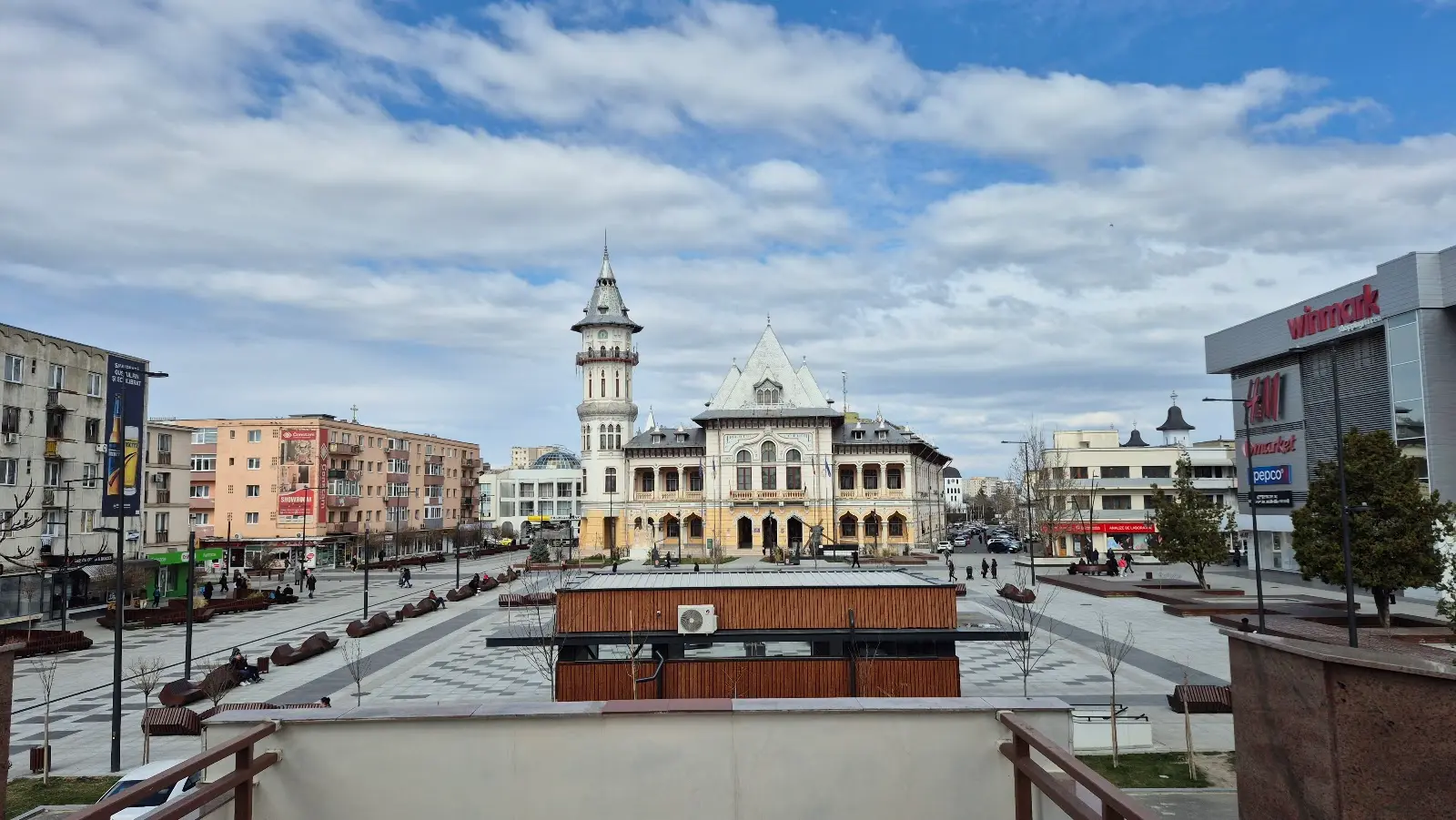
Where to eat
All restaurants →
What to see
See all →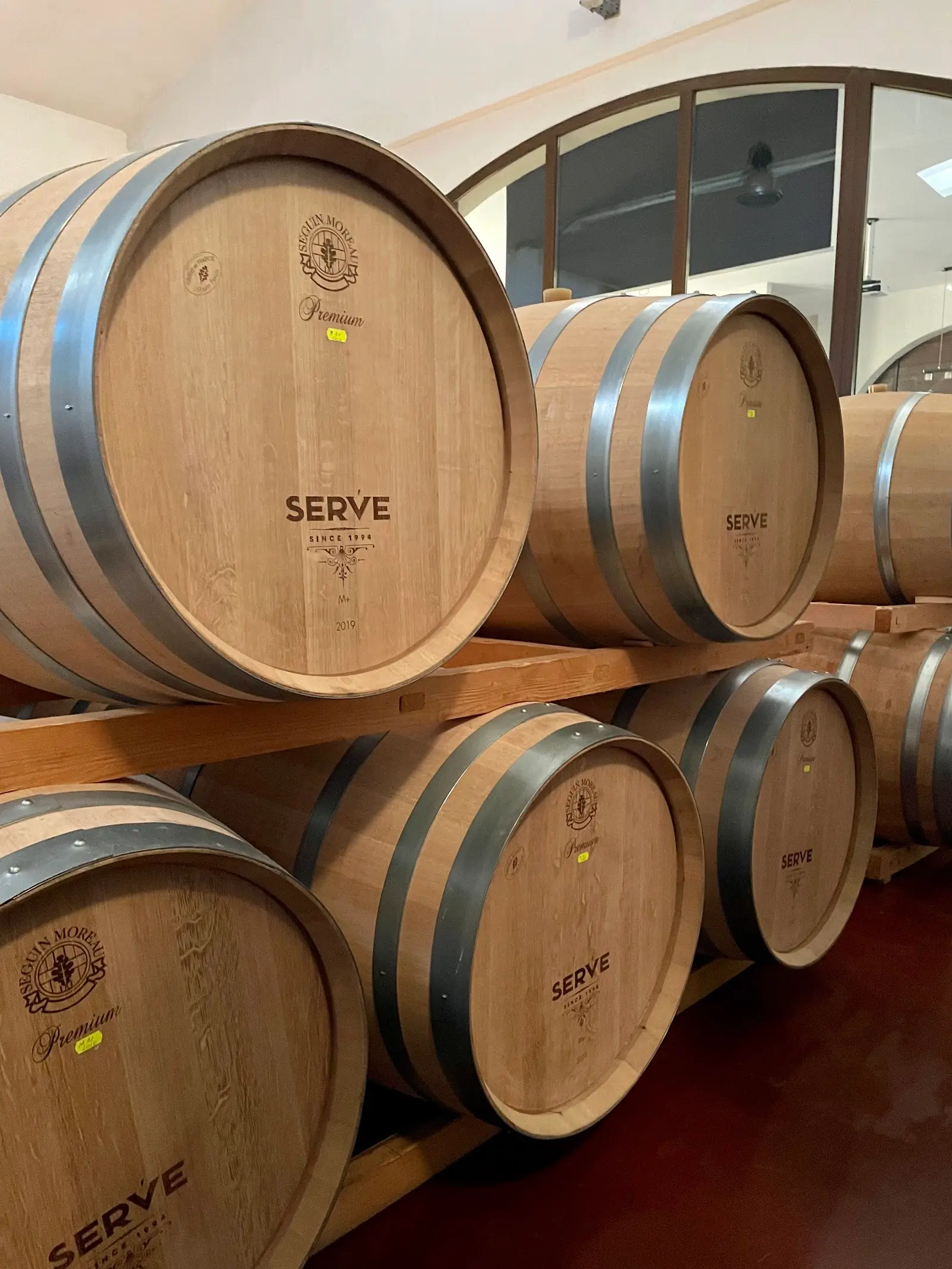 Winery
Crama Ceptura
At Ceptura, in the heart of the Dealu Mare region, the winery bears the name of the village that became synonymous with good wine in Wallachia. On the sunny hills here, with clay-and-limestone soils at the same latitude as Bordeaux, it works both native grapes — Fetească Neagră, Fetească Albă, Tămâioasă — and international ones, in balanced, accessible wines. Ceptura is one of the most frequent stops on Prahova's "Wine Road", less than two hours from Bucharest: tastings, walks among the vines and often accommodation and dining on site. It's a comfortable, pleasant choice for a weekend escape in the country's most popular red-wine region, and a good one for a first-ever winery visit.
 Winery
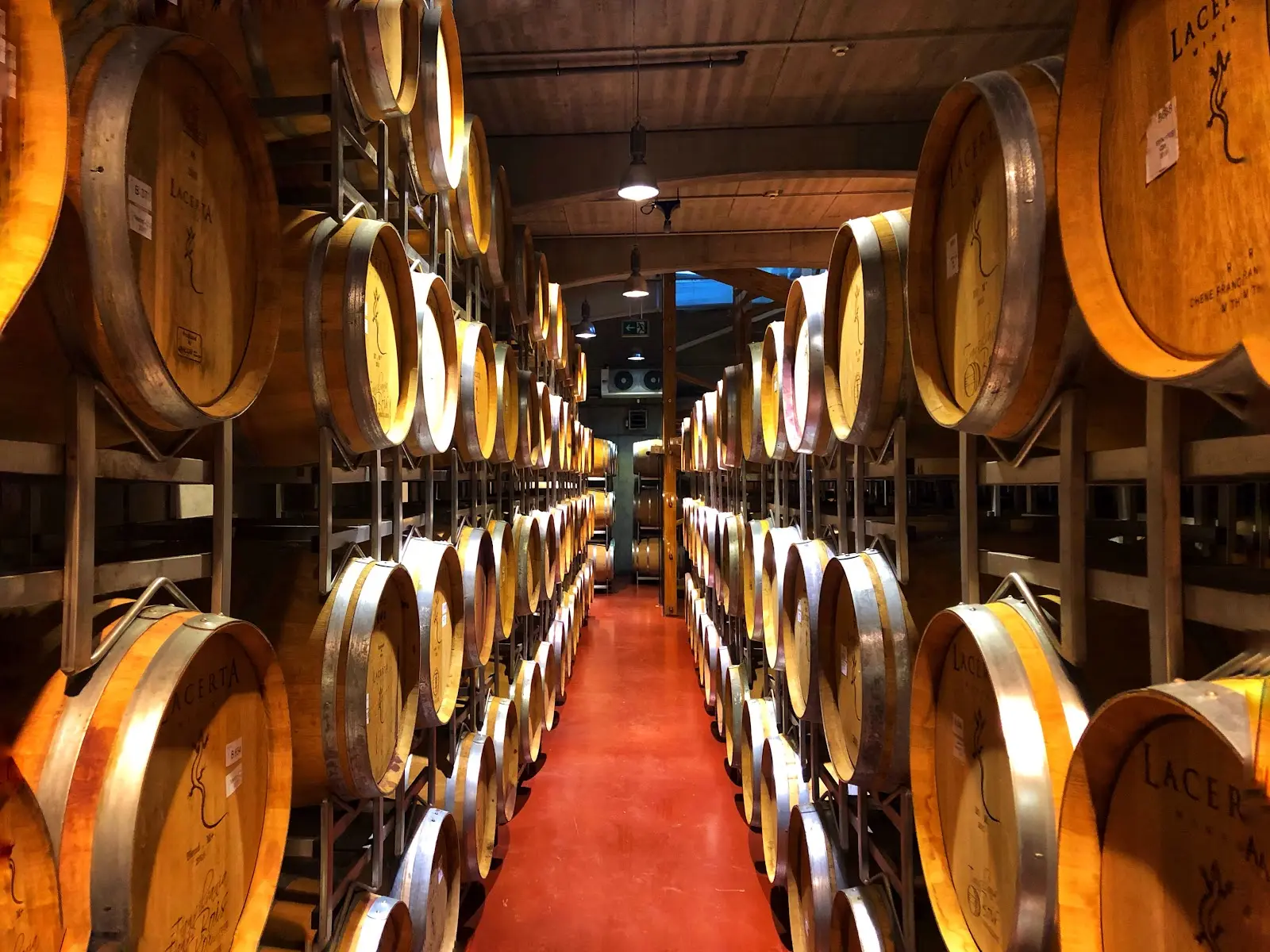
LacertA Winery
LacertA is the boutique winery on the hilltop at Fântânele, in Dealu Mare, where the name (lacerta, the lizard) comes from the creatures that bask among the vines — a sign of a clean, carefully worked vineyard. The Fabian family estate bets on small quantities and attention to detail: Cuvée X, its signature blend, alongside single varietals of Fetească Neagră, Cabernet and aromatic whites. The view from the tasting terrace, with the vines rolling down toward the plain, is among the finest in the region. Visits include a cellar tour, a guided tasting and often lunch with local produce. It's the choice for anyone after an intimate experience, far from the factory-wineries, less than two hours from Bucharest.
 Winery
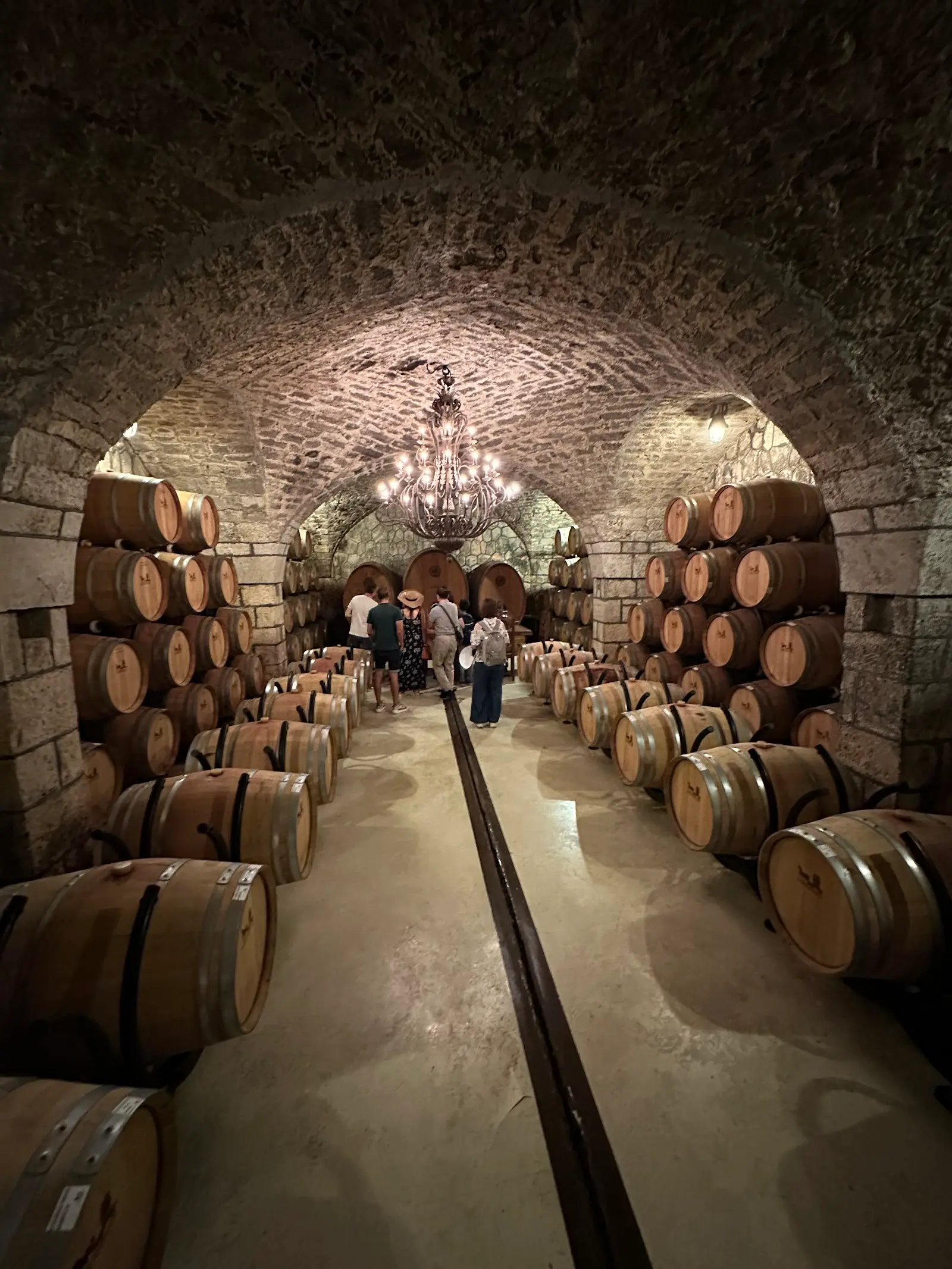
Licorna WineHouse
Licorna WineHouse is a young, ambitious winery in Urlați, in Dealu Mare, that quickly caught critics' attention with characterful wines and knowing labels. The range starts from everyday wines and climbs to serious selections of Fetească Neagră, Merlot and fresh whites, cleanly made, with fruit and balance. The estate is modern and built for wine tourism too: tastings in a room overlooking the vines, cellar tours and seasonal events. Its location on the Dealu Mare wine trail makes it easy to combine with neighbours SERVE, LacertA or Basilescu in a single day of tasting. It's a good stop for anyone after honest, friendly wines and a warm welcome, close to Ploiești and the capital.
 Winery
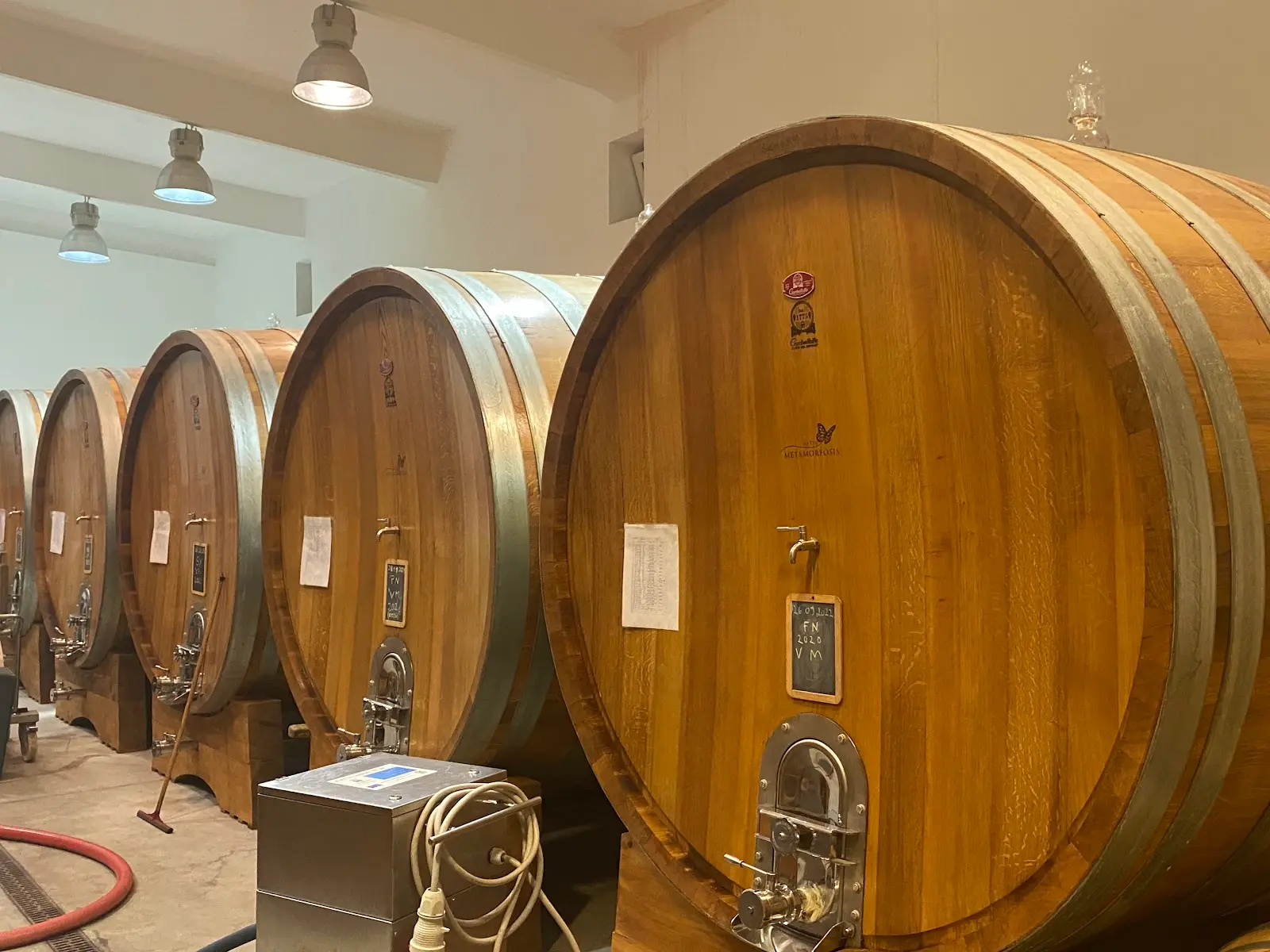
Vitis Metamorfosis
Vitis Metamorfosis is the winery born from the meeting of Dealu Mare and one of the world's great winemaking families — the **Antinori** Marquesses of Tuscany, with over six centuries of wine history. From this Romanian-Italian partnership, on the hills of Ceptura, come wines of great finesse that blend the native Fetească Neagră with Tuscan know-how, in ranges such as Cantus Primus and Via Marchizului. The result is an elegant, mature style, with fine tannin and serious ageing potential. The estate welcomes visitors for tastings and tours among the vines, in a setting that breathes refinement. It's one of the most interesting addresses in Dealu Mare for anyone who wants to taste what happens when Romanian tradition meets the Italian school of wine.
 Winery
Domeniile Săhăteni
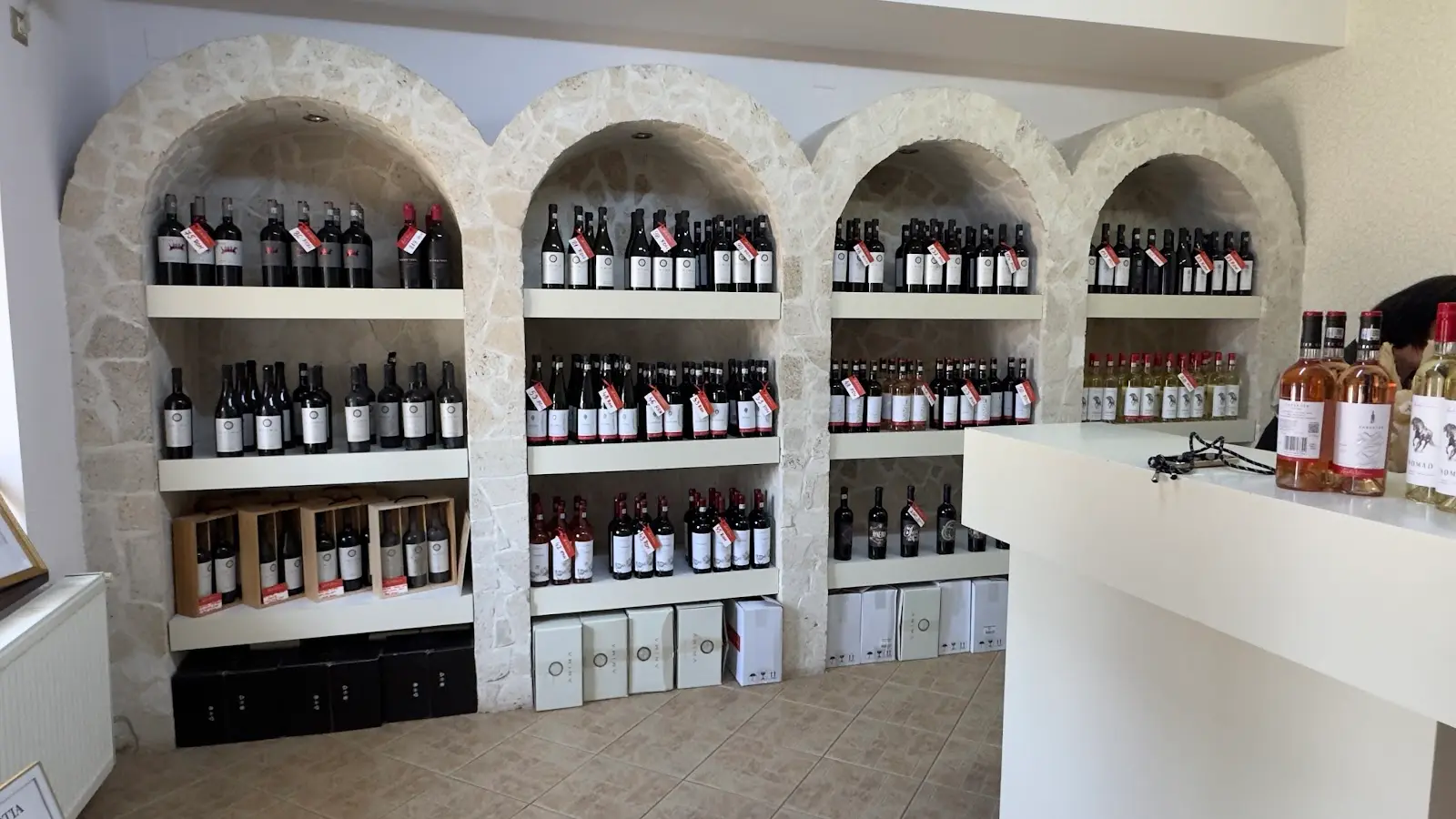
Domeniile Săhăteni is the home of **Aurelia Vișinescu**, one of Romania's most respected and awarded winemakers — a woman who built her own estate in Dealu Mare, at Săhăteni, and took it to the top of Romanian wine. Her wines have character and refinement, from Fetească Neagră to memorable blends, in ranges that have become benchmarks: **Anima**, **Nomad**, **Karakter** and Artera. Every bottle carries the mark of a clear vision and a sure hand. The estate, in the heart of the Dealu Mare region toward Buzău, welcomes visitors for tastings and tours among the vines. It's a landmark stop for anyone who wants to taste author wines and learn the story of a pioneer who changed the face of Romanian wine.
 Church
Complexul rupestru Aluniș
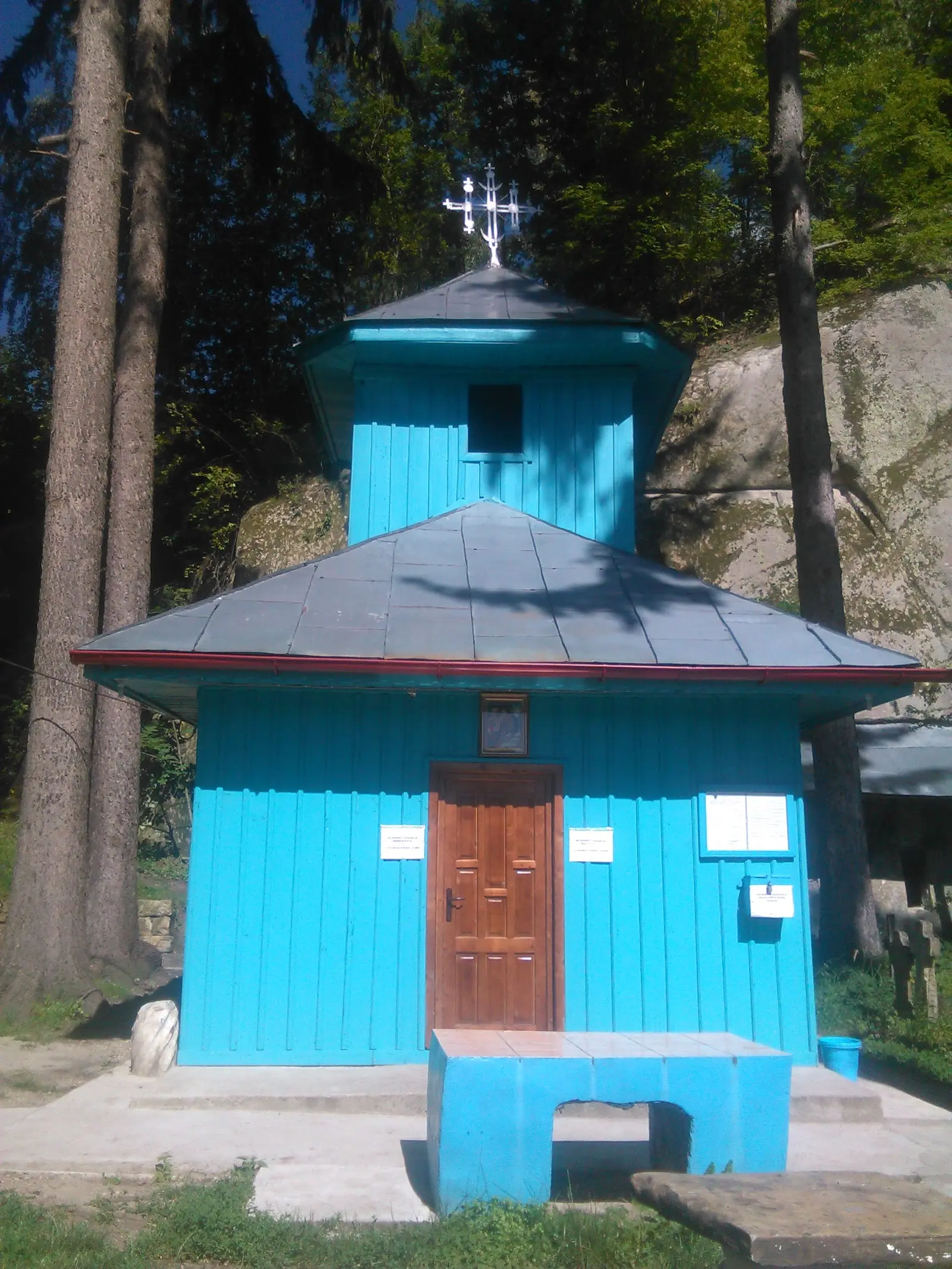
The Alunis rock complex, in the Buzau area, is a group of monastic settlements carved into stone, set in the sandstone massif at the foot of the Bend Carpathians. Its centrepiece is the rock church of the Beheading of Saint John the Baptist, hewn into the cliff face and still used by the local community as a place of worship. Around it survive cells, niches and inscriptions that testify to an ancient tradition of hermit life, linked to the wider phenomenon of rock settlements across the Buzau region. The place has a hushed, austere atmosphere suited to contemplation, while the landscape of wooded hills adds a wild note. Alunis forms part of a circuit that includes other grottoes and hermitages carved in stone. Reaching it involves a short climb along a footpath, so comfortable shoes are advisable.
 Winery
Crama Budureasca
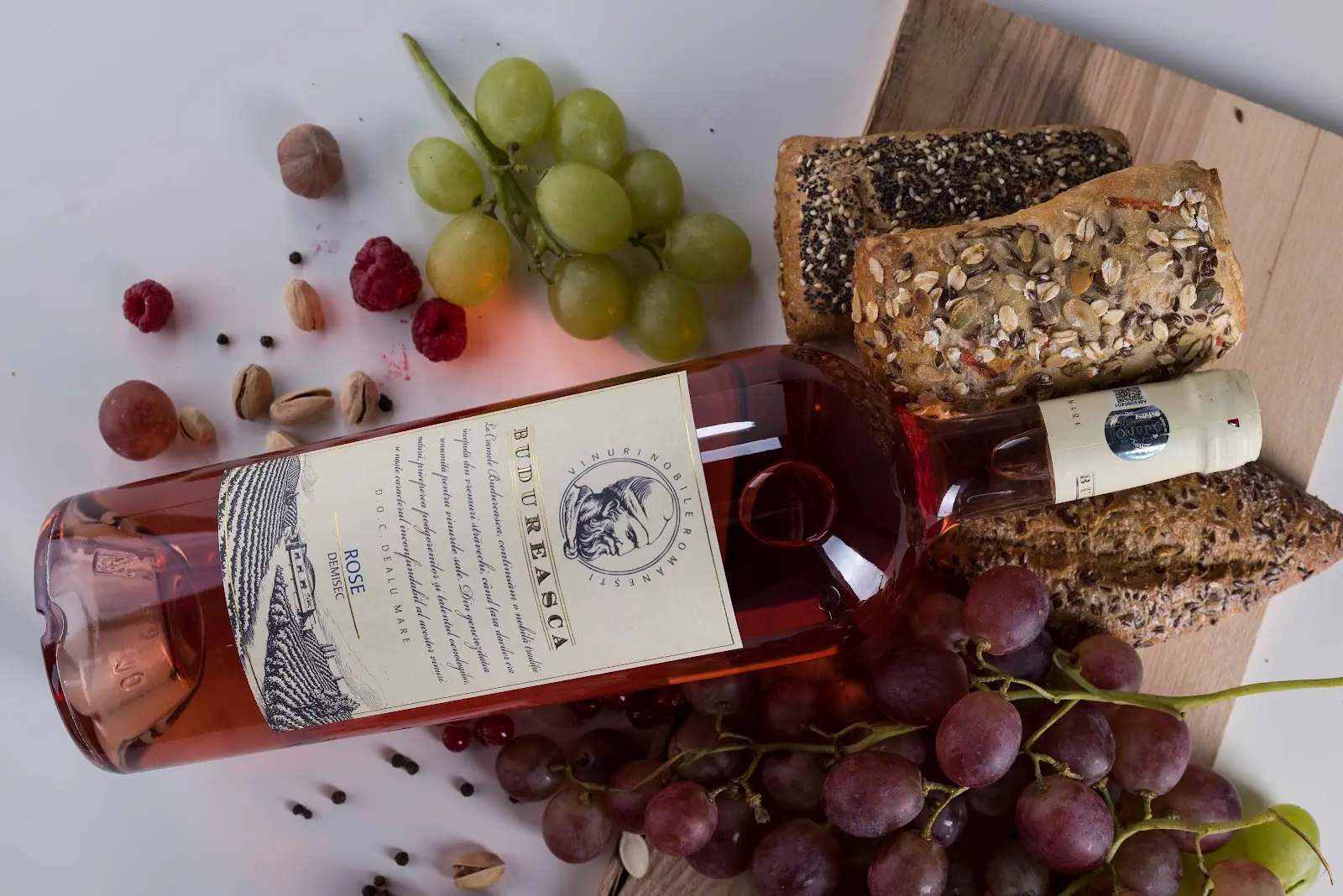
Crama Budureasca sits on one of the country's oldest winegrowing sites — the Valley of the Fairies in Dealu Mare, where wine was made as far back as Roman times, as the remains found on the estate show. Today it's a modern, high-capacity winery with state-of-the-art technology but deep roots: the Origini, Premium and Noble ranges manage to be both fairly priced and consistently awarded at international competitions. It works both native grapes — Fetească Neagră, Fetească Albă, Tămâioasă — and international varieties, from Cabernet to Chardonnay. The estate is set up for visitors, with tastings and cellar tours, and its location just over an hour from Bucharest makes it one of the easiest wine escapes in Wallachia.
 Nature
Cascada Pruncea (Niagara de Buzău)
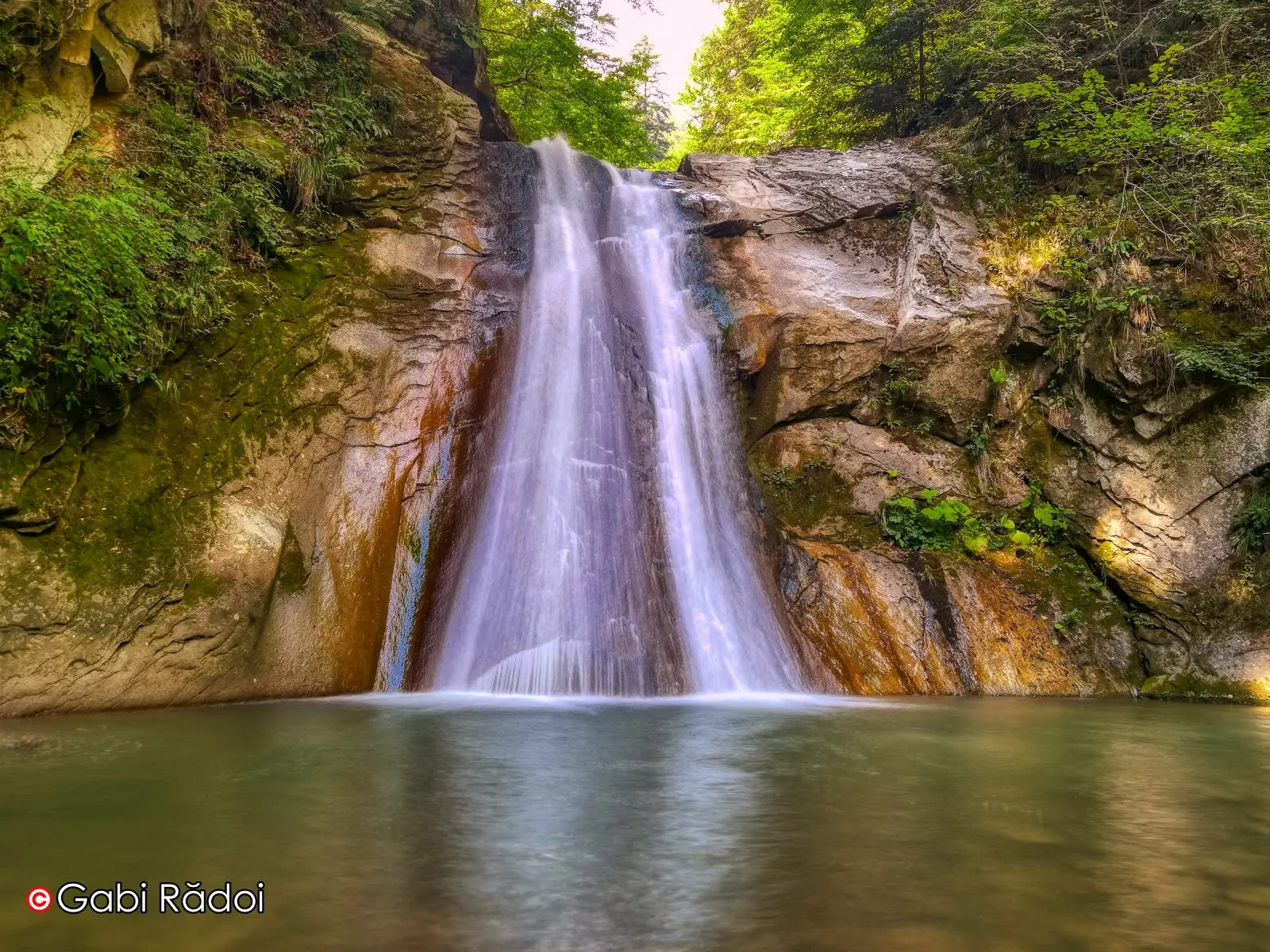
The Pruncea Waterfall, also known as the Niagara of Buzau, is an unusual waterfall located in the Buzau mountains area, distinctive in that it is considered by many to be a man-made cascade, formed after works on the riverbed created a ledge over which the water falls across the entire width of the course. Though not very tall, the waterfall impresses through its unusual breadth, which earned it the nickname referring to the famous Niagara, offering a spectacle of water tumbling uniformly over the stone edge. Set in a natural landscape of hills and forest specific to the Buzau region, the waterfall has become an increasingly popular attraction, especially thanks to images spread on social networks. Its flow and appearance vary according to the season and the amount of water. Practical note: it is most spectacular in spring, when the flow is high; access is by mountain-area roads, so check the road condition and wear footwear suitable for the terrain.
 Landmark
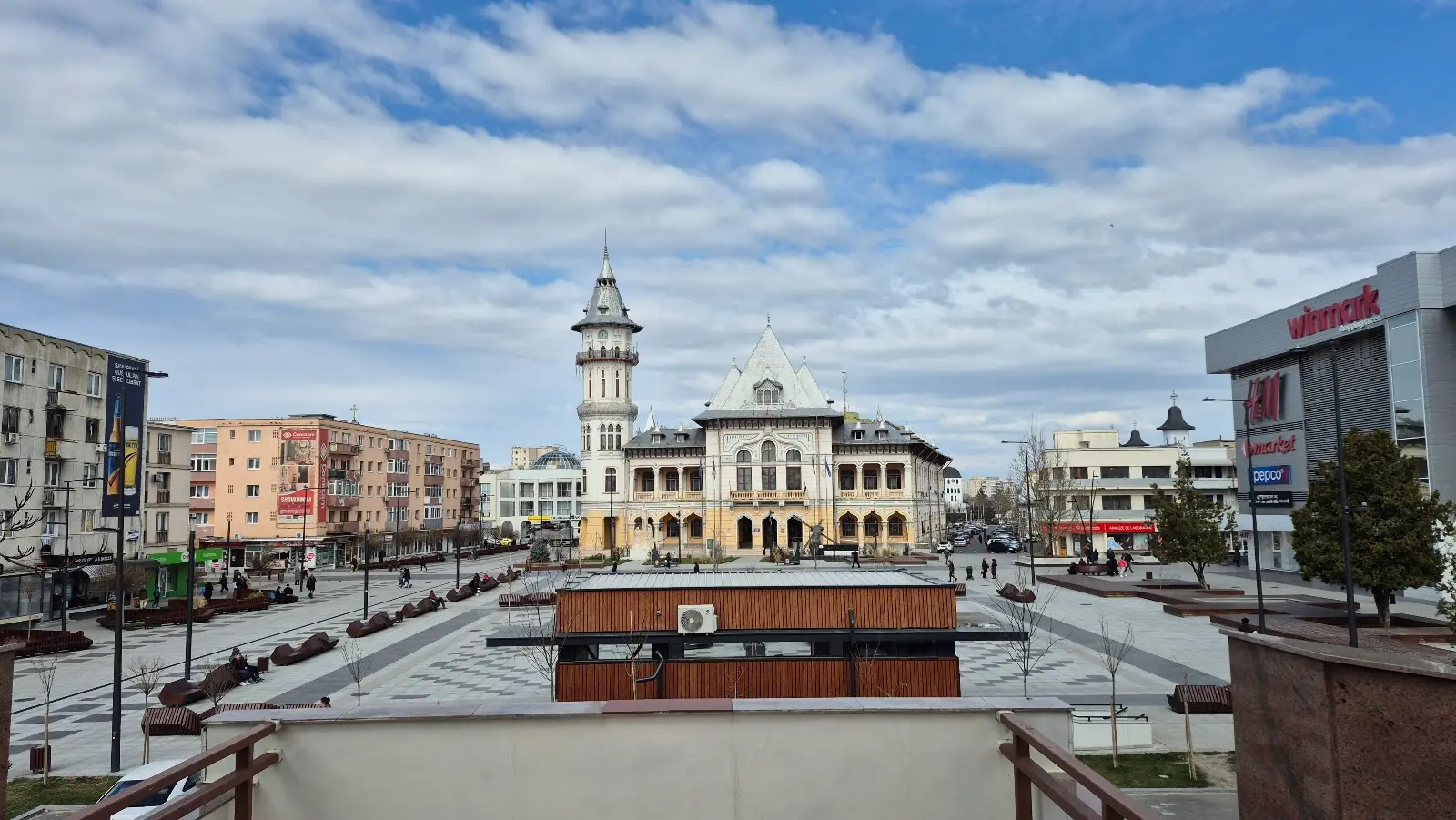
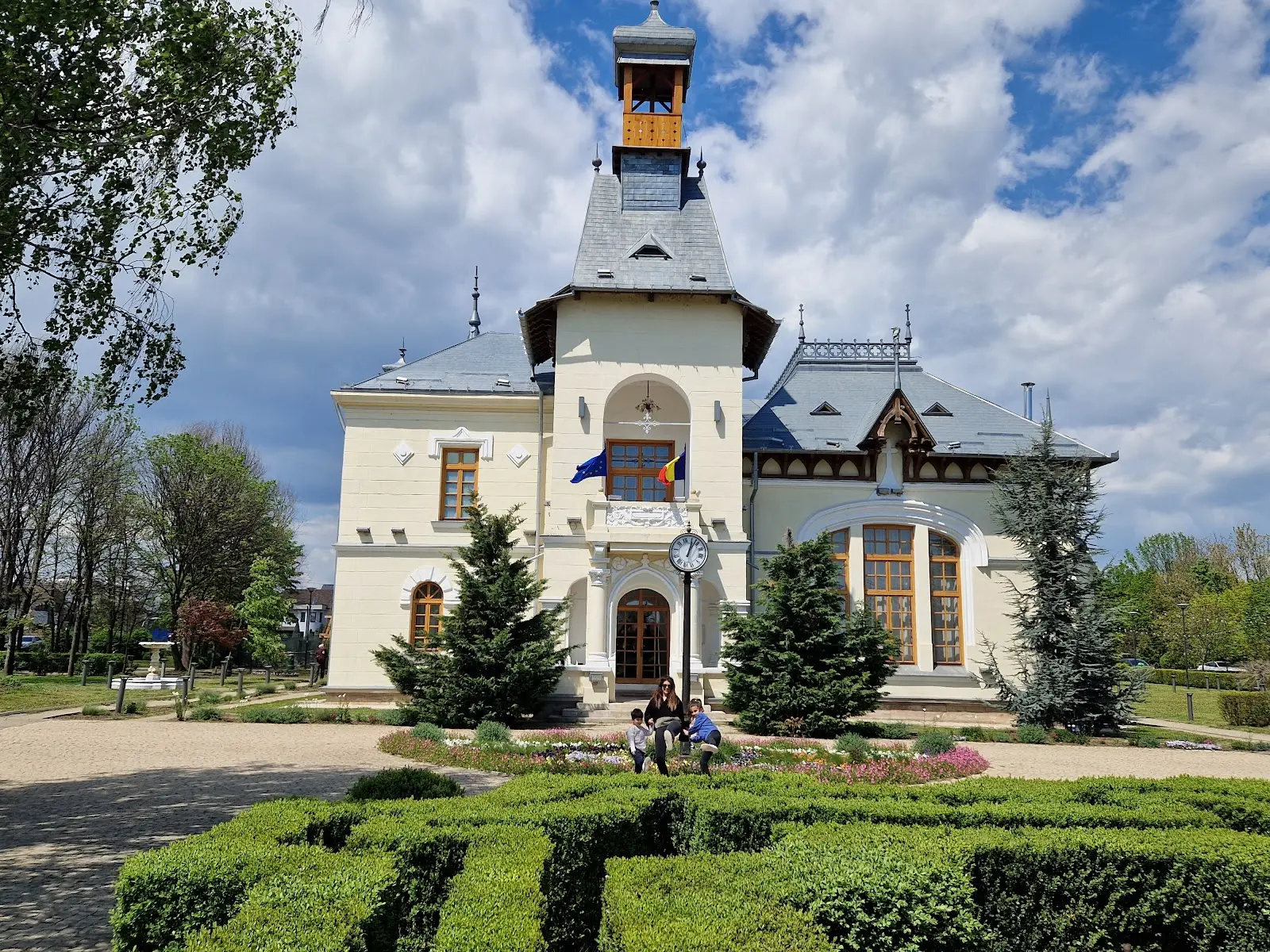
Palatul Comunal Buzău
The Communal Palace in Buzău is the city's most representative building and the seat of the town hall, an architectural monument raised in the early 20th century in an eclectic style with Neo-Romanian influences. Designed by the architect Alexandru Săvulescu, the palace impresses through its clock tower, its richly ornamented facades and the monumental proportions that dominate the city centre. The building was conceived to house the local administration but also to express the prosperity and ambitions of Buzău at that time. The clock tower has become a symbol of the city, and the whole ensemble reflects the era's taste for grandeur and elegance. Visitors can admire its remarkable architecture from the central square, where the palace forms part of a pleasant urban ensemble with green spaces and historic buildings. Set in the heart of Buzău, the Communal Palace is an indispensable landmark for anyone discovering the city and an excellent starting point for a walk through the historic centre.
Frequently asked questions
What is Buzău known for?+
Buzău is best known for sights such as Crama Ceptura, LacertA Winery, Licorna WineHouse.
How many days do you need in Buzău?+
One to two days is enough to see the highlights of Buzău; stay longer to use it as a base for day trips.
Where should I stay in Buzău?+
See our selected stays above, or check live rates and availability on the accommodation map.