Banat
Arad
The Vauban fortress and Viennese boulevards.
Arad is a city in western Romania, in the Banat-Crișana region, set on the bank of the Mureș River near the Hungarian border. An important transport hub and economic centre, the city stands out for its rich architectural heritage, in styles from Baroque to Secession, and for its relaxed, Central European atmosphere.
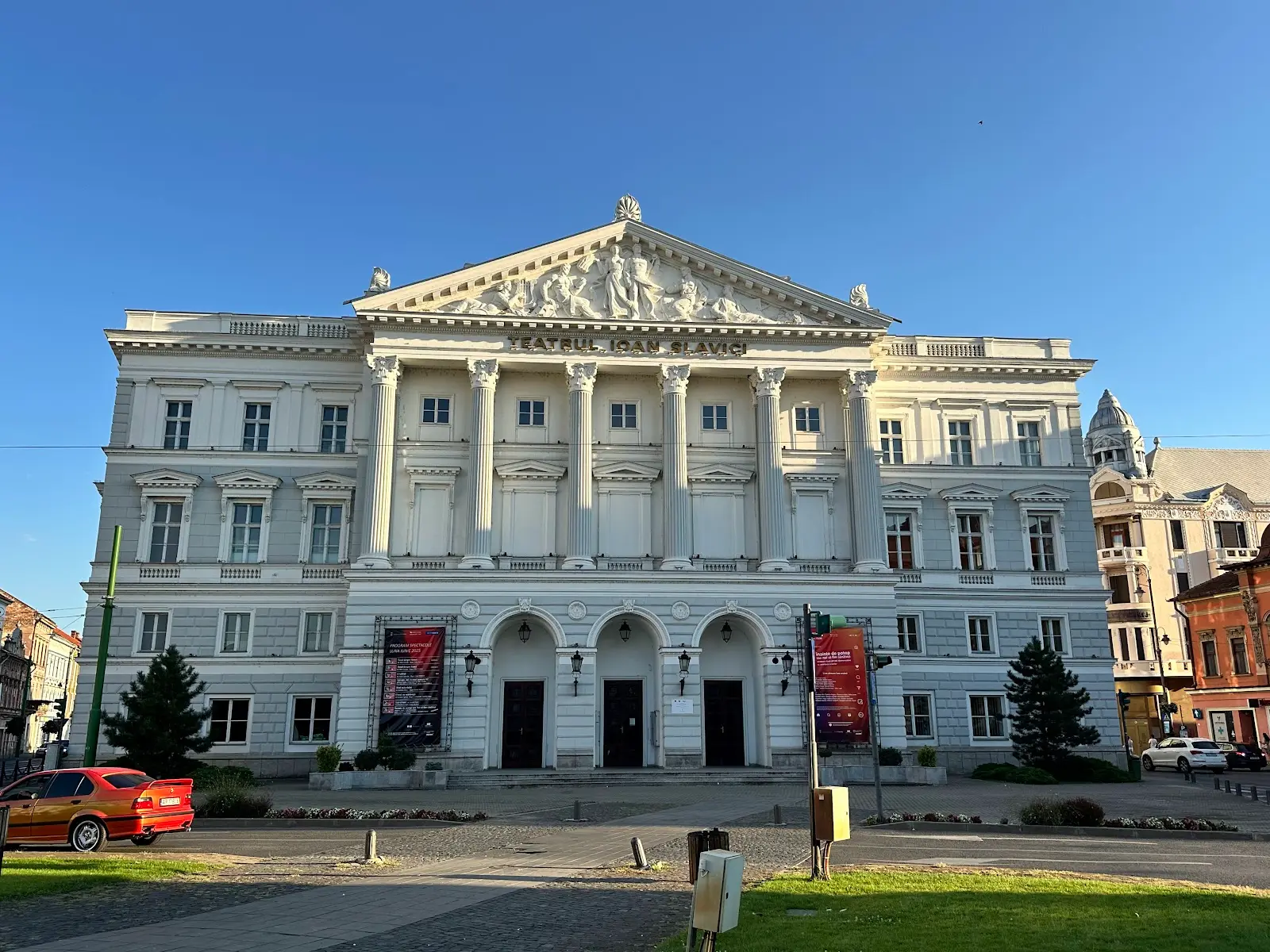
The main avenue, Revolution Boulevard (Bulevardul Revoluției), broad and lined with elegant buildings, is the heart of the city. Here stand the Administrative Palace (City Hall) with its clock tower and the imposing Neoclassical "Ioan Slavici" Theatre. The city hosts numerous eclectic and Secession-style palaces, such as the Cenad Palace, the Neuman Palace and the House with a Padlock, which lend the centre a distinctive charm. The Arad Fortress, an impressive star-shaped Vauban-style stronghold built in the 18th century, is a remarkable military monument. Nearby, at Traian Bridge, stands the Martyrs' Cross Monument, tied to the region's turbulent history.
Arad is also an important wine centre — the surrounding vineyards, especially the Miniș-Măderat area, produce prized wines. Banat cuisine blends Romanian, Hungarian, Serbian and German influences. The city has an active cultural life, with theatre, philharmonic and festivals.
It is easily reached by car, by train or via the nearby airport, and is a major crossing point toward Hungary. Spring through autumn is the best time to visit. Arad is worth visiting for its elegant architecture, its historic fortress and the wine tradition of its surroundings.
Where to stay
All stays →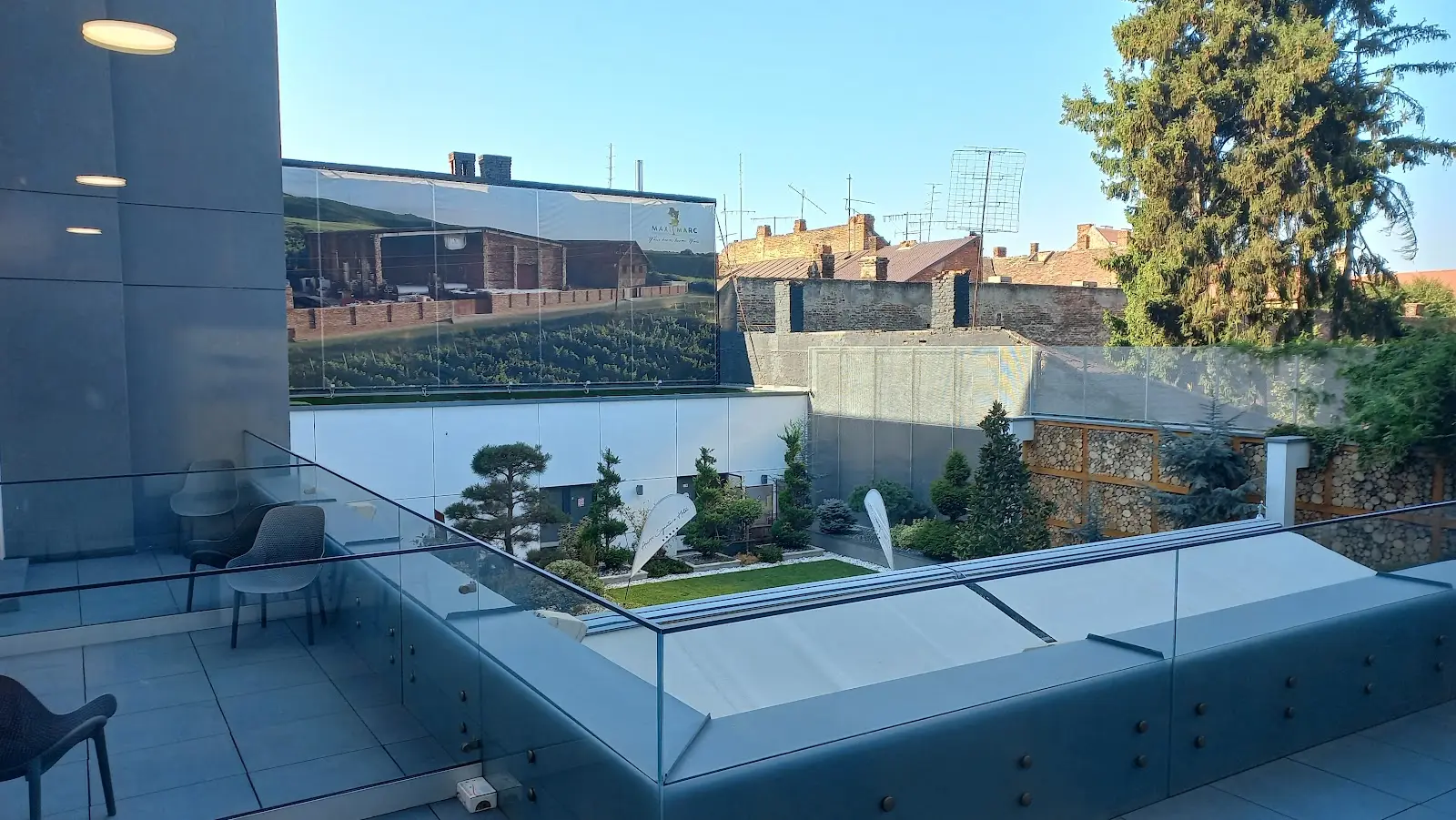 Boutique
Hotel Ardealul Arad
 Boutique
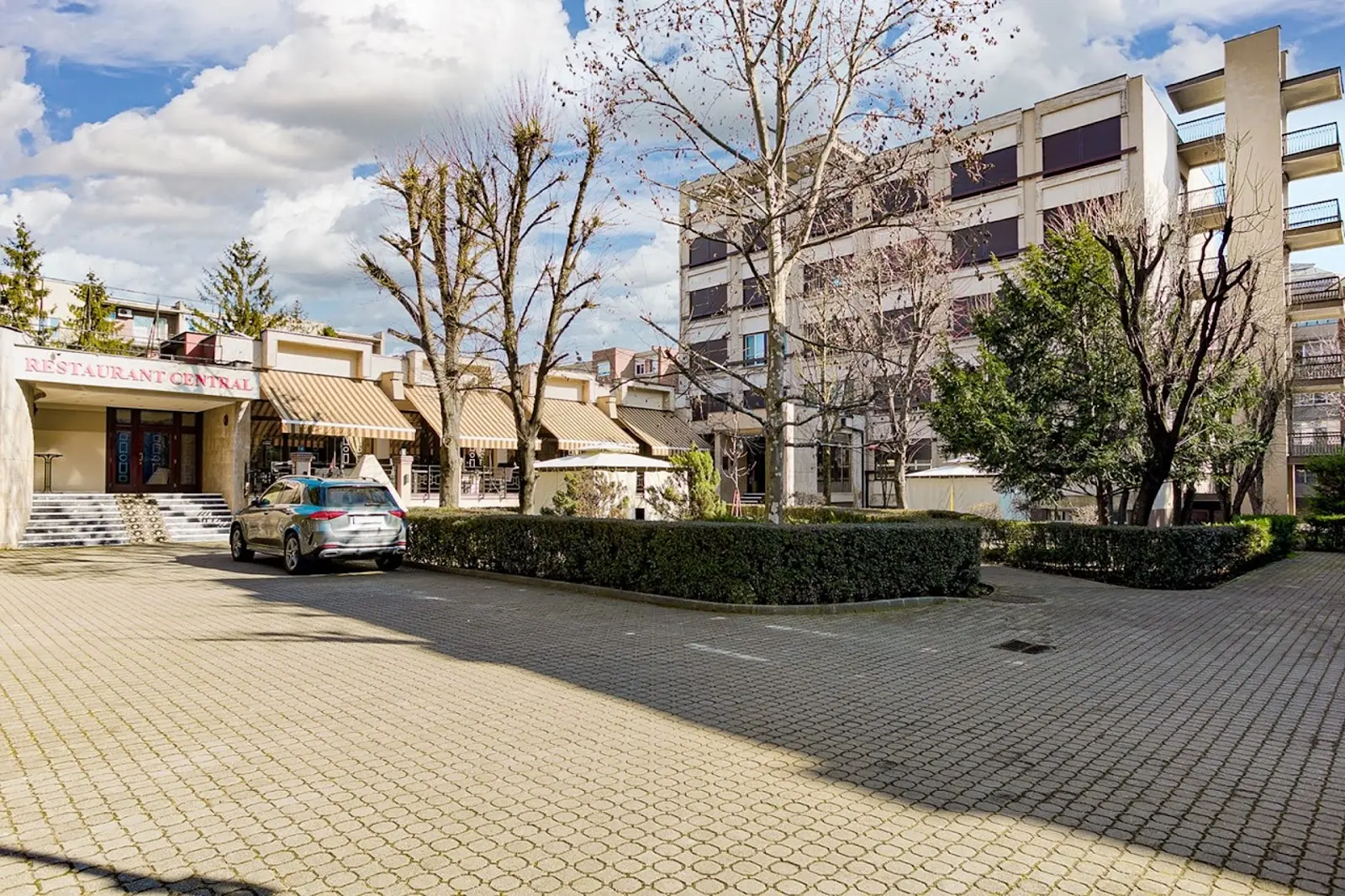
Best Western Central Hotel Arad
A straightforward property with free Wi-Fi and breakfast, plus a restaurant with a shaded terrace.
 Boutique
Hotel Continental Forum Arad
A refined property with a restaurant, a bar and a nightclub, plus conference space and free Wi-Fi.
Where to eat
All restaurants →
What to see
See all →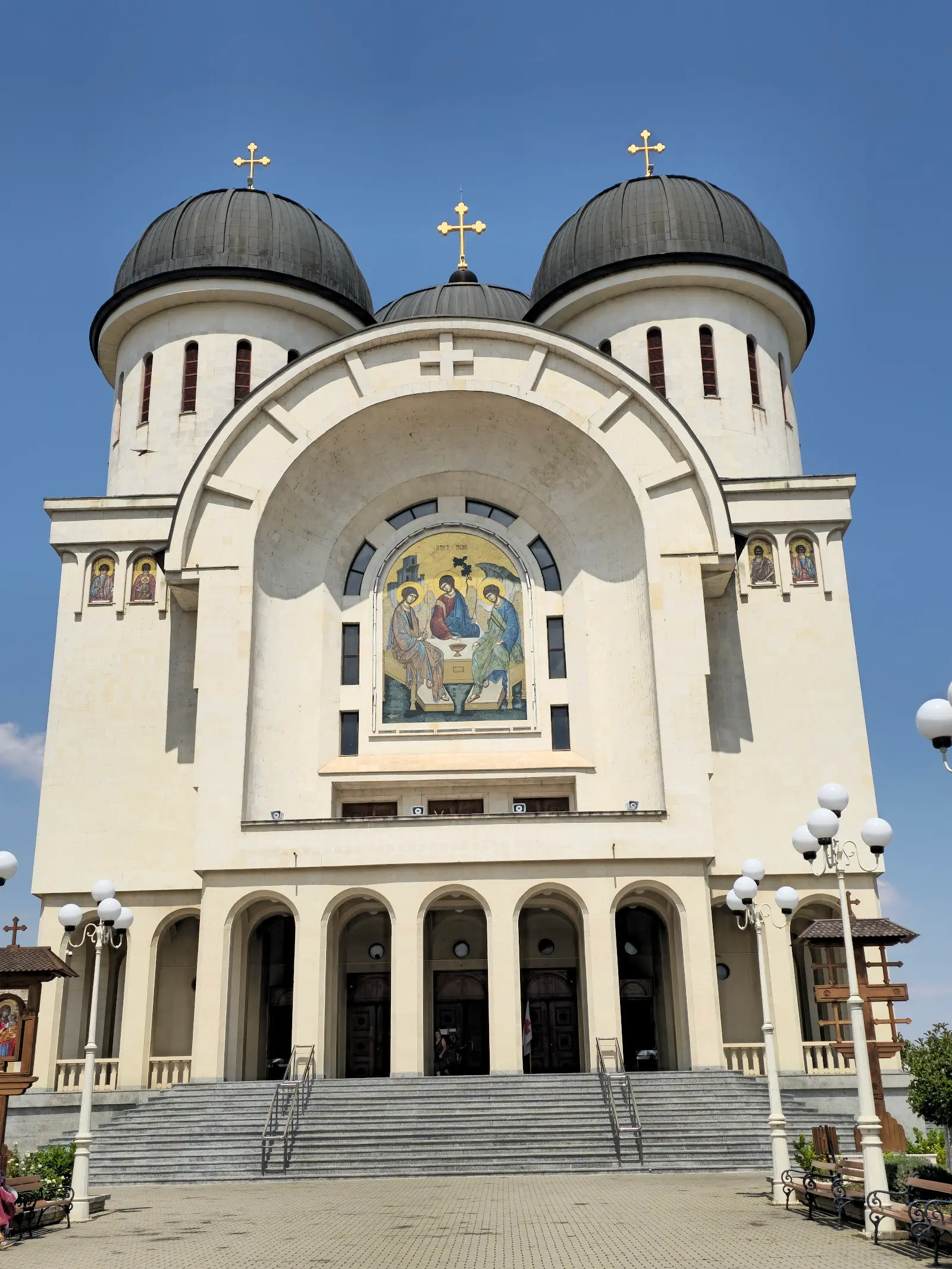 Church
Catedrala Ortodoxă Sfânta Treime Arad
The Orthodox Cathedral of the Holy Trinity in Arad is one of the most imposing churches of the city, a monumental place of worship raised in the twentieth century to meet the needs of the Orthodox community. The large edifice blends elements of Byzantine architecture with Moldavian and Brancovan influences, with broad domes and an outline that dominates the urban landscape. The interior is richly decorated with fresco and mosaic painting, a carved iconostasis and chandeliers, creating a solemn atmosphere. The cathedral is a centre of religious life in Arad and an architectural landmark admired by visitors. Through its scale and decoration it reflects the importance of the Orthodox community in this multicultural city of the Banat. Set in the central area, the cathedral fits naturally into a sightseeing route; visitors are asked to respect the quiet and the schedule of services.
 Winery
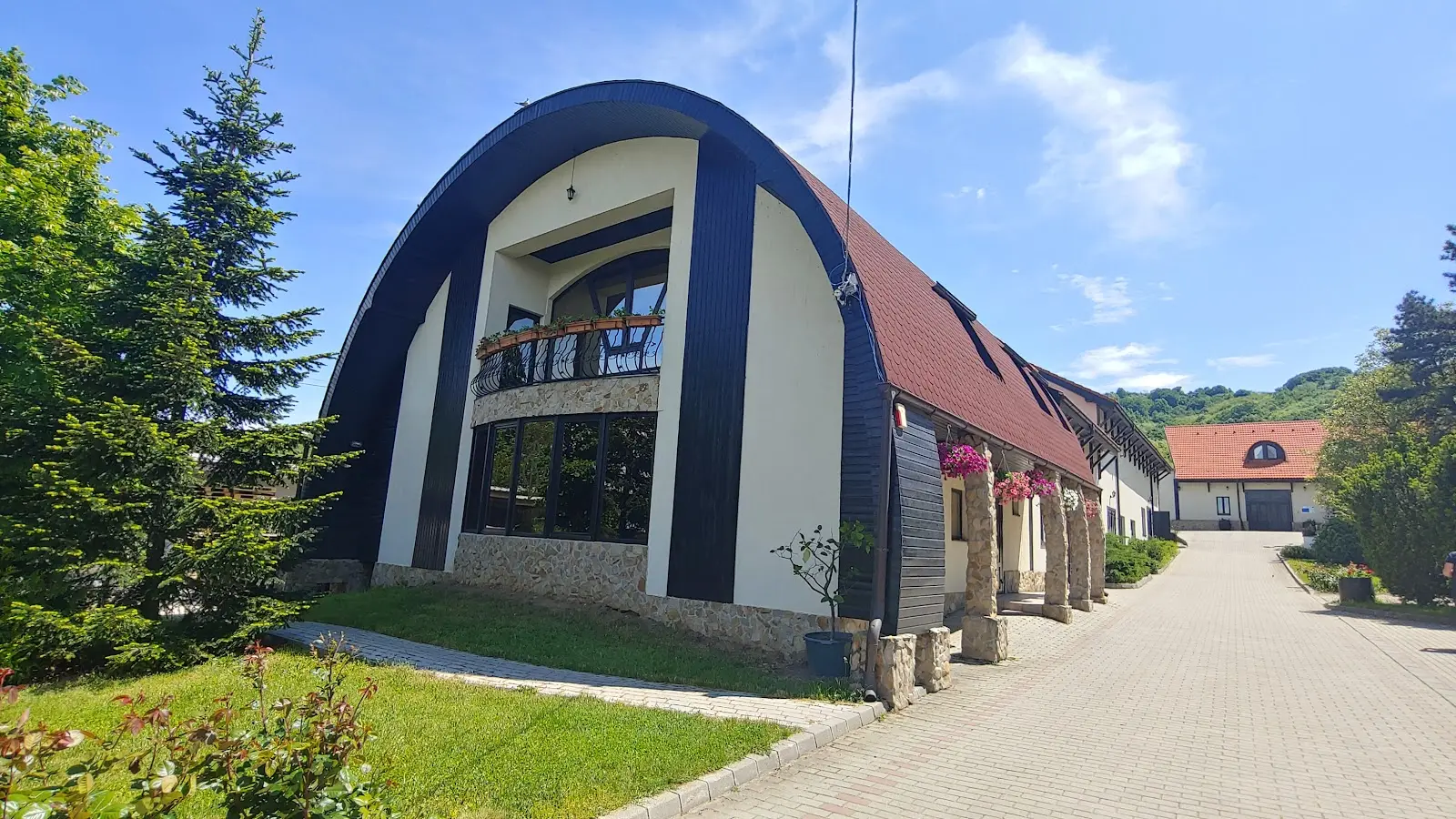
Crama Balla Geza
Crama Balla Geza, at Ghioroc in the Miniș-Măderat region near Arad, is known for its vines on stone terraces — a distinctive terroir where volcanic rock stores heat and gives wines with minerality and structure. Winemaker Geza Balla works the native Cadarcă, Arad's historic red once served at the courts of Vienna, alongside Fetească Neagră, Furmint and international grapes, in ranges such as Stone Wine. The wines have won numerous awards and put Miniș back on the map of good wine. The estate welcomes visitors for tastings and tours among the hillside vines, near the western border. It's an excellent stop for anyone entering the country from Hungary or exploring the west, with a red wine of old tradition.
 Winery
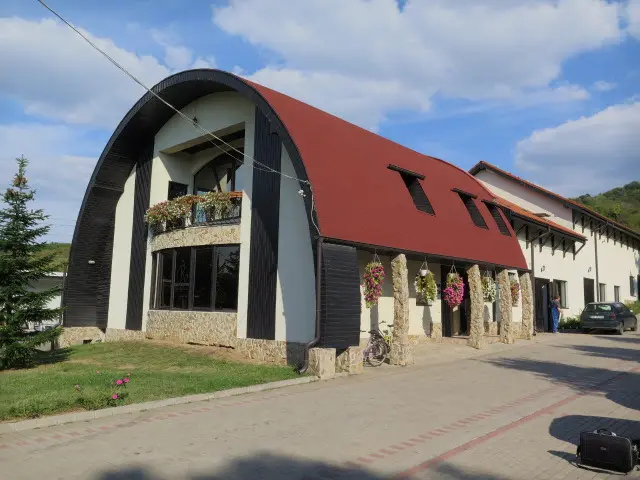
Wine Princess
Wine Princess is a family winery in the Miniș region near Arad, carrying forward the west's tradition of quality reds with a modern, well-kept touch. It works the native Cadarcă alongside Cabernet, Merlot and whites such as Mustoasă de Măderat, in balanced, fruity, accessible wines. In a discreet region with an old winegrowing history — Miniș Kadarka once reached Vienna — the winery helps rediscover the potential of the place. The estate welcomes visitors for tastings in a personal, small-winery atmosphere, where you receive the wine from the hands of those who make it. It's a warm stop for anyone exploring Crișana and the west, within easy reach of Arad.
LandmarkTeatrul Clasic Ioan Slavici
The Ioan Slavici Classical Theatre in Arad is one of the oldest theatrical institutions in Romania, with a history reaching back to the middle of the nineteenth century. The imposing building in the town centre, raised in a classicist style, was conceived as a house of culture for the multi-ethnic community of Arad, where over time performances were given in several languages. The elegant hall, with boxes and period decoration, has hosted many premieres and tours by great artists. The institution bears the name of the writer Ioan Slavici, one of the classics of Romanian literature, who came from the Arad area. Today the theatre continues a rich stage activity, showcasing both the classical repertoire and contemporary works. The façade and interior are an example of nineteenth-century civil architecture. Visitors can admire the building and choose a performance from the season. It is advisable to check the schedule and how to obtain tickets.
 Museum
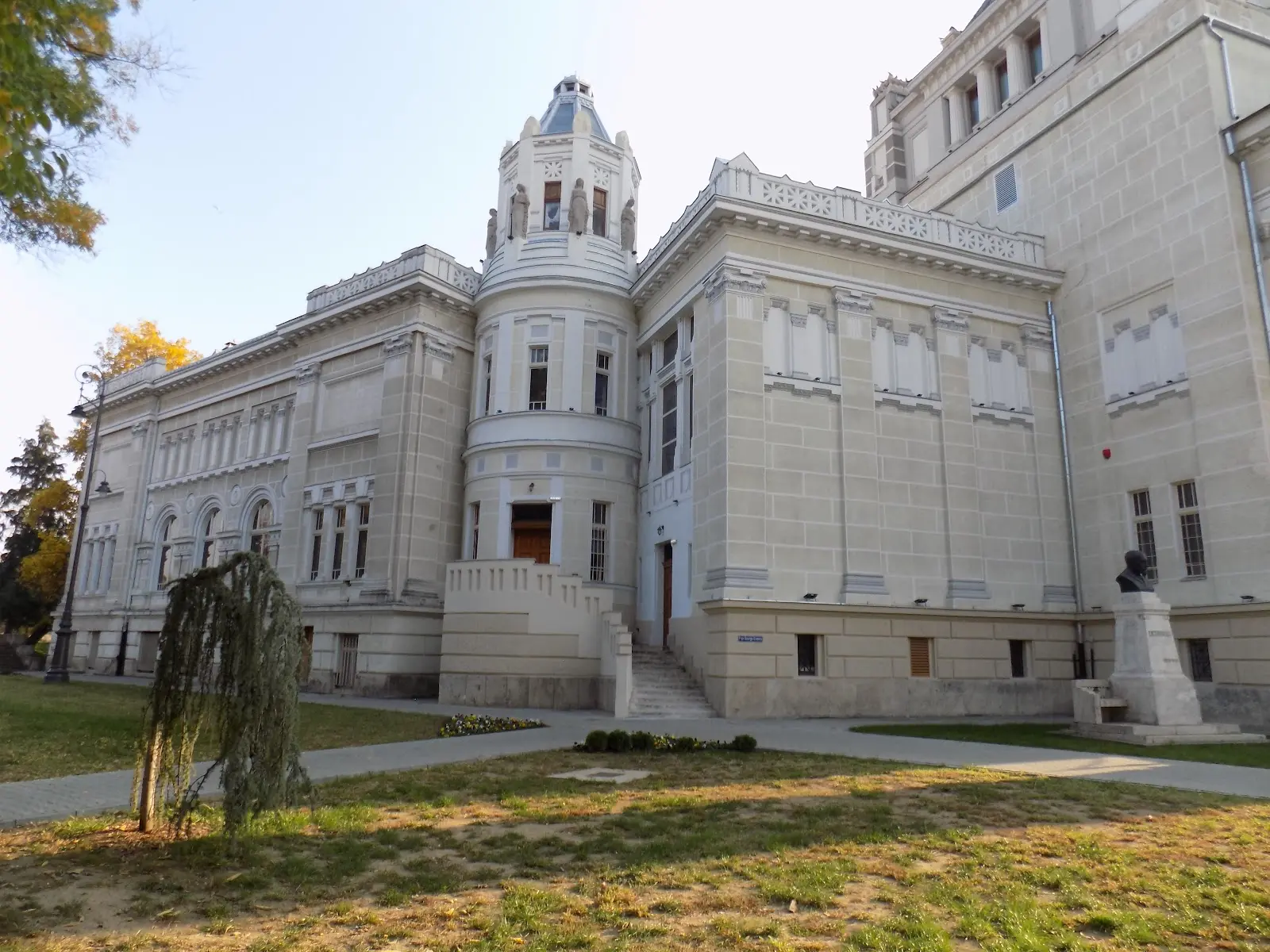
Palatul Cultural Arad
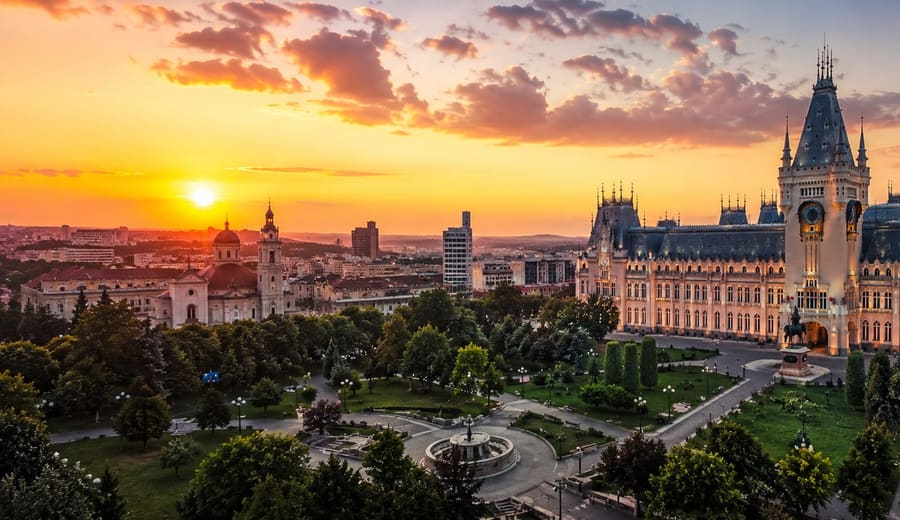
The Palace of Culture in Arad is one of the most representative buildings in the city, raised in the early twentieth century to house the cultural institutions of the community. The monumental edifice blends eclectic elements with neoclassical, Gothic and Renaissance influences, while its richly decorated facade and imposing outline dominate the central area. Inside, the palace holds the halls of the Arad Museum, with sections of history, archaeology, art and natural sciences, as well as a concert hall admired for its acoustics. Over time the building has been a centre of the intellectual and artistic life of Arad. Its position near the Mures river makes it a visible landmark in the urban landscape. The palace remains a symbol of the city's cultural aspirations at the turn of the centuries. Checking the museum schedule and any events before visiting is recommended.
 Nature
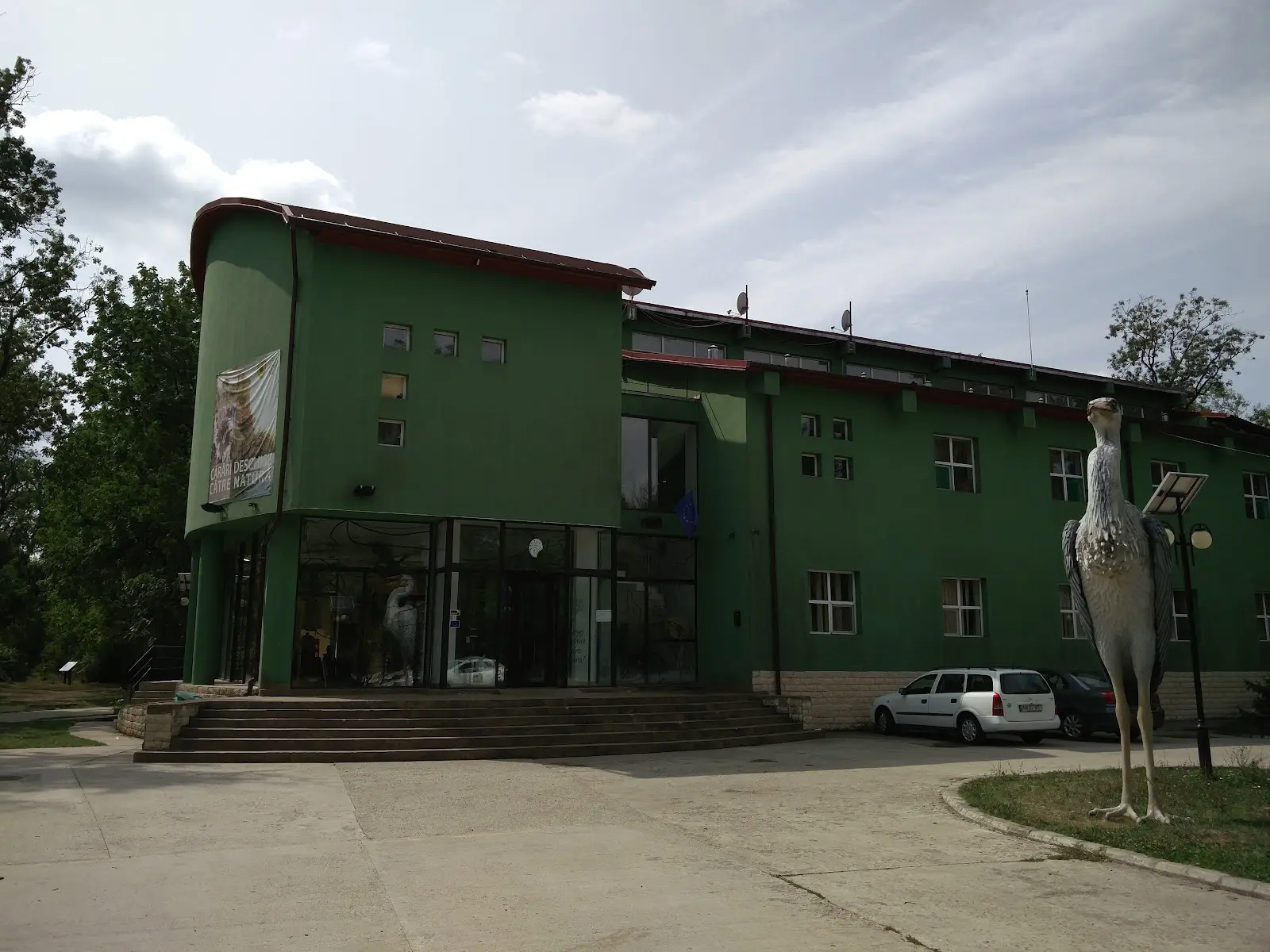
Pădurea Ceala
Ceala Forest is an extensive natural area on the edge of the city of Arad, in the Mures floodplain, a green space appreciated by locals for recreation and by visitors for its quiet and natural setting. The forest, made up mainly of deciduous species typical of the floodplain, shelters a varied fauna and flora and offers a cool microclimate on hot summer days. With the Mures River nearby, the area is well suited to walks, cycling, picnics and nature watching. The lanes and paths that cross it allow exploration at one own pace, and recreation areas have been arranged in certain spots. Being close to the centre of Arad, Ceala Forest is an easy escape from the urban environment, ideal for families and for those seeking a day outdoors. Visitors are asked to respect environmental protection rules, avoid lighting fires outside designated areas and collect their waste. The area rounds off a visit to the city of Arad.
 Landmark
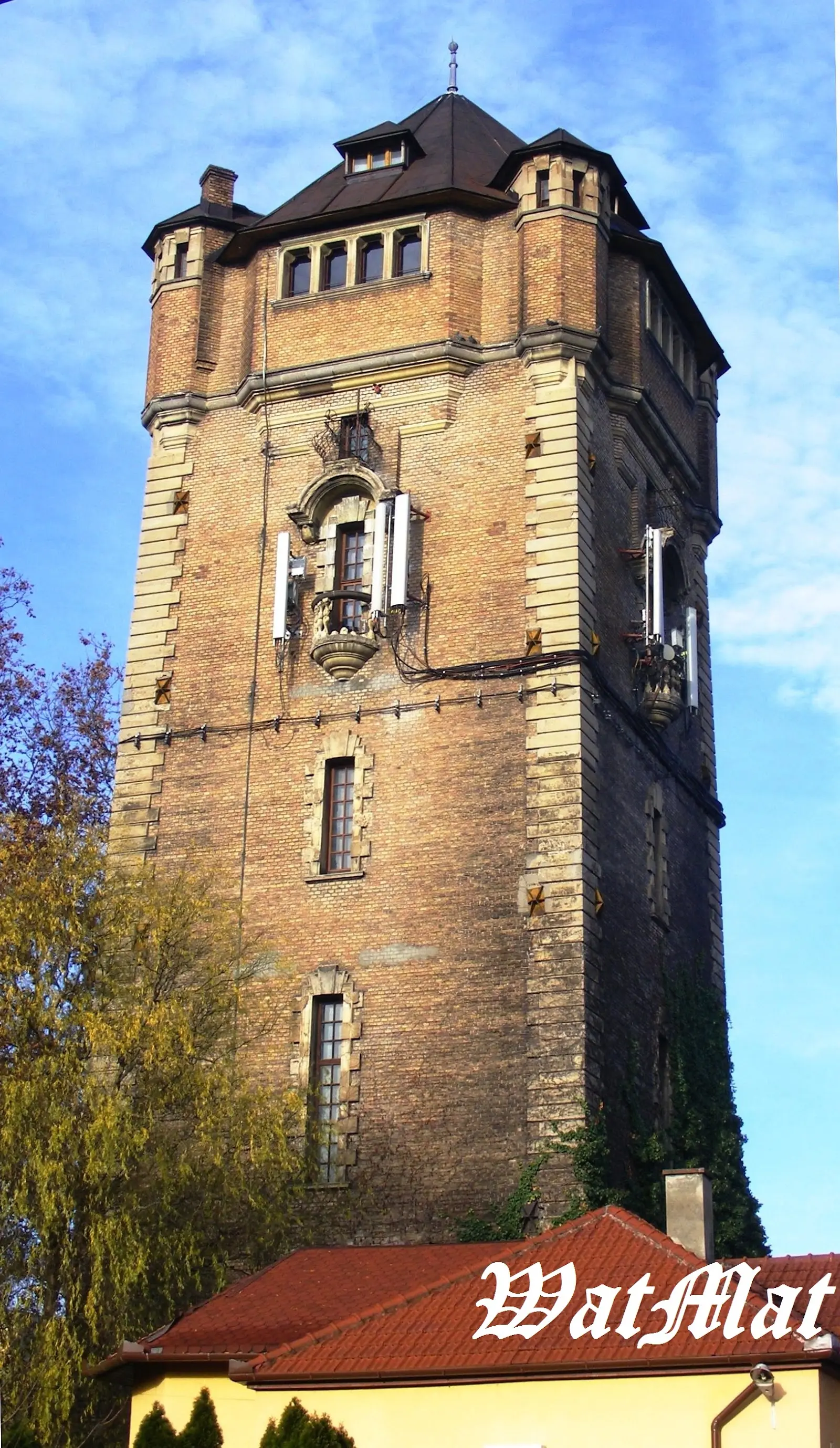
Turnul de Apă Arad
The Water Tower of Arad is an industrial structure from the early 20th century, built to supply water to this city in the Banat region and, over time, becoming an appreciated architectural landmark. The tower has a massive, robust form, with a cylindrical brick body supporting the reservoir at height, and its appearance recalls a medieval keep, with details that give it a fortress-like air. Set in a central part of the city, it long served as a functional element of the urban infrastructure, and after falling out of use it gained the status of monument and cultural space. Restoration restored its value, and the interior was adapted for events and exhibitions. Its distinctive silhouette stands out in the Arad landscape and testifies to the modernisation of the city during its period of industrial development. Practical note: the tower is easily admired from the outside during a stroll through the city, and access to the interior depends on the schedule of the events and exhibitions it hosts.
 Park
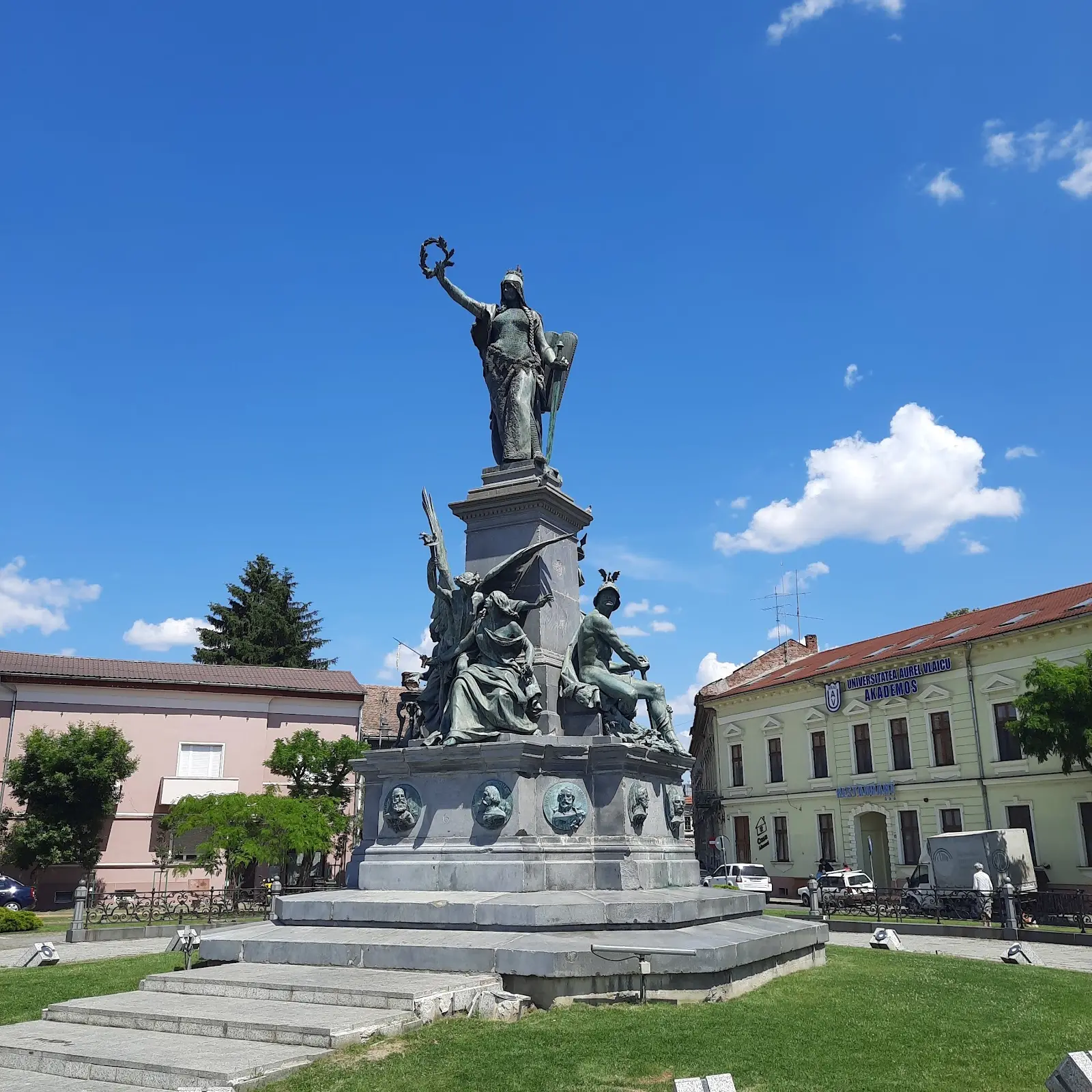
ParkParcul Reconcilierii Arad
The Park of Reconciliation in Arad is a green space with strong symbolic weight, conceived as a place of reconciliation between the history of Romanians and that of Hungarians in Transylvania. At its centre stand two monuments facing each other: the Statue of Liberty, raised in memory of the Hungarian generals executed at Arad in 1849 after the defeat of the revolution, and the Romanian Arch of Triumph, dedicated to the struggle for national rights. Placing the two monuments in the same park, after long disputes, was meant to turn a symbol of tension into one of dialogue and shared memory. Shaded paths, tidy lawns, and benches also make the park a place for locals to stroll. Visitors find here a lesson in nineteenth-century history and in the complicated relations between the peoples of the region. A careful pause at the explanatory panels helps in understanding the meaning of the place.
 Landmark
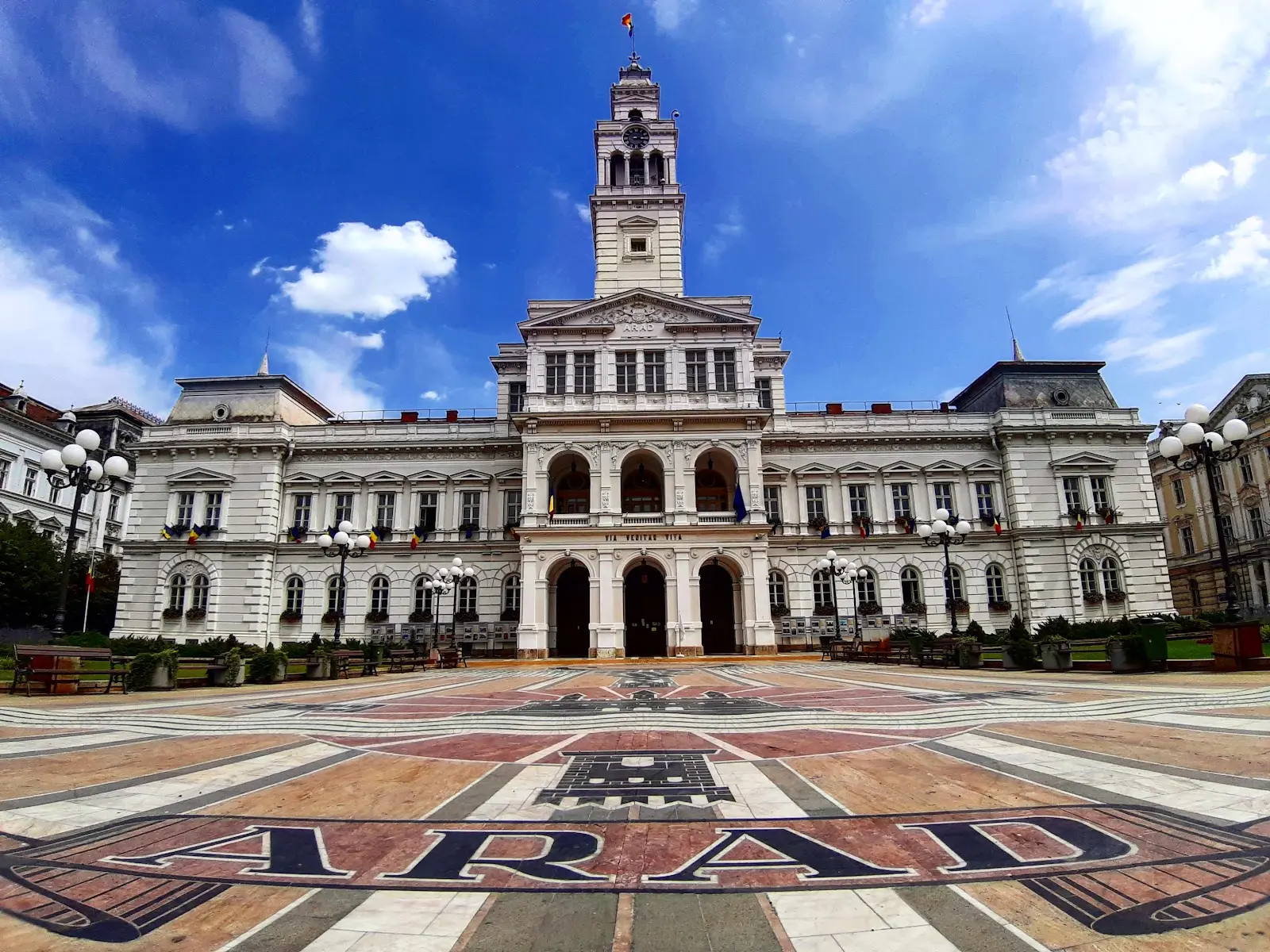
Palatul Administrativ Arad (Primăria)
The Administrative Palace of Arad, also known as the City Hall, is one of the emblematic buildings of the city, raised in the second half of the nineteenth century in a Renaissance style. The imposing edifice, with its tall clock tower, dominates the central landscape and stands as a landmark visible from a great distance. The balanced facade, sober decoration and monumental proportions reflect the administrative and civic aspirations of Arad in the era of its urban growth. The clock tower, fitted with a mechanism that marks the hours, is a symbol of the city. The building still houses the local administration, keeping its original function. Its position in the heart of the historic centre makes it a point of reference for orientation in the city. The palace is best admired from the square in front; visiting the interior may be limited by its administrative function.
Frequently asked questions
What is Arad known for?+
Arad is best known for sights such as Catedrala Ortodoxă Sfânta Treime Arad, Crama Balla Geza, Wine Princess.
How many days do you need in Arad?+
One to two days is enough to see the highlights of Arad; stay longer to use it as a base for day trips.
Where should I stay in Arad?+
See our selected stays above, or check live rates and availability on the accommodation map.