Peleș Castle, the Royal Jewel
The summer residence of Romania's kings at Sinaia — Neo-Renaissance architecture, sumptuous interiors and the story of one of Europe's first castles with its own electricity.
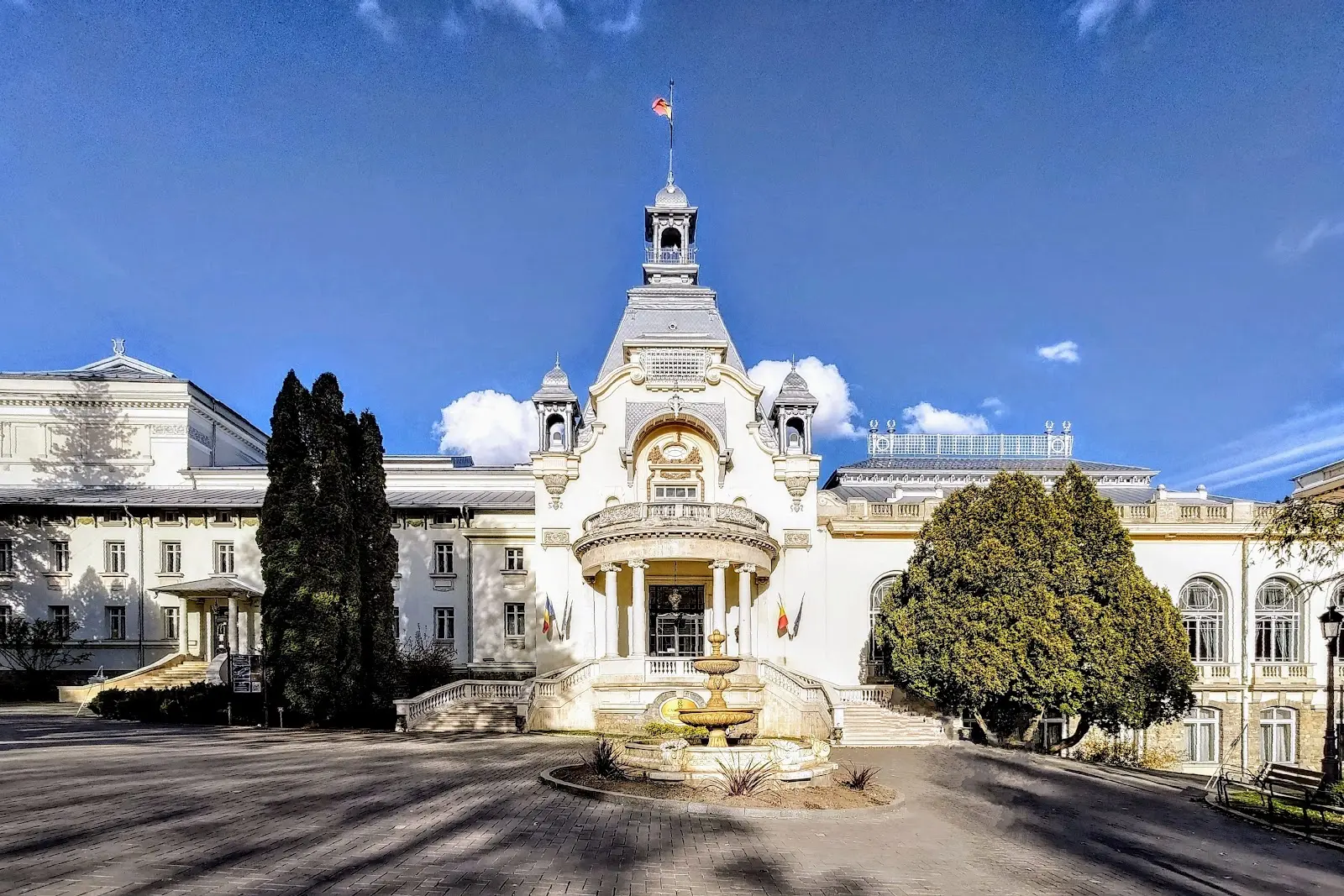
Set at the foot of the Bucegi Mountains, in the resort of Sinaia, Peleș Castle is considered by many the most beautiful castle in Romania. It was built as the summer residence of King Carol I, Romania's first king, and remains a brilliant expression of late-19th-century royal ambition.
A residence conceived by a king
Carol I, of German origin, chose the valley of the Peleș river for its mountain air and the beauty of the place. Construction began in the 1870s and continued over several decades, the castle being successively extended and enriched. The king oversaw the project closely, and the result bears the mark of his refined tastes.
The Neo-Renaissance architecture
Peleș is a masterpiece of the German Neo-Renaissance style, with timber-framed elements, towers, carved gables and decorated façades. Its silhouette, with its slender central tower, rises dramatically from the fir forest. It is a castle conceived not for defence but for elegant living — a mountain palace rather than a fortress.
The sumptuous interiors
What impresses most are the interiors. Peleș has more than a hundred rooms, many with different themes and styles:
- The Hall of Honour, with carved wood panelling and a ceiling that can be opened.
- The Arms Hall, with one of the most important collections of armour and weapons in the region.
- Rooms decorated in varied styles — Moorish, Florentine, Turkish — and the library with its famous secret entrance.
- Collections of art, tapestries, sculptures, stained glass and valuable furniture.
A technical jewel of its age
Peleș was a remarkably modern castle for its time. It was fitted with electricity produced by its own power plant, central heating, a lift and other innovations rare in the late 19th century. This combination of luxury and cutting-edge technology makes it unique among the European royal residences of the era.
Nearby: Pelișor and Sinaia
Next to it stands Pelișor, a smaller castle built for the heir to the throne, with Art Nouveau interiors. And the resort of Sinaia, with Sinaia Monastery and its air of mountain belle époque, is worth a full day.
How to visit
- Interior visits are usually by guided tour; check the schedule, which changes by season.
- In summer and at weekends, the castle is very crowded — go early in the morning.
- Photography inside may require an extra fee; ask at the ticket desk.
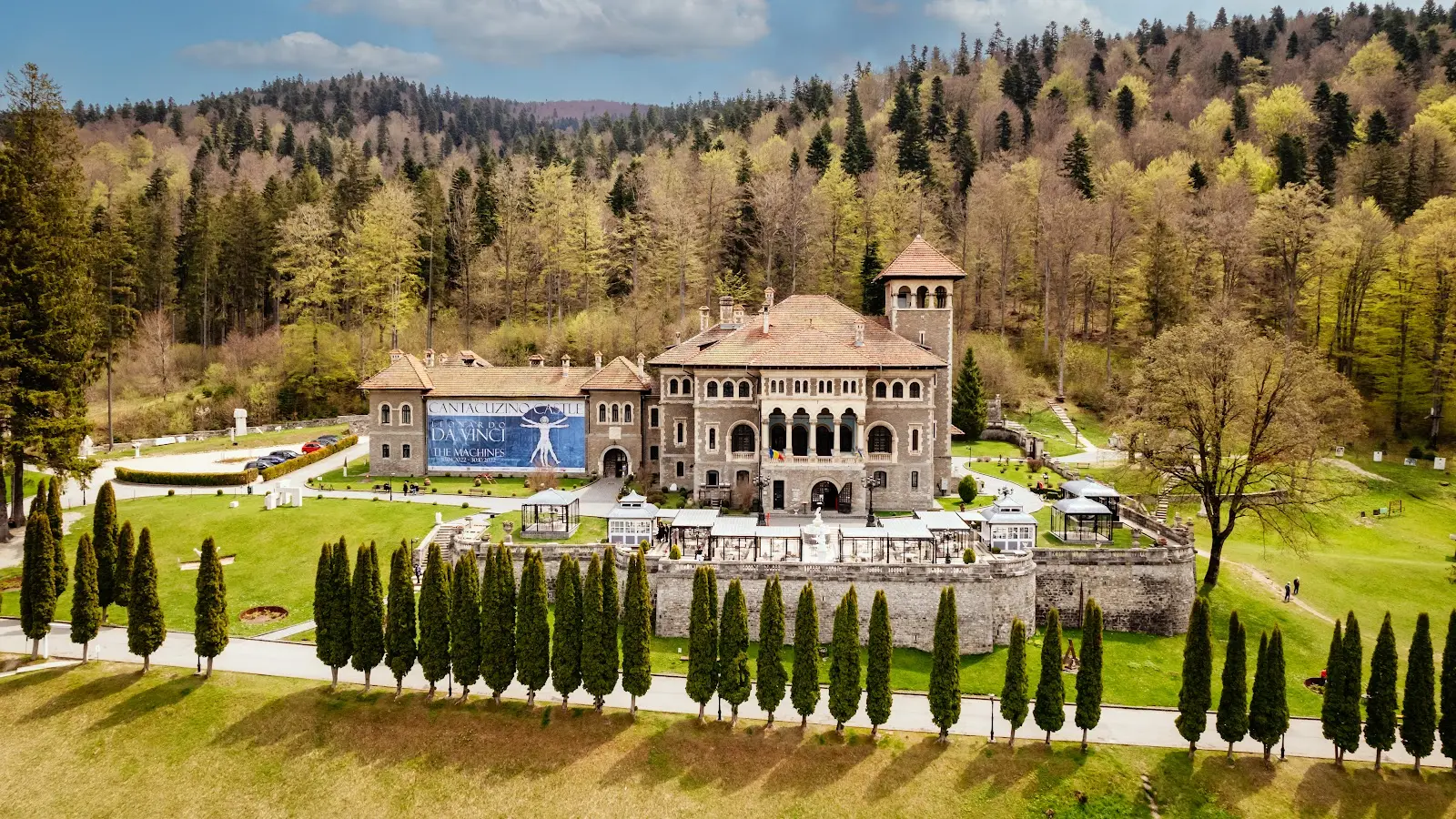
- It combines excellently with Cantacuzino Castle in Bușteni and with walks along the Prahova Valley.
- Wear comfortable shoes: the surrounding paths and access are on foot.
A symbol of modern Romania
Peleș was more than a holiday home: it was a manifesto. Carol I wanted his mountain residence to show the world that the young Kingdom of Romania belonged to civilised Europe, with a culture, a taste and a technology on a Western level. The castle hosted distinguished guests and witnessed important moments in the history of the dynasty. After the establishment of the communist regime, the castle passed through difficult periods, but today it has once again become one of the country's most-visited and most-cherished monuments.
Worth remembering before your visit
Peleș is best visited as part of a day on the Prahova Valley, combined with the mountain air of Sinaia. Set aside time not only for the interiors but also to walk around the castle and admire its carved façades from different angles. It is one of those places where the details — a balustrade, a stained-glass window, a small tower — reward the attentive eye.
Peleș is not just a tourist sight but a living document of how modern Romanian monarchy was conceived — with ambition, refinement and openness to innovation.
Plan your trip
Experiences
Tours & activities
Guided tours, day trips and hand-picked experiences via GetYourGuide — free cancellation on most.
See all experiencesGetting to Romania
Flights, transfer & car
Fly into Romania
Compare fares to Bucharest Otopeni (OTP) and regional airports — Cluj, Sibiu, Iași, Timișoara.
Airport transfer
Private, fixed-price door-to-door transfer — driver waiting from the moment you land.
Rent a car — see the real Romania
A rental car is the key to Romania: the Transfăgărășan, the painted monasteries of Bucovina, mountain roads and the villages of Maramureș that no train reaches.
Find a car