România Mea

Muzeul de Istorie Națională și Arheologie
4.5(2,423 reviews)Peninsula, 900178 Constanța, România
Muzeul de Istorie Națională și Arheologie
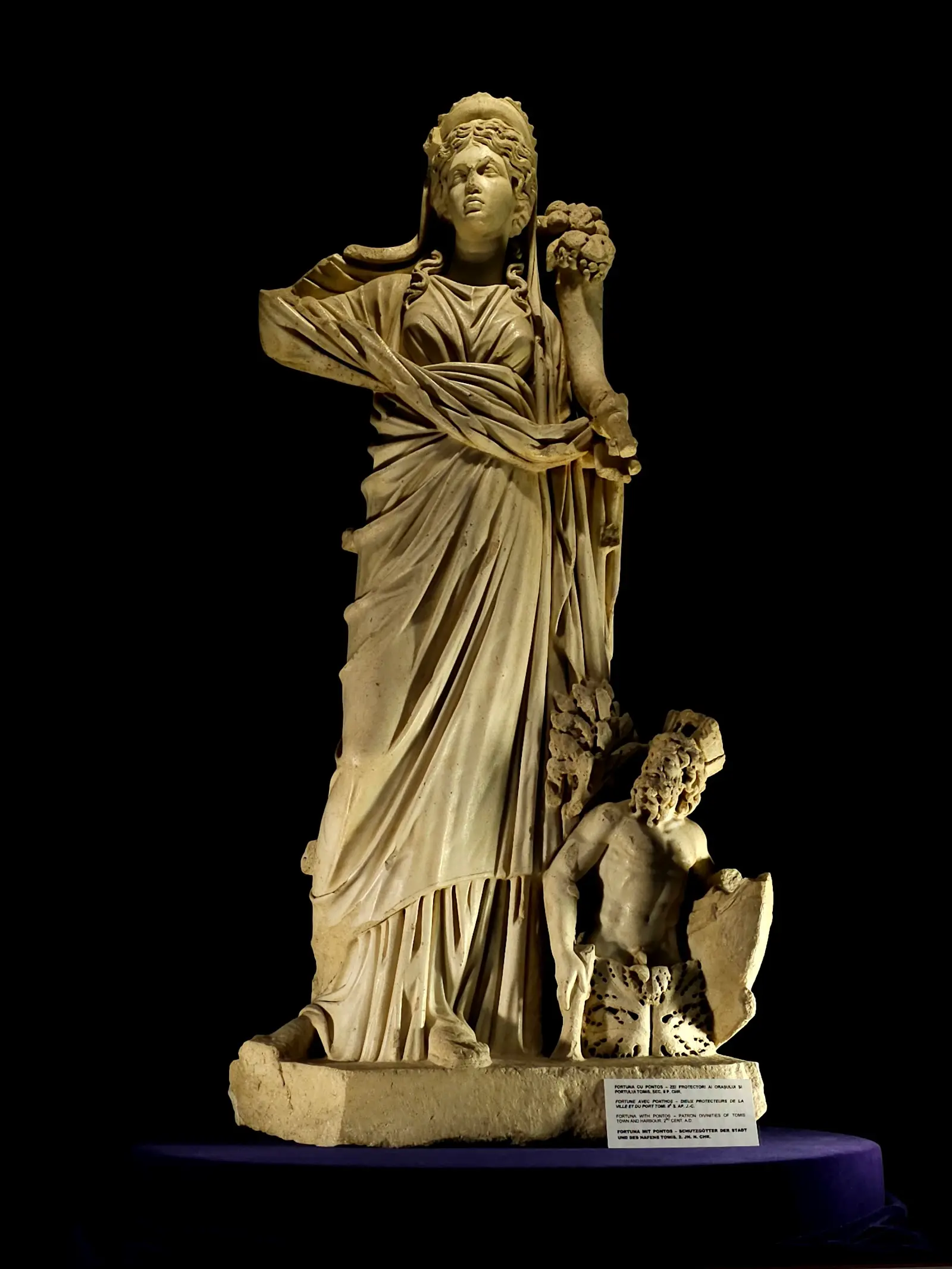
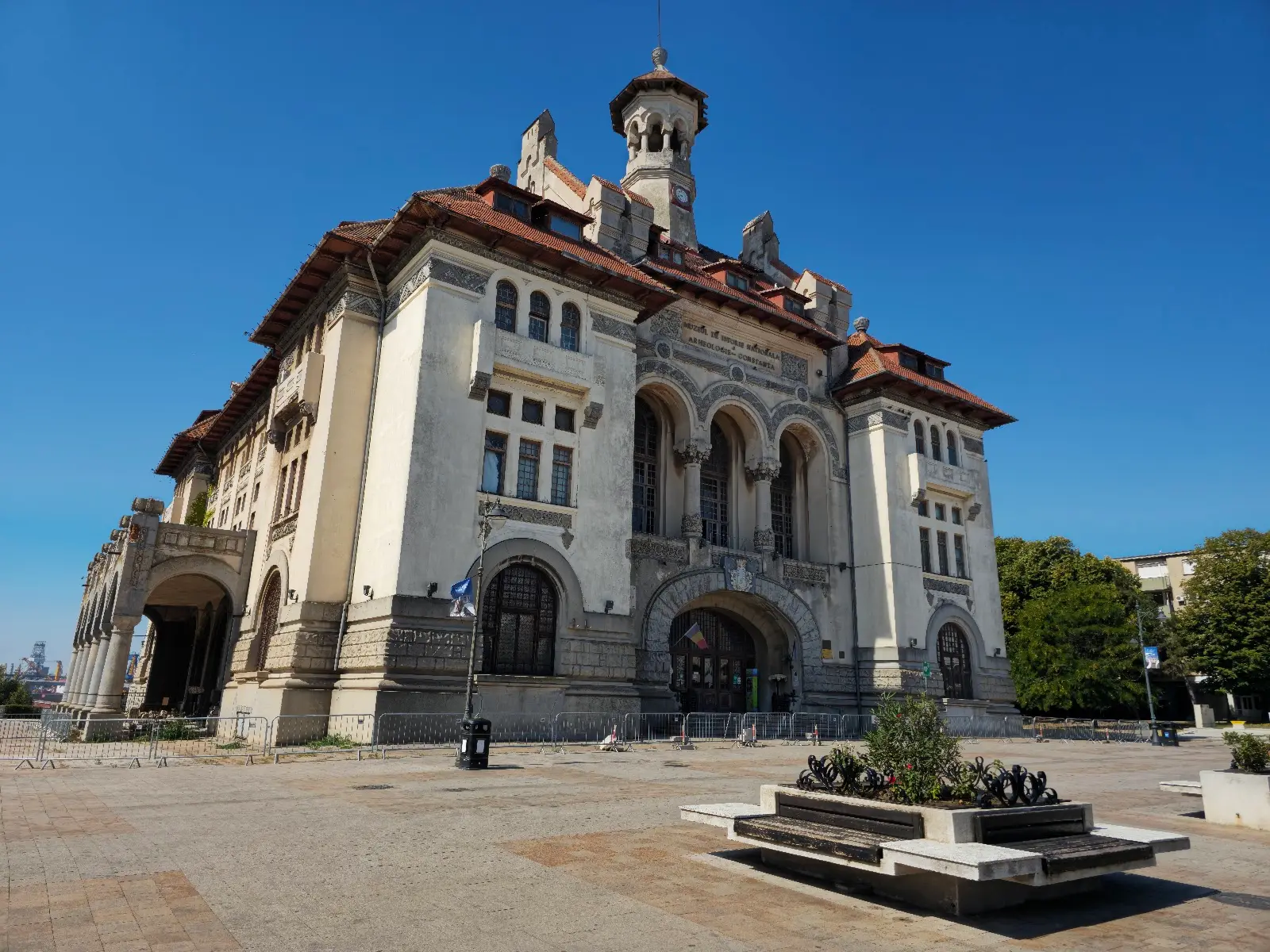
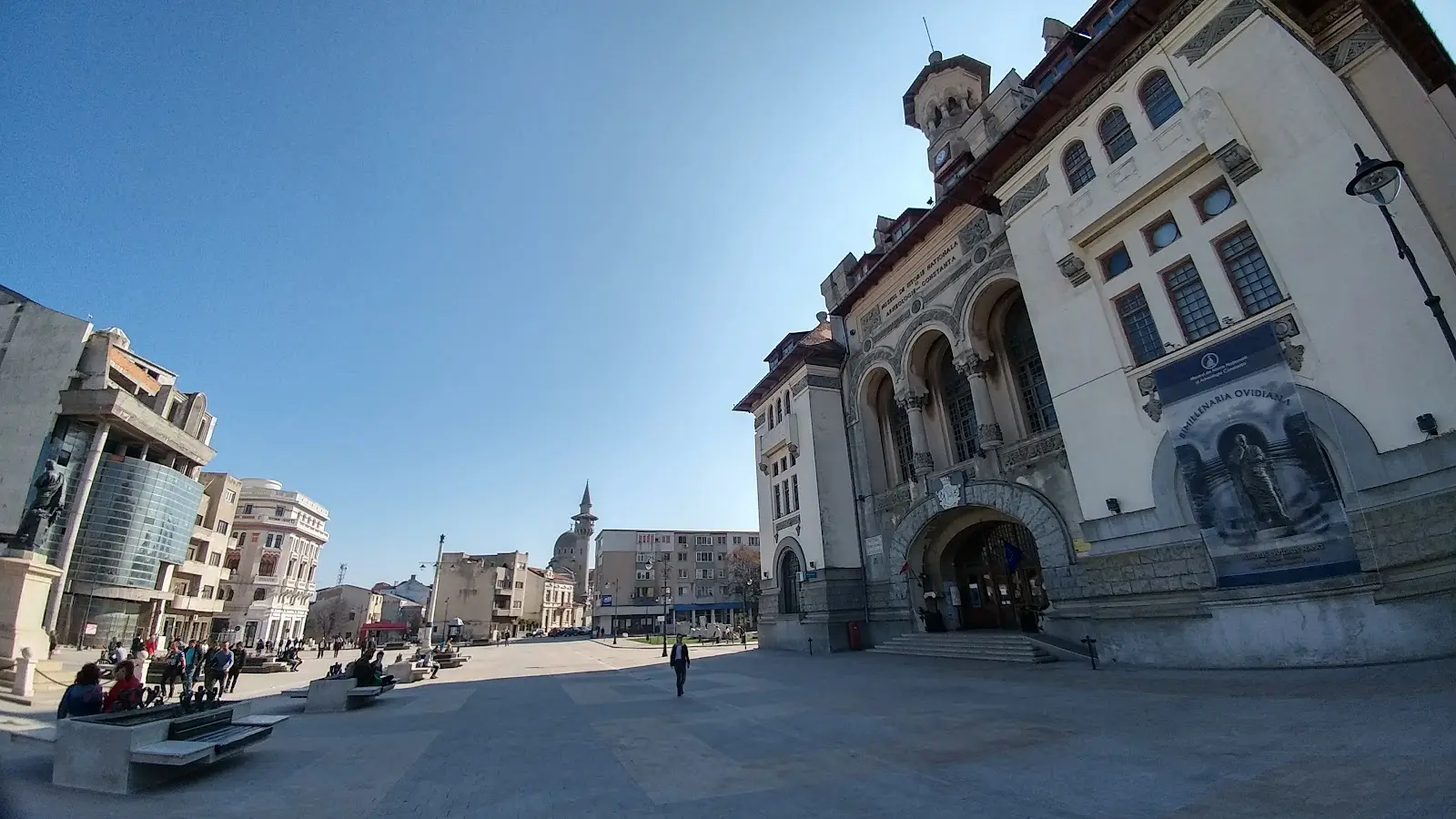
The Museum of National History and Archaeology in Constanta is one of the richest institutions of its kind in Romania, a precious repository of the millennia-old past of Dobruja, a land situated at the crossroads of civilisations throughout history. The museum preserves impressive collections of Greek, Roman and Dacian remains from the ancient coastal cities such as Tomis, Histria and Callatis. Among its most valuable pieces are ancient sculptures discovered in the city, including the famous Glykon Serpent, a unique statue carved from a single block of marble, and a hoard of Roman statues found right in the centre of Constanta.

The museum building, located in the central square of the old town, is itself a representative edifice. The collections illustrate the rich history of the Euxine Sea. Practical note: the visit combines easily with the Roman Edifice with Mosaic nearby and with a walk through the historic peninsula of Constanta, towards the lighthouse and casino.
Frequently asked questions

Where is Muzeul de Istorie Națională și Arheologie?+

Muzeul de Istorie Națională și Arheologie is located at Peninsula, 900178 Constanța, România, in Constanța.

Is Muzeul de Istorie Națională și Arheologie worth visiting?+

Yes — it holds a 4.5/5 rating from 2,423 visitor reviews.

Do I need to book tickets for Muzeul de Istorie Națională și Arheologie?+

Popular sights can sell out — booking ahead online saves queuing.

What else is near Muzeul de Istorie Națională și Arheologie?+

Nearby you'll find Mănăstirea Dervent, Catedrala Sfinții Apostoli Petru și Pavel, Muzeul de Artă Constanța.

Keep exploring

More of Constanța

Explore Constanța

See in Constanța

See all
Mănăstirea DerventMonastery

Mănăstirea Dervent

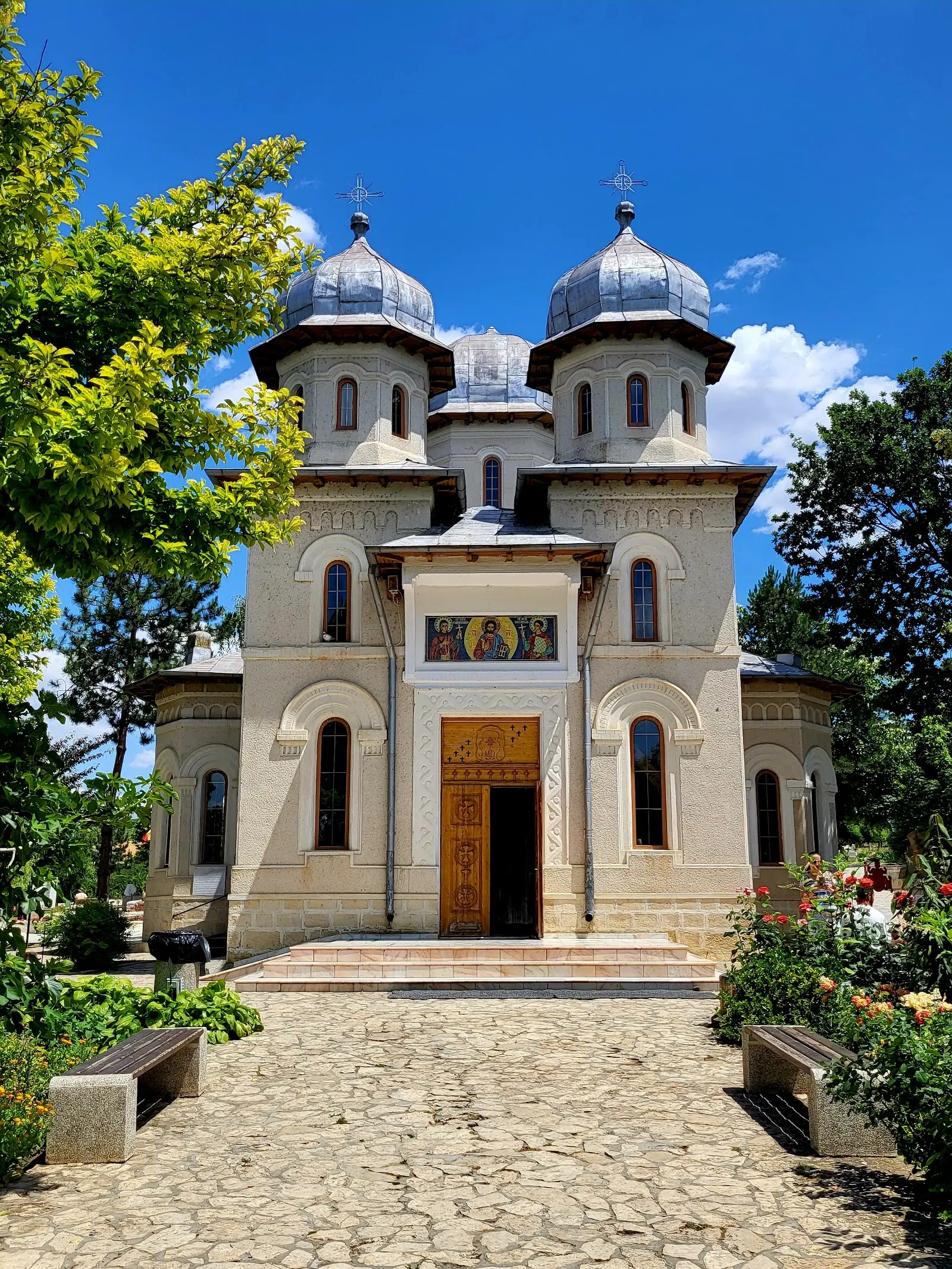
Dervent Monastery is an important place of pilgrimage in Dobrogea, set near the Danube in Constanta county, not far from the border with Bulgaria. The settlement is known above all for its stone crosses regarded as miracle-working, which local tradition says appeared in the early Christian centuries, linked to martyrs from the time of the persecutions. The faithful come here for prayer and for the spring of healing water within the grounds. The monastery was rebuilt in the twentieth century and remains a landmark of spirituality in the southern part of Dobrogea, a region with a very ancient Christian history. The peaceful setting, the closeness to the great river and the atmosphere of contemplation make Dervent a fitting stop for pilgrims and for tourists exploring the villages and landscapes of the southern province between the Danube and the Black Sea.

4.7(3,976 reviews)
Catedrala Sfinții Apostoli Petru și PavelChurch

Catedrala Sfinții Apostoli Petru și Pavel

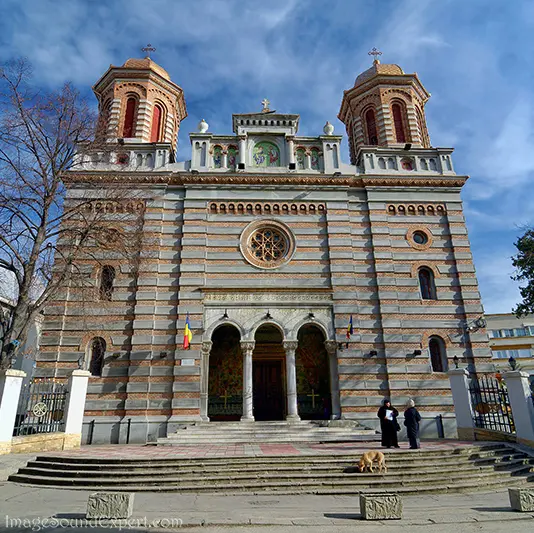
The Cathedral of the Holy Apostles Peter and Paul is the main Orthodox church of Constanța and a landmark of the city on the Black Sea coast. Raised at the end of the nineteenth century, shortly after Dobruja returned to the Romanian state, the cathedral was conceived as a symbol of faith and national belonging in this multicultural province. The building, in a Byzantine style with Romanian influences, stands out for its balanced proportions, its elegant spires, and its interior painting made by Romanian artists. The church was severely damaged during the Second World War and later rebuilt, yet it kept its original character. Near the historic area of the city, the cathedral can easily be included in a tour of the old centre and the seaside promenade. Visitors can admire the architecture and the wall painting. It is best to respect the services and the quiet of the church during the visit.

4.7(1,867 reviews)
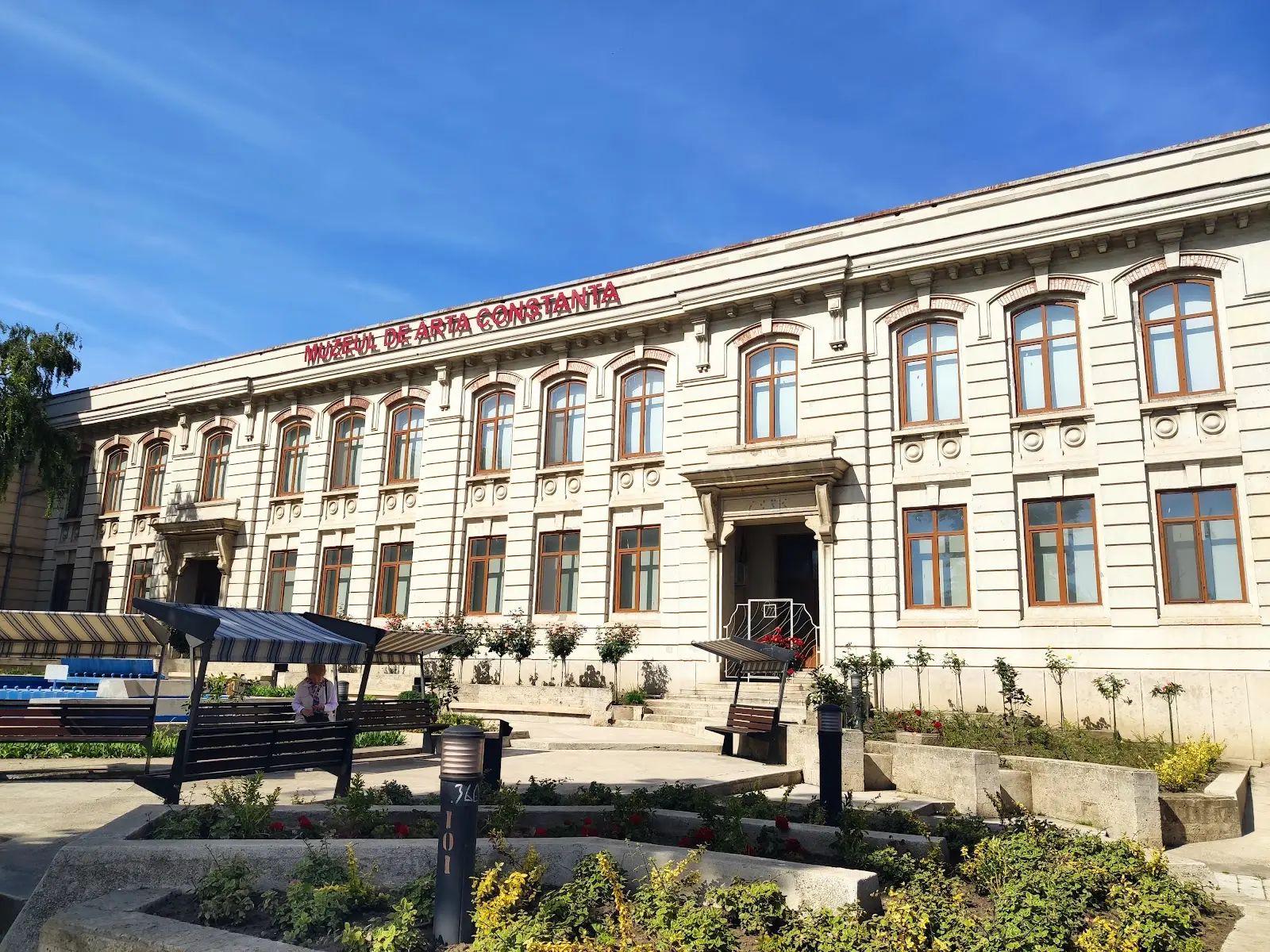
Muzeul de Artă ConstanțaMuseum

Muzeul de Artă Constanța

The Art Museum of Constanța is the coast's most important art institution, a gallery that houses a representative collection of Romanian painting, sculpture and graphics, with an emphasis on the works of artists linked to Dobruja and the seascape. In its halls one can admire works by masters of modern and contemporary Romanian art, portraits, landscapes, marines and compositions that capture the light and atmosphere characteristic of the land between the Danube and the sea. The museum organises temporary exhibitions, cultural events and educational programmes, and is a landmark of artistic life in Constanța, a port city with a long cosmopolitan tradition inherited from ancient Tomis. Through its collections and activity, the museum enriches the cultural offering of a resort known above all for its beaches and ancient remains. Practical note: combine the visit with the discovery of Constanța's historic peninsula, with the National History and Archaeology Museum and the famous Casino on the seafront.

4.7(904 reviews)

Eat in Constanța

See all

Stay in Constanța

See all

Plan your Romania

From the Carpathians to the Black Sea — let's plan the trip together.

Ask us anything or get a tailored itinerary — from the best time to go to the road that ties it all together.

Our network

More of Romania, in depth

Dedicated portals for the places that deserve a site of their own.