România Mea

Lacul Colibița

4.6(1,126 reviews)Colibița, România
Lacul Colibița

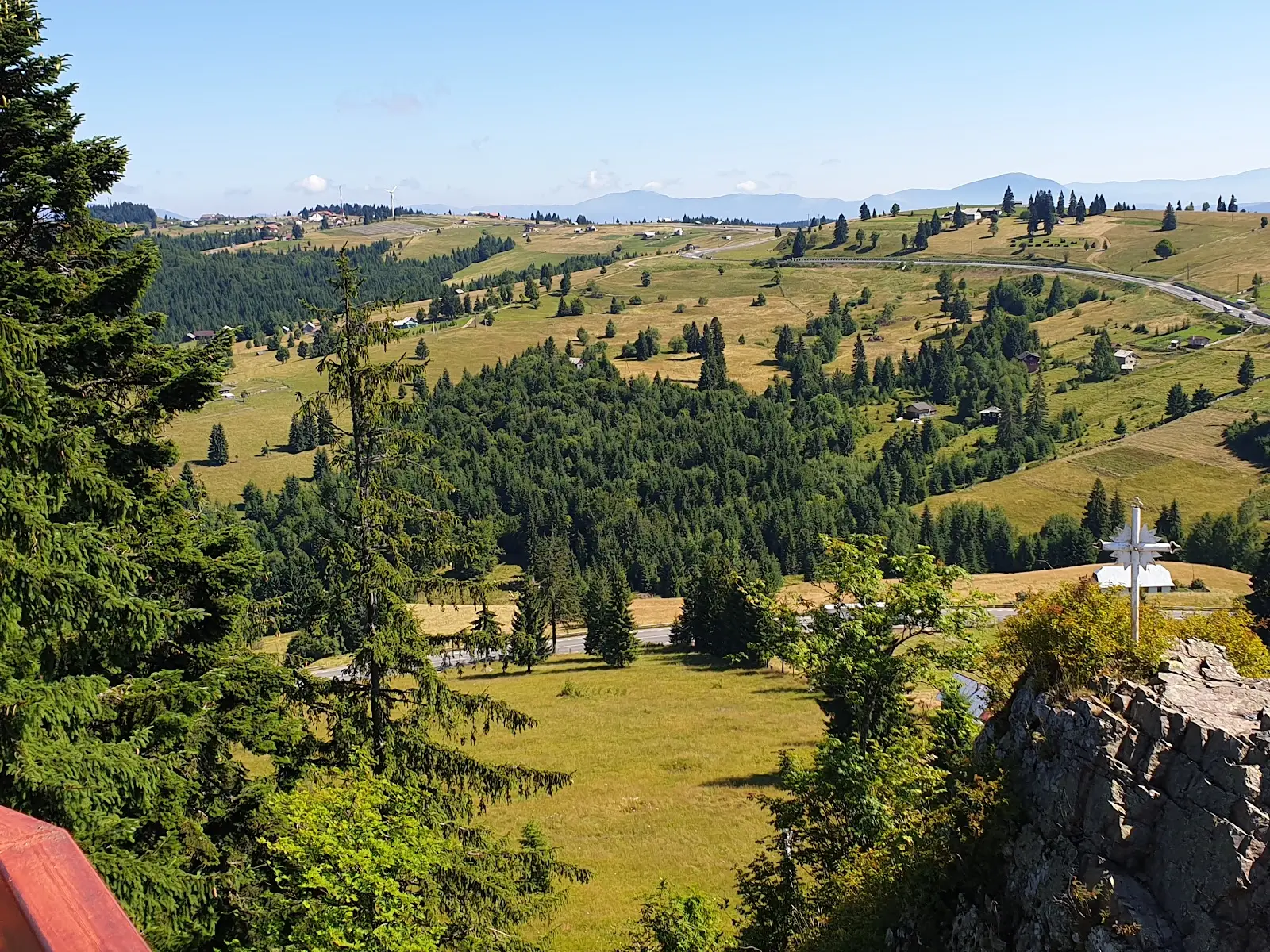
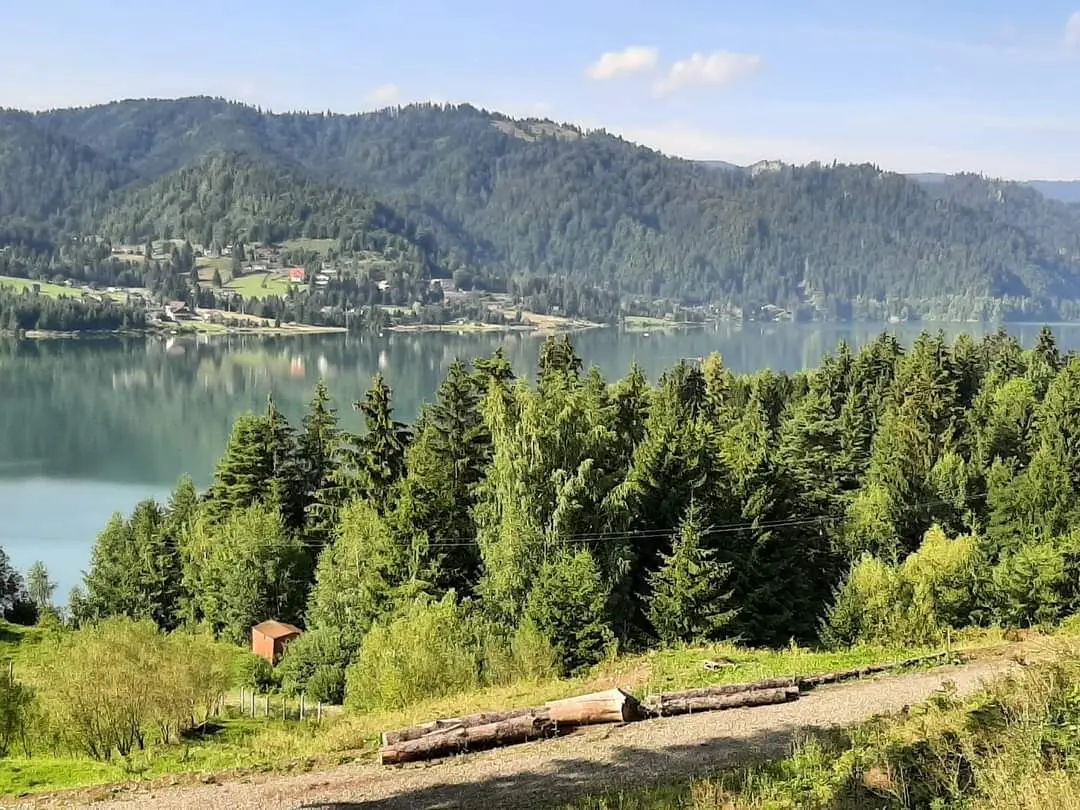
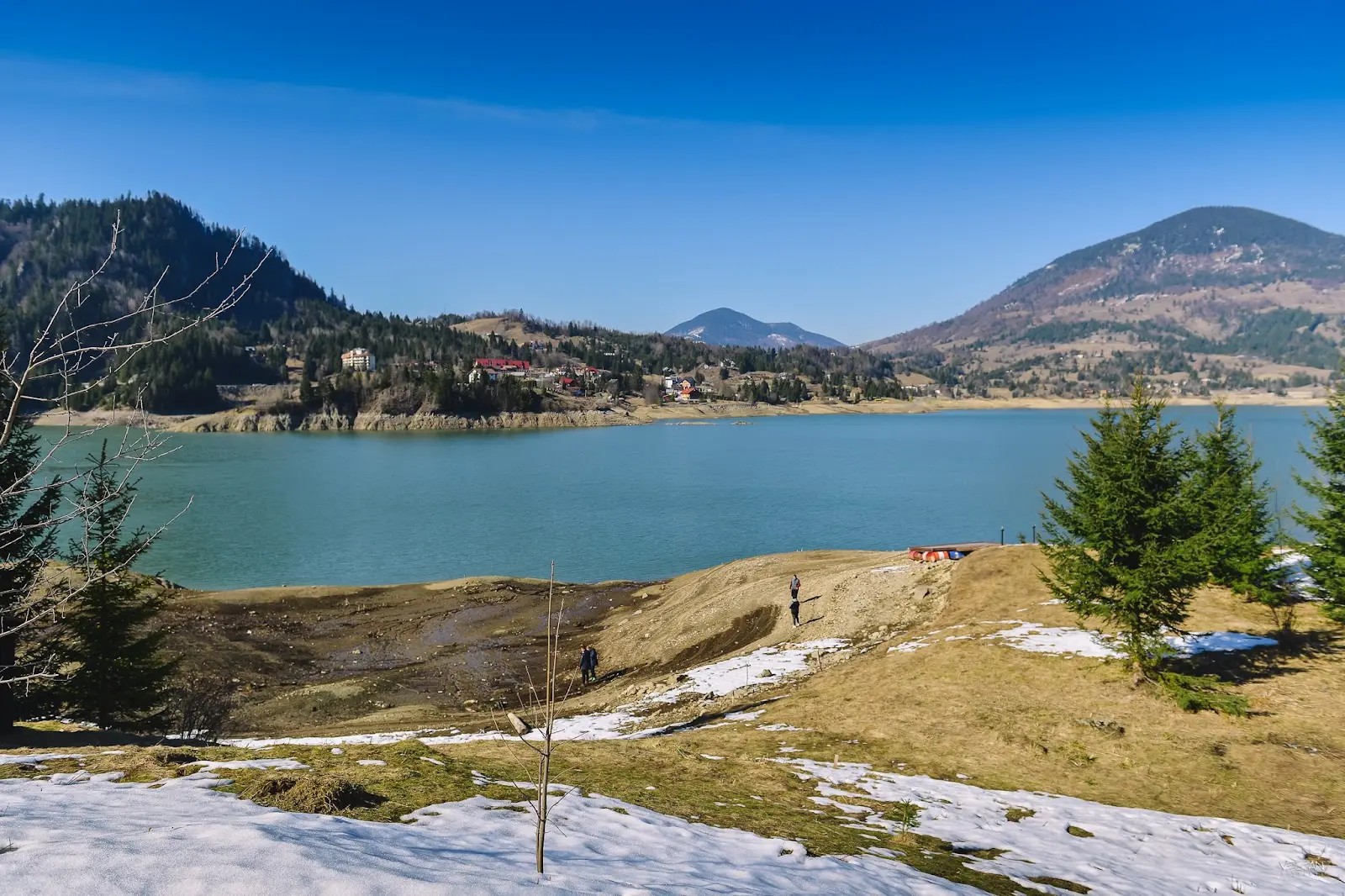
Lake Colibița, tucked between the wooded ridges of the Călimani and Bârgău Mountains, in Bistrița-Năsăud County, is a reservoir created by damming the Bistrița Ardeleană river, yet the surrounding landscape has earned it the name of the "little sea of Transylvania." Its sheet of water, set above 800 metres and ringed by fir forest, creates a mild microclimate of clean air and breeze, which once made the village of Colibița a climatic resort valued for patients with respiratory conditions. Today the shores are a starting point for boat trips, fishing, hikes on the surrounding trails and gentle water sports, in a quiet setting far from the crowds.

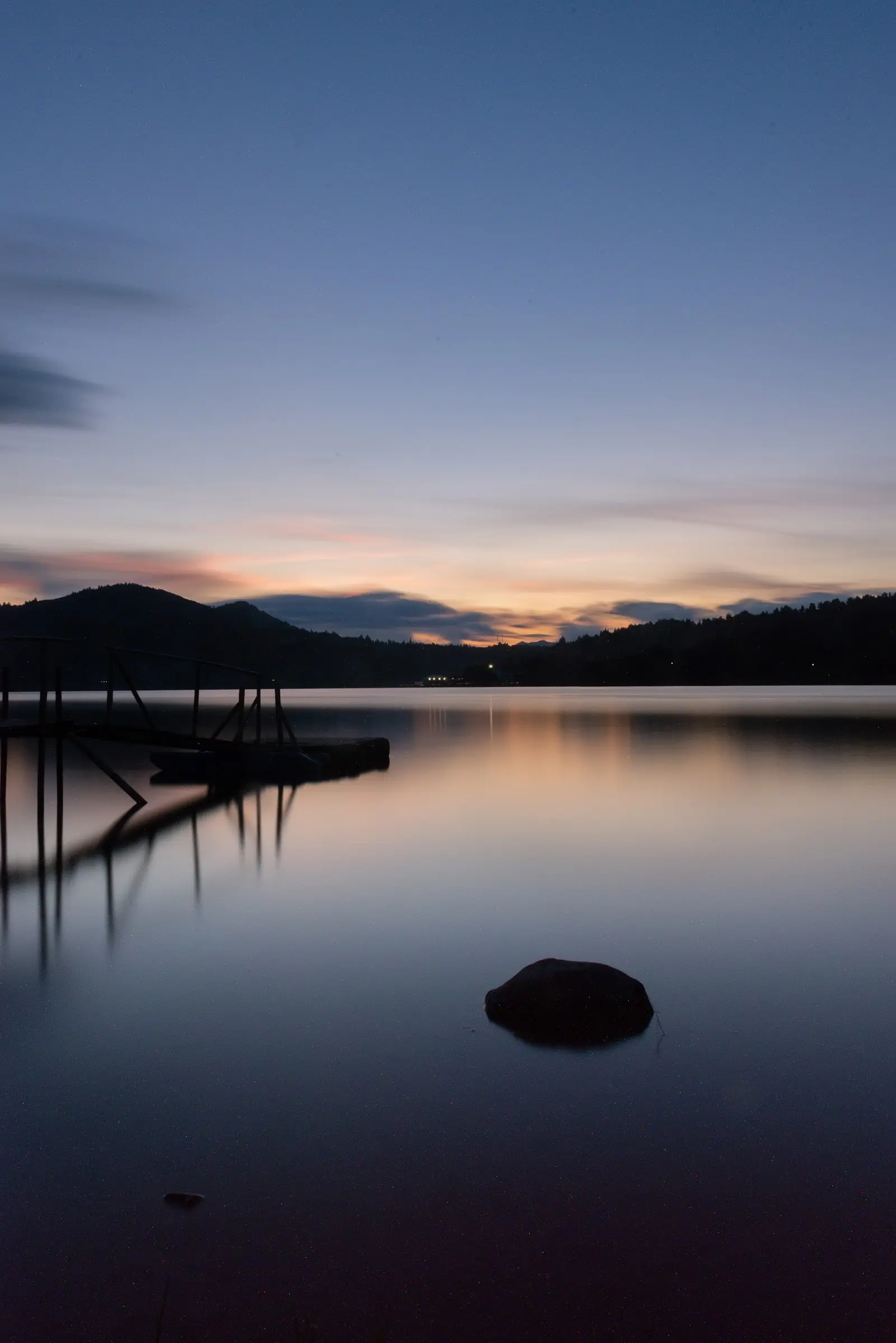
The evening light over the water and the mirrored mountains make the lake a favourite with photographers. Practical note: pack layered clothing, since day-to-night temperature swings are large at this altitude and the weather can change quickly.
Frequently asked questions

Where is Lacul Colibița?+

Lacul Colibița is located at Colibița, România, in Bistrița.

Is Lacul Colibița worth visiting?+

Yes — it holds a 4.6/5 rating from 1,126 visitor reviews.

Do I need to book tickets for Lacul Colibița?+

Popular sights can sell out — booking ahead online saves queuing.

What else is near Lacul Colibița?+

Nearby you'll find Complexul Muzeal Bistrița-Năsăud, Casa Memorială Liviu Rebreanu, Pasul Tihuța.

Keep exploring

More of Bistrița

Explore Bistrița

See in Bistrița

See all
Complexul Muzeal Bistrița-NăsăudMuseum

Complexul Muzeal Bistrița-Năsăud

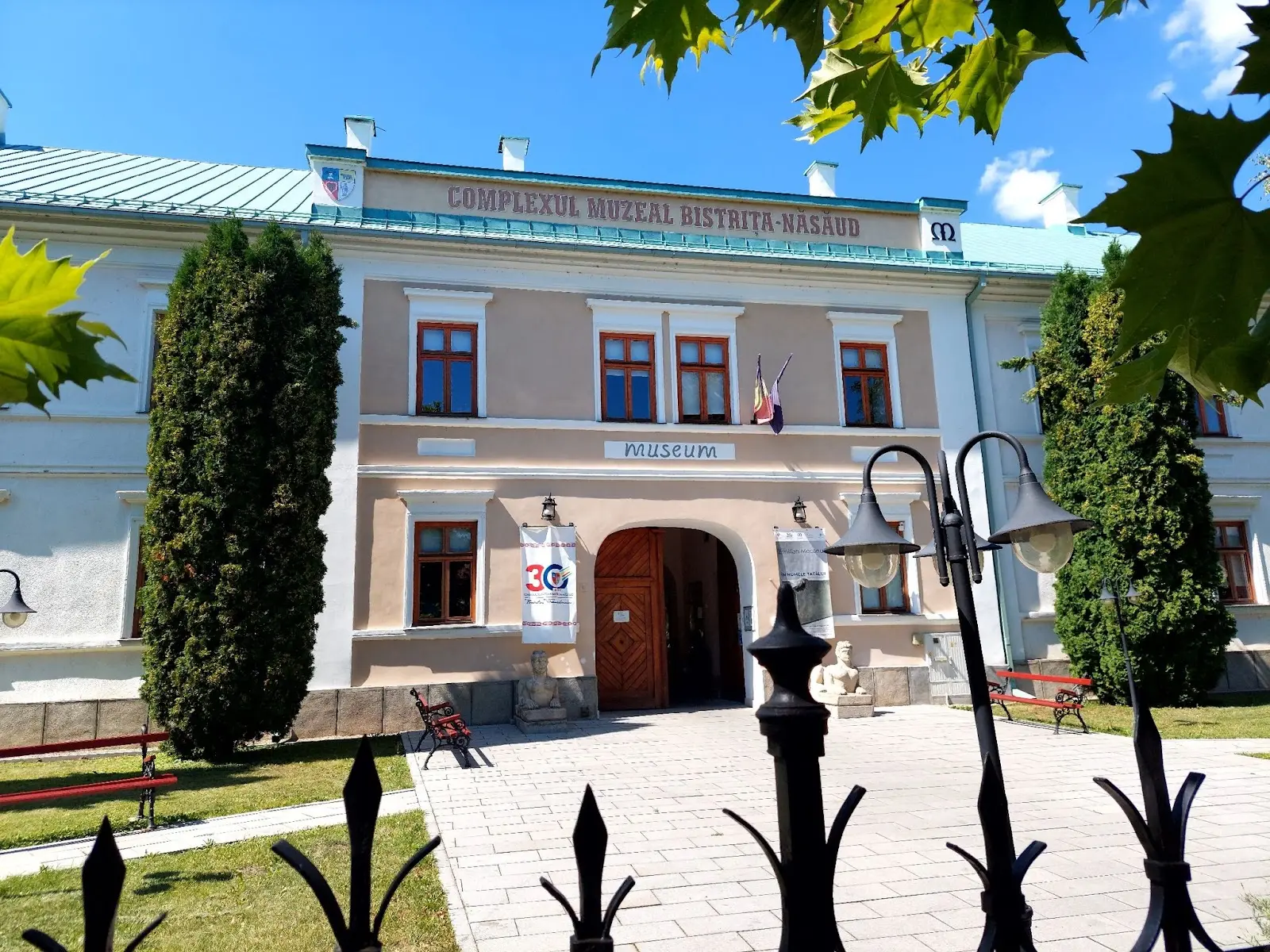
The Bistrița-Năsăud Museum Complex, based in the town of Bistrița, is the county's most important museum institution, custodian of a rich heritage covering the history, archaeology, ethnography and art of this land at the foot of the Bârgău and Rodna Mountains. The collections hold prehistoric, Dacian and Roman remains, as well as testimonies of the medieval age, when Bistrița was a powerful Saxon town, a fortress of guilds and a trading centre on the road between Transylvania and Moldavia. On display are silverware, tools, Romanian, Saxon and Hungarian folk costumes, liturgical objects and documents that illustrate the multi-ethnic coexistence of the area. The museum also showcases the celebrated Iron Age bronze ornament hoard. Through its exhibitions, the complex offers a complete key to understanding the history of north-eastern Transylvania. Practical note: combine the visit with a walk through Bistrița's historic centre, with its Evangelical church and its row of arcaded houses.

4.8(1,062 reviews)
Casa Memorială Liviu RebreanuMuseum

Casa Memorială Liviu Rebreanu

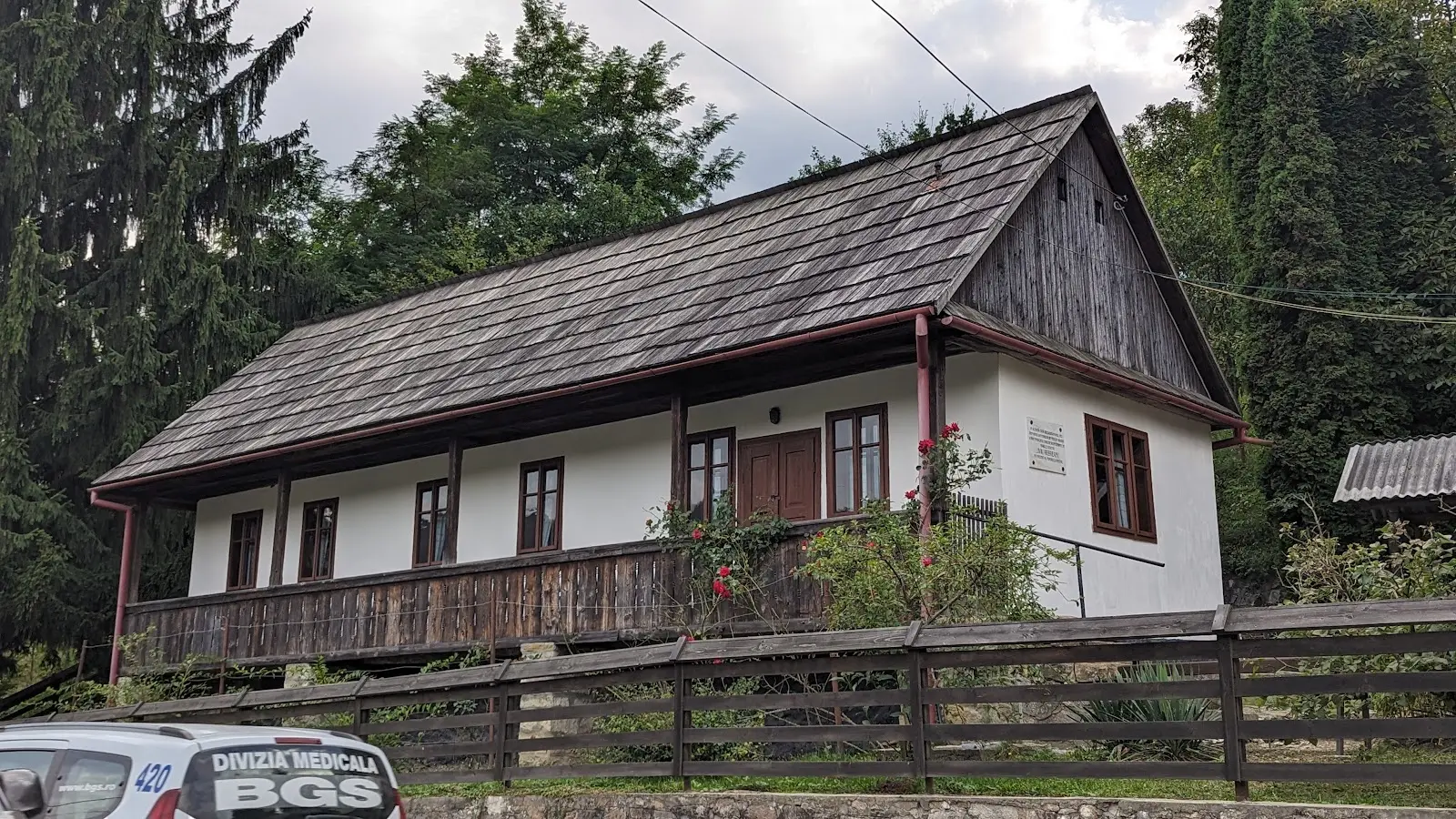
The Liviu Rebreanu Memorial House is connected with the life and work of one of the most important Romanian novelists, the author of masterpieces of the national literature such as Ion and The Forest of the Hanged. The museum, in the Bistrita area, in the village tied to the writer's childhood and formation, preserves personal objects, photographs, manuscripts, editions of his works and testimonies about the Transylvanian rural world that inspired his prose. A visit offers an insight into the environment from which Rebreanu rose and into the reality of the Transylvanian village he described with realistic force. The peasant house, with its simple interior, evokes the atmosphere of the era. The place is a landmark for lovers of literature travelling through northern Transylvania. The museum naturally rounds out a cultural route in the Bistrita-Nasaud area; checking the schedule before visiting is recommended.

4.8(703 reviews)
Pasul TihuțaMountain

Pasul Tihuța

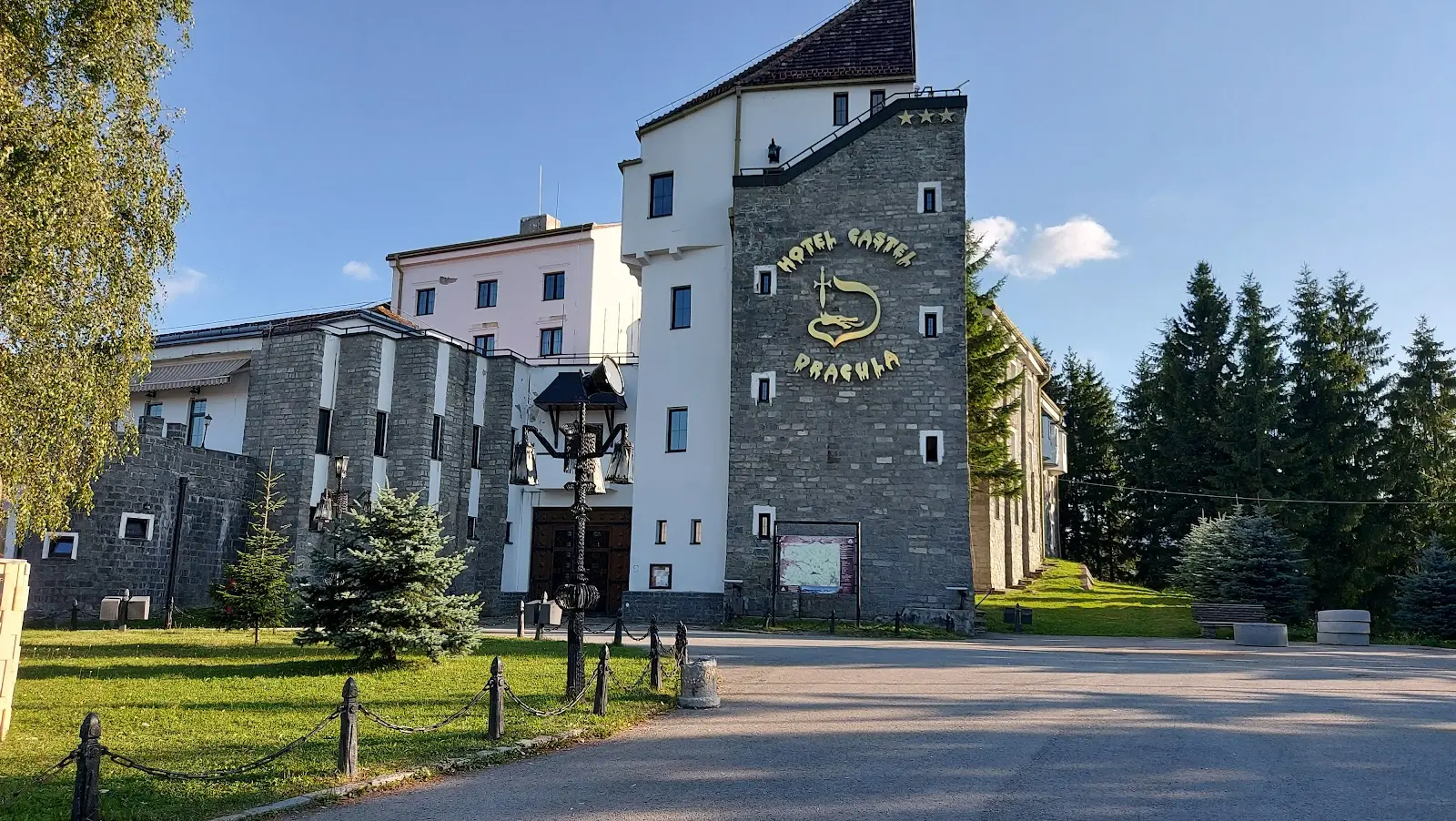
The Tihuța Pass links Transylvania with Bucovina, climbing to around 1,200 metres over the ridge that separates the Bârgău Mountains from the Călimani Mountains, northeast of Bistrița. The road winds through dark fir forests and high pastures, and its sweeping views over the wooded valleys have made it well known. The pass gained international fame through Bram Stoker's novel Dracula, which placed the count's road in this area, even though the author never visited the site. A hotel with a gothic look was built on that theme and has become a tourist landmark. Beyond the literary association, the pass remains a route of great beauty, used since ancient times for trade and for driving flocks. In winter, heavy snow turns the area into a white landscape and the road can be demanding. Practical note: check road conditions in winter, when suitable tyres and chains are useful, and the viewpoint stops offer memorable scenes in any season.

4.8(381 reviews)

Eat in Bistrița

See all

Stay in Bistrița

See all

Plan your Romania

From the Carpathians to the Black Sea — let's plan the trip together.

Ask us anything or get a tailored itinerary — from the best time to go to the road that ties it all together.

Our network

More of Romania, in depth

Dedicated portals for the places that deserve a site of their own.