Romania in Summer: What to Do in July and August
Summer is Romania's most versatile season: the Black Sea coast, cool mountains with high trails open, the Danube Delta in full life, and festivals that fill the cities. Here is how to choose where to go in July and August.
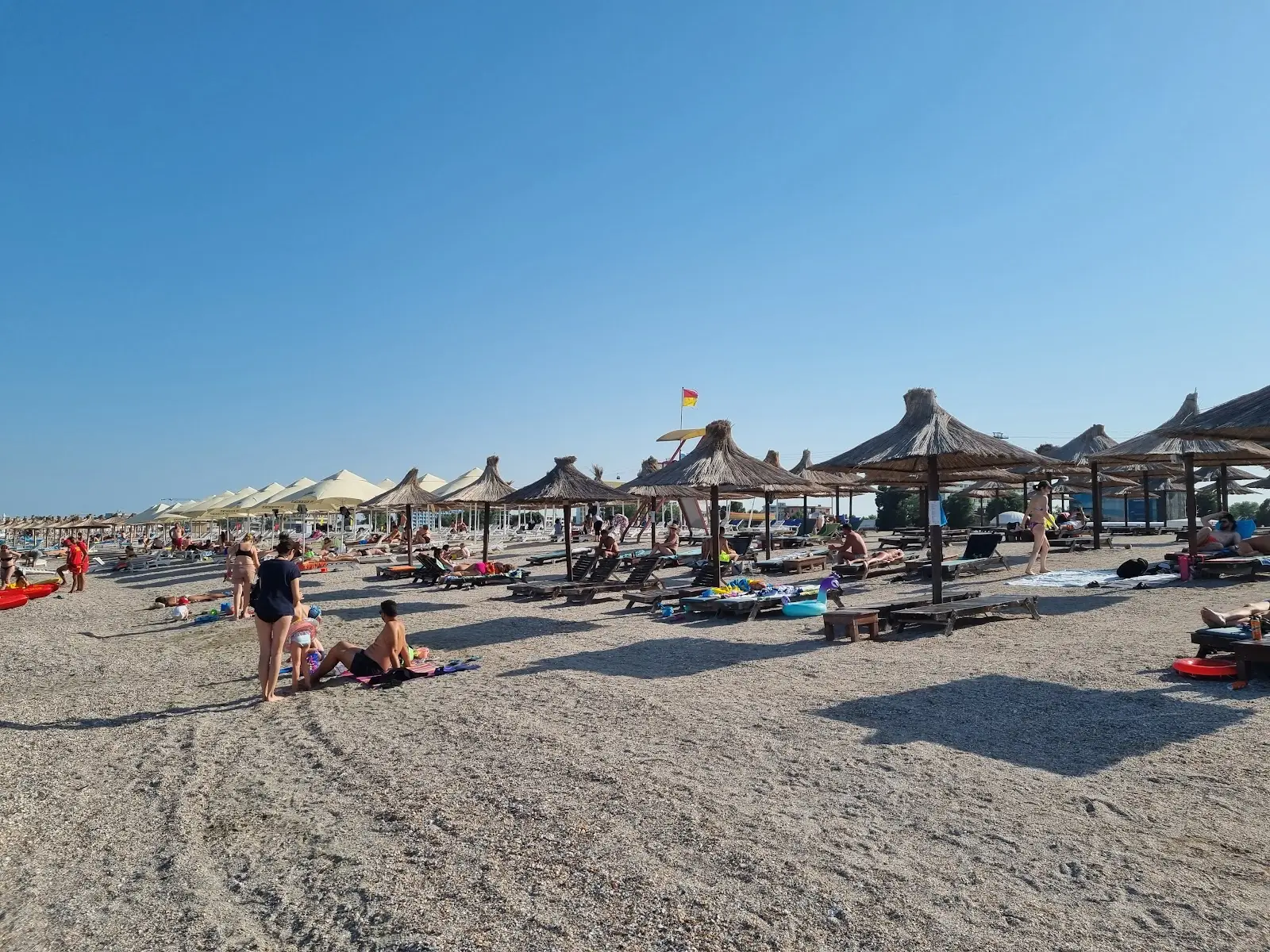
Summer turns Romania into a country living several lives at once. While the plains and Bucharest bake, the mountains stay cool, the coast pulses until dawn, and the Delta bursts with life. July and August are the months when you genuinely get to choose.
The Black Sea coast
The Black Sea is the summer magnet for most Romanians, and each resort has its own character. You don't pick „the coast” in general, you pick a certain kind of holiday.
- Mamaia — the long strip of beach attached to Constanța, packed with hotels, beach bars, and the liveliest nightlife on the coast.
- Vama Veche — the bohemian village by the Bulgarian border, with live music, tents, and a relaxed, alternative spirit inherited from the 1990s.
- The southern resorts — Eforie, Costinești, Neptun, Olimp, Jupiter, Venus, and Saturn, a string of resorts good for families, with gentler beaches.
In July and August, crowds and prices peak, especially on weekends and around festivals. If you want calm, go in early June or in September, when the water is still good and the beaches empty out.
The mountains, a cool refuge
When the thermometer climbs on the plains, altitude becomes the best natural air conditioning. Summer is also the peak season for hiking, because the high alpine trails are finally clear of snow and open.
- The Făgăraș Mountains — the country's highest ridge, with the peaks Moldoveanu and Negoiu and the glacial Bâlea Lake.
- Retezat — a national park with more than eighty glacial lakes, including Bucura, the largest in Romania.
- Bucegi — reachable from Sinaia and Bușteni, with the high plateau and the Sphinx and Babele rock formations.
Summer is also when the two spectacular alpine roads are open: the Transfăgărășan, which winds beneath the Făgăraș ridge, and the Transalpina, the highest road in the country. Both close in winter, so their real window runs roughly from June to October. Check road conditions before you set off.
The Danube Delta in full life
In summer, the Danube Delta is at its peak: dense reed beds, hidden channels, and bird colonies active on the water. This is where the pace slows completely and you move by boat, not by car.
- You usually set out from Tulcea, the gateway to the Delta, toward villages like Crișan, Mila 23, or Sfântu Gheorghe.
- Boat trips at sunrise and sunset are the moments with the most life and the best light for photography.
- Bring serious mosquito protection, sunscreen, and a hat — the sun and humidity are strong here.
The Delta asks for patience and a good local guide, but it offers a Romania you'll see nowhere else.
The great summer festivals
Summer is also festival season, and several of them have become landmarks on the European map. These events fill entire cities, so tickets and accommodation should be booked well ahead.
- Untold in Cluj-Napoca and Neversea in Constanța — two of the largest electronic music festivals in the region.
- Electric Castle, on the grounds of the Bánffy Castle near Cluj, with an eclectic line-up and memorable staging.
- The Sighișoara Medieval Festival, in the inhabited medieval citadel, with period shows on the cobbled streets.
During festival periods, accommodation prices jump and the host cities get crowded. If you're going specifically for a festival, book your lodging before the tickets.
Villages, monasteries, and slow Romania
Beyond the beach and the stage, summer is the ideal time to discover rural Romania, with its long, bright days.
- Bucovina, with the painted monasteries of Voroneț, Sucevița, and Moldovița, a UNESCO treasure.
- Maramureș, with its wooden churches, carved gates, and a traditional way of life still alive.
- The Saxon villages of Transylvania, such as Viscri and Biertan, with their fortified churches.
These places are best visited in the early morning or toward evening, when the light is soft and the heat eases.
Practical: how to choose and how to beat the heat
A Romanian summer can be very hot in the lowlands. In Bucharest and across the Romanian Plain, temperatures often pass thirty-five degrees Celsius in mid-July and August, and the city becomes stifling at midday.
- Schedule city sightseeing for morning and evening, and seek shade, terraces, or museums at peak hours.
- Drink plenty of water and wear a hat and sunscreen, especially by the sea and in the Delta.
- If you're escaping the heat, head to the mountains, where the nights stay cool even in August.
- For calm and better prices on the coast, avoid the peak of August and festival weekends.
The simple rule: in summer go to the mountains or the Delta for coolness and nature, to the sea for energy, and to the villages for authenticity — often all within a single well-planned trip.
Plan your trip
Stays nearby
Stays in Romania
Experiences
Tours & activities
Guided tours, day trips and hand-picked experiences via GetYourGuide — free cancellation on most.
See all experiencesGetting to Romania
Flights, transfer & car
Fly into Romania
Compare fares to Bucharest Otopeni (OTP) and regional airports — Cluj, Sibiu, Iași, Timișoara.
Airport transfer
Private, fixed-price door-to-door transfer — driver waiting from the moment you land.
Rent a car — see the real Romania
A rental car is the key to Romania: the Transfăgărășan, the painted monasteries of Bucovina, mountain roads and the villages of Maramureș that no train reaches.
Find a car