Romania in Autumn: Colours, Wine and Calm
Between September and November, Romania shifts register: the Carpathian forests burn gold and copper, the vineyards come into harvest, and the cities empty of summer crowds. It may be the finest season to discover the country.
Summer leaves quietly in Romania, and what it leaves behind has a rare quality: a low, golden light that clings to the Carpathian ridges and the walls of the old towns. Autumn here is not a mere interlude between seasons but a season with a character of its own — of colour, of new wine, and of recovered calm.
For the traveller who seeks authenticity without the crowds, the months of September, October and November may offer the fullest picture of the country.
The Carpathian forests in gold and copper
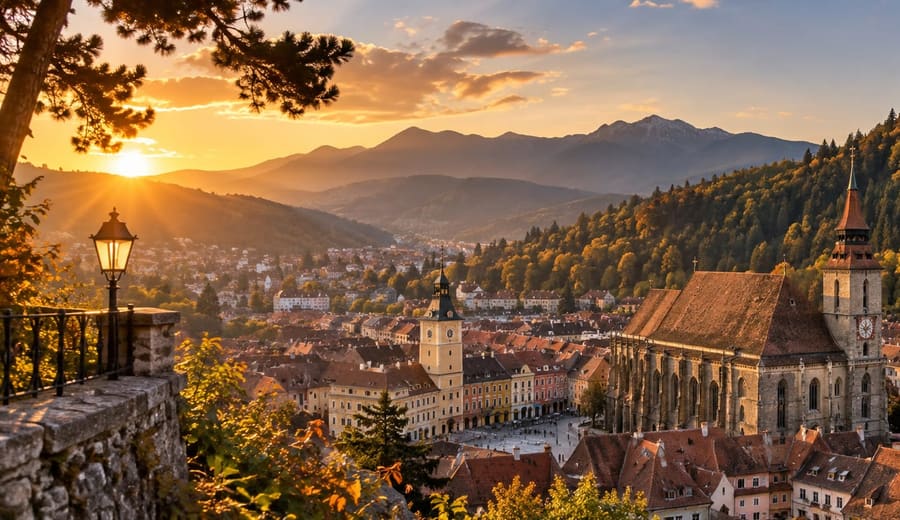
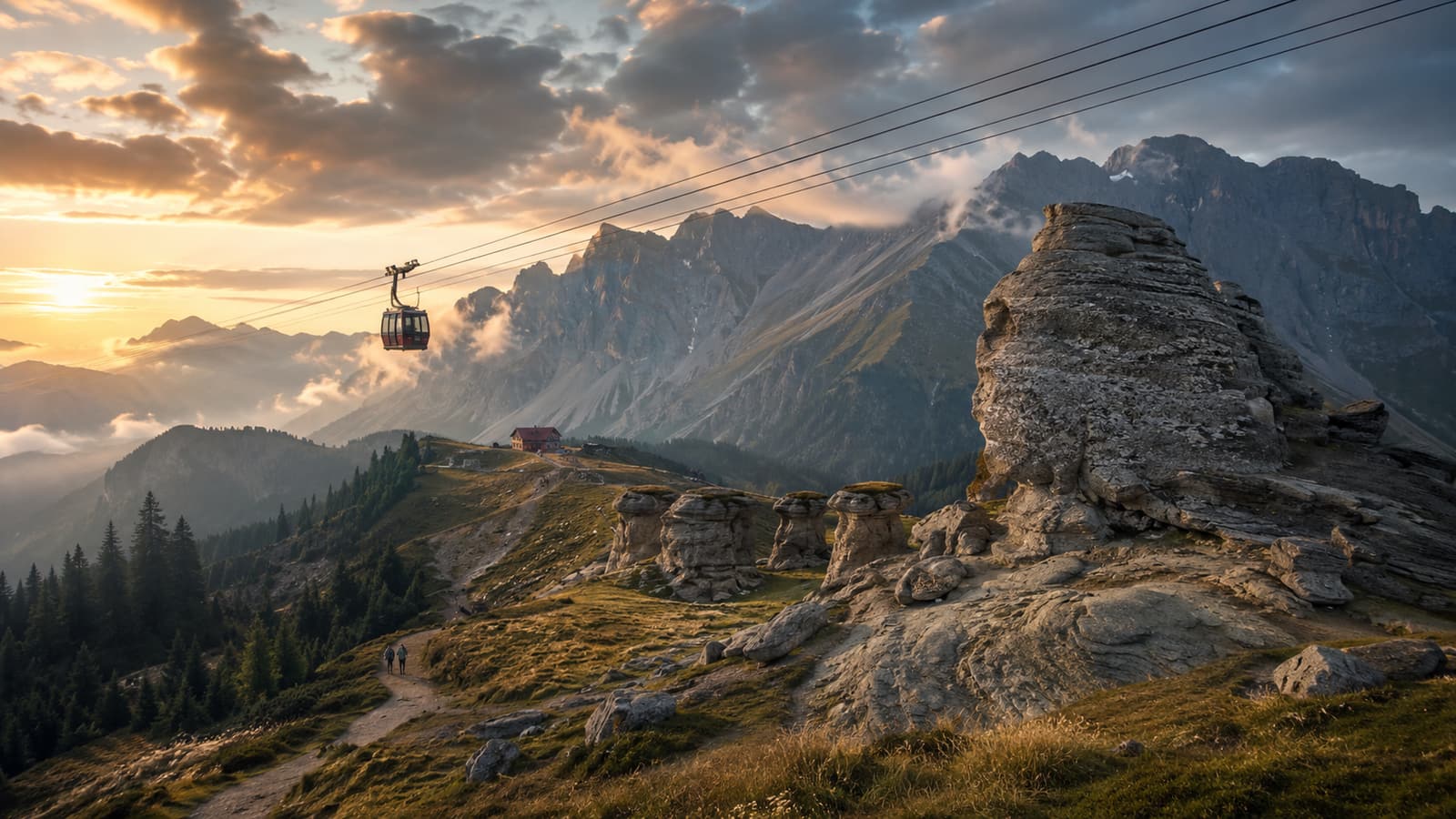
The most spectacular argument for a Romanian autumn is the forest. The beech, birch and hornbeam that cover the Carpathian slopes pass, in just a few weeks, through an entire palette of yellow, orange and coppery red.
A few places where the display is unforgettable:
- The Apuseni Mountains — beech forests and remote meadows take on warm tones, and the mountain villages seem stopped in time.
- Bucegi and Piatra Craiului — dramatic ridges above forests that quite literally catch fire in October.
- The Transfăgărășan — the famous alpine road offers, before its autumn closure, views over whole valleys turning colour.
The peak of the colours varies with altitude: high up, the leaves begin to change in late September, while in the valleys and hills the display continues into mid-November.
The season of vine and wine
Autumn is, above all, the season of the harvest. Romania's vineyards come alive, and the air fills with the sweet-sour scent of must beginning to ferment.
Regions to watch:
- Dealu Mare — the heart of Romanian red wine, at the foot of the Curvature Carpathians.
- Cotnari — the Moldavian vineyard famed for its white and sweet wines, with centuries of tradition.
- Recaș — in the west of the country, one of today's most dynamic wine-growing areas.
This is the time of wine festivals and autumn fairs, where you can taste the fresh must and the young, newly drawn wine. It is the ideal moment to visit a winery: the harvest is in full swing, and producers have the time and pleasure to tell their story.
Autumn cooking: mushrooms, polenta and comfort
As the air cools, the Romanian table grows denser and more comforting. This is the season of wild mushrooms — porcini, chanterelles — cooked simply, with sour cream and dill, or served alongside a steaming mămăligă (polenta).
A few flavours specific to the season:
- Mămăligă, warm, with sheep's cheese and a fried egg.
- Rich, slow-cooked stews and hearty sour soups.
- Sarmale (cabbage rolls), seemingly made for cold evenings.
- Preserves, jams and pickles — the Romanian pantry fills up in autumn.
Now, too, the sheep come down from the mountains: the autumn transhumance brings the flocks and shepherds back to the villages, a pastoral ritual centuries old that still shapes life in many mountain communities.
The cities, without the summer crowds
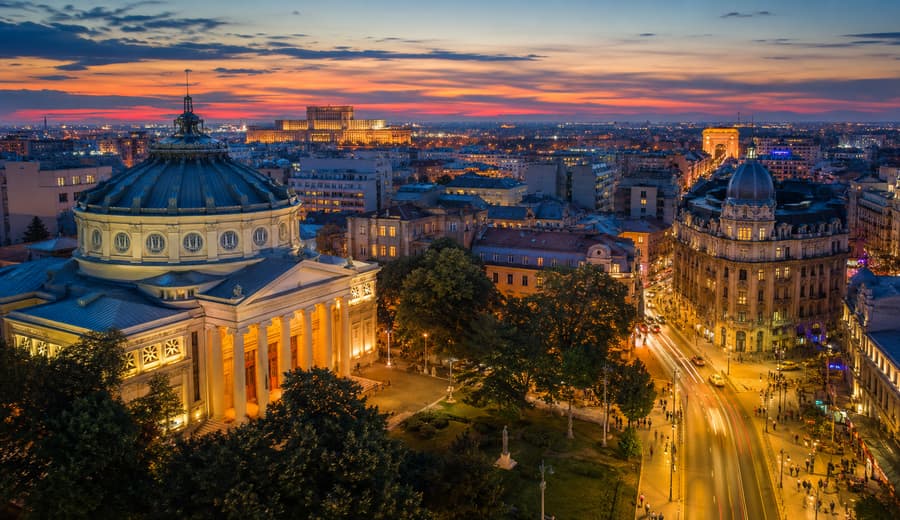
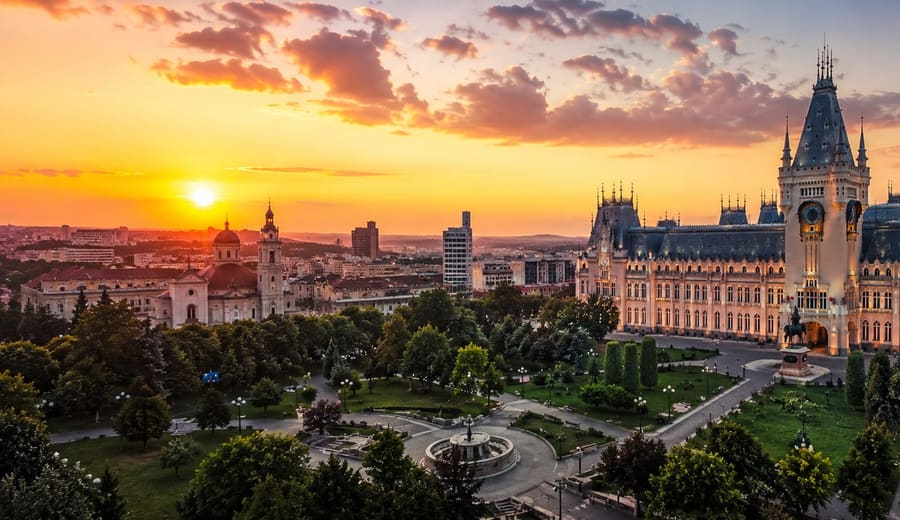
After the tourist peak of July and August, the cities recover their natural rhythm. Sibiu, Brașov, Sighișoara and Cluj enjoy the same gentle light, but without the queues and bustle of the warm season.
It is the right time for:
- Long walks through medieval streets, with terraces still open.
- Cafés and bookshops, perfect for a rainy afternoon.
- Museums and churches visited at leisure, without large groups.
Accommodation prices often drop compared with the summer peak, and hospitality takes on a more relaxed, more personal air.
The Danube Delta and the great migration
At the country's other end, the Danube Delta stages one of nature's most impressive spectacles in autumn: the birds' autumn migration.
Thousands gather before departing south, and the channels and lakes become the scene of continuous air traffic. The low light and the post-season quiet make boat trips a distinctive experience — more contemplative, less touristy.
Practical tips for an autumn in Romania
Romanian autumn is generous but capricious. A few things to know before you set off:
- The alpine roads close. The Transfăgărășan usually closes at the end of October, and the Transalpina likewise; check their status before planning your route.
- The weather is changeable. A sunny morning can turn into a cold, rainy afternoon, especially in the mountains.
- Dress in layers. A thermal layer, a waterproof jacket and good walking shoes solve most surprises.
- The days grow shorter. Plan mountain routes early, to catch the light.
Whoever accepts these small caprices receives, in return, something rare: a country in its most beautiful dress, without the rush and noise of summer.
Plan your trip
Stays nearby
Stays in Romania
Experiences
Tours & activities
Guided tours, day trips and hand-picked experiences via GetYourGuide — free cancellation on most.
See all experiencesGetting to Romania
Flights, transfer & car
Fly into Romania
Compare fares to Bucharest Otopeni (OTP) and regional airports — Cluj, Sibiu, Iași, Timișoara.
Airport transfer
Private, fixed-price door-to-door transfer — driver waiting from the moment you land.
Rent a car — see the real Romania
A rental car is the key to Romania: the Transfăgărășan, the painted monasteries of Bucovina, mountain roads and the villages of Maramureș that no train reaches.
Find a car