
Romania in Spring: What to Do from March to May
Spring may be the loveliest and least crowded season to discover Romania: green meadows, blossoming orchards, a Danube Delta full of birds, and a deeply moving Orthodox Easter lived out in the villages of Bucovina and Maramureș.
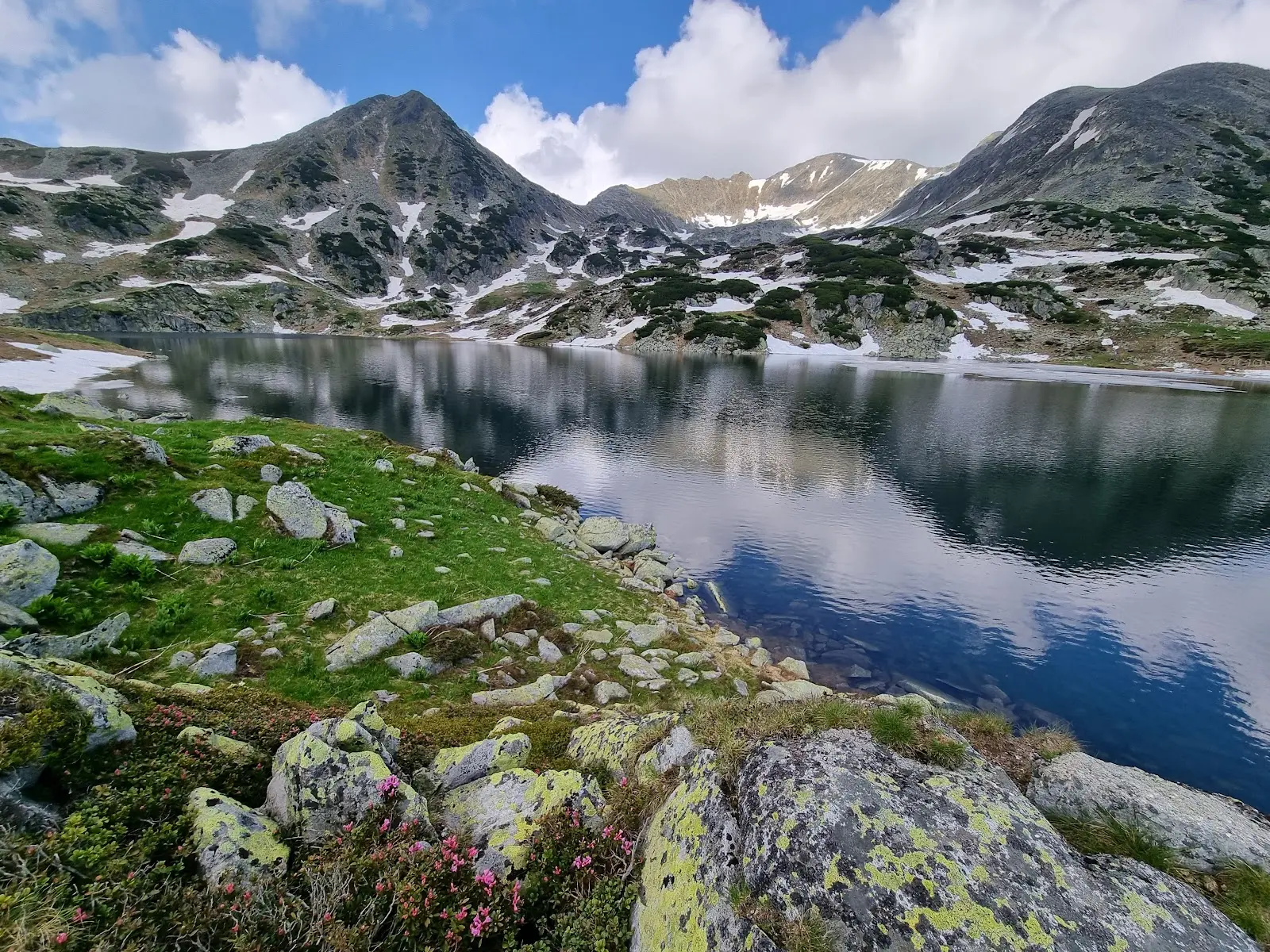
Spring is the season when Romania wakes up slowly but spectacularly. Snow retreats from the valleys, orchards burst into white and pink, and the historic towns regain their warm light without the peak-season queues. If you want to see the country at its most authentic, March to May is the perfect window.
The awakening landscape
After the cold months, the Carpathians and the sub-Carpathian hills gradually fill with the fresh green of the meadows. It is the moment when nature seems to breathe again.
- In April and May, the orchards of Transylvania and the foothills fill with cherry, apple and plum blossom — a spectacle that lasts only a few weeks.
- In the villages of Maramureș and along the Târnava valleys, farm life resumes: ploughing, sowing and, by late spring, the first hay-making by hand with the scythe, as it has been done for generations.
- The light is soft, and mornings often bring mist over the hills, followed by warm, clear days.
This is a calm, rural Romania that the crowded summer often hides.
The Danube Delta comes alive
For nature lovers, spring is the peak in the Danube Delta. As the migratory birds return from the south, the channels and lakes become one of the richest birdwatching territories in Europe.
- White pelicans and Dalmatian pelicans return to their colonies, while herons, egrets and spoonbills populate the reed beds.
- April and May are the prime months for birdwatching, when bird activity is at its highest.
- A boat trip at sunrise through the quiet channels around Tulcea, Crișan or Sfântu Gheorghe remains one of the most memorable nature experiences in the country.
The water is still cool, but life in the Delta is as intense as the spring light.
Orthodox Easter: the soul of the Romanian village
Orthodox Easter usually falls in April or May and is perhaps the most moving time to visit Romania. It is not only a religious holiday but a whole world of customs lived out intensely within the community.
- In Bucovina, the painted monasteries — Voroneț, Sucevița, Moldovița — become the centre of services of rare beauty, especially the Resurrection service on the night from Saturday to Sunday.
- In Maramureș, the villages preserve old traditions: painted eggs, folk costumes, and generous family meals.
- Red eggs and hand-decorated eggs, with intricate patterns, are true works of folk art, especially in the Bucovina region.
To catch the Resurrection service and the village customs, it is wise to book your accommodation early, as many Romanians return home during this period.
The cities, without the crowds
Transylvania's historic towns are charming in spring, before the summer tourism has begun.
- In Brașov, the Council Square and the little streets beneath Tâmpa Mountain enjoy open terraces and a warm light.
- Sibiu shows off its elegant squares and its "eye" rooftops without the July–August bustle.
- Sighișoara, with its medieval citadel, can be explored slowly and at leisure.
It is the ideal time for long walks, coffee on a terrace and photographs without crowds in the frame.
Early hiking and the still-snowy peaks
Spring is perfect for easy hikes, but with one important note about altitude.
- The lower hills and gorges — such as parts of the Apuseni Mountains or the Transylvanian hills — are accessible and full of spring flowers.
- The high peaks of the Făgăraș, Retezat or Bucegi ranges hold snow into early summer, and the alpine routes remain risky without proper gear and experience.
- The spectacular high-altitude roads, such as the Transfăgărășan and the Transalpina, are usually closed in March–May and only open towards late spring or summer, depending on the snow.
Choose low-altitude routes and leave the high ridges for later in the year.
Mărțișor and the customs of spring
On 1 March, Romanians celebrate Mărțișor — an old custom in which small talismans on a red-and-white string are given as a symbol of the arrival of spring and a wish for good fortune. It is a delicate gesture, present everywhere from the cities to the villages, and a lovely sign that the cold season is over.
What to pack
Spring weather is changeable, so the key is to dress in layers.
- Clothes that layer well: a T-shirt, a sweater and a waterproof jacket.
- Good walking shoes, resistant to mud, especially for the villages and the Delta.
- An umbrella or a light rain cape — April showers are frequent.
- Sunglasses and sun protection for the clear days, which can be surprisingly strong.
Ready for anything, you will discover a fresh, authentic and peaceful Romania — the season in which the country shows itself most sincerely.
Plan your trip
Stays nearby
Stays in Romania
Experiences
Tours & activities
Guided tours, day trips and hand-picked experiences via GetYourGuide — free cancellation on most.
See all experiencesGetting to Romania
Flights, transfer & car
Fly into Romania
Compare fares to Bucharest Otopeni (OTP) and regional airports — Cluj, Sibiu, Iași, Timișoara.
Airport transfer
Private, fixed-price door-to-door transfer — driver waiting from the moment you land.
Rent a car — see the real Romania
A rental car is the key to Romania: the Transfăgărășan, the painted monasteries of Bucovina, mountain roads and the villages of Maramureș that no train reaches.
Find a car