
County · Wallachia
Dâmbovița County
Seat: Târgoviște
Dambovita county descends from the high crests of the Bucegi Mountains toward the plains in the south, blending dramatic alpine scenery with vineyards and traditional villages. At Targoviste stood the capital of Wallachia for more than two centuries: the Princely Court preserves the ruins of the palace and the famous Chindia Tower, tied to the reign of Vlad the Impaler.
To the north, the southern slope of the Bucegi offers memorable hiking, while the Pestera-Padina area serves as a gateway to high-altitude trails and chalets. The county seat, Targoviste, remains a town steeped in history.
Cities & places in Dâmbovița
Not to miss in Dâmbovița
 Church
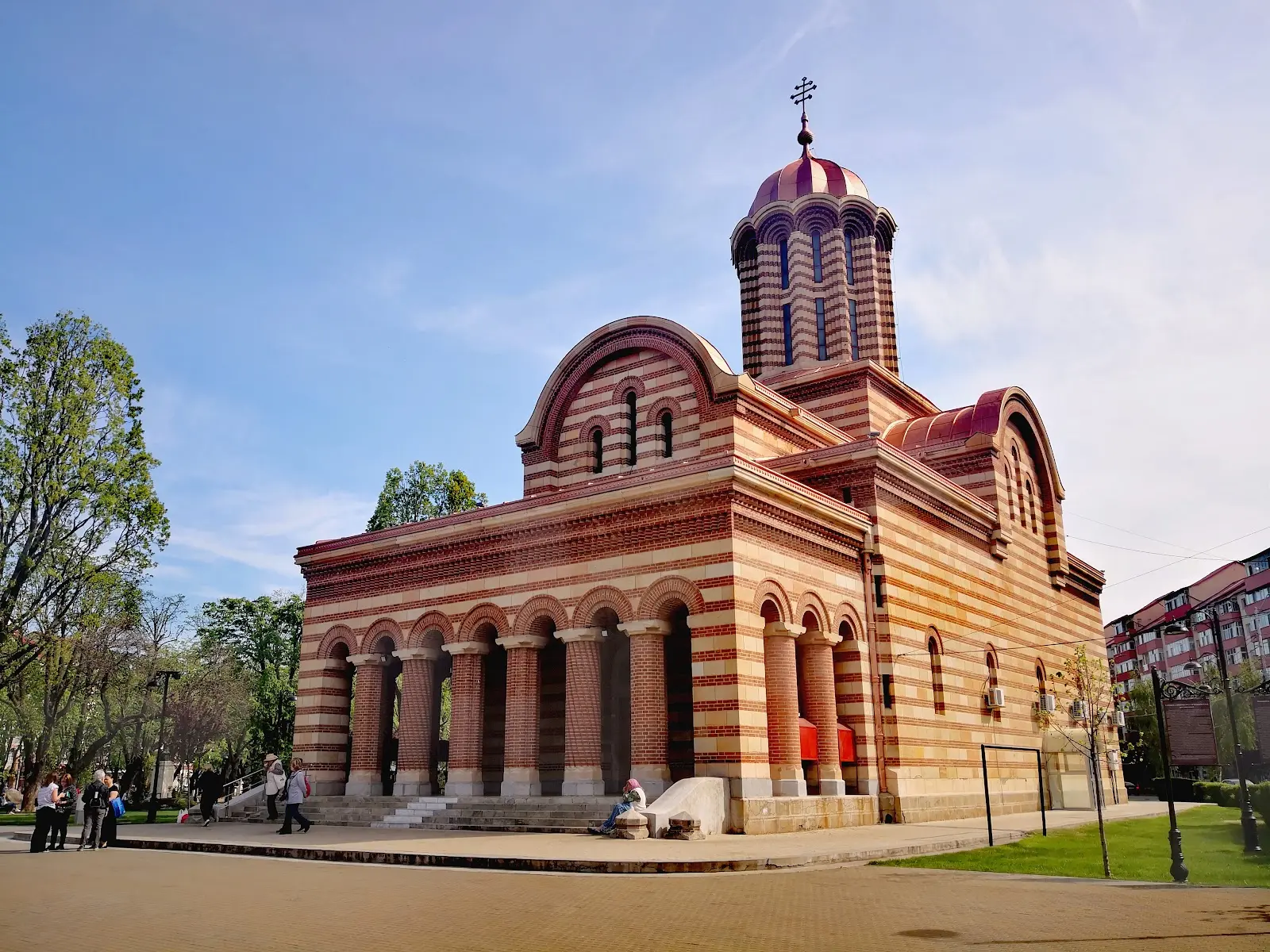
Catedrala Mitropolitană Târgoviște
The Metropolitan Cathedral of Târgoviște is a monument of great historical importance, tied to the period when the town was the capital of Wallachia and a princely residence for more than two centuries. Raised on the site of the country's former metropolitan seat, the cathedral recalls the times when the political and religious life of the medieval Wallachian state unfolded here. Its architecture, in the tradition of the voivodal churches, blends the characteristic Orthodox plan with distinctive decorative elements, while the interior preserves mural painting and liturgical objects that evoke the spiritual role of the place. The cathedral stands near the Princely Court and the celebrated Chindia Tower, together forming a historic ensemble that represents the heart of the old capital. A visit helps convey the link between princely power and the church in the Romanian medieval era. The site remains a place of pilgrimage and a central point on the cultural trails of Târgoviște, a town rich in voivodal remains.
 Monastery
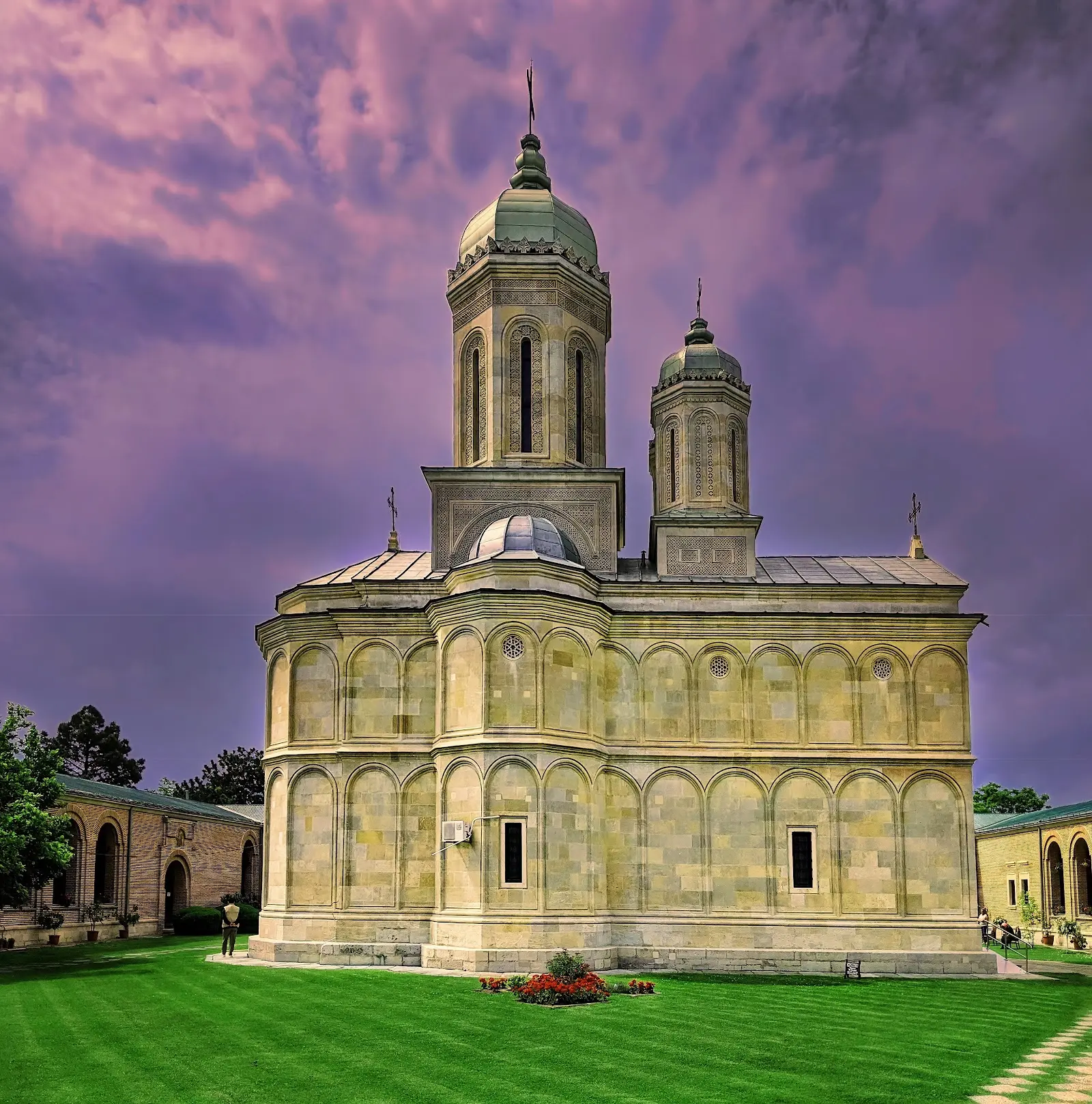
Mănăstirea Dealu
Dealu Monastery rises on a hill near the town of Targoviste, in Dambovita county, overlooking the old capital of Wallachia. Founded in the early sixteenth century by the ruler Radu the Great, the church is a masterpiece of Romanian medieval architecture, remarkable for its facades adorned with stone carvings of great refinement. Here one of the first books in the Romanian lands was printed, and here too lies the tomb of Michael the Brave, where the head of the great unifying voivode is kept, brought after his death. The monastic complex, surrounded by walls and a peaceful setting, played an important role in the cultural and religious life of the country. Today the monastery is home to a monastic community and remains a place of contemplation and historical memory, a short distance from the centre of Targoviste and the Princely Court of the old capital.
 Museum
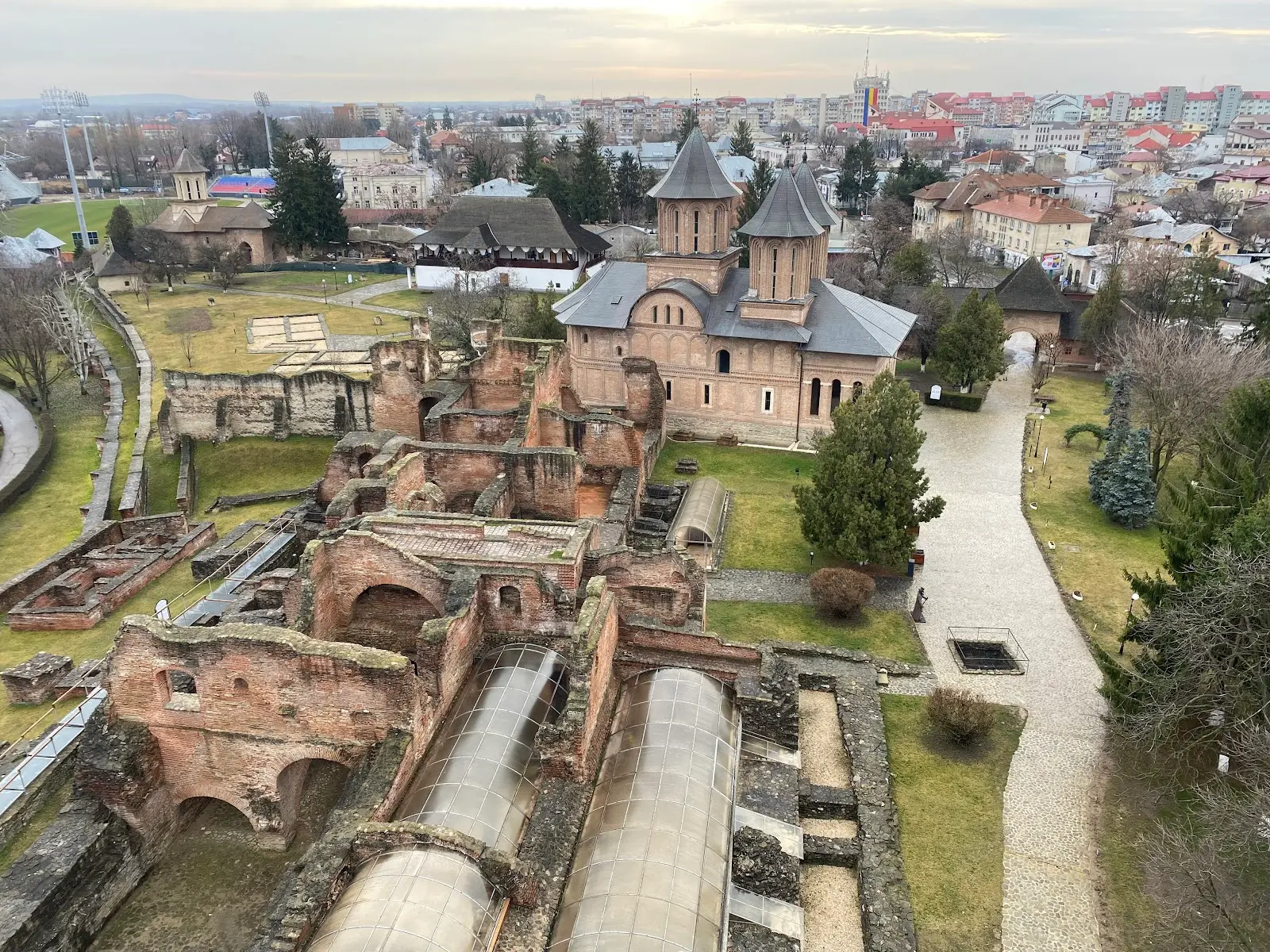
Complexul Muzeal Curtea Domnească
The Princely Court Museum Complex in Târgoviște occupies the site of the former residence of the rulers of Wallachia, in a city that served as the capital for nearly three centuries. The ensemble includes the ruins of the princely palace, court churches and, above all, the famous Chindia Tower, a watchtower and bell tower raised during the reign of Vlad the Impaler that has become the symbol of the city. Visitors can climb the tower for a view over the old court and the town, discovering along the way exhibitions dedicated to the history of the Wallachian rulers. The complex also includes the Princely Church, with valuable murals, as well as remains that evoke life at the court of the Basarabs. Every stone of this place tells of the Romanian medieval era, of legendary rulers and of the central role that Târgoviște played in the country's history. Set in the heart of the city, the complex is easy to reach and is the main tourist attraction of Târgoviște, indispensable for history enthusiasts.
 Monastery
Mănăstirea Viforâta
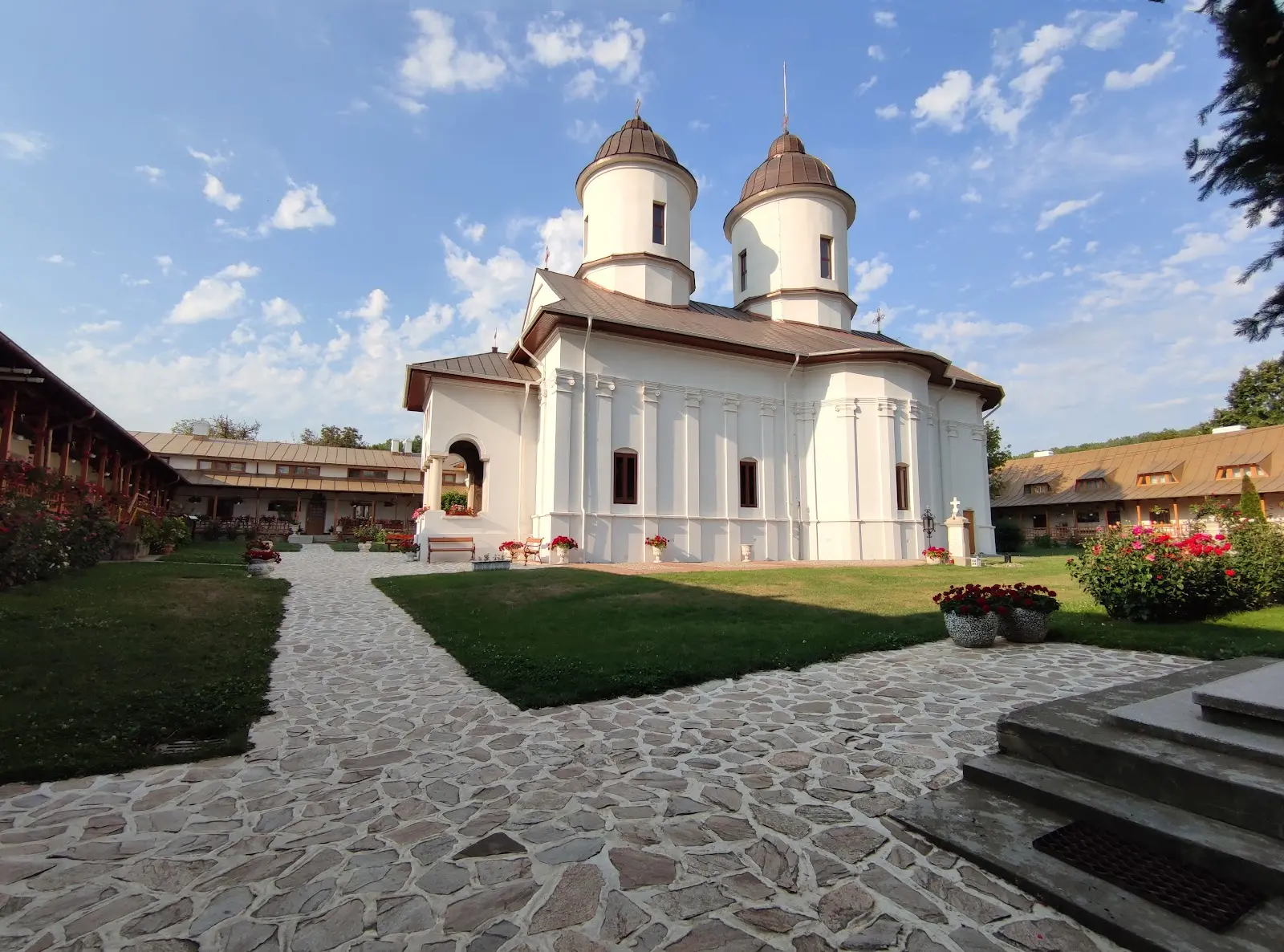
Viforâta Monastery, near Târgoviște, is an old princely foundation from the 16th century, linked to the ruler Vlad Vintilă of Slatina. Set in a quiet location at the foot of the hills, the monastery has long been an important place of worship and, at one point, a retreat for ladies of the princely families. The church preserves architectural elements typical of the era and valuable paintings, while the ensemble, with its cells and gardens, conveys an atmosphere of peace and contemplation. The monastery's name, connected to the winds that once blew through the area, adds a particular charm to the place. Today it functions as a convent, with a community that maintains the spiritual traditions and monastic crafts. Located near Târgoviște, the former capital of Wallachia, the monastery can be included in a cultural and spiritual itinerary through the region. It is a valuable destination for those interested in medieval history, religious art and the tranquillity of places of prayer in the heart of Muntenia.
ParkParcul Chindia
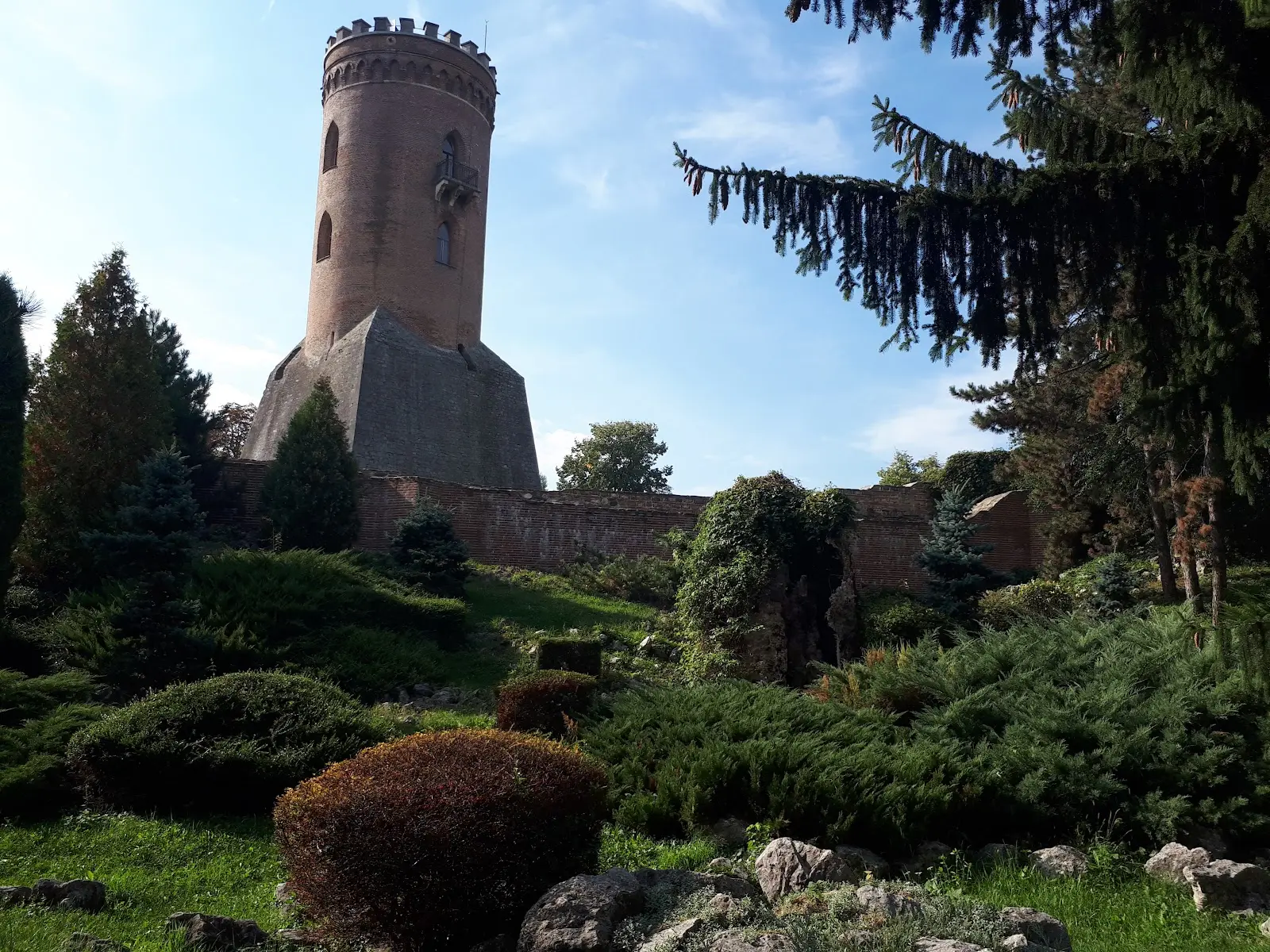
Chindia Park is the most important green space in Târgoviște, laid out right around the Princely Court, the old residence of the rulers of Wallachia, in an area of special historical weight. The park blends shaded alleys, old trees and leisure areas with the medieval remains of the princely ensemble, at the centre of which rises the famous Chindia Tower, the symbol of the city. Visitors can combine a relaxing walk among well-kept green spaces, small lakes and playgrounds with the discovery of the ruins of the voivodal palace, where Vlad the Impaler once ruled. The park also hosts a small zoo, appreciated especially by families with children. Its central location makes it a meeting place for locals and a starting point for visiting the city's other monuments. The calm atmosphere, the greenery and the proximity to historical heritage make Chindia Park a pleasant destination in any season. Visitors can combine the walk with a climb up the neighbouring medieval tower.
 Museum
Muzeul Tiparului și al Cărții Vechi Românești
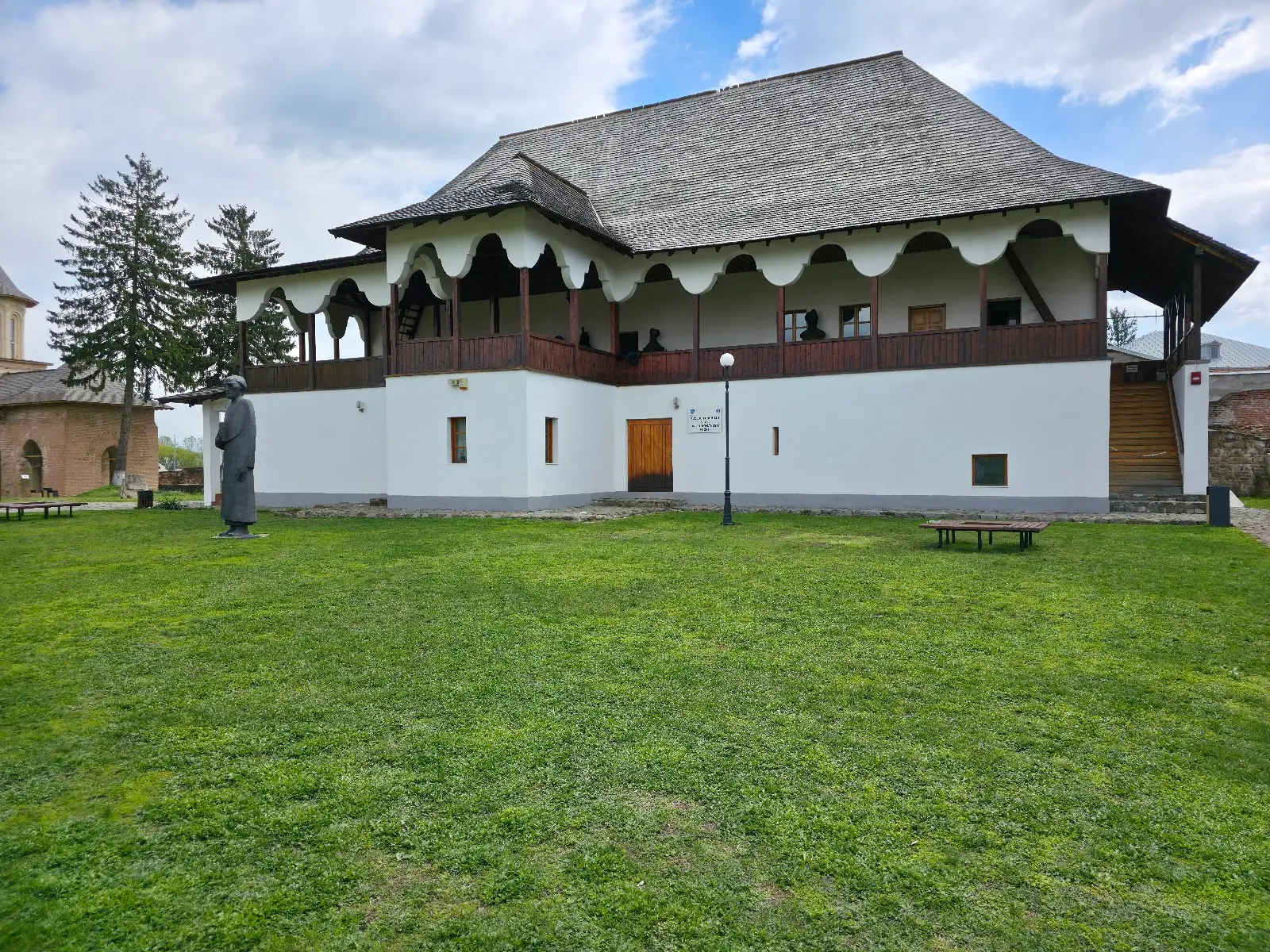
The Museum of Printing and Old Romanian Books in Târgoviște is devoted to one of the most important chapters of Romanian culture: the birth and development of printing. Târgoviște, a former capital of Wallachia, was also the place where the monk Macarie worked, printing here, at the beginning of the sixteenth century, the first books in the Romanian lands, among them a Liturgical book regarded as one of the earliest prints on the present-day territory of Romania. The museum preserves and displays old books, rare prints, matrices, presses and objects tied to the craft of printing, illustrating its evolution from the first Cyrillic letters to the spread of books in the Romanian language. Housed in a heritage building in the historic centre of the town, the museum complements Târgoviște's rich cultural ensemble, dominated by the Princely Court and the Chindia Tower. For visitors drawn to the history of culture and of Romanian writing, this institution offers a fascinating foray into the world of old books and of those who brought the light of printing to this part of the world.
 Fortress
Turnul Chindiei
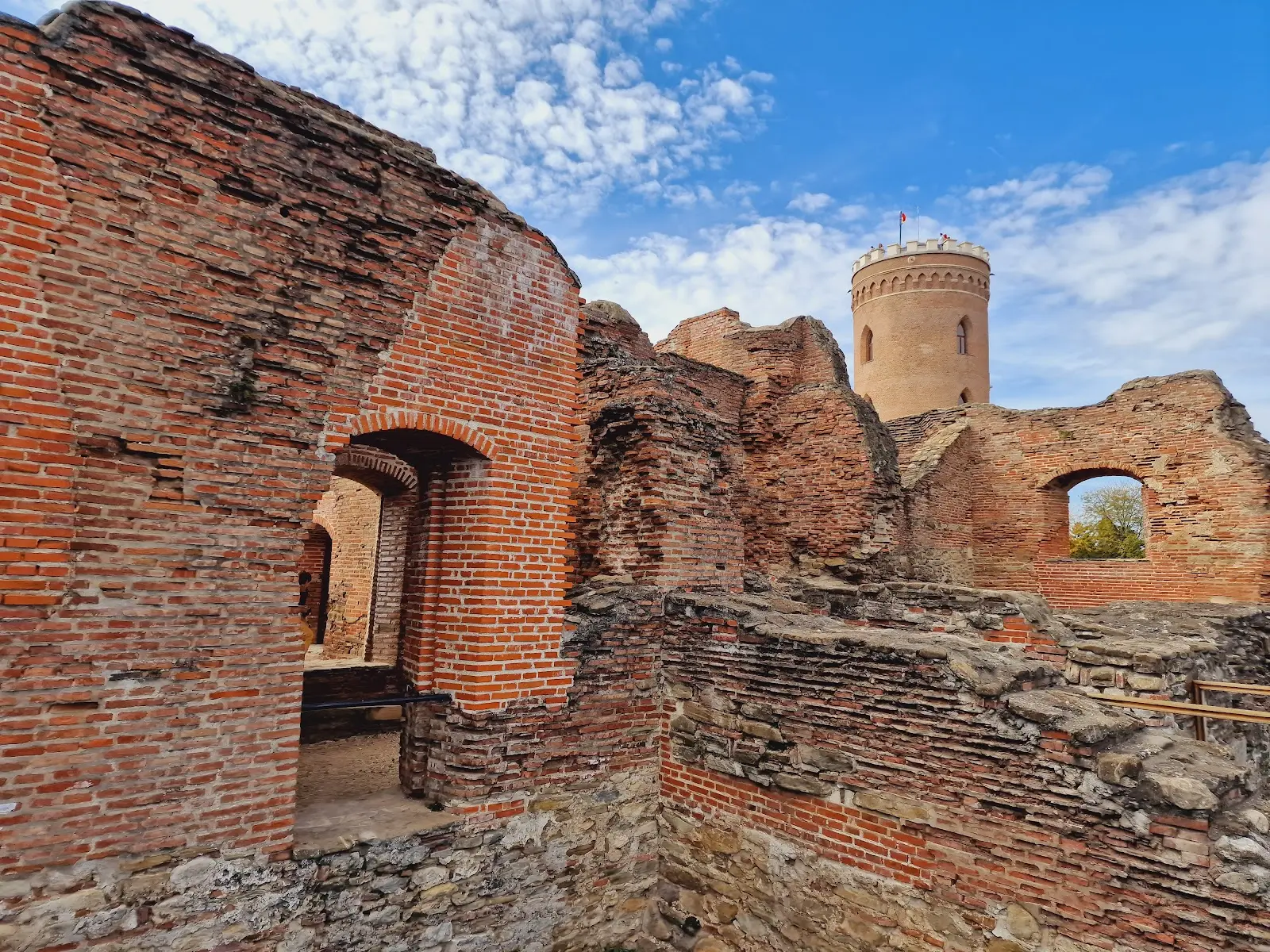
Chindia Tower is the emblematic symbol of the town of Târgoviște and the best-known monument of the former capital of Wallachia. Originally raised in the fifteenth century during the reign of Vlad the Impaler as a watch and defence tower of the Princely Court, the tower served to signal dangers and to mark the hour of closing the gates, known as chindie, from which it takes its name. Over time the tower was restored and heightened, gaining its imposing cylindrical form of today. From its height a wide panorama opens over the town and the ruins of the princely ensemble, where many voivodes of Wallachia once ruled. The interior holds an exhibition devoted to the history of the site and the legend of Vlad the Impaler, a central figure of the medieval past. Set in the heart of Chindia Park, beside the remains of the Princely Court, the tower is easily reached on foot. Visitors can climb the internal stairs to the upper platform, from which the historic surroundings are best admired.
Plan your trip
Stay, tour and get there
Stays nearby
Stays in Dâmbovița
Experiences
Tours & activities
Guided tours, day trips and hand-picked experiences via GetYourGuide — free cancellation on most.
See all experiencesGetting to Romania
Flights, transfer & car
Fly into Romania
Compare fares to Bucharest Otopeni (OTP) and regional airports — Cluj, Sibiu, Iași, Timișoara.
Airport transfer
Private, fixed-price door-to-door transfer — driver waiting from the moment you land.
Rent a car — see the real Romania
A rental car is the key to Romania: the Transfăgărășan, the painted monasteries of Bucovina, mountain roads and the villages of Maramureș that no train reaches.
Find a carKeep exploring