
Geology
Volcanoes & geological wonders
The Mud Volcanoes of Buzău look like a landscape from another planet, Saint Ana is the country's only crater lake, the basalt columns of Racoș and Detunata are sculptures of ancient fire. Romania can be read in its stone, too.
 Nature
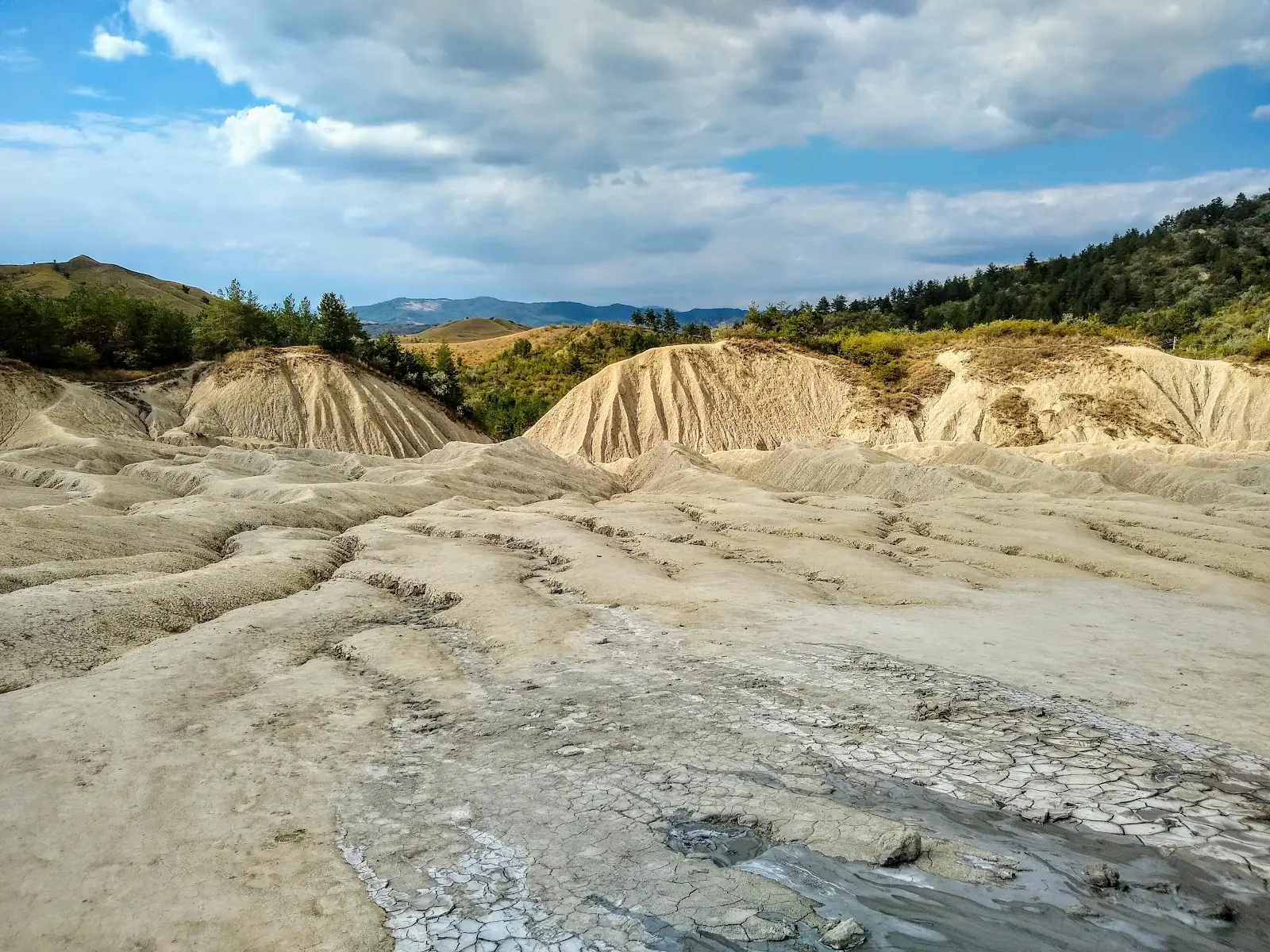
Vulcanii Noroioși Pâclele Mici
Eruptions of mud and natural gas form small volcanoes in this nature reserve with a lunar-like landscape.
 Nature
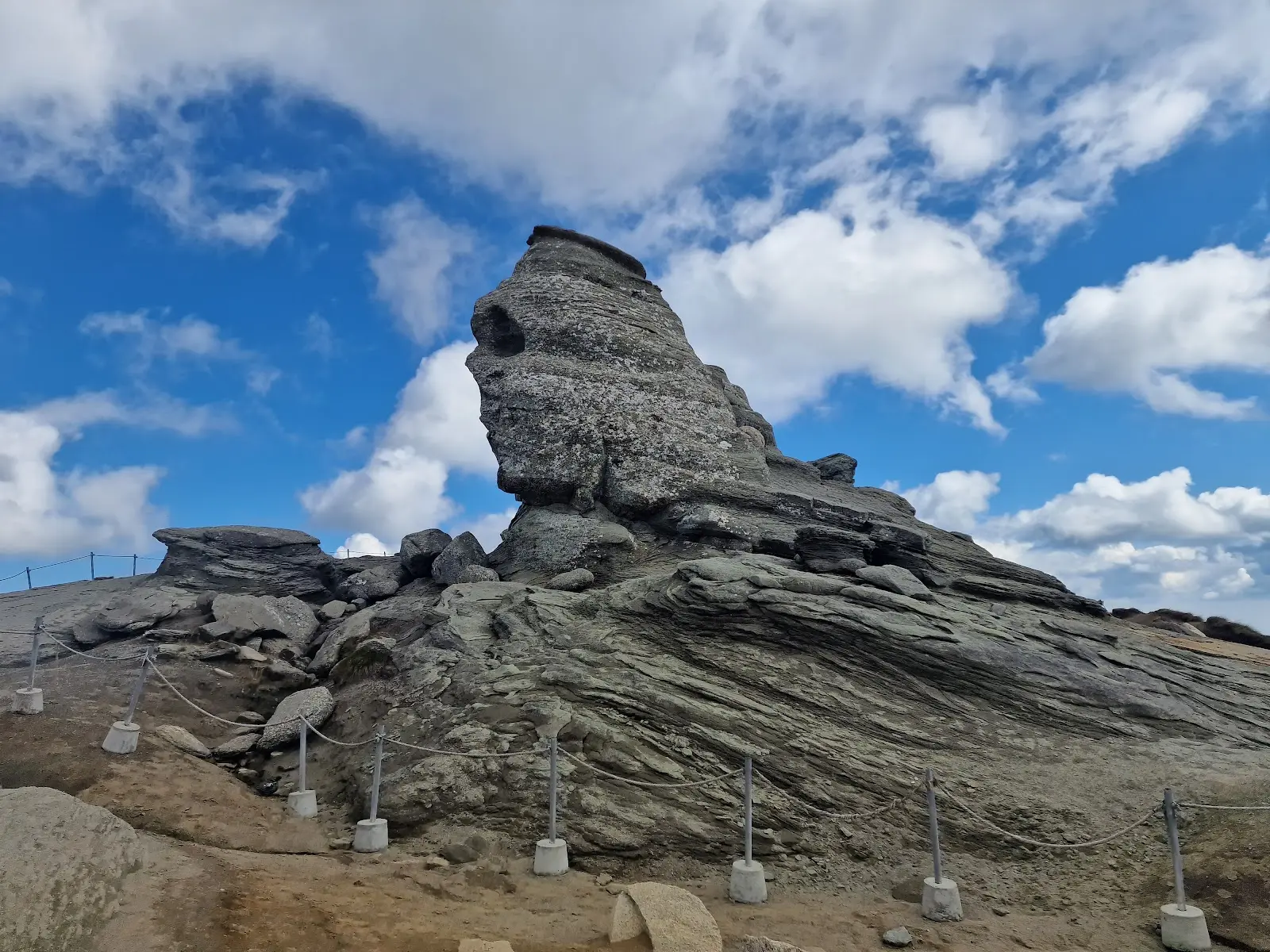
Sfinxul din Bucegi
The Bucegi Sphinx is one of the most famous geological formations in Romania, a natural megalith set on the Bucegi plateau at over 2,200 metres, near the resort of Sinaia and the Babele peak. The rock's silhouette, shaped over thousands of years by the erosion of wind, frost and water, recalls a human face when seen from a certain angle, which has earned it a resemblance to the great Egyptian Sphinx and many legends about energies and a supposed mystical charge. Alongside the formations known as Babele, the Sphinx is part of a spectacular alpine landscape, with expanses of meadow, rock and wide panoramas over the Carpathians. Access is usually by cable car from Bușteni or Sinaia, followed by a short hike across the plateau, or by longer mountain trails. The place is heavily visited, especially in summer. Visitors are advised to prepare for changeable alpine conditions, since the weather at altitude can quickly turn cold and foggy even in the warm season.
 Nature
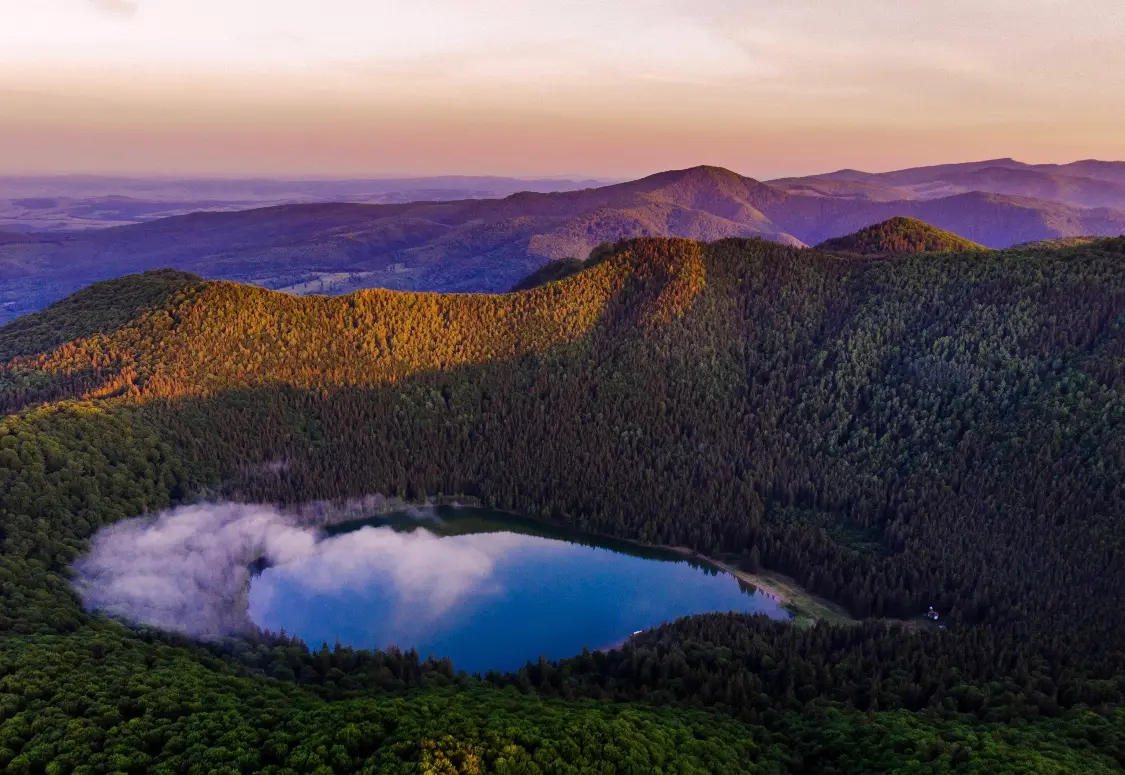
Lacul Sfânta Ana
Lake Saint Anne is the only volcanic lake in Romania, formed in the crater of an ancient volcano in the Ciomatu massif, in the Szekler land. Its water comes almost exclusively from precipitation, making it extremely pure with very low mineral content, which gives it its characteristic transparency and a colour that shifts from blue to green depending on the light. The nearly circular shape of the lake, framed by the dense beech and spruce forest covering the crater slopes, offers a landscape of rare symmetry, especially spectacular in autumn. Nearby lies the Mohos peat bog, a protected marsh with rare plant species, which makes the area a valuable destination for nature lovers. The site is also tied to folk legends that explain its name. Practical note: access is by forest road or marked trails; for swimming, check the rules in force, as this is a protected natural area that must be treated with care.
 Castle
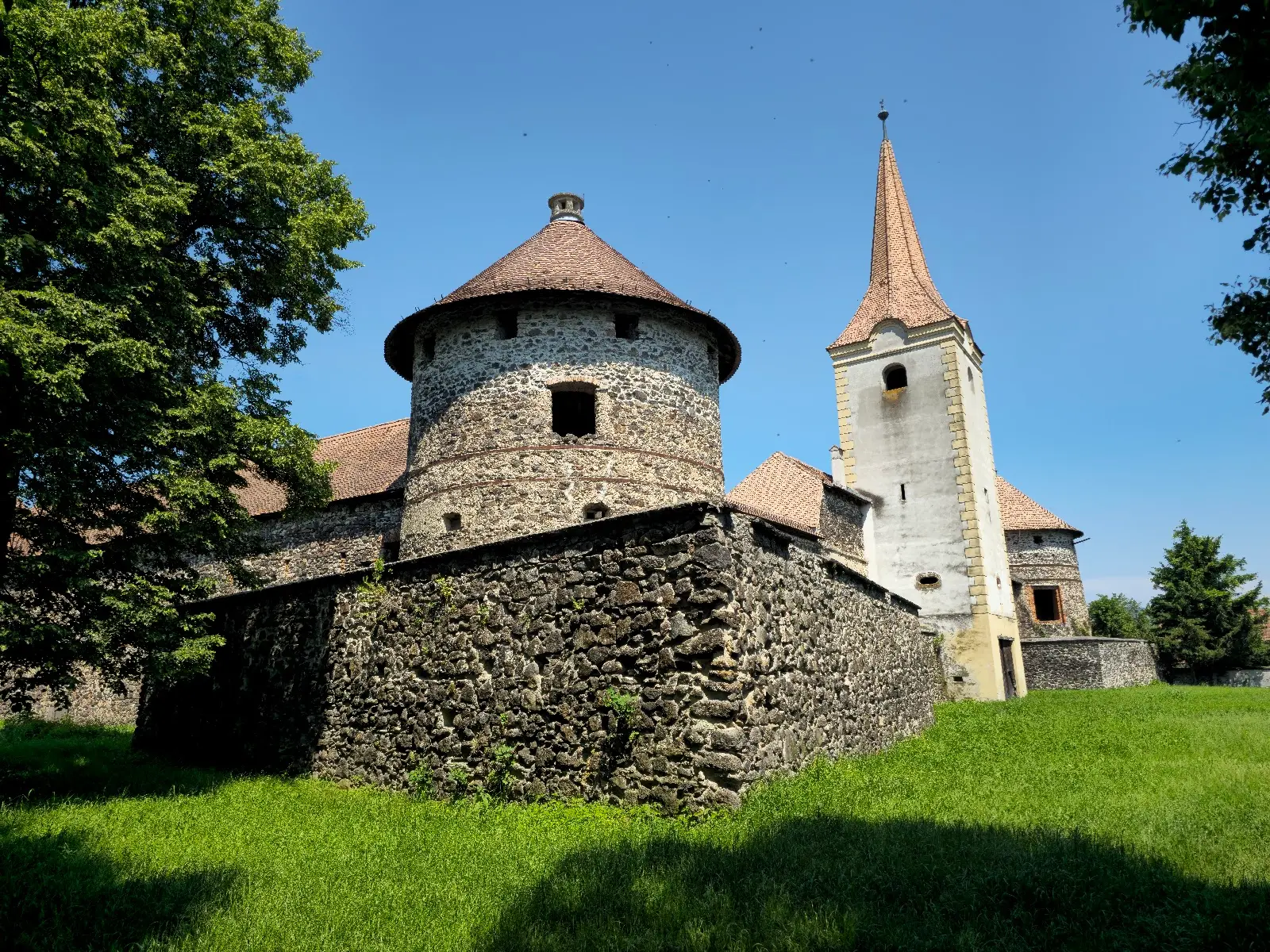
Castelul Sükösd-Bethlen Racoș
The Sukosd-Bethlen Castle in the village of Racos, in Brasov County, is an imposing fortified ensemble in the Transylvanian Renaissance style, built at the beginning of the seventeenth century by the noble Sukosd family and later extended by the Bethlen family. With bastions at its corners, massive walls and an inner courtyard, the castle combines the function of a noble residence with that of defence, typical of the fortified manors of the Hungarian aristocracy in the Transylvania of that era. Over the centuries it went through periods of glory and decline, and in recent years it has undergone restoration works that seek to return it to its former grandeur. Located in the Racos area, renowned for its geological phenomena, the castle complements a landscape rich in natural attractions. Practical note: the visit combines naturally with the natural sights of the surroundings, such as the basalt columns of Racos, the extinct volcano and the Emerald Lake, in a tour of the area.
 Nature
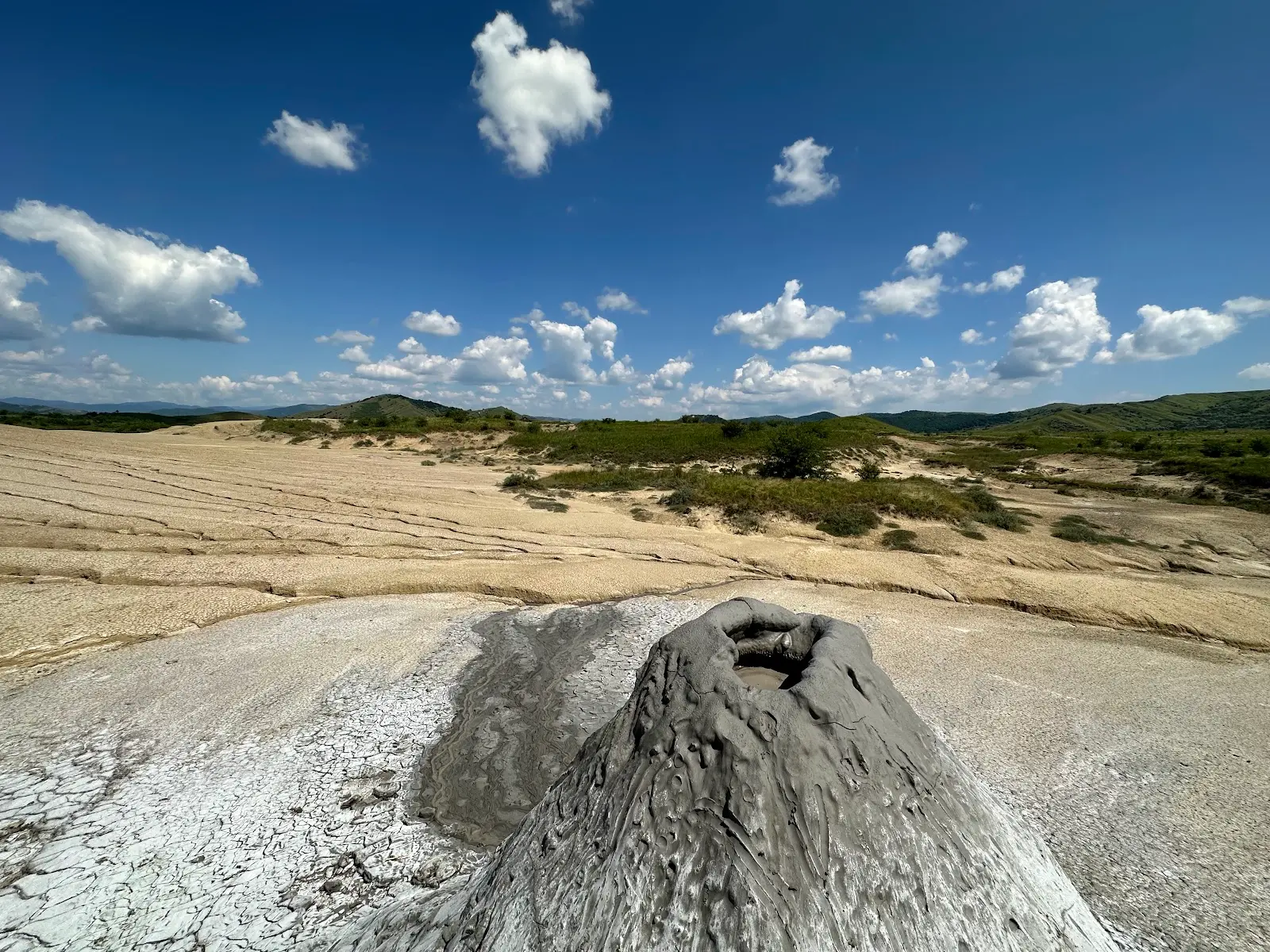
Vulcanii Noroioși Berca (Pâclele Mari)
The Mud Volcanoes at Berca, best known through the Pâclele Mari area in Buzău county, form one of the most unusual landscapes in Romania, often compared to the surface of another planet. The phenomenon occurs when gases from deep within the earth push mud and water to the surface, forming small volcanic cones that bubble slowly and let the mud flow down their slopes. The result is an almost vegetation-free terrain, grey and cracked, dotted with miniature craters that make the place utterly distinctive. The area is designated a nature reserve for its geological uniqueness and for a few rare plant species adapted to the salty soil. Visitors walk carefully among the cones, fascinated by the ceaseless spectacle of the moving mud. The landscape becomes especially photogenic at sunrise and sunset, when the light brings out the textures of the ground. Located a few kilometres off the main road, the Mud Volcanoes are an unusual and memorable destination for those exploring the sub-Carpathian region of Buzău.
 Viewpoint
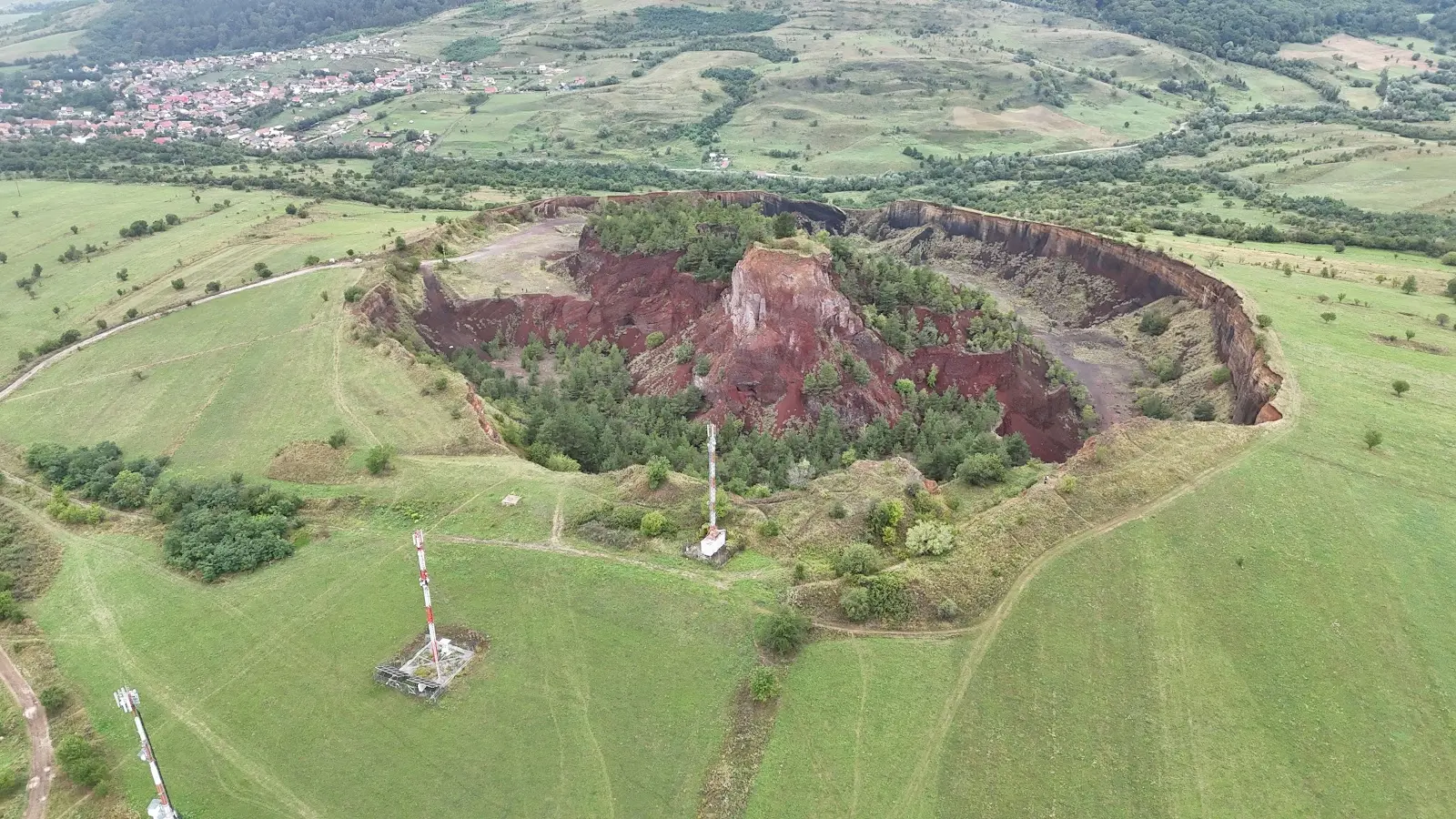
Vulcanul Stins Racoș
The Extinct Volcano at Racos, in Brasov county, is a remarkable geological formation, the trace of volcanic activity that shaped the landscape of this part of south-eastern Transylvania. The eroded crater and the slopes of volcanic scoria reveal layers coloured in shades of red, ochre and black, a geological spectacle that draws lovers of nature and photography. The place belongs to an area rich in natural curiosities, alongside the nearby basalt columns and a lake formed in a former quarry. The distinctive landscape, with shapes carved by erosion, offers an unusual setting for short walks and exploration. The Extinct Volcano is a visible testimony to the volcanic past of the Eastern Carpathians. Access is by country roads, and visitors are advised to wear proper footwear and to respect the fragility of the geological formations.
 Nature
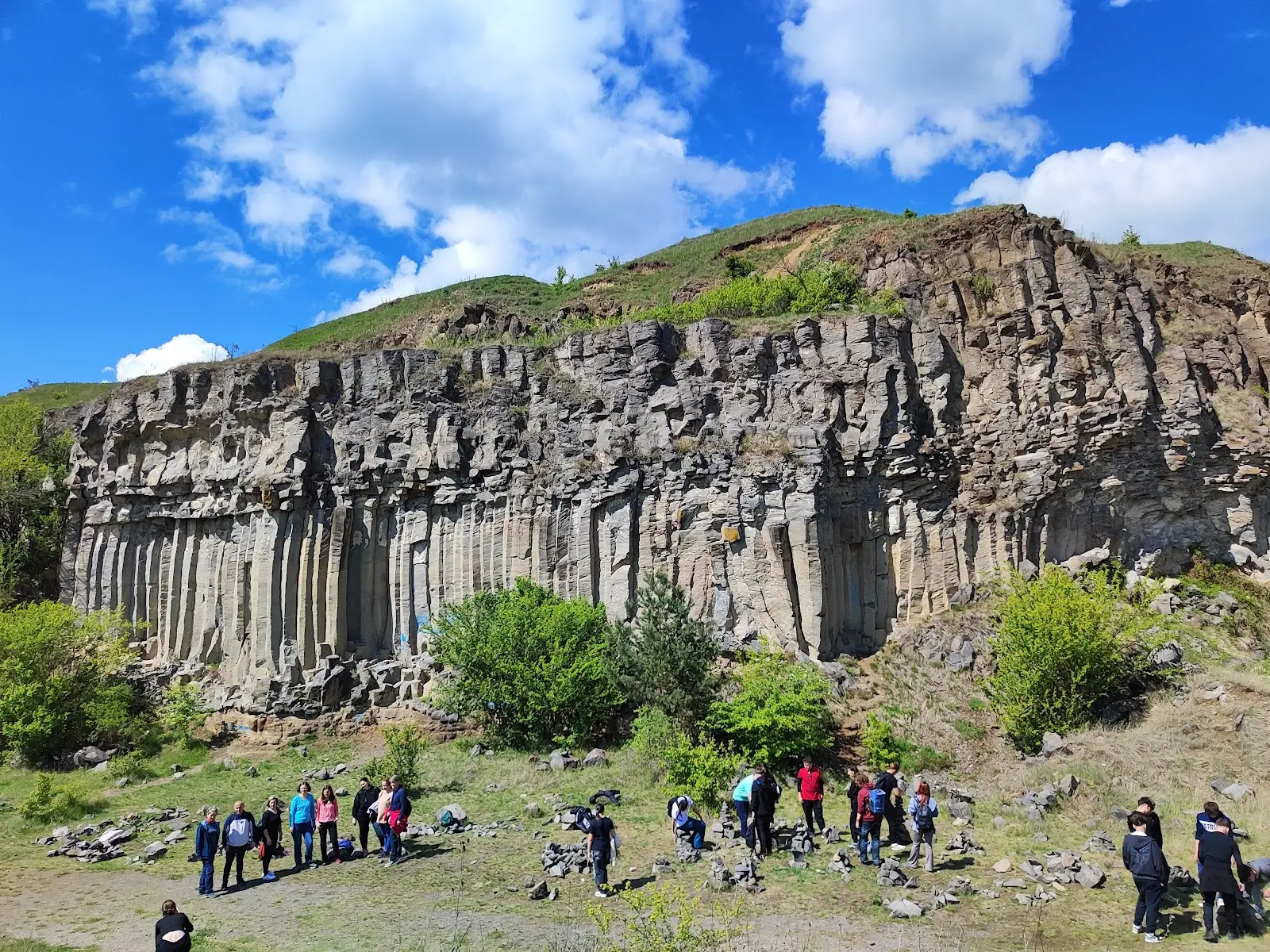
Coloanele de Bazalt Racoș
The Basalt Columns at Racos, in Brasov county, are a spectacular geological formation, made up of columns of volcanic rock with regular prismatic shapes, the result of the slow cooling of lava millions of years ago. Aligned like an organ of stone, the hexagonal columns rise on the wall of a former quarry, offering an unusual and photogenic sight. The place belongs to an area rich in geological curiosities, alongside the extinct volcano and the emerald lake formed in a former working. The formation is protected as a natural monument for its scientific and scenic value. The columns draw lovers of geology as well as tourists curious to discover the traces of volcanic activity in the Eastern Carpathians. Access is by country roads; visitors are advised to respect the fragility of the site and not to damage the rock formations.
 Nature
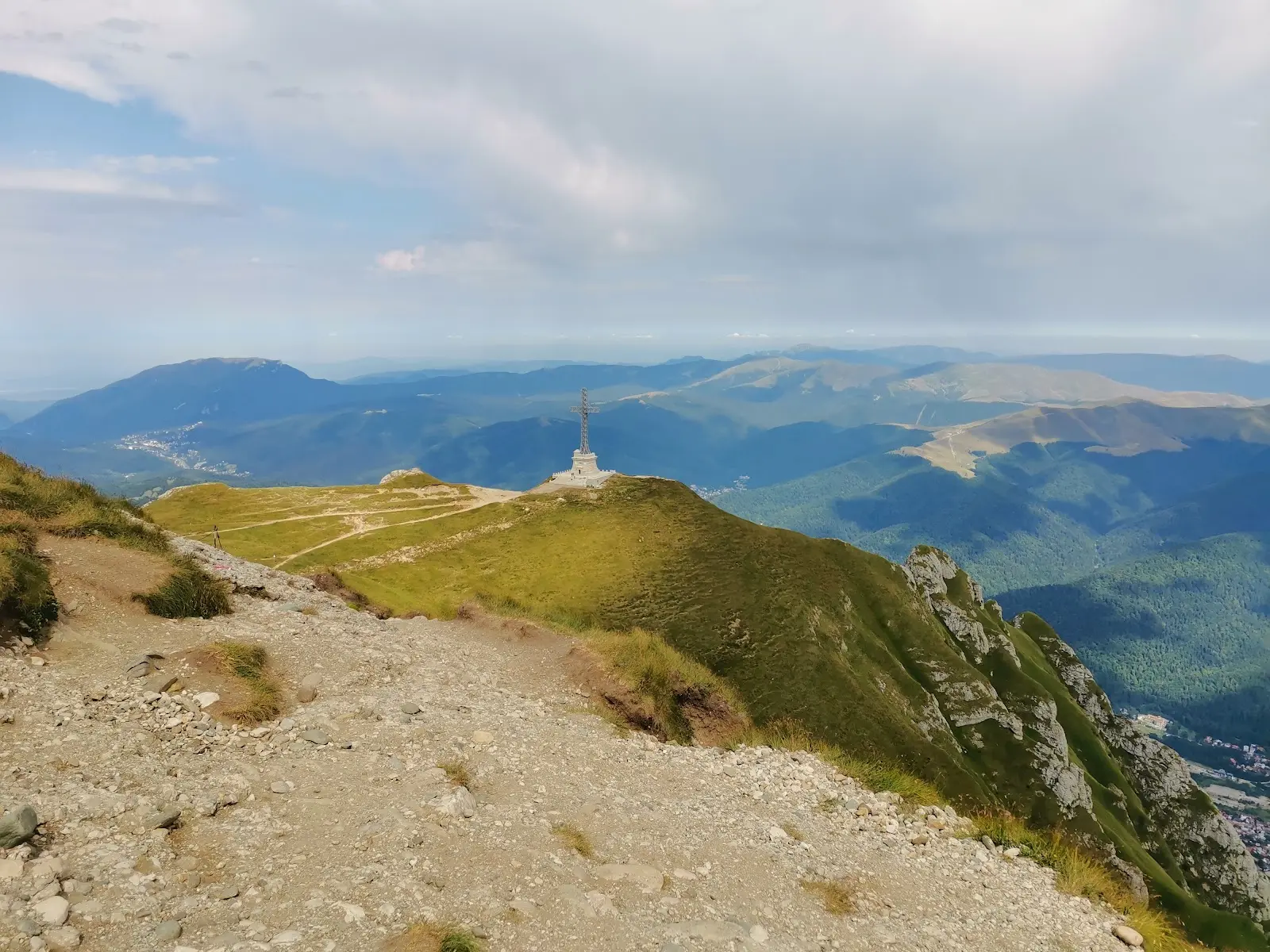
Babele
Babele are among the most famous geological formations in the Bucegi Mountains, set on the high plateau near the Baba Mare peak, above the resort of Sinaia. These oddly shaped rocks, resembling mushrooms or human figures, were formed by the differential erosion of the rock under the action of wind, rain and frost over thousands of years. Together with the nearby Bucegi Sphinx, Babele have given rise to numerous folk legends and mystical interpretations, becoming a symbol of the massif. The plateau offers wide views over the surrounding ridges and the valleys below. Access is usually by cable car from Busteni or along marked ridge trails, and a chalet stands nearby. As this is a high-altitude area, the weather can change quickly, so suitable clothing and caution are needed. Babele remain an essential attraction for visitors to the Bucegi Mountains.
Plan your trip
Stay, tour and get there
Stays nearby
Where to stay
Experiences
Tours & activities
Guided tours, day trips and hand-picked experiences via GetYourGuide — free cancellation on most.
See all experiencesGetting to Romania
Flights, transfer & car
Fly into Romania
Compare fares to Bucharest Otopeni (OTP) and regional airports — Cluj, Sibiu, Iași, Timișoara.
Airport transfer
Private, fixed-price door-to-door transfer — driver waiting from the moment you land.
Rent a car — see the real Romania
A rental car is the key to Romania: the Transfăgărășan, the painted monasteries of Bucovina, mountain roads and the villages of Maramureș that no train reaches.
Find a car