
Underground
Caves & the underground world
Romania hides a spectacular underground world: Scărișoara Cave, with the country's largest underground glacier, the Bears' Cave with its fossil skeletons, Muierilor, Meziad and dozens of galleries of stalactites, rivers and bats.
 Nature
Peștera Ialomiței
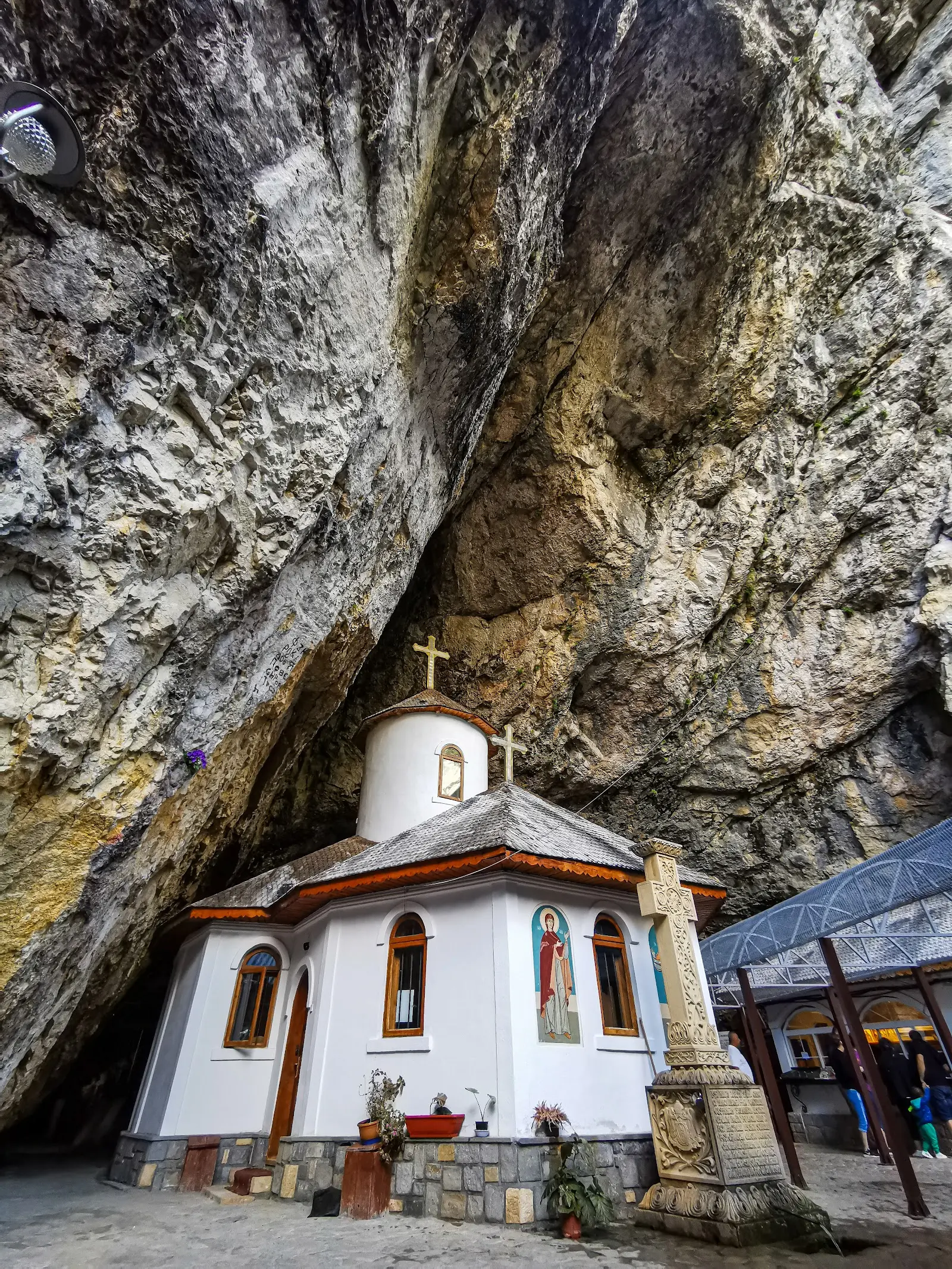
The Ialomița Cave opens in the steep wall of the Ialomița Gorge, in the Bucegi massif, right beside the hermitage of the same name, in one of Romania's most spectacular mountain settings. The wide entrance, guarded by a small white church set against the rock, leads into a gallery arranged for visits, with limestone formations, vaulted chambers and an underground stream. Though not very long, the cave impresses through its atmosphere and its natural surroundings: you reach it by climbing from Padina or the Peștera chalet, among alpine meadows and rock walls. The place also has a spiritual dimension, tied to the tradition of hermits who withdrew here over the centuries. It is a good stop for hikes in the Bucegi, easily combined with the trails to the Sphinx and the Babele. Dress warmly — the cave is cold all year — and check access on the forest road, which depends on the season.
 Nature
Peștera Urșilor Chișcău
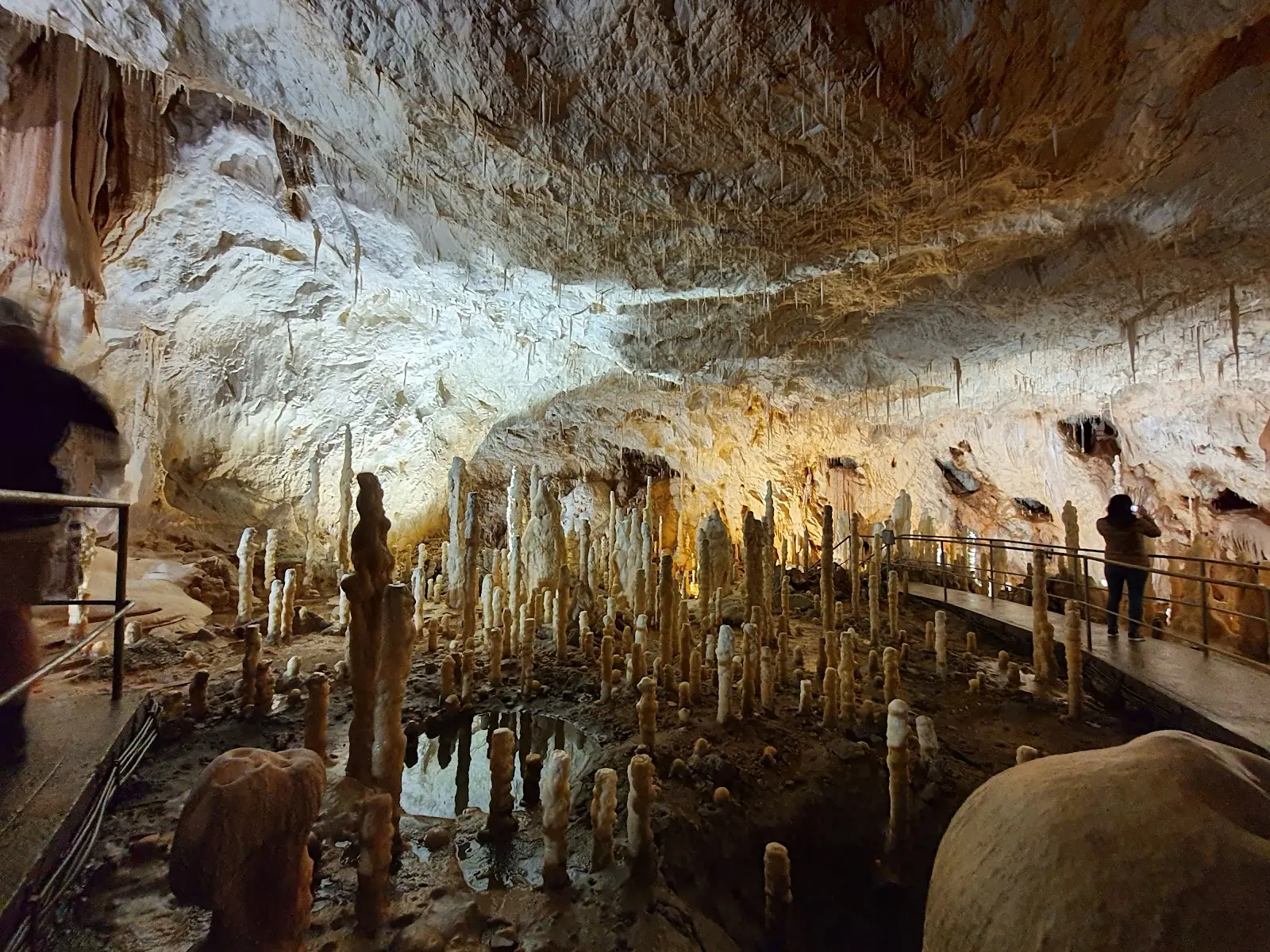
The Bears' Cave in the village of Chișcău, in the Apuseni Mountains, is one of Romania's most beautiful and most visited caves, discovered in 1975 by miners and opened to the public for its wealth of formations and its palaeontological importance. The name comes from the many cave-bear skeletons — a species extinct tens of thousands of years ago — found in its galleries, among them the famous ‘praying bear'. The arranged route passes through spectacular chambers, with stalactites, stalagmites and fine columns in which guides have recognised suggestive shapes with picturesque names. Discreet lighting brings out the white and the colours of the limestone. The cave is a classic stop for those exploring the Apuseni and combines well with the highland villages, gorges and waterfalls of the area. Dress warmly — the temperature is around 10 degrees all year — and check the guided-tour schedule, which runs at fixed times.
 Nature
Peștera Muierilor
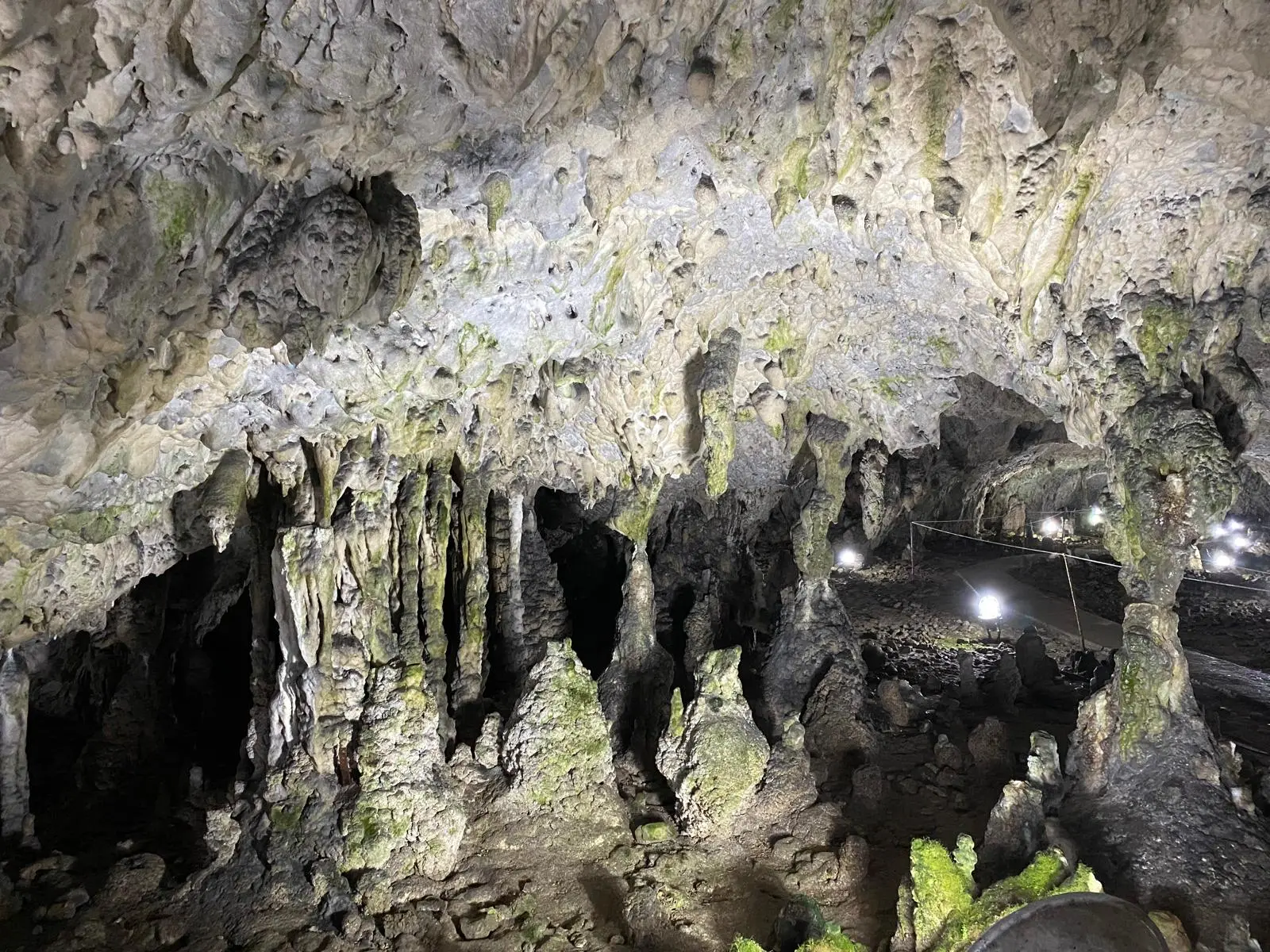
Muierilor Cave, in the Galben Gorge in northern Oltenia, is one of the most important caves in Romania, both for the beauty of its formations and for its scientific value. Its name comes from the tradition that women and children took refuge here in times of danger while the men went to fight. The cave entered the tourist circuit as early as the 19th century, among the first to be electrified in the country, and its arranged galleries reveal stalactites, stalagmites, limestone drapery and spectacular chambers. It was also here that the oldest modern human remains in Europe were found, giving it special importance in the study of prehistory. The site lies in beautiful natural surroundings at the foot of the mountains and combines well with the monasteries of the Vâlcea area. Dress warmly — the temperature is low all year — and check the guided-tour schedule, which follows arranged routes.
 Nature
Peștera Dâmbovicioara
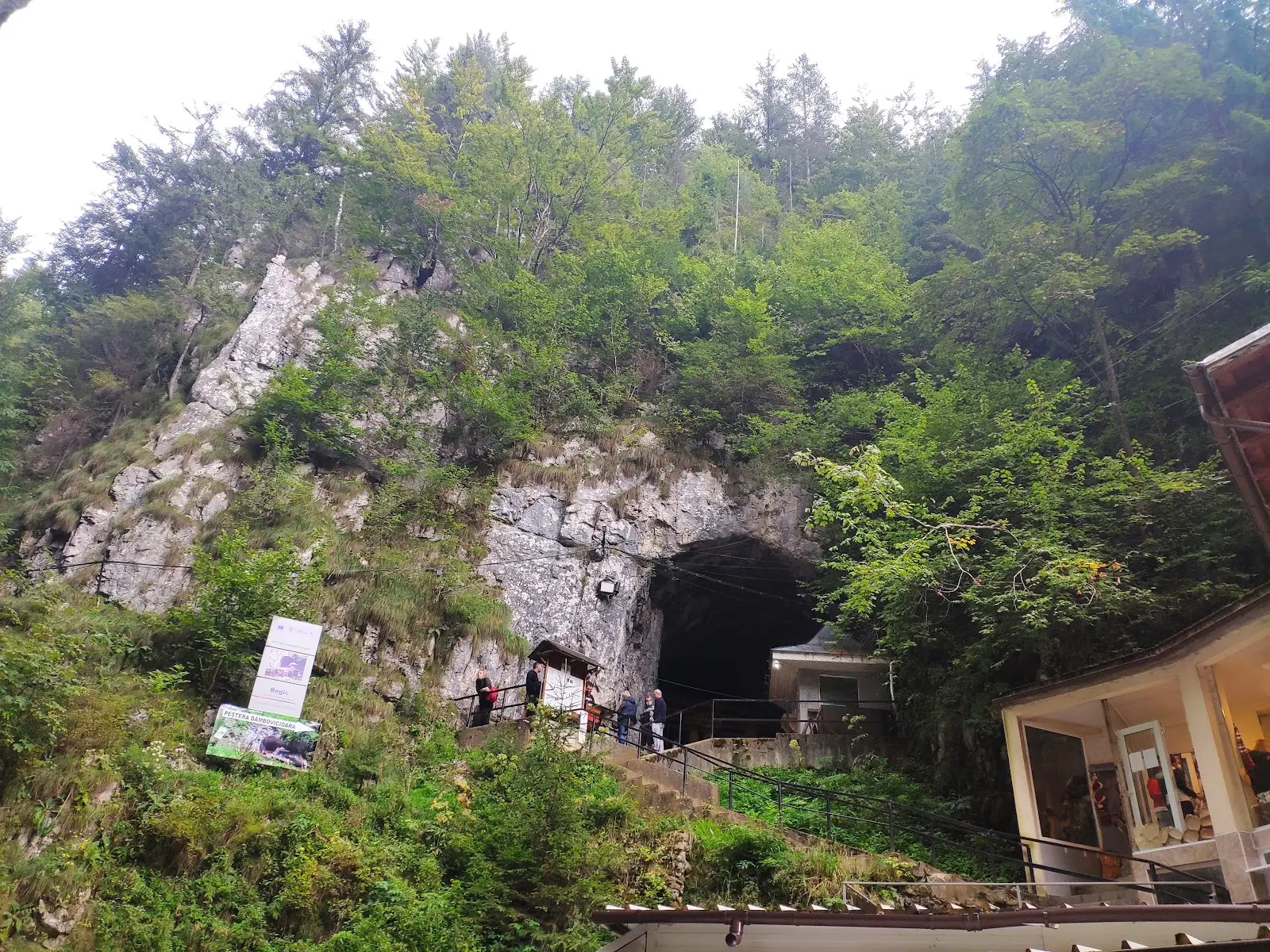
Dâmbovicioara Cave is an accessible and popular cave set in the Dâmbovicioara Gorges at the foot of the Piatra Craiului Mountains, near Zărnești and the village that shares its name. Formed by the action of water on limestone over time, the cave stands out for its short and relatively easy route, suitable even for families with children, which makes it one of the most visited cavities in the Curvature Carpathians area. Inside one can see winding galleries, karst formations and water-shaped walls, though the speleothems are not as spectacular as in other larger caves. The constantly low temperature is felt even in summer. The cave is part of a remarkable landscape, with narrow gorges cut into rock, well suited to walks and photography. Nearby are mountain trails toward Piatra Craiului and many guesthouses. Visitors are advised to bring a warmer layer for the interior and to check the visiting schedule, which may depend on the season.
 Nature
Peștera Scărișoara (Ghețarul Scărișoara)
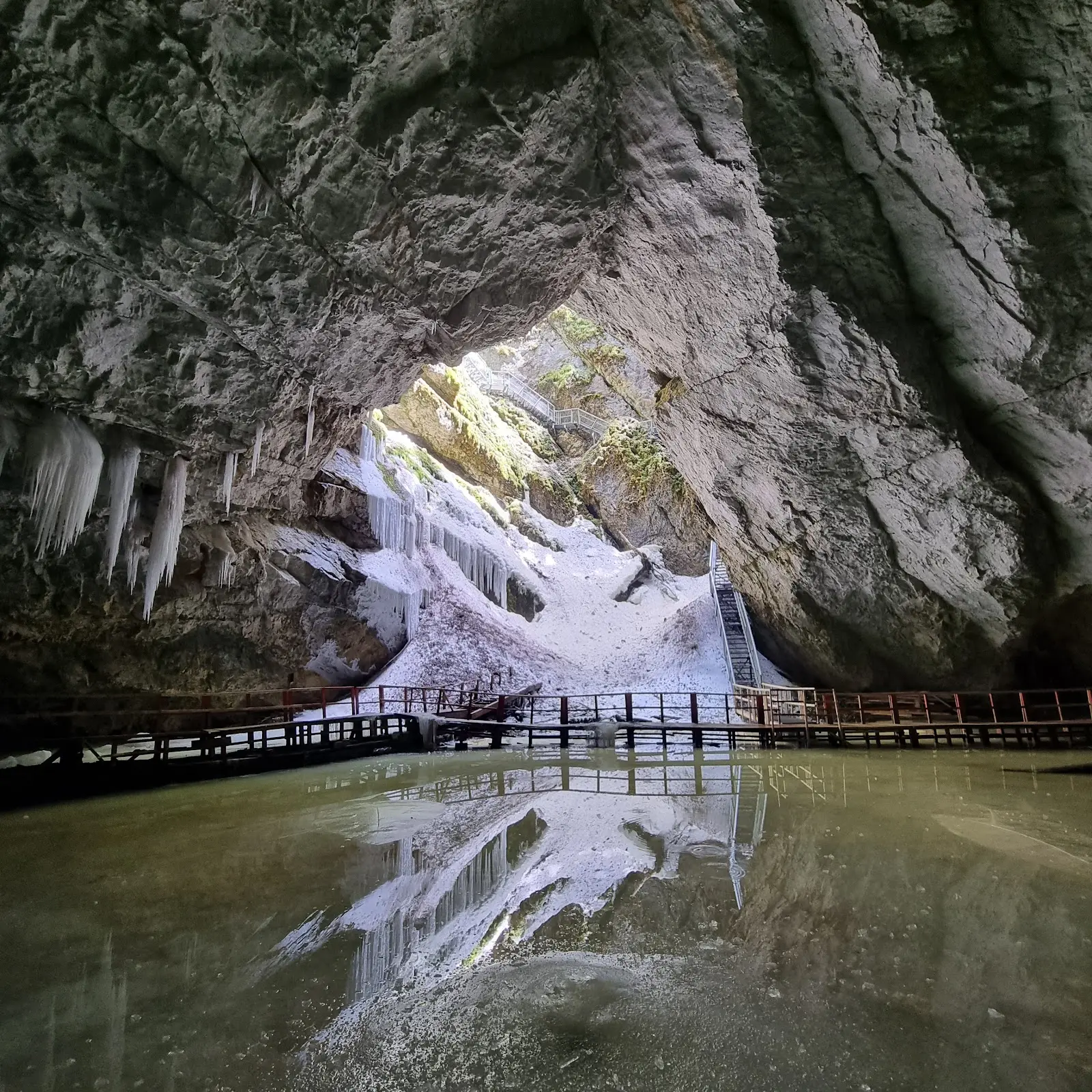
Scărișoara Cave shelters one of the largest underground glaciers in Europe, set in the Apuseni Mountains within the Bihor massif, near the Alba region and the routes toward Alba Iulia. The cave stands out for its huge block of fossil ice, formed over thousands of years, with a volume exceeding tens of thousands of cubic metres, considered one of the oldest and most voluminous in the region. The descent goes through a large sinkhole-type entrance, a funnel open in the ceiling, from which visitors reach the great hall by wooden stairs, where the temperature stays below freezing all year round. In the deeper galleries one can see ice stalagmites and spectacular formations, accessible only on special caving tours. The cave is part of a protected area with remarkable karst landscapes. Since it is a cold and damp environment, visitors are advised to wear warm clothes and non-slip footwear and to check the schedule, which depends on the season and the weather.
 Nature
Peștera Bolii
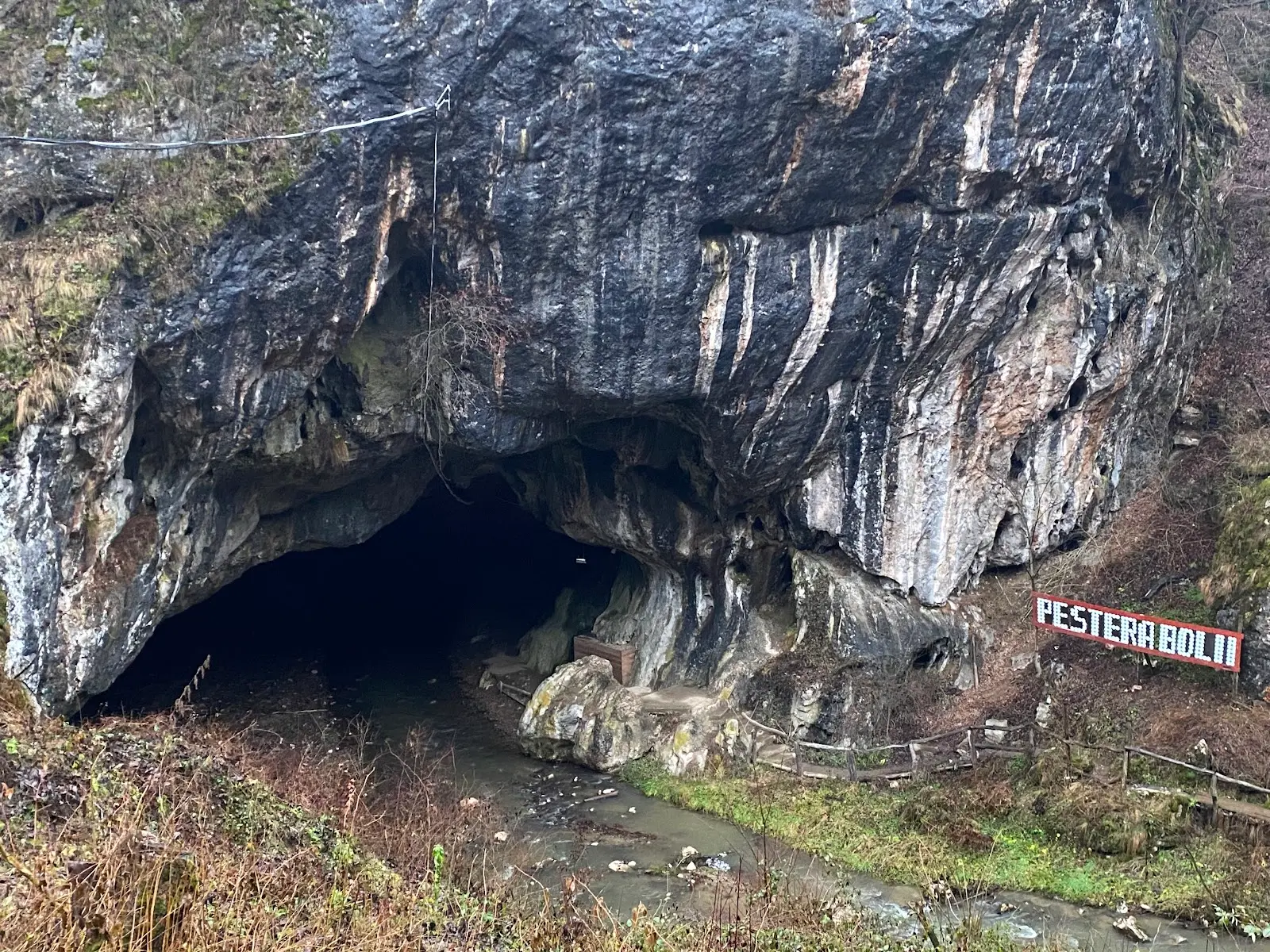
Bolii Cave is a spectacular cave located in Hunedoara county, near the town of Petrosani and the Hunedoara area, in a striking natural setting. The cave is crossed by a stream which over time has carved out ample galleries, forming a natural tunnel with impressive entrances and high limestone vaults. Visitors can walk through the cave along an arranged path, admiring the play of light at the open ends of the gallery, where the water flows gently among the rocks. The surrounding setting, with cliffs and vegetation, adds to the charm of the place. Bolii Cave sometimes hosts cultural events thanks to its remarkable acoustics and its special atmosphere. Being relatively easy to reach and located close to the main road, the cave makes a pleasant stop for those exploring the Jiu Valley and its surroundings, offering a cool excursion into the underground world of the Carpathians.
 Nature
Peștera Polovragi
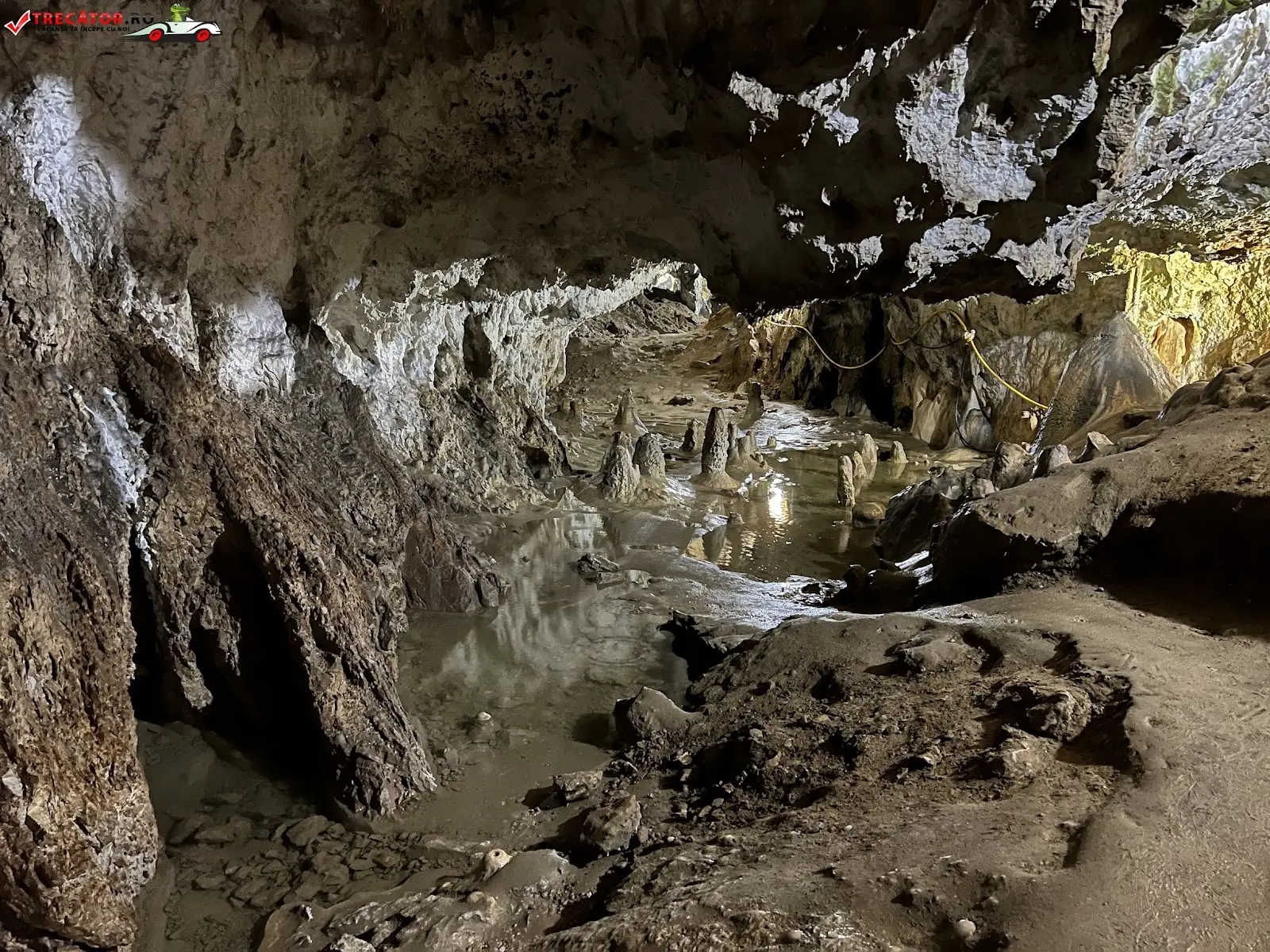
Polovragi Cave lies in Gorj county, near the village of Polovragi and the Horezu area, at the entrance to the spectacular Oltet Gorges, which separate the Capatanii Mountains from the Parang Mountains. The cave is one of the best known in Oltenia and impresses with its galleries rich in limestone formations, stalactites and stalagmites shaped over millennia. Folk tradition links this place to the legend of the Dacian god Zalmoxis, who is said to have dwelt here, adding to the aura of mystery of the cave. Visitors follow an arranged path, accompanied by guides who explain the formation of the cave and the stories of the place. The nearby Oltet Gorges, narrow and steep, add a striking wild landscape. Set not far from Polovragi Monastery and the famous ceramic workshops of Horezu, the cave is a fascinating stop for those exploring northern Oltenia and the sub-Carpathians of Gorj.
 Nature
Peștera Meziad
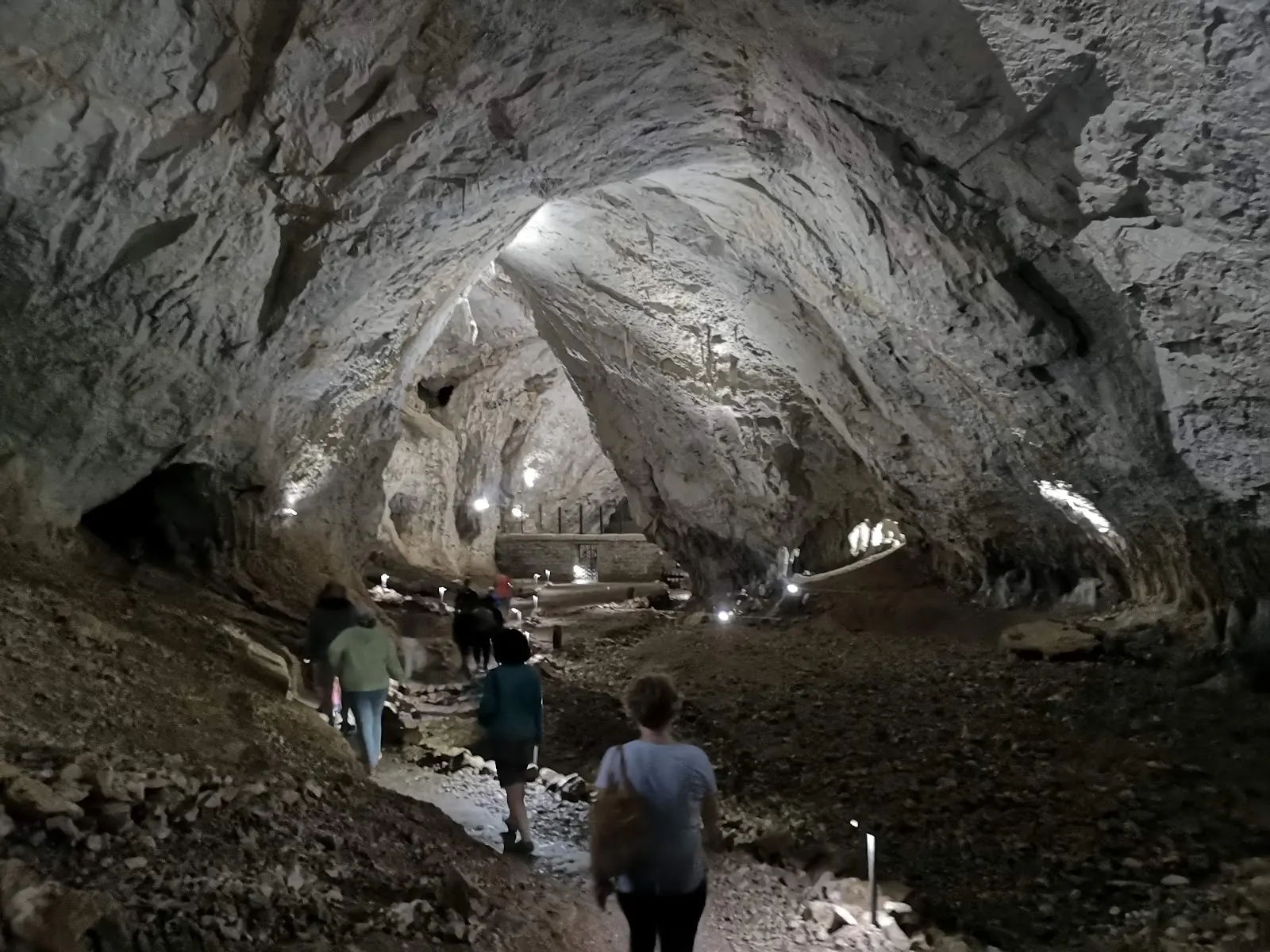
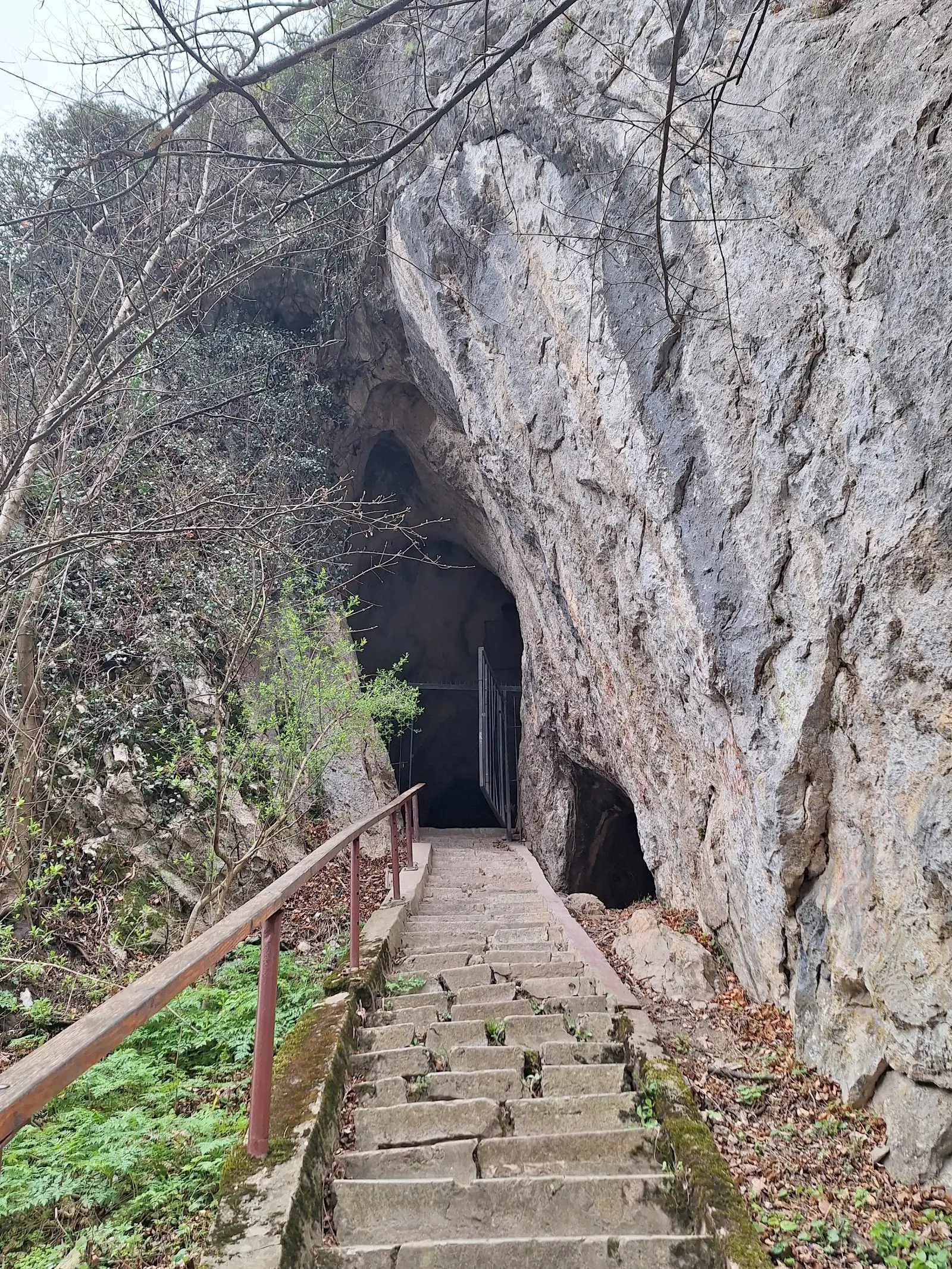
Meziad Cave, in the Pădurea Craiului Mountains of Bihor County, is one of the oldest caves developed for tourism in Romania, open to visitors since the end of the nineteenth century. With galleries on several levels and a total length of a few kilometres, it impresses with the size of its chambers and the wealth of its limestone formations. Inside one can admire stalactites, stalagmites, columns, and stone cascades shaped by water over hundreds of thousands of years. The wide, arch-shaped entrance is itself spectacular. The cave also shelters bat colonies, which is why access to certain sectors is limited to protect the wildlife. A prepared trail allows the tourist section to be walked safely, with a guide. Visitors should wear warm clothing, since the temperature inside the cave is constantly low. It is advisable to check the schedule of guided visits before arriving.
 Nature
Grota Haiducilor
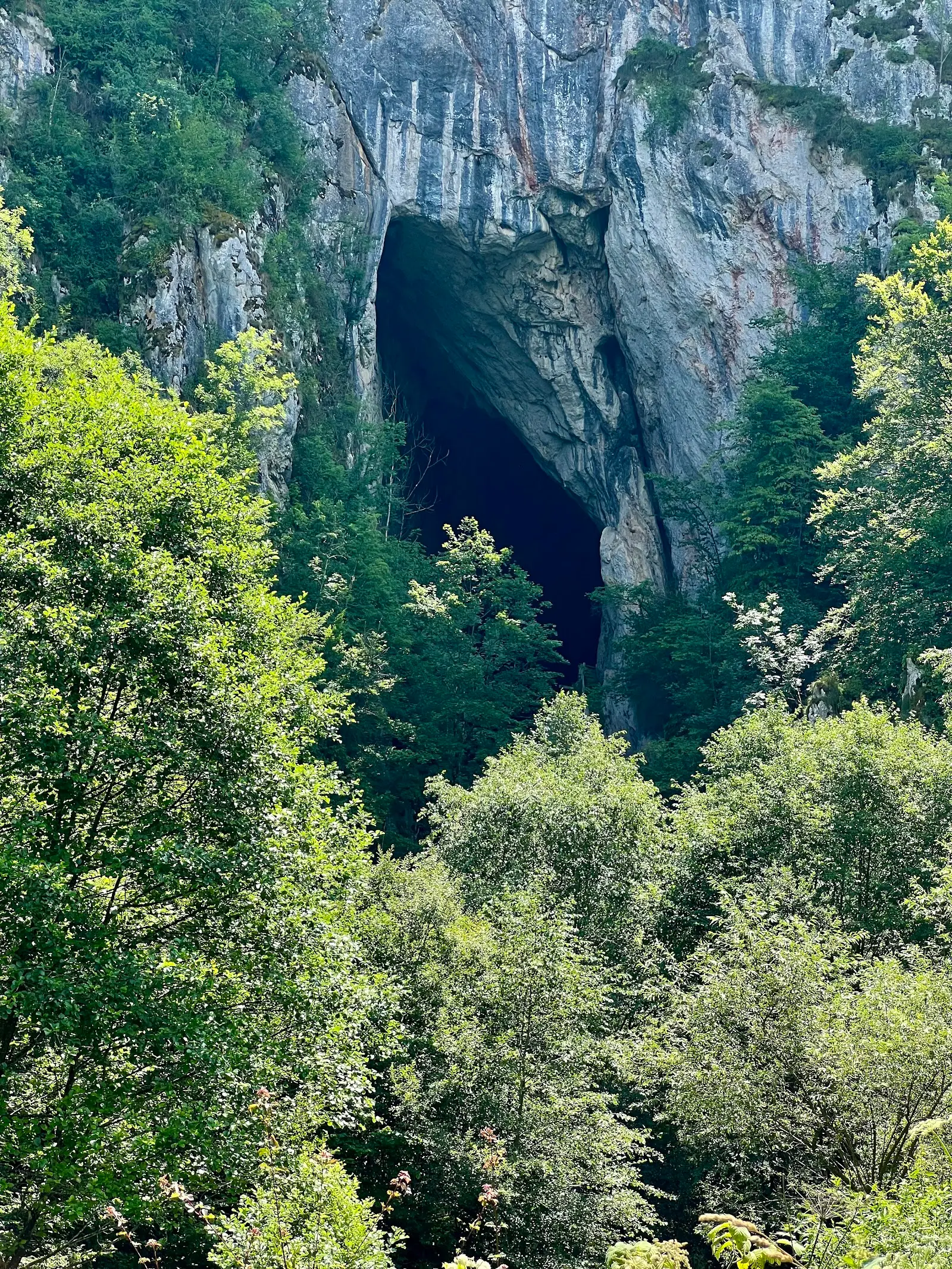
The Outlaws' Grotto is a cave near the resort of Băile Herculane, one of the oldest spa resorts in Europe, set in the gorge of the Cerna River in the Banat. The name evokes legends about the outlaws who are said to have sheltered in such caves in the surrounding limestone massif, using them as hideouts in olden times. The grotto opens on the rocky slopes around the resort and can be visited during walks on the local trails. The surrounding landscape, with steep walls, rich vegetation, and thermal waters rising to the surface, makes the whole valley of the Cerna a remarkable place, prized since Roman times for its healing springs. Băile Herculane preserves historic buildings and an old-world air that complements the beauty of the nature. Visitors can combine exploring the grotto with discovering the heritage of the resort. Suitable footwear is recommended for the access paths and caution on the rocky trails.
 Nature
Peștera Huda lui Papară
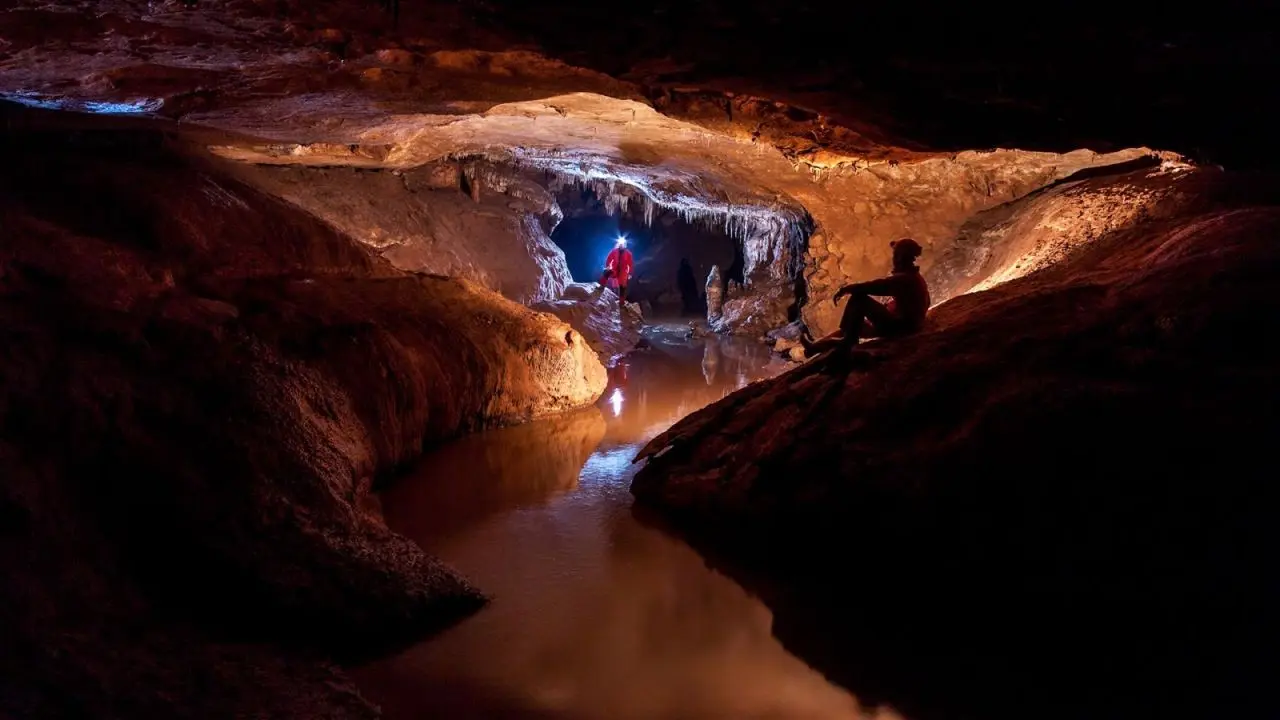
Huda lui Papară Cave, set in the limestone massif at the edge of the Trascău Mountains, in Alba County, is one of the most spectacular and most difficult caves in Romania, famed for its underground waterfalls and for the country's largest bat colony. An active watercourse flows through its galleries, and the visiting route, full of thresholds, waterfalls and narrow flooded passages, demands caving gear and an authorised guide, being reserved for the well prepared. The cave's legendary name recalls a shepherd, Papară, lost here with his flock. The impressive bat colony, strictly protected, makes the cave a nature reserve of great biological value. The scree, the damp and the absolute darkness make exploration an intense experience, only for lovers of adventure. Practical note: never enter unaccompanied; turn to an authorised caving club, since the cave is dangerous and access is regulated to protect the bats.
 Nature
Lacul Peștera Câmpina
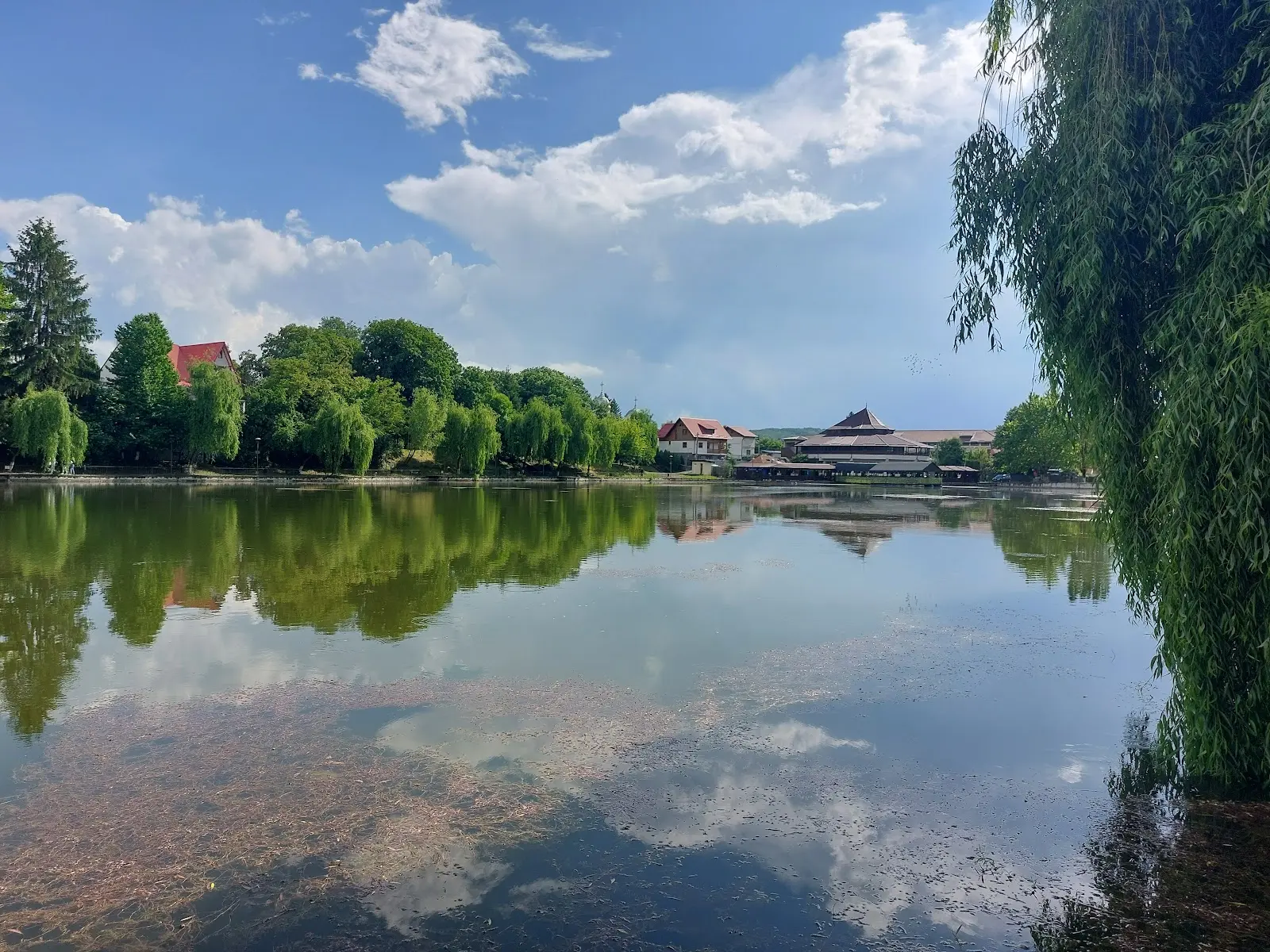
Lake Peștera, near the town of Câmpina in Prahova County, is a small, picturesque lake formed in an area of Subcarpathian hills, a recreation spot sought out by locals and by visitors looking for quiet on the edge of town. Ringed by vegetation and gentle slopes, the lake offers a restful setting for walks, fishing and picnics, a pleasant stop in a region rich in natural beauty and cultural landmarks. Câmpina, the nearby town, is known for the castle-mausoleum of Bogdan Petriceicu Hasdeu, raised by the scholar in memory of his daughter, and for the house where the painter Nicolae Grigorescu lived. The Prahova Subcarpathian area, with its hills, forests and springs, blends gentle nature with a rich cultural heritage. Practical note: combine a visit to the lake with the discovery of the Iulia Hasdeu Castle and the Nicolae Grigorescu Museum in Câmpina, all lying a short distance from one another.
 Nature
Peștera Vântului
The Wind Cave is the longest cave in Romania, set in the Padurea Craiului Mountains in Bihor County, near Oradea, with galleries extending for dozens of kilometres explored by cavers. Its name comes from the strong air current that flows from the entrance, a sign of the vast underground system behind it. The cave is famous for the richness and beauty of its formations, including stalactites, stalagmites, columns, crusts and rare concretionary shapes that make it a genuine monument of nature. Because of the sensitivity of the underground environment and the difficulty of the galleries, access is limited and organised, often in the form of guided routes for visitors or caving expeditions for the trained. The temperature inside is constant and low, so suitable clothing and footwear are needed. The surrounding area, with karst landscapes and wooded valleys, adds to the appeal of the trip. It is advisable to check in advance about visiting conditions, which may vary.
 Nature
Peștera Româneşti
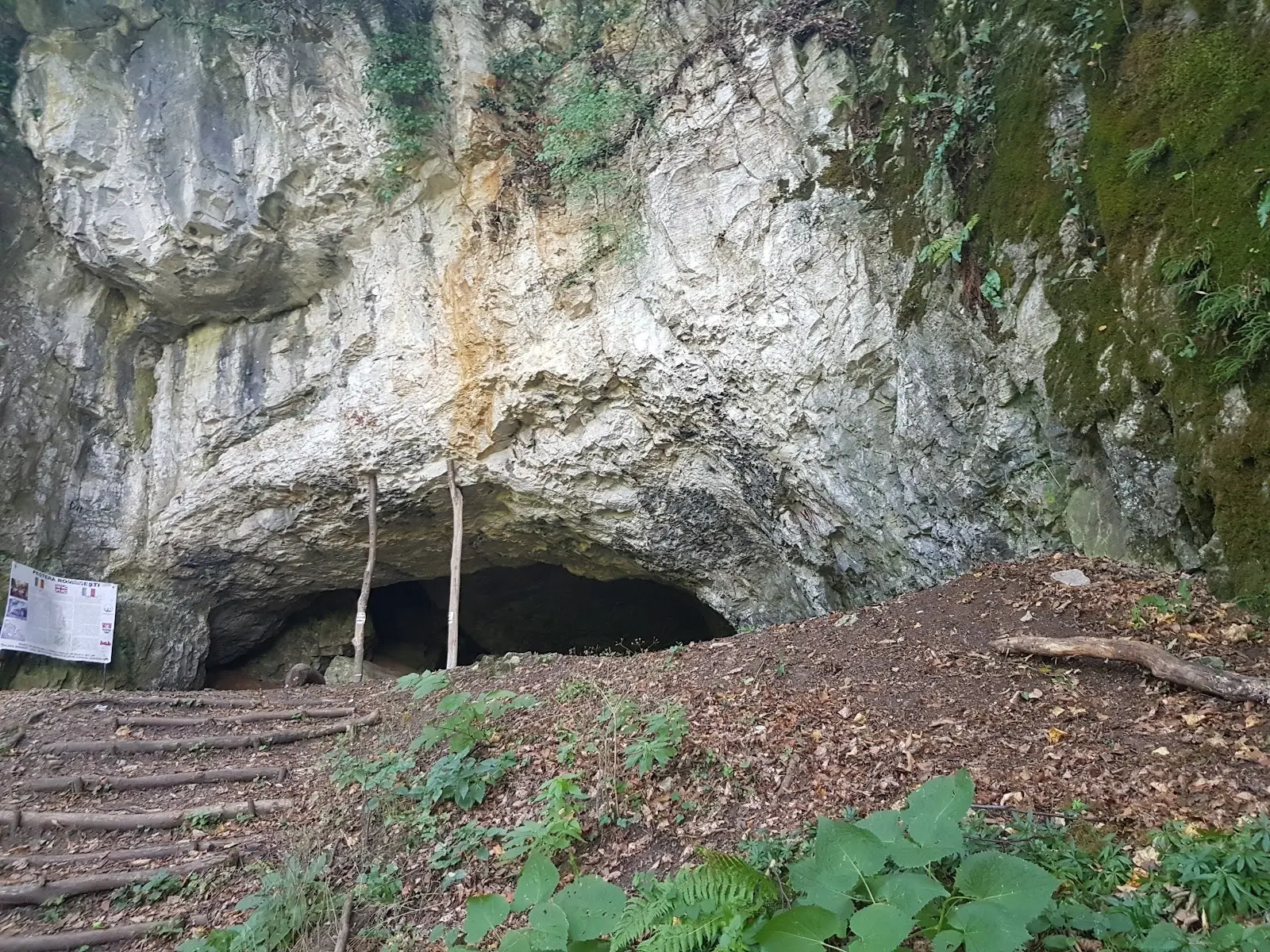
The Româneşti Cave lies in the Poiana Ruscă Mountains, in the Banat region northeast of Timișoara, and is known both for its natural value and for a distinctive feature: one of its chambers was in the past fitted out as a concert hall, thanks to its exceptional acoustics and generous size. The cave formed through the dissolution of limestone by underground waters and holds galleries, spacious chambers and stalactite and stalagmite formations. Its wide entrance and large interior made it possible to use for cultural events, an unusual case among Romania's caves. The surrounding area, forested and quiet, is suitable for short hikes, and the cave is an interesting destination for those exploring the mountainous Banat. The cave fauna includes bats, which is why quiet and care for the environment are important. Practical note: for a safe visit, a light source and suitable footwear are useful, and the damp, cool interior calls for appropriate clothing even in the warm season.
 Nature
Peștera Comarnic
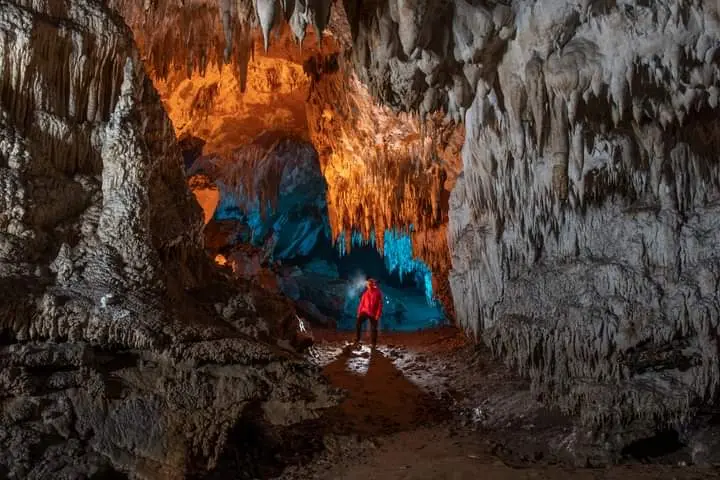
Comarnic Cave, in the Anina Mountains of Banat near Reșița, is one of the longest and most spectacular caves in this part of the country, with galleries stretching over several kilometres. Formed across millennia by water acting on the limestone rock, the cave impresses through the richness and variety of its speleothems, stalactites, stalagmites, columns, calcite draperies and petrified cascades in unusual shapes. An underground stream runs through part of the passages, adding to the cool, damp atmosphere typical of the subterranean environment. The cave also shelters cave-dwelling fauna adapted to the darkness, as well as colonies of bats that hibernate through the cold season. Set within a protected karst area of forested valleys and limestone gorges, Comarnic is a destination prized by caving enthusiasts and hikers alike. Access is by mountain paths, and visiting the developed galleries calls for suitable footwear and warm clothing.
 Nature
Peștera Bistrița
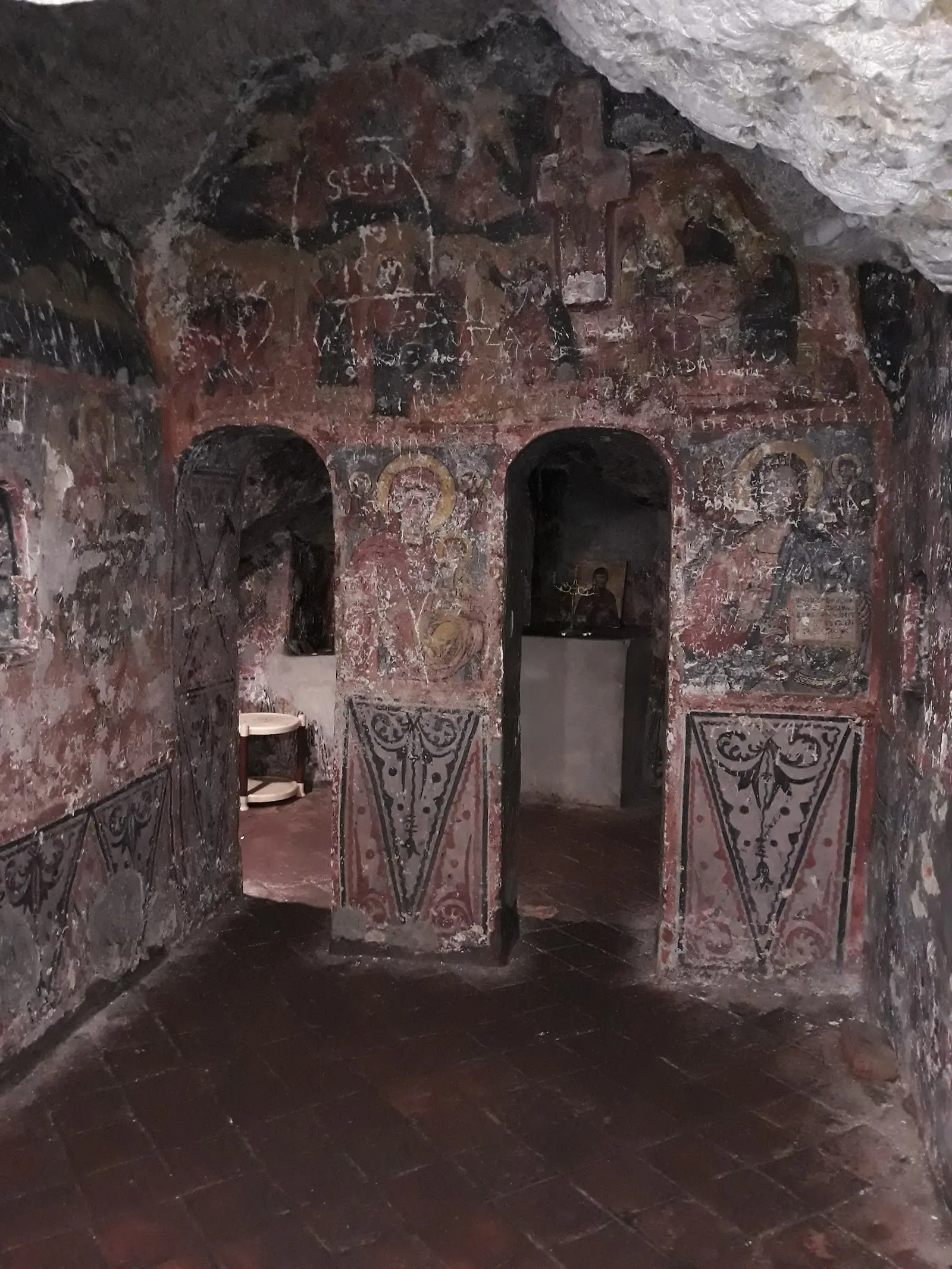
Bistrița Cave, in the Căpățânii massif near the village of Costești and the town of Horezu in Vâlcea county, is a cave with a long tradition of visits and a special significance in the history of monasticism in Oltenia. Set within the gorges of the Bistrița river, in a spectacular karst landscape of steep limestone walls, the cave served over the centuries as a refuge and hiding place, where in times of hardship the relics and treasures of the nearby Bistrița Monastery were kept safe. The interior preserves galleries and characteristic formations, and deep within it lies a small chapel, giving it a spiritual dimension. The surroundings offer hiking trails through gorges, springs and forest, as well as the chance to visit the nearby Bistrița Monastery, an important religious and cultural centre. The cave and its natural setting make this area a destination that blends karst nature with the monastic heritage of Vâlcea.
Plan your trip
Stay, tour and get there
Stays nearby
Where to stay
Experiences
Tours & activities
Guided tours, day trips and hand-picked experiences via GetYourGuide — free cancellation on most.
See all experiencesGetting to Romania
Flights, transfer & car
Fly into Romania
Compare fares to Bucharest Otopeni (OTP) and regional airports — Cluj, Sibiu, Iași, Timișoara.
Airport transfer
Private, fixed-price door-to-door transfer — driver waiting from the moment you land.
Rent a car — see the real Romania
A rental car is the key to Romania: the Transfăgărășan, the painted monasteries of Bucovina, mountain roads and the villages of Maramureș that no train reaches.
Find a car