Things to Do in Cluj-Napoca: the Best Sights & Experiences
A guide to the best things to do in Cluj-Napoca — from Union Square and Cetățuia hill to the city's celebrated café culture and day trips out to the Salina Turda salt mine.
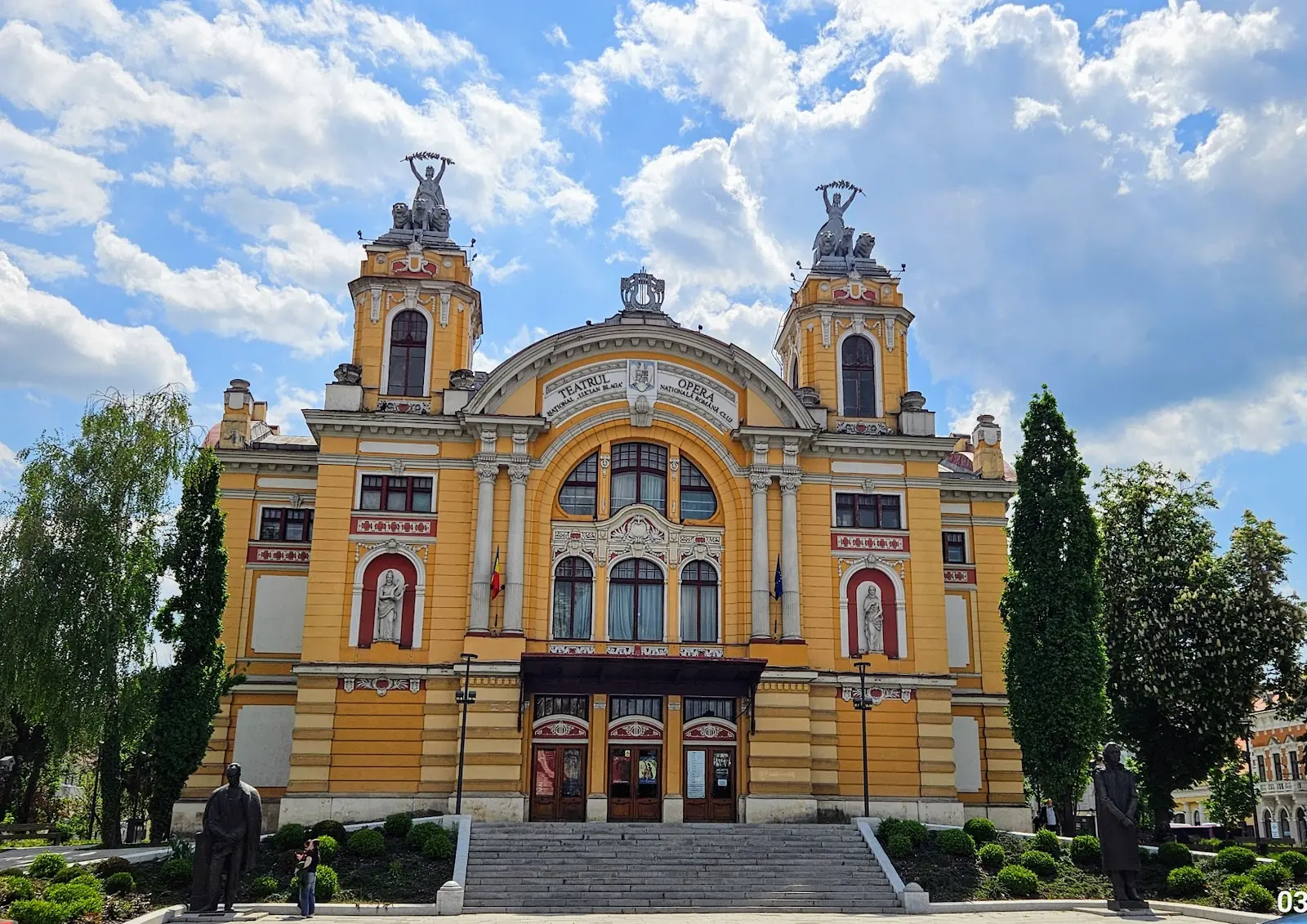
Cluj-Napoca is Transylvania's confident, youthful capital — a university city with a Gothic heart, a coffee scene that rivals Vienna, and one of Europe's busiest festival calendars. It rewards the curious traveler who slows down: an afternoon in the old squares, an evening on a terrace, a morning hike to a hilltop viewpoint. Here are the best things to do, and how to string them together.
Union Square & St Michael's Church
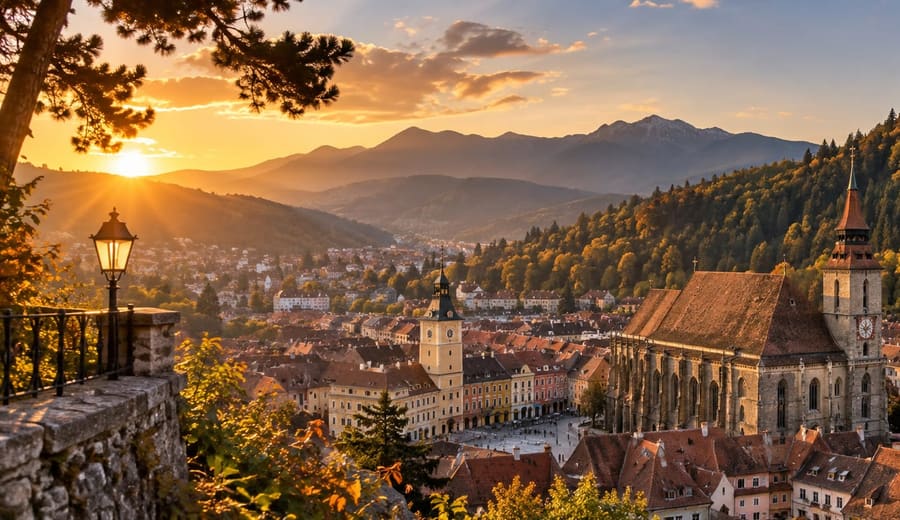
Start where the city does. Piața Unirii (Union Square) is Cluj's grand living room, a wide pedestrian expanse framed by pastel townhouses and dominated by St Michael's Church — one of the largest Gothic hall churches in Romania. Step inside for the soaring nave and the light through the tall windows, then walk around to the base of the tower, the tallest in the country.
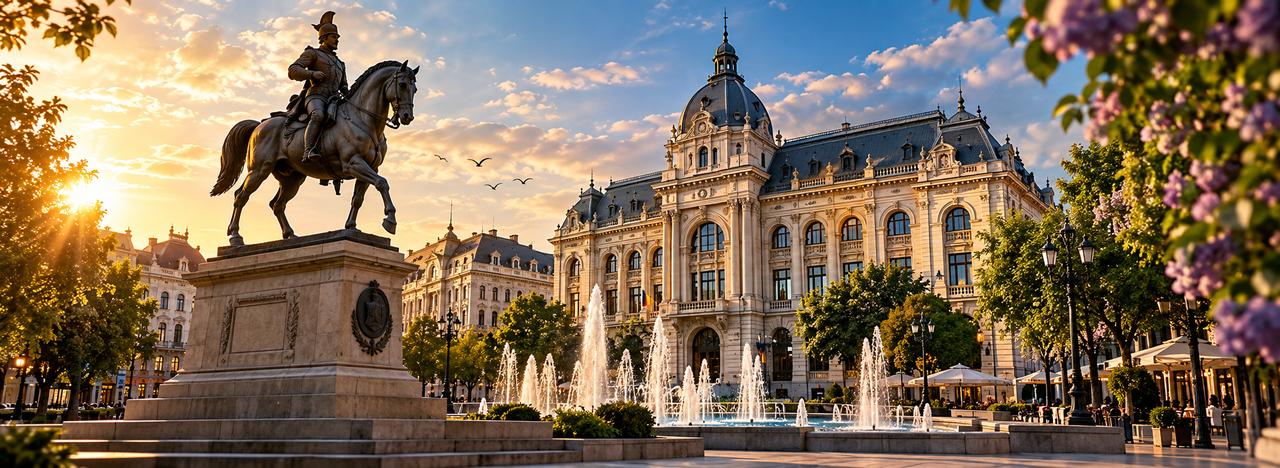
Beside the church stands the Matthias Corvinus statue, an equestrian monument to the Hungarian king born here in 1443 — the square's defining photograph and the natural meeting point for any walk through the center. The square is ringed with cafés, so it doubles as your first coffee stop.
Cetățuia hill — the best skyline view
For the single best view in Cluj, climb Cetățuia (the Citadel hill) on the north bank of the Someș. It's a short but steep walk up from the river; a staircase and switchback paths bring you to a terrace where the whole city unfolds — church spires, red rooftops, the university towers and the hills beyond.
Go near sunset, when the light turns the rooftops gold. There's a café at the top if you want to linger, and the descent puts you right back among the bridges and riverside promenades.
The old squares & museums
Cluj's old core is compact and made for wandering. Piața Muzeului (Museum Square) is the prettiest — cobblestones, a Franciscan church, and terraces that spill out under the trees. It's home to the National History Museum of Transylvania, whose collection runs from prehistoric artifacts to Roman-era Napoca, the settlement that gave the city half its name.
A few streets away, the Art Museum occupies the Bánffy Palace, the finest Baroque building in the city. The galleries pair European painting with Romanian and Transylvanian masters, and the palace itself — courtyard, staircase, painted ceilings — is half the reason to visit. For deeper context on all of this, see our full Cluj-Napoca destination guide.
The Botanical Garden & Central Park
When you need green, Cluj delivers. The Alexandru Borza Botanical Garden is among the most beautiful in Southeast Europe — some 14 hectares of themed sections, glasshouses, a Japanese garden and a Roman garden, with a tower you can climb for a view over the greenhouses.
Closer to the center, Central Park stretches along the Someș with lawns, a boating lake and shaded avenues; beside it sits Cluj Arena, the modern stadium that anchors the city's summer festivals. Together they make the perfect place to reset between museums and meals.
Café & nightlife culture
This is where Cluj truly stands apart. Widely considered Romania's best-eating and most youthful big city, it has turned coffee into a civic ritual — specialty roasters, third-wave espresso bars and leafy courtyards tucked behind old façades. Spend a morning café-hopping around the center and you'll understand the city's rhythm.
By night, the student energy takes over: wine bars, craft-beer taps, ruin-style pubs and clubs cluster around the university quarter and the old town. You can eat exceptionally well here too, from Transylvanian classics to modern bistros — order a local wine from the nearby hills and settle in.
Festivals — the festival capital
Cluj is, without much argument, Romania's festival capital. Untold is one of Europe's biggest electronic-music festivals, filling Cluj Arena and the city every summer. Electric Castle, staged at the Bánffy Castle grounds at Bonțida just outside the city, blends music with an unforgettable setting. And TIFF (the Transylvania International Film Festival) turns the whole center into open-air cinema each spring.
If your dates line up with any of them, plan around it — accommodation books out fast. See our festivals coverage for the seasonal calendar.
Day trips from Cluj
Some of the region's greatest sights are an easy drive away:
- Salina Turda — a vast salt mine turned surreal underground attraction, with an amphitheater, a Ferris wheel and a boating lake far below the surface. It's the single most popular day trip from Cluj; read our dedicated Salina Turda guide.
- Cheile Turzii (Turda Gorge) — a dramatic limestone canyon laced with marked trails and footbridges, ideal for a half-day hike.
- The Apuseni Mountains — caves, karst plateaus, waterfalls and quiet villages, the wild heart of western Transylvania.
- Bánffy Castle at Bonțida — the "Versailles of Transylvania," a grand estate under restoration and the home of Electric Castle.
Best for — and how many days
Cluj-Napoca is best for travelers who love living cities over museum-pieces — great coffee, real nightlife, walkable squares and a festival buzz, all within reach of dramatic countryside. Give it two days for the center, squares, museums and Cetățuia, and a third day for a trip out to Salina Turda or Cheile Turzii. Time it with Untold, Electric Castle or TIFF and you'll see the city at its most electric.
Plan your trip
Stays nearby
Stays in Romania
Experiences
Tours & activities
Guided tours, day trips and hand-picked experiences via GetYourGuide — free cancellation on most.
See all experiencesGetting to Romania
Flights, transfer & car
Fly into Romania
Compare fares to Bucharest Otopeni (OTP) and regional airports — Cluj, Sibiu, Iași, Timișoara.
Airport transfer
Private, fixed-price door-to-door transfer — driver waiting from the moment you land.
Rent a car — see the real Romania
A rental car is the key to Romania: the Transfăgărășan, the painted monasteries of Bucovina, mountain roads and the villages of Maramureș that no train reaches.
Find a car